
The Balkans, stretching across Southeastern Europe, is a captivating region where rugged mountains, riverside stone cities, and centuries-old cultures intertwine. For many travelers, a Balkans tour is more than just a vacation—it is a journey through a living history book. From the nostalgic alleys of Sarajevo's Baščaršija to the iconic Stone Bridge of Skopje, and from the elegant arches of Mostar to the crystal-clear waters of Lake Ohrid, the region offers a seamless blend of Ottoman legacy and Central European charm.
Spanning Bosnia-Herzegovina, Serbia, North Macedonia, Montenegro, Albania, and Kosovo, this route unites neighboring countries through shared history, mouth-watering cuisine, and breathtaking landscapes. In this comprehensive guide, we explore the must-visit cities, the most efficient itineraries, the best seasons to visit, and essential travel tips.
At Travel Tour Shop, we curate our experiences to match your travel style. Whether you are a history buff, a nature lover, or a foodie, we help you navigate the complexities of the region to find the perfect path. Below, you will find a general overview followed by detailed country guides, cultural insights, and practical planning advice.
Quick Facts
| Category | Details |
|---|---|
| Region / Countries | Bosnia-Herzegovina, Serbia, North Macedonia, Montenegro, Albania, Kosovo |
| Best Time to Visit | Spring (April-June) and Autumn (September-October); Summer is ideal for the coast |
| Recommended Duration | Multi-country itineraries typically range from 6 to 8 days |
| Highlight Cities | Sarajevo, Mostar, Belgrade, Skopje, Ohrid, Kotor, Budva, Tirana, Pristina, Prizren |
| Transport & Visas | Flights via major hubs; always verify current official entry requirements before booking |
Exploring the Balkans: Country by Country & Ottoman Legacies
Every country in the Balkans possesses its own unique rhythm and historical texture. Because most cities are only a few hours apart by road, it is easy to combine several nations into one seamless itinerary. Here are the primary highlights of the region's six most prominent destinations.
Bosnia-Herzegovina: Sarajevo and Mostar
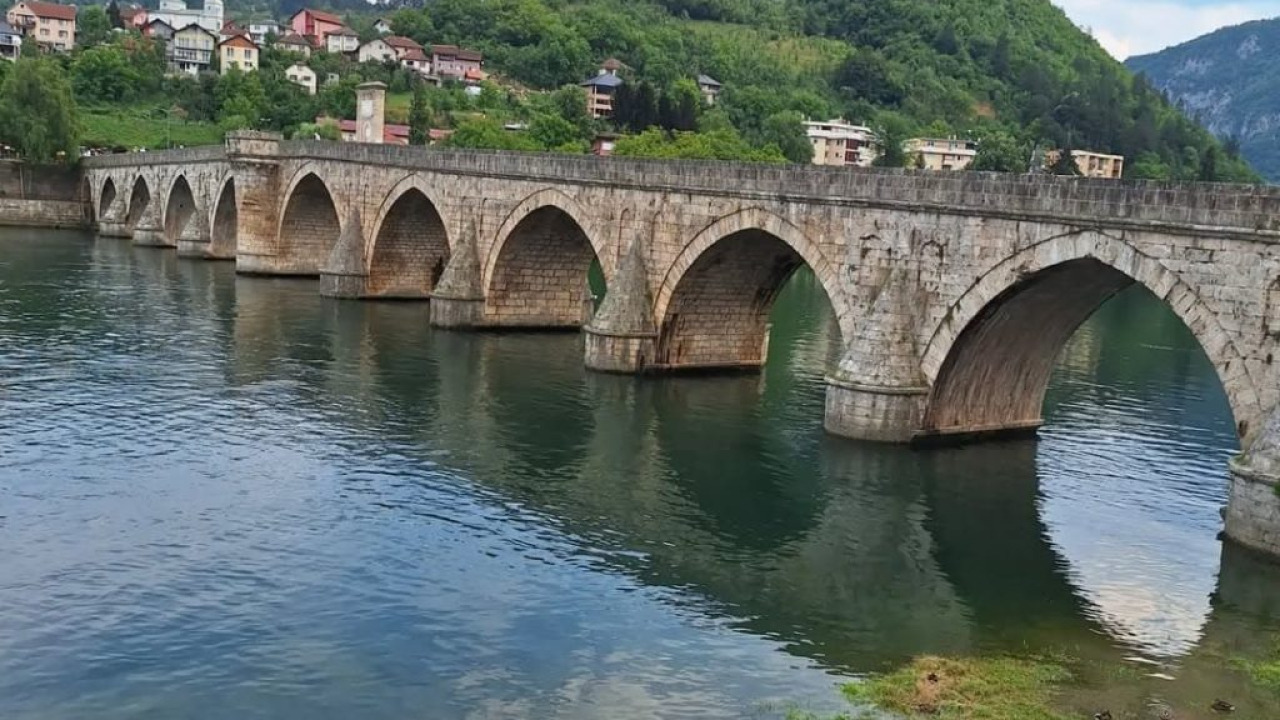
Sarajevo, where East meets West and Islam coexists with Christianity, is often the emotional heart of any Balkans tour. The Ottoman-era Baščaršija (the old bazaar), the historic sebils, copper-smith workshops, and the Gazi Husrev-Bey Mosque provide a sense of timelessness. Meanwhile, the Latin Bridge stands as a somber witness to the city's modern history. Further south, the Stari Most (Old Bridge) in Mostar rises gracefully over the Neretva River; a masterpiece of 16th-century Ottoman architecture and one of the most photographed spots in the region. For nature lovers, the stone village of Počitelj and the stunning Kravice Waterfalls add a touch of natural wonder to the Bosnian leg of the trip.
Serbia: Belgrade
Situated at the confluence of the Danube and Sava rivers, Belgrade (the "White City") is one of the most vibrant metropolises in the Balkans. Typical experiences include watching the two rivers merge from the imposing Kalemegdan Fortress, strolling down the bustling Knez Mihailova Street, and enjoying the city's riverside lounges. The bohemian spirit of Skadarlija street, the grandeur of the Saint Sava Temple, and a thriving cafe culture complete the city's multifaceted personality. Belgrade often serves as the northern anchor for multi-country tours, injecting a modern, cosmopolitan energy into the journey.
North Macedonia: Skopje and Ohrid
Skopje is a capital of two halves, divided by the Vardar River: one side hosts the historic Turkish Bazaar, the Stone Bridge, and Ottoman mosques, while the other features sprawling plazas and an array of modern statues. It is one of the best places to witness the density of Ottoman influence in the region. To the southwest lies Ohrid, perched on the shores of the UNESCO-protected Lake Ohrid. With its translucent waters, ancient Orthodox churches, and peaceful boat tours, Ohrid represents the serene, spiritual side of the Balkans.
Montenegro: Kotor and Budva
On the Adriatic coast, Montenegro offers a dramatic landscape where mountains plunge directly into the sea, creating bays that resemble fjords. The Old Town of Kotor (Stari Grad), tucked behind medieval walls, is famous for its narrow cobblestone streets and the challenging hike up to the fortress for a panoramic view. Nearby Budva offers a more high-energy atmosphere with its historic peninsula and golden beaches. The luxury marina of Tivat is also a frequent addition to coastal itineraries.
Albania: Tirana and Shkodër
Albania has rapidly become a favorite for those seeking "off-the-beaten-path" adventures. The capital, Tirana, is a dynamic stop characterized by colorful buildings, wide squares, and a lively cafe culture. In the north, Shkodër stands as one of the oldest settlements, boasting a stunning castle view and lakeside charm. To the south, Berat—known as the "City of a Thousand Windows"—is a UNESCO World Heritage site famous for its preserved Ottoman-era neighborhoods. For beach lovers, the crystal-clear coves of Ksamil complete the Albanian experience, making the country a versatile destination for both culture and nature.
Kosovo: Pristina and Prizren
Kosovo is a place where Ottoman culture remains vibrantly alive. The capital, Pristina, is known for its energetic center and historic mosques. However, the cultural soul of the country is Prizren. With its stone bridge, the Sinan Pasha Mosque, and narrow bazaar streets, Prizren feels like an open-air museum and is often the most culturally familiar stop for those appreciating Eastern heritage.
Planning Your Route: Which Order is Best?
Balkans itineraries are typically designed based on geographical proximity. One popular approach is the North-to-South route: starting in Belgrade, moving through Sarajevo and Mostar toward the Montenegrin coast, and then heading inland to Skopje and Ohrid. Another common alternative is to fly into Tirana and follow a loop through Albania, Kosovo, North Macedonia, Serbia, and Bosnia-Herzegovina.
When deciding on your sequence, consider these three factors: 1. Flight Logistics: Choosing your start and end cities based on flight availability reduces backtracking. 2. Interests: If you are drawn to history and Ottoman architecture, prioritize Sarajevo, Skopje, and Prizren. If you prefer coastlines and nature, allocate more time to Kotor and Budva. 3. Pace: For shorter trips, focus on 3 or 4 key cities. For a comprehensive experience, a 6-to-8-day tour can link all six countries.
Keep travel times in mind: Sarajevo to Mostar is about two hours, while Kotor to Budva is a quick 30-minute drive. However, traveling from Belgrade to the Adriatic coast is a longer haul. To balance your day, schedule long drives for the morning and keep city explorations for the afternoon.
The Ottoman Heritage & Cultural Trail
What makes the Balkans truly special is the enduring Ottoman legacy. From the Baščaršija in Sarajevo and the Stone Bridge in Skopje to the Stari Most in Mostar and the preserved quarters of Berat, these sites are echoes of a shared cultural past. Walking through these old bazaars, you will find familiar sights: traditional hammams, ornate fountains, and a similar approach to hospitality.
To deepen your experience, we recommend viewing the region as a multilayered tapestry. In almost every city, Ottoman mosques and stone bridges stand side-by-side with Orthodox monasteries and Austro-Hungarian architecture. This intersection of faiths and empires is the region's most defining characteristic. You can explore our specialized cultural tours for more themed options.
Balkan Cuisine: Flavors That Feel Like Home
Balkan gastronomy shares so many roots with Mediterranean and Middle Eastern cuisines that travelers rarely feel out of place. Here are the must-try local delicacies:
- Cevapi / Ćevapčići: A staple in Bosnia and Serbia. These grilled minced meat sausages are served in a fluffy homemade bun (lepinja) with kaymak (clotted cream) and chopped onions.
- Burek (Bosnian Pie): Hand-rolled, flaky phyllo pastry filled with minced meat, cheese, spinach, or potato. It is the ultimate breakfast or lunch classic in Sarajevo.
- Tavče Gravče: A signature dish of North Macedonia—spicy baked beans slow-cooked in traditional earthenware pots.
- Trileçe: A light, milky dessert made from three types of milk and topped with caramel; a sweet favorite across the region.
Coffee culture is also paramount. Whether it is called "Bosnian coffee" or "Turkish coffee," the ritual of slow sipping in a crowded bazaar is an essential part of the experience. For those who want to make food the center of their journey, check out our gastronomy and organization tours.
Timing, Visas, and Logistics
The best time to visit the Balkans is during the shoulder seasons: Spring (April-June) and Autumn (September-October). The weather is mild, making city walking tours and outdoor exploration comfortable. July and August are peak months for the Adriatic coasts of Montenegro and Albania, though inland temperatures can become quite high. Winter offers a quiet, low-season atmosphere, though snow can occasionally impact travel through mountain passes.
Most multi-country programs are designed for 6 to 8 days, which allows for a reasonable pace through Belgrade, Sarajevo, Mostar, Kotor, Ohrid, and Skopje. Shorter trips focusing on just two or three countries are also possible for those who prefer a slower, more immersive pace.
Regarding visas, it is essential to stay updated. While many nationalities enjoy visa-free entry to several Balkan countries, requirements, necessary documentation, and stay limits can change. We strongly recommend verifying current official regulations before your trip. Ensure your passport is valid for at least six months and that you have travel health insurance. Because these routes involve multiple border crossings, booking a guided program with pre-arranged transport and accommodation can save you significant stress and time. Compare all our tour options to find the right fit.
Frequently Asked Questions 6
What is the best order for a Balkans tour?
Routes are usually based on geography. A common path starts in Belgrade, goes through Sarajevo and Mostar to the Montenegrin coast, and ends in Skopje and Ohrid. Alternatively, you can fly into Tirana and move through Albania, Kosovo, North Macedonia, Serbia, and Bosnia. Your choice should depend on your flights, interests, and total time.
When is the best month to visit the Balkans?
Spring (April-June) and Autumn (September-October) are most comfortable for city sightseeing. July and August are perfect for the beaches of Montenegro and Albania. Winter is quieter but can be challenging in mountainous areas.
How many days does a Balkans tour typically take?
Multi-country tours usually last between 6 and 8 days. This is enough time to see the major highlights like Belgrade, Sarajevo, Mostar, Kotor, Ohrid, and Skopje at a steady pace. Shorter trips focusing on 2-3 countries allow for more depth in each city.
Do I need a visa for a Balkans tour?
Visa requirements vary by nationality. Many travelers can enter several Balkan countries with just a passport or ID, but since rules change frequently, always check official government sources before traveling. Ensure your passport validity and travel insurance are in order.
Which countries and cities are included in a Balkans tour?
Most comprehensive tours cover Bosnia-Herzegovina, Serbia, North Macedonia, Montenegro, Albania, and Kosovo. Key cities include Sarajevo, Mostar, Belgrade, Skopje, Ohrid, Kotor, Budva, Tirana, Pristina, and Prizren.
Where can I see Ottoman heritage in the Balkans?
Ottoman influence is widespread. Key spots include the Baščaršija and Gazi Husrev-Bey Mosque in Sarajevo, the Stone Bridge and Turkish Bazaar in Skopje, the Stari Most in Mostar, the Sinan Pasha Mosque in Prizren, and the historic neighborhoods of Berat.