
German cuisine is characterized by hearty portions, often a concise ingredient list, and a strong adherence to tradition. Travelers curious about regional cooking methods – whether meat is roasted or boiled, or how many types of bread grace a bakery window – will find a rich culinary landscape here. Geographically protected products and standardized recipes make this cuisine wonderfully decipherable. However, palates seeking seafood at every meal, sharp spices, or late-night dining might find it challenging: fish is limited outside the northern coast, the spice profile is generally mild, and evening service tends to start and finish early. This guide will walk you through what to eat where, and how the German dining experience practically unfolds, region by region.
Quick Facts
| Topic | Information |
|---|---|
| Culinary Identity | Regional; each state maintains its own meat, pastry, and beer traditions |
| Signature Dishes | Schnitzel, Bratwurst, Currywurst, Schweinshaxe, Käsespätzle, Fischbrötchen |
| Bakery Scene | Over 3,000 registered bread varieties in the Brotregister |
| Geographically Protected Products | Nürnberger Rostbratwürste, Thüringer Rostbratwurst, Schwäbische Spätzle, Schwäbische Maultaschen |
| Beer Production | 1,415 active brewers in 2025, 588 in Bavaria (Deutscher Brauer-Bund) |
| Meal Times | Lunch 12:00-14:00; evening service starts around 18:00 |
| Vegetarian Options | Käsespätzle, vegetable Maultaschen, potato salad |
| Payment | Cash and Girocard common, credit cards not universally accepted |
German Dining, Region by Region
As Germany is a polycentric country, its culinary landscape doesn't stem from a single origin. The table below summarizes what to look for in each region.
| Region | Defining Culinary Trait | Highlighted Dish | Beverage Trend |
|---|---|---|---|
| Bavaria | Roast and grill feasts | Schweinshaxe, Weißwurst, Brezel | Weissbier, Helles; beer gardens |
| Baden-Württemberg | Noodle and pastry tradition | Käsespätzle, Maultaschen | Regional lager, wines from neighboring vineyards |
| Rhine Region & Cologne | Sweet-sour sauces | Sauerbraten, Himmel un Ääd | Kölsch; Altbier in Düsseldorf |
| North Coast | Port and fishing | Fischbrötchen, Labskaus | Pils; bitter profile |
| Berlin & East | Migration and street food | Currywurst, Döner, Königsberger Klopse | Pils, craft brewers |
| Franconia | Small-scale production | Nürnberger Rostbratwürste | Kellerbier, Rauchbier |
Meats and Charcuterie: From Schnitzel to Wurst
The meat dishes in German cuisine are governed by strict written standards: ministerial guidelines and EU geographical indication specifications define which meat, measurements, and spices are required for a dish to bear a certain name. The result? When you read a name on the menu, you largely know what to expect on your plate.
Schnitzel: A Dish Defined by Law
According to the "Leitsätze für Fleisch und Fleischerzeugnisse" (Guidelines for Meat and Meat Products) published by the Federal Ministry of Food and Agriculture, Wiener Schnitzel is a breaded veal cutlet. A version prepared in the same manner but with meat from another animal is labeled with the "Wiener Art" (Viennese style) designation, for example, Schweineschnitzel Wiener Art (pork schnitzel Viennese style). The same text also states that a schnitzel without a specified animal type is considered pork; if the menu simply says "Schnitzel," it's wise to ask about the type of meat.
The dish typically comes with a lemon wedge, potato salad, or pan-fried potatoes (Bratkartoffeln). For variants like Jägerschnitzel (hunter's schnitzel) with mushroom sauce, asking for the sauce on the side in a separate gravy boat helps preserve the schnitzel's crispiness.
Bratwurst: Geographical Indication Defines the Sausage's Standards
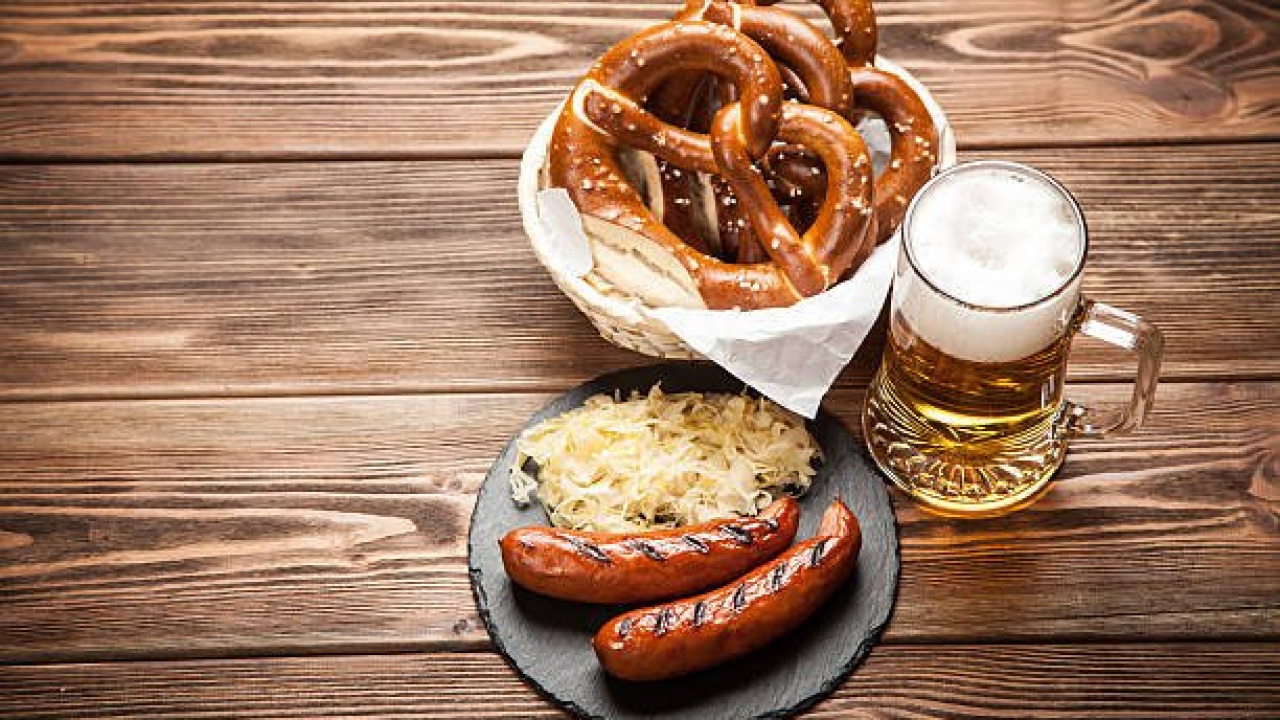
Nürnberger Rostbratwürste (Nuremberg grilled sausages) have carried a protected geographical indication in the European Union since 2003. The specification requires the sausage to be between 7 and 9 centimeters long, weigh a maximum of 25 grams, be filled into sheep casings, seasoned with marjoram, and produced within the city limits of Nuremberg. On the street, three are typically sold in a bun; on a plate, they come in servings of six or twelve with sauerkraut.
Thüringer Rostbratwurst (Thuringian grilled sausage), registered in 2004, offers a contrasting experience. Its specification mandates a length of at least 15 to 20 centimeters and a weight of 100 to 150 grams, with caraway, marjoram, and garlic prominent in its spice profile.
Currywurst: Berlin's Post-War Invention
visitBerlin, the city's official tourism board, describes Currywurst as a post-World War II invention of the city. According to popular accounts, the recipe originated on September 4, 1949, at Herta Heuwer's snack stand in Charlottenburg. Today, it's standard to serve sliced fried sausage with a curry-spiced tomato sauce. The board's list separately features Zur Bratpfanne, which has been serving Currywurst since 1949, and Konnopke's Imbiss on Schönhauser Allee.
Planning note: The Deutsches Currywurst Museum in Mitte, which operated for many years, closed on December 21, 2018. As it may still appear in older guidebooks, do not include this museum in your itinerary.
Berlin's second layer of street food is Döner. A traditional product registration application to the European Union for this dish, popularized by Turkish-origin entrepreneurs since the 1970s, was published in the Official Gazette in 2024. However, German producers objected, and the process concluded without establishing a binding standard; thus, the meat, sauce, and bread for Döner vary from shop to shop. We previously discussed how German palate preferences reflect in their holiday choices in Turkey in our article German Tourist Profile.
Schweinshaxe and Eisbein: The Same Cut, Two Distinct Methods
In Bavaria, the pork hock is slow-roasted in the oven until the skin is crispy and served as Schweinshaxe with Knödel (dumplings) and cabbage. In Berlin and the north, the same cut is cured and boiled, known as Eisbein, and typically served with pea puree. Both are substantial portions; ordering to share can balance out your evening meal.
The Bakery Scene: Brezel, Bread, and Abendbrot
In Germany, bakeries aren't just a side act; they're central to the rhythm of the day. Breakfast, a midday snack, and even the evening meal often originate from the same display.
Brezel: Bavaria's Everyday Snack
Known for its knotted shape and coarse rock salt, the Brezel is a pastry with a thin, crisp crust and a soft interior. In Bavaria, a buttered version (Butterbrezel) is a standard option between morning and midday. It loses its crispiness a few hours after baking, so grab one early in the morning.
Brotregister: Over 3,000 Registered Breads and Heritage Status
The Brotregister, maintained by the Deutsches Brotinstitut, lists over 3,000 types of bread. German bread culture was added to the country's national inventory of intangible cultural heritage (Bundesweites Verzeichnis des immateriellen Kulturerbes) by the German UNESCO Commission in 2014; this inventory is separate from UNESCO's international representative list. Look for names like Roggenbrot (rye bread), Vollkornbrot (whole grain bread), and the dark Pumpernickel in the display.
Abendbrot: The Cold Evening Meal
Abendbrot is the tradition of having a cold evening meal, typically consisting of bread, cheese, cold cuts, and pickles, rather than a cooked dinner. As it's a home-based meal, you won't usually find it in restaurants. Planning your supermarket shopping accordingly can ease the pressure of evening meal prep.
Beer Culture and Non-Alcoholic Alternatives
What the Reinheitsgebot Does (and Doesn't) Say
The regulation proclaimed in Bavaria in 1516 stipulated that beer should be brewed from water, barley, and hops; yeast, unknown at the time, was not included in the original text but was later added to today's definition. Wheat was omitted not due to purity concerns, but because it was reserved for bread production. The current framework is the Vorläufiges Biergesetz (Provisional Beer Law) from 1993: bottom-fermented beers use water, barley malt, hops, and yeast; for top-fermented beers, malts from grains other than barley and sugar are also permitted. This is the basis for Weissbier (wheat beer) being made with wheat malt.
Kölsch, Alt, and Weissbier: The Glass Changes with the City
Kölsch carries a protected geographical indication in the European Union and is produced exclusively within Cologne and its immediate surroundings, according to the Kölsch-Konvention adopted in 1986. It's served in a slender 0.2-liter "Stange" glass. Düsseldorf's counterpart is Altbier, brewed with dark malt. Nationally, Pils (Pilsner) is the dominant type, while wheat beer and export lagers remain smaller segments.
Biergarten Etiquette and the Tradition of Bringing Your Own Food
In Bavaria, the noise limits and closing times for beer gardens are regulated by the Bayerische Biergartenverordnung (Bavarian Beer Garden Ordinance) of April 20, 1999. Traditional gardens typically consist of two sections: a waiter-service area and a self-service area. The self-service section is where you can enjoy your own brought Brotzeit (bread, cheese, radishes, cold cuts); beverages must be purchased from the establishment. Tables are often shared, and it's considered polite to ask before sitting at an empty spot. A deposit (Pfand) may be charged for glasses.
Non-Alcoholic Choices and Age Restrictions
Non-alcoholic beer, Apfelschorle (a mix of apple juice and sparkling water), Spezi (cola and orange soda), and Radler (beer mixed with lemonade) are found on every menu. Article 9 of the Jugendschutzgesetz (Youth Protection Act) prohibits serving beer, wine, and sparkling wine to those under 16, with an exception if accompanied by a legal guardian; distilled alcoholic beverages cannot be sold before the age of 18. For travelers driving or abstaining from alcohol, the non-alcoholic options are plentiful.
Dessert and Coffee Time
The Written Rules of Schwarzwälder Kirschtorte
According to the Federal Ministry's "Leitsätze für Feine Backwaren" (Guidelines for Fine Baked Goods), Schwarzwälder Kirschtorte (Black Forest Cherry Cake) is a cream or buttercream cake with Kirschwasser (cherry brandy). The taste of Kirschwasser is expected to be distinctly perceptible, and the dark cake layers must contain at least three percent cocoa powder. Products that resemble it but do not contain Kirschwasser must be named differently. Since the authentic recipe contains alcohol, it's advisable to inquire at the display if you're dining with children.
Kaffee und Kuchen: The Afternoon's Own Meal
Coffee and cake, known as Kaffee und Kuchen, is a distinct meal slot in Germany, nestled between lunch and dinner, typically observed between 15:00 and 17:00. Bakeries marked "Konditorei" (confectionery) fill up during these hours. Apple Apfelstrudel, almond Bienenstich (bee sting cake), and baked Käsekuchen (cheesecake) are common names you'll encounter.
Dining Logistics: Hours, Payment, and Reservations
Frankfurt, Munich, Berlin, Düsseldorf, and Hamburg, where international flights land, serve as gateways to five distinct culinary regions. Visa requirements vary by nationality and are updated periodically; confirm them with the German Federal Foreign Office (Auswärtiges Amt) before your trip.
| Topic | How it works in practice | What to do |
|---|---|---|
| Lunch service | 12:00-14:00; daily menu (Mittagstisch) | Plan heavier dishes for this window |
| Evening service | Starts around 18:00 | Reserve a table in advance |
| Sunday & public holidays | Retail closed, bakeries with limited hours | Stock up on groceries by Saturday evening |
| Bakery with cafe section | Subject to restaurant regulations (BGH, Oct 17, 2019) | Plan your Sunday breakfast here |
| Payment | Cash and Girocard common | Check for card signs at the entrance |
| Water order | Tap water not customary; sparkling or still | Specify your preference upfront |
| Tipping | Not automatically added, rounding up is common | State the total amount you wish to pay when settling the bill |
Sunday Closures and the Bakery Exception
Store opening hours are regulated at the state level, and retail shops are generally closed on Sundays. Bakeries have a limited window for Sunday sales. However, a Federal Court of Justice ruling on October 17, 2019, clarified that bakery branches operating with a cafe are subject to restaurant regulations, not these retail hour restrictions. So, if you're looking for fresh bread on a Sunday morning, aim for a bakery cafe with seating.
Reservations, Payment, and Table Etiquette
Evening reservations are expected at popular establishments. Bills can be split per person; simply tell the waiter "getrennt" (separately). As tips are not automatically included, stating the total amount you wish to pay when settling the bill is the established method. Cash is practical at casual, stand-up spots.
Seasonal and Festival Calendar
German dining changes with the seasons; the menu often serves as a calendar.
| Period | What changes on the menu | Note |
|---|---|---|
| April-May | Spargelzeit: white asparagus menus begin | Season traditionally closes on June 24th |
| June-August | Beer gardens and outdoor markets open | Finding a spot at long tables in the evening becomes harder |
| September-October | Oktoberfest in Munich (2026: Sep 19-Oct 4, Theresienwiese) | Beer from six Munich brewers is served |
| November-December | Christmas market season; displays shift to spiced goods | Evenings get very busy |
| January-March | Hearty, slow-cooked dishes come to the forefront | Indoor reservations become more valuable |
A Culinary Itinerary
A logical culinary progression is to travel from south to north, comparing experiences at each stop.
- Start in Munich: Try Weißwurst and Brezel around the market in the morning, then settle into the self-service section of a beer garden in the afternoon.
- Move on to Nuremberg: Taste Rostbratwürste both in a bun and on a plate, dedicating the evening to Franconia's small-scale brewers.
- In Stuttgart or Ulm, compare Käsespätzle and Maultaschen on the same day; you'll see how the noodle tradition diverges from the meat-heavy south.
- In Cologne, drink Kölsch from its 0.2-liter glass and discover the sweet-sour sauce philosophy with Sauerbraten; compare it with Altbier in Düsseldorf the next day.
- Enter Hamburg from the north: Enjoy Fischbrötchen at the harbor, then delve into coastal cuisine with Labskaus in the evening.
- Finish in Berlin: Currywurst, Döner, and Königsberger Klopse showcase three distinct culinary layers side-by-side.
Before You Go: Key Notes
- If the animal type isn't specified on the menu, assume the schnitzel is pork; explicitly ask for veal or turkey options.
- Prepare short German phrases for allergen inquiries; smaller establishments might not have English menus.
- Plan your Sunday without shopping; complete essential grocery purchases by Saturday.
- Try geographically protected products in their native regions; the differences in size and seasoning are best appreciated there.
- Only consume your own food in the self-service section of a beer garden.
- Inquire about cakes containing alcohol at the dessert display; this question is useful if you're dining with children.
In summary, German cuisine isn't about a single national recipe but rather a collection of complementary regional traditions: roasts and beer gardens in the south, pastries and noodles in the southwest, sweet-sour sauces in the west, fish in the north, and street food in the east. For those looking to explore a similar region-by-region culinary journey north of the Mediterranean, our Italy travel guide offers a comparable progression. Travelers seeking this approach in Turkey can start with the gastronomy and event tours in Turkey category; for those wishing to combine dining with museum and ancient city visits, the cultural tours in Turkey category is a great resource.
Frequently Asked Questions 6
What dishes should I try in German cuisine?
Nationwide, Schnitzel, Bratwurst, and Brezel are the essential trio. Regionally, Schweinshaxe and Weißwurst in Bavaria, Käsespätzle and Maultaschen in Baden-Württemberg, Sauerbraten in the Rhine region, Fischbrötchen and Labskaus on the north coast, and Currywurst with Königsberger Klopse in Berlin stand out. For dessert, Schwarzwälder Kirschtorte is popular.
What are the typical opening hours for restaurants in Germany?
Lunch service is generally offered between 12:00 and 14:00, with evening service starting around 18:00. On Sundays and public holidays, retail stores are closed, and bakeries operate within a limited window; however, bakery branches with a cafe section may be open on Sundays as they are subject to restaurant regulations.
What is the difference between Wiener Schnitzel and Schnitzel Wiener Art?
According to the Federal Ministry's guidelines for meat products, Wiener Schnitzel is a breaded veal cutlet. A version prepared in the same manner but with meat from another animal is labeled with the "Wiener Art" (Viennese style) designation, for example, Schweineschnitzel Wiener Art (pork schnitzel Viennese style). If the animal type is not specified on the menu, the product is considered pork.
What does the German Beer Purity Law (Reinheitsgebot) mean?
The regulation proclaimed in Bavaria in 1516 stipulated that beer should be brewed from water, barley, and hops; yeast was not mentioned in the text as it was unknown at the time. The current framework is the Vorläufiges Biergesetz (Provisional Beer Law) from 1993. Bottom-fermented beers use water, barley malt, hops, and yeast; for top-fermented beers, malts from grains other than barley and sugar are also permitted.
Is it difficult to find vegetarian and vegan options in Germany?
It is not difficult in city centers. Käsespätzle, vegetable-filled Maultaschen, potato salad, and vegetable soups are established options; separate vegan menus have become widespread in larger cities. In rural areas, options can be more limited, so it's advisable to check the menu in advance.
How do you pay restaurant bills and leave tips in Germany?
The bill is paid at the table and can be split per person. Tips are not automatically added; stating the total amount you wish to pay when settling the bill is the established method. Cash and Girocard are common in smaller establishments.