
As the first Turkish city to be inducted into the UNESCO Creative Cities Network for its culinary excellence, Gaziantep is a true gastronomic wonderland. Its location on the historic Silk Road has gifted it a rich spice heritage, world-class pistachios, wood-fired stone oven pastries, and culinary wisdom passed down through generations. Visiting Gaziantep is more than just a trip; it is a journey from one incredible table to the next. In this guide, we answer the essential question: "What and where should you eat on a Gaziantep gastronomy tour?" We provide a practical, 3-day culinary roadmap covering everything from legendary baklava and soul-warming beyran to decadent katmer and savory kebabs.
At Travel Tour Shop, we take quality seriously. We vet our local experience and tour providers rigorously, excluding approximately 83% of potential partners to ensure we only recommend experiences that have been personally tested and highly rated by our guests. We have applied this same meticulous approach to this guide, curating a simple, actionable framework for first-time visitors to discover exactly which flavors to seek out, where to find them, and when to enjoy them.
Quick Facts
| Topic | Information |
|---|---|
| UNESCO Status | Creative Cities Network, Gastronomy (First city in Turkey) |
| Signature Flavors | Baklava, beyran, katmer, Gaziantep kebabs, lahmacun, yuvalama |
| Culinary Hallmarks | Antep pistachios, clarified butter (sadeyağ), stone ovens, local spices |
| Culinary Diversity | Hundreds of regional dishes with an expansive repertoire |
| Key Markets | Elmacı Pazarı, Historical Coppersmiths' Bazaar, historic inns (hans) |
| Recommended Duration | 2-3 days for a food-focused trip |
| Best Season to Visit | Spring and Autumn (mild weather, fewer crowds) |
Why is Gaziantep Cuisine So Special?
The secret to Gaziantep’s culinary supremacy lies in the meticulous attention to detail and the unparalleled quality of its ingredients. The city boasts an incredibly diverse repertoire, ranging from boiled and grilled dishes to savory stews and oven-baked specialties. Here, dining is never rushed; every meal is a celebrated ritual. The silent heroes behind every plate are authentic Antep pistachios, freshly churned clarified butter, bread baked in wood-fired stone ovens, and carefully sun-dried spices.
The Spice Heritage of the Silk Road
Gaziantep's position on the Silk Road has left an indelible mark on its kitchen. This ancient trade route between the East and the Mediterranean brought cumin, sumac, chili flakes, mint, and countless other spices to the city. The sophisticated layers of flavor found on a Gaziantep table today—the perfect balance of sour and spicy, sweet and savory—are a direct legacy of this commercial history. For those looking to explore this culinary kinship with Middle Eastern traditions through a guided experience, our Middle Eastern food tours offer the perfect opportunity.
Antep Pistachios: The Culinary Crown Jewel
The Antep pistachio is so synonymous with the city that it appears in almost every corner of the cuisine. You will find it inside baklava, within kebab fillings, sprinkled atop desserts, or enjoyed as a roasted snack. The "boz fıstık"—green pistachios harvested before they fully ripen—is particularly prized for baklava, providing both a vibrant color and an intense aroma. The fresh pistachio harvest typically occurs from late summer to early autumn, making this the best time to visit if you want to taste them at their absolute peak.
Starting the Day the Gaziantep Way: Beyran and Katmer
Mornings in Gaziantep follow a different rhythm than most cities. While some locals prefer a hearty, spice-infused soup to kickstart their day, others opt for a sweet, pistachio-filled pastry. Both are essential pillars of the city's gastronomic identity.
Beyran Soup
Beyran is a rich, intense soup made with cubed meat, rice, garlic, and chili flakes, finished with a drizzle of sizzling hot oil. Served with fresh, warm tırnak pide bread, its combination of garlic and lemon makes it a revitalizing breakfast. Because it is considered a heavy, substantial meal, it is traditionally consumed in the early morning; finding Beyran later in the day can be a challenge. You will find the best Beyran masters concentrated around the historic bazaars.
Katmer
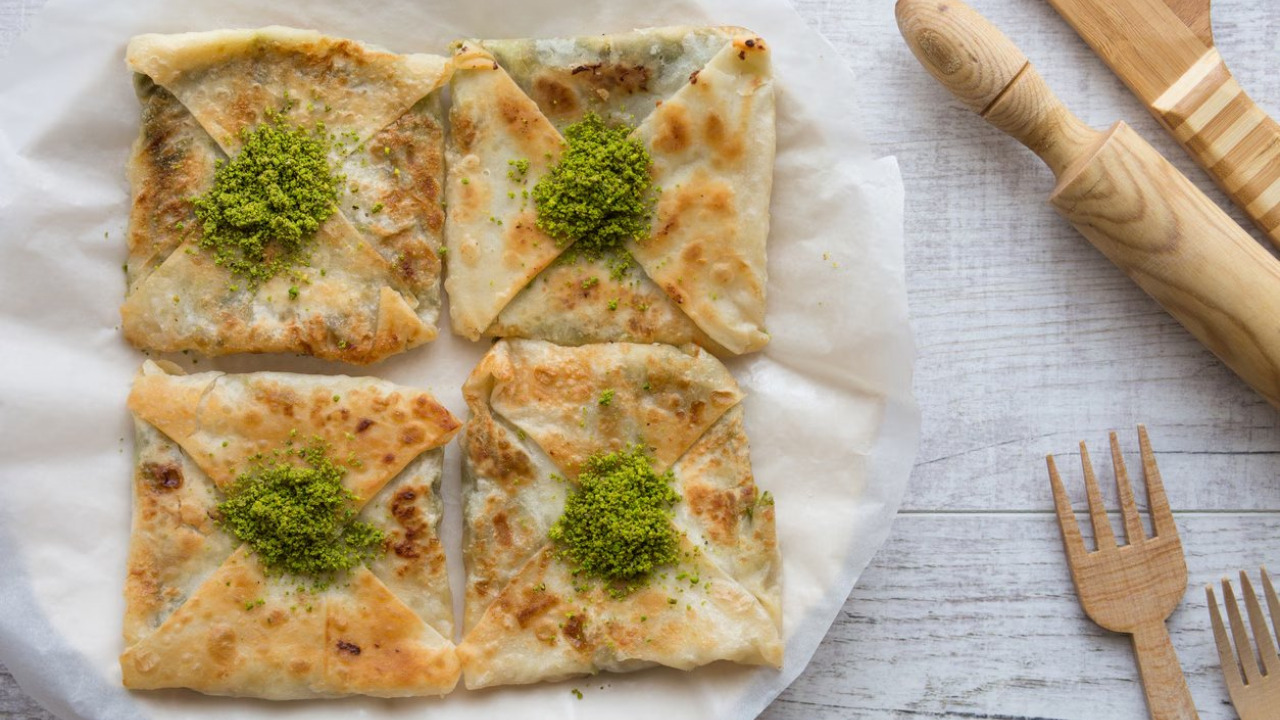
For those who prefer a lighter, sweeter start, Katmer is the city's signature breakfast pastry. Layers of paper-thin dough are filled with generous amounts of Antep pistachios, clotted cream (kaymak), and sugar, then baked in a stone oven. The contrast between the crispy exterior and the velvety, creamy center makes it truly unique. To balance the sweetness, it is commonly enjoyed with a glass of unsweetened cold milk. Katmer shops are conveniently located within walking distance of the historic bazaar district.
Main Courses: Kebabs, Lahmacun, and Street Food
Meat forms the backbone of Gaziantep cuisine. Various kebab styles, aromatic spice blends, and the smoky essence of wood fires define the lunch and dinner experience. However, the city offers much more than just kebabs; its street food scene is just as legendary.
Gaziantep Kebabs
Gaziantep is world-renowned for its variety of kebabs. Highlights include Ali Nazik (roasted eggplant topped with yogurt and meat), küşleme (tender meat from the rib area), pistachio kebabs, and seasonal specialties like apricot or garlic kebabs. Simit kebabı, which features bulgur paired with meat, is another local favorite. Kebabs are traditionally served with a spicy kaşık salatası (spoon salad) and roasted vegetables. Like other culinary staples, the best kebab masters are found in the historic bazaar and inn districts.
Lahmacun, Nohut Dürümü, and Semsek
Among the city's street foods, Lahmacun holds a special place; the trio of thin dough, spicy minced meat, and a stone oven makes it a daily staple. Another must-try is the nohut dürümü (chickpea wrap): chickpeas simmered for hours in meat broth, mashed with spices, and served in fresh pita—it can even be enjoyed as a meatless option. For a savory snack, try semsek, a delicious pastry filled with cheese and baked to perfection.
Home Cooking and Traditional Stews
Beyond the kebabs and street eats, Gaziantep is rooted in a rich tradition of home-cooked meals. Tasting these dishes is the best way to understand the city's authentic, everyday culinary soul.
Yuvalama, Şiveydiz, and Ekşili Köfte
Yuvalama is a special dish often prepared for celebrations, consisting of tiny meatballs, chickpeas, and a yogurt-based meat broth. Şiveydiz is a seasonal stew made with fresh strained yogurt, green onions, and garlic. Ekşili ufak köfte is another traditional favorite, featuring tiny bulgur meatballs cooked in a tangy broth. Accompanying these is often firik pilavı, a smoky pilaf made from roasted young wheat. These home-style dishes are often served in charming restaurants converted from historic mansions.
Desserts: Baklava, Künefe, and Şöbiyet
Gaziantep's dessert culture is the pinnacle of its gastronomic identity. This world of syrup and pistachios goes far beyond just baklava.
Gaziantep Baklava
Gaziantep baklava is a masterpiece of paper-thin pastry layers, interspersed with boz fıstık and clarified butter, then finished with a delicate syrup. From the large havuç dilim (carrot slice) pieces to traditional dry baklava, each is a different expression of this heritage. To balance the richness of the syrup, it is best enjoyed with a side of cold water or milk. If you are buying it to take home, it is recommended not to refrigerate it to prevent the syrup from crystallizing.
Künefe, Şöbiyet, and Havuç Dilim
Şöbiyet is a triangular, syrup-soaked pastry filled with cream and pistachios, serving as the perfect companion to baklava. Havuç dilim is a specific type of baklava known for its large triangular shape and high pistachio content. While künefe (made with shredded wheat and cheese) is found throughout the region, it is also a staple in Gaziantep's dessert houses. You will find the highest concentration of these sweet treats around the central historic markets.
Where to Eat: Bazaars, Inns, and Neighborhoods
In Gaziantep, flavor is concentrated around the historic bazaars and traditional inns (hans). This area is the heart of any food tour, serving as both a dining destination and a place to shop for ingredients.
Historic Bazaars and Inns
The bazaar district in the city's historic center is a vibrant hub where baklava makers, kebab masters, and spice merchants live and work side-by-side. Around Elmacı Pazarı and the Historical Coppersmiths' Bazaar, you will find endless rows of dessert shops and local specialty stores. Taking a break to sip menengiç coffee in a historic inn like Gümrük Han is a classic part of the experience. The best part of this area is that most major food stops are within easy walking distance of one another.
What to Buy in Gaziantep?
When your food tour comes to an end, the bazaars offer plenty of opportunities to bring these flavors home. Top choices include packaged baklava, dried eggplant and peppers (perfect for winter stews), chili flakes, and whole or crushed Antep pistachios. Most of these authentic products can be sourced directly from the shops in the historic bazaar district.
A 3-Day Gastronomy Itinerary for Gaziantep
To ensure you don't miss the most iconic flavors, it helps to have a plan. This 3-day framework allows you to explore the city's cuisine at a balanced pace. Feel free to adjust the itinerary to your own rhythm.
Day 1: The Classic Gaziantep Experience
Start your first day early with a bowl of Beyran soup served with warm tırnak pide. For lunch, opt for the eggplant-based Ali Nazik or the seasonal Şiveydiz. Spend your afternoon relaxing with a menengiç coffee in a historic inn. For dinner, dive into the world of kebabs with küşleme and a spicy kaşık salatası.
Day 2: Pistachio Mornings & Street Flavors
Begin your second day with hot, decadent Katmer filled with pistachios and cream; pair it with unsweetened cold milk. For lunch, try the nohut dürümü (chickpea wrap) or a spicy, thin-crust Lahmacun. In the evening, explore the city's home-cooking traditions by tasting stews like Yuvalama, ekşili ufak köfte, and smoky firik pilavı.
Day 3: Breakfast & The Grand Finale
Start your final day with a classic Gaziantep village breakfast, featuring local cheeses, green olive salad, muhammara, and fresh kaymak. For lunch, a pistachio kebab or seasonal apricot kebab makes an excellent choice. Crown your trip with a grand dessert finale: visit the historic bazaar to sample havuç dilim, dry baklava, and şöbiyet.
To understand Gaziantep's cuisine within its broader historical context, you can explore our Silk Road culture tours to expand your journey into the ancient history of the region.
Best Season, Transport, and Practical Tips
Gaziantep's food scene is vibrant year-round; baklava, kebabs, and desserts are always available. However, for exploring the bazaars and inns on foot, spring and autumn are most comfortable as the weather is neither too hot nor too cold. Late summer to early autumn is particularly special as it coincides with the fresh pistachio harvest. To avoid the crowds, visiting on weekdays offers a much calmer experience in the bazaar area.
A few practical tips will make your trip smoother: plan your Beyran for early morning, as it becomes harder to find later in the day; spread your dessert meals throughout the day to avoid "sugar fatigue" from eating baklava and katmer in one sitting; and wear comfortable walking shoes for the bazaar tours. We recommend leaving your shopping for spices, pistachios, and baklava until your final day to ensure everything stays fresh for your journey home.
Getting Around Gaziantep
Most of the historic bazaars, inns, and popular food stops are within walking distance of each other. For reaching further points in the city center, the tram line and taxis are practical and efficient. If you are flying into the city, you can reach the center via airport shuttles, taxis, or public transport. For those wishing to combine Gaziantep with other cultural landmarks, such as Göbeklitepe, our Göbeklitepe culture tours offer excellent ways to expand your itinerary.
Frequently Asked Questions 6
What are Gaziantep's most famous foods?
The most iconic flavors of Gaziantep are baklava, beyran soup, katmer, various kebabs, lahmacun, and yuvalama. Antep pistachios, local spices, and traditional stews are also defining elements of its world-class cuisine.
How many days should I spend on a food tour in Gaziantep?
Generally, 2-3 days are sufficient to enjoy the city's highlights at a relaxed pace. This allows for a balanced schedule: beyran and katmer for breakfast, kebabs and lahmacun for lunch/dinner, and baklava for your sweet finale.
What time of day is Beyran soup best eaten?
In Gaziantep tradition, Beyran is considered a substantial, heavy meal, so it is traditionally eaten in the early morning. Because it can be difficult to find later in the day, it is best to plan your Beyran visit as your first task of the day.
Are there vegetarian options in Gaziantep cuisine?
While Gaziantep cuisine is meat-centric, there are many delicious vegetarian alternatives. Look for green olive salad (zeytin piyazı), the meatless version of the chickpea wrap (nohut dürümü), cheese-filled semsek, pirpirim aşı (purslane stew), and various olive oil-based dried vegetable dishes.
What should I drink with Katmer?
To balance the sweetness of the Katmer and fully appreciate its flavor, it is commonly served with unsweetened cold milk. This pairing complements the crispy texture and the creamy, pistachio filling perfectly.
How do I get between the different food spots in Gaziantep?
Most of the historic bazaars, inns, and popular food stops are within walking distance of each other. For more distant locations in the city center, the tram and taxis are both practical and economical options.