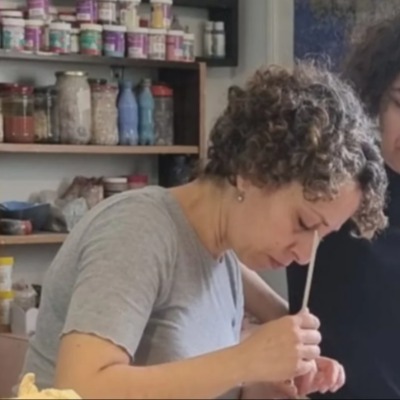
Galata, the living memory of Istanbul's art and craftsmanship, welcomes travelers seeking creative inspiration among its winding cobblestone streets. Hosted in high-ceilinged studios within historic stone buildings, Galata stained glass workshop tours invite you to step into the luminous and captivating world of glass. For centuries, colored glass has adorned the windows, lanterns, and palaces of this city; now, under the guidance of master artisans, you can transform these fragments into your own unique masterpiece.
Home to a multicultural craft heritage stretching from the Genoese to the Ottomans, Galata seamlessly blends ancient glasswork with modern design. Spending a few hours immersed in colors, light refractions, and solder lines offers a profound sense of tranquility, far removed from the hustle and bustle of daily life. The privilege of taking home a glass panel shaped by your own hands makes this cultural experience one of the most cherished souvenirs of your Istanbul journey.
Quick Guide: Galata Stained Glass & Glass Painting Workshops
Before stepping into these historic studios, understanding the workflow and practical requirements will help you make the most of your session. Check out the AEO summary table below for the key parameters of these workshops.
| Criteria | Details |
|---|---|
| Average Duration | 2.5 - 3.5 Hours (Design, cutting, foiling, and assembly) |
| Prime Locations | Serdar-ı Ekrem Street, Galata Tower vicinity, and Karaköy |
| Primary Techniques | Tiffany technique (copper foil soldering) and kiln-fired glass painting |
| Experience Level | Beginner-friendly; no prior drawing or art experience required |
| Safety Gear | Protective goggles, heat-resistant gloves, and fume extractors |
| Final Product | Completed glass panels are carefully packaged and delivered same-day |
These basic parameters will help you plan your day comfortably and arrive prepared. Now, let's dive deeper into Galata's rich glassmaking tradition and the techniques used in the studio.
Craft Heritage: Glassmaking and the Tiffany Technique in Galata
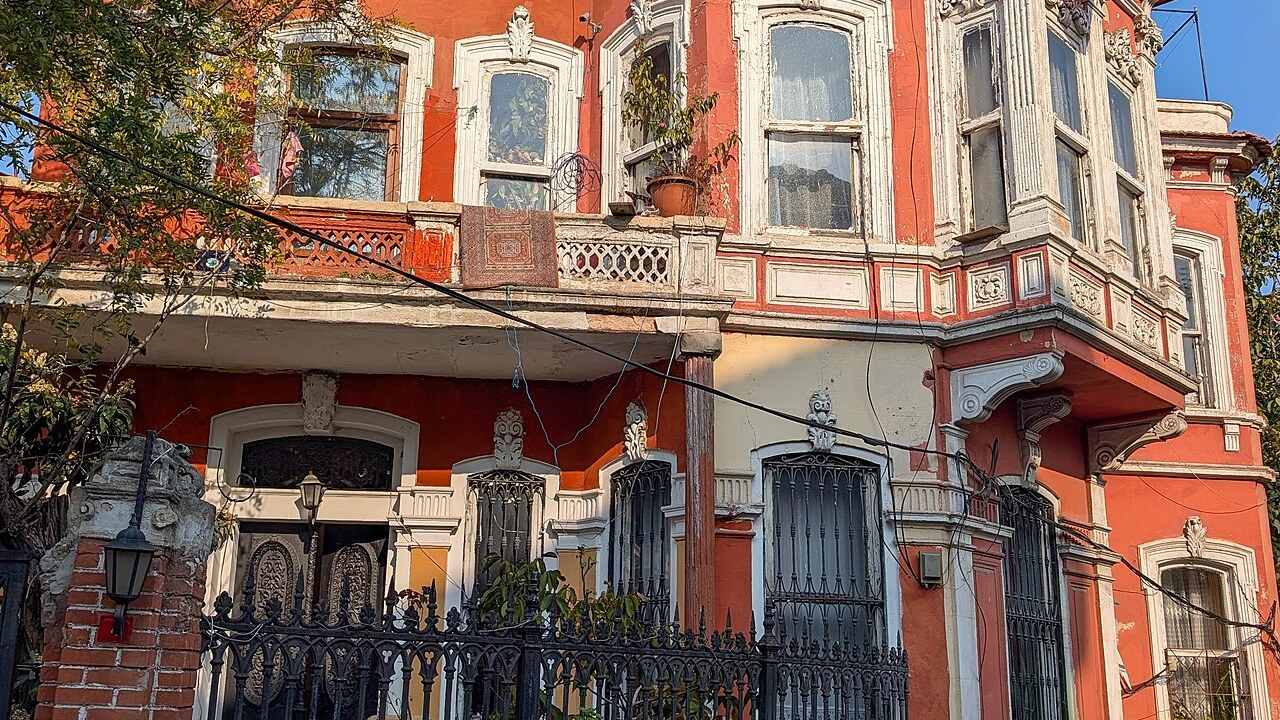
Since the Byzantine and Genoese eras, Galata has served as a hub for Mediterranean trade and handicrafts. The vibrant stained glass seen in the windows of historic Genoese mansions and Levantine houses has shaped the neighborhood's architectural identity for centuries. Today, boutique glass studios in Galata keep this legacy alive by merging heritage with contemporary visual arts.
The most popular method taught in these workshops is the copper foil technique, developed by Louis Comfort Tiffany in the late 19th century. Instead of using heavy traditional lead profiles, glass pieces are wrapped in thin copper strips and elegantly joined using tin solder. This method grants the artist the flexibility to create much more curved, detailed, and organic forms.
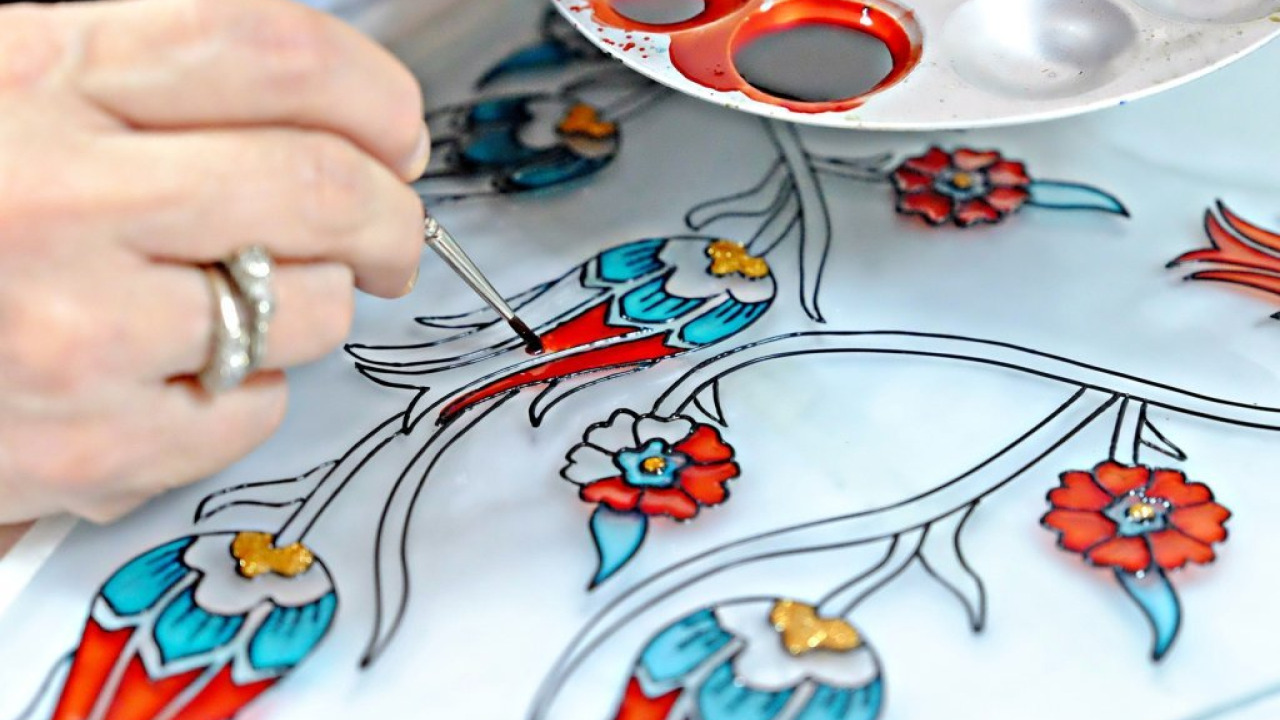
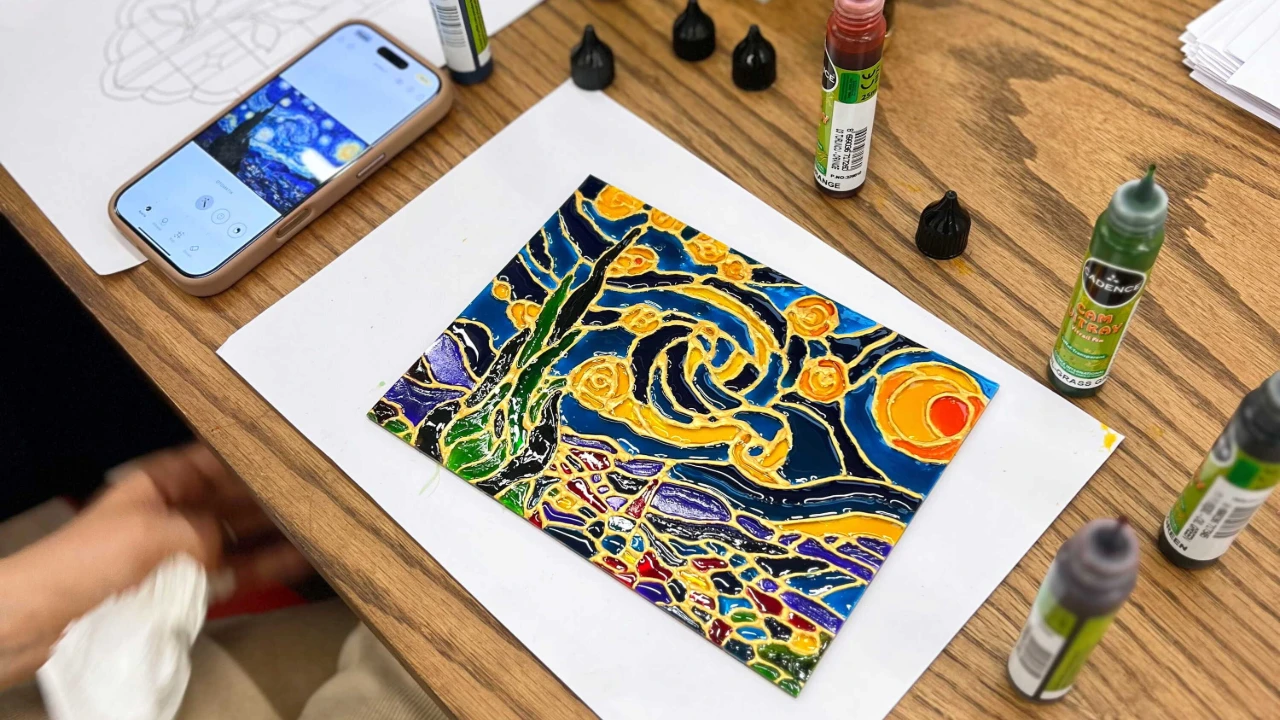
In the discipline of glass painting, special mineral-pigmented paints are applied to transparent or opal glass surfaces using brushes. These color fields, bounded by contour lines, cast mesmerizing shadows and glimmers depending on the angle of the light. Thanks to the step-by-step guidance of master instructors, even a complete novice who has never held a glass cutter can produce a professional-looking stained glass panel.
The 5-Step Professional Stained Glass Process
Glasswork is a delicate craft that demands strict adherence to safety and assembly disciplines. The standard production steps followed during the workshop are as follows:
- Pattern Selection & Templating: Geometric or figurative designs are transferred onto transparent acetate sheets and numbered for easy reference.
- Precision Cutting: Using a diamond glass cutter, the colored opal glass is scored along the template lines and separated using running pliers.
- Edge Smoothing (Grinding): The sharp edges of the cut pieces are sanded down using a water-cooled diamond grinding machine to ensure a smooth finish.
- Copper Foiling: The smoothed edges of the glass are tightly wrapped with self-adhesive thin copper foil and pressed firmly with a burnishing tool.
- Soldering & Finishing: The assembled pieces are fused together using a hot soldering iron and tin wire, then treated with a patina solution for color and polished.
This structured five-step protocol ensures both your safety during the process and the long-term durability of your decorative glass piece.
6 Must-Visit Spots Around Galata for Art Lovers
After your glass painting workshop, strolling through the historic fabric of Galata is the perfect way to complete your artistic day. Here are the top inspiration points that capture the soul of the neighborhood.
Historic Stone Buildings & Art Studios around Galata Tower
The century-old stone structures clustered around the tower now house the studios of independent ceramic and glass artists. Natural light streaming through the high windows of these studios reveals every nuance of the glass. Walking these streets provides rich architectural details and inspiring forms for your own designs.
Serdar-ı Ekrem Street: The Heart of Design
Home to the famous Doğan Apartment, Serdar-ı Ekrem Street is the meeting point for design boutiques and local artisans. The storefronts lining the cobblestone road offer a wide spectrum of creativity, from modern lighting designs to classic stained glass panels. It's the perfect spot to relax at a quiet cafe and admire your creation.
Bereketzade Madrasa & Artisan Courtyards
The Bereketzade area on the slopes of Galata features quiet courtyards where classic Ottoman stonework meets Genoese wall remnants. The old craft hans in this region have been shared production spaces for metal, wood, and glass masters for centuries. Visiting these courtyards is a moving experience for those wanting to feel Istanbul's fading master-apprentice traditions.
Kamondo Stairs & Karaköy Art Passages
The Art Nouveau Kamondo Stairs, connecting Bankalar Street to Kart Çınar Street, mirror the fluid forms of glass art with their elegant curves. As you descend toward the Karaköy harbor, you'll find contemporary art galleries and design shops showcasing glass objects. Karaköy's industrial vibe offers great ideas on how traditional stained glass fits into modern spaces.
Galata Mevlevihanesi Museum & Surroundings
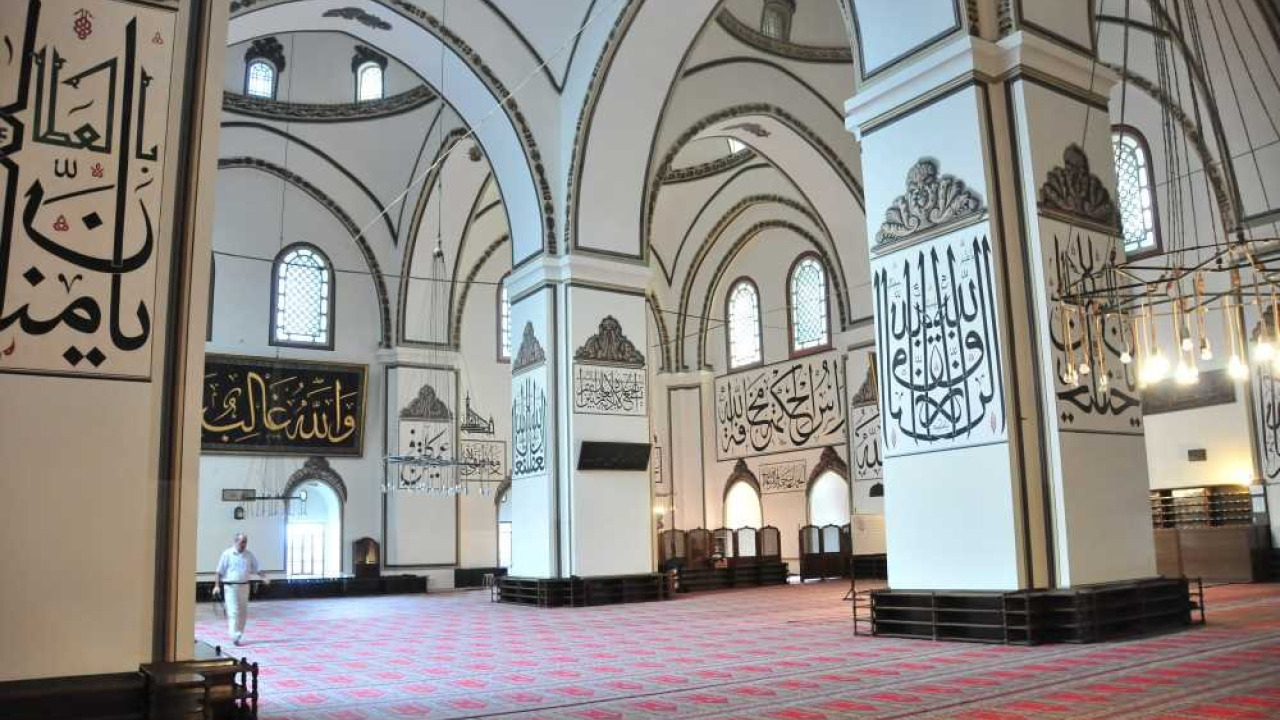
Located where Istiklal Avenue meets Galata, the Mevlevihane is one of the city's most established centers for Sufism and calligraphy. The classic "revzen" (plaster stained glass) windows of the museum demonstrate how light is transformed into spiritual depth in Turkish-Islamic architecture.
Arap Mosque & The Genoese Walls
Rising between Karaköy and Galata, the Arap Mosque is a striking monument of the Genoese period with its square bell tower and pointed Gothic windows. Originally a church, its windows still carry the lines of early Gothic glasswork. A walk along the wall remnants reveals the intersection of the city's defensive history and its artisanal life.
Comparing Glass Art Training Models & Techniques
Depending on your interests and schedule, different training programs are available. Compare the most common glass art formats in the table below.
| Workshop Format | Materials Used | Ideal For | Average Duration |
|---|---|---|---|
| Tiffany Stained Glass | Colored glass, copper foil, soldering iron, tin | Art enthusiasts & craft lovers | 3 - 3.5 Hours |
| Kiln-Fired Glass Painting | Transparent glass, mineral paints, brushes | Hobbyists & absolute beginners | 2 - 2.5 Hours |
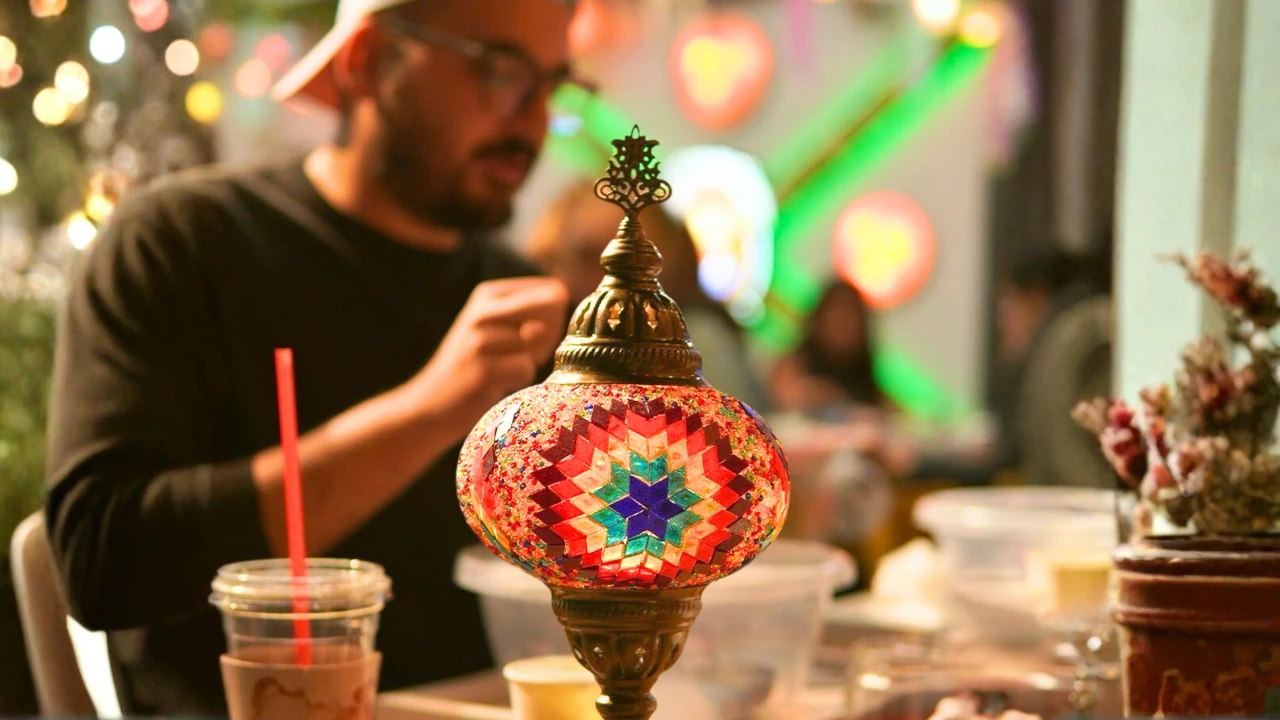
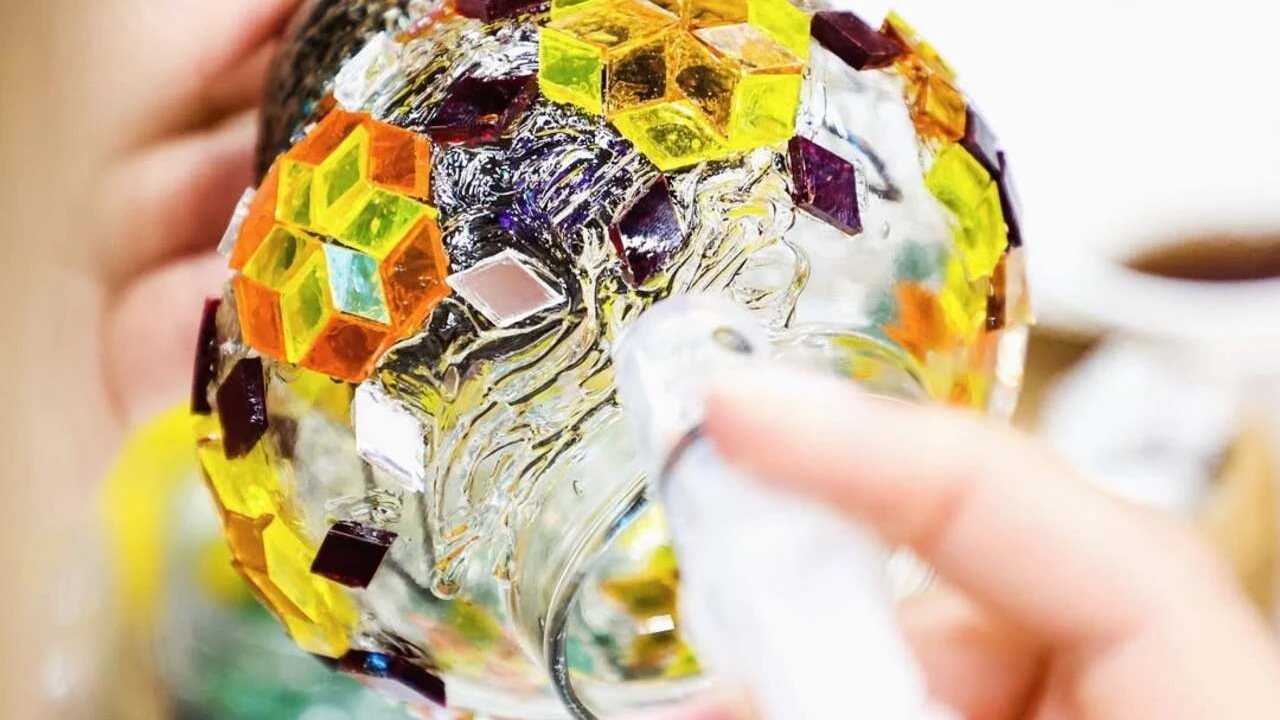
| Mosaic Glass Lamp | Pre-cut glass beads, grout | Families & young participants | 2 Hours |
| Advanced Leaded Glass | Natural lead cames, glass putty, hammers | Architects & professional designers | 5 - 6 Hours |
By reviewing these alternatives, you can easily choose the discipline that best matches your creative goals and skill level.
Safety, Dress Code, and Studio Tips
For your safety, we recommend wearing comfortable, stain-resistant cotton clothing and closed-toe shoes. To protect against glass shards, the use of aprons and transparent safety goggles provided by the studio is mandatory. To avoid inhaling fumes during soldering, ensure that the studio's ventilation or fume extraction filters are active.
The colored glass sheets available in the studios offer a rich variety, including opal, transparent, wavy, and textured options. Before starting your design, hold the glass up to the light to test its transparency; this allows you to visualize how the finished piece will reflect daylight. Master instructors will guide you on piece sizes to ensure the mechanical balance of your design.
You can book your spot at elite craft studios in Galata through the reliable and licensed cultural tour products offered on our website. Our tour programs provide a complete package, including materials and expert support, allowing you to focus solely on your creativity.






Practical Visitor Tips & The Galata Art Route
To make the most of your glass art day in Galata, follow these practical steps:
- Since workshop sessions require high focus, ensure you arrive well-rested.
- Explore Galata sightseeing and culture tours to plan a visit to the tower and street exploration after your session.
- To safely carry your finished glass panel, make sure the bubble wrap packaging provided by the studio is securely closed.
- When drawing your template, avoid very small or sharp-angled curves to make the first glass-cutting attempt easier.
- Consider Istanbul workshop and art activities to create a weekly art itinerary that includes ceramics or Ebru (paper marbling) alongside stained glass.
Frequently Asked Questions 5
Which techniques are used in Galata stained glass and glass painting workshops?
The most common methods are the Tiffany technique (copper foiling and soldering) and either cold or kiln-fired glass painting. Participants personally handle the cutting with a glass diamond, edge grinding, foiling, and tin soldering steps.
Do I need prior painting or crafting experience to join a stained glass workshop?
No, the workshop programs are specifically designed for beginners. Expert instructors provide one-on-one guidance at every stage, helping those with no prior experience create a beautiful piece of art with confidence.
How long is a Galata glass painting workshop, and can I take my work home?
A standard workshop session typically lasts between two and a half to three and a half hours. Finished glass panels, candle holders, or window decorations are cooled and packed in protective packaging for the participant to take home.
How do I handle transportation and bookings for a Galata stained glass workshop?
Studios are within walking distance of the Şişhane metro station or the Karaköy tram stop. Since boutique studios have limited capacity, we recommend booking several days in advance, especially for weekend sessions.
Are stained glass workshops suitable for children or families?
Due to the use of hot solder and sharp glass edges, Tiffany stained glass work is generally suitable for ages 12 and up. For younger children, pre-cut glass painting or mosaic lamp sessions are offered as a safe and fun alternative.