
Where the Aegean and Mediterranean waters embrace, the Datça Peninsula stands as one of Turkey's most distinctive getaways, famed for its untouched bays and traditional stone architecture. If you are planning a peaceful escape to this hidden gem, you can explore our Muğla tour options to seamlessly integrate the region's natural wonders and cultural riches into your itinerary. From the meticulously preserved cobblestone alleys of Eski Datça to the shimmering turquoise depths of Palamutbükü Bay on the western tip, these two destinations are essential stops for any traveler.
Designed for those crafting their perfect holiday, this editorial guide provides objective data on road conditions, beach textures, water clarity, and the best local culinary spots.
Quick Facts: Eski Datça and Palamutbükü Bay
Before you set off for the Datça Peninsula, here are the practical and technical essentials to ensure a smooth journey.
| Parameter | Logistics & Field Info |
|---|---|
| Geographic Location | Muğla Province, Datça Peninsula (Eski Datça & Palamutbükü) |
| Nearest Airport | Dalaman Airport (DLM, 160 km by road) |
| Distance Between Points | Approx. 25 km from Eski Datça to Palamutbükü (about 35 mins) |
| Beach & Terrain | Palamutbükü: Large rounded pebbles; Eski Datça: Stone cobblestones |
| Water Characteristics | Aquarium-clear, refreshing, and deepens quickly (open sea) |
| Best Time to Visit | May, June, September, and October |
| Local Highlights | Nurlu almonds, thyme honey, cold-pressed olive oil, and the legacy of Can Yücel |
Geography and Climate of the Datça Peninsula
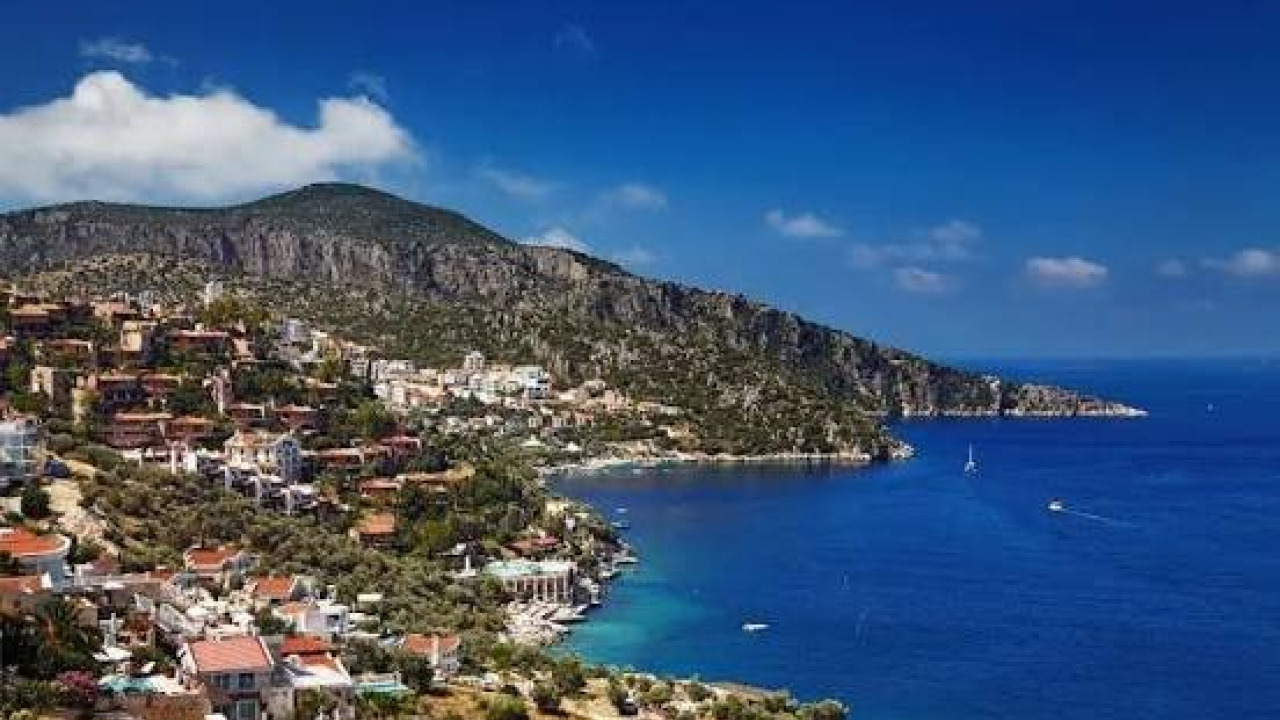
The Datça Peninsula is a narrow, mountainous strip of land about seventy kilometers long, acting as a natural divide between the Aegean and Mediterranean seas. While the northern shores face the Aegean and the Gökova Gulf, the southern coast opens up to the Mediterranean and the Hisarönü Gulf. This unique geomorphological position ensures a constant breeze and low humidity.
The region is immortalized by the words of the ancient geographer Strabon: "God sends those He loves to Datça to live long lives." Thanks to the cooling northern winds that blow year-round, the oppressive humidity of peak summer is virtually non-existent here. Rolling hills covered in red pine forests, olive groves, and almond trees meet the deep blue sea in a series of stunning inlets.
Road access is primarily via a winding mountain route from Marmaris. While the breathtaking bay views make the drive a joy, the sharp bends require careful driving. Alternatively, you can take a car ferry from Bodrum to the Datça Körmen Port, a scenic sea crossing of approximately 140 minutes.
The Stone Streets and Literary Legacy of Eski Datça
Located about three kilometers north of the Datça town center, Eski Datça is the peninsula's oldest settlement core, stretching from antiquity through the Ottoman era. Now a protected site, the village preserves a serene spirit with its traditional houses built from yellow and grey hewn stone.
The village is pedestrian-only, consisting of narrow paths paved with flat slate stones. Pink bougainvillea cascading over stone walls, lush ivy, and rustic wooden shutters create a visual harmony at every turn. In the center of the village, you can sip freshly brewed local sage tea under the shade of century-old plane trees at the village coffeehouse.
A highlight for literature lovers is Can Yücel Street and the stone house where the famous poet spent his final years. While the house is not a formal museum, the poet's verses inscribed on the walls and the front door welcome visitors. The village also hosts boutique shops selling local handicrafts, ceramics, and regional almond products.



Palamutbükü Bay and the Mediterranean Blue
Located 25 kilometers from the center of Datça, Palamutbükü is the longest and most popular of the "Three Büks" (bays) along the coast. Compared to Hayıtbükü and Ovabükü to its east, Palamutbükü features a wider arc, distinguished by its crystal-clear waters and the fertile almond plains that back the shore.
Palamutbükü Beach stretches for approximately two kilometers. Instead of fine sand, the beach and seabed consist of smooth, rounded pebbles. This rocky composition prevents the water from becoming cloudy, allowing you to spot fish with the naked eye even several meters deep. The sea deepens quickly after a few steps, making it a paradise for swimmers.
The shoreline is lined with family-run guesthouses, boutique hotels, and rustic seafood restaurants. At these seaside eateries, you can enjoy fresh daily catches, stuffed zucchini flowers, and appetizers prepared with local Datça almonds. Parking areas and sunbed services provided by local businesses are available along the coast.
Palamutbükü vs. Ovabükü and Hayıtbükü
Hayıtbükü, located on the way to Palamutbükü, is a shallow bay completely sheltered from the wind. With its small sandy beach and calm waters, it is a favorite for families with children, though its limited space can lead to crowding during the peak season.
Just west of Hayıtbükü lies Ovabükü, which offers a more tranquil atmosphere with a wide coastline and guesthouses hidden among olive trees. Palamutbükü, however, stands out as the most comprehensive destination of the three, offering superior water clarity and a long, inviting promenade. To explore different travel options in the region, you may also check out our Muğla daily cultural tours.
The Connection to Knidos Ancient City
A trip to Palamutbükü is the perfect springboard for visiting the Ancient City of Knidos at the westernmost tip of the peninsula. From Palamutbükü, a further 15-kilometer drive along the paved mountain road will bring you to Knidos in about half an hour.
Knidos was a leading center of science, art, and trade in antiquity, famous for its dual-harbor geography. The Deveboynu Lighthouse, where the Aegean and Mediterranean meet, and the ruins of the ancient theater offer a mesmerizing view during sunset.
Datça Bays: Characteristics and Comparison
The following table details the terrain, sea conditions, and accessibility of the various bays along the Datça Peninsula.
| Destination | Terrain & Beach Type | Depth & Wave Action | Road Condition | Ideal Visit Time |
|---|---|---|---|---|
| Palamutbükü | Large rounded pebbles | Deepens quickly, clear open sea | Paved, winding two-way road | Morning & Afternoon |
| Eski Datça | Historic slate paving | No coastline (inland village) | Paved, very close to center | Late afternoon & Evening |
| Hayıtbükü | Sand and fine pebbles | Shallow, waveless, sheltered | Narrow, winding descent | Early morning |
| Ovabükü | Mixed pebbles and sand | Medium depth, calm waves | Paved village road connection | All day for quiet breaks |
| Karaincir Koyu | Fine yellow sand | Long shallow stretch, warm water | Easy exit from D400 highway | All day (ideal for kids) |
| Knidos Harbor | Ancient stone blocks & pebbles | Deep, current-prone, clear water | Winding road to the peninsula's end | After 17:00 for sunset |
Understanding Terrain, Weather, and Wind in Datça
When vacationing in Datça, it is recommended to keep an eye on daily wind and sea conditions. When the strong northern meltem wind picks up midday, the Aegean-facing bays can become choppy, while the south-facing Palamutbükü and neighboring bays remain much more sheltered.
Since Palamutbükü's beach consists of large pebbles, wearing water shoes is highly recommended to avoid discomfort while walking or entering the sea. This is especially important for children and those with sensitive feet.
In the narrow streets of Eski Datça, the ground is made of slate and cobblestones. When exploring these alleys in the summer, opt for non-slip sandals or sneakers. The shaded, narrow streets remain cool even during the midday heat, ensuring a comfortable stroll.

Visitor Protocol for Eski Datça and Palamutbükü
To ensure a sustainable holiday that respects the natural balance and historical identity of the peninsula, please keep the following in mind:
- While exploring Eski Datça, respect the privacy of local residents by being mindful of their doors and windows.
- Adhere to speed limits on the winding mountain roads to Palamutbükü and use your horn cautiously on blind bends to alert oncoming traffic.
- Bring rubber-soled water shoes for comfort on pebbly beaches and protection against sea urchins.
- Avoid entering almond and olive groves without permission to protect the peninsula's rich flora.
- To prevent forest fires, never light fires by the roadside or in the bays, and ensure no glass bottles are left in nature.
Frequently Asked Questions 5
How far is it from Palamutbükü to Eski Datça?
The road distance between Eski Datça and Palamutbükü is approximately 25 kilometers. Due to the winding mountain roads, the drive typically takes between 35 to 40 minutes.
Which is the most popular bay in Datça?
Palamutbükü is the most preferred bay on the Datça Peninsula thanks to its long shoreline, crystal-clear pebbly seabed, and high-quality seaside restaurants.
Where is Palamutbükü Bay located?
Palamutbükü is a wide bay located on the southwestern coast of the Datça Peninsula in Muğla, facing the Mediterranean and situated on the way to Knidos.
What is Eski Datça?
Eski Datça is a historic village located three kilometers north of the Datça town center, famous for its stone houses, bougainvillea-lined narrow streets, and its association with the poet Can Yücel.
Is the sea in Palamutbükü sandy or pebbly?
Palamutbükü beach and its seabed consist entirely of rounded, smooth white pebbles. This rocky structure is what keeps the water consistently crystal clear.