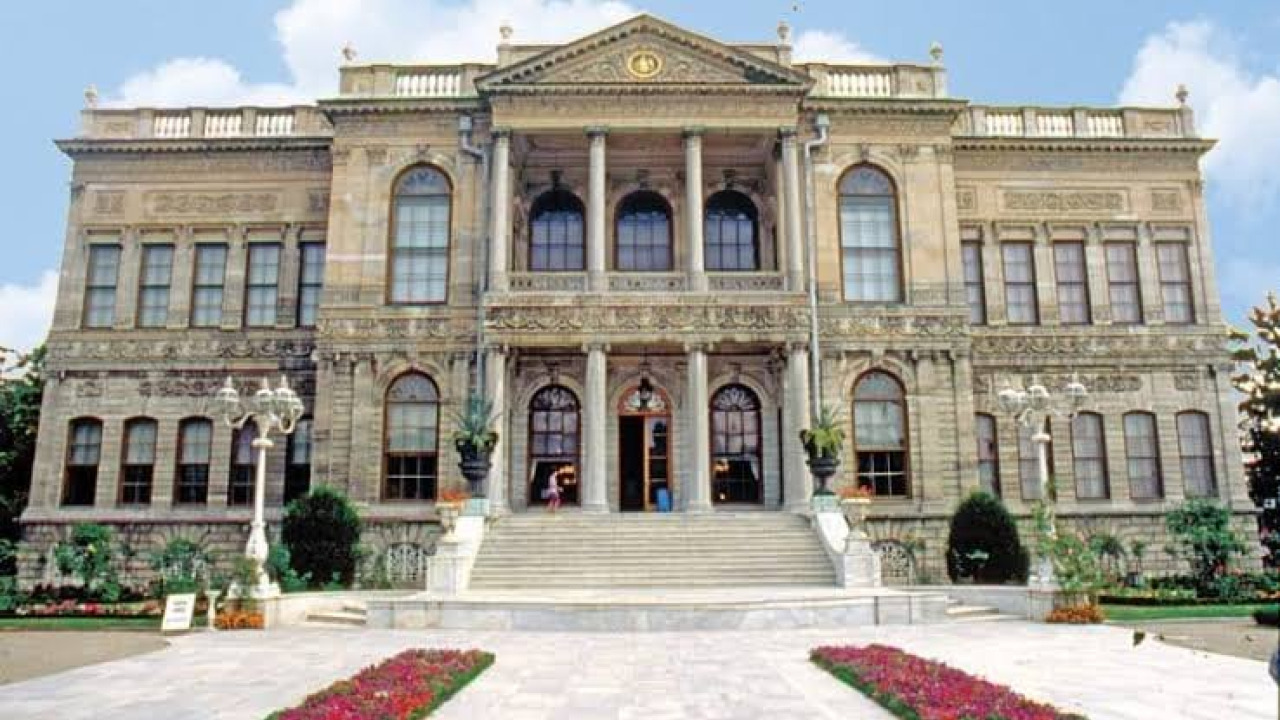

The main structure visited at Dolmabahçe Palace consists of three sections: the Mabeyn-i Hümâyûn (Selamlık), where state affairs were conducted; the Muayede Hall, where ceremonies took place; and the Harem-i Hümâyûn, where the imperial family resided. These aren't separate buildings but interconnected wings of the same grand edifice, and your visit seamlessly guides you through them along a single route. Museums located outside the main palace structure have separate entrances and their own admission policies. This Dolmabahçe Palace visit guide outlines the recommended order for exploring the sections, which units are currently open, ticket office hours, and how to plan a perfect half-day itinerary.
Quick Facts for Your Visit
| Topic | Information |
|---|---|
| Location | İstanbul, Beşiktaş; Coastal strip between Kabataş and Beşiktaş |
| Main Sections | Mabeyn-i Hümâyûn (Selamlık), Muayede Hall, Harem-i Hümâyûn |
| Operator | Directorate of National Palaces |
| Commissioned by & Period | Sultan Abdülmecid; The structure is attributed to the Abdülmecid era (1839-1861) in National Palaces records |
| Architects/Master Builders | Karabet Balyan, Ohannes Serveryan, Nikoğos Balyan, James William Smith |
| Palace Details | 285 rooms, 44 halls, 68 restrooms, 6 hammams; Built on an area of 14,595 m² |
| Ticket Office Hours | 09:00 - 17:00 |
| Closed Days | Monday; also New Year's Day and the first day of Eid al-Fitr (Ramazan Bayramı) and Eid al-Adha (Kurban Bayramı) |
| Units Outside Main Palace | National Palaces Painting Museum and Palace Collections Museum are open, Clock Museum is under restoration |
| Admission | Separate rates for different visitor types; current fees are on the National Palaces' official website |
| Land Connection | T1 tram line's Kabataş stop and F1 funicular; approximately a 10-minute flat walk along the coast from there |
| Recommended Duration | Approximately two hours for the main palace, half a day if museums are included |
What Sections Can You Visit at Dolmabahçe Palace?
Your visit to Dolmabahçe Palace begins in the Selamlık, proceeds through the Muayede Hall, and concludes in the Harem. These three magnificent sections are explored with a single ticket, following a continuous, well-defined route. This isn't a random path; it mirrors the palace's historical protocol, where external visitors first entered the official wing, then the ceremonial hall, and finally the private living quarters. Today, visitors entering the palace essentially follow this same historical hierarchy, experiencing the flow as it was intended.
Mabeyn-i Hümâyûn (Selamlık): The Official Wing
The Selamlık served as the Sultan's official wing, where state affairs were conducted, and foreign ambassadors were received. Your journey here begins in the Medhal Hall, leading to one of the palace's iconic features: the grand staircase with its crystal balustrade. This staircase often becomes the first bottleneck on the tour, as visitors naturally pause to gaze upwards, admiring its splendor. Those arriving early in the morning typically navigate this section with ease, while afternoon visitors might experience longer waits. Within the Selamlık, you'll also explore the Süfera Hall, where ambassadors were hosted, and the Red Room, used by the Sultan for private meetings. For those looking to integrate Istanbul's palaces and museum stops into a guided itinerary, you can compare options covering this region in our Istanbul cultural tours category.
Muayede Hall: The Grand Hinge Connecting the Wings
The Muayede Hall, dedicated to ceremonial greetings and high-level receptions, sits right at the heart of your Dolmabahçe Palace visit. Its function is as significant as its location, acting as a grand hinge that seamlessly connects the Selamlık and Harem wings. As you enter, the scale dramatically shifts; you leave behind the intimacy of individual rooms and step into the palace's most voluminous space. The impressive colonnade encircling the hall and the upper-level loggias still clearly indicate where guests would have stood during grand ceremonies. At the center of the hall, beneath the magnificent dome, hangs a colossal crystal chandelier; details regarding its exact weight and origin vary among sources, so they are not included in this guide.
Harem-i Hümâyûn and Room No. 71
The Harem encompasses the apartments of the Valide Sultan (Queen Mother), the rooms of other imperial family members, and various reception salons. The Blue Hall and Pink Hall are two significant stops within this wing of the tour. According to the Culture Portal records, Room No. 71, where Mustafa Kemal Atatürk resided, is located precisely between these two halls, with his study being Room No. 69. Atatürk passed away in Room No. 71 at 09:05 AM on November 10, 1938, making it one of the most frequented and poignant stops on the tour today. When planning your visit, be prepared for potential queues here, especially if you enter the Harem in the middle of the day.
| Section | Function | Location on the Tour Route |
|---|---|---|
| Mabeyn-i Hümâyûn (Selamlık) | State affairs and reception of ambassadors | Beginning of the route; the staircase is the first busy point |
| Muayede Hall | Ceremonial greetings and high-level ceremonies | Central part; connects the two main wings |
| Harem-i Hümâyûn | Private living quarters of the imperial family | End of the route; Room No. 71 is located here |
| Gardens and Waterfront Strip | Between the land gate and the sea facade | Before entering and after exiting the main palace |
Who Built the Palace, and Why Are the Sections Arranged This Way?
Dolmabahçe Palace was commissioned by Sultan Abdülmecid. According to the National Palaces records, the master builders included Karabet Balyan, Ohannes Serveryan, Nikoğos Balyan, and James William Smith. However, when considering the visit order, the key isn't just the names, but the architectural challenge this team was tasked with solving. The underlying need was clear: the state desired a unified structure that brought official receptions and daily life under one roof, rather than the sprawling, courtyard-based palace complexes of the past.
For visitors, this translates into a distinct experience: unlike the courtyard-based layout of Topkapı Palace, where you move between open-air courtyards, the entire Dolmabahçe Palace tour is indoors. This difference can significantly impact your plans on a rainy day. The same logic applies to scale; while smaller structures along the Bosphorus, like Beylerbeyi Palace or Küçüksu Pavilion, are suitable for a quick stop, Dolmabahçe Palace demands a half-day walking tour. The specific suitability of each palace for different visitors is a topic for another article; for now, simply keep the time difference in mind.
How Long Does a Dolmabahçe Palace Visit Take, and Which Day Is It Closed?
The palace is closed to visitors on Mondays, and the ticket office operates from 09:00 to 17:00. Additionally, it's closed on New Year's Day and the first day of Eid al-Fitr (Ramazan Bayramı) and Eid al-Adha (Kurban Bayramı). Regarding duration, a good rule of thumb is this: exploring the three main sections of the palace at a leisurely pace takes approximately two hours. If you decide to include the museums located outside the main structure, your visit will extend to a half-day program. Therefore, instead of trying to squeeze Dolmabahçe Palace in with another major museum on the same day, dedicating half a day here will allow for a more relaxed and enjoyable experience.
On the budget side, there's a crucial detail often overlooked: two visitors entering through the same gate might not pay the same price. The National Palaces' admission tariff includes separate rates for domestic and international visitors, along with defined discounts for students and age-based categories. Each additional unit with its own tariff that you add to your itinerary will increase your overall budget. Since tariffs are updated periodically, specific figures are not provided here; please check the National Palaces' official website for current admission fees.
What Units Are Open Outside the Main Palace?
The standalone buildings within the palace gardens now operate as separate museums, and not all of them are open for visits simultaneously. Consulting this table when planning your visit order will help you avoid wasting time in front of a closed door.
| Unit | Located in Building | Status and Schedule |
|---|---|---|
| National Palaces Painting Museum | Crown Prince's Apartments | Open 09:00 - 17:00, except Mondays |
| Palace Collections Museum | Matbah-ı Âmire (Palace Kitchens) | Open 09:00 - 17:00, except Mondays; has its own admission fee |
| Dolmabahçe Clock Museum | Within the Palace Complex | Closed to visitors due to restoration work |
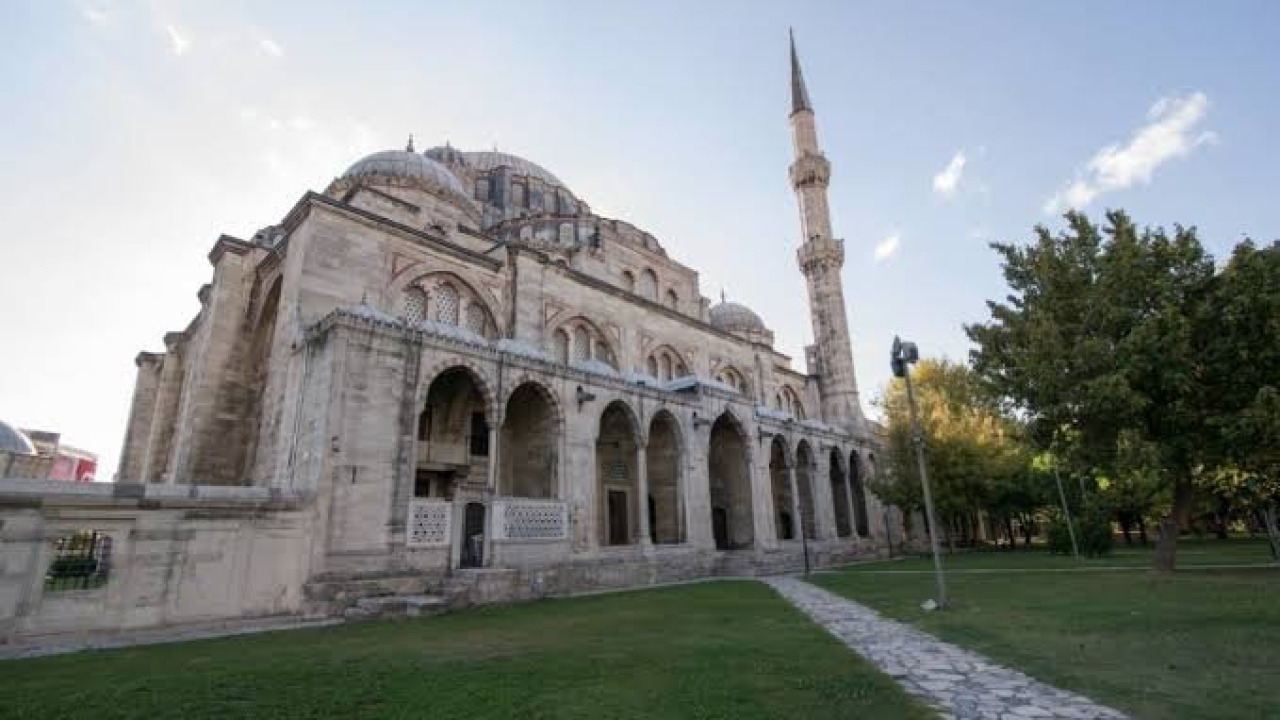
| Bezmiâlem Valide Sultan Mosque | South side of the Imperial Gate (Saltanat Kapısı) | Open for worship, visible from outside |
| Clock Tower | Square between the Mosque and the Imperial Gate | Visible from outside, no interior access |
National Palaces Painting Museum
Housed in the Crown Prince's Apartments, this museum, according to the institution's own description, boasts Turkey's first Western-style painting collection, showcasing 553 works spanning from the 16th to the 20th century. The collection features renowned artists such as Osman Hamdi Bey, Ayvazovski, and Félix-Auguste Clément. In terms of your visit order, this unit is best explored after you've completed the main palace tour. Here, you can sequentially observe how the decorative programs you saw in the palace halls align with the painting traditions of the same period.
Palace Collections Museum
Located in the Matbah-ı Âmire, or the palace kitchens building, this museum showcases objects used in late Ottoman palaces, arranged thematically. Porcelain, furniture, textiles, lighting fixtures, and musical instruments are among the main categories of the collection. While you'll see many of these objects in their original settings within the main palace, here they are presented by type, allowing for a deeper appreciation. Visiting both on the same day can help fill in the gaps in your understanding of daily life within the palace.
Clock Museum and Clock Tower
The Clock Museum within the palace is currently closed to visitors due to restoration work; it's advisable to check the official website for its status before including its collection in your itinerary. In contrast, the prominent clock element visible from outside the complex is the Clock Tower, rising in the square between the Imperial Gate (Saltanat Kapısı) and the mosque. According to Culture Portal records, the tower was completed in 1895 and stands 30 meters tall. A few minutes spent in the square before joining the ticket queue is ample time to admire the clocks on its four faces and the mass of the mosque.
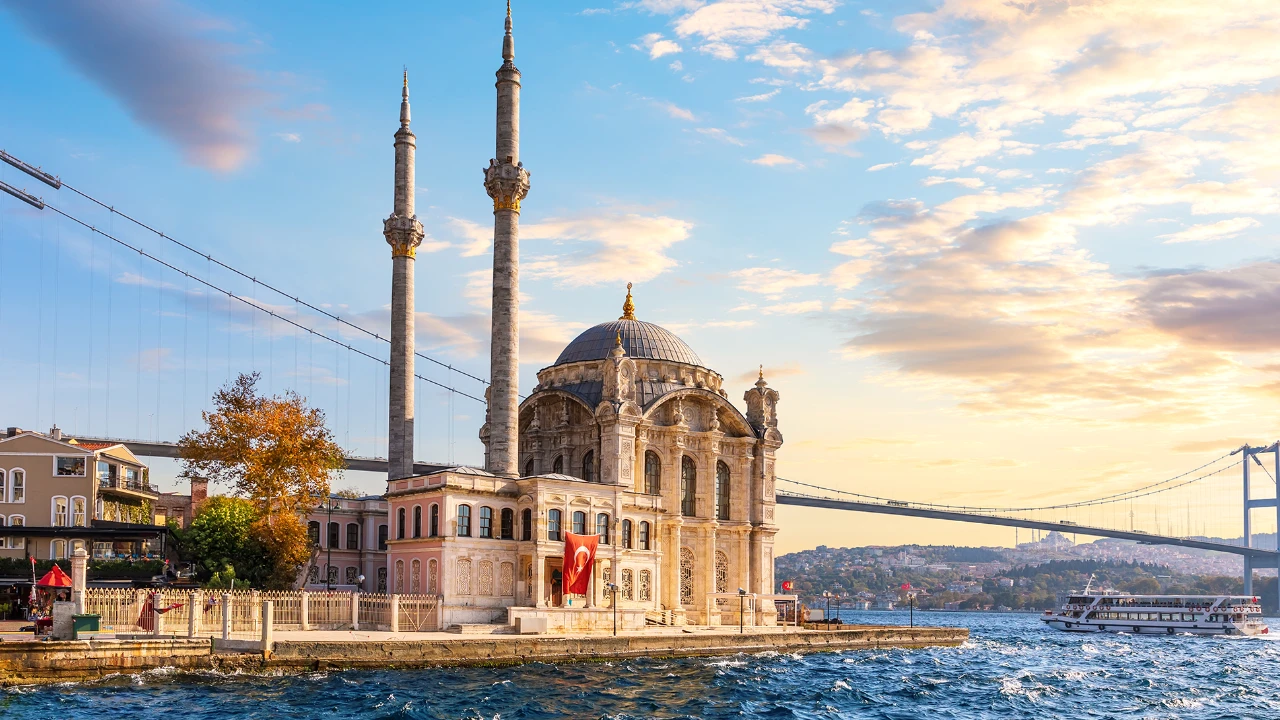
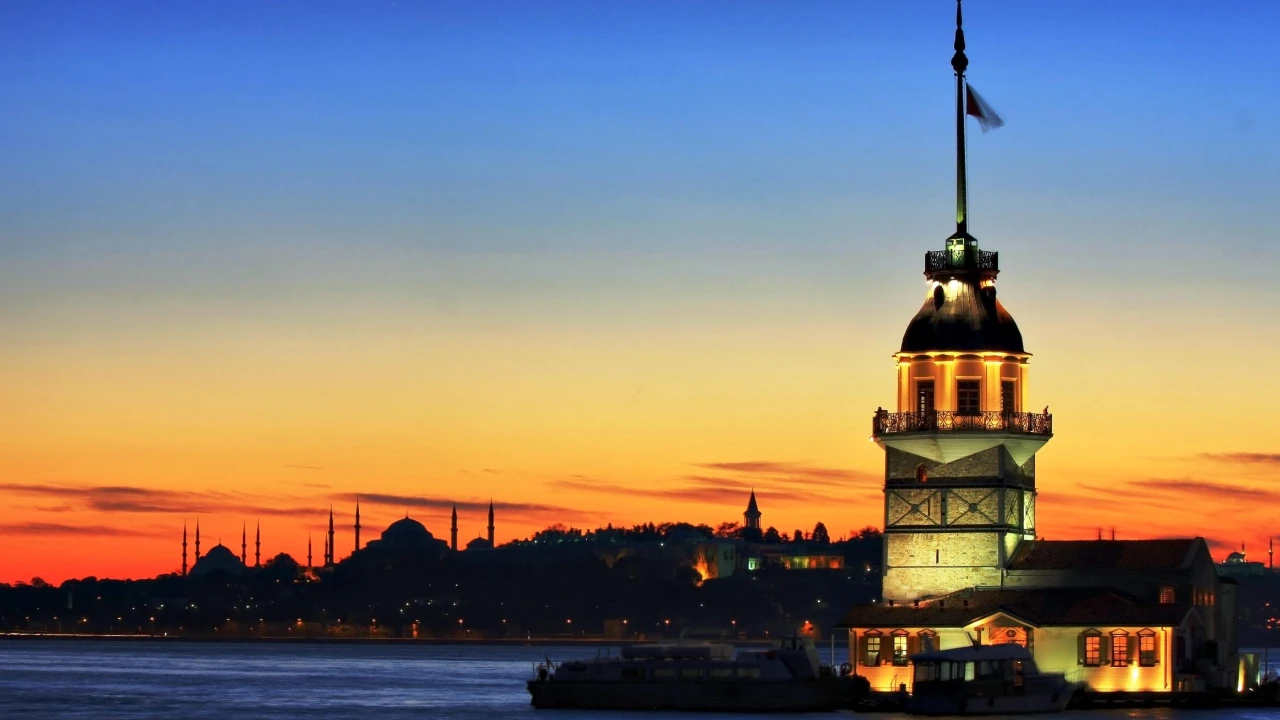
Where Does the Waterfront Facade Fit into Your Visit?
The waterfront strip serves as the concluding loop of your tour; it's best explored after you've exited the main palace, not before. There's a practical reason for this: the gardens and waterfront are open-air areas, while the indoor palace tour has strict time limits. Therefore, it makes more sense to spend any remaining time closer to closing hours outdoors. The marble gates on the palace's sea-facing facade once served as the primary entrance during an era when the imperial family and guests arrived by boat. Today, visitors entering through the land-side Imperial Gate (Saltanat Kapısı) are, in essence, using what was once the secondary protocol entrance.
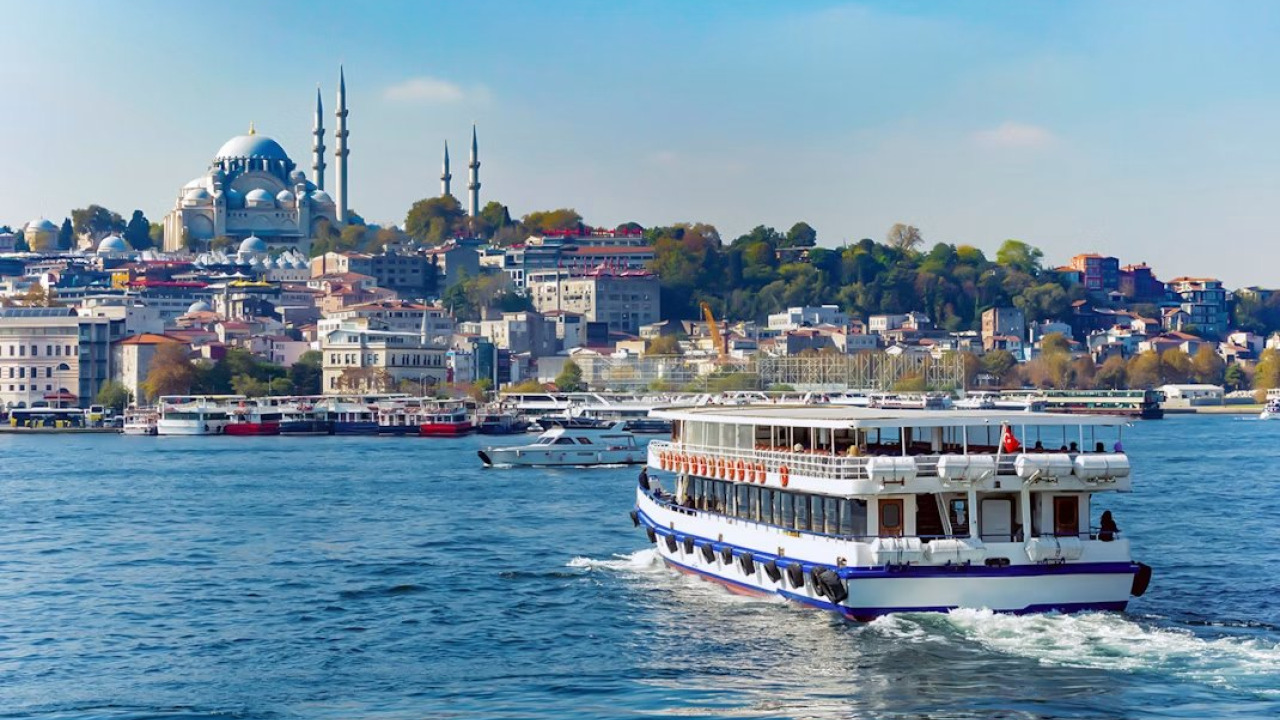
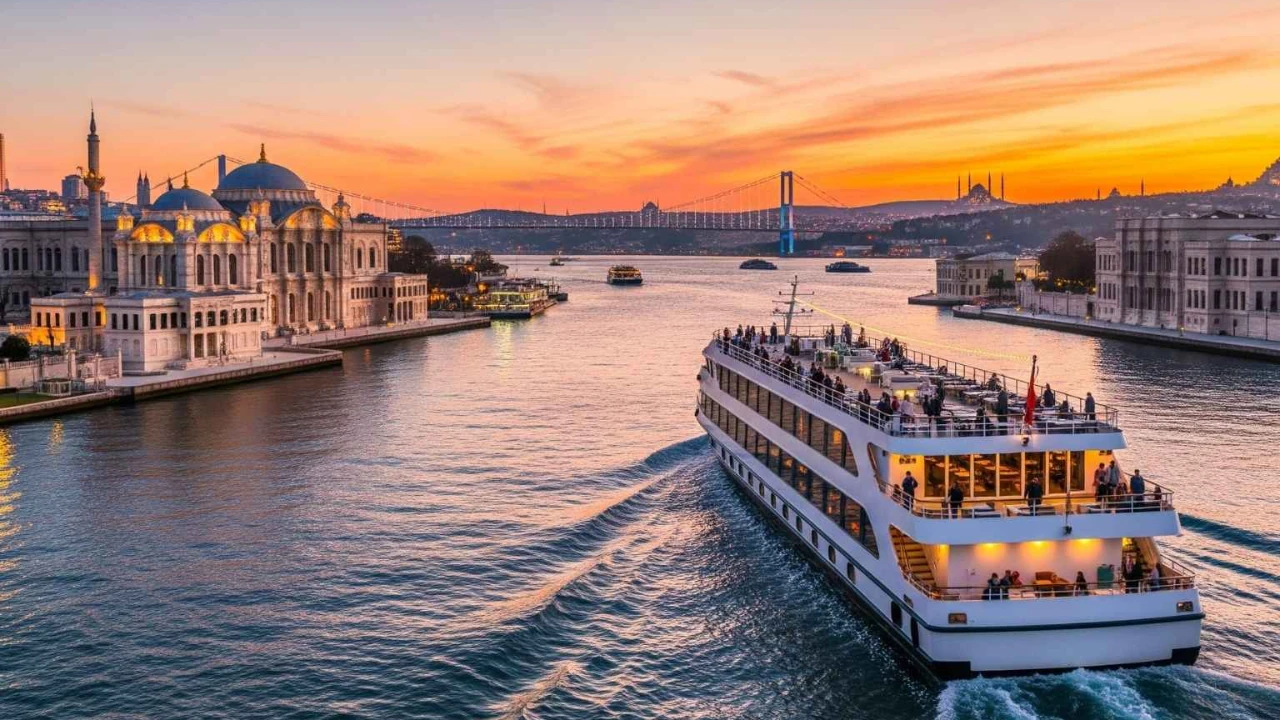
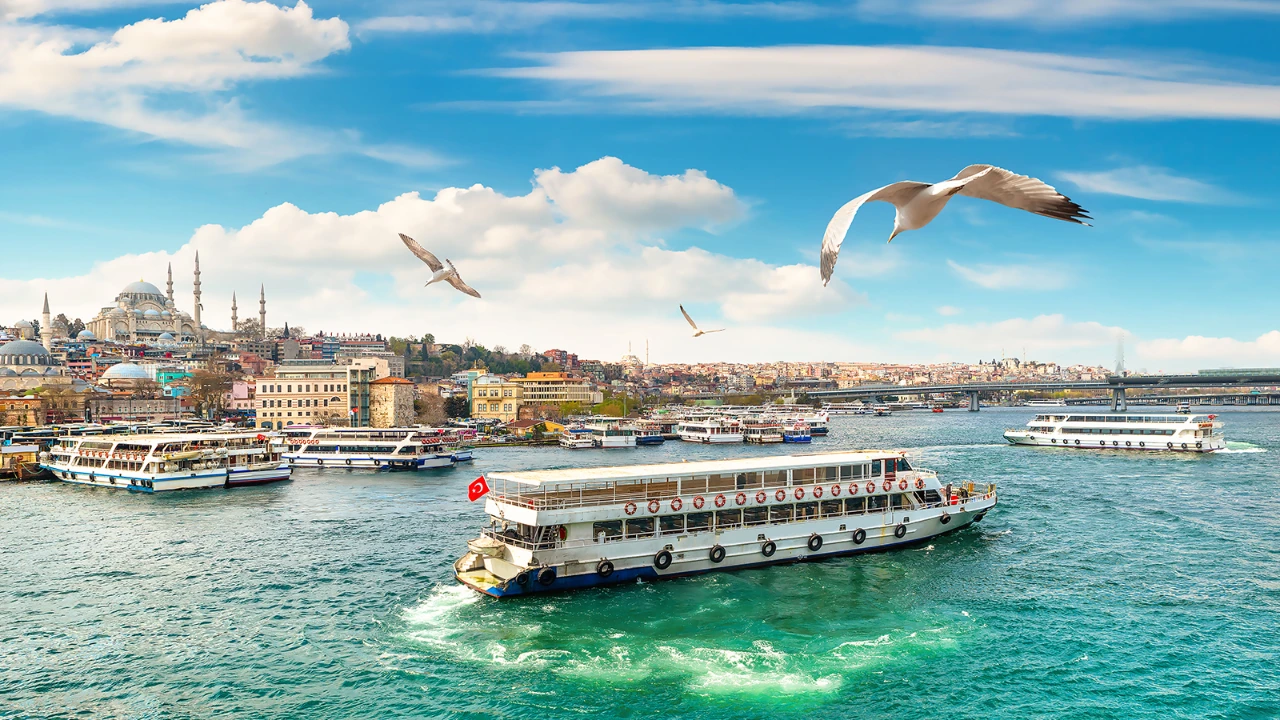
The same facade takes on an entirely different appearance when viewed from the water. On Bosphorus cruises, the palace emerges as a continuous, sweeping surface along the coastline. From land, however, you can't perceive this surface as a whole, as gates and garden walls break up the view. For those wishing to experience the palace from both land and sea, the water-based leg should be planned as a separate half-day. Your palace visit concludes on the land side, while the opportunity to see the entire coastline unfolds during a Bosphorus cruise. Spreading these two experiences across two consecutive half-days, rather than cramming them into one, also helps prevent conflicts between ticket office hours and cruise departure times.
Crafting Your Half-Day Dolmabahçe Palace Itinerary Step-by-Step
The following sequence provides the most efficient route with minimal backtracking, assuming fixed closed days and ticket office hours.
- Arrive at the Imperial Gate (Saltanat Kapısı) shortly before the ticket office opens in the morning; dedicate a few minutes to admire the Clock Tower and the mosque facade in the square.
- Proceed from the garden path to the Selamlık entrance and begin with the Medhal Hall and the crystal-balustraded staircase; the flow in this section tends to slow down noticeably towards midday.
- Move through the Süfera Hall and the Red Room to the Muayede Hall; pause in the center of the hall to take in the colonnade and the upper-level loggias.
- Enter the Harem wing and explore the Blue Hall, Pink Hall, and Room No. 71 in sequence; allow for potential waiting time at this significant stop.
- After exiting the main palace, consider adding one of the museums: either the Painting Museum in the Crown Prince's Apartments or the Palace Collections Museum, which has its own admission fee.
- Conclude your day by strolling along the waterfront strip and connecting your return journey towards Kabataş.
Best Day and Time to Visit Dolmabahçe Palace
When choosing your day, the most crucial factor is the palace's closed day: a plan coinciding with a Monday will be disrupted from the start. For timing your visit, there are two key thresholds. Visitors who arrive close to the ticket office opening will experience the Selamlık and its grand staircase with ease. Conversely, those entering closer to closing time might find themselves rushed in the Harem wing, as it constitutes the longer end of the tour route. Weekdays are generally less crowded than weekends, though school holidays can increase fluctuations throughout the day.
A simple rule also applies to lighting. Rooms facing the palace's sea facade are illuminated by the reflection of the water throughout the day, while the land-facing areas tend to remain dimmer. Therefore, those hoping for excellent photographs might prefer a morning visit, while visitors keen on detailed examination of the interior decor might find the midday hours more suitable. In winter, as daylight fades earlier, it's essential to plan your visit backward from the closing time.
A few notes to make your visit easier:
- Always verify closed days and the status of specific units on the official website before your visit; units under restoration, like the Clock Museum, should be excluded from your plans.
- The Palace Collections Museum ticket is separate from the main palace admission; decide which units you wish to enter beforehand, rather than at the ticket office.
- The entire tour route is indoors, and some sections feature wooden floors; comfortable, soft-soled shoes will make your walk much more pleasant.
- If you opt for a morning visit, have breakfast in the Kabataş area, as dining options within the palace gardens are limited.
- The gardens and waterfront are open-air spaces; shade is scarce in summer, and coastal winds can be noticeable in winter.
Summing Up Your Dolmabahçe Palace Visit Order
When planning your Dolmabahçe Palace visit, the primary decision isn't which sections to see, but in what order. The three main wings of the palace are already on a continuous route; flexibility primarily comes with the garden museums and the waterfront strip. By confirming the closed days and ticket office hours, and then structuring your day to start in the morning, you can effectively avoid the peak hours when crowds tend to gather in the Harem wing.
For those considering adding museum and mosque stops on the Historical Peninsula to the same trip, our Historical Peninsula and museums guide offers a useful framework for dividing your day. If you prefer to stay in the city center and explore palace and museum stops within a guided program, you can browse the itineraries on our city center cultural tours page.
Frequently Asked Questions 6
Which Day Is Dolmabahçe Palace Closed?
The palace is closed to visitors on Mondays. Additionally, New Year's Day and the first day of Eid al-Fitr (Ramazan Bayramı) and Eid al-Adha (Kurban Bayramı) are also considered closed days. The ticket office operates from 09:00 to 17:00.
Which Sections of Dolmabahçe Palace Can Be Visited with a Single Ticket?
The three main sections of the palace – the Mabeyn-i Hümâyûn (Selamlık), the Muayede Hall, and the Harem-i Hümâyûn – can all be visited with a single ticket along the same continuous route. However, units like the Palace Collections Museum in the palace gardens have their own separate admission fees; it's advisable to verify the ticketing arrangements on the National Palaces' website before your visit.
In Which Section of the Palace is Atatürk's Room Located?
Room No. 71 is located in the Harem wing. According to Culture Portal records, the room is situated between the Blue Hall and the Pink Hall, with Room No. 69 identified as Atatürk's study. Atatürk passed away in Room No. 71 at 09:05 AM on November 10, 1938.
How Long Does a Dolmabahçe Palace Visit Take?
Exploring the three main sections of the palace at a relaxed pace takes approximately two hours. If you add the gardens, the waterfront strip, and one of the museums in the garden, the program extends to a half-day. Therefore, it's recommended not to combine the palace with another major museum on the same day for a more comfortable pace.
How Do You Get to Dolmabahçe Palace?
Land connections are established via the Kabataş terminus of the T1 tram line and the F1 Taksim-Kabataş funicular; both lines operate between 06:00 and 00:00. From Kabataş, there's approximately a 10-minute flat walk along the coast to the palace's land gate. Since there's an elevation difference of about 70 meters between the two ends of the F1, those coming from Taksim descend to the coastal level via the funicular.
Do Museum Tickets at the Palace Vary by Visitor Type?
The National Palaces' tariff includes separate rates for domestic and international visitors, along with defined discounts for students and age-based categories. Since tariffs are updated periodically, specific figures are not provided in this guide; please check the institution's official website for current admission fees before your visit.