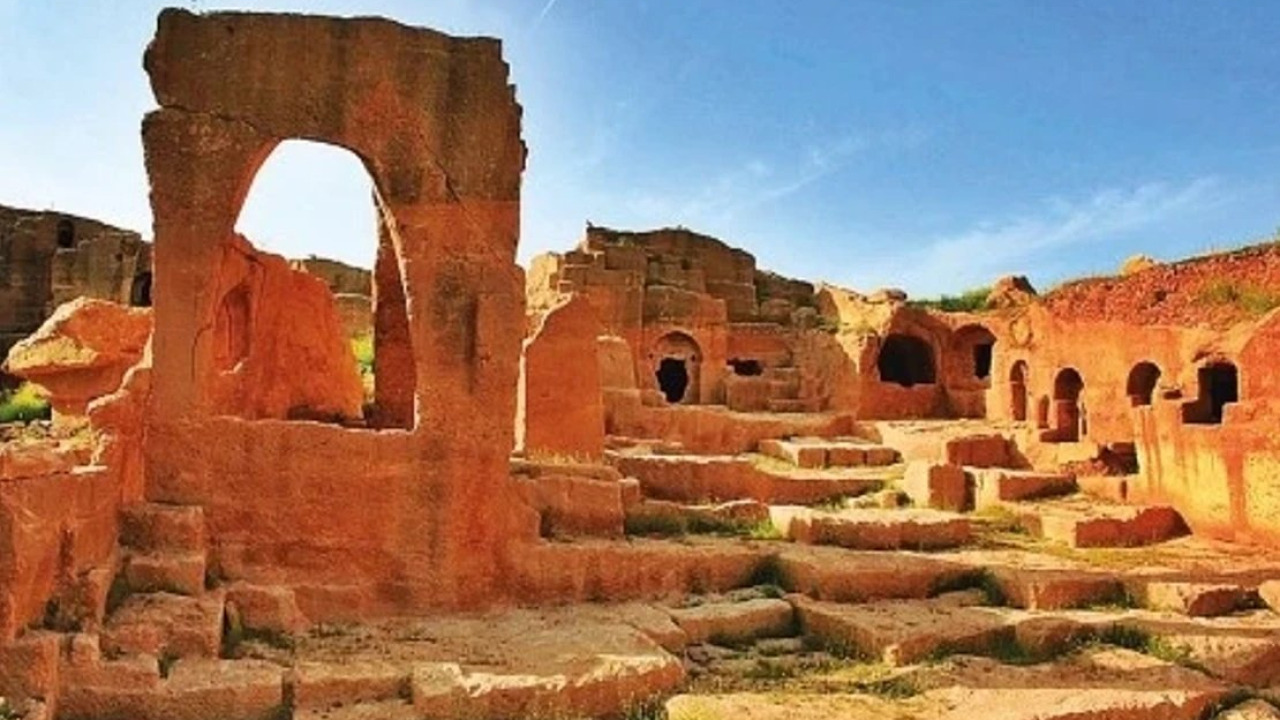

Dara Ancient City, a captivating border settlement, is nestled on a hillside overlooking the vast Mesopotamian Plain, in Oğuz village, Artuklu district of Mardin. Founded between 503-507 AD by Eastern Roman Emperor Anastasius as a strategic bulwark against the Sasanian Empire – and thus also known as Anastasiopolis – this ancient city today beckons visitors with its remarkable rock-cut tomb galleries, vaulted water cisterns, and extensive water structures spread across the valley. In this comprehensive guide, we'll take you through the must-see archaeological sites, detail transportation options, suggest the best seasons for your visit, outline cultural routes connecting to Mardin city center, recommend dining and accommodation areas, and offer practical tips to enhance your travel plan.
Timing Your Visit to Dara for the Best Experience
Dara is largely an open-air archaeological site. Exploring the hillside where the rock tombs are located, descending the steps to the cistern, and wandering among the valley-floor ruins all involve a fair bit of walking, and shaded areas are limited. Therefore, the season and time of day you choose to visit will directly impact your experience.
Summers in the region are long and hot, characteristic of a continental climate. Spending extended periods outdoors during midday in July and August can be quite strenuous. In contrast, spring and autumn offer much more pleasant weather for exploration. Winter brings a mystical fog that often blankets the plain, casting a unique atmosphere over the ruins, but watch out for potentially slippery surfaces. For those planning a summer trip, the early morning or late afternoon hours provide a more comfortable window, offering both cooler temperatures and beautiful light for capturing the changing hues of the ancient stones.
Quick Facts
| Topic | Information |
|---|---|
| Location | Mardin, Artuklu district, Oğuz (Dara) village |
| Distance from City Center | Approximately 30 kilometers southeast of Mardin city center |
| Period | Eastern Roman (Byzantine) border city; built 503-507 AD, founder Emperor Anastasius |
| Key Structures | Rock-cut necropolis, gallery tomb, giant cistern, water dam, agora |
| Visit Duration | 1.5-2 hours for the archaeological site; half a day including the village |
| Best Time to Visit | Spring (March-May) and Autumn (September-November) |
| Transportation | Rental car, taxi, or guided tour vehicle |
Must-See Structures at Dara Ancient City
The archaeological site is intricately woven into the streets of the modern village. Some ruins are nestled among houses, while others lie scattered across the valley floor. The following stops present a natural progression for exploring the area on foot.
The Rock-Cut Necropolis
The necropolis is situated on a hilly section west of the city, just outside the city walls, featuring numerous rock-cut tomb chambers. Niches carved into the soft limestone mass, arched entrances, and arcosolium-type burial beds are spread across a vast area. Excavations here have been conducted by the Mardin Museum Directorate since 2009, with the necropolis opening to visitors in 2017. The sheer size of this burial ground offers a glimpse into the scale of the city, especially considering the large population of its border garrison. Practical tip: The ground in the necropolis area is rocky and uneven in places, so non-slip footwear will serve you well. Morning light beautifully highlights the tool marks on the carved surfaces, perfect for photography.
The Gallery Tomb and its Relief
Within the necropolis, the three-story gallery tomb stands out as a prominent structure; Mardin Governorship records describe it as a three-tiered building oriented north-south. The relief on the wall of this monumental rock-cut space is generally interpreted by researchers as a resurrection scene, often linked to the biblical narrative of Ezekiel. According to a widely accepted account, the structure was arranged in 591 AD by Eastern Romans returning from exile, to house the bones of those who perished during the Sasanian siege of 573. Descending inside, you'll be met with cool air and echoing acoustics; the lower levels contain sections designated for mass burials. As lighting can be limited, a small flashlight will greatly assist your exploration.
The Giant Cistern and Underground Water Reservoir
The structure that truly puts Dara on the map is its colossal underground cistern, often colloquially referred to as a dungeon. With its soaring vaults, massive supporting pillars, and descending steps, this water reservoir vividly demonstrates how the border city secured its water supply under siege conditions. Historical sources indicate that more than ten large cisterns existed within the city walls, designed to sustain a large garrison population for extended periods. Inside, the temperature drops noticeably compared to the outside, offering a welcome respite during summer visits. Positioning the cistern in the middle of your tour can be refreshing, breaking up the time spent in the open air; as the steps can be damp, it's safer to stay close to the handrail on your descent.
The Water Dam and Canal System
The city's water management wasn't limited to just cisterns. Along the streambed running through the valley, you can still see remnants of dams, rock-cut channels, and traces of a maksem (water distribution center) that channeled water into the city. This intricate system reflects the engineering prowess of the era, simultaneously addressing flood control and water storage. The path descending to the valley floor offers a delightful walk amidst lush green grasses in spring; however, after rainy days, the ground can be muddy, so planning this section for a dry day will be more comfortable.
The Agora, Marketplace, and Church Ruins
Traces of the city's daily life converge around the square and street identified as the agora, or marketplace. Fragments of columns, rows of shops, and foundations of religious structures reveal that Dara was not merely a military fortress but a vibrant settlement where trade and spiritual life thrived. Excavations, led by Prof. Dr. Metin Ahunbay, began in 1986 and have continued intermittently; recent work announced the discovery of a bazaar complex comprising approximately 20 shops and workshops around the agora. Consequently, the appearance of this area may change from year to year. When exploring this section, it's crucial to avoid entering areas designated by the excavation teams, both for your safety and for the preservation of the site.
The City Walls and Village Ruins
Portions of the defensive walls, which once encircled the settlement and are reported to have stretched for approximately 4 kilometers, still stand today. Walking along the wall line is a practical way to grasp the city's ancient boundaries and how it integrated with the topography. As the houses of Oğuz village were built upon and among the ruins, you'll often encounter ancient stone blocks, column fragments, and repurposed materials within the village streets. When strolling through the village, it's important to respect local life by not entering private courtyards without permission and being mindful of household privacy when taking photographs.
How to Get to Dara Ancient City
Mardin city center serves as the primary hub for reaching the archaeological site. The following steps outline various transportation options.
- From Mardin city center, head southeast on the highway towards Nusaybin and follow the turn-off for Oğuz village; this approximately 30-kilometer section is on an asphalt road.
- If you don't have your own vehicle, you can arrange a taxi from the city center or join a guided cultural tour. Parking within the village is limited, so leaving your vehicle close to the archaeological site entrance will shorten your walk.
- For those wishing to use public transport, village minibuses departing from Kızıltepe and the city center are available. However, as the number of services is limited throughout the day, it's advisable to check return times in advance.
Airport and Intercity Connections
Mardin Airport is approximately 20 kilometers from the city center and is connected to major cities by scheduled flights. From the airport, you can reach the city center by taxi or shuttle services, and then plan your Dara route from there. For those preferring road travel, regular bus services are available from surrounding provinces to Mardin's intercity bus terminal.
Car Rental Needs in the Region
For travelers wishing to combine Dara with other attractions like Deyrulzafaran Monastery and Midyat in the same trip, a rental car offers greater flexibility. If you only plan to visit the archaeological site, a half-day program by taxi from the city center is feasible. Since service stations are sparse on village roads, be sure to check your fuel and water levels beforehand.
Seasonal Comparison and Best Times to Visit
The season of your visit directly impacts the time you'll spend at the site and the comfort of your trip.
| Period | Advantage | Note |
|---|---|---|
| Spring (March-May) | Mild weather, green valley landscape | Ideal for walking and photography |
| Summer (June-August) | Long daylight hours | Midday heat can be challenging, early morning recommended |
| Autumn (September-November) | Cooler weather, fewer crowds | Softer light, shorter days mean starting early is key |
| Winter (December-February) | Unique atmosphere with foggy plains | Ground can be slippery, caution on cistern steps |
Connecting Your Dara Visit to a Mardin Cultural Itinerary
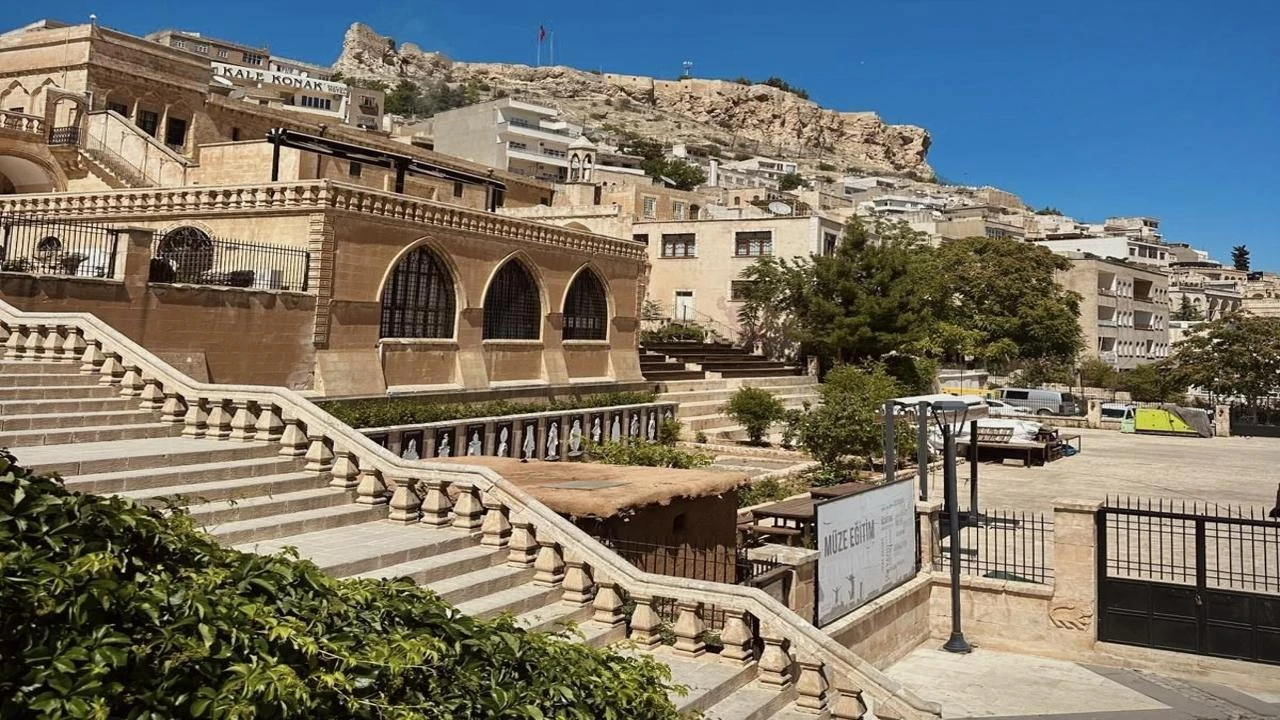
As Dara is typically a half-day visit, it's often integrated into a broader Mardin city center itinerary. A delightful way to combine these experiences is to head up to the upper parts of the old city upon returning from the archaeological site and watch the sunset from a terrace overlooking the plain, seamlessly blending two distinct layers of history into one day. For those looking to build a program focused on ancient cities and museums, you can explore Mardin cultural tours options. If you're planning a more extensive regional exploration, the programs under Mardin tours serve as an excellent starting point.
Our Mardin attractions guide, which lists city center stops in a logical route, provides an excellent starting list for integrating your Dara day into the same itinerary. Central attractions that can be added to your trip include:
- Zinciriye and Kasımiye Madrasahs: renowned for their stone craftsmanship and courtyard views overlooking the plain
- Mardin Museum and Sakıp Sabancı Mardin City Museum: repositories of the region's archaeological and urban memory
- Mardin Grand Mosque and Latifiye Mosque: mosques dating back to the Artuklu period in the heart of the old city
- Kırklar Church and Deyrulzafaran Monastery: prominent sites of Syriac Christian heritage
- Coppersmiths' Bazaar: home to traditional copper and filigree workshops
Budgeting Considerations for Your Trip
Expenses for a Dara visit vary depending on your transportation choices and the length of your itinerary. The table below summarizes how each item influences your planning.
| Item | Impacts | Planning Tip |
|---|---|---|
| Transportation method | Difference between rental car, taxi, and tour vehicle | If you have multiple stops in one day, a vehicle-based plan is more efficient |
| Archaeological site entrance | Ticket application in ministry-affiliated areas | Confirm Müzekart (Museum Pass) coverage at the ticket office before your visit |
| Guidance | Difference between guided and self-guided tours | Reliefs and water structures become more understandable with a guide's explanation |
| Accommodation area | Old city guesthouses vs. hotels outside the center | If you plan to explore on foot, stay close to the old city |
| Season | Increased demand during peak season | Spring and autumn weekdays are generally quieter |
Dining and Accommodation Areas
The number of establishments serving Dara village is limited; therefore, dining and accommodation plans are typically centered around Mardin city.
Where to Eat
Mardin cuisine beautifully reflects Mesopotamia's rich grain and spice culture. Signature dishes include kaburga dolması (stuffed ribs), içli köfte (kibe, a type of stuffed meatball), sembusek (a savory pastry), and firik pilavı (smoked wheat pilaf). For desserts, almond candies and walnut-based treats are popular. In the old city, restaurants converted from traditional stone mansions with courtyards and terraces overlooking the plain are highly recommended for dinner.
Where to Stay
The main hub for accommodation is Old Mardin. Boutique hotels, often converted from beautifully restored stone mansions, are within walking distance of the narrow streets and abbaras (vaulted passages). For those seeking larger rooms and facilities with parking, the new city area and the direction of Kızıltepe offer alternatives. Stone guesthouses around Midyat are also suitable for the second night of a two-day regional tour.
Essential Tips Before You Go
- Bring a hat, sunglasses, and water; shaded areas at the archaeological site are limited.
- Carry a small flashlight for enclosed spaces like the cistern and gallery tomb.
- Opt for non-slip footwear as you'll be walking on rocky terrain.
- Check the current opening hours before you set off, as they vary by season.
- When taking photos in the village streets, be mindful of household privacy and the boundaries of excavation areas.
How Many Days Are Enough for Your Trip?
Exploring Dara Ancient City at a comfortable pace takes about two hours; allocating half a day, including the village ruins, is sufficient. For an itinerary that also covers Mardin city center, two days strike a good balance: the first day for the old city, madrasahs, and museums, and the second day for Dara and the surroundings of Deyrulzafaran. If you add Midyat and Mor Gabriel, the plan extends to three days. Those looking to explore the region with multiple stops can choose from historical city tours, while those interested in visiting sites from different periods can embark on programs within cultural tours.
Frequently Asked Questions 11
Where is Dara Ancient City located?
Dara Ancient City is located in Oğuz (formerly Dara) village, part of Mardin's Artuklu district. It is approximately 30 kilometers from the city center, accessible via a turn-off from the highway towards Nusaybin.
What can be seen at Dara Ancient City?
Key attractions include the rock-cut necropolis and three-story gallery tomb, the vaulted giant cistern, traces of the water dam and canal system in the valley, ruins around the agora, and sections of the city walls. Some remnants are found amidst the village streets.
What are 3 characteristics of Mardin?
The city's prominent features are its architecture crafted from yellow limestone, its multi-faith fabric where mosques, madrasahs, and Syriac monasteries coexist, and its tiered settlement layout overlooking the Mesopotamian Plain.
Who built Mardin Castle?
Rather than a single founder, a multi-layered construction process is cited. The castle's initial core is believed to date back to the Roman period; it was subsequently repaired and expanded during the Byzantine, Artuklu, and Akkoyunlu eras in later centuries.
Can Mardin Castle be visited?
The castle has been under military use since 1963 and is therefore not open to visitors. It can be observed from the city silhouette, from higher vantage points around Zinciriye Madrasah, and from terraces overlooking the plain.
What is inside Mardin Castle?
As the castle is closed to visitors, its interior cannot be explored. Sources mention cisterns, mosque and residential ruins, and water structures; the area also contains military facilities and radar equipment.
What is another name for Mardin Castle?
The castle is commonly referred to by the public and in sources by names meaning 'Eagle's Nest'. Different pronunciations based on old Syriac and Arabic forms are also used in the region.
Which folk tale is associated with Mardin Castle?
Tales emphasize the inaccessibility of the castle and how besieging armies could not overcome its rocky slopes; the 'Eagle's Nest' analogy also stems from these legends. These narratives are products of oral tradition and are not based on documented evidence.
What are the 5 wonders of Mardin?
Commonly listed are Deyrulzafaran Monastery, Kasımiye Madrasah, Zinciriye Madrasah, Sakıp Sabancı Mardin City Museum, and Dara Ancient City. This list is not official and may vary across travel guides.
Why are Mardin houses made of stone?
Locally available limestone is easy to work with in the region. Thick stone walls keep the heat out in summer and retain warmth in winter; for this reason, traditional houses were built using dry stone masonry techniques.
How long does it take to visit Dara Ancient City?
Exploring the archaeological site on foot takes an average of 1.5-2 hours. Including the village ruins, photo stops, and a guided explanation extends the duration to half a day.