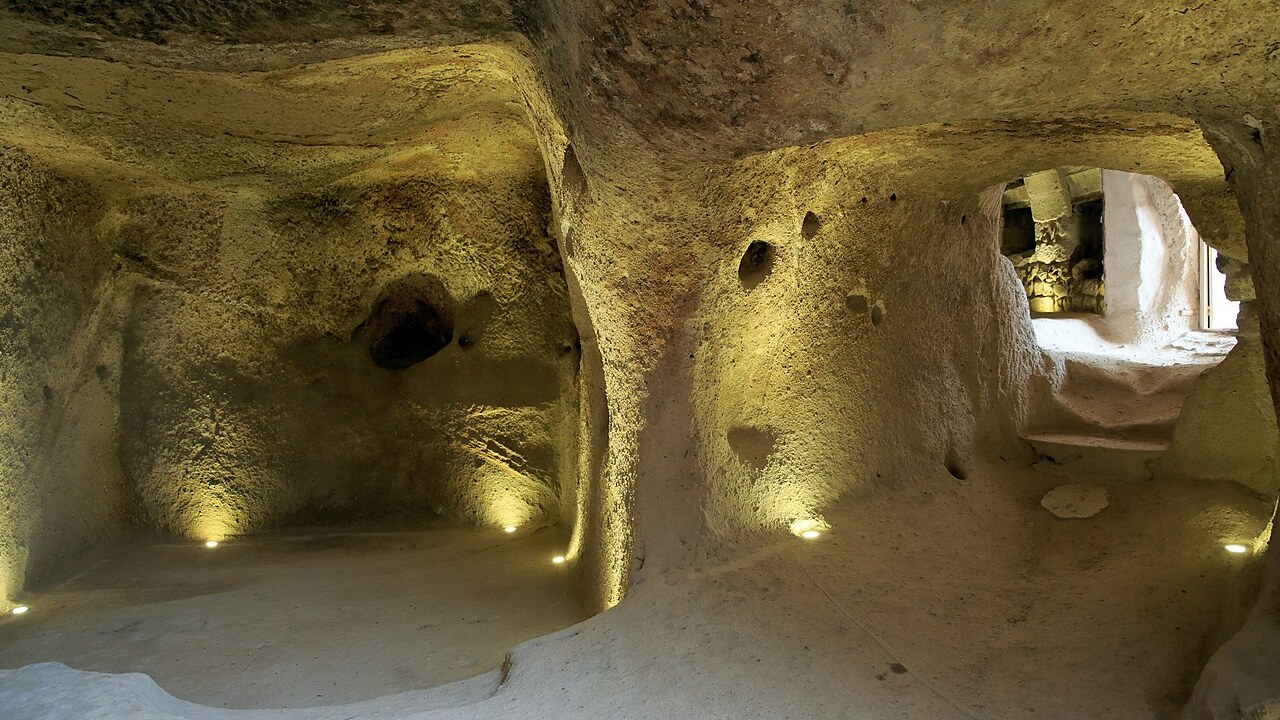

The millennia-old underground settlements and monastic structures carved into Cappadocia's soft tuff rock have evolved into something truly magical: unique cave restaurants that host the region's rich culinary heritage and traditional performing arts. Located in the valleys of Uçhisar, Göreme, and Avanos, these venues, carved meters beneath the surface, offer an unforgettable evening experience, enhanced by the natural acoustics of limestone and a mystical, subterranean atmosphere.
At the heart of these evening programs are traditional Turkish Nights. These shows bring together folk dances from Anatolia's seven distinct regions, spiritual Whirling Dervish ceremonies, and high-energy musical performances. The culinary experience is equally captivating, featuring the famous Testi Kebabı (pottery kebab) slow-cooked over wood fires in stone ovens, paired with local wines produced from the region's sun-drenched vineyards.
In this comprehensive guide to Turkish nights in cave restaurants and Cappadocia cuisine, we explore the unique architecture of these underground venues, the flow of evening entertainment, gastronomic delights, and essential booking tips.
Quick Facts About Cappadocia Cave Restaurants
Before booking your experience, it is helpful to know the start times, transfer details, and menu offerings to ensure a seamless trip. The table below summarizes the essentials of the cave restaurant and Turkish Night experience.
| Feature | Visitor Summary |
|---|---|
| Location & Region | Nevşehir Cappadocia: Uçhisar, Avanos, and Göreme rock-cut halls |
| Highlight Experiences | Turkish Night Shows, Live Whirling Dervish Ceremony, Testi Kebab Presentation |
| Best Time to Visit | Year-round (Natural rock settings stay cool in summer and warm in winter) |
| Recommended Duration | Evening event (Approx. 3.5-hour rich program from 20:00 to 23:30) |
| Transport & Terrain | Round-trip hotel transfers included; uneven stone floors and tiered seating |
| Ideal For | Culture and food enthusiasts, groups of friends, couples, and families |
Guests are typically picked up from their hotels in Cappadocia during the evening and transported to these carved restaurants nestled deep within the valleys. Upon entering, you are greeted by the natural coolness of the tuff rock and the warm, ambient glow of dim lighting.
Travelers looking to explore more evening tours and local activities in Cappadocia can browse our Nevşehir tours list.
Natural Climate Control of Cave Venues
The volcanic tuff of Cappadocia acts as a natural insulator. Regardless of the outside temperature, the interior of these caves remains remarkably stable, usually hovering between 16-18°C (60-65°F) year-round.
This geological quirk means you can enjoy a refreshing, air-conditioned feel during the sweltering summer months and a cozy, sheltered environment during the winter chill without the need for heavy machinery.
Hall Design and Stage Layout
Cave restaurants are often designed in a circular or amphitheater style, with a central performance area carved into the rock, surrounded by tiered seating or private booths.
To ensure every guest has a clear view of the stage, seating areas are often elevated in terrace-like formations, creating an intimate yet grand viewing experience.
Natural Acoustics and Sound Insulation
The porous nature of the tuff stone naturally absorbs echoes, allowing live instruments to sound crisp and clear within the space.
This acoustic richness provides the perfect backdrop for the enchanting melodies of the saz, ney, davul, and clarinet to resonate through the halls.
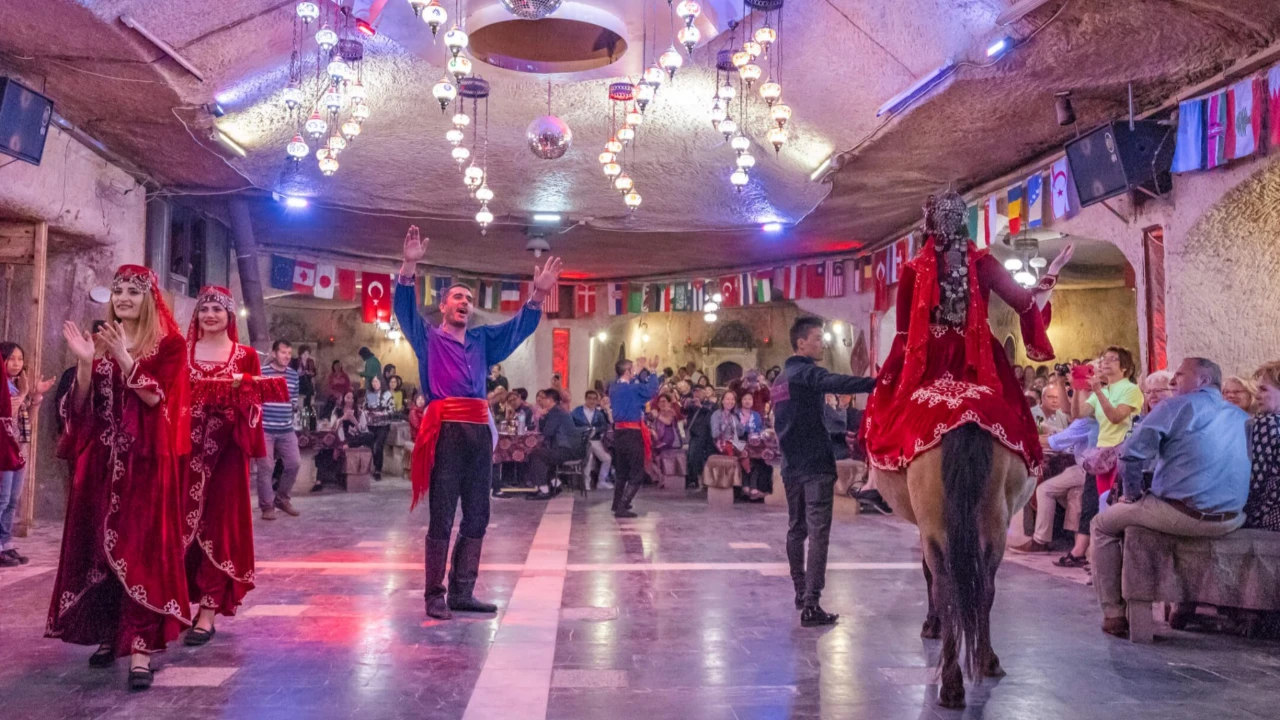
Turkish Night Program Flow and Stage Performances
The Turkish Nights held in Cappadocia's cave restaurants present the deep folkloric heritage of Anatolia through a dynamic, high-production stage show.
The program typically begins with the spiritual serenity of a Whirling Dervish ceremony. This is followed by a vibrant succession of dances: from the sharp movements of Caucasian dances and the energetic horon of the Black Sea to the majestic zeybek of the Aegean and rhythmic belly dance performances.
As the night progresses, guests are often invited onto the stage to participate interactively in the folk dances.
Comparison of Show Segments and Cultural Themes
You can explore the cultural themes showcased throughout the evening in the table below.
| Show Segment | Origin & Cultural Theme | Key Dance & Musical Elements |
|---|---|---|
| Sema Ceremony | Konya Mevlevi Tradition | Sufi ney flute melodies, whirling dervishes, and spiritual tranquility |
| Caucasian Folk Dance | Eastern Anatolia & Caucasus | Rapid dagger movements, tip-toe walking, and acrobatic leaps |
| Aegean Zeybek Show | Western Anatolian Efes | Heavy, dignified steps, heroic figures, bağlama and drum rhythms |
| Black Sea Horon | Eastern Black Sea Coast | Kemençe rhythms, shoulder-shaking movements, high-tempo steps |
| Oriental Stage Show | Classical Eastern Dance | Rhythmic finger cymbals, veil choreography, and guest interaction |
Dinner service is synchronized with the performances, ensuring that your palate is as satisfied as your eyes.
To view specific event schedules and book your spot, please visit our Nevşehir cave restaurant tours page.
Sufi Music and the Whirling Dervish Segment
In the opening moments of the night, the lights dim, and the dervishes take the stage to the hauntingly beautiful sounds of the ney (reed flute) and kudüm (drum).
As the dervishes spin in their traditional sikke (tall hats) and white tennure (skirts), their movement symbolizes universal love and the cycle of creation, creating an atmosphere of profound respect and peace.
Reenactment of Local Wedding Rituals
The humorous side of Anatolian culture is brought to life through theatrical reenactments of traditional marriage proposals and wedding ceremonies.
It is a common highlight of the night when volunteers from the audience are invited to play the roles of the groom or the mother-in-law, often resulting in fits of laughter throughout the hall.
The High-Energy Caucasian Dagger Dance
The energy of the show reaches its peak with the Caucasian dancers. Known for their incredible precision, they perform acrobatic leaps and dramatic dagger movements that command total attention.
Performed in traditional attire and fur kalpak hats, this segment offers a stunning visual spectacle.
Preserving the Art of Tuff Carving
The underground architecture of the Cappadocia valleys is preserved through traditional stonemasonry passed down through generations. When expanding or repairing these spaces, artisans use traditional hand tools to ensure the natural texture of the rock remains intact.
This meticulous approach to preservation ensures that the thousand-year-old mystical aura of these venues remains undisturbed for modern visitors.
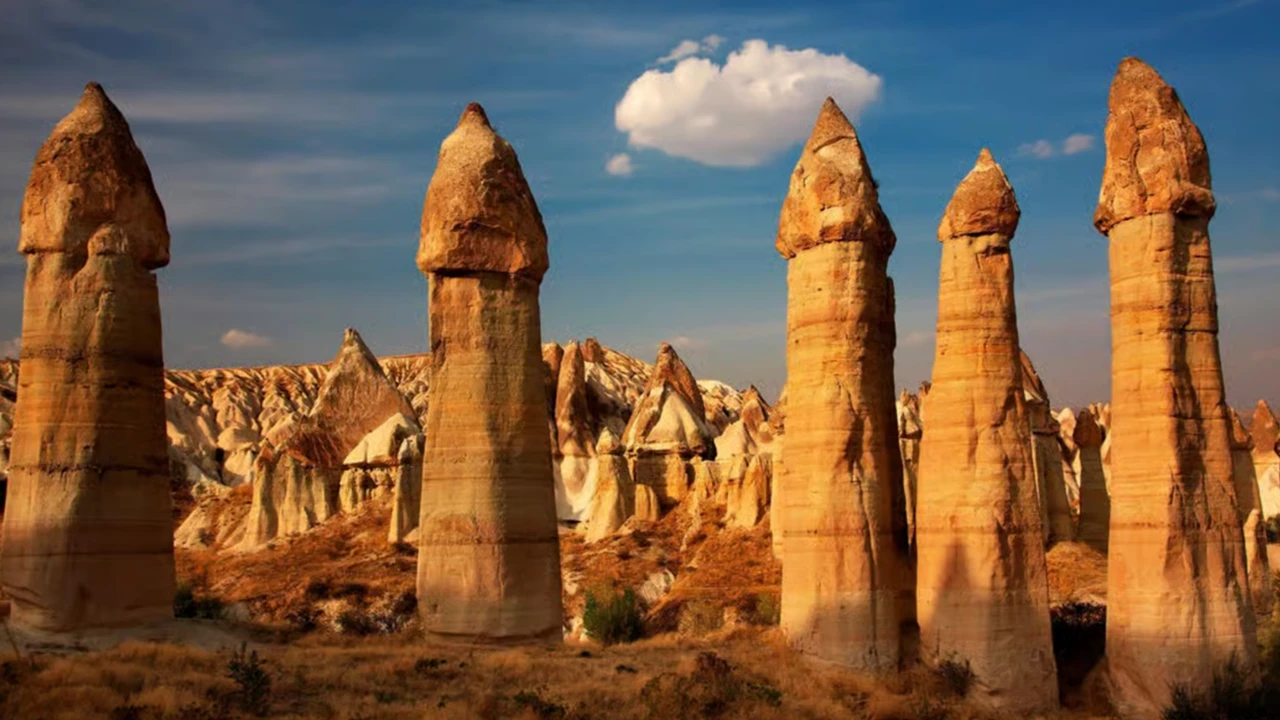
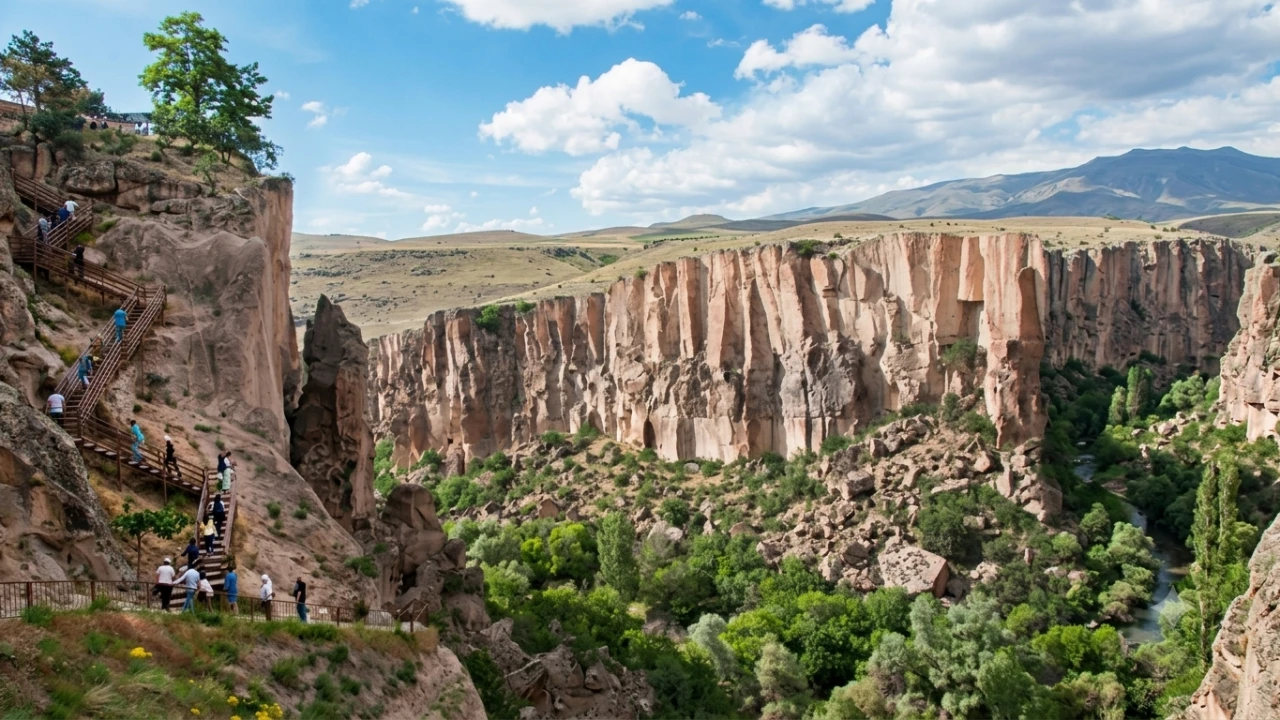
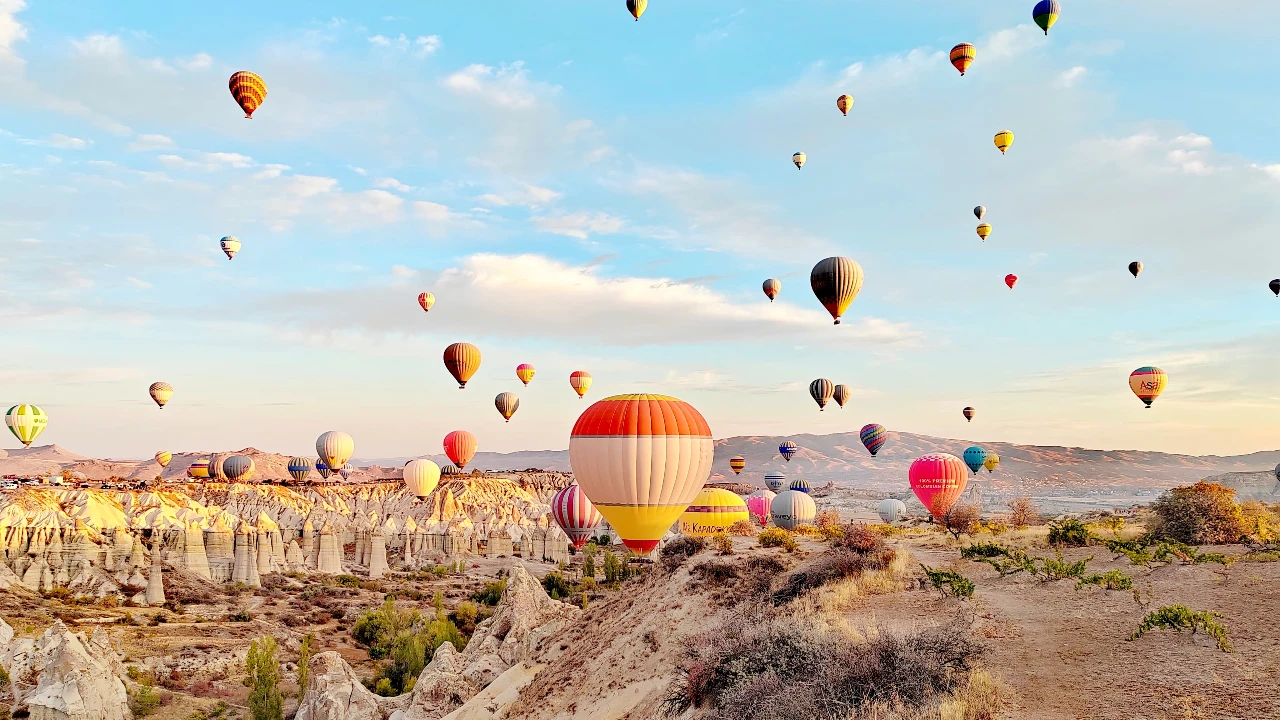
Cappadocia Gastronomy and the Traditional Testi Kebabı
The dinner menus served in these cave restaurants are a tribute to the rich culinary heritage of Central Anatolia.
The undisputed star of the show is the Testi Kebabı. Prepared by the master potters of Avanos, the meat is sealed inside a clay pot and slow-cooked to perfection.
The pot is brought to your table amidst a dramatic display of flames. With a single, decisive strike of a small cleaver, the chef breaks the neck of the pot right in front of you, releasing the mouthwatering aroma of the meat into the air.
Secrets of the Testi Kebabı
Lamb meat, mixed with shallots, garlic, and tomatoes, is packed into Avanos clay pots and sealed with a dough lid.
Slow-cooked in the embers of a stone oven for at least 2 to 3 hours, the meat reaches a melt-in-your-mouth consistency, cooked in its own juices.
Local Appetizers and Mezes
Before the main course, tables are graced with a rich array of mezes. Roasted eggplant, haydari (strained yogurt with herbs), spicy ezme, and creamy cacık are perfect appetizers to whet your appetite.
Freshly baked, warm lavaş bread is served to accompany these flavorful starters.
Regional Wines and Nuts
Local beverages produced from Öküzgözü and Boğazkere grapes, grown in Cappadocia's volcanic soil, pair beautifully with the meal.
Throughout the performance, guests are often treated to roasted pumpkin seeds, dried fruits, and assorted nuts.
Historical Caves in the Avanos and Uçhisar Valleys
Most of the cave restaurants in the region are located near the pottery workshops of Avanos or on the slopes beneath the Uçhisar Castle.
Historically, these structures served various purposes: some were hans (inns) that hosted merchant caravans, while others were underground granaries used by locals to store wheat and grapes.
Even today, you can clearly see the marks of hammers and chisels on the walls, testifying to the manual labor used to carve these spaces.
- Avanos Pottery Caves: Massive carved spaces near the Kızılırmak River where masters have shaped clay for centuries.
- Uçhisar Rock Halls: High-ceilinged, panoramic venues carved into the fairy chimneys at the foot of the castle.
- Göreme Valley Restaurants: Hidden gems overlooking the iconic fairy chimney silhouettes along the Open Air Museum route.
- Ortahisar Cellars: Vast rock galleries converted from ancient storage traditions.
- Çavuşin Rock Church Vicinity: Authentic settings located near ancient rock-cut churches.
Historical Traces in the Stone Walls
A close look at the walls reveals the distinct layers of the tuff rock and the grooves left by ancient carving tools.
These marks serve as a reminder that you are not sitting in a man-made concrete building, but within a living piece of the Earth's crust.
Mystic Lighting and Decor
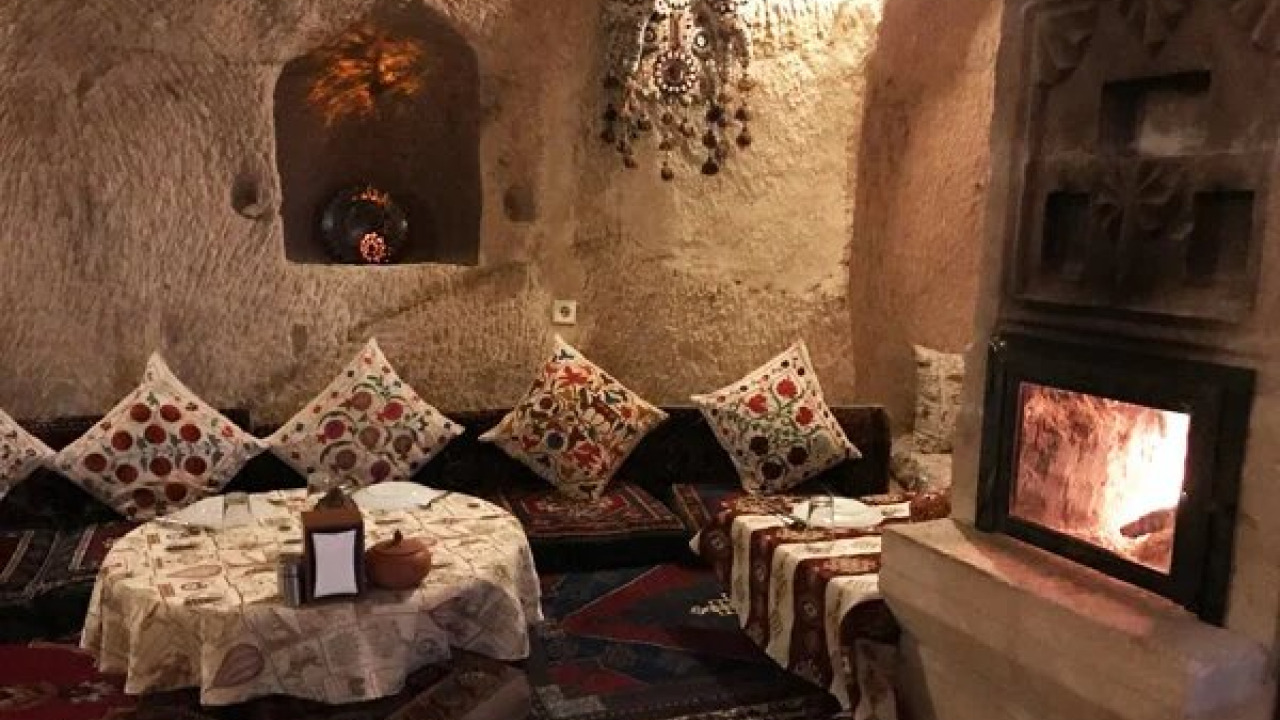
To create a warm, inviting atmosphere reminiscent of a traditional village home, restaurants use soft yellow halogen lighting, copper candlesticks, and hand-woven kilim rugs.
Wooden tables and carved niches complete the historical aesthetic of the space.
Photography and Video Tips for Cave Restaurants
The dim lighting and high-energy movement of the dance shows require specific technical settings to capture the best shots.
To clearly capture the dancers' movements and the dramatic moment the pottery kebab is broken, keep these tips in mind.
During breaks in the performance, guides often offer opportunities for guests to take souvenir photos with the dancers.
Capturing the "Pottery Breaking" Moment
The moment the chef breaks the flaming pot at your table is the most dynamic visual highlight of the tour. Using slow-motion video is an excellent way to immortalize this dramatic event.
The flames rising from the broken clay add a stunning sense of depth to your frame.
Stage Lighting and Portrait Photography
When photographing the whirling dervishes, avoid using a flash; this preserves the dim, spiritual atmosphere of the venue.
Using a high ISO setting will allow you to capture the warm reflections of the stage lights against the textured tuff walls without losing clarity.
Practical Tips for Your Turkish Night Experience
To make the most of your evening in a Cappadocia cave restaurant, consider these practical suggestions:
- Dress in Layers: While the caves maintain a steady temperature, the valley breeze can get chilly when you step outside; bringing a light cardigan or jacket is wise.
- Choose Comfortable Footwear: Since the floors are stone and many venues feature tiered steps, opt for flat, comfortable shoes rather than high heels.
- Opt for Round-Trip Transfers: For maximum comfort, especially if you plan to enjoy local wines, booking a tour package that includes hotel transfers is highly recommended.
- Book in Advance: Turkish Nights are in high demand, particularly during the spring and autumn seasons, so secure your reservation days in advance.
- Seating for Families: If traveling with small children, consider requesting a table further from the speakers to ensure the music isn't overwhelming.
- Tipping Etiquette: It is a kind local tradition to have small amounts of cash available for tips for the musicians and servers at the end of the show.
Frequently Asked Questions 4
What time do Cappadocia Turkish Night programs start and end?
Programs typically begin around 20:00 or 20:30 and conclude around 23:30, once the dinner and performances are complete.
Is smoking allowed inside the cave restaurants?
Smoking is prohibited inside the enclosed cave halls for safety reasons; however, most venues provide designated outdoor smoking areas near the entrance.
Are there vegetarian options available?
Yes. Upon request, vegetarian menus featuring vegetable stews (güveç), cheese pastries (börek), and a variety of olive oil-based mezes can be prepared instead of the meat kebab.
Can guests dance during the show?
Absolutely! During the second half of the program, guests are frequently invited onto the stage to join in the belly dance and folk dance segments.