
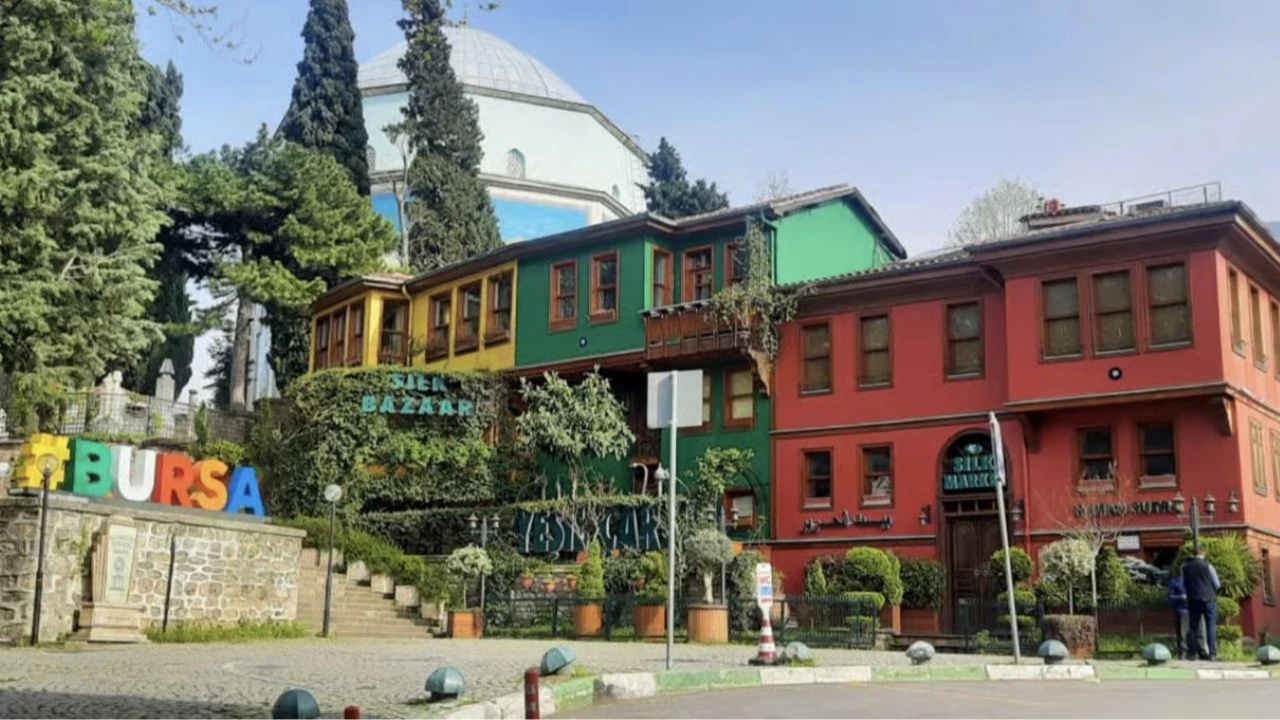
As one of the first capitals of the Ottoman Empire, Bursa was far more than just a political or military stronghold; its strategic position on the Silk Road transformed it into a colossal hub of global commerce. This vibrant trading spirit, cultivated over centuries, continues to pulse through the city center today.
To explore the historic bedestens, courtyards, and monuments with a curated itinerary, Bursa historic city tours offer a rich and seamless travel experience. Walking through the Hans District, feeling the cool breeze of the stone courtyards and tracing the footsteps of ancient merchants, provides visitors with a truly unique cultural immersion.
Quick Facts: The Bursa Hans District
To make the most of your visit to the bazaars and caravanserais, here are some practical details to keep in mind.
| Feature | Visitor Summary & Local Conditions |
|---|---|
| Location | The historic Hans axis surrounding the Ulu Camii in the city center |
| Signature Products | Authentic silk shawls, hand-woven towels, and traditional antiques |
| Best Time to Visit | Spring and Autumn for comfortable walking weather |
| Target Audience | Culture seekers, shopping enthusiasts, and photography lovers |
| Local Transport | Easily accessible on foot from the center or via the Bursaray Şehreküstü station |
| Average Visit Time | At least 3 to 4 hours to fully explore the bazaars and courtyards |
What to See in the Bursa Hans District?
The historic commercial fabric of Bursa is enriched not only by its caravanserais but also by a vast cultural heritage. If you would like to explore the city's top landmarks in one place, feel free to check out our Bursa travel guide.
Ulu Camii and the Hans District
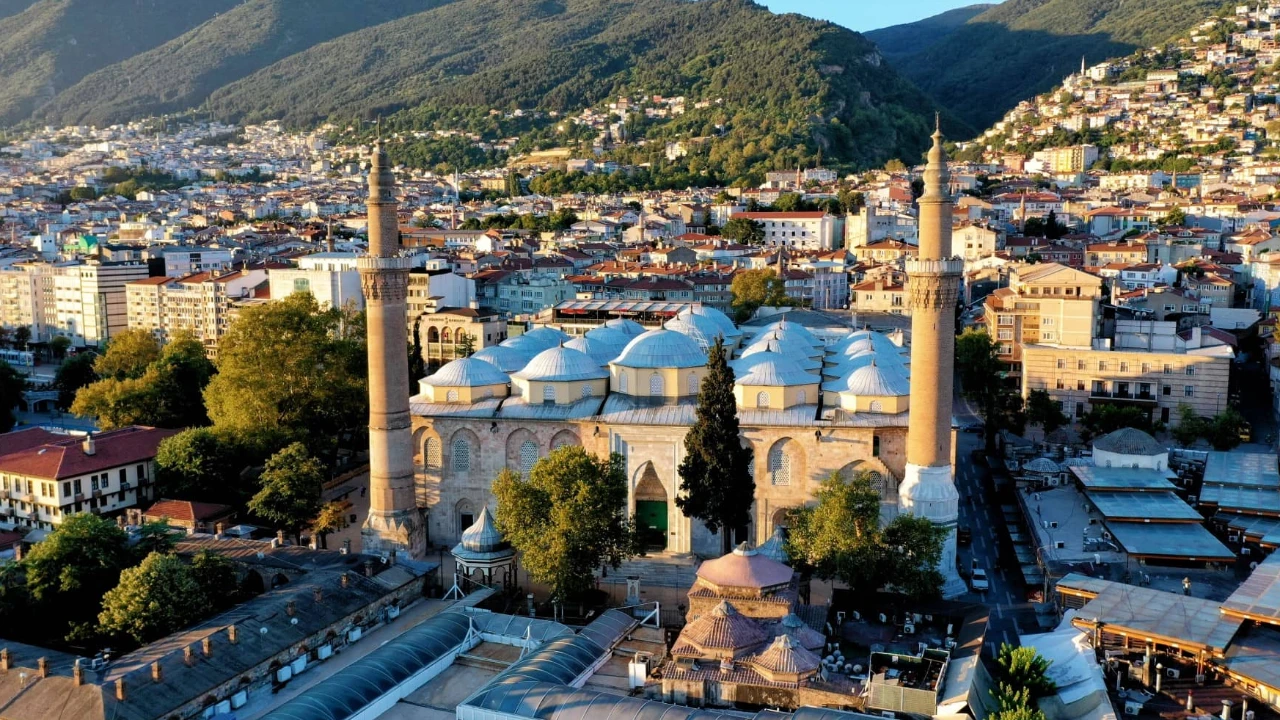
Standing at the very center of the district, the Ulu Camii (Grand Mosque) serves as the natural meeting point for local shopkeepers and tourists alike. Built by Bayezid I in the late 14th century, this monumental twenty-domed structure forms the core of the surrounding commercial zone.
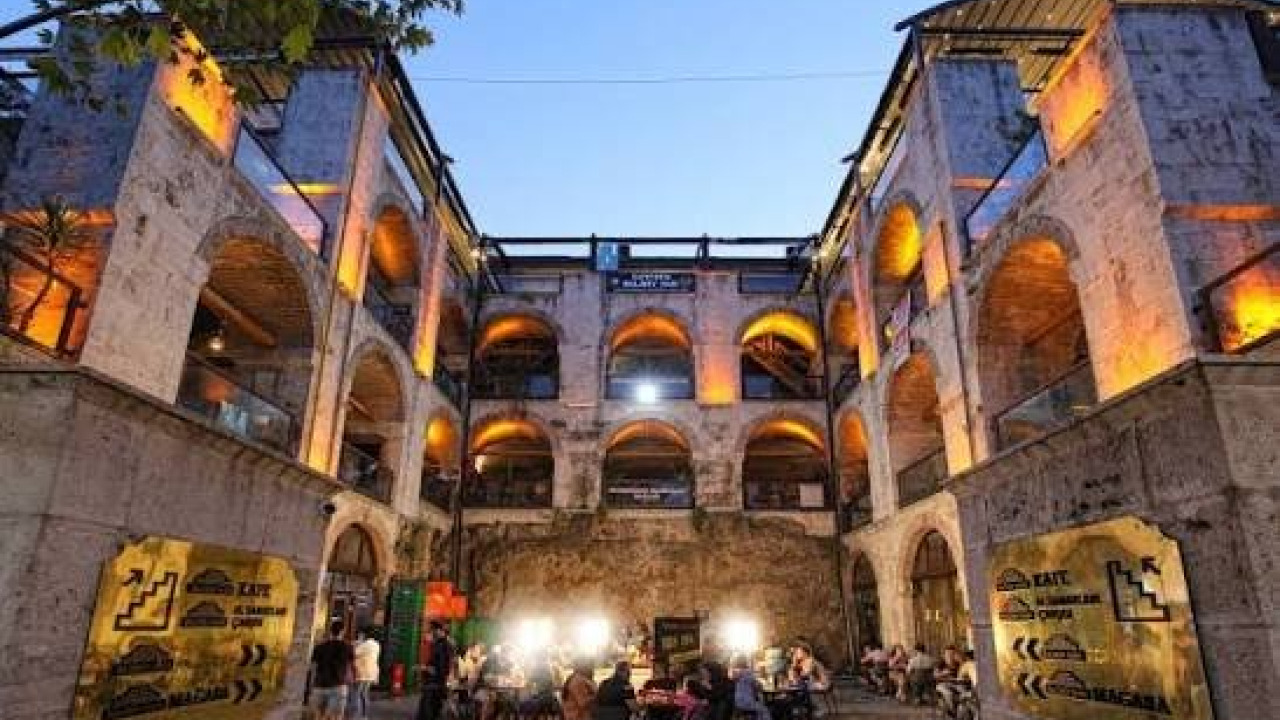
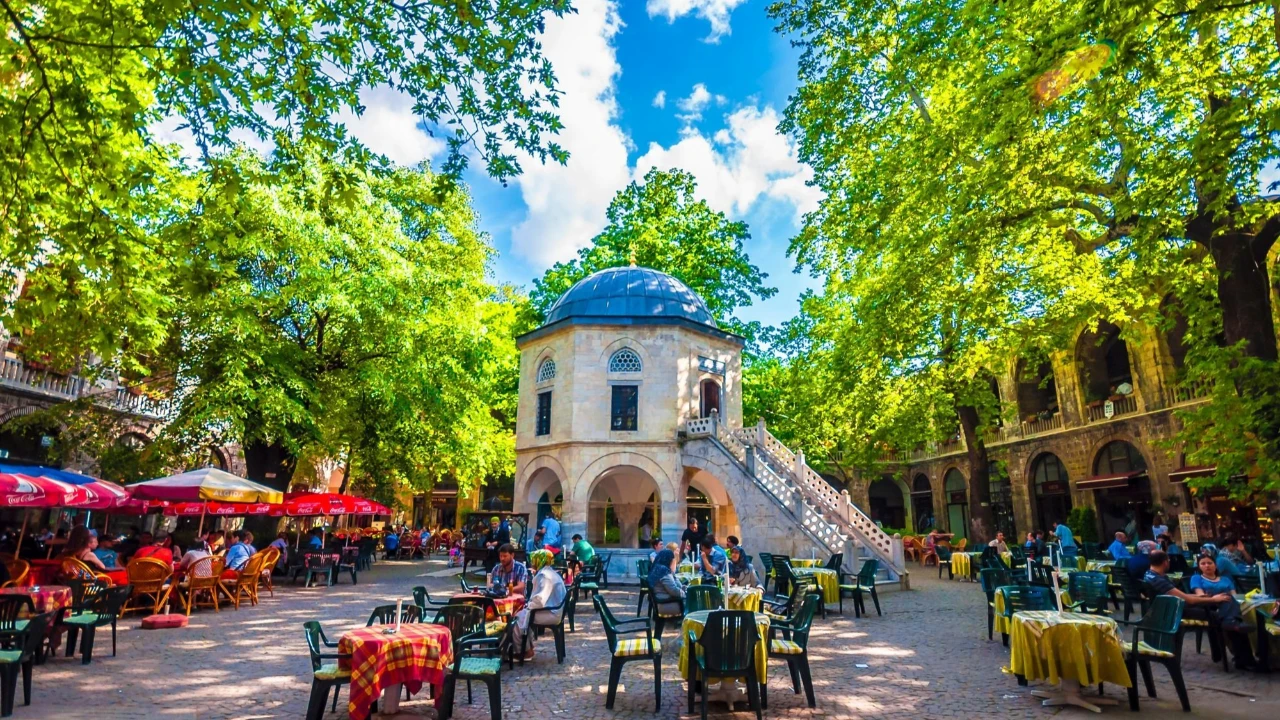
Right next to the mosque lies Koza Han, commissioned by Bayezid II in 1491. With its wide arcaded courtyard, historic fountain, and ancient plane trees, it is the city's most popular spot to unwind. The shops lining the courtyard showcase exquisite silk textiles and elegant shawls.
Another architectural gem is the Bedesten, a fortified trade center where precious jewelry and goldsmiths are concentrated. Nearby, Emir Han, dating back to the era of Orhan Bey, and Pirinç Han showcase the timeless elegance of Ottoman commercial architecture.
Comparing the Architecture of the Hans District
The following table summarizes the primary monuments that form the core of the district, their construction periods, and their current roles.
| Historic Structure | Period | Architectural Character | Current Primary Function |
|---|---|---|---|
| Ulu Camii | 1396 - 1400 | Monumental twenty-domed mosque | Place of worship and tour starting point |
| Koza Han | 1491 (Bayezid II) | Two-story arcaded courtyard & kiosk mosque | Silk trade, scarves, and tea garden |
| Bedesten | Circa 1400 | Domed market with thick stone walls | Jewelers and antique market |
| Emir Han | Orhan Bey Era | Classic 73-room trade inn | Bookstores, tea houses, and second-hand books |
| Pirinç Han | 1508 | Two-story arcaded stone courtyard | Cafes, handicrafts, and relaxation areas |
Cumalıkızık Köyü
After the hustle and bustle of the historic bazaar, you can experience Ottoman rural life at Cumalıkızık Köyü. A UNESCO World Heritage site, this village is an integral part of the same historical preservation spirit found in the Hans District.
Most of the approximately 270 historic houses in the village have retained their original architecture. Walking through the narrow cobblestone streets feels like stepping back in time. You can find homemade jams and traditional village breads sold at stalls run by local women.
Merinos Enerji Müzesi
To understand the transition of Bursa's silk and wool weaving into the industrial age, the Merinos Enerji Müzesi is an essential stop. Established in the power plant of a factory opened by Atatürk in 1938, the museum reflects the industrial leaps of the era.
Massive turbines and machinery on display reveal a fascinating industrial heritage. The surrounding park, with its walking paths and ponds, provides a refreshing space to relax after a day of exploring the markets.
Saitabat Şelalesi
When you want to escape the crowds and embrace nature, Saitabat Şelalesi in the Kestel direction awaits. This natural valley near Derekızık Köyü is enveloped by lush pine forests.
In spring, the waterfall's flow increases as the snow melts, bringing a refreshing coolness to the air. Taking a break on the wooden terraces by the water is the perfect remedy for city fatigue. Local restaurants serving fresh trout add a culinary delight to your nature retreat. In the summer, sipping tea by the riverbank makes for an unforgettable moment of peace.
Suuçtu Şelalesi
Located in the Mustafakemalpaşa district to the west of Bursa, Suuçtu Şelalesi is breathtaking, with water cascading from a height of approximately 38 meters. The valley, shaded by beech trees, offers a wonderful setting for picnics and nature camping.
You can enjoy the crisp air while hiking along the trails surrounding the falls. The silence of nature and the soothing sound of water make you forget the noise of the city. For photography enthusiasts, the early morning hours, when sunlight filters through the leaves, provide the perfect lighting for stunning shots. Nature lovers wishing to camp can bring their basic gear for a peaceful getaway.
How to Explore the Bursa Historic Bazaars: A 5-Step Itinerary
To navigate the historic district efficiently without getting lost, we recommend this 5-step plan:
- Morning Visit to Ulu Camii: Start your day in the morning cool, exploring the interior of the Grand Mosque and its monumental calligraphy panels.
- Coffee Break at Koza Han: Head to the adjacent Koza Han and sip your morning coffee under the shade of historic plane trees.
- Shopping at Bedesten & the Grand Bazaar: Exit the courtyard and browse the silk fabrics, towels, and antique sections of the Bedesten and surrounding shops.
- Tophane Observation Deck: Take a short walk uphill to the Tophane Clock Tower for a bird's-eye view of the city and the rooftops of the hans.
- Traditional Flavor Stop: Complete your journey at a historic local restaurant with a taste of the famous pideli köfte or candied chestnuts (kestane şekeri).
When is the Best Time to Visit the Hans District?
While the historic bazaars remain vibrant year-round, seasonal conditions can affect your comfort.
| Season | Visit Condition | Local Tip & Note |
|---|---|---|
| Spring (Mar - May) | Courtyards turn green; perfect walking weather | Ideal for combining bazaar shopping with historic street walks |
| Summer (Jun - Aug) | Thick stone walls of the hans provide natural cooling | Stick to the covered bazaar corridors during the midday heat |
| Autumn (Sep - Nov) | Calm and romantic period as plane leaves turn gold | The most serene atmosphere for photography and tea breaks |
| Winter (Dec - Feb) | Nostalgic and sheltered environment in closed shops | Great time to browse winter woolens and cotton textiles |
Budgeting for Your Bursa Hans District Trip
Visiting the historic hans and mosques is completely free. Your spending will primarily depend on your shopping choices and dining preferences.
Silk products at Koza Han vary in price based on quality. It is a deep-rooted tradition to politely haggle with the shopkeepers. Local "tradesman restaurants" (esnaf lokantası) offer budget-friendly menus featuring authentic regional dishes.
To minimize costs, use a Bursakart for public transportation. Open areas like the Tophane observation deck are free, allowing you to keep your travel budget balanced.
Shopping Tips for the Bazaar
To make your shopping and exploration in the Hans District more enjoyable, keep these practical tips in mind:
- Most shops in the Grand Bazaar are closed on Sundays, so plan your shopping for weekdays or Saturdays.
- Cafes and boutiques in Koza Han remain open on Sundays, providing a great place to relax.
- Wear flexible, flat shoes to walk comfortably on the cobblestone streets.
- When buying silk, check the weave quality and engage in the traditional art of bargaining with the merchants.
- Parking is limited in the area; leave your car in a central parking lot and walk into the bazaar.
Final Thoughts on Visiting the Bursa Hans
The historic bazaar and hans district of Bursa generously offers visitors a glimpse into the commercial elegance and cultural richness of centuries past. From the spiritual shadow of Ulu Camii to the peaceful courtyard of Koza Han, you can breathe in the true identity of the city. Tea conversations under century-old arcades slow down the tempo of the day.
For comprehensive itineraries covering other historic axes of the city, you can explore cultural tours where you'll hear about Bursa's rich past from expert guides. If your time is limited, we recommend comprehensive day-trip route options in Bursa.
To see all the main landmarks in comfort and without fatigue, consider city tours that allow you to explore the center in comfortable vehicles. A well-planned bazaar tour will undoubtedly be one of the most unforgettable memories of your Bursa trip.
Frequently Asked Questions 5
Where should I start my tour of the Bursa Hans District?
The most practical starting point is the courtyard of Ulu Camii; from there, you can easily navigate toward Koza Han and the Bedesten to explore the historic fabric.
How long does it take to visit the Hans District?
A quick walkthrough takes about two hours; however, you should set aside half a day to browse the shops in detail and relax in the hans' courtyards.
Is there parking available in the Hans District?
Parking is very limited in the narrow historic streets. It is much faster to leave your vehicle in a covered parking lot on the main surrounding avenues and walk in.
What should I look for when buying silk at Koza Han?
Pay attention to the labels indicating the silk percentage and don't hesitate to engage in traditional bargaining with the merchants.
Is Koza Han open on Sundays?
Yes, the Koza Han courtyard and cafe areas are open on Sundays, although some shops inside the Grand Bazaar may be closed.