While Denizli is often synonymous with the brilliant white travertines of Pamukkale, a completely different cultural treasure lies hidden among the vineyards and olive groves of its northwestern hills. The Buldan houses and weaving culture bring together historic mansions with indigo-blue and pastel-pink bay windows and handlooms that have been passed down through generations for centuries. In this guide, we explore the district's vibrant architecture, its ancient weaving heritage, the bustling textile bazaars, how to get there, the best time to visit, local flavors, and a perfect half-day itinerary.
At Travel Tour Shop, we vet our tour and transfer suppliers with extreme rigor, rejecting approximately 83% of candidates to ensure we only list those who meet our high standards for local authenticity and guest satisfaction. We have applied that same meticulous approach to this guide: we have curated everything a first-time visitor needs to know, from the historic homes and weaving workshops to transportation and local cuisine.
Quick Facts
| Topic | Information |
|---|---|
| Location | Buldan district, Denizli (northwest of the city center) |
| Highlights | Colorful Ottoman houses with bay windows and traditional hand-weaving |
| Key Stops | Historic Buldan houses, Dokuma Pazarı Street, Culture Center, Tripolis Ancient City |
| Duration | Half-day; full day if combined with surrounding sites |
| Entrance Fee | Free to wander the streets and admire houses; some specific sites may charge |
| Best Time to Visit | Spring (April–June) and Autumn (September–October) |
| Getting There | Approx. 40 km from Denizli center; via private car or local minibus |
Where is Buldan? Denizli's Colorful Weaving District
Buldan is a district nestled among hills covered in vineyards and olive groves, located northwest of the Denizli city center. Because it rises on slopes overlooking the fertile Aegean plains, it offers both stunning views and a refreshing climate. The district is renowned as one of Turkey's most established textile and hand-weaving hubs, with a history stretching back to the Roman and Byzantine eras.
There are two layers that make this district special for travelers: the colorful historic houses lined up along the steep, sloping streets, and the centuries-old weaving tradition thriving in the ground floors of these very homes. Thanks to its proximity to Pamukkale and Denizli, Buldan is a peaceful, authentic stop that easily fits into any regional itinerary. Those looking to include this gem in a broader cultural journey can explore Denizli culture tours for more options.
Architectural Nostalgia: The Colorful Historic Houses of Buldan
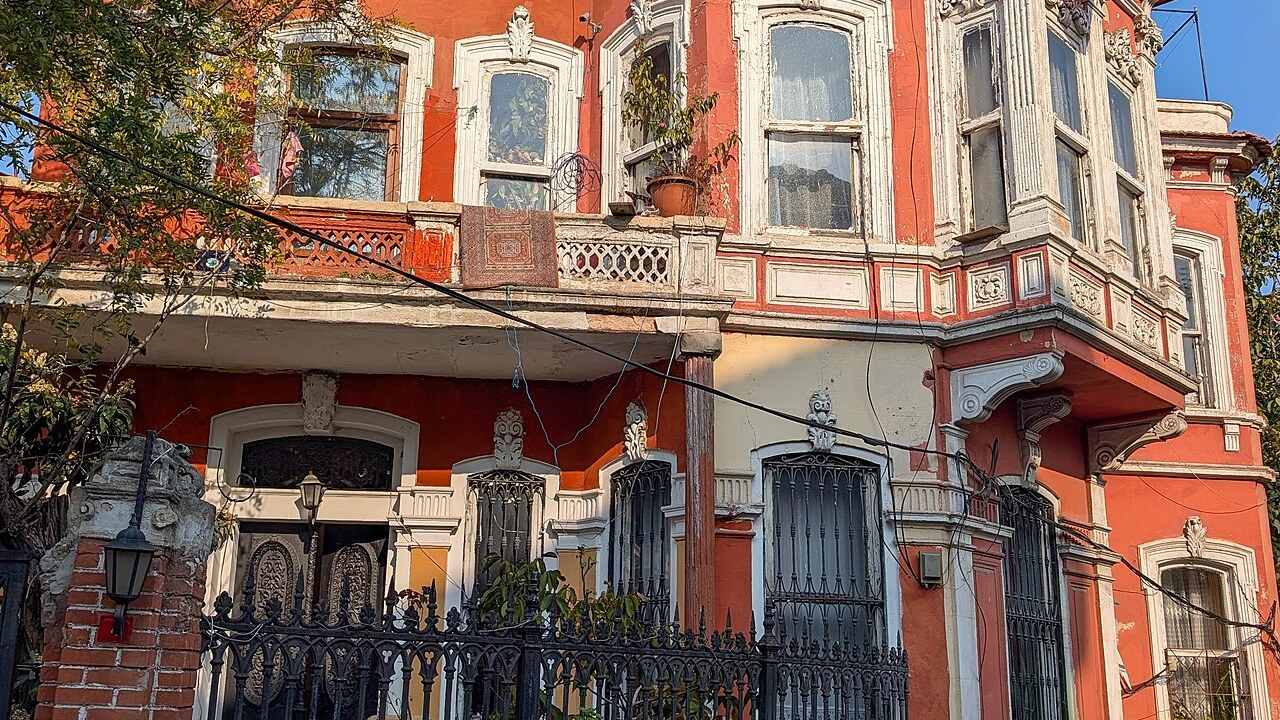
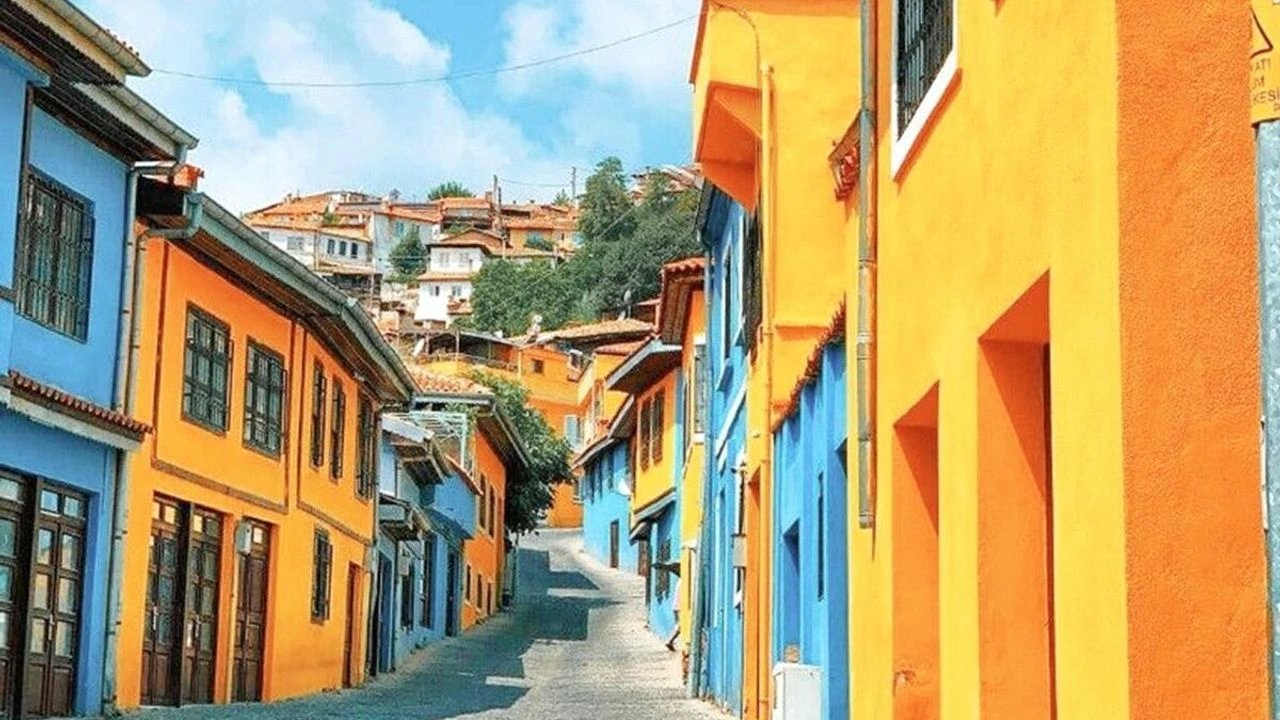
The historic houses lining the steep streets of the district center are unique and cheerful examples of 18th and 19th-century Ottoman rural civil architecture. These homes are primarily located in the Çarşı, Çaybaşı, Yeşildere, Girne, and Helvacılar neighborhoods, some of which are protected under urban heritage status. While many have been restored to preserve their original architecture, others continue to serve modern purposes as boutique hotels or guesthouses.
Vibrant Facades and Traditional Bay Windows
The most striking feature that sets Buldan houses apart from other Aegean architecture is their vibrant facades, painted in lively lime-wash colors like indigo blue, pink, yellow, and white. Most of these two-story houses feature wooden bay windows (cumbas) that overhang the street. These windows add character to the facade and bring light and air into the upper living spaces. For photography enthusiasts, the transitions of color and the textures of the wood offer endless inspiration; in the early morning, the soft light illuminates the facades beautifully.
Architectural Harmony: Preserving the View
There is a fascinating tradition embedded in the town's layout: windows are positioned to face the wide plains and the sun, specifically designed so as not to obstruct the view of the neighbor behind. This respectful arrangement of chimneys and eaves is a reflection of the community's shared culture expressed through architecture. As you wander the streets, you may still hear the rhythmic "click-clack" of weaving looms coming from the windows—the living heartbeat of the town. We recommend exploring the narrow alleys at a slow pace to truly soak in this atmosphere.
Centuries of Weaving Heritage: From Tripolis to Ottoman Palaces
The roots of weaving in Buldan reach back to antiquity, specifically to the era of the nearby Tripolis Ancient City. The high quality of cotton and silk production in the region has made it a vital textile production and export hub throughout history. This deep-rooted tradition has become a defining element of the district's identity over the centuries.
A Legacy from Antiquity to the Present
Historical records suggest that while wool weaving was the original mainstay, cotton weaving eventually became the dominant craft. The fabric known as Buldan cloth has a lineage spanning hundreds of years. Traditional production is carried out on wooden handlooms, known as kamçılı tezgah, and the craft is passed from master to apprentice through generations. In this sense, the district is not just a marketplace, but a living, breathing open-air workshop of craftsmanship.
Fabrics Woven for Ottoman Palaces
Local lore tells of how certain garments for the Ottoman Palace—such as the shawl of Barbaros and the shirt of Young Osman—were woven on the looms of this very region. These stories are passed down as part of the local collective memory, reflecting the historical prestige of Buldan's textiles. Listening to these tales from the masters in their workshops will give you a much deeper appreciation for the weaving culture.
Buldan Fabric and Shopping in the Historic Bazaar
One of the most delightful parts of visiting Buldan is strolling through the shops in the historic bazaar to find handcrafted textiles. Woven with natural yarns, these products are excellent souvenirs, prized for their breathable quality in summer and their unique local patterns.
Dokuma Pazarı Street and Handcrafted Treasures
The heart of shopping in Buldan is Dokuma Pazarı Street and the surrounding bazaar alleys, where many historic houses are located. The shops here offer a wealth of items: hand-woven peshtemals (traditional towels), dresses and shirts made from Buldan cloth, silk shawls, towels, bathrobes, bedspreads, tablecloths, and curtains. Because the products are made from natural fibers, they offer exceptional comfort for daily use. We suggest taking your time to compare different workshops to see a wider variety of patterns and to understand the production process firsthand.
Weaving Culture Center and Live Demonstrations
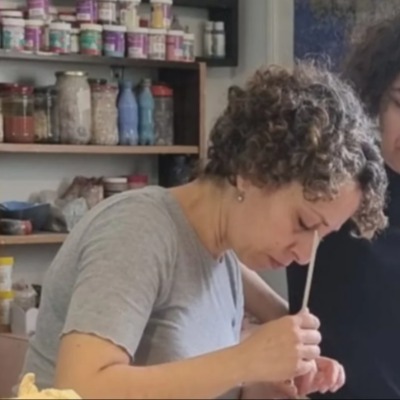
At the local handicrafts and culture center and within several historic workshops in the bazaar, you can watch masters transform yarn into fabric on traditional wooden looms. These locations are perfect stops to observe weaving techniques up close, learn about the different stages of fabric production, and chat with the artisans. A short break to watch a loom in action is the best way to experience the tangible identity of Buldan.
Getting to Buldan
Buldan is located approximately 40 kilometers from the Denizli city center. If you are driving, follow the Denizli-Aydın highway and turn toward the Buldan signs via Sarayköy; the drive takes about 35 minutes. For those preferring public transport, minibuses depart regularly from the Denizli bus station, running as frequently as every 15 minutes during peak hours.
Travelers flying into the region use Denizli Çardak Airport. From the airport, you can reach Buldan via private transfer, car rental, or public transport with a connection through the city center. If you prefer to head straight to the district with your luggage, a private transfer is the most comfortable option. To coordinate your transport and sightseeing, you can check the options available in our Denizli tours.
Best Time to Visit, Festivals, and Travel Tips
The best time to visit Buldan is during the spring and autumn when the weather is mild. Between April–June and September–October, the temperatures are perfect for walking the steep streets, browsing the open-air bazaar, and taking photographs. Summers can be quite hot and busy; during this season, we recommend planning your exploration for the early morning or late afternoon.
For those wanting to experience the weaving culture at its peak, there is a special event: the Buldan Weaving Culture and Handicrafts Festival, typically held in late May. This vibrant festival showcases the local craftsmanship through various exhibitions and events. A few practical tips: wear comfortable walking shoes as the streets are cobbled and hilly, carry water with you, and use sun protection during the summer months.
What to Eat in Buldan: Local Delicacies
The local cuisine adds another delicious layer to your journey. The district's signature dish is the Buldan kebab, featuring thin dough and meat slow-cooked in a traditional oven. Its rich flavors and perfectly integrated textures offer a dining experience unique to the region.
You can also sample local eggplant dips prepared by roasting the vegetables, and for dessert, try the famous Buldan home-style baklava. You will easily find these delicacies in the small, authentic eateries around the bazaar. While browsing the local stalls, you might also come across regional orchard products, dried fruits, and homemade jams—perfect additions to both your palate and your souvenir list.
Accommodation and Suggested Itinerary
Buldan can be visited as a peaceful detour on a larger Denizli and Pamukkale route, or you can stay overnight for a much slower, more immersive experience.
Staying in Buldan and Denizli
In the district center and its surroundings, you will find boutique accommodation options and guesthouses converted from restored historic mansions. These are ideal for those who want to experience the weaving culture amidst the atmosphere of bay windows and stone streets. Spending a night in a historic mansion allows you to feel the true texture of the region away from the daytime tourist rush. For those seeking more variety, such as large hotels, spas, or thermal options, staying in Denizli city center or the Pamukkale area and visiting Buldan on a day trip is a great alternative. This dual route allows you to combine the Pamukkale travertines with Buldan's weaving culture in a single trip. During peak seasons like spring and autumn, or during the weaving festival, we highly recommend booking your accommodation in advance. Since the streets are narrow and steep, travelers arriving by car should confirm parking availability with their accommodation beforehand.
A Half-Day Itinerary
If you are short on time, Buldan can easily be explored in half a day. A suggested route: start by walking through the steep streets lined with colorful houses, then head down to the bazaar around Dokuma Pazarı Street. After watching a live weaving demonstration in a workshop, do some shopping for Buldan cloth and stop for a meal at a local restaurant. If you have extra time, you can add the nearby Tripolis Ancient City to your plans. To enrich your trip by combining Buldan with Pamukkale, consider exploring Pamukkale culture tours.



Frequently Asked Questions 6
Is there a fee to visit the historic Buldan houses?
No. The streets and the neighborhoods where the historic houses are located are active, public living spaces, so wandering through them is free of charge. You can explore and photograph the streets any day of the week; fees may only apply to specific buildings that are open for organized tours or museum visits.
How do I get to Buldan from Denizli center?
Buldan is about 40 kilometers from the Denizli city center. You can reach it in approximately 35 minutes by car via the Denizli-Aydın highway and Sarayköy. Alternatively, you can take a minibus from the Denizli bus station, which runs frequently (every 15 minutes during peak times).
Can I watch the hand-weaving looms in action?
Yes. At the local handicrafts and culture center and in several historic workshops within the bazaar, you can watch masters transform yarn into fabric on traditional wooden handlooms and learn about various weaving techniques.
What are the local delicacies in Buldan?
The standout local dish is the Buldan kebab, which is slow-cooked in an oven on thin dough. You should also try the roasted eggplant dips and the traditional Buldan home-style baklava. Local eateries around the bazaar are the best places to find these.
When is the Buldan Weaving Festival held?
The Buldan Weaving Culture and Handicrafts Festival is usually held in late May. During this time, the weaving culture and local crafts are celebrated with various exhibitions and events. It is a good idea to check for specific dates before your visit.
In which neighborhoods can I find the historic Buldan houses?
The historic houses are primarily located in the Çarşı, Çaybaşı, Yeşildere, Girne, and Helvacılar neighborhoods. The steep, narrow streets in these areas, characterized by their colorful bay windows, form the most iconic parts of the district.