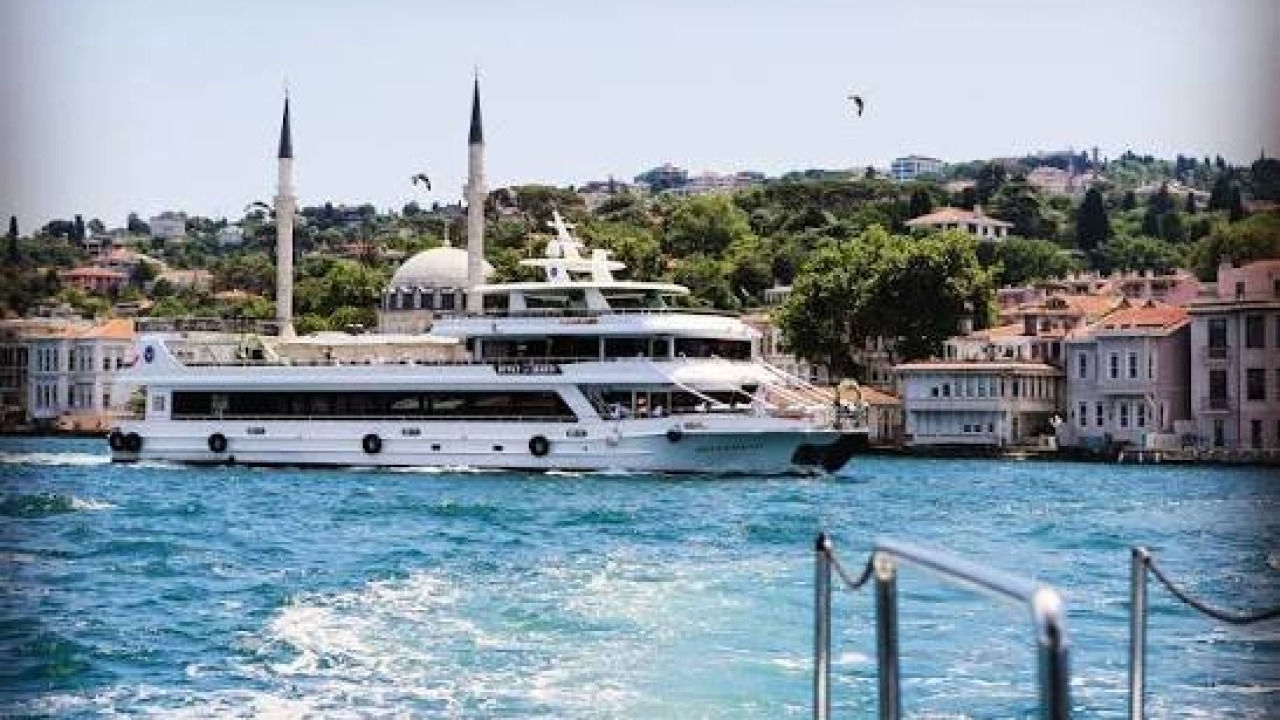
When traveling with children, the success of a boat trip isn't determined by the route itself, but by the child's daily routine. Their nap schedule, meal times, attention span, and tolerance for wind can make the same itinerary a relaxing escape for one family and an exhausting ordeal for another. This guide approaches Bosphorus tour planning from this perspective: it details who will find the program comfortable, who might find it challenging, how programs vary by age group, stroller boarding logistics at the piers, safety and comfort on deck, and the best times and seasons to choose. Comparisons of route types and tour durations are covered in separate articles; here, the measure isn't the length of the journey, but the pace your child can handle.
Who Will Find This Program Relaxing, and Who Might Struggle
The Bosphorus route is ideal for multi-generational family groups because it allows you to see the city's iconic landmarks without extensive walking. Grandparents can join the same program without navigating sidewalks, hills, or stairs, children over four can watch the shoreline unfold like a lively stage, and parents can finally sit back and breathe. Explaining geography and history to children is also easier from the sea, as the city reveals itself layer by layer. Families looking to plan their itinerary from the water can compare options on the Istanbul Bosphorus boat and yacht tours page, matching them to their own time and duration constraints.
However, the same program might not go as planned for some families. For infants carried in arms, with their narrow sleep and feeding windows, the journey can be restless if the departure time doesn't align with their nap. Parents might spend the entire route on their feet if their child constantly wants to run around on deck or attempts to climb high railings. Choppy days can be challenging for children prone to motion sickness. And for a child expecting a playground, slides, or continuous activities, a static scenic tour might feel long. For these three profiles, the solution isn't to abandon the tour, but to choose the right boat and departure time.
Quick Facts
| Topic | Information |
|---|---|
| Departure Piers | Eminönü, Kabataş, and Üsküdar; all connected to rail systems |
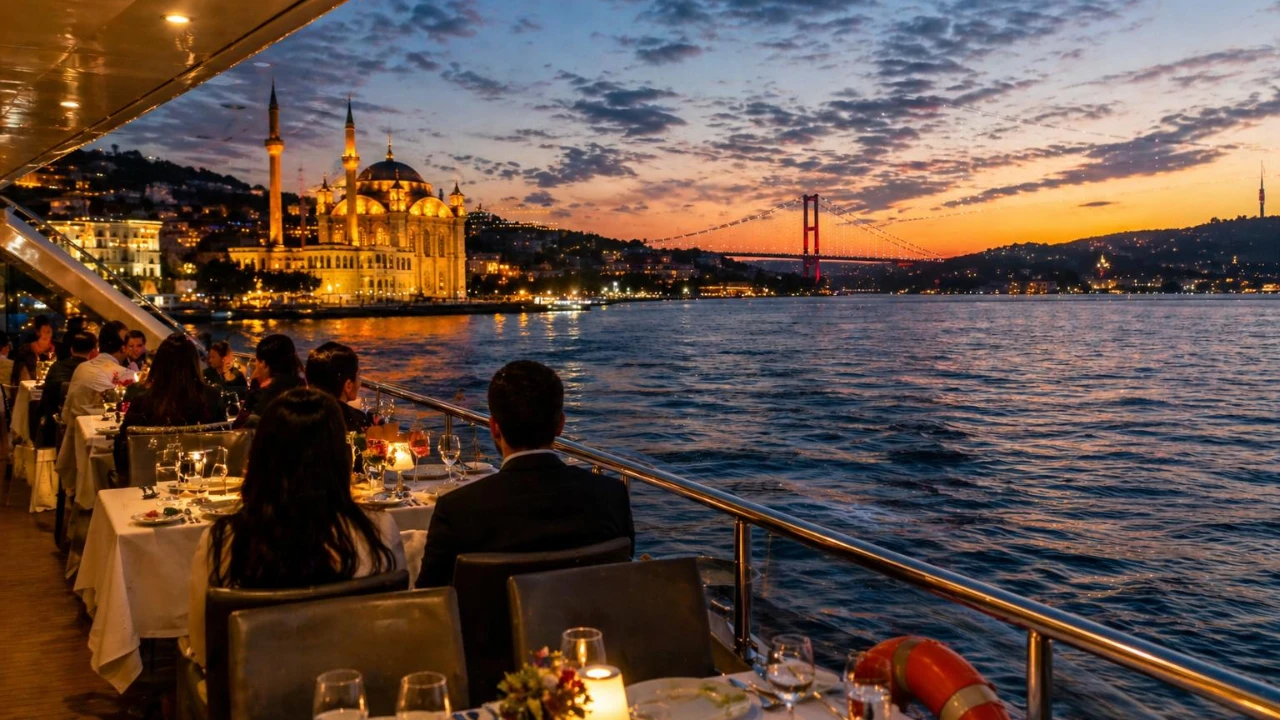
| Structures Seen from the Sea | Dolmabahçe Palace, Ortaköy Mosque, Rumeli Fortress, Anadolu Fortress, Beylerbeyi Palace, Küçüksu Pavilion, Kız Kulesi |
| Comfortable Age Range | Four years and older; for 0-3 years, a boat with a spacious indoor saloon |
| Ticket Policy | City Lines Bosphorus tour tariff: 0-6 years free, separate category for under 12s |
| Must-Haves in Your Bag | Windbreaker, hat, water, snacks, spare clothes, wet wipes |
| Pricing Information | Rates vary by season and operator; check the operator's official announcement for current tariffs |
The common advantage of the three piers listed in the table is that families with children can reach the sea without long walks. However, each pier has different waiting areas, wind conditions, and crowd rhythms; these distinctions are elaborated in the logistics section below.
What Changes in the Program by Age Group
Your child's age directly determines where you'll sit on the boat, what time you'll depart, and what you'll talk about. The table below compares three age brackets side-by-side.
| Age Group | Challenging Aspect | Program Adjustments |
|---|---|---|
| 0-3 years | Sleep and feeding schedule, engine noise, stroller space | Boat with spacious indoor saloon, flat boarding, departure coinciding with nap time |
| 4-9 years | Short attention span, need for movement, frequent hunger | Fixed seating spot on deck, storytelling approach, planned snack breaks |
| 10-15 years | Finding standard narration boring, turning to screens | Engineering and geography details, following direction on a map, photography assignment |
Ages 0-3: Sleep Schedule, Wind, and Strollers
For families with babies, two things are key: wind and noise. The enclosed saloons of larger boats both block airflow and dampen engine noise, making the sheltered corners of the lower deck more suitable than the open deck for guests with infants. If you're bringing a stroller, lock its wheels as soon as you sit down and position it so it doesn't block emergency exits or life jacket storage. Timing your departure to coincide with your baby's nap schedule is the most practical way to ensure parents can also enjoy the view peacefully.
Ages 4-9: Attention Span and Need for Movement
For school-aged children, the issue isn't a lack of interest, but scattered interest. Designating a fixed seating spot on deck and having them watch the shoreline from there reduces their urge to wander the corridors. Pointing out coastal structures in sequence, counting the bridges you pass, or asking them to identify which shore is Europe and which is Asia turns them into active observers. At this age, the sea air quickly stimulates appetite; keeping snacks and water readily available in your bag prevents much of the potential fussiness.
Ages 10-15: Engaging Narration to Hold Interest
For teenagers, fairy-tale narration won't work, but technical information will. Discussing why two fortresses were built opposite each other at the Bosphorus's narrowest point, why the current flows in two directions, or how bridge cables distribute their load can reignite their interest. Having them follow the boat's direction on a map, mark the piers you pass, and prepare a short photo selection of coastal structures at the end of the day are also effective methods. Which light works best at which point is a topic for another article; here, the goal is the teenager's participation in the program, not photo quality.
Explaining Coastal Structures to Children
Most of the structures seen from the sea won't naturally capture a child's interest; the narration needs to connect to their world. The three groups of stops below combine verifiable information with engaging stories.
Dolmabahçe Palace and Ortaköy Mosque
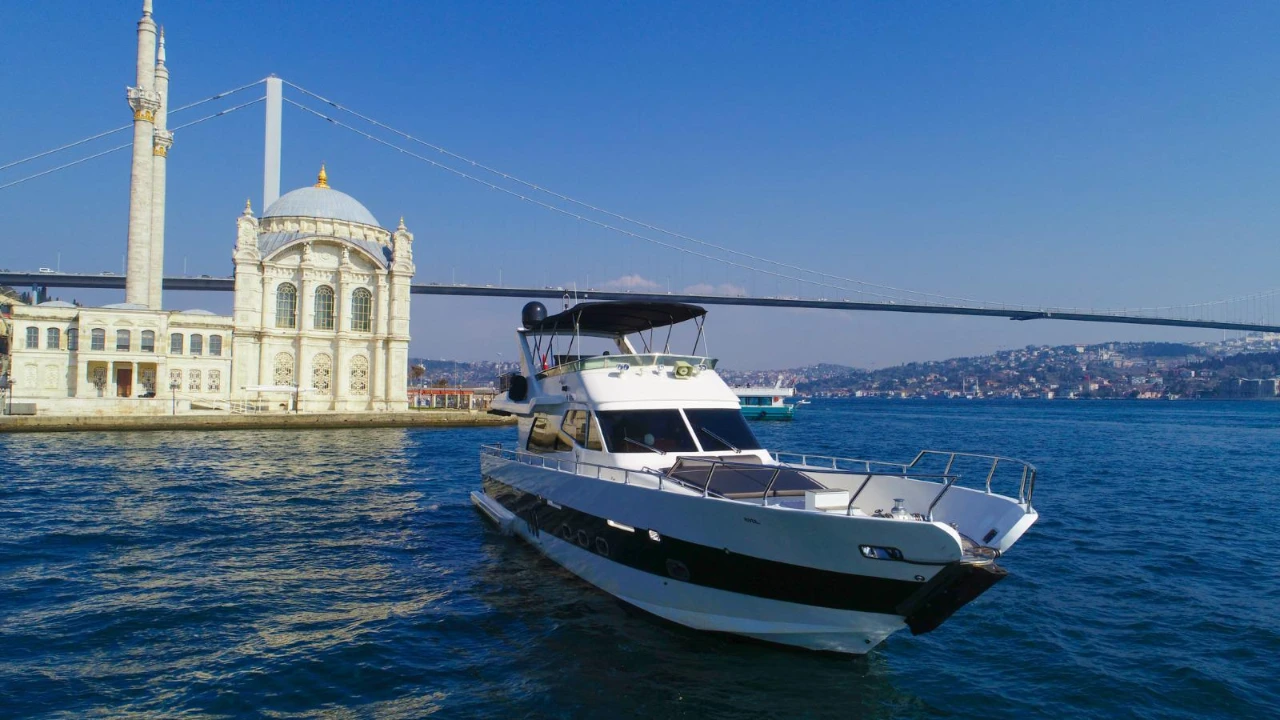
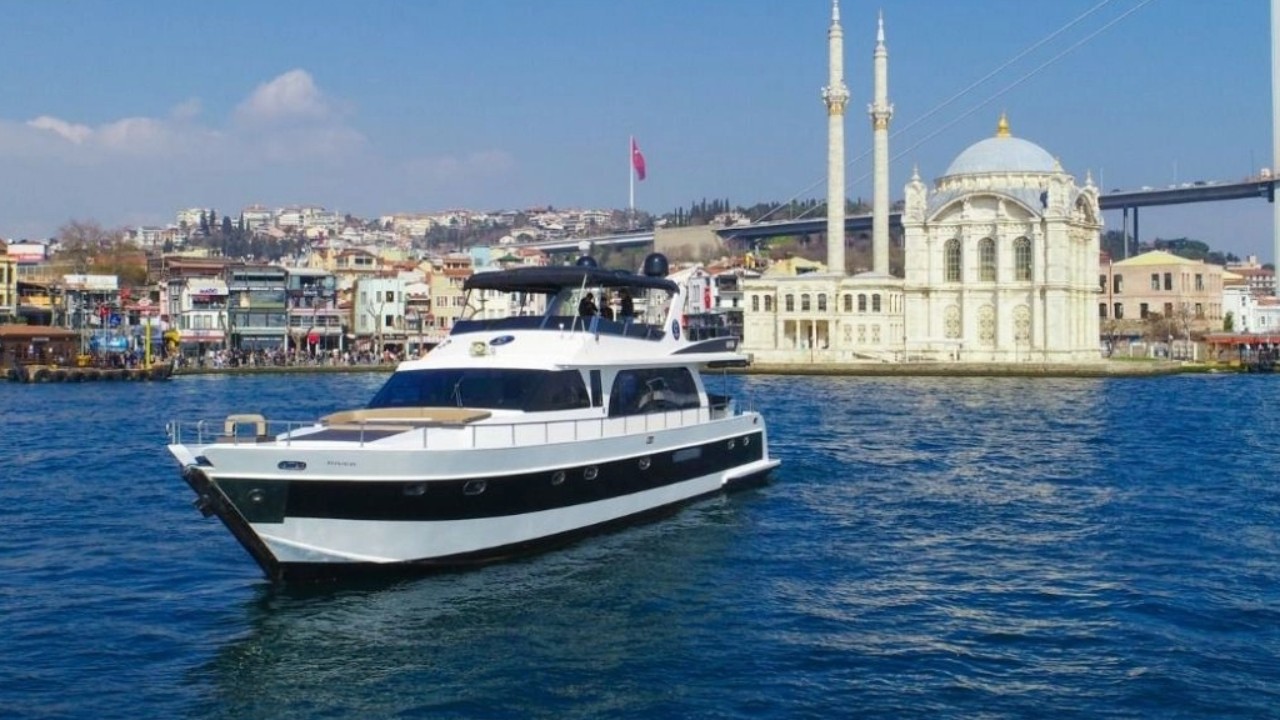
On the European side, the first prominent structure is the sea-facing facade of Dolmabahçe Palace. Asking your child why the palace gates face the sea directly leads to the answer: "In the past, people arrived here by boat, not by land." Just to the north, Ortaköy Mosque, according to its inscription, was built by Sultan Abdülmecid, with Nigoğos Balyan cited as its architect in historical records; the structure dates back to 1854. For younger children, the hook here is how the mosque appears to rise directly from the water.
Rumeli Fortress and Anadolu Fortress
At the narrowest section of the Bosphorus, two fortresses stand opposite each other, creating an ideal scene to demonstrate the logic of defense to children. What sticks in a child's mind here is less the name and more the timeline: Fatih Sultan Mehmet built Rumeli Fortress, with museum records indicating construction began in March 1452 and the fortress was ready by August of the same year. Stating the two months consecutively and having the child count the intervening period connects the scale of the fortress to a concrete number rather than an abstract date. Anadolu Fortress, on the opposite shore, was established during the reign of Bayezid I where the Göksu Stream flows into the Bosphorus, and its surroundings were fortified in 1452. Describing the two fortresses to your child as "two sentinels counting passing ships" establishes the geographical logic in a concise sentence. Rumeli Fortress is open as a museum today and is closed on Mondays; if you plan to disembark and visit, allocate a separate day for it.
Beylerbeyi Palace, Küçüksu Pavilion, and Kız Kulesi (Maiden's Tower)
On the Asian side, Beylerbeyi Palace and Küçüksu Pavilion are suitable for explaining the summer use of imperial structures. According to National Palaces records, Beylerbeyi Palace was built by Sultan Abdülaziz between 1863 and 1865; Küçüksu Pavilion was constructed during the reign of Sultan Abdülmecid in 1856-1857. Both are closed to visitors on Mondays, and their ticket offices close early in the day. Kız Kulesi (Maiden's Tower), visible on the return leg, reopened to visitors after extensive restoration between 2021 and 2023; families wishing to visit the tower should know that this is a separate program from the Bosphorus tour, as the tower is served by shuttle boats from Salacak and Karaköy piers.
In guided programs, the narration for these structures is provided, while in self-planned programs, parents take on the role of storyteller. The wooden yalı houses lining the shore are also part of the same route, but that group of structures is the subject of a separate article.
Pier Boarding Logistics: Strollers, Transfers, and Waiting
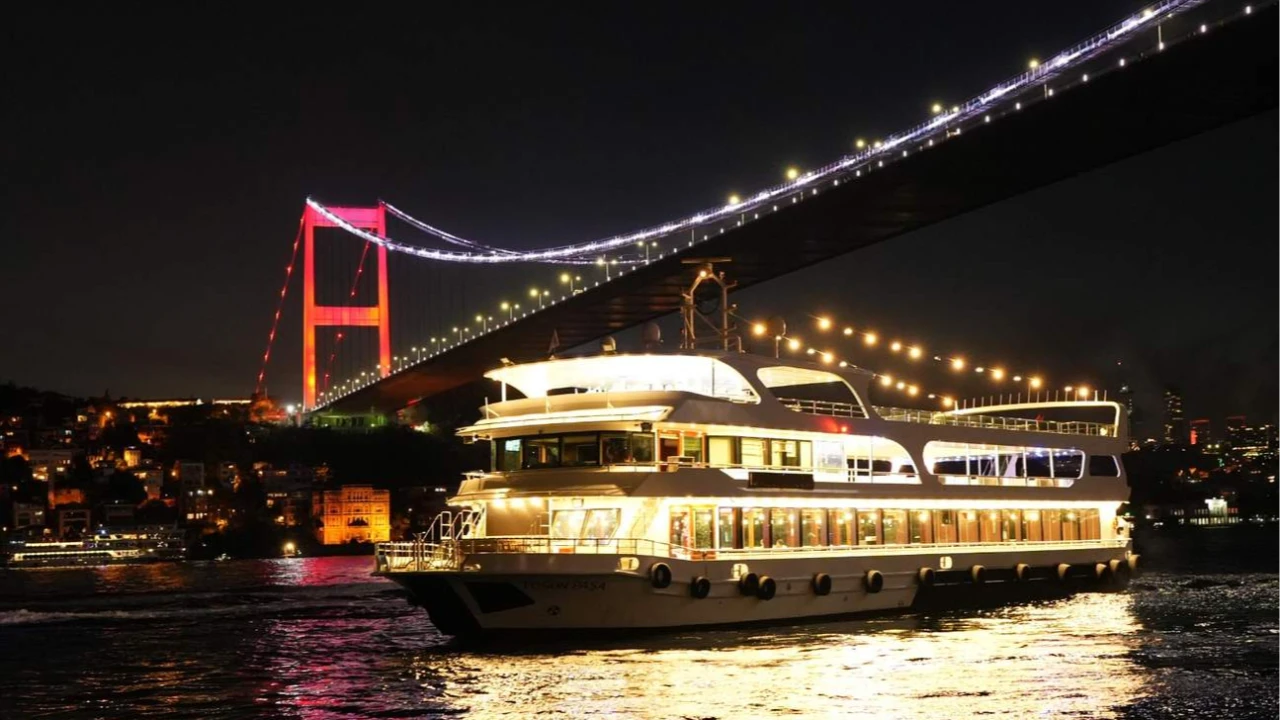
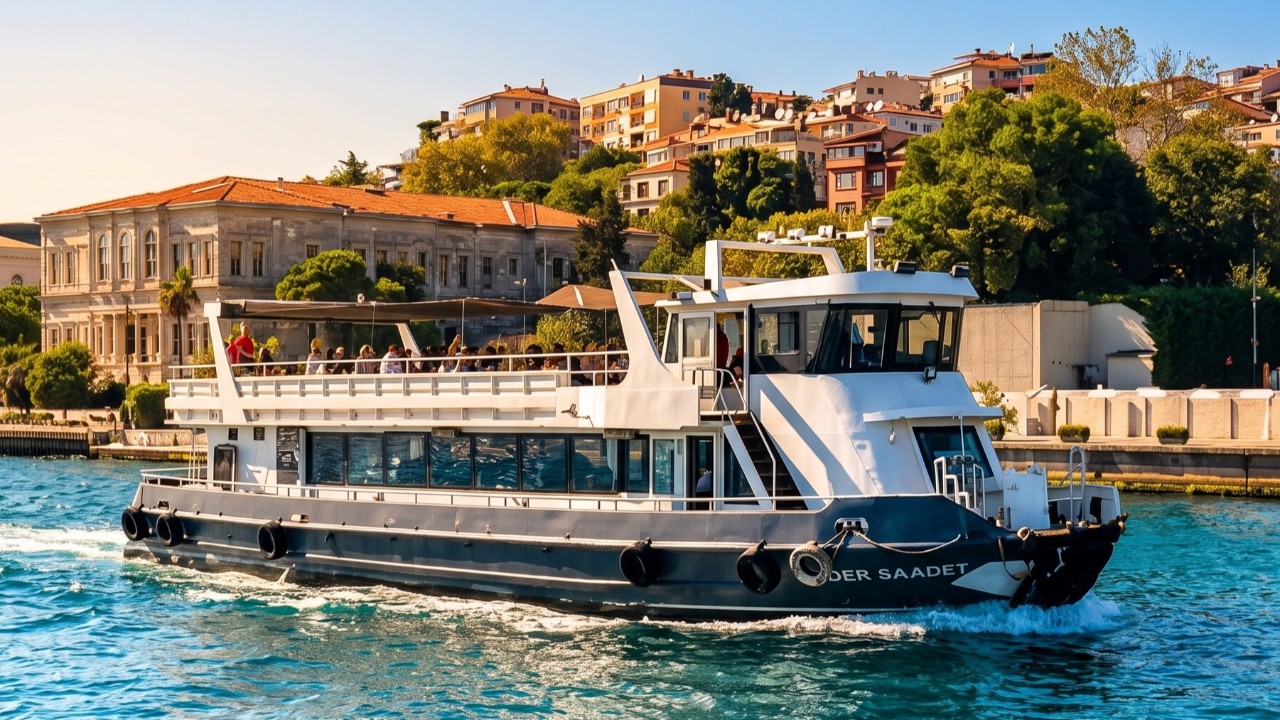
For families with children, the most critical half-hour of the day is the waiting period before boarding the boat. While the impact of each pier on the route is a separate discussion, here the criteria are stroller access, transfer distance, and whether the waiting area is sheltered.
| Pier | Facilitating for Families with Kids | Points to Note |
|---|---|---|
| Eminönü | On the T1 tram line; flat and spacious surroundings | Crowds intensify during the day, keep strollers out of the flow |
| Kabataş | Last stop of T1 line, F1 funicular connection here | Transfer walk takes time with kids, allow ample time |
| Üsküdar | Starting station of M5 metro, Marmaray transfer adjacent to square | Open waiting area can be chilly on windy days |
Boarding Day Sequence
- Arrive at the pier before departure; take care of toilet, diaper changing, and water needs before boarding.
- If you have a stroller, ask the staff about the transition between the ramp and the boat, and keep your baby securely buckled.
- When settling in, choose a spot near an enclosed saloon so you can move inside easily if the wind picks up without having to carry your child far.
- As soon as you sit down, show your child the life jacket locker and the exit route, explaining the rules in short sentences.
- Don't rush when disembarking; once the crowd disperses, it's easier to navigate with both a stroller and a child.
Rail System Connections
All three piers being connected to the rail system shortens the walking distance for families with children. The T1 tram line operates between Kabataş and Bağcılar, and Eminönü is one of the stops on this line. On the Üsküdar side, the M5 metro line starts from the square, and a Marmaray transfer is available at the same point. Families who also want to consider sea programs beyond the Bosphorus can choose an option that suits their day from the Istanbul boat tour selections.
Choosing Time and Season: According to Your Child's Routine
For programs with children, time selection prioritizes sleep and meal routines over the view. Piers are relatively less crowded in the early morning, and the sun isn't as scorching; for infants with a midday nap routine, timing departure to coincide with their nap works well. How the light changes at different times of the day is a topic for another article; here, the child's rhythm is the determining factor. In full-day formats, a break at an intermediate stop extends the program; shorter formats carry less risk for families with young children.
| Period | From a Child's Perspective | Note |
|---|---|---|
| April-June | Deck is warm, days are long, crowds are moderate | Hat and sunscreen needed for midday sun |
| July-August | Cooler in the evening, sea usually calm | Little shade, water consumption increases significantly |
| September-October | Crowds decrease, weather remains mild | Keep a spare cardigan for sudden winds |
| November-March | Enclosed saloons are prominent, piers are quieter | Saloon occupancy may increase, early boarding is an advantage |
Weather conditions and indoor saloon arrangements during winter months are the subject of a separate guide. For families who want to take their day to land, the islands can also be considered; you can find information on how to get to which island in the Istanbul Islands tours and transportation guide article.
Deck Safety and Comfort
On the sea, a parent's job is different from on land: space is limited, the floor is moving, and the edges are open. The following tips will help ensure most of your day goes smoothly.
- Establish rules from the outset about not climbing the deck railings and not running in the corridors.
- Show your child where the life jackets are; listen to the crew's announcements together.
- The wind is cool regardless of the temperature on land, so even on summer days, bring a light top layer.
- A light beanie or hat helps protect ears from the wind during time spent on the open deck.
- For children prone to motion sickness, sit in the middle section of the boat and ask them to look at the horizon; do not embark on the journey on an empty stomach.
- Bring water and snacks with you; the buffet might not always have products your child is accustomed to.
Wrapping Up Your Bosphorus Tour Plan
When planning a Bosphorus tour with kids, the decision-making order is as follows: first, your child's age and sleep schedule, then the boat type and departure time, and finally, the itinerary. If you reverse this order, even if the route looks good on paper, the day will likely be tiring. If you wish to visit some of the structures you see from the sea on land, remember to account for their closing days; arranging museum and palace visits on a separate day, following the sequence in the Istanbul cultural tours and museums guide article, will provide a more relaxed pace.
Frequently Asked Questions 6
What age is comfortable for a Bosphorus tour with kids?
Children aged four and above generally enjoy the program by watching the coastline. Travel is possible for the 0-3 age group, but requires a boat with a spacious indoor saloon, flat boarding, and a departure time that coincides with their nap schedule.
Can I board the boat with a stroller?
Yes, you can. Before boarding, ask the staff about the ramp-to-boat transition, keep your baby securely buckled, and lock the stroller wheels immediately upon entering the boat. The stroller should be positioned so it doesn't block emergency exits or life jacket storage.
What can be done on deck to keep children from getting bored?
Engaging children in observational tasks works well: have them count the bridges you pass, ask them to find coastal structures in order, inquire which shore is Europe and which is Asia, or have them follow the boat's direction on a map. For older children, a short photography assignment can also maintain interest.
Which structures are shown to children on a Bosphorus tour?
Along the route, Dolmabahçe Palace, Ortaköy Mosque, Rumeli Fortress, Anadolu Fortress, Beylerbeyi Palace, Küçüksu Pavilion, and Kız Kulesi (Maiden's Tower) on the return leg are visible from the sea. Some of these structures are also open for land visits, but their Monday closures can affect your plans.
Can Kız Kulesi (Maiden's Tower) be visited during a Bosphorus tour?
The Tower reopened after extensive restoration between 2021 and 2023, but visiting it is not part of a standard Bosphorus tour. To reach the Tower, you'll need to use the shuttle boats departing from Salacak and Karaköy piers, so it should be planned as a separate activity.
How are tickets calculated for children?
On City Lines' Bosphorus tour tariffs, children aged 0-6 are free, and there's a separate category for those under 12. As age breakdowns and conditions vary for private operators' programs, it's essential to confirm current prices from the operator's official announcement before booking.