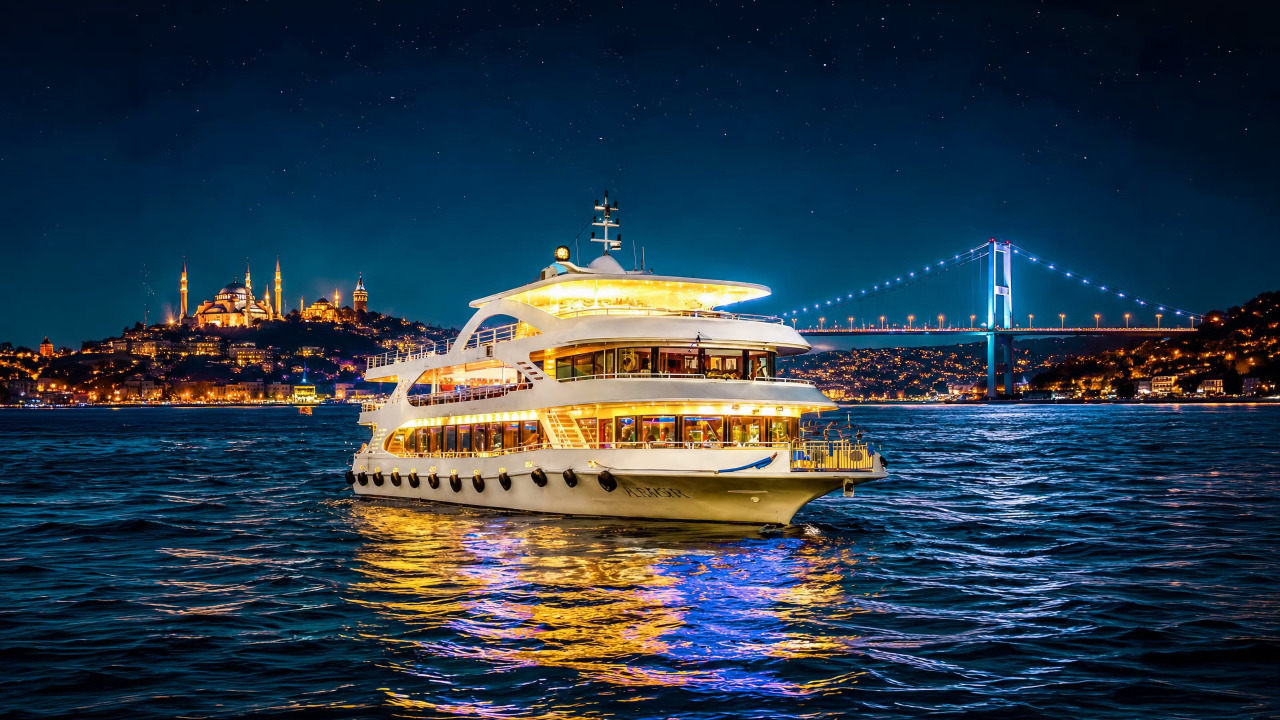
Picture this: you've just boarded a ferry from Eminönü, and the first half-hour glides by smoothly for most passengers. But as the vessel heads north and the breeze picks up, the deck starts to tell a different story. The Istanbul Bosphorus is a narrow waterway connecting two seas, with its surface current generally flowing from the Black Sea to the Marmara. What challenges the stomach here isn't the long, rolling swells of the open ocean, but the short, steep, and irregular chop that forms when the wind blows against this current. This guide will reveal where and under which winds this choppiness becomes most noticeable, where to sit on deck, the best boarding-to-disembarking sequence, and who might need extra precautions.
Quick Facts
| Topic | Information |
|---|---|
| Main factor | Short-period chop caused by wind blowing against the surface current |
| Official term | "Orkoz": Reverse current caused by Lodos winds, officially defined in regulations |
| Sheltered section | Marmara entrance to Ortaköy on Poyraz days; middle section on Lodos days |
| Exposed section | North of Sarıyer, the Rumeli Kavağı and Anadolu Kavağı line |
| Scheduled northern trip | Long Bosphorus Tour: Eminönü 10:35 departure, Anadolu Kavağı 12:25 arrival, return Eminönü 16:40 |
| Deck position | Mid-section, open deck, side with horizon view |
| Ticket pricing | Bosphorus tour fare tables list separate prices for local and foreign passengers |
| Health note | Ministry states some medications may worsen symptoms; consult your doctor |
Why Bosphorus Choppiness Differs from Open Sea Swells
The key difference isn't wave height, but its period. While the open sea offers long, regular undulations, the Bosphorus presents short, steep, and irregular chop. This is because local winds often blow against the surface current in a narrow channel. Adapting to a consistent rhythm is relatively easy; however, the sudden, changing movements of the Bosphorus constantly challenge the inner ear's perception against the fixed interior seen by the eyes. This doesn't necessarily mean the Bosphorus is more challenging than the open sea, just different.
| Criterion | Open Sea | Istanbul Bosphorus |
|---|---|---|
| Character of movement | Long-period, regular oscillation | Short-period, steep, and choppy movement |
| Source | Distant wind and swell | Local wind blowing against the current |
| Body's reaction | Can adapt to a monotonous rhythm | Adaptation to changing movement becomes difficult |
| Traveler's advantage | Difficult to shorten the route | Program can be shortened by staying in the southern section |
Orkoz: When Lodos Winds Reverse the Current
The Turkish Straits Maritime Traffic Regulations specifically define "orkoz" as reverse currents caused by Lodos winds. According to these regulations, when orkoz occurs, large, deep-draft vessels with a maneuvering speed of 10 knots or less must wait before entering the Bosphorus. In cases of strong orkoz, maritime traffic is restricted to a single, approved direction until the current intensity drops below 6 knots. This is a crucial safety rule, but it also tells passengers something important: on a Lodos day, the water's behavior changes so significantly that authorities have a special provision for it.
Before booking your tour, the first thing to check isn't the scenery, but the duration. Reading how many hours the options on the Istanbul boat and ferry tours page spend on the water can shape a sensitive traveler's day from the outset.
Secondary Waves from Ship Traffic
Some of the movement felt on the Bosphorus isn't from the wind, but from traffic. The waves left behind by large passing ships reflect off the narrow shores and return, creating a two-directional sway on smaller boats. This can be felt even on a windless day; it's short-lived but catches you off guard due to its suddenness.
Which Season and Wind Increase the Risk?
The direction of the wind, rather than the calendar, is the primary determinant. The two main scenarios that intensify discomfort are Lodos, blowing from the southwest, and Poyraz, blowing from the northeast. Storm warnings issued by the General Directorate of Meteorology for the Marmara region, indicating northern and northeastern winds, highlight Poyraz's impact along the Bosphorus. The crucial data point to check isn't temperature, but wind direction.
| Period | Dominant wind | Comfort note |
|---|---|---|
| December-March | Lodos, southwest | Increased likelihood of Orkoz, short and steep chop; enclosed salons get crowded |
| April-June | Variable, intermittent Poyraz | Mornings are calm; deck is cool but usable |
| July-August | Poyraz, northeast | Wind freshens in the afternoon, chop becomes noticeable in the northern section |
| September-November | Poyraz and first Lodos winds | Feeling cold on deck triggers nausea; dress in layers |
Summer Poyraz and Winter Lodos Are Not the Same
These two winds challenge passengers differently in various sections. Since Poyraz blows from the northeast, it churns the northern Bosphorus and its Black Sea entrance, leaving the southern section sheltered. Lodos, however, comes from the southwest; having traveled a long distance over the Marmara, it impacts the southern entrance and reverses the current. Therefore, the generalization "the southern section is always calmer" is misleading; the calmest section changes depending on the wind direction.
Which Sections of the Bosphorus Are More Turbulent?
Water movement isn't evenly distributed along the Bosphorus. Sections where the channel narrows and areas exposed to open wind offer different experiences for passengers.
| Section | Piers in this section | When it gets choppy | Suitable for |
|---|---|---|---|
| Marmara entrance | Bostancı, Kadıköy | Open water stretch lengthens during Lodos | Sensitive passengers on Poyraz days |
| Southern Bosphorus | Eminönü, Karaköy, Beşiktaş, Kabataş, Üsküdar | Sheltered, close-to-shore cruise | First-timers and families with children |
| Middle section | Kanlıca and opposite shore | Surface current speeds up as the channel narrows | Relatively stable on Lodos days |
| Northern section | Sarıyer, Rumeli Kavağı, Anadolu Kavağı | Open to the Black Sea during Poyraz, swells enter | Resilient and experienced travelers |
Southern Section: From the Marmara Entrance to Ortaköy
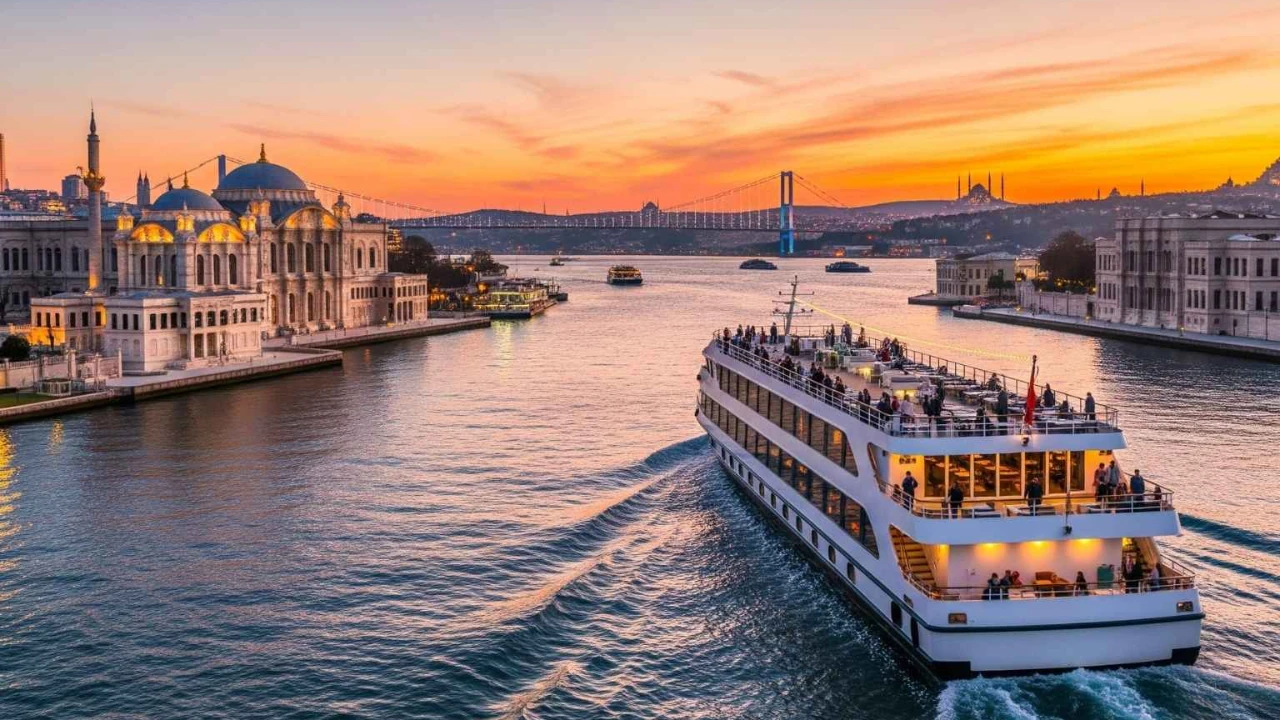
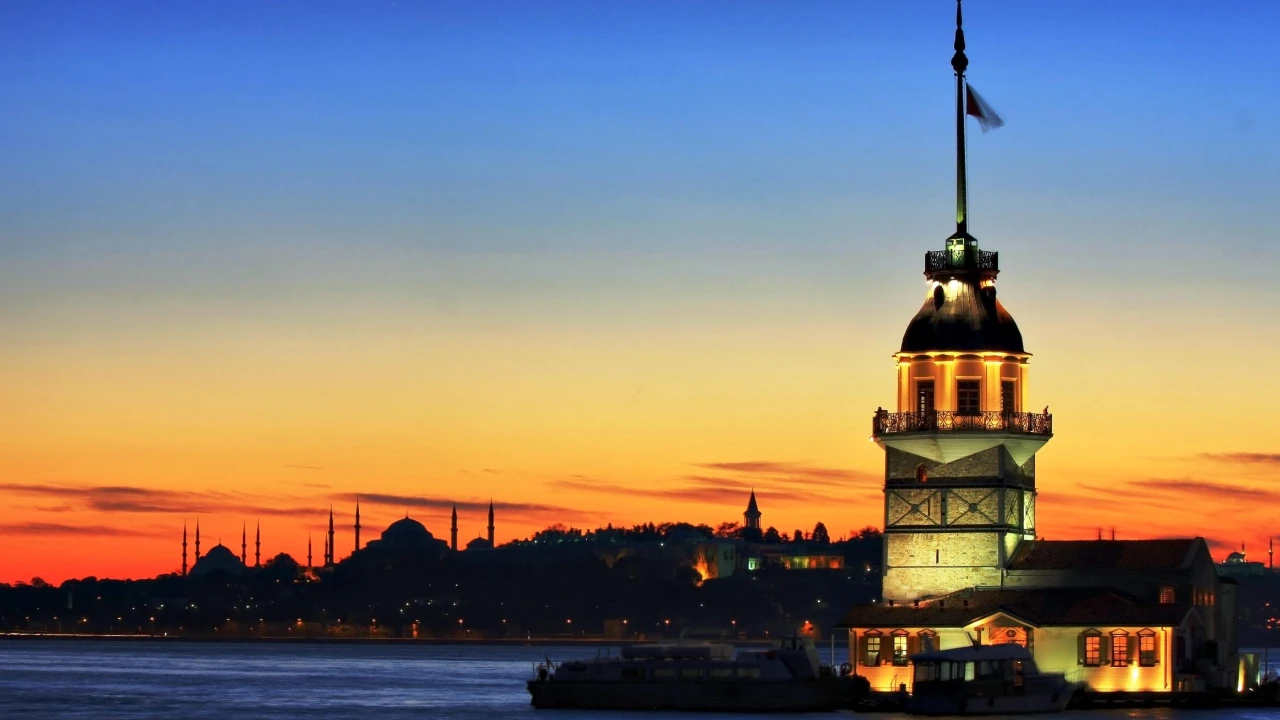
This stretch is ideal for a sensitive traveler's first experience. The Şehir Hatları (City Lines) Short Bosphorus Tour route includes Eminönü, Üsküdar, and Ortaköy piers. The route stays close to the shore throughout, never approaching the Black Sea entrance. Since Eminönü pier is next to the Golden Horn entrance, pre-boarding waits are generally sheltered. Karaköy and Beşiktaş piers hug the coastline, while Kabataş pier opens to the shorefront in front of Dolmabahçe. Üsküdar pier is aligned with Kız Kulesi (Maiden's Tower); here, the issue isn't the duration of the crossing, but how calm it is.
Middle Section: Where the Channel Narrows
The area around Kanlıca is where the channel noticeably narrows. As the cross-section shrinks, the water flows faster, increasing surface movement. Conversely, the hillsides on both banks cut the wind. The result is interesting: on a Lodos day, this section can feel more stable than the southern entrance. Standing on the deck side facing the shore makes it easier for your eyes to find a fixed reference point.
Northern Section: From Sarıyer to the Kavağıs
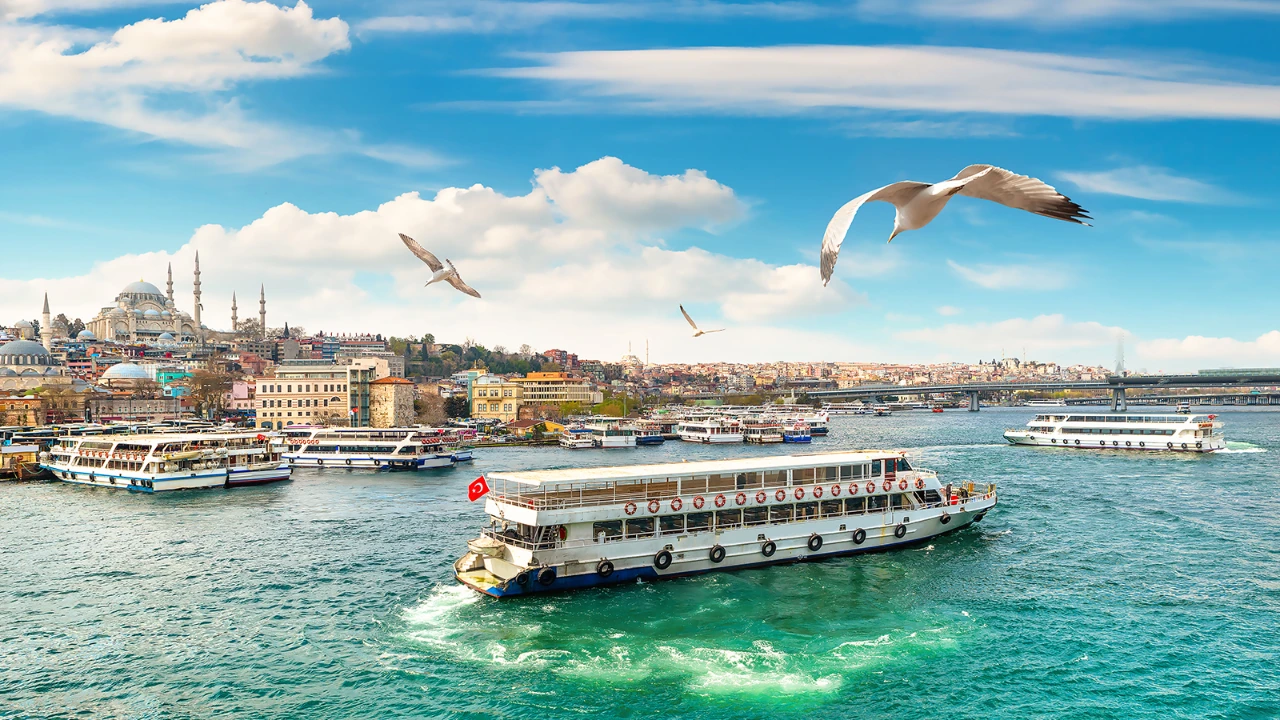
Sarıyer pier is the main northern stop for scheduled Bosphorus services; after this, you reach Rumeli Kavağı and Anadolu Kavağı, where the valley widens and opens to the Black Sea. On a Poyraz day, this is where the swells from the Black Sea enter the Bosphorus. This is also the crucial decision point for sensitive passengers: after the scheduled service arrives at Anadolu Kavağı, it waits there until the afternoon, with no intermediate return trips. Going north also locks in your return time; if you feel unwell, your only option is to return by land.
Planning Your Cruise for Comfort: Short Route or Northern Line?
The deciding factor isn't the richness of the scenery, but the uninterrupted time spent on the water. For first-time passengers or those who have experienced discomfort before, programs that stay in the southern section, don't exceed one and a half to two hours, and offer the option to disembark at intermediate piers are a safer starting point. The northern route, with its long and undivided stretch of open water, is more suitable for a second attempt. The operational differences between a ferry and a private tour boat are a topic for another article; the common issue for both is how many hours the program spends in open water.
For options departing from the city center and staying within the southern belt, simply check the routes and durations of programs listed on the Istanbul city center boat and ferry tours page. One more detail for your budget: Bosphorus tour fare tables list separate prices for local and foreign passengers; the current amount can be found on the operator's official tariff page.
Where to Fix Your Gaze for Relief?
When your inner ear and eyes are at odds, the horizon line is your most effective reference. If the horizon is obscured, a fixed, tall structure on the shore serves the same purpose. Looking at your phone does the opposite: your eyes see a static surface while your inner ear reports movement. The Bosphorus's advantage is that its shores are filled with fixed reference points from start to finish.
| Anchor structure | In which section | Why it works |
|---|---|---|
| Kız Kulesi (Maiden's Tower) | Off Üsküdar | Fixed point on the water, visible from both shores |
| Dolmabahçe clock tower | Kabataş and Beşiktaş line | Vertical reference rising from the coastline |
| Rumeli Hisarı (Fortress) bastions | Middle section, narrow part | Tiered mass on the hillside visible from a distance |
| Kavak ridges | Northern section | When the horizon is closed, the hillside line becomes a reference |
Among these anchors, Kız Kulesi stands apart because it sits directly in the middle of the water, not on the shore. Records indicate that in the 12th century, Eastern Roman Emperor Manuel I Komnenos had a defense tower built on the islet. The current structure, following restoration by the Ministry of Culture and Tourism, reopened as a monument museum on May 11, 2023. The fact that these structures can be visited by land offers an alternative for passengers struggling on the water. Indoor alternatives on the Historical Peninsula side are compiled in the Istanbul cultural tours and museums guide.
Step-by-Step Comfort Protocol: From Boarding to Disembarking
The following sequence outlines steps often overlooked by those who experience discomfort, placing them on a timeline. How to reach a specific pier or which line to take is beyond this guide's scope; the key is how early you arrive at the pier.
- Read the wind: Check the wind direction and speed for the day. If it's Poyraz, choose a program that stays in the southern belt. If it's Lodos, select one that doesn't venture into the Marmara entrance.
- Adjust your meal: Consume a light meal approximately two hours before boarding. Greasy and acidic foods increase stomach acid; crackers, rusks, and bananas are safer. Don't skip a meal, as boarding hungry can also worsen symptoms.
- Arrive early: Rushing to board at the last minute raises your pulse and makes the first ten minutes harder. Arriving early gives you the chance to choose your seating.
- Secure your spot upon boarding: As soon as you board, head to the open deck in the middle section. Don't wait until the rocking starts to look for a seat.
- Fix your gaze: Instead of your phone, focus on the horizon or a fixed structure on the shore. Avoid sudden head movements, and keep your breathing slow and deep.
- Don't rush to disembark: Walking to the door as the ferry approaches the pier is one of those moments that challenges your balance. Remain seated until the vessel comes to a complete stop, then walk calmly for a few minutes once ashore.
Where to Sit on the Ferry?
The ideal spot is near the longitudinal center of the vessel, with a view of the open air. The bow and stern experience a wider arc of motion on the same wave. Staying in the middle reduces the amplitude of the sway, while the open deck eliminates secondary triggers like odors and stuffiness.
Open Deck or Enclosed Salon?
The open deck is superior for two reasons: fresh air circulation and horizon visibility. In enclosed lower salons, engine vibration, fuel smell, and stagnant air can accelerate nausea. Conversely, staying on deck for too long in winter can lead to feeling cold, which in turn causes muscle tension and stomach sensitivity. The solution is a balance: dress in layers and stay on deck, descending to the salon for short intervals to warm up.
The Difference Between Bow, Stern, and Mid-Section
The bow of the ship is the first point to meet the waves, and vertical movement is most pronounced there. The stern carries propeller vibration and exhaust fumes. The middle section is where the arc of motion from both ends is minimized. In practice, these four checks are sufficient:
- Can you see the horizon or the coastline from where you're sitting?
- Are engine noise and fuel odors imperceptible?
- Is the wind coming at your face, or hitting your back?
- Is there an exit door nearby if you feel confined?
Who Needs Extra Precautions?
Seasickness doesn't affect everyone at the same threshold; for some passenger groups, the preparation list is a bit longer.
Passengers on Medication and Pregnant Travelers
The Ministry of Health's travel health page states that seasickness is a common complaint among ship passengers and adds an important warning: some medications, such as antidepressants, birth control pills, and painkillers, can worsen symptoms. The same source suggests that obtaining a prescription from a doctor may be beneficial. Therefore, for passengers on regular medication, preparation isn't just about packing a few things, but consulting their doctor beforehand. The same applies to pregnant travelers and those with chronic balance issues. The page also recommends frequent hand washing to protect against nausea-causing epidemics; not all discomfort originates from the sea.
Families with Children and Passengers with Accessibility Needs
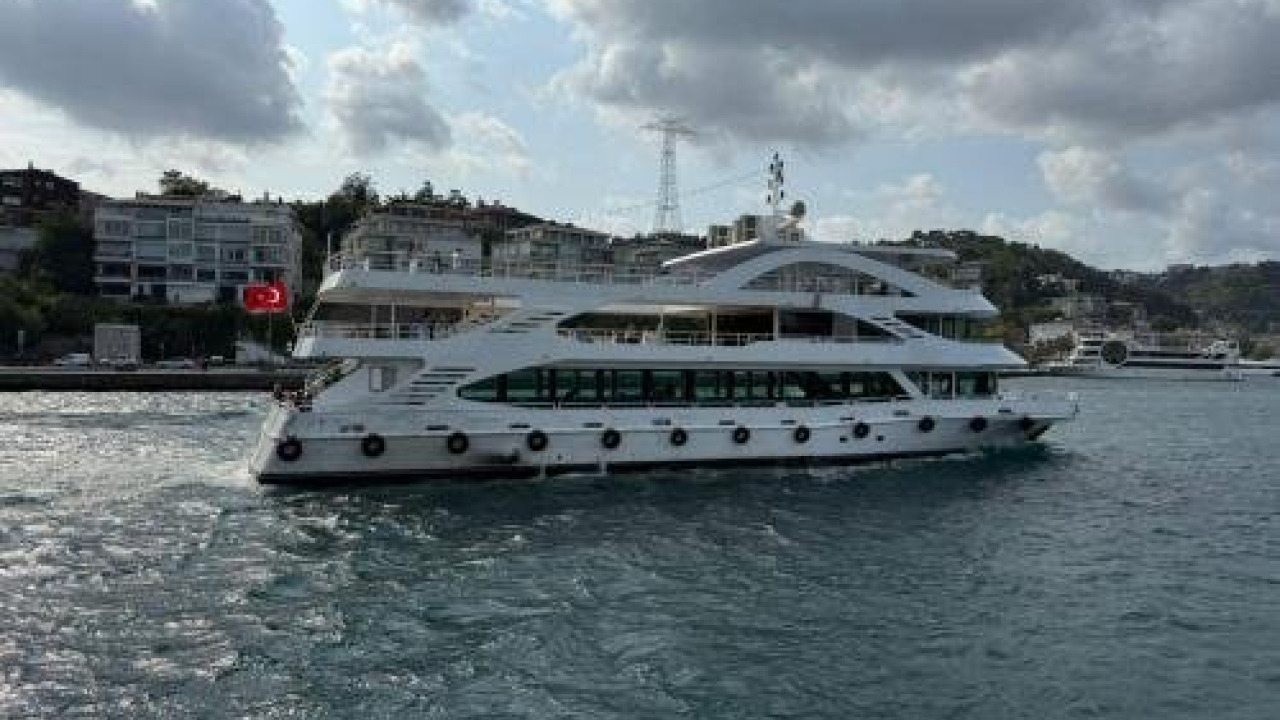
For children, keeping their attention focused outwards is a good precaution in itself: counting structures on the shore or watching passing ships is far more protective than looking at a screen. For passengers with mobility limitations, the operator's information provides guidance. Şehir Hatları (City Lines) announces that its new vessels have double-sided boarding ramps and that guide dogs, with a Disability Card and Guide Dog Card, can travel with their accompanying passenger. Since going to the open deck isn't always possible, the middle section of the salon by the window is the second suitable location for this group.
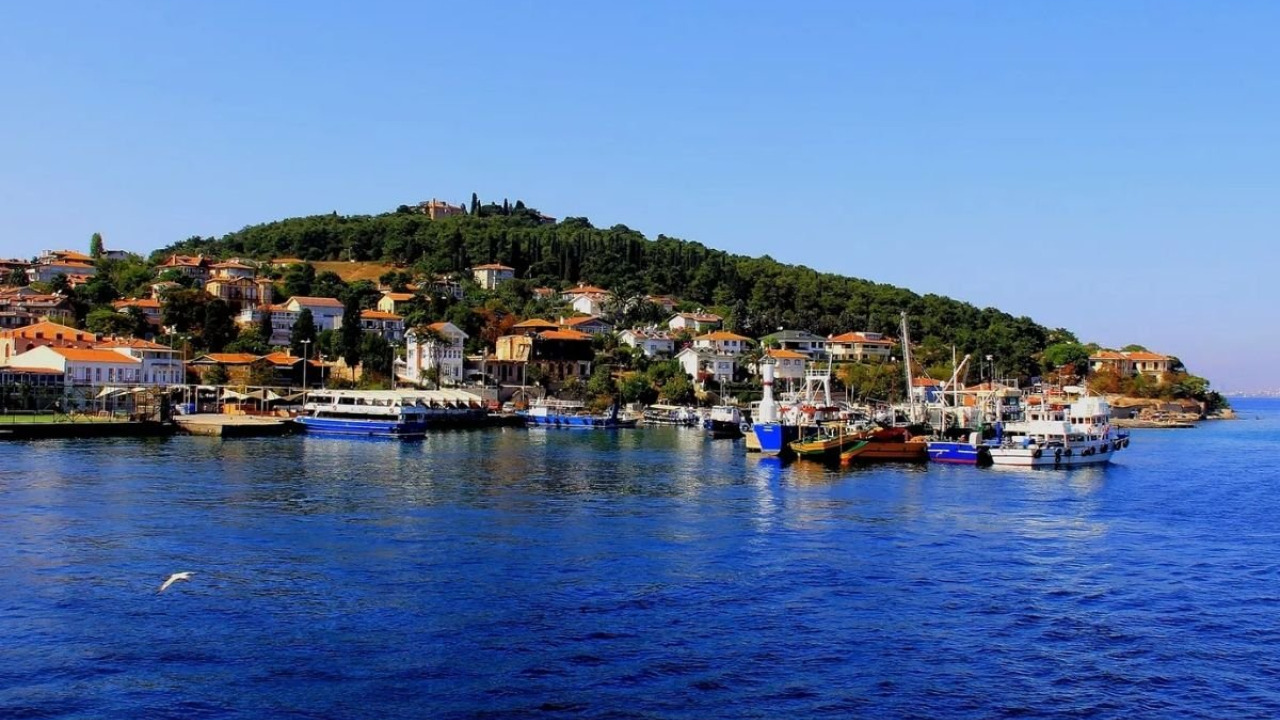
To sum up, comfort on the Bosphorus isn't left to chance: reading the wind direction, choosing the right tour section, selecting the mid-section on deck, and fixing your gaze on a stable anchor are four simple decisions. Those curious about the longer open-water stretch off the Marmara can check the route information in the Princes' Islands travel and transportation guide using the same criteria.
Frequently Asked Questions 5
Can you get seasick on a Bosphorus tour?
Yes, it's possible, but for a different reason than open-sea travel. Movement on the Bosphorus is short-period and irregular. When the wind blows against the surface current, the water becomes choppy, making it difficult to adapt to the rhythm. On windless days, the same route is largely calm.
Which section of the Bosphorus is more turbulent?
The northern section, specifically the Rumeli Kavağı and Anadolu Kavağı line north of Sarıyer, experiences significant movement on Poyraz days because it's open to the Black Sea. On Lodos days, the situation changes, and the Marmara entrance and the southern Bosphorus entrance become more challenging. Which section is calm depends on the day's wind direction.
Where should I sit on the ferry to reduce seasickness?
A spot near the longitudinal center of the vessel, on the open deck, with a view of the horizon, is effective. The bow and stern experience a wider arc of motion on the same wave. In enclosed lower salons, engine vibration, fuel smell, and stagnant air can accelerate nausea. In winter, dressing in layers on deck and descending to the salon for short intervals to warm up is a balanced solution.
Should I take medication for seasickness?
This decision is up to your doctor. The Ministry of Health's travel health page states that obtaining a prescription from a doctor may be beneficial and reminds that some medications, such as antidepressants, birth control pills, and painkillers, can worsen symptoms. If you are on regular medication, consult your doctor before your trip.
What should I do if seasickness starts?
The first step is to move from an enclosed area to the open deck where there's fresh air. Instead of closing your eyes, focus on the horizon or a fixed structure on the shore. Avoid sudden head movements, keep your breathing slow and deep, and sip water. If the discomfort doesn't subside, disembark at the first intermediate pier and walk calmly for a few minutes on land to quickly regain your balance.