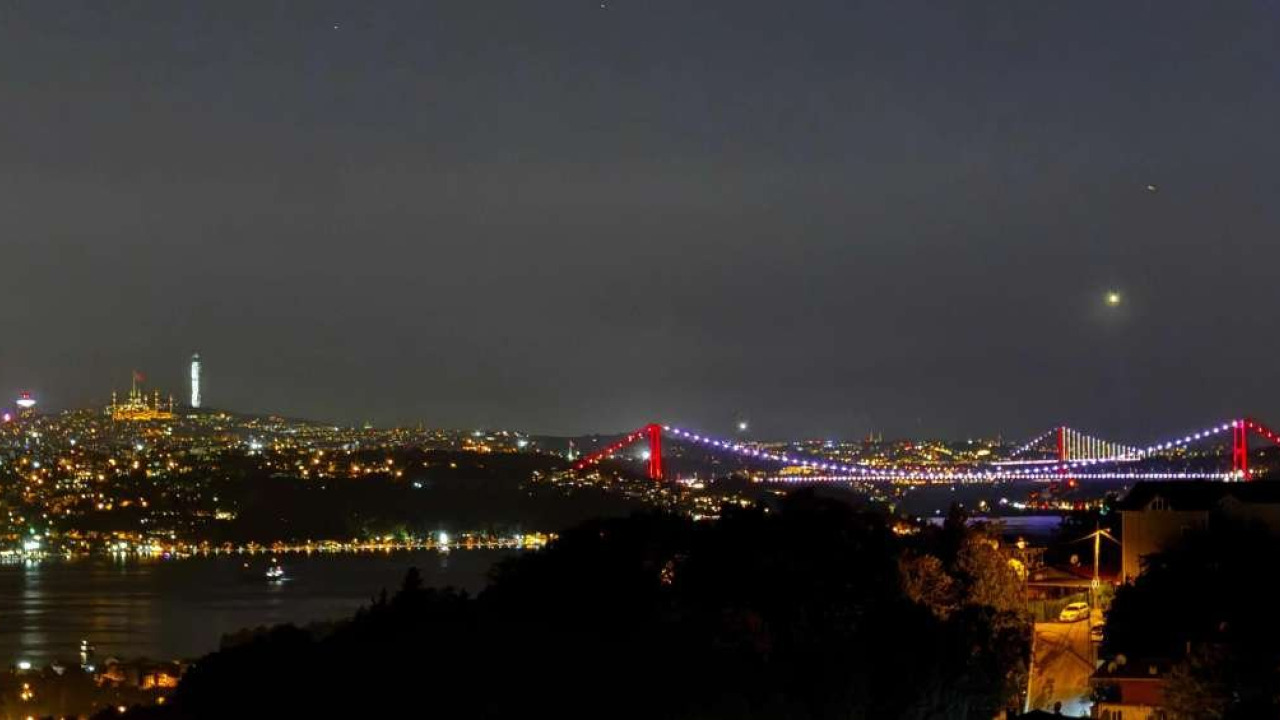
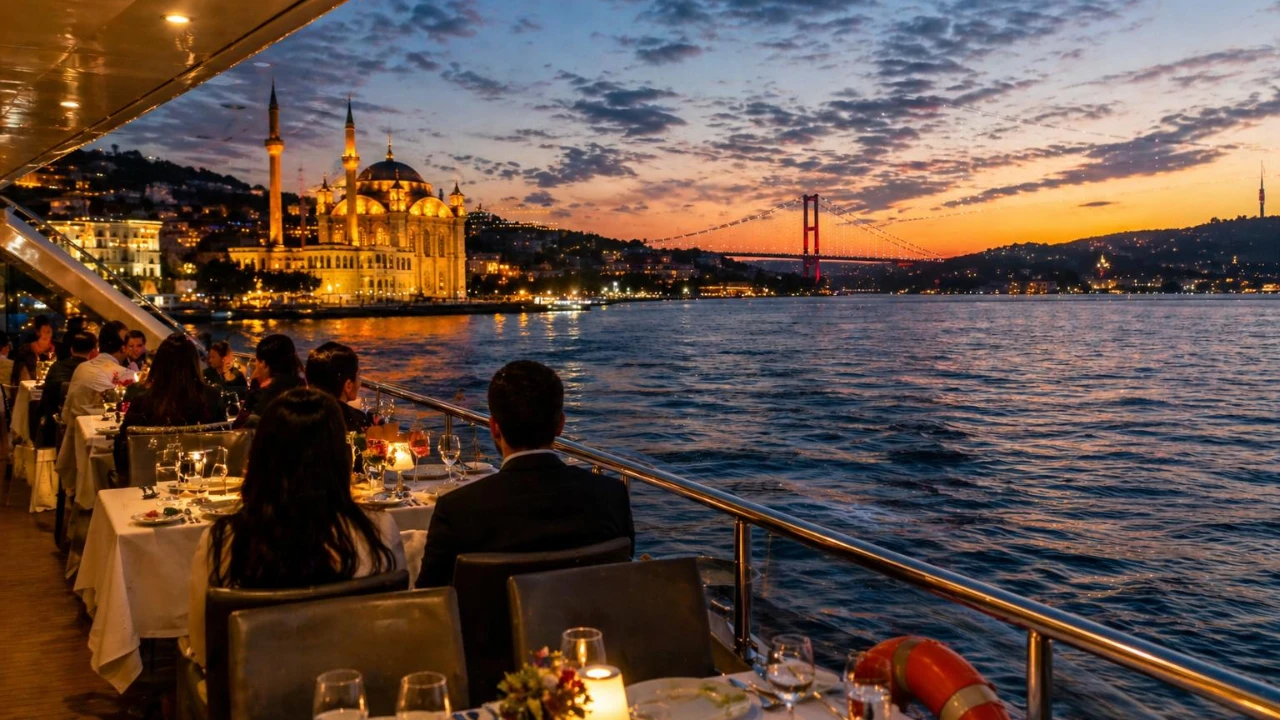
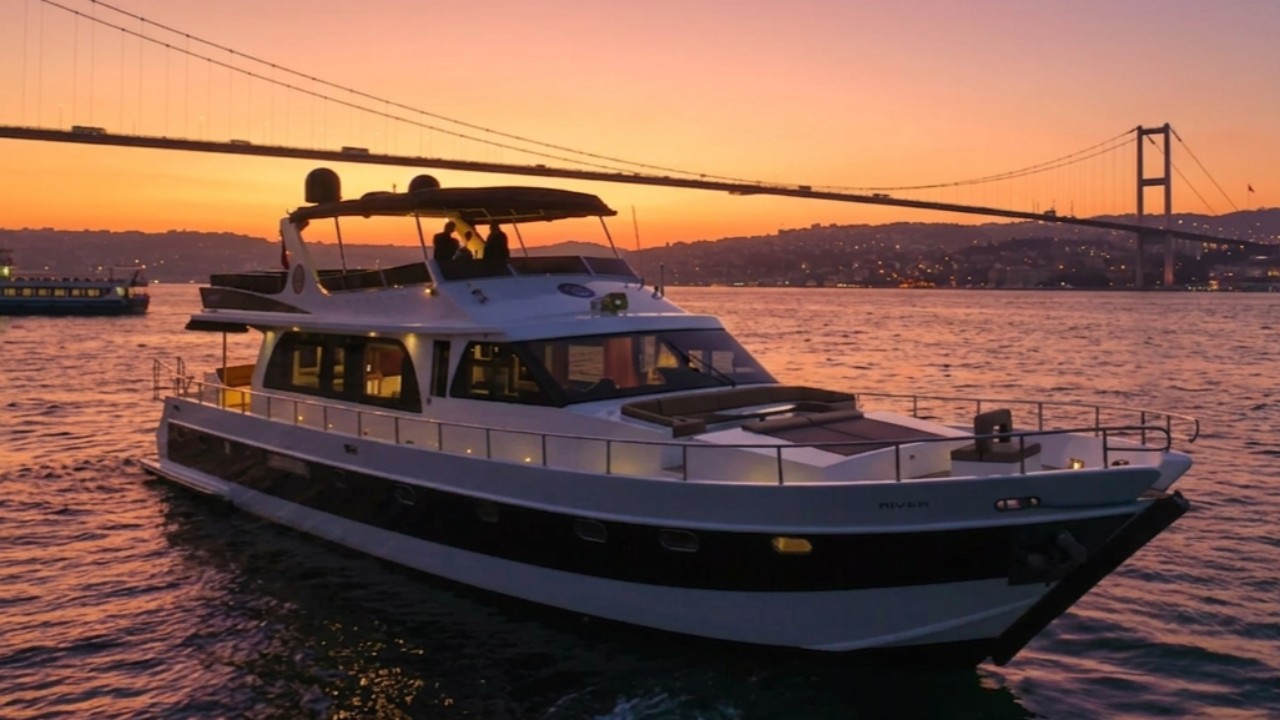
As evening descends, the Bosphorus shoreline transforms into a magical realm. In Ortaköy Square, while the clinking of tea glasses continues, spotlights illuminate the stone facade of the mosque. Just behind it, the bridge's steel cables emerge as a delicate silhouette against the dark, and the water below doubles all this light. The Bosphorus night view isn't just about individual structures being lit; it's the captivating interplay of these layers: the architectural lighting along the shore, the navigation lights of passing ferries, and the warm glow spilling from windows on both sides. This guide will show you where, when, and how to best experience this layered spectacle, also noting which landmarks are best admired from the outside after dark.
Quick Facts
| Topic | Details |
|---|---|
| Core of the View | 15 Temmuz Şehitler Köprüsü, Ortaköy Camii, Dolmabahçe Sarayı pier, Kız Kulesi |
| On-Land Viewing Route | Kabataş pier, Ortaköy, Kuruçeşme, Bebek Bay |
| When Lights Come On | Evening Prayer Time; e.g., 8:10 PM on Aug 16, 5:44 PM on Dec 1 in Istanbul (as per Presidency of Religious Affairs) |
| Viewing from Water | Şehir Hatları Moonlight Cruise (Saturdays; Bostancı departure 5:30 PM, return 1:00 AM) and private evening tours |
| On-Land Transportation | T1 tram and F1 funicular at Kabataş; IETT bus lines 22, 22B, and 25E along the coastal route |
| Closed at Night | Dolmabahçe Sarayı and Kız Kulesi are daytime museums, viewed from outside after dark |
| Ticket Information | Bosphorus cruise and museum tickets have different rates based on visitor type |
What Makes the Bosphorus Night Unique?
What makes the Bosphorus night view truly unique isn't merely the intensity of the illumination, but the convergence of three distinct layers of light on the same surface. The first layer is static: spotlights directed at monumental structures along the shore reveal architectural textures with a depth of shadow unseen during the day. The second layer is dynamic: moving points of light created by ferries, fishing boats, and cargo ships traversing the waterway. The third layer is the vibrant life of the shoreline itself: lamps around piers, coastal road traffic, and the warm glow from hillside residences.
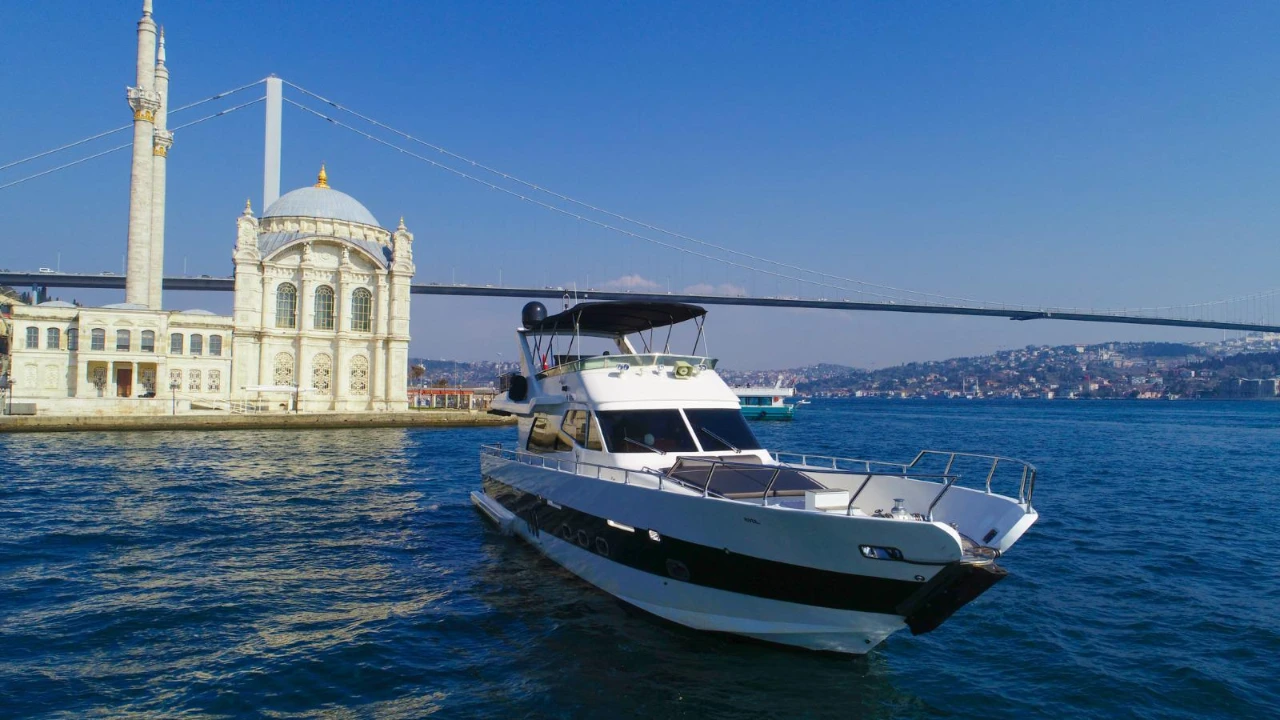
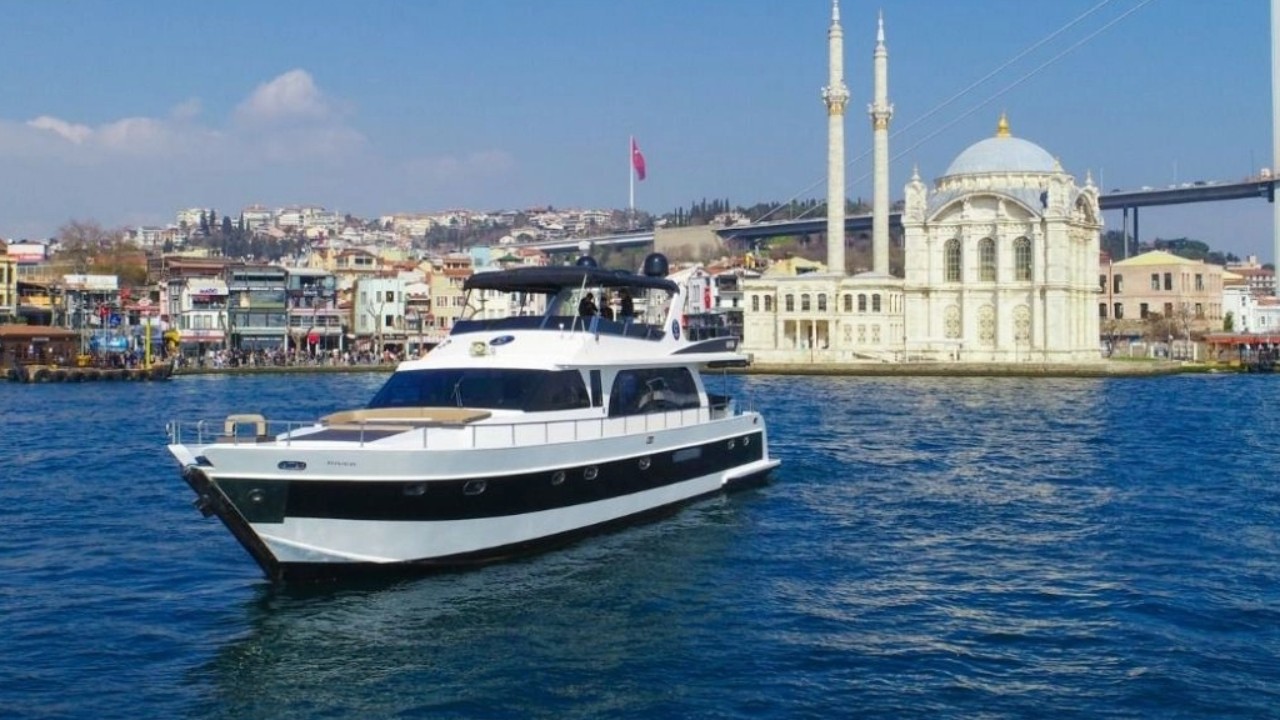
The surface that unites these three layers is the water. As currents and wind intensify, reflections scatter; but in calmer bays, where the water is still, they coalesce into distinct vertical lines. This is why, on the same night, a scattered light seen off Ortaköy might appear as a cohesive whole in Bebek Bay. For those wishing to experience this spectacle from the water, evening cruises are compiled in our Istanbul Bosphorus boat and yacht tours list; the details of dinner-inclusive evening programs are a topic for another article.
What Time Does Darkness Fall on the Bosphorus?
The exact time darkness falls isn't fixed; it shifts with the calendar, and this shift dictates when the night view truly begins. The evening prayer time, as published for Istanbul by the Presidency of Religious Affairs, shifts forward by more than two and a half hours from late summer to winter. Since Turkey observes a single time zone year-round and does not adjust for daylight saving in autumn, darkness descends well into the afternoon during winter months.
| Date | Evening Prayer Time (Istanbul) | Implication for Night Plans |
|---|---|---|
| August 16 | 8:10 PM | Coastal walk begins after dinner |
| September 1 | 7:45 PM | Lights come on before coastal crowds disperse |
| October 1 | 6:55 PM | Rush hour coincides with darkness, coastal road gets busy |
| November 1 | 6:08 PM | Early evening program possible, easy return |
| December 1 | 5:44 PM | View opens after late afternoon, wind becomes noticeable on the shore |
What you gain in winter is time: as darkness falls earlier, the same program can be completed before dinner. What you lose is comfort; wind and humidity become noticeable on the shore in the evenings, making clothing and weather planning a key consideration. In summer, because the lights come on later, the night viewing window coincides with the busiest hours for dining and entertainment spots along the coast. For those wishing to extend their coastal stroll into the squares and streets, our Istanbul nightlife guide by district offers neighborhood breakdowns.
Illuminated Landmarks at Night and Where to See Them
The table below summarizes how four key landmarks along the Bosphorus appear at night and their relation to daytime visits. As hours and tariffs change seasonally, please verify information on the respective institution's website before your visit.
| Structure | Location | Night View | Visit Note |
|---|---|---|---|
| 15 Temmuz Şehitler Köprüsü | Between Ortaköy and Beylerbeyi | Light lines along towers and suspension cables, color changes | No pedestrian access, viewed from land and water |
| Ortaköy Camii | Ortaköy Square shoreline | Sea-facing facade and minarets with directed lighting | Interior visits during the day, outside prayer times |
| Dolmabahçe Sarayı | Coastal stretch between Kabataş and Beşiktaş | Long facade lighting along the pier | Ticket office 9:00 AM - 5:00 PM, closed Mondays |
| Kız Kulesi | In the middle of the water, off Salacak | Illuminated silhouette standing alone in the dark water | Every day 9:00 AM - 8:00 PM, accessible by boat |
15 Temmuz Şehitler Köprüsü
The bridge north of Ortaköy is officially named 15 Temmuz Şehitler Köprüsü (July 15th Martyrs Bridge); Boğaziçi Köprüsü (Bosphorus Bridge) was its name before the 2016 change, and it is now listed under its new name in the General Directorate of Highways' toll tariffs. Opened in 1973, the bridge performs two functions in its night appearance: fixtures along its towers and suspension cables trace the structure's outline against the dark, while a color-changing system shifts to thematic hues for special occasions and awareness campaigns. Therefore, a photograph taken from the same spot on two different nights might not capture the same colors. The bridge is open to vehicle classes defined in the General Directorate of Highways' tariffs; it is observed from the shore or water, not traversed for sightseeing.
Ortaköy Camii
The mosque's official name is Büyük Mecidiye Mosque. According to the Turkish Religious Affairs Foundation's Encyclopedia of Islam, the current structure was commissioned by Sultan Abdülmecid in 1854, based on the Ziver Pasha inscription above its door, and its architect was Nikogos Balyan. What stands out in its night illumination is less the dome's silhouette and more the embossed stone craftsmanship on its sea-facing facade; directed light creates a depth of shadow on a surface that appears flat during the day. The angle where the mosque and the bridge's foot are captured in the same frame is at the coastal edge of the square. Interior visits are restricted to daytime hours and outside of prayer times; at night, the exterior facade is admired from the shore.
Dolmabahçe Sarayı
According to National Palaces records, the palace was built during the reign of Sultan Abdülmecid, replacing the Beşiktaş Coastal Palace; the architectural work was carried out by Karabet Balyan, Ohannes Serveryan, Nikoğos Balyan, and James William Smith. For evening plans, the key information is this: the ticket office is open from 9:00 AM to 5:00 PM, and the palace is closed to visitors on Mondays, meaning interior visits are not part of an evening program. What is visible in the dark is the long sea-facing facade extending along the pier and its illuminated gates. Since different rates apply based on visitor type at National Palaces sites, it is advisable to check the current ticket arrangements on millisaraylar.gov.tr.
Kız Kulesi
According to the Ministry of Culture and Tourism's muze.gov.tr records, the tower is open to visitors every day from 9:00 AM to 8:00 PM. Boats departing from Salacak operate between 9:30 AM and 8:00 PM, with the last return from the tower at 8:45 PM; services from the Karaköy side run from 9:30 AM to 6:30 PM and are less frequent. Outside these hours, the tower is not a stop but an illuminated silhouette standing isolated in the dark water, viewed from Salacak shore, around Kabataş, or from passing boats. MüzeKart is valid for Turkish Republic citizens; as different rates apply based on visitor type, verify current ticket information via muze.gov.tr.
Kuruçeşme and Bebek Bay
Kuruçeşme is the section where you can approach the bridge from the shore; here, the structure is no longer a distant silhouette but a towering presence above you, with light lines extending in perspective from a low angle. Bebek Bay, on the other hand, marks the end of the route: thanks to the bay's sheltered shape, the water surface is usually calmer, allowing lights from the opposite shore to coalesce into distinct vertical lines. The difference between these two points illustrates why framing your night view begins with location.
The Night Coastal Route from Kabataş to Bebek
If you're viewing from land, it's best to plan your route from south to north: landmarks unfold sequentially, and you'll end up at a point with the widest range of transportation options for your return.
- Start at Kabataş Pier: The Kabataş terminus of the T1 tram line and the F1 Taksim-Kabataş funicular converge here, with the Şehir Hatları ferry pier located on the sea side. The illumination of the Dolmabahçe pier is visible from here.
- Proceed along the coastal route: IETT bus lines 22, 22B, and 25E depart from Kabataş and pass through Ortaköy, Kuruçeşme, and Bebek stops; for those who prefer to walk, there's a continuous pedestrian path along the coast.
- Stop at Ortaköy Square: This is where you'll find the perfect angle to frame both the mosque and the bridge's foot, making it an ideal spot for your first break.
- Continue to Kuruçeşme: This section offers the closest low-angle view of the bridge, and the crowds are noticeably thinner compared to the square.
- Conclude at Bebek Bay: The calm water surface and expansive shoreline provide a serene backdrop to end your route; return buses travel back to Kabataş along the same line.
Shoreline vs. Water: Where to Best Experience the Night View?
These two methods offer distinct experiences: the shore provides a fixed perspective from your chosen spot and flexible timing, while the water offers a dynamic frame that unveils both sides of the Bosphorus sequentially, but ties you to a schedule. The table below helps you decide.
| Criterion | Viewing from Shore | Viewing from Water |
|---|---|---|
| Perspective | Fixed angle from your chosen spot | Both shores sequentially, passing under bridges |
| Timing | Flexible hours, duration up to you | Departure and return tied to schedule |
| Transportation Cost | Travel along route with public transport | Ticket; different rates based on visitor type |
| Weather Conditions | Shelter available in case of rain | Service schedule may change due to sea conditions |
| Close-up Views | Mosque facade, pier, area around the pier | Under the bridge, opposite shore, Kız Kulesi offshore |
Limitations of Viewing from Shore
When viewed from land, the entire Bosphorus line isn't visible: coastal structures on the Anatolian side remain distant, and the Beylerbeyi foot of the bridge is only discernible as a silhouette from the European side. In contrast, a shoreline program offers a free experience, allows you to change viewing spots as crowds disperse, and won't be cut short by bad weather.
Limitations of Viewing from Water
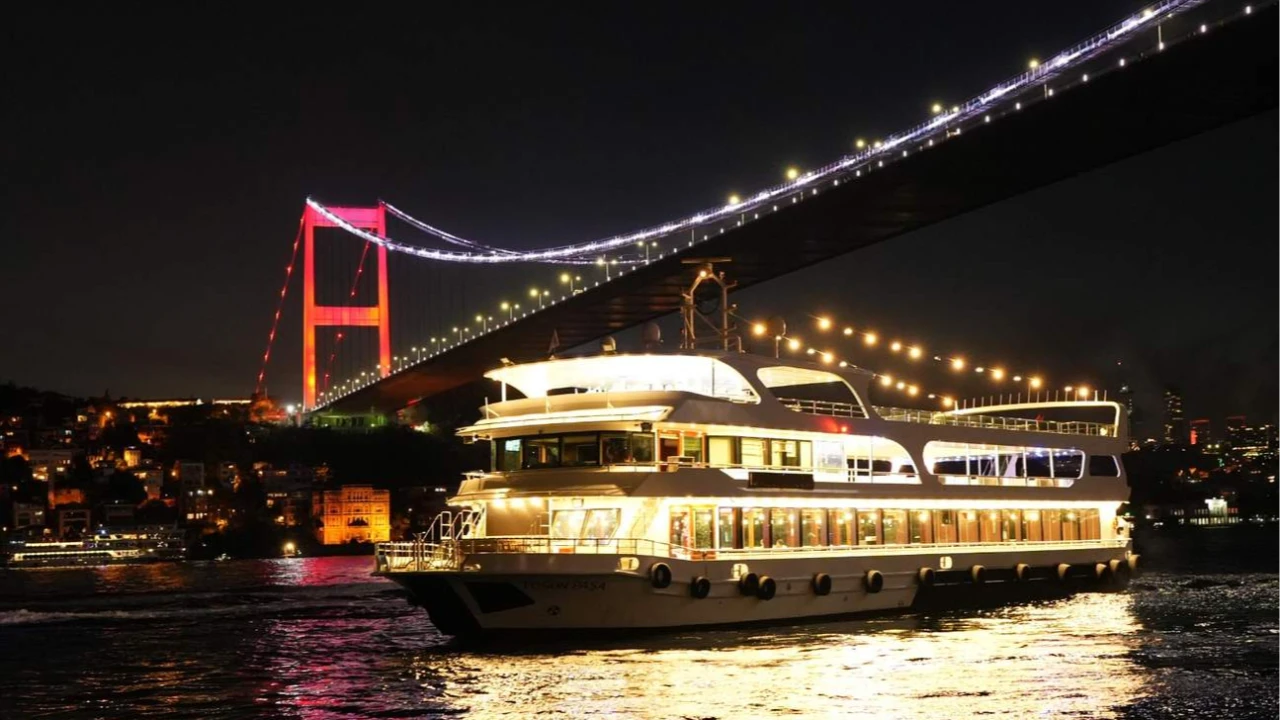
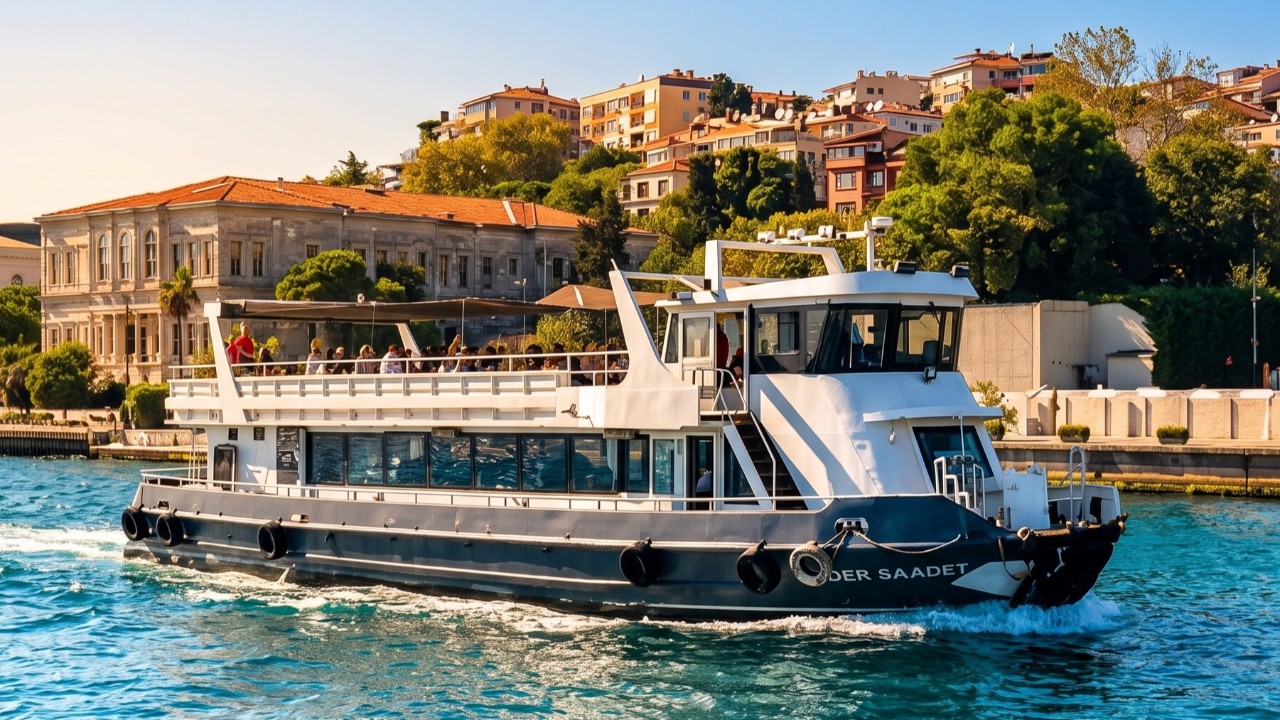
According to Şehir Hatları's official schedule, the public evening service is the Moonlight Cruise (Mehtap Gezisi): it departs from Bostancı at 5:30 PM, reaches Anadolu Kavağı at 8:05 PM via Kadıköy, Eminönü, Üsküdar, Beşiktaş, and Rumeli Kavağı; the return journey starts at 10:30 PM and concludes at Bostancı at 1:00 AM. The total duration is seven and a half hours, and this service is scheduled for Saturdays during the summer season. The Short Bosphorus Tour, however, operates during the day; it departs from Eminönü at 2:40 PM, stops at Üsküdar, and ends in Ortaköy, with an additional 4:45 PM departure added to the schedule on public holidays. This means that the comprehensive night cruise on the public schedule is limited to Saturdays; for weekday evenings, you'll need to look into private tour operators. Those wishing to compare different departure times can check our Istanbul boat and yacht tours list.
Practical Tips for Your Night Out
What often disrupts evening plans along the Bosphorus isn't the view itself, but rather return transportation and ticketing arrangements. The following points summarize these two aspects:
- Plan your return time before you set out; the last ferry services typically end before midnight, while coastal bus frequencies decrease significantly at night.
- Istanbulkart is not valid for Şehir Hatları's Bosphorus tours; separate tickets must be purchased for these, while the card is used for regular line services.
- Different rates apply to Bosphorus tour tickets and Ministry museums based on visitor type; check the current prices on the official website of the relevant institution.
- Consider crowd distribution: Ortaköy gets very busy on weekend evenings, while Kuruçeşme and Bebek are noticeably less crowded at the same hours.
- Wind and humidity become more noticeable on the shore in the evenings; an extra light layer of clothing will make your coastal stops more comfortable.
- For those planning palace and museum visits during the day, our Historical Peninsula museum route guide offers a separate day plan.
Frequently Asked Questions 5
Where can I best view the Bosphorus at night?
If viewing from land, the route starts at Kabataş Pier and continues through Ortaköy, Kuruçeşme, and Bebek Bay. Ortaköy offers a frame capturing both the mosque and the bridge, Kuruçeşme provides the closest low-angle view of the bridge, and in Bebek Bay, reflections appear more cohesive due to calmer waters. Those wishing to view from the water can utilize Şehir Hatları's evening services or private tour programs.
What time do the bridge and shoreline lights come on?
There isn't a fixed time as illumination depends on dusk. The evening prayer time, published for Istanbul by the Presidency of Religious Affairs, shifts from 8:10 PM on August 16 to 6:55 PM on October 1, and 5:44 PM on December 1. Since Turkey uses a single time zone year-round and does not observe daylight saving in autumn, darkness falls into the afternoon during winter months.
Can I visit Kız Kulesi (Maiden's Tower) at night?
According to the Ministry of Culture and Tourism's muze.gov.tr records, the tower is open to visitors every day from 9:00 AM to 8:00 PM. Boats departing from Salacak operate between 9:30 AM and 8:00 PM, with the last return from the tower at 8:45 PM. Services from the Karaköy side run from 9:30 AM to 6:30 PM and are less frequent. Outside these hours, the tower cannot be visited; it is viewed as an illuminated silhouette from the shore or passing boats.
Can Dolmabahçe Palace be included in an evening program?
Interior visits to the palace are not part of an evening program. According to National Palaces information, the ticket office is open from 9:00 AM to 5:00 PM, and the palace is closed to visitors on Mondays. What is visible at night is the illuminated sea-facing facade along the pier and its gates; a separate daytime plan is required to visit the palace interior.
Which public service offers a Bosphorus night tour?
Şehir Hatları's evening service is the Moonlight Cruise (Mehtap Gezisi); the schedule defines departure from Bostancı at 5:30 PM, arrival at Anadolu Kavağı at 8:05 PM, return at 10:30 PM, and arrival back at Bostancı at 1:00 AM. This service is scheduled for Saturdays during the summer season. The Short Bosphorus Tour operates during the day. For weekday evenings, you should look into private tour operator programs.