
Nestled on the banks of the Kızılırmak River in northern Cappadocia, Avanos is one of Anatolia's most enduring centers of craftsmanship, boasting a pottery tradition that has remained unbroken since the era of the Hittites. To explore these millennia-old artisan hubs and historic settlements with expert guides, you can browse our Nevşehir cultural tour options. From earthenware shaped from the river's red tuff clay to historic stone mansions and scenic riverside trails, Avanos offers a truly authentic cultural journey.
This comprehensive field guide covers life along the Kızılırmak, the historic rock-cut underground workshops, traditional kick-wheel techniques, terrain conditions, and practical tips for your visit.
Quick Facts: Avanos Pottery Workshops and the Kızılırmak
Before you wander through the historic alleys and the riverfront promenade, here is a summary of the key details to help you plan your trip.
| Feature | Visitor Information |
|---|---|
| Location | Nevşehir province, Avanos district center, Kızılırmak river basin |
| Artistic Origins | Circa 2000 BC (Hittite ceramic and pottery tradition) |
| Raw Material | Red clay sourced from the ancient beds of the Kızılırmak and mountain slopes |
| Workshop Style | Underground studios carved into natural tuff rock for temperature control |
| Experience | Workshops are open to the public; visitors can try their hand at the pottery wheel |
| Terrain | Flat promenade and wooden suspension bridge by the river; cobblestone inner streets |
| Key Highlights | Historic Suspension Bridge, Alaaddin Mosque, Güray Underground Museum, and the Potters' Bazaar |
The Bounty of the Kızılırmak and the Origins of Avanos Clay
The Kızılırmak, the longest river that both originates and ends within Turkey's borders, is the lifeblood of Avanos. As it flows from the foothills of Kızıldağ in Sivas toward the Black Sea, it deposits iron-oxide-rich minerals and fine sandy alluvium into the Avanos basin.
The red clay, the primary raw material for Avanos pottery, is extracted from the river's old beds and the tuffy clay layers of surrounding hills. This raw clay is rested in large pools with water to remove foreign stones and roots. It is then kneaded, traditionally by foot, and passed through special rollers.
This preparation phase is critical to ensure the clay gains the elasticity needed to prevent cracking while being shaped on the wheel. Due to its high iron oxide content, this red earth creates a durable, porous, and balanced terracotta structure when fired. This unique property is the secret behind traditional water jugs, which keep water cool through natural evaporation.
From Hittites to Today: The Tradition of the Kick-Wheel
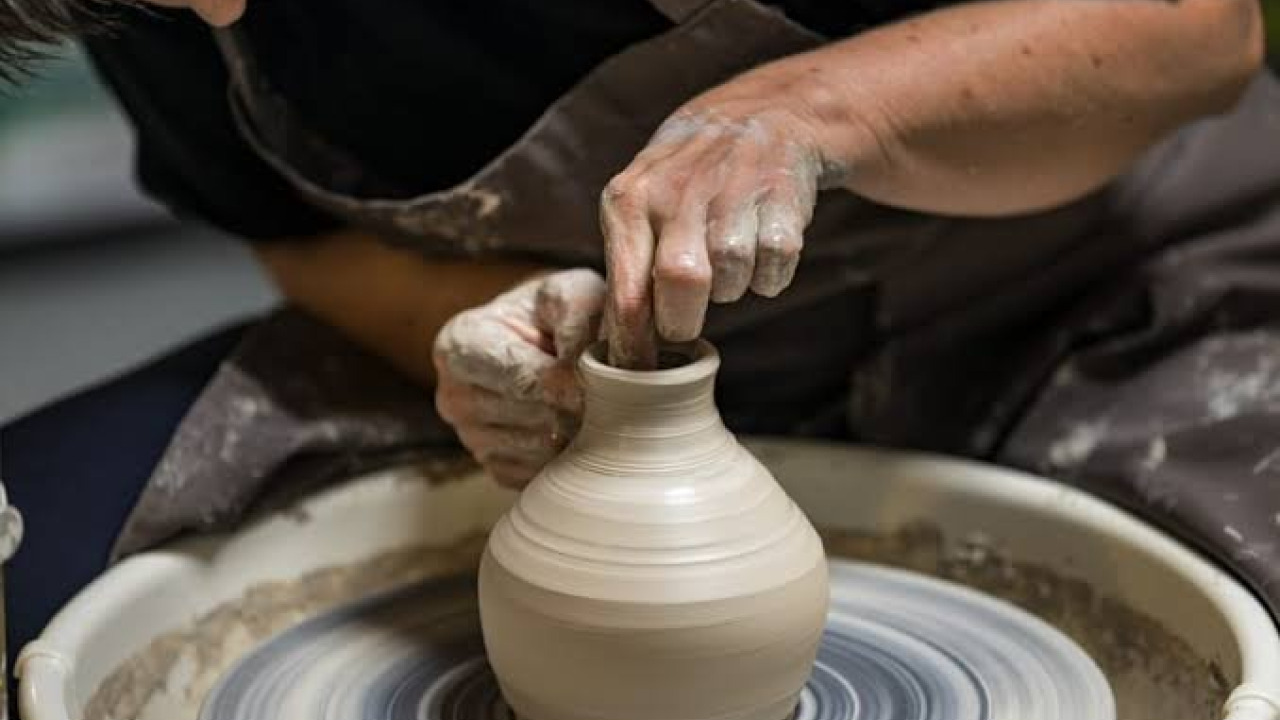
Pottery production in Avanos has been passed down through generations via a master-apprentice relationship for thousands of years. The traditional setup used here is the kick-wheel, a device with roots stretching back to the Bronze Age.
The master sits at a wooden bench, using their foot to spin a large lower disk while centering the clay with both hands on the upper metal or stone plate. With precise finger movements, the clay rises, transforming into a jug, bowl, or amphora within minutes. This process requires physical strength, high manual dexterity, and years of practical experience.
Once shaped, the pottery is not placed directly in the sun; instead, it is left to dry slowly in the shade. After drying, the pieces are fired in traditional wood-fired kilns or modern ovens at temperatures between 900 and 1,200 degrees Celsius. Some products are left as raw terracotta, while others are glazed with traditional patterns and root dyes to become fine ceramics.
For those wishing to explore the handicraft heritage and historical riches of Cappadocia via a curated itinerary, we recommend reviewing our Nevşehir historical city tour routes.


Underground Rock Workshops and the Güray Museum
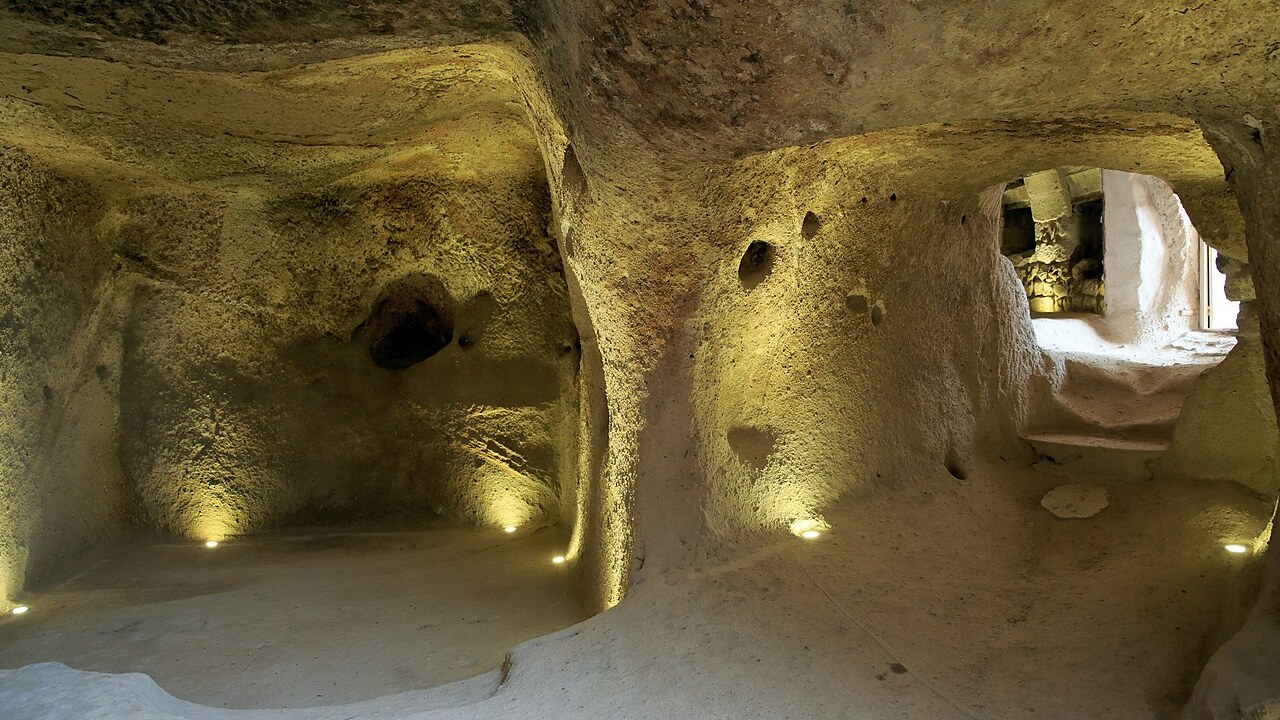
Most of the pottery workshops in Avanos are carved directly into the soft tuff rock on the river slopes. These underground studios provide a naturally cool environment in the summer and warmth in the winter, creating an ideal workspace year-round.
Furthermore, the constant humidity and temperature allow the raw clay to dry evenly without cracking. The dim lighting and wide vaulted chambers of these subterranean spaces offer visitors a mystical atmosphere. With the master's permission, visitors can step up to the wheel, put on an apron, and try shaping their own clay bowls.
The Güray Museum, located in the district, holds the title of the world's first underground ceramics museum. Carved 20 meters below ground in massive rock halls, the museum displays ancient ceramic collections ranging from the Late Neolithic period to the Hellenistic, Roman, Byzantine, Seljuk, and Ottoman eras. The museum seamlessly blends archaeological finds with modern works by contemporary Turkish ceramic artists.
Comparison: Traditional Pottery vs. Ceramic Types
You can compare the different types of terracotta and tile products produced in Avanos workshops and their specific uses below.
| Product Category | Raw Material | Firing & Processing | Use and Purpose |
|---|---|---|---|
| Terracotta Jugs & Casseroles | Kızılırmak red clay | Raw firing at 900°C, unglazed | Cooking and water storage |
| Hittite Sun Disc Amphorae | Red clay with lime additive | Shaped on a hand-turned wheel | Decorative and cultural souvenirs |
| Glazed Kitchenware | Fine-sifted clay | Double-fired, lead-free glaze | Daily food service and dining |
| Tiles and Plates | White kaolin clay | Hand-painted patterns, 1050°C kiln | Wall decoration and art collections |
| Garden & Landscape Urns | Coarse, durable clay | High-heat open flame firing | Outdoor planters and landscaping |
The Kızılırmak Waterfront, Historic Suspension Bridge, and Sightseeing
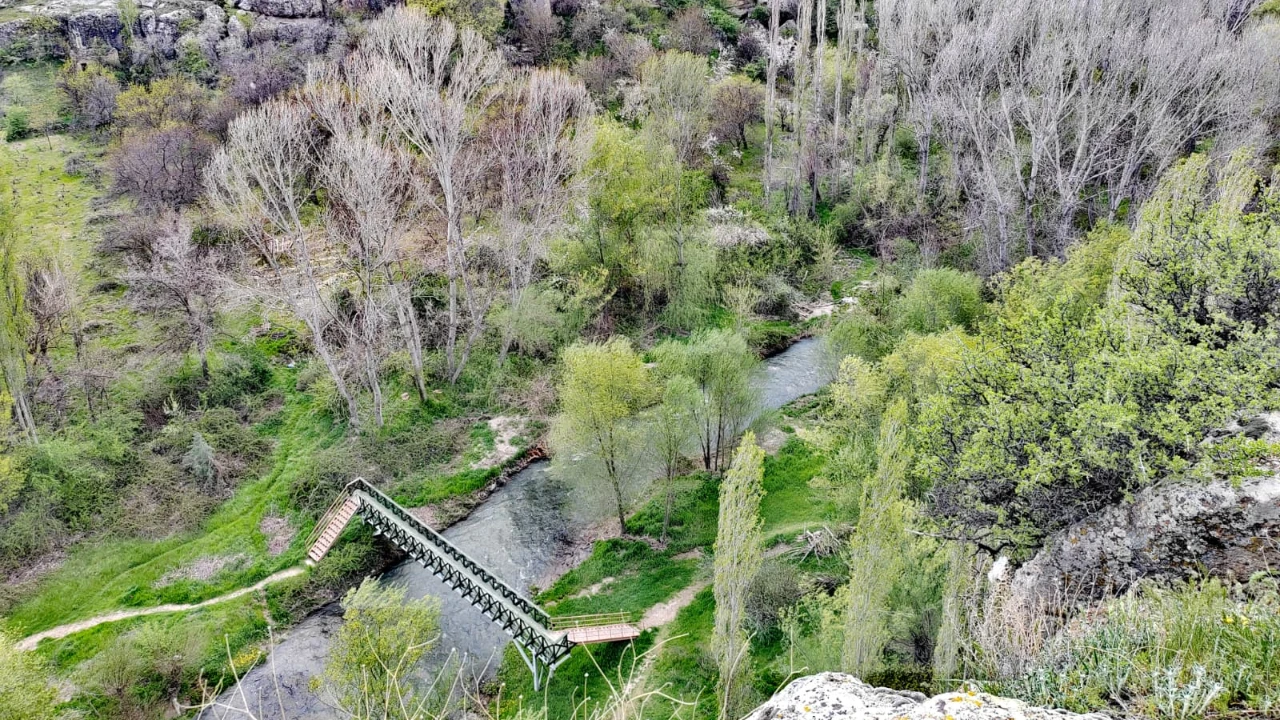
The social heart of Avanos beats along the promenade stretching beside the Kızılırmak. The historic wooden suspension bridge, built in 1973, is the town's iconic landmark connecting the two banks of the river.
Walking across the bridge, the slight sway provides a delightful experience for visitors. As you cross, you can spot mallards and geese floating on the river. The riverside parks, tea gardens, and cycling paths are perfect for a relaxing stroll.
Motorized gondola and speedboat tours are also available on the river. Much like in Venice, you can glide through the calm waters of the Kızılırmak, viewing historic mansions and weeping willow trees from the water.
In the old neighborhoods, the Alaaddin Mosque reflects 13th-century Seljuk stone architecture. The restored Avanos mansions in the historic streets are well-preserved, featuring intricate wooden ceilings and stone courtyards.
Terrain Conditions and Visitor Safety
While exploring the center of Avanos, the terrain is generally flat and comfortable. The riverfront promenade consists of paved asphalt and concrete walking paths.
However, when entering underground pottery workshops, the floor is natural tuff rock, meaning there may be damp clay deposits or loose soil in some areas. Non-slip sneakers are highly recommended to avoid slipping. Additionally, visitors planning to try the pottery wheel should wear comfortable, washable clothing; while red clay washes off easily with water, it can stain fabrics.
When crossing the Historic Suspension Bridge, avoid leaning heavily on the railings, refrain from running, and keep a close hold of children. For safety, avoid getting too close to the water in areas without parapets along the riverbank.
A 5-Step Protocol for Exploring Avanos Craft and River
For travelers wanting to make the most of their time, here is a recommended step-by-step itinerary:
- Walk the Historic Suspension Bridge: Start your day by crossing the swaying bridge and observing the river birds against the Kızılırmak backdrop.
- Visit an Underground Workshop: Head to the Potters' Bazaar and enter a rock-cut studio to watch a master's skill at the wheel.
- Try Your Hand at Pottery: Put on an apron, sit at the wheel, and try creating your own miniature vessel under the master's guidance.
- Explore the Güray Underground Ceramics Museum: Descend 20 meters underground to view ceramic collections spanning from antiquity to the present.
- Riverside Relaxation: End your day at a riverside cafe, relaxing with local pottery-cooked beans and "testi kebab" (pot kebab).
Avanos Gastronomy and Dining Stops
Avanos cuisine is famous for its bakery products and slow-cooked stews prepared in clay pots. The special clay casseroles produced in the district allow food to cook in its own steam, preserving its rich flavor.
The region's signature dish, testi kebab, consists of diced lamb, garlic, pearl onions, and tomatoes sealed in a clay pot with dough. After cooking for at least two hours in an oak charcoal oven, the pot is ceremoniously broken with a cleaver in front of the guests.
Other must-try local delicacies include dried beans cooked in clay, apricot stew, and tandoor bread. At the riverside facilities, sipping freshly brewed tea while snacking on famous pumpkin seeds and tasting grapes from the Avanos vineyards offers a perfect way to unwind.
Frequently Asked Questions 5
Where is pottery made in Avanos and what are its origins?
Pottery is produced in the Potters' Bazaar in the town center and in the underground rock workshops along the river. This craft dates back to the Hittite civilization, which ruled the region around 2000 BC.
Where is the clay for Avanos pottery sourced?
The red clay used in production is extracted from the ancient beds of the Kızılırmak river and the tuffy clay layers of the surrounding hills. The clay is rested in pools and sifted before it is ready for use.
How does the pottery workshop experience work?
Visitors can visit traditional underground workshops and sit at a kick-wheel under the guidance of a master. You can shape a small bowl or jug with your own hands and either leave it at the workshop to dry or purchase it as a souvenir.
What are the top sights along the Kızılırmak and in Avanos?
Key highlights include the Historic Suspension Bridge, the Güray Underground Ceramics Museum, the Potters' Bazaar, Alaaddin Mosque, Sarıhan Caravanserai, and the riverfront promenade.
How much time should be allocated for visiting Avanos pottery workshops?
It is recommended to set aside approximately two to three hours to tour the workshops, try pottery making yourself, and thoroughly explore the Güray Museum.