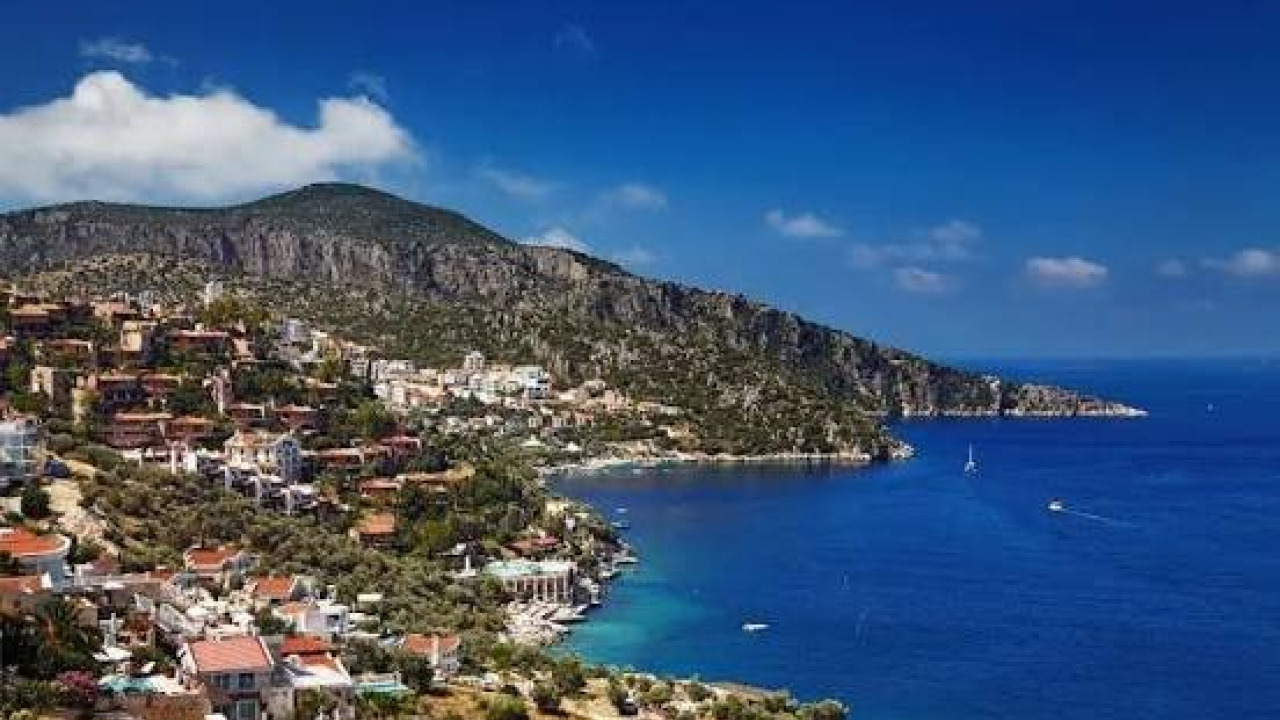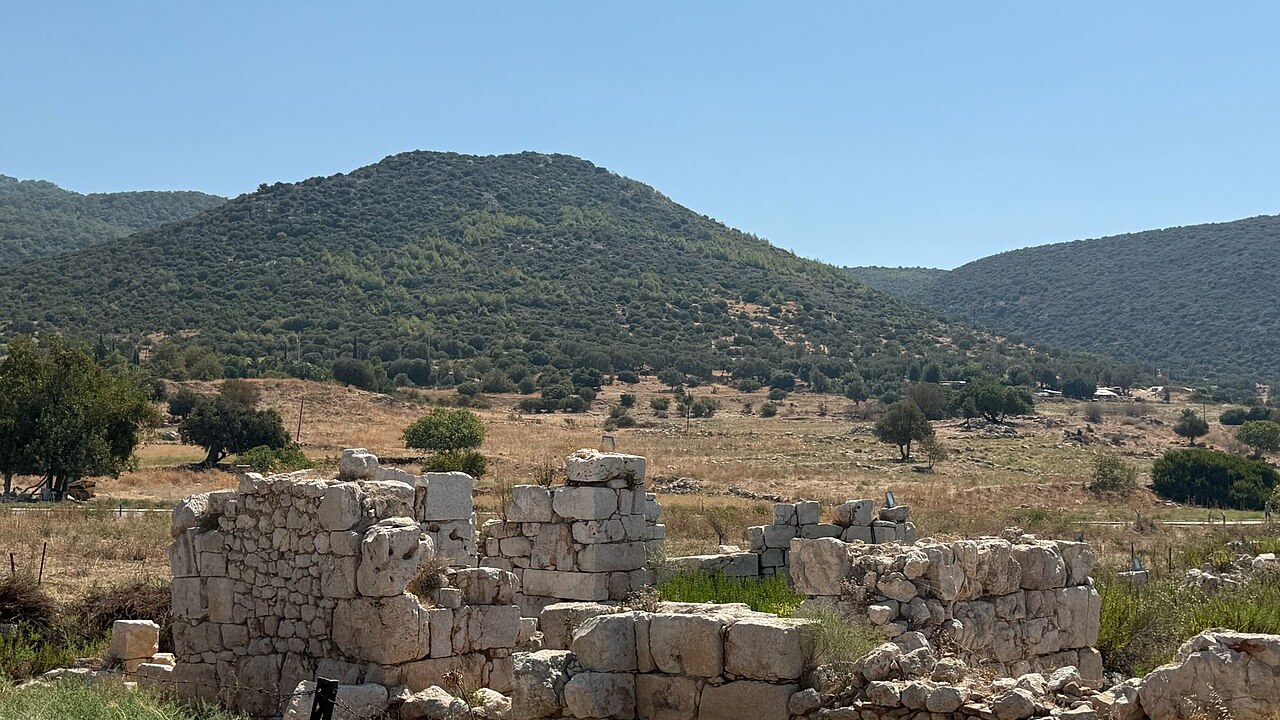

The lands of Anatolia serve as the world's most magnificent open-air museums, housing the traces of civilizations that spanned thousands of years. From marble-paved streets to grand amphitheatres and bustling agoras, these archaeological sites offer a unique window into the splendor of the past. For those looking to uncover these ancient secrets, ancient city tours and archaeological routes provide comfortable, expert-led programs through licensed guides.
As you wander through these sprawling outdoor sites, every column capital and sarcophagus lid whispers stories of human life from millennia ago. However, to transform a visit from a mere walk among ruins into a profound journey through civilization, proper preparation is essential.
The quality of your experience depends on the details: choosing the right footwear for hours of walking, understanding Museum Pass rules, respecting excavation barriers, and maintaining an awareness of historical preservation. In the enchanting world of archaeology, a professional guide doesn't just show you stones; they build a bridge between the ancient world and today.
Essential Tips Before Your Ancient City Adventure
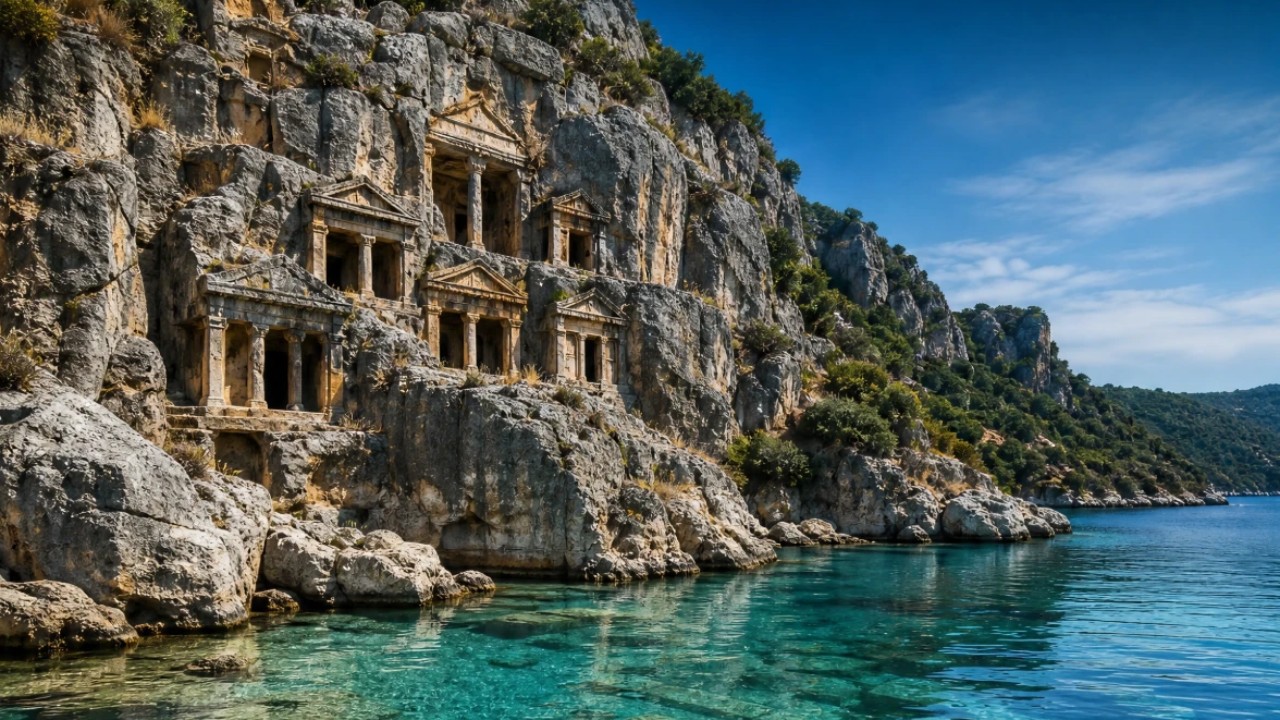
Knowing the geographical layout, walking distances, and visiting hours of a site can make a world of difference to your comfort. In Turkey, Antalya ancient city tours and Nevşehir ancient city and archaeological tours are incredibly popular. Additionally, Aydın ancient city tours and the Muğla ancient city and Lycian routes, famous for their rock tombs, remain among the most visited open-air destinations.
The following table summarizes the key visiting and guiding standards for cultural travelers planning an archaeological excursion:
| Feature | Practical Visitor & Site Summary |
|---|---|
| Average Tour Duration | 2 to 4 hours of walking, depending on the site's size |
| Ideal Visiting Hours | Summer: 08:30–11:00 or 16:30–19:00 |
| Entry & Ticketing | Museum Pass for locals; e-tickets/Museum Pass for international guests |
| Guiding Standards | Professional guides licensed by TUREB and the Ministry of Culture and Tourism |
| Terrain & Walking Conditions | Historic stone blocks, uneven paths, and marble pavements |
| Preservation Rules | Climbing columns, crossing barriers, or removing artifacts is strictly prohibited |
| Recommended For | History buffs, students, families, and photographers |
The Value of Professional Guiding in Archaeological Sites
Ancient cities are not merely silent collections of stones; they were once the beating hearts of politics, trade, theater, and philosophy. Without expert insight, a simple wall is just a wall, but with a professional guide, you can distinguish whether that structure was a library, a bathhouse, or a senate building.
Professional tourist guides, approved by the Ministry of Culture and Tourism and TUREB, decode ancient inscriptions and weave mythological tales into a living narrative. While many details are easily missed on solo walks, guided tours bring the pages of history to life.
Furthermore, many group tours utilize "whisper" radio systems. This technology allows participants to hear the guide's narration clearly without having to crowd around them, ensuring a seamless and comfortable experience in open-air settings.
Museum Pass and Ticketing Made Easy
The Museum Pass system, managed by the Ministry of Culture and Tourism, is a traveler's best friend. While Turkish citizens use the Müzekart, international visitors can utilize various Museum Pass options that allow for multi-site access.
Using digital barcodes or ID cards at the turnstiles allows for quick entry, helping you skip long ticket queues. Pro tip: downloading your pass digitally to your phone can save valuable time at the entrance, allowing you more time to explore the ruins.
Sun Protection and Summer Visiting Hours
Most ancient cities in the Mediterranean and Aegean regions are situated on wide plains or hillsides, meaning shade is often limited between marble columns and stone streets. Walking through these sites during the midday heat in July or August carries a high risk of sunstroke and dehydration.
Experienced guides typically schedule summer tours for the cool early morning or late afternoon. To mitigate the heat, we recommend wearing light-colored cotton clothing, a wide-brimmed hat, and sunglasses. Carrying at least 1.5 liters of water and electrolyte-rich drinks will help you maintain your energy throughout the day.
Comparing Ancient City Types and Walking Difficulty
The archaeological sites in Anatolia vary significantly in terms of physical demand based on their geography and architecture. The walking pace required for a Roman city on a flat plain is vastly different from the rugged climbs needed for the Lycian mountain cities.
The table below compares the primary types of ancient settlements found in Turkey:
| Settlement Model | Terrain & Ground Type | Walking Difficulty | Key Architectural Features | Representative Examples |
|---|---|---|---|---|
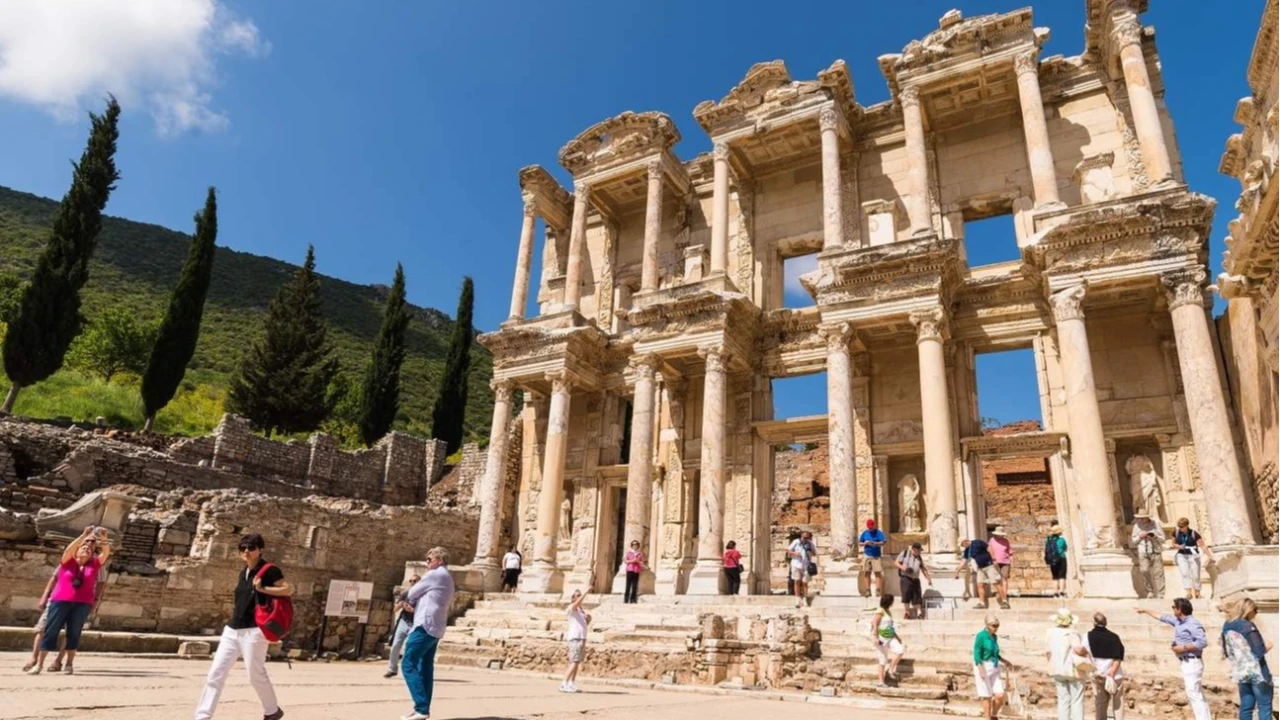
| Plain / Coastal City | Flat marble streets, colonnaded ways | Easy - Moderate | Celsus Library, theaters, agoras | Ephesus, Miletus, Perge, Side |
| Mountain / Hill City | Sloped stone paths, steep steps | Moderate - Advanced | Rock tombs, acropolis, cisterns | Termessos, Sagalassos, Tlos |
| Port / Peninsula City | Coastal paths, shallow seaside | Easy | Ancient moles, aqueducts, agoras | Phaselis, Knidos, Patara |
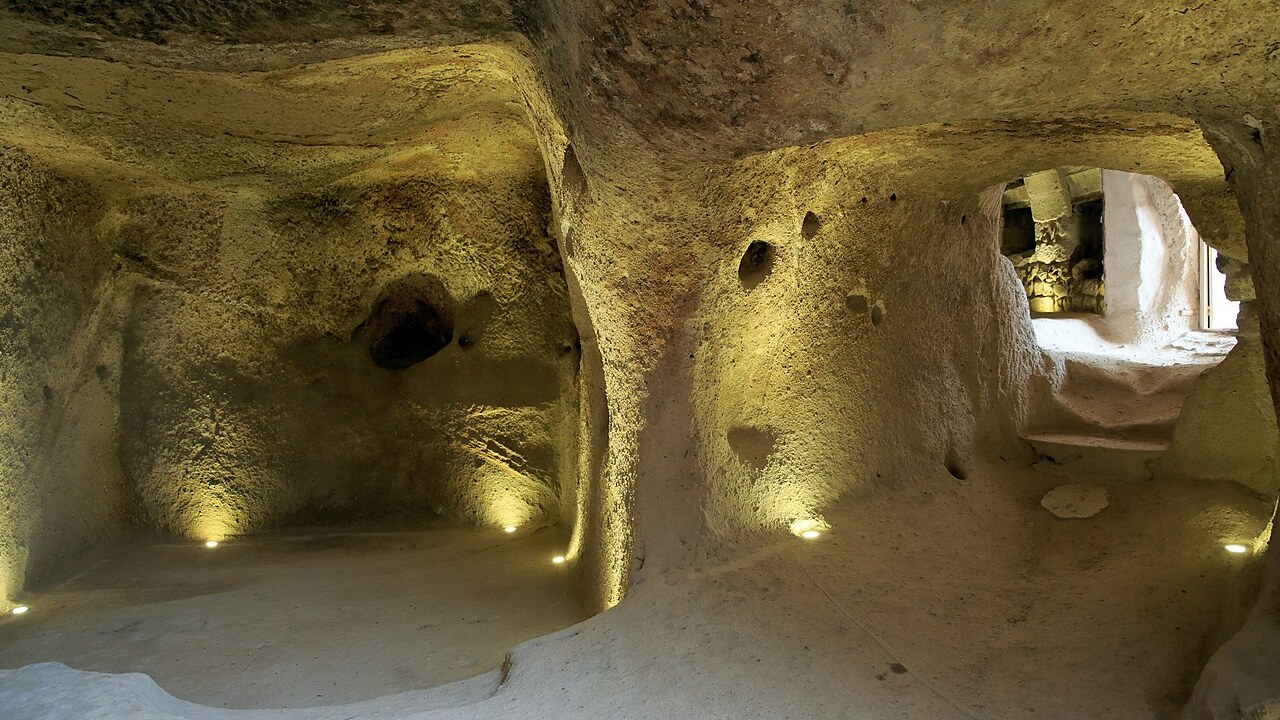
| Underground / Cave City | Narrow tunnels, low ceilings | Moderate (Claustrophobia risk) | Ventilation shafts, sliding stones | Derinkuyu, Kaymaklı, Özkonak |
For travelers with strollers or elderly family members, we recommend choosing sites with flatter layouts like Ephesus or Perge. For those seeking adventure and hiking, the mountain peaks of Termessos offer an unforgettable experience.
A 5-Step Protocol for a Safe and Conscious Visit
To ensure you respect the heritage and stay safe while exploring open-air sites, please follow these five essential rules:
- Choose Orthopedic, Non-Slip Footwear: Ancient marble surfaces are incredibly slippery due to centuries of wear; always wear trekking shoes or sports shoes with good grip.
- Respect Excavation Safety Zones: Never approach active excavation pits, deep cisterns, or restoration scaffolding.
- The "No Touch" Principle: Do not climb on walls, reliefs, or columns, and never sit on sarcophagi for photos.
- Zero Removal Policy: Even the smallest piece of pottery or mosaic is a protected cultural artifact. Removing any object from the site is a serious criminal offense.
- Hydration and Sun Safety: Use sunscreen and hats throughout your visit, and drink water regularly in small sips.
By following these rules, you help ensure that these treasures are preserved for future generations.
Understanding the Law: Protection of Cultural Property
All ancient cities and archaeological sites within Turkey are protected under Law No. 2863 on the Protection of Cultural and Natural Property. Under this law, removing or transporting stones, coins, ceramics, or statue fragments from registered sites is a criminal offense punishable by heavy prison sentences.
Sites are monitored 24/7 by gendarmerie teams, site guards, and high-resolution security cameras. It is a legal requirement for visitors to stay behind barriers and avoid touching mosaics or frescoes. This strict protection ensures that these priceless treasures remain part of the world's shared cultural heritage.
The Acoustic Magic of Ancient Theaters
Ancient Roman and Greek theaters are marvels of mathematical and acoustic engineering. The arrangement of the seating (the cavea) is designed to carry even the faintest sound from the stage to the very last row.
Guides often demonstrate this by standing in the center of the orchestra; even the sound of a small coin dropping can be heard clearly by spectators high up in the stands. Experiencing this acoustic phenomenon firsthand adds a magical layer to your visit. When climbing the theater steps, please be careful of steep, handrail-free stone edges and ensure children do not run along the aisles.
Turkey's Most Grand Ancient Cities and Excavation Routes
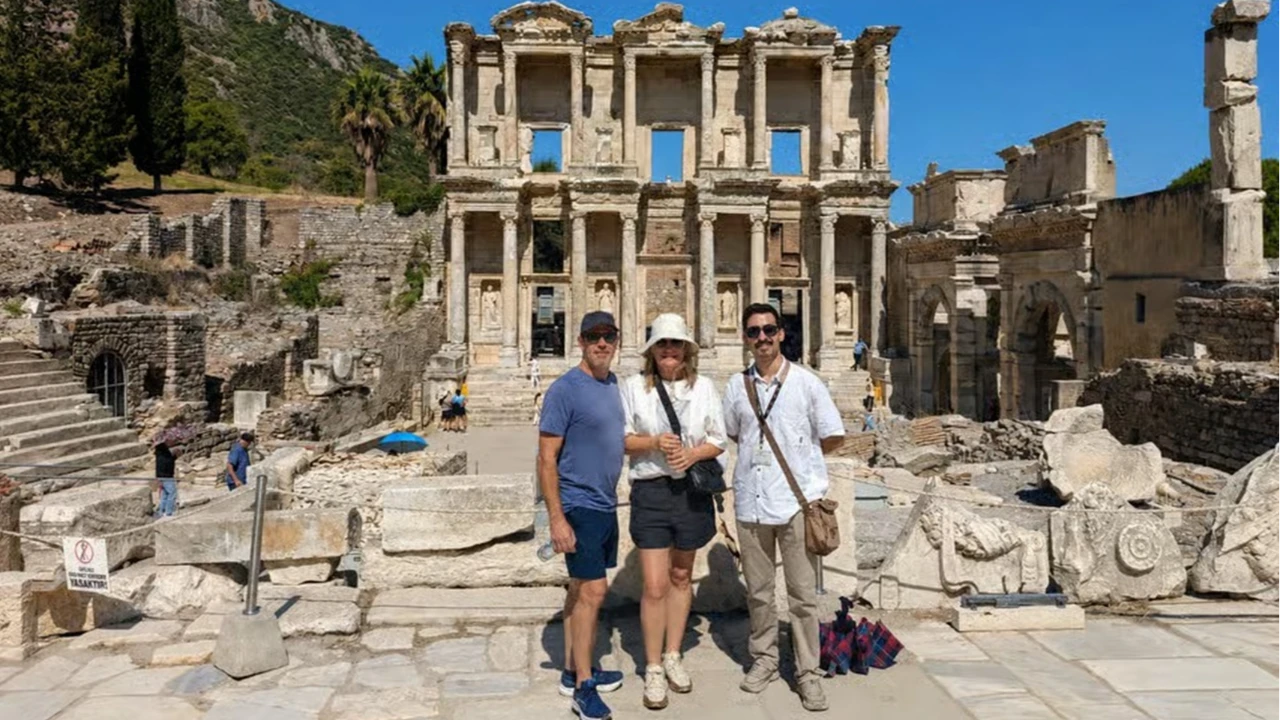
Anatolia hosts some of the most iconic open-air centers in archaeological history. The ancient city of Ephesus in Selçuk, İzmir, continues to enchant millions of visitors annually with the Celsus Library and the Curetes Way.
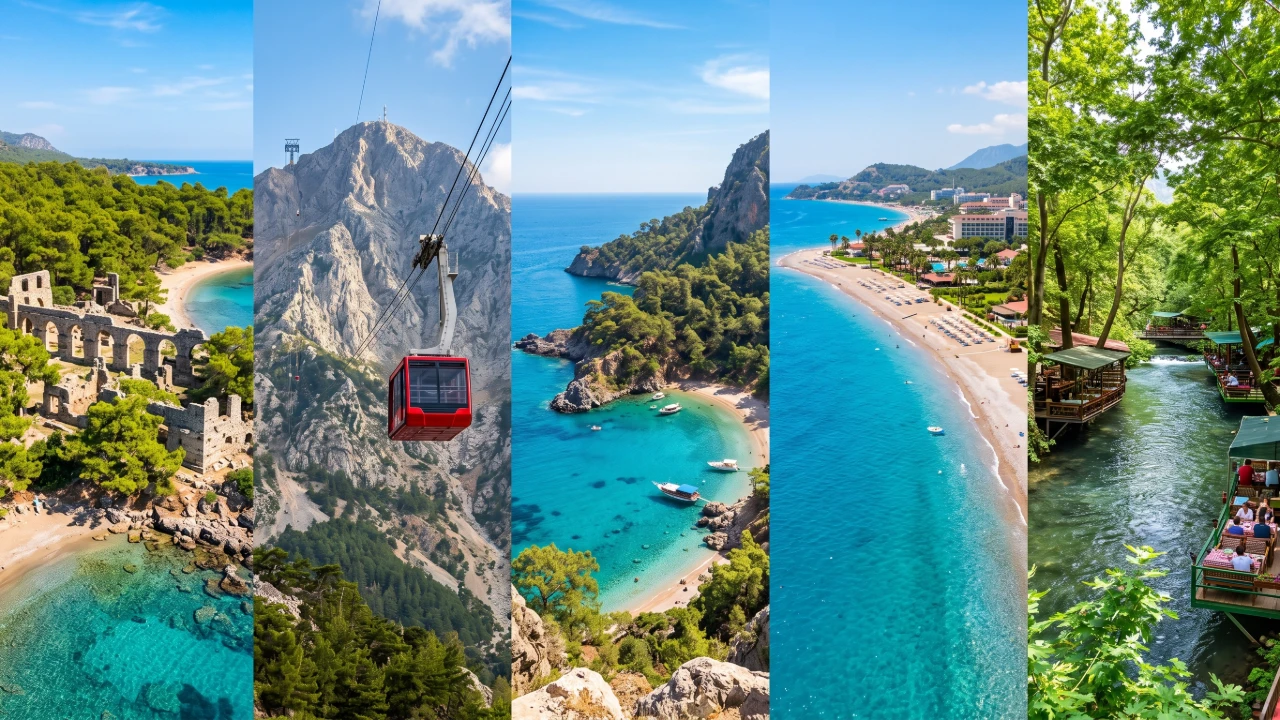
In Denizli, the ancient city of Hierapolis offers a visual feast where the ancient theater meets the white travertines and the Cleopatra thermal pool. In Antalya, Phaselis blends history with the sea through its three natural harbors nestled among pine trees, while Perge impresses with its monumental colonnaded streets.
The Temple of Apollo in Didim, Aydın, showcases the sheer power of ancient oracles with its massive columns. Every city tells its own unique story of civilization.
Excavations and Restoration Processes
During the summer months, many sites host active archaeological excavations led by Turkish and international universities. The process of anastylosis, using cranes to carefully raise fallen columns back to their original positions, is a feat of meticulous engineering.
Guides often provide updates on the latest finds in active sectors. Witnessing a new mosaic or statue emerge from the earth is a thrilling experience that connects you directly to the process of discovery. Respecting the safety tape around restoration areas supports the vital work of archaeologists.
Photography Tips: Capturing the Golden Hour
To capture the grandeur of these ruins, lighting is everything. Harsh midday sun can wash out the textures of stone carvings and create flat, uninspiring photos.
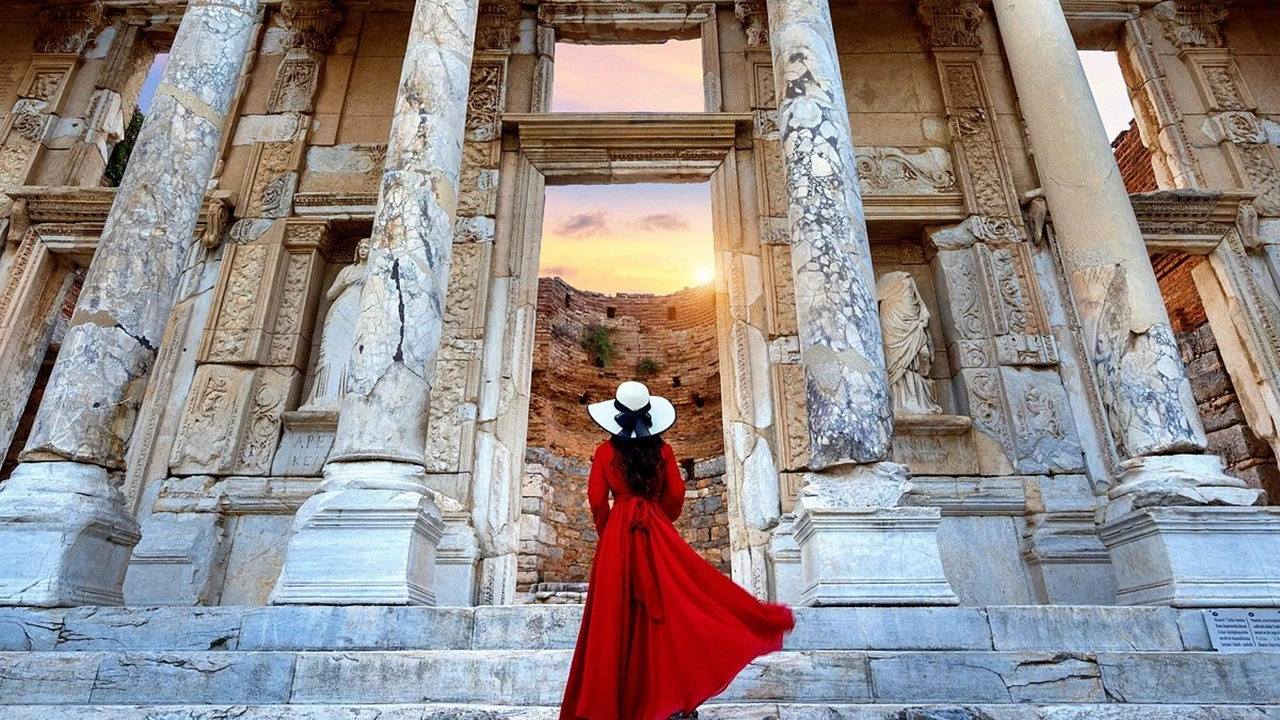
The most breathtaking moments for photography are during the "golden hours", early morning and late afternoon, when the sun is low on the horizon. The long shadows and warm, golden tones on the marble columns add incredible depth to your shots. Using a wide-angle lens can help capture the scale of the columns reaching toward the sky, and including a human silhouette can help convey the massive proportions of these ancient monuments.
Packing List: What to Bring to an Ancient City
To make your time at archaeological sites as comfortable as possible, we recommend packing the following:
- Grip-Sole Sports Shoes: Essential for preventing slips on worn marble and providing support on uneven terrain.
- Wide-Brimmed Hat and Sunglasses: Vital for protection against the sun in open, unshaded areas.
- Museum Pass or Digital Ticket: For quick, hassle-free entry through the turnstiles.
- Water Bottle or Thermos: At least 1.5 liters of cool water to prevent dehydration.
- Sunscreen and Wet Wipes: High-SPF sunscreen to prevent burns and wipes to clean up after dusty walks.
Avoid high heels or flip-flops, as they pose a significant tripping risk on historic surfaces. An ergonomic backpack will also help prevent shoulder fatigue during long walks.
Frequently Asked Questions 5
Is the Museum Pass valid for ancient city tours?
The Museum Pass is valid for archaeological sites managed by the Ministry of Culture and Tourism; international visitors typically use the Museum Pass Turkey or individual e-tickets.
Is a professional licensed guide required for ancient city tours?
For organized group tours, having a TUREB-licensed professional guide is a legal requirement; they are essential for understanding the historical context of the structures.
What should I wear when visiting ancient cities?
We recommend wearing non-slip, sturdy walking shoes, a hat, and light, breathable cotton clothing to navigate uneven and rocky terrain comfortably.
Can I touch the columns or enter excavation areas?
No. Due to heritage protection laws, it is strictly prohibited to cross barriers, touch columns or frescoes, or remove any artifacts from the site.
Where are the most famous ancient cities in Turkey?
Some of the most magnificent sites include Ephesus (İzmir), Hierapolis (Denizli), Phaselis and Perge (Antalya), Didim (Aydın), and Knidos (Muğla).