
For those of us who live and breathe this city, the real question isn't "what to see", the list of sights in Istanbul is practically infinite. The real secret to a successful trip lies in the strategy: which side of the city to base yourself on, which season to visit, how many days to allocate, and what theme to prioritize.
Three days spent in the Historic Peninsula offer a completely different experience than three days spent along the Bosphorus. That is why this isn't just another "top things to do" list; it is a decision-making framework built on local expertise. The following guides are designed to help you choose your base based on your traveler profile, the season, and your timeframe.
Local Quick-Take: Your choice of accommodation should match your primary goal. For world-class museums, stick to Sultanahmet and Sirkeci. For a vibrant cafe culture and arts scene, Galata is your best bet. For iconic Bosphorus views, look toward Beşiktaş. Generally, 4-5 days are required to get a proper feel for the city.
Quick Facts
| Topic | Local's Short Answer |
|---|---|
| Location | Northwest Turkey, spanning both sides of the Bosphorus Strait |
| The Heart of the City | Historic Peninsula: Hagia Sophia, Blue Mosque, Topkapi Palace Museum, Basilica Cistern |
| Best Seasons | Spring and Summer for exploring; Winter for indoor culture and museums |
| Duration | Three days are usually enough to cover the city center and main highlights |
| First-Timers | Stay around Sultanahmet; it's the most practical base for walking tours |
| Return Visitors | Explore the Asian side, Balat, the Princes' Islands, and Bosphorus shores |
| Green Escapes | Emirgân Grove, Gülhane Park, Yıldız Park, Belgrad Forest |
| Critical Planning Tip | Dolmabahçe Palace is closed on Mondays; ticket office open 09:00 to 17:00 |
| Decision Logic | Your choice of "side" (European vs. Asian) dictates your time and theme |
This summary covers the essential decisions a first-time visitor needs to make within their first 30 minutes of planning. For those looking to compare current itineraries, you can start with our Istanbul Tours page.
Finding Your Fit: Profile & Season Matching
A local will rarely tell you "Istanbul is for everyone" without a caveat. Because the city is so vast, pairing the wrong profile with the wrong neighborhood means spending half your vacation in traffic. The table below matches traveler types with the ideal season and area.
| Profile | Ideal Season | Local's Recommended Focus | Best Area to Spend Time |
|---|---|---|---|
| Families | Spring & Early Autumn | Low-stress, walkable itineraries | Sultanahmet area, Miniatürk, Gülhane Park |
| Couples | April, May, September | Scenic views and evening strolls | Galata Tower area, Bosphorus coast, Üsküdar & Maiden's Tower |
| Budget Travelers | Winter & Early Spring | Free walking tours and open-air markets | Grand Bazaar, Spice Bazaar, Eminönü, Balat |
| Nature & Adventure | May to September | Forests, coastlines, and island hops | Belgrad Forest, Princes' Islands, Yoros Castle |
| History Buffs | November to March | Museum-heavy, indoor-focused plans | Topkapi Palace Museum, Museum of Turkish and Islamic Arts, Dolmabahçe Palace |
| Friend Groups | Summer & September | Nightlife and flexible schedules | Beyoğlu, Karaköy, Kadıköy |
| Return Visitors | Any Season | Off-the-beaten-path routes | Fener, Balat, Golden Horn, Asian Side |
| Business + Leisure | Any Season | High-impact half-day itineraries | Either the Historic Peninsula or the Bosphorus line |
The logic here is simple: if half your day is spent in transit, your itinerary is flawed. We recommend "geographic clustering." If you are planning a culture-heavy day, our cultural programs already group these stops within walking distance to save you time.
When to Visit: A Month-by-Month Local Guide
While Istanbul is a year-round destination, spring and summer are the gold standards for sightseeing. However, winter isn't "lost time", it simply shifts the focus indoors.
| Month | Local's Take | Recommended Focus |
|---|---|---|
| January | Deep winter; focus on indoor museums and bazaars | Topkapi Palace Museum, Museum of Turkish and Islamic Arts, Grand Bazaar |
| February | Short days; indoor activities are key | Basilica Cistern, Spice Bazaar, Miniatürk |
| March | Nature awakens; outdoor walking becomes viable again | Gülhane Park, Sultanahmet walking tours |
| April | Tulip season; the window to spring opens wide | Emirgân Grove, Bosphorus coastal walks |
| May | Peak spring; long days and perfect weather | Princes' Islands, Bosphorus line, Yıldız Park |
| June | Summer begins; time for sea-based activities | Princes' Islands, Belgrad Forest, Bosphorus shores |
| July | Midday heat; plan for early mornings and late evenings | Morning: Historic Peninsula; Evening: Bosphorus |
| August | Peak summer; focus on coastlines and open air | Princes' Islands, northern bays, evening cruises |
| September | The last month for "summer-style" itineraries | Bosphorus, Asian side, Balat |
| October | Autumn colors hit the groves and parks | Emirgân Grove, Yıldız Park, Pierre Loti |
| November | Can be rainy; requires a flexible "indoor/outdoor" plan | Museums, bazaars, Beyoğlu |
| December | Winter rhythm; move the program indoors | Dolmabahçe Palace, archaeology museums, Turkish baths |
A pro tip on scheduling: some landmarks have specific closing days. Dolmabahçe Palace is closed on Mondays (tickets 09:00–17:00). Avoiding a Monday visit to the palace can save you an entire half-day of frustration on a short trip.
Where to Stay: Choosing Your Side and Neighborhood
In Istanbul, where you sleep is as important as what you see. The wrong neighborhood can cost you two hours of your day in traffic.
| Area | Character | Best For... | Nearby Highlights |
|---|---|---|---|
| Sultanahmet & Historic Peninsula | Dense, walkable, tourist-centric | First-timers, short stays | Hagia Sophia, Blue Mosque, Topkapi Palace Museum, Basilica Cistern, Grand Bazaar |
| Eminönü & Golden Horn | Bustling markets and ferry ports | Foodies and shoppers | Spice Bazaar, Galata Bridge area |
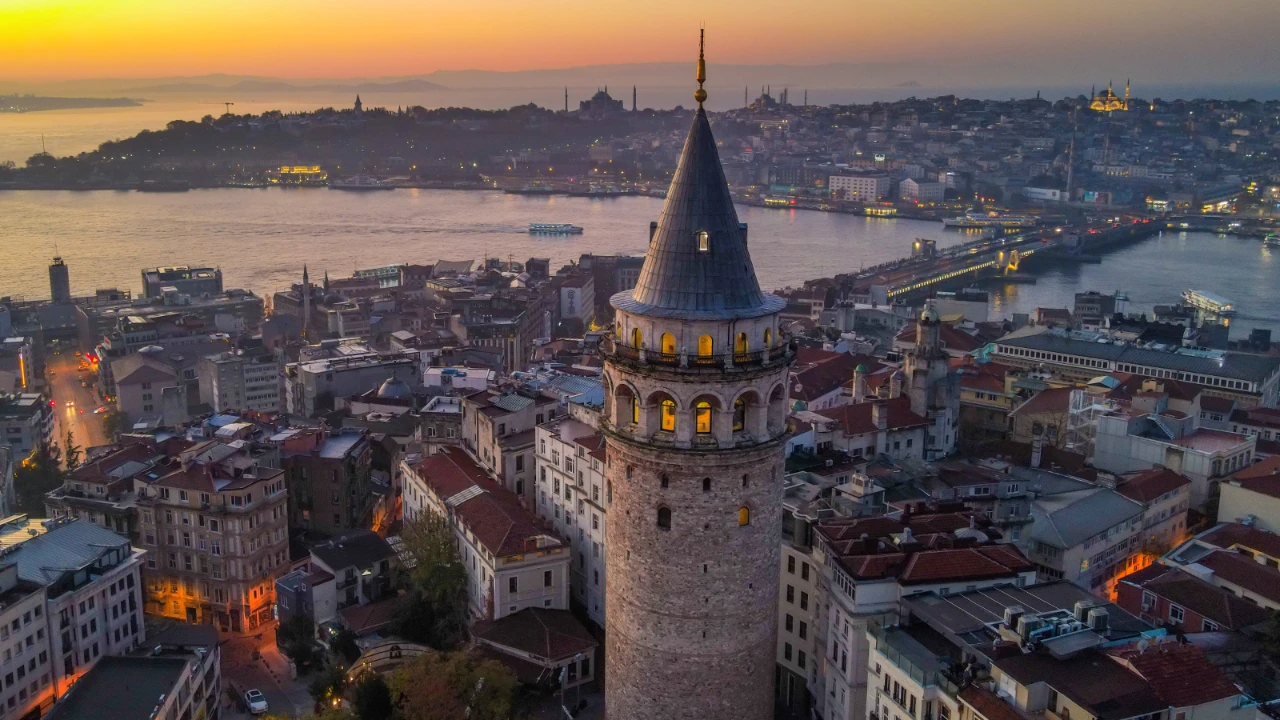
| Karaköy, Galata, Beyoğlu | Trendy cafes and nightlife | Couples, friend groups | Galata Tower, Istiklal Avenue, Taksim Square |
| Beşiktaş & Bosphorus Line | Palaces, parks, and waterfront | Luxury and view seekers | Dolmabahçe Palace, Emirgân Grove, Yıldız Park |
| Kadıköy & Üsküdar | The authentic, daily life of the Asian side | Slow-paced vibes, return visitors | Maiden's Tower views, Bağdat Avenue |
| Fener, Balat, Eyüp | Colorful streets, layered architecture | Photographers, slow travelers | Balat streets, Pierre Loti |
| Princes' Islands | Car-free, tranquil, salty air | Summer visitors, day-trippers | Heybeliada, island coastal paths |
| Northern Outskirts & Sarıyer | Forests and fishing villages | Nature lovers | Belgrad Forest, Yoros Castle area |
European Side vs. Asian Side
The local answer depends on your duration. For 2-3 day trips, the main landmarks are concentrated on the European side. Staying here is a massive time-saver. Even if you spend your third day on the Asian side, keeping your hotel on the European side is usually more efficient.
Devoting a full day to the Asian side is ideal for trips longer than four days. The Üsküdar waterfront with views of the Maiden's Tower and the eclectic streets of Kadıköy offer a unique rhythm. For those who love long walks and high-end shopping, Bağdat Avenue is a must.
The Advantage of Staying in Sultanahmet
Sultanahmet Square is where the city's layers are most compressed. In one spot, you have Roman hippodrome walls, a Byzantine Obelisk, the Serpent Column from Delphi, and the Ottoman-era German Fountain. This density makes the area a powerful "base camp" for those with limited time, preventing your day from evaporating in traffic.
Staying in Balat and Fener
Balat is a historic enclave where Armenian, Jewish, Greek, and Turkish communities lived side-by-side for centuries. Thanks to recent restorations, its colorful streets are now open to visitors. It is a fantastic alternative for those who want to be near the center but prefer to escape the heavy tourist crowds.
Local-Recommended Themes
Instead of following a checklist, try organizing your trip by theme. Four different themes equal four different versions of Istanbul.
Culture and History
This is the city's defining characteristic. Key stops include the Blue Mosque, Galata Tower, Topkapi Palace, Süleymaniye Mosque, Dolmabahçe Palace, Hagia Sophia, and Hagia Irene. The Basilica Cistern and the Museum of Turkish and Islamic Arts are also within the same walking cluster.
For a deep dive into the museums of the Historic Peninsula, check our Historic Peninsula and Museums Guide. Local tip: always double-check closing days, especially Dolmabahçe Palace on Mondays.
Nature and Greenery
Many tourists overlook Istanbul's green side. The city's best parks include Gülhane Park, Emirgân Grove, Yıldız Park, and Belgrad Forest. April is the peak for this theme; during the tulip festival, Emirgân Grove becomes the city's most vibrant green space. The forests of Sarıyer are where locals head for weekend picnics and hiking.
The Sea and the Bosphorus
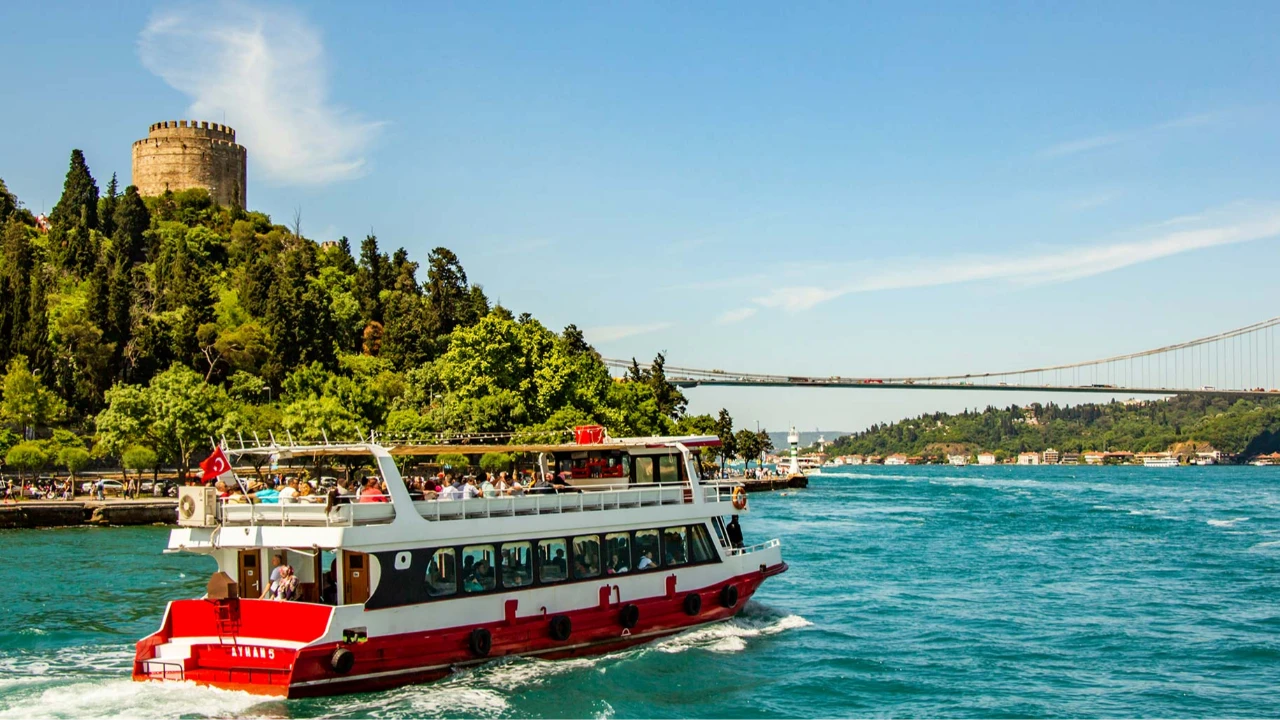
The Bosphorus is the city's main artery, splitting it into two distinct personalities. In summer, the Princes' Islands offer a refreshing escape, with Heybeliada and Büyükada providing a serene, car-free atmosphere. For a complete coastal experience, Yoros Castle at the northern tip of the Bosphorus is the perfect finale.
Gastronomy
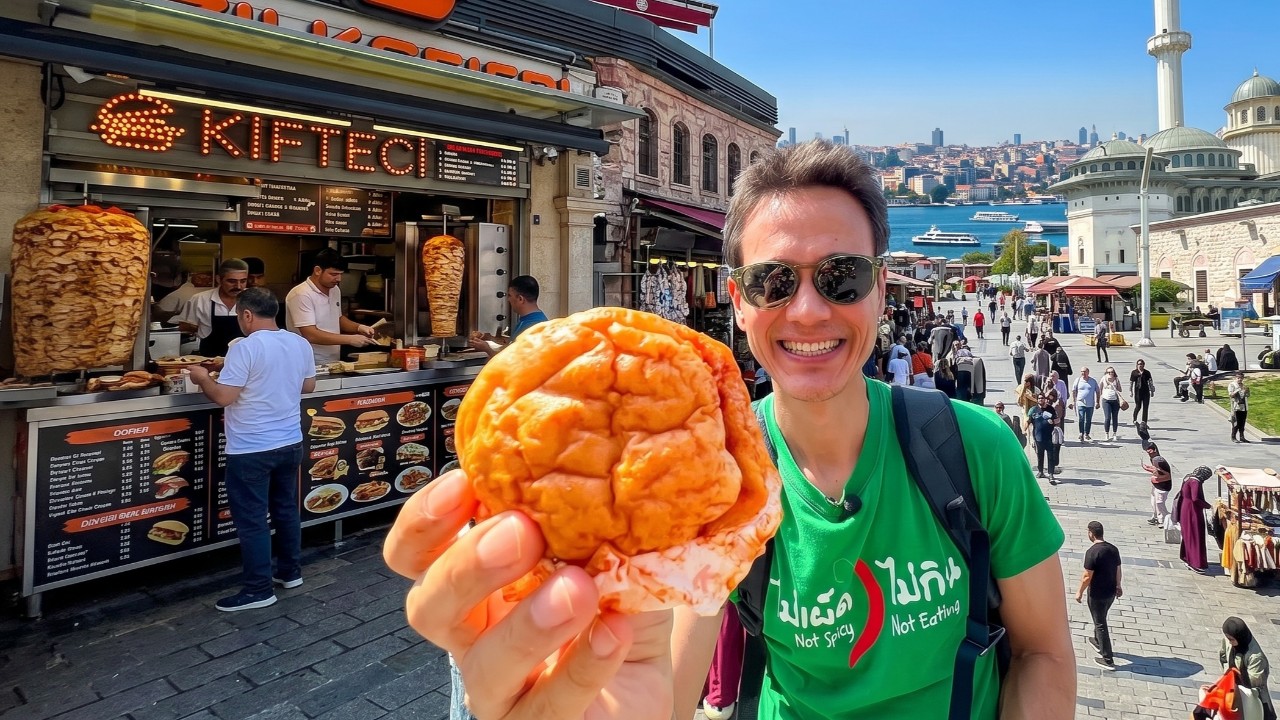
A local's food guide isn't about fancy restaurants; it's about daily habits. Fish-bread sandwiches on the Eminönü waterfront, coffee breaks in the alleys of Karaköy, the aromatic rows of the Spice Bazaar, and dinner by the Galata Bridge form the backbone of this experience. For a full culinary exploration, visit our Istanbul Cuisine Guide.
If you're looking to explore the city after dark, our Nightlife and Entertainment Guide covers the best neighborhoods for evening fun.






Logistics: Getting There and Getting Around
Istanbul is located at the northwest tip of Turkey, spanning two continents. Getting to the city is easy; the challenge is not losing your time once you arrive. Here is the local's step-by-step guide:
- Choose your airport. There are two: Istanbul Airport (IST) on the European side and Sabiha Gökçen (SAW) on the Asian side.
- Match your airport to your hotel. If staying on the European side, IST is closer. For the Asian side, SAW will save you travel time.
- Prioritize public transport. Rail systems and airport shuttles are far more predictable than taxis or private cars during rush hour.
- Get an Istanbulkart immediately. This is the city's universal payment card for all public transport. It eliminates the need to buy individual tickets.
- Cluster your routes geographically. Plan your morning in the Historic Peninsula and your afternoon on the Bosphorus to minimize crossing the city.
- Use ferries to cross continents. The ferry is not just the fastest way to cross the Bosphorus, it's the most scenic.
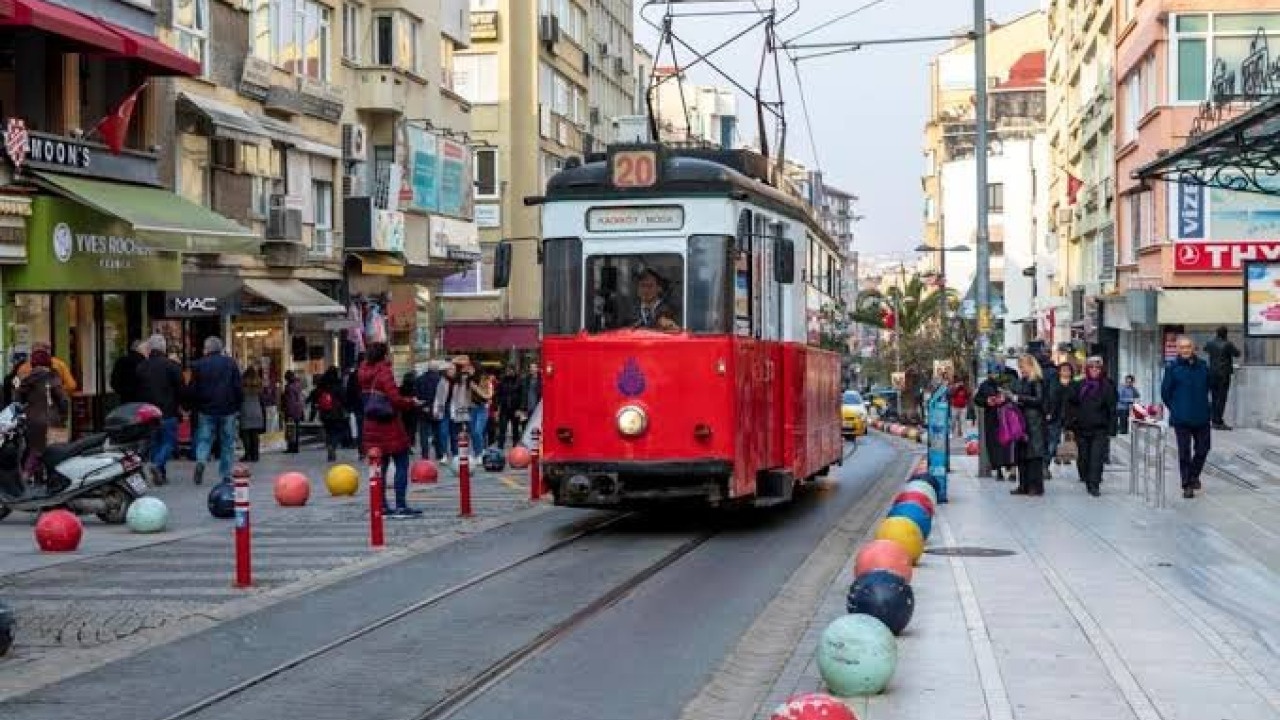
A few practical local rules of thumb: - Landmarks in the Historic Peninsula are walkable; cars often slow you down here. - The tram line is the lifeline connecting Sultanahmet to Karaköy. - Avoid crossing the bridges during morning and evening rush hours. - The area around Galata Tower is hilly; wear comfortable shoes and pace yourself. - Island trips depend on ferry schedules; always note your return time in advance.
The golden rule: In Istanbul, you don't plan for distance; you plan for time.
How Many Days Should You Stay?
This is the most critical decision of your trip. Three days are generally sufficient for the city center and highlights, but you'll need more if you want to explore the outskirts.
| Duration | Scope of Visit | Local's Warning |
|---|---|---|
| 1 Day | One core area, preferably the Historic Peninsula | Limit yourself to one side of the city; choose depth over speed |
| 2 Days | Historic Peninsula plus the Bosphorus or Beyoğlu | Dedicate the second day to palaces and the waterfront |
| 3 Days | The full city center | Use the third day for the Asian side or modern Istanbul |
| 5 Days | Center plus Balat, Golden Horn, and the Islands | Leave one day completely free; let the city slow you down |
| 7 Days | Center, both sides, and one excursion outside the city | A day trip on the final day provides a perfect balance |
For a high-intensity one-day itinerary, locals start with the Maiden's Tower view in Üsküdar, take a ferry across, and then explore Sultanahmet, the Grand Bazaar, and Galata.
For detailed day-trip itineraries, see our Istanbul Day Trip Routes page.
Beyond the Center: Day Trips and Outskirts
While Istanbul borders Tekirdağ to the west and Kocaeli to the east, "leaving the city" often means exploring the diverse landscapes within the provincial borders.
- The Islands: The Princes' Islands are the fastest way to disconnect from the urban chaos. A top priority for summer.
- Northern Forests: Belgrad Forest and the Sarıyer woodlands are the local go-to for hiking and picnics.
- Black Sea Coast: The northern border reaches the Black Sea; coastal villages are great escapes in summer.
- Ağva: Located on the eastern edge of the Asian side, this riverside area is a favorite for quick getaways.
- Northern Bosphorus: Yoros Castle is the natural land-based conclusion to any Bosphorus route.
- Eyüp & Pierre Loti: For a stunning view of the Golden Horn without leaving the city, this is a short and sweet trip.
Most of these excursions take between half a day and a full day. For trips longer than a week, a full day outside the center is recommended; for shorter trips, staying within the city limits is more efficient.

Frequently Asked Questions 5
Where is the best area to stay for first-time visitors in Istanbul?
For those visiting for the first time, the Historic Peninsula and the Beyoğlu area are the most practical. Sultanahmet and Sirkeci are within walking distance of major landmarks like Hagia Sophia, Topkapi Palace, and the Grand Bazaar. Meanwhile, Karaköy and Galata offer excellent tram and ferry connections to the rest of the city.
For a tour of the Historic Peninsula, should I choose Sultanahmet or Sirkeci?
Both offer great proximity to historical sites. Sultanahmet is directly adjacent to the museums and square monuments and tends to be quieter in the evenings. Sirkeci is a transport hub where the Marmaray and tram lines intersect, making it superior for those relying heavily on public transit.
Does it make sense to stay on the Asian side of Istanbul?
For short, classic cultural tours, most highlights are on the European side, so staying across the water can lead to wasted travel time. However, if your trip exceeds four days, the Kadıköy and Moda neighborhoods offer a wonderful base with a vibrant cafe culture. Üsküdar is another great alternative for its calm atmosphere and proximity to ferry piers.
Which neighborhoods are best for Bosphorus views and luxury accommodation?
Guests seeking prestigious stays along the waterfront should look at Beşiktaş, Ortaköy, and Kuruçeşme. This stretch features historic palace hotels and luxury boutiques with stunning panoramic views, surrounded by gourmet restaurants and modern art galleries.
How many days are needed to explore the highlights of Istanbul?
To see the city's main icons at a basic level, you should allocate at least three full days. The first two days are typically dedicated to the museums of the Historic Peninsula, Galata Tower, and a walk down Istiklal Avenue. The third day provides a balanced window for a Bosphorus cruise and exploring the streets of Kadıköy.