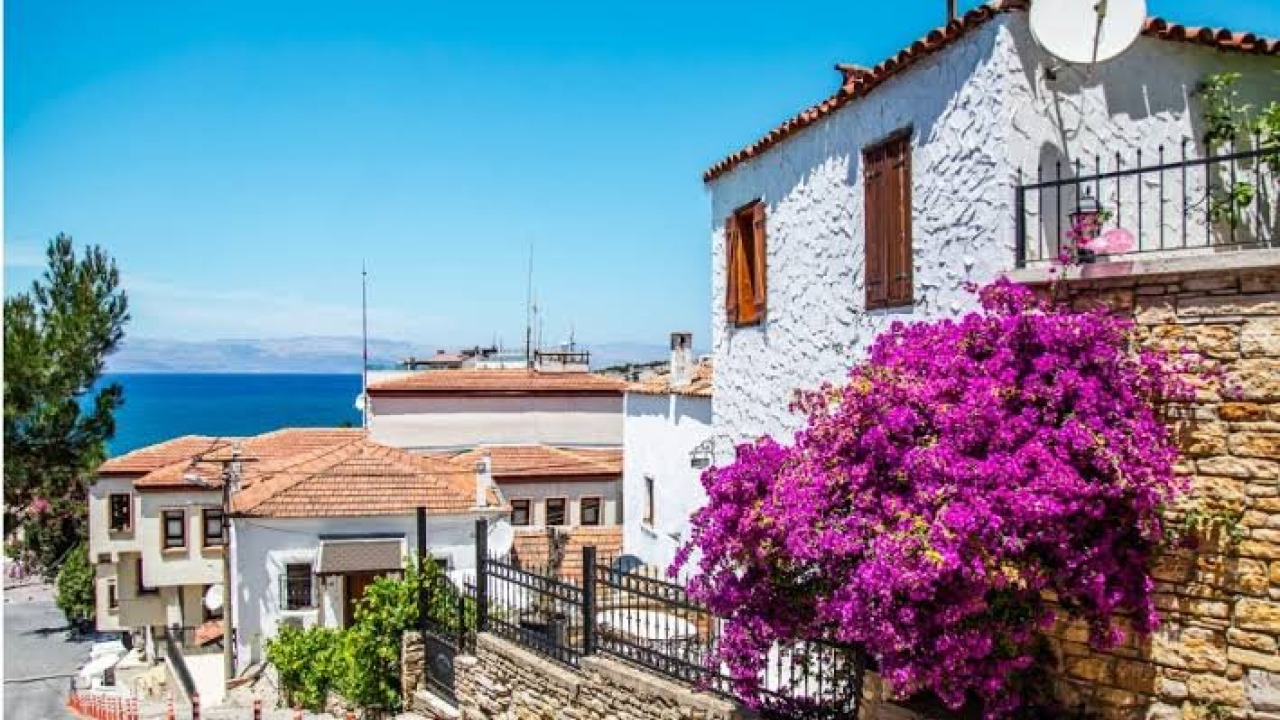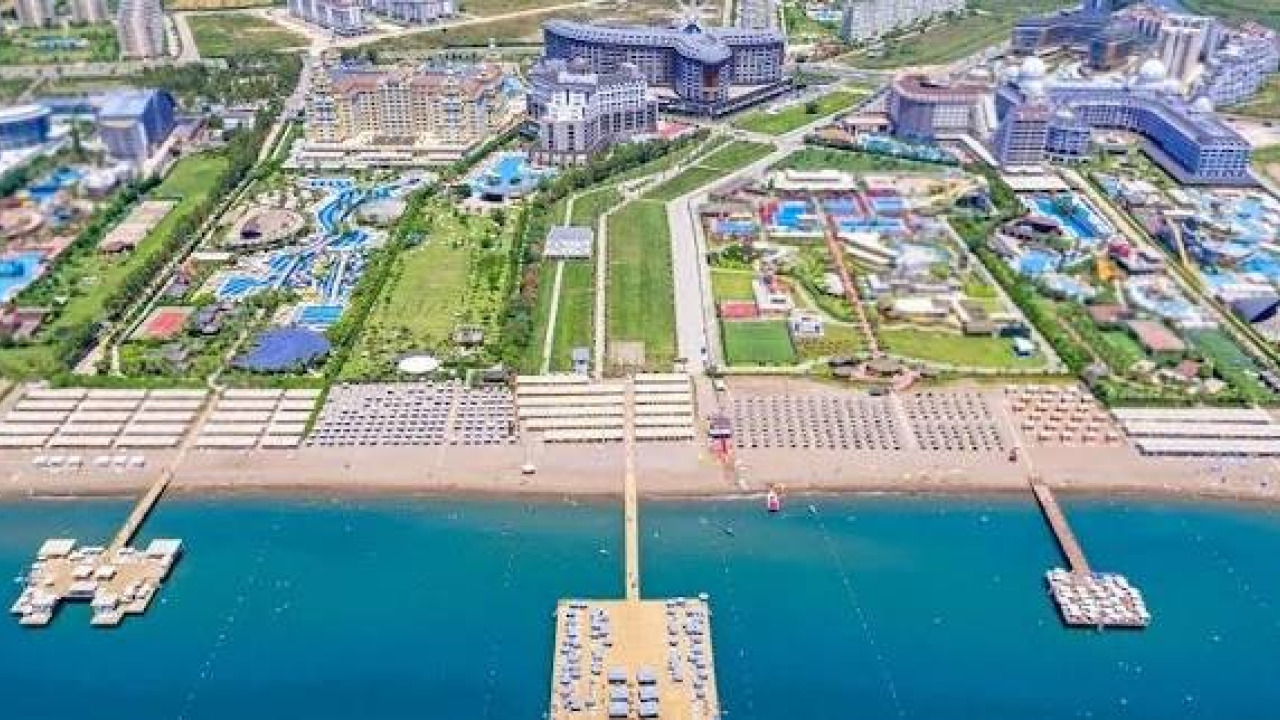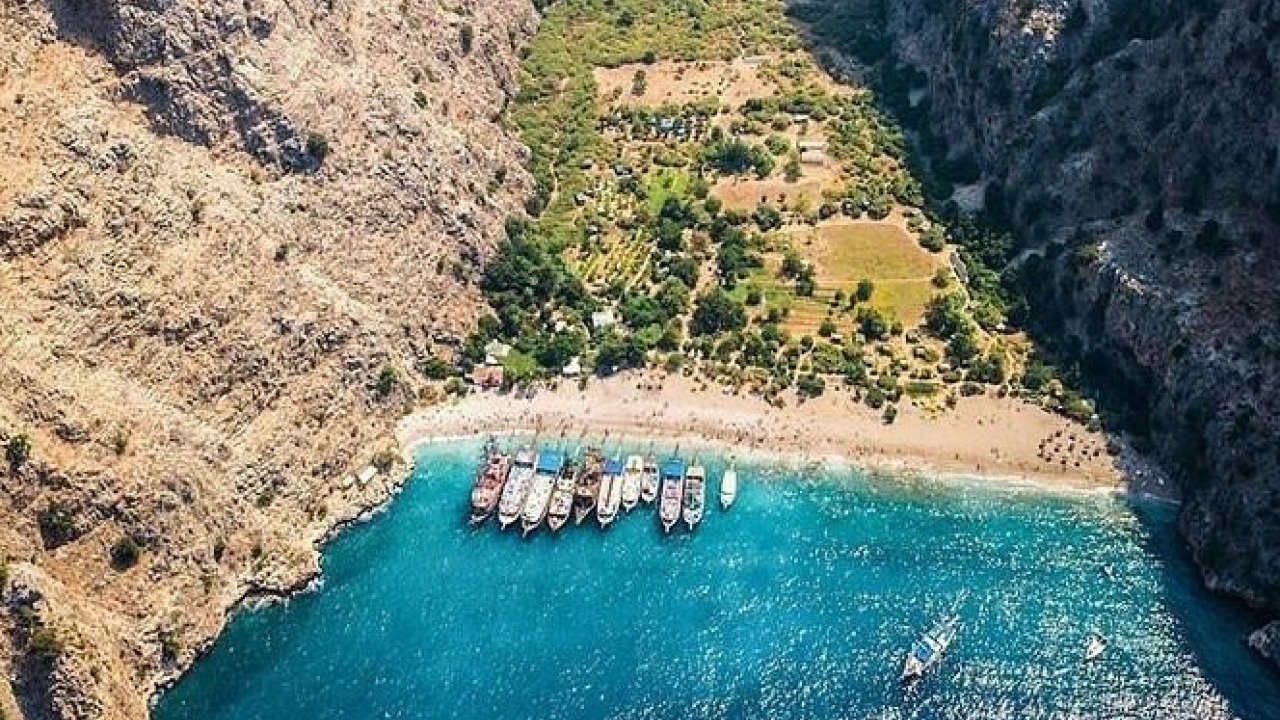

Most first-time visitors to Muğla start with the wrong question: "What are the best places to see in Muğla?" Those who truly know the region approach it differently. You see, Muğla isn't just a city, it's an umbrella term for seven or eight distinct coastal and inland regions, each with its own soul. While the central district of Menteşe sits 655 meters above sea level amidst mountains and forests, the Bodrum peninsula, the lagoons of Fethiye, the rugged shores of Datça, and the serene Köyceğiz lake basin offer entirely different vacation vibes.
This guide isn't just a list of tours; it's designed to help you discover which region fits your personality, which month aligns with your plans, and how many days you actually need. From a local's perspective, choosing the right region is far more important than the sightseeing list itself. For those looking for a seamless, professionally organized experience, Muğla turları provide a secure and well-planned starting point.
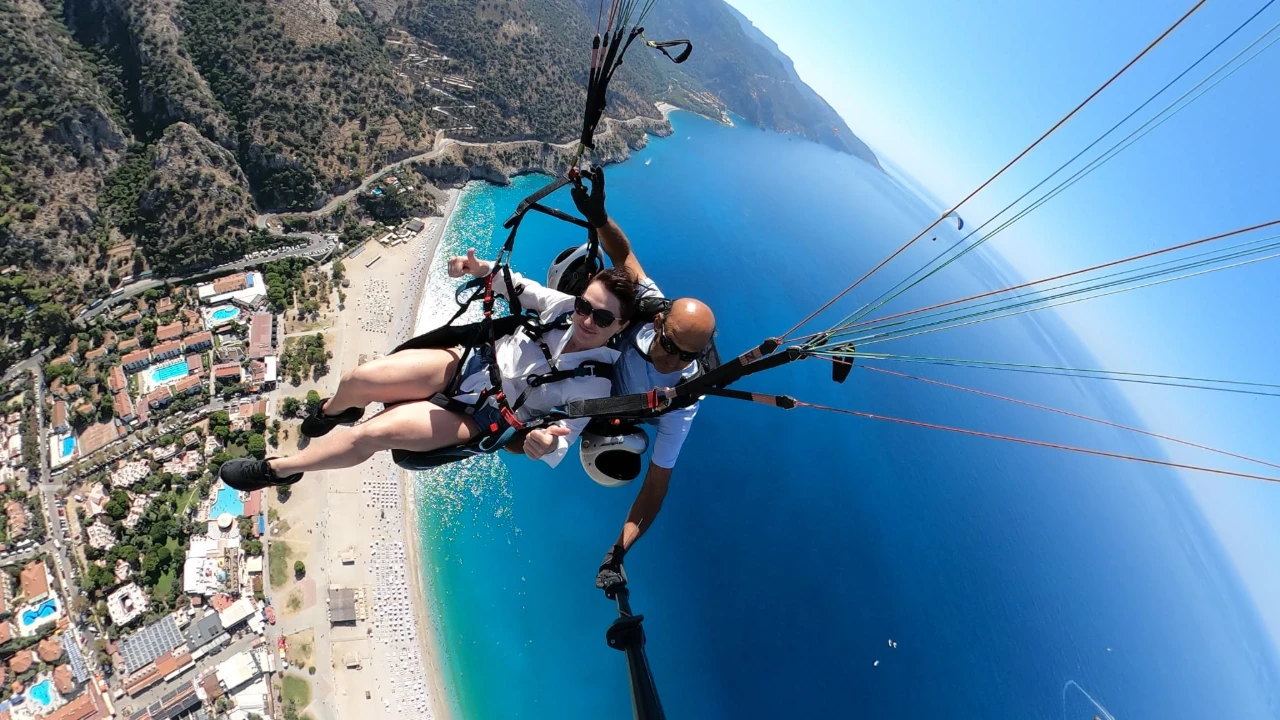
Local's Quick Tip: Distances in Muğla are deceptive. Rather than trying to hit every district in one trip, focus on one specific area. Choose Marmaris for boat trips, Fethiye for paragliding, and Bodrum for world-class nightlife.
Quick Facts
| Category | Details |
|---|---|
| Province | Muğla, Turkey |
| Number of Districts | 13 |
| Central District | Menteşe |
| Central Altitude | 655 meters |
| Menteşe Area | 1,652 km² |
| Menteşe Coastline | 17.09 km |
| International Airports | Milas-Bodrum and Dalaman |
| Peak Dry Season | Late June to mid-September |
| Rainiest Months | December and January |
| Recommended Duration | 3-4 days per region; 6-7 days for two regions |
| Planning Priority | Region $\rightarrow$ Date $\rightarrow$ Itinerary |
Which Part of Muğla is Right for You?
The confusing part about Muğla is that it houses completely different types of holidays within the same provincial border. While coastal towns swell with crowds in the summer, the central district of Menteşe remains cool, forested, and quiet. Therefore, the answer to "when to visit Muğla" depends entirely on where you are heading.
Matching Your Profile to the Season
The following table matches visitor profiles with climate data and regional characteristics. The "Local Insight" column helps you interpret temperature and rainfall trends alongside the region's vibe.
| Profile | Best Time to Visit | Recommended Area | Local Insight |
|---|---|---|---|
| Families with Young Children | Early June & September | Sheltered bays, shallow sandy beaches | The scorching heat of July and August can be grueling for kids; September offers warm seas and thinner crowds |
| Couples & Peace Seekers | May to October | Peninsula coasts, lake and river mouths | May sees rainfall drop to an average of 4.2 days; the weather warms up before the peak season rush |
| Budget Travelers | April-May, October-November | Menteşe center (base), day trips to the coast | Staying in the center and taking day trips to the coast is a practical way to save |
| Nature & Adventure | March-May, October | Canyons, waterfalls, lake basins | Water levels in canyons and waterfalls are most impressive during the spring |
| Culture & History Buffs | March-April, October-November | Ancient city circuits and historic centers | Ancient ruins offer little shade; mid-season is far more comfortable than 33°C July afternoons |
| Beach & Bay Lovers | June to September | Coastlines and secluded bays | Rainfall is minimal (under 2 days per month) during this window |
| Winter Escapees | December to February | Central Muğla, thermal springs, inland forests | Winter is perfect for exploring cultural heritage and natural beauty without the crowds |
Why You Should Choose Your Region First
In Muğla, road distances may look short on a map, but the terrain is winding and steep. Planning a trip "by province" and moving to a different region every day means spending a huge chunk of your vacation in the car. The local approach is simple: pick one "base camp," explore its surroundings via day trips, and only add a second region if you have ample time.
When to Go: Month-by-Month Breakdown
The values below are based on long-term monthly norms from the Muğla central weather station. Since the center is at 655m altitude, coastal towns are generally milder. Consider these figures the "baseline" for the coast.
| Month | Avg High (°C) | Rainy Days | Local Recommendation |
|---|---|---|---|
| January | 15.5 | 12.9 | Winter retreats and thermal spas; skip the beach |
| February | 16.1 | 9.1 | Quiet city walks and forest hiking in the interior |
| March | 18.5 | 7.8 | Prime time for ancient cities and canyon trekking |
| April | 21.6 | 6.6 | Balanced for nature and culture; still too early for swimming |
| May | 25.7 | 4.2 | Season kickoff on the coast; crowds are still low |
| June | 30.2 | 1.7 | The first great month for beach holidays; ideal for families in early June |
| July | 33.2 | 0.4 | Beach-focused plans; schedule sightseeing for early morning or late evening |
| August | 32.9 | 0.2 | The driest period; focus on boat trips and secluded bays |
| September | 30.3 | 1.5 | The sea retains summer heat, but the peak crowds have vanished |
| October | 26.1 | 4.9 | Swimming is great in the first half; the second half is perfect for touring |
| November | 21.5 | 7.6 | Gastronomy and culture; keep your itinerary flexible for rain |
| December | 17.2 | 11.5 | Rainiest period; focus on museums, cafes, and indoor activities |
The Swimming Season: Start and End
The safe window for swimming along the coast is between June and September. Although rainfall increases in October (avg 4.9 days), the water remains warm, making the first half of the month ideal for swimming.
From mid-October, winds and rain pick up, and the focus shifts toward cultural exploration. In November and December, the weather is generally too unstable for beach plans.
Is Muğla Worth Visiting in Winter?
Absolutely. In winter, Muğla sheds its "resort" identity and reveals its authentic self. The natural landscapes, historic sites, and cultural heritage create a meaningful winter itinerary. The high-altitude forests of the center, the thermal basins, and the lake surroundings take center stage. Visitors should pivot their expectations from "sun and sand" to "wellness and culture."
The Hidden Advantage of the Shoulder Season
April and October allow you to experience two different holidays in one. You can explore an ancient city in the morning and take a coastal stroll in the afternoon, a combination that is nearly impossible in the mid-summer heat. Additionally, accommodation prices in coastal towns drop significantly during these months.
Regional Options: Which One Fits Your Vibe?
Muğla consists of 13 districts, which can be grouped into a few main clusters. While day trips between coastal towns are possible, the best way to experience the region is to settle in one area and explore outward.
| Region Cluster | Character | Best For... | Nearest Airport | Recommended Stay |
|---|---|---|---|---|
| Bodrum Peninsula | Marinas, bazaars, museums, and chic villages | Those wanting a mix of social life and culture | Milas-Bodrum | 3-4 Days |
| Fethiye & Surroundings | Lagoons, valleys, canyons, and endless coastlines | Nature lovers who also want the beach | Dalaman | 3-5 Days |
| Marmaris & Datça | Intricate bays, scenic peninsula roads, boat access | Those seeking quiet shores and nautical routes | Dalaman or Milas-Bodrum | 3-4 Days |
| Köyceğiz & Dalyan | Lakes, thermal springs, rock tombs, sandy shores | Families seeking nature and history | Dalaman | 2-3 Days |
| Akyaka & Gökova Coast | River mouths, forests, windy bays | Short getaways and water sports | Milas-Bodrum | 2 Days |
| Menteşe Center & Interior | 655m altitude, historic bazaars, museums | City breaks, winter trips, budget travel | Either | 1-2 Days |
| Milas & Bafa Lake | Lakeside views, ancient ruins, village life | Off-the-beaten-path cultural routes | Milas-Bodrum | 1-2 Days |
What's in the Center? (Menteşe)
When people refer to the "city center" of Muğla, they mean Menteşe. The heart of the city is defined by the traditional architecture around Saburhane Square, the historic trade area known as the Arasta, Yağcılar Hanı, the Clock Tower, and the Muğla Museum. The Ulu Mosque, Kurşunlu Mosque, and Şahidi Mosque are all within walking distance. It's worth spending half a day to a full day here before heading to the coast; in winter, it can be the main highlight of your trip.
Coast vs. Interior: The Big Difference
Menteşe is perched at 655 meters with a limited coastline of 17 km, whereas the coastal districts stretch for hundreds of kilometers. This altitude difference doesn't just change the view, it changes the temperature. A stifling night on the coast in mid-August can be pleasantly cool in the center. This is why staying inland is a practical and refreshing option even in summer.
Criteria for Choosing Your Region
- Airport Proximity: Dalaman is better for the East and South clusters; Milas-Bodrum is the gateway to the Northwest.
- Beach vs. Scenery: Lagoons and lake basins are visually stunning, but if you want long sandy beaches, stick to the main coastlines.
- Road Conditions: Peninsula roads are winding. Calculate your travel time by "steepness and curves," not just kilometers.
- Crowd Tolerance: Marinas and central bazaars are buzzing in peak summer. For peace and quiet, head to the smaller villages.
- Boat-Only Access: Some of the most beautiful spots are unreachable by car. Budget at least one full day for a boat trip.
Local-Recommended Themes
Once you've picked your region, decide on the "theme" of your trip. Muğla offers four distinct experiences, each strong enough to be a standalone vacation.
Culture & Ancient Heritage Route
Muğla is home to some of the densest concentrations of ancient settlements in Anatolia. The backbone of this route includes the ancient cities of Kaunos, Knidos, and Stratonikeia, the Amyntas Rock Tombs, Heracleia by Bafa Lake, the Underwater Archaeology Museum in Bodrum Castle, and the ghost village of Kayaköy. Smaller stops like the Fethiye Museum and Pedasa round out the experience. Local Tip: Plan this for March-April or October-November, as most ancient sites have very little shade.
Nature & Adventure Route
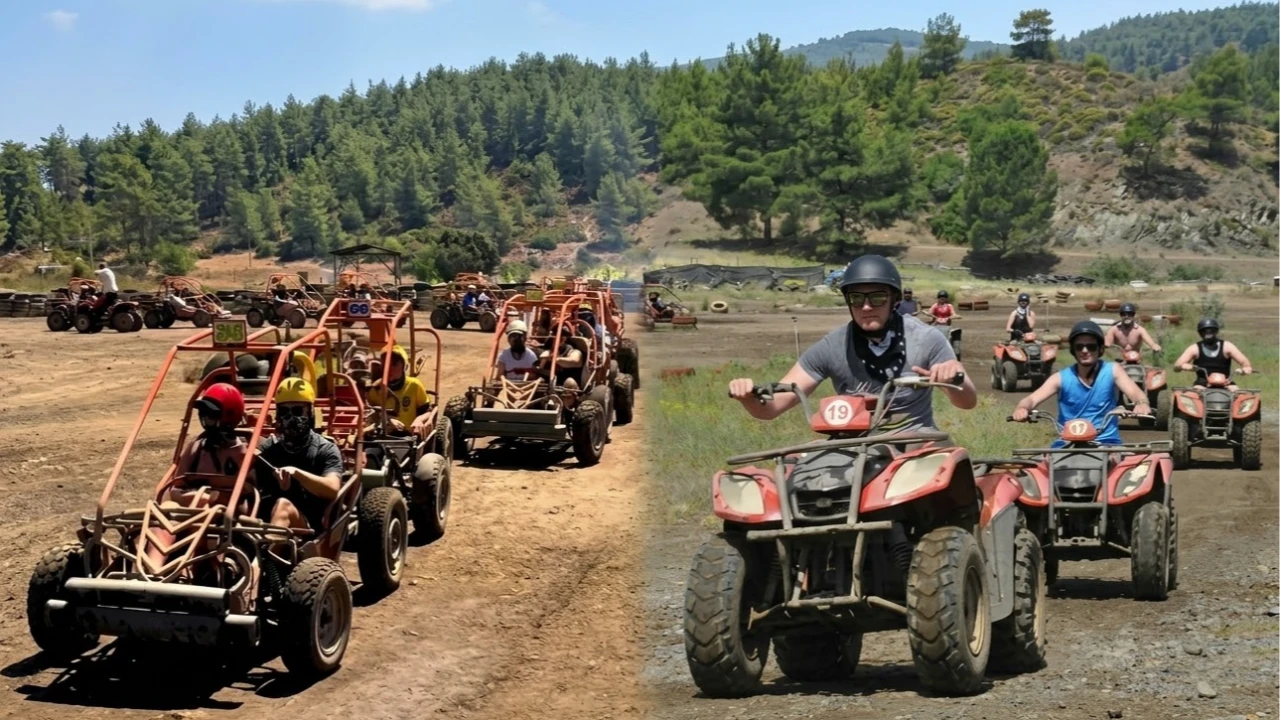
The highlights here are Saklıkent Canyon, Gökçeler Canyon, İncirliin Cave, Turgut Waterfall, the Dalaman River, Azmak River, Yuvarlakçay, and Bafa Lake. Activities like rafting, canyon trekking, and lake tours depend on water levels, making spring and autumn the most productive seasons. Stops like Cedar Island and Sultaniye Thermal Springs blend nature with wellness.
Sea & Bay Route
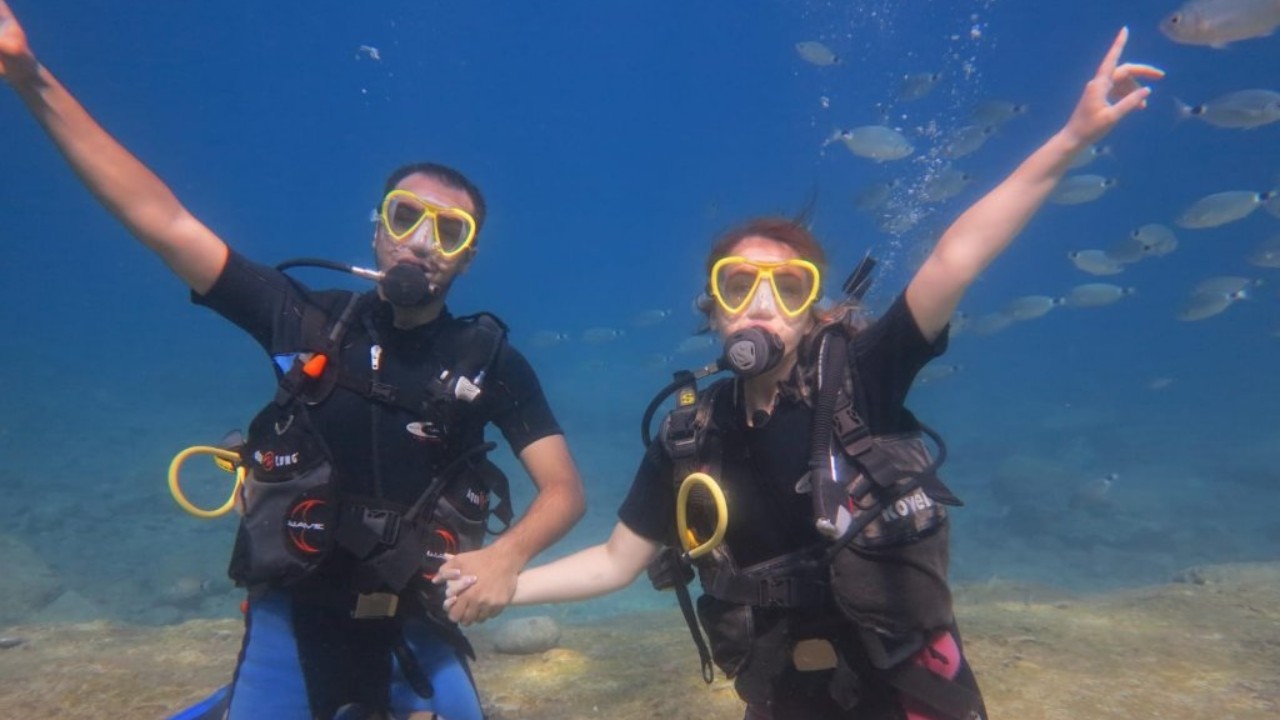
The magic of the Muğla coast lies in its hidden bays. While Ölüdeniz, Çalış Beach, Butterfly Valley, Bitez, Ortakent, Bağla, Akyarlar, and Karaincir are accessible by land, the inner bays of the gulf are best reached by sea. Adding a dedicated boat day to your itinerary is the only way to truly see the region.
You can easily plan these excursions using Mugla Ship and Boat Tours.
Gastronomy & Bazaar Route
Muğla's cuisine is split between the coast and the interior. Coastal towns specialize in seafood, river and lake areas offer freshwater fish, and the interior is famous for olive oil-based dishes and wild herbs. The Arasta and surrounding bazaars in the center make dinner a part of the sightseeing experience. For those who want a romantic seaside dinner, the small village of Gümüşlük is a perfect choice.


Transportation & Logistics
The most important thing to know about reaching Muğla is that it has two international airports. Choosing the right one prevents you from wasting your first day in a car.
- Match your airport to your destination. Use Milas-Bodrum Airport for Bodrum and Gökova. Use Dalaman Airport for Fethiye, Dalyan, and Köyceğiz. For Marmaris and Datça, either can work depending on flight times.
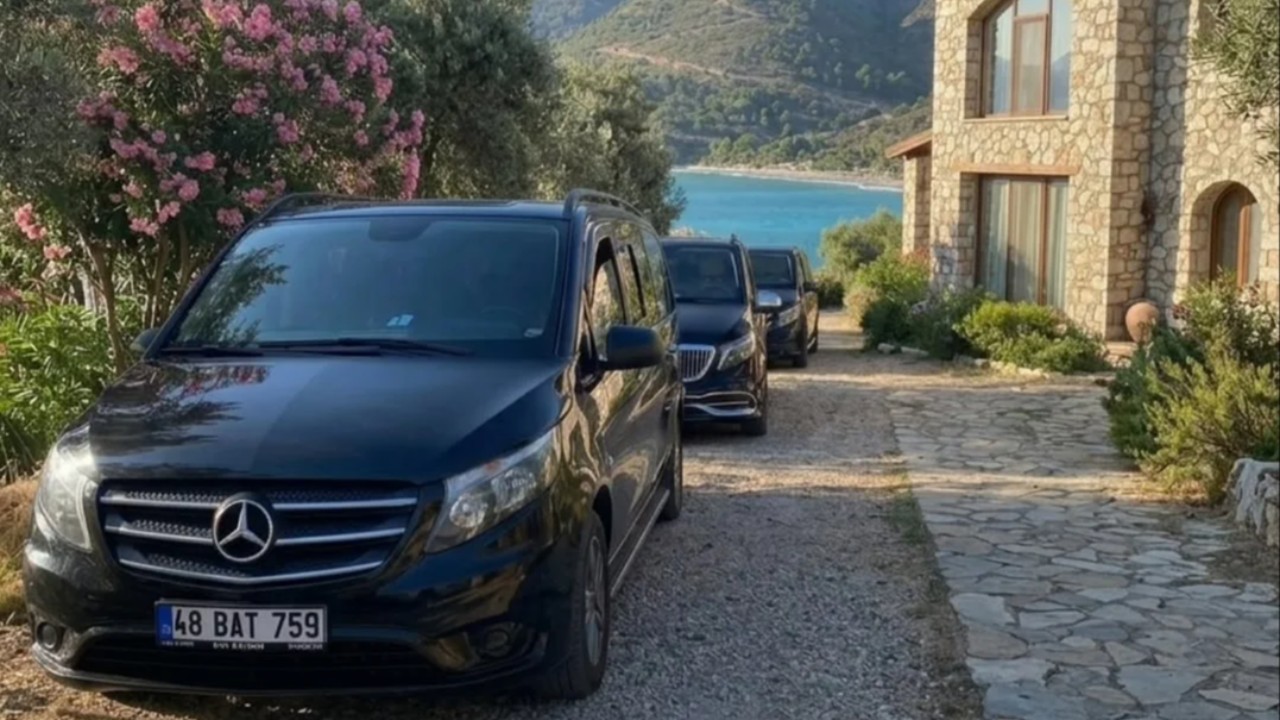
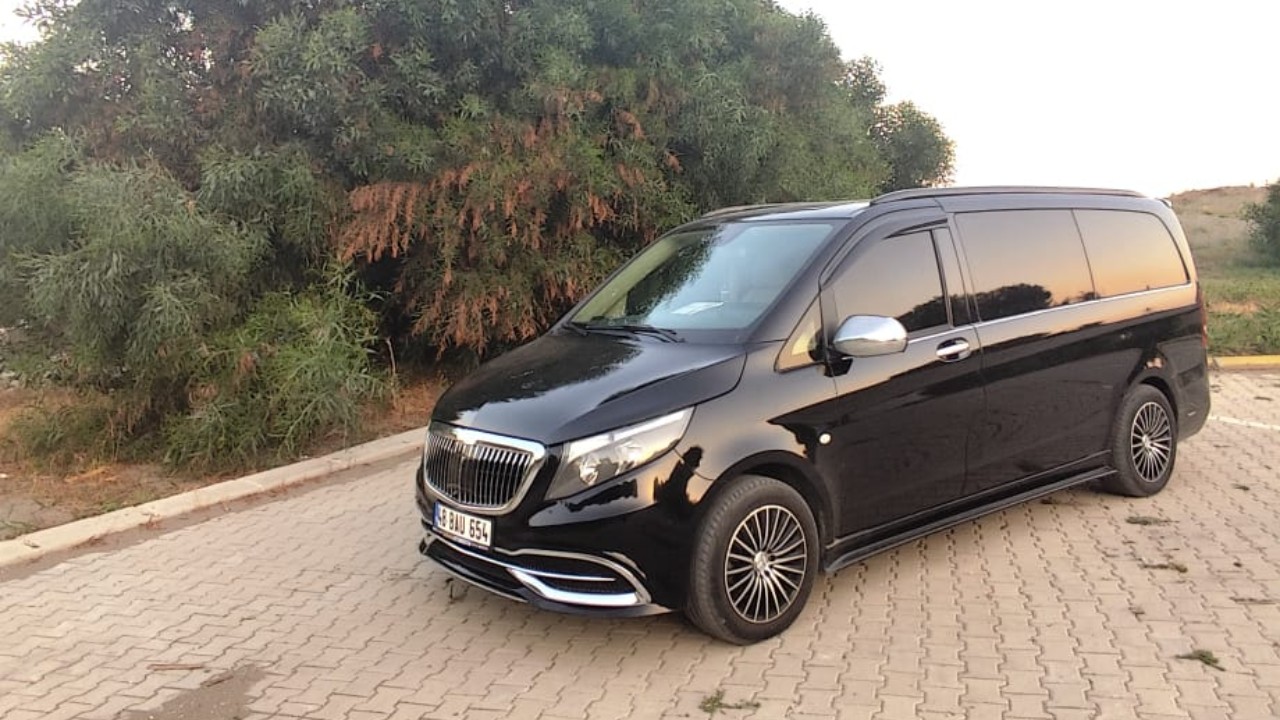
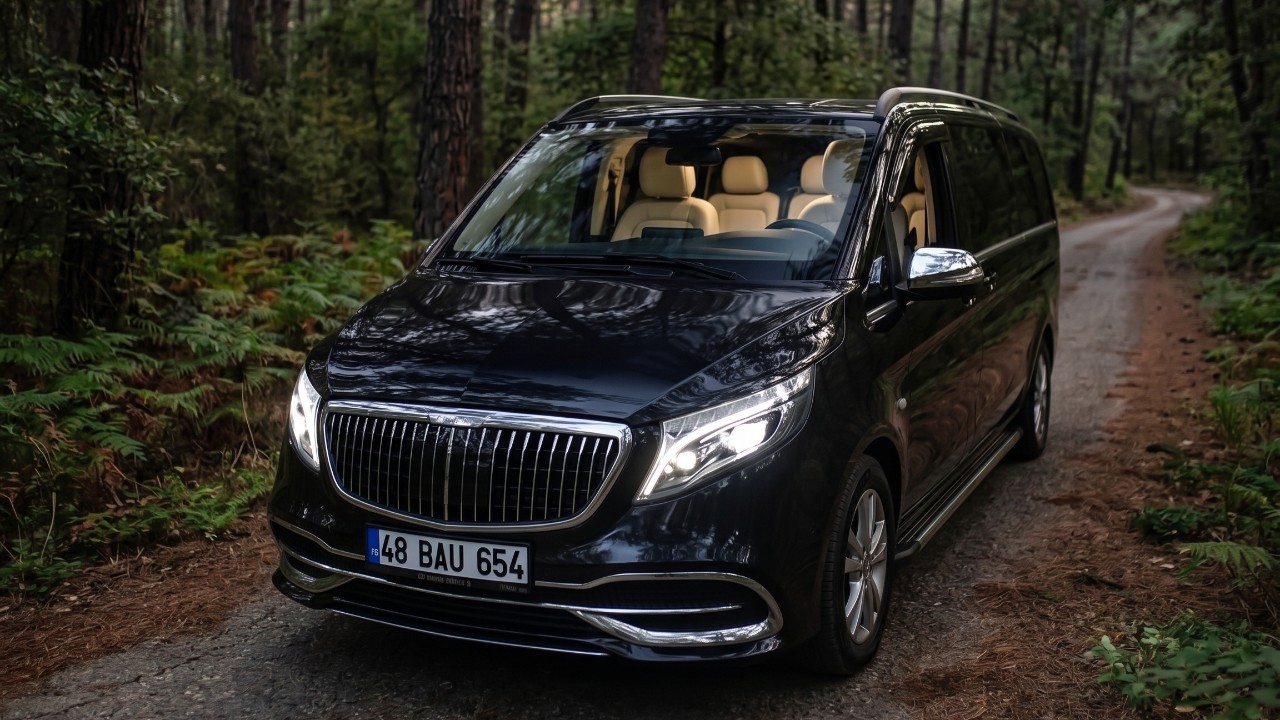
- Arrange your transfer in advance. Arrivals in coastal towns often happen in the evening when public transport becomes scarce. Mugla Airport Transfer can simplify your arrival significantly.
- Account for the terrain. Peninsula and coastal roads are curvy. A distance that looks short on a map can take longer than expected. Always leave a buffer in your daily schedule.
- Plan for the water. Remember that some of the best bays are only accessible by boat; treat this as a separate day in your itinerary.
- Plan your road entry. If driving, you'll enter from Aydın (Northwest), Denizli (Northeast), or Burdur/Antalya (East). Your entry point should align with your first destination cluster.
If you plan to hop between regions, reviewing organized tour options beforehand can give your trip a much-needed structure.
How Many Days Should You Stay?
The answer depends on how many regions you want to explore. Our rule of thumb: at least two full days per region, plus half a day for every transition between regions.
| Duration | What's Possible | Best For... |
|---|---|---|
| 2 Days | One regional center and two day-trip stops | Weekend getaways |
| 3-4 Days | One coastal region, one nature day, one boat day | First-time visitors |
| 6-7 Days | Two regional clusters, including travel days | The classic vacation |
| 10+ Days | The full experience: Peninsula, lagoons, and lake basins | Deep explorers |
If you want to dive deeper into a specific area, check out our detailed guides. For a day-by-day plan of the Bodrum peninsula, see our Bodrum gezi rehberimiz. If you're focusing on rock tombs and sandy shores, our Dalyan ve İztuzu Plajı rehberimiz has all the details.
For a day focused on lakes and thermal springs, our Köyceğiz Gölü ve Sultaniye Kaplıcaları yazımız is the perfect resource.
Quality Over Quantity
If you can't extend your trip, reduce the number of regions you visit. Trying to see two regions in four days often results in spending too much time in the car and not enough time exploring. By focusing on one cluster for four days, you can comfortably visit six or seven different spots via day trips.

Neighboring Regions & Route Extensions
Muğla blends naturally with its neighboring provinces. To the Northwest, the route toward Aydın shares a cultural line via Bafa Lake and its ancient settlements; Heracleia is the perfect midpoint. To the Northeast, the road from Denizli leads down through the interior Aegean toward Gökova and Akyaka. To the East, those starting in Fethiye can extend their journey along the Lycian Way toward Burdur and Antalya.
The practical rule for extending your route is to complete your Muğla cluster before crossing the provincial border. Otherwise, you risk a superficial experience in both provinces. If you are planning a multi-region Turkey tour, placing Muğla at the beginning or end of your itinerary provides the most flexibility thanks to its two airports.
Frequently Asked Questions 5
Which holiday region in Muğla is right for me?
Choose Bodrum for culture and vibrant social life, Fethiye for a mix of adventure and nature, Marmaris or Datça for quiet bays and sailing, and Dalyan or Köyceğiz for lake views and thermal relaxation.
When is the swimming season in Muğla?
The beach season typically starts in June and peaks through late September. Because the water retains its heat, swimming is still very pleasant in the first half of October; however, rainfall increases from November onwards.
How many days should I allocate for a Muğla trip?
We recommend 3 to 4 days for a single regional cluster and 6 to 7 days for a broader itinerary covering two different regions. Since distances between districts are significant, limiting the number of regions makes the trip more efficient.
Which airport should I use to get to Muğla?
Use Milas-Bodrum Airport for Bodrum, Milas, and Gökova. Use Dalaman Airport for Fethiye, Marmaris, Dalaman, Dalyan, and Köyceğiz for shorter road transfers.
What can I do in Muğla during the winter?
Instead of the beaches, visit the historic streets of Menteşe, the Arasta bazaar, local museums, the shores of Köyceğiz Lake, and thermal spas like Sultaniye. Winter is ideal for slow-paced cultural and gastronomic tours.