
The narrow alleyways, vaulted passages, and steep staircases of ancient cities offer a wealth of visual detail that is simply invisible from a car window. For travelers eager to feel the pulse of a city and merge with the rhythm of local life, Walking Tour programs are the gold standard for immersive discovery. Led by licensed experts, these routes allow you to uncover the hidden stories tucked away between monuments.
However, spending hours navigating metropolises and historical sites on foot requires the right physical preparation and a bit of operational know-how. Every conscious step you take through these urban corridors strengthens your connection to the city's heritage. In this comprehensive guide, we cover everything you need to know before joining a walking tour, from choosing the right footwear and using audio systems to group discipline and the art of the pit stop.
Walking Tour Routes Across Turkey and Participation Criteria
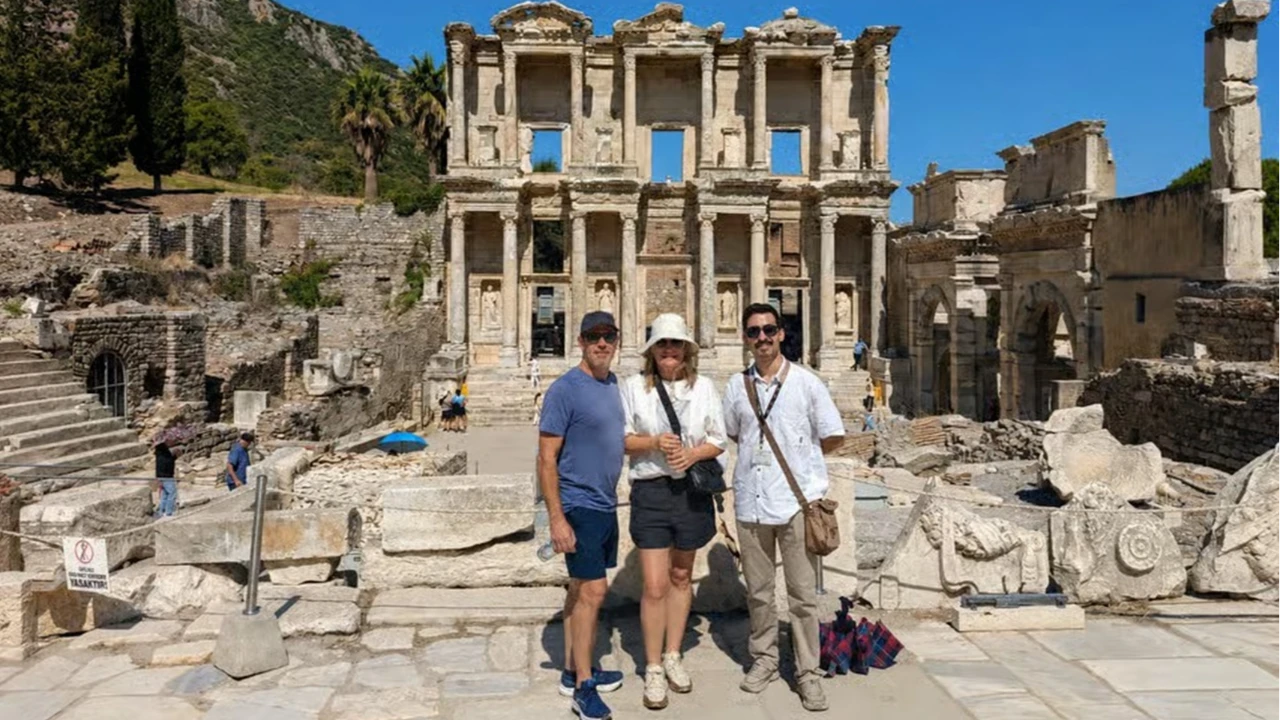
City walking tours in Turkey are conducted under the supervision of the Ministry of Culture and Tourism and in accordance with the Tourist Guiding Profession Law No. 6326. Led by TUREB-badged professional licensed guides, these tours follow designated safe routes. Group movements are carefully planned to ensure the structural integrity of historical sites is preserved and pedestrian traffic remains fluid.
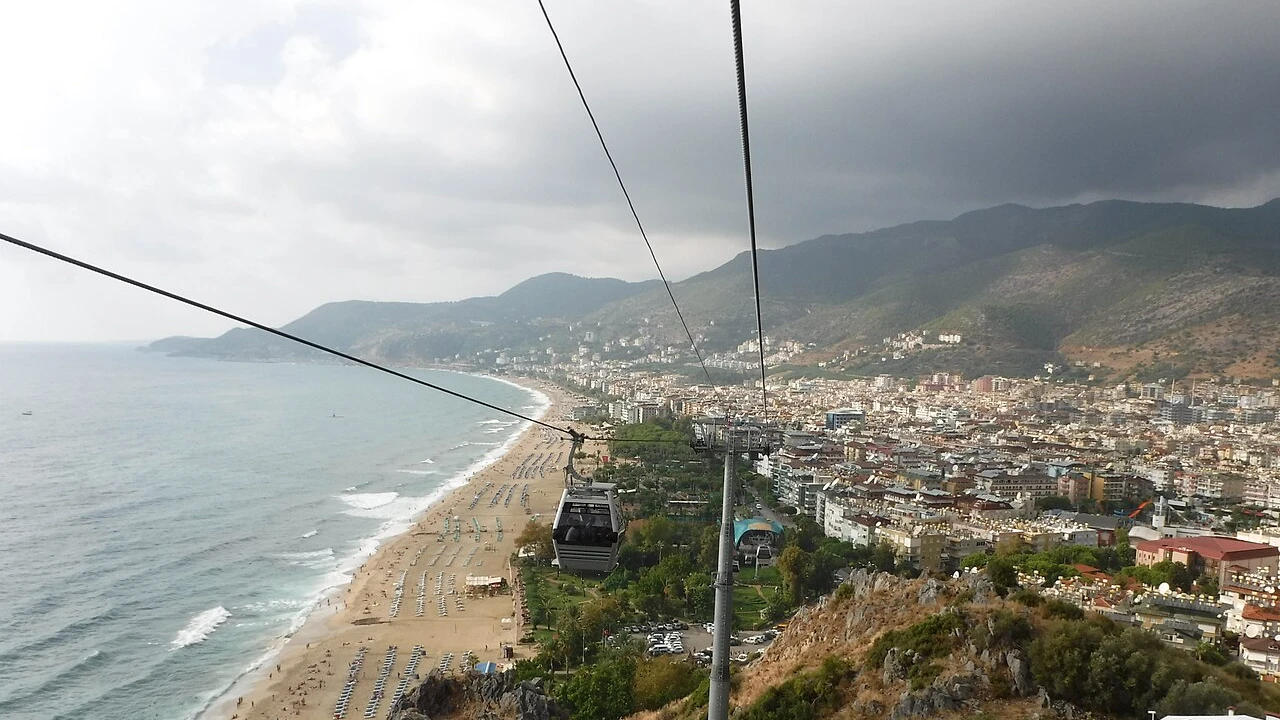
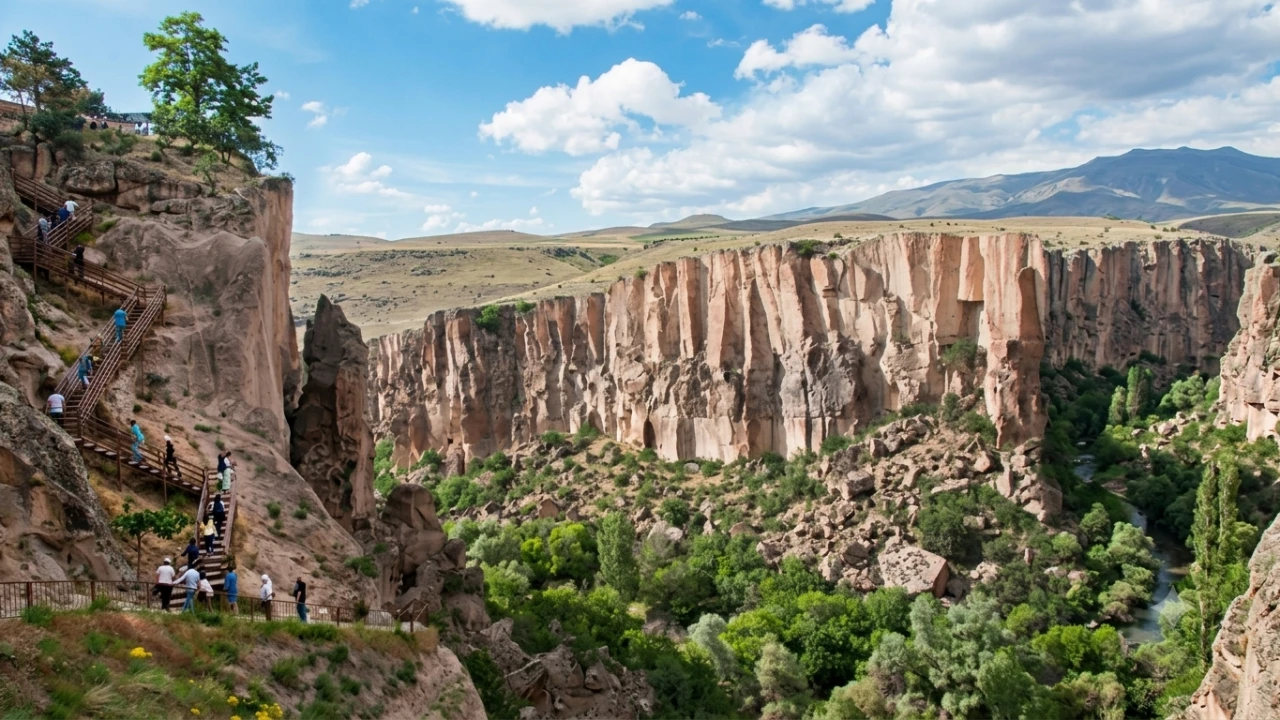
Turkey's diverse geography offers trails for every fitness level. On the Mediterranean coast, you can descend from Roman gates to the yacht harbor via Antalya Kaleiçi walking routes. In the heart of Anatolia, walking programs through Cappadocia's valleys and villages allow you to explore volcanic slopes step by step.
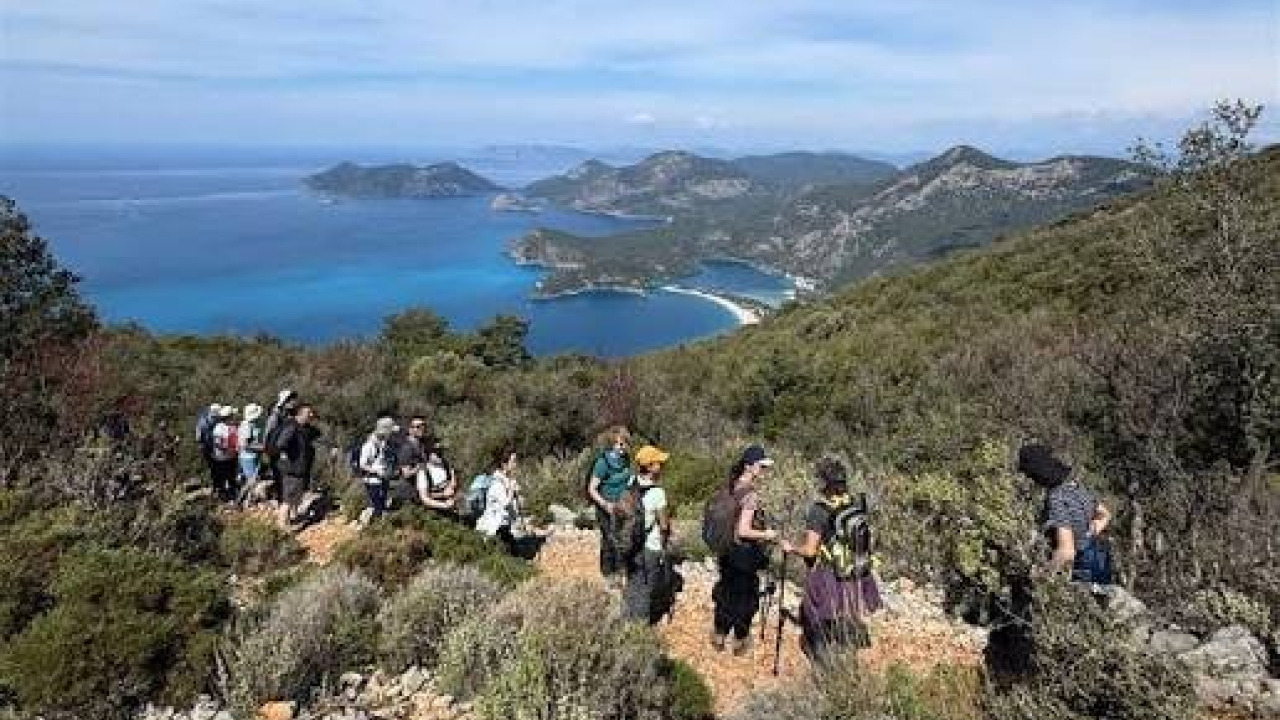
In the Central Anatolia region, Nevşehir's old neighborhoods and urban site trails showcase the intricacies of stone architecture. In the historic capital, Istanbul's Historical Peninsula discovery tours lead you through monumental squares. Meanwhile, on the Aegean coast, guided walking stages around Fethiye and Kayaköy trace the echoes of the past through the stone paths of the ghost village.
The following quick-facts table summarizes the operational structure and basic requirements for our walking tour organizations:
| Operational Criterion | Standard Practice & Rule |
|---|---|
| Minimum Age | Suitable for all ages (Baby carriers recommended for families) |
| Required Documents | Valid ID/Passport and Museum Pass (for monument access) |
| Terrain & Path Type | Cobblestones, stone steps, inclined slopes, and paving stones |
| Guiding Support | TUREB-approved official licensed professional tourist guide |
| Average Step Goal | Brisk walking between 8,000 to 14,000 steps per day |
| Ideal Season | Spring and Autumn (for comfortable outdoor exploration) |
| Legal Basis | Tourist Guiding Law No. 6326 and Urban Site Area Regulations |
Navigating Cobblestones: Walking Dynamics and Footwear Standards
The stone pavements and stepped slopes of historical settlements have become polished and slippery over centuries of use. Early morning dew or light rain can make basalt stones particularly slick. Consequently, walking in flat leather soles or thin-soled sandals significantly increases the risk of ankle sprains.
To maintain muscle health throughout the journey, we recommend lightweight outdoor walking shoes with cushioned midsoles. Thick rubber lugs provide essential grip by clutching the gaps between stones. Shock-absorbing soles balance the pressure that hard stone surfaces place on your spine and knee joints.
Grip and Sole Specifications for Stone Terrain
Walking through historic streets means encountering a different stone angle with every step. These irregularities force your ankle ligaments to constantly adjust for balance.
Treaded sole patterns provide braking capability on slippery stone blocks, reducing the risk of falls. Shoes made from flexible polyurethane support the natural movement of the foot over long distances.
The key to safe stepping is to plant your foot fully on the ground to distribute the instantaneous load evenly across your joints. Especially when descending steep stairs, avoid rushing and step toward the center of the stair rather than the edge.
Choosing the Right Socks and Friction Protection
The right socks are just as critical as the shoes for overall comfort. Cotton socks tend to trap moisture, which softens the skin and leads to blisters.
Instead, opt for breathable, seamless bamboo or technical outdoor socks. Socks with reinforced cushioning at the heel and toe prevent skin irritation caused by friction.
Group Pacing, Rest Breaks, and Your Packing Checklist
In guided walking tours, moving as a cohesive group is essential for both safety and time management. Keeping pace with the lead guide prevents the group from splitting up and ensures no one gets lost in the labyrinthine streets. To keep the tour flowing smoothly, avoid wandering too far from the group while taking photos or resting.
Guides typically schedule a short breather in a shaded square after every 45-minute walking leg. Using these breaks to sit, rest your legs, and hydrate replenishes your energy for the next segment.
Stretching your leg muscles and correcting your posture during breaks prevents cramping in later stages. You can maintain your rhythm throughout the day by refilling your water bottle at designated points or historic fountains.
The following checklist outlines the essentials you should have in your backpack for an urban walking tour:
- Cushioned Insoles: Prevents foot fatigue and arch collapse on hard stone streets.
- Compact Power Bank: Keeps your devices charged for navigation, maps, and photography.
- Reusable Water Bottle: Reduces plastic waste while keeping you hydrated.
- Sun Hat and Sunglasses: Filters the glare reflecting off stone buildings and open squares.
Comparing Walking Tour Types and Exploration Formats
City walking tours are designed for different traveler profiles, categorized by thematic content and difficulty. Some routes focus on architectural monuments, while others emphasize artisan bazaars and culinary culture.
The following comparison table highlights the characteristics of popular walking tour models and who they are best suited for:
| Tour Model | Route Character & Path | Effort & Terrain | Ideal Participant Profile |
|---|---|---|---|
| Walled City Walk | Narrow streets, city gates, stone mansions, and towers | Medium - High (Sloping stone paths and steps) | History buffs, photographers, and brisk walkers |
| Monumental Square Tour | Wide city squares, grand mosques, and palace courtyards | Low - Medium (Flat marble and paved roads) | Families, first-timers, and those seeking a relaxed pace |
| Bazaar & Trade Corridor | Grand bazaars, bedestens, hans, and workshops | Medium (Stop-and-go walking in crowded areas) | Shoppers, craft enthusiasts, and foodies |
| Panoramic Hill Trek | Viewpoints, historic kiosks, and fortress slopes | High (Continuous climbs and descending steps) | Nature lovers, active travelers, and vista hunters |
Choosing the route that best matches your interests and fitness level will maximize your cultural gain from the experience.
5-Step Protocol for a Safe and Seamless Walking Tour
To ensure a trouble-free day and stay connected with your group during brisk city walks, follow these five basic steps:
- Footwear Check: Before heading out, ensure your non-slip, ankle-supporting shoes are tied securely.
- Document Readiness: Keep your ID and Museum Pass in an easily accessible pocket to avoid queues at ticket turnstiles.
- Visual Contact: Keep your guide in sight at all times, especially in crowded bazaars and narrow alleys.
- Whisper System Sync: Keep your wireless headset on to ensure you don't miss any of the guide's stories or directions.
- Hydration Intervals: Drink water regularly at designated rest stops to maintain your physical balance.
Following this five-step discipline ensures you feel safe and secure while wandering ancient streets, allowing you to focus on creating unforgettable memories.
The Advantage of Professional Guiding and Whisper Systems
The stone carvings or door knockers found on buildings in historic city corridors often symbolize centuries-old social customs. Walking with a TUREB-badged professional guide illuminates the historical depth behind details that would otherwise go unnoticed. Guides convey the city's mythology and architectural evolution with an engaging narrative.
In crowded historical squares, street musicians, traffic, and the general hum of the city can make it difficult to hear the guide. In professional walking tour organizations, guests are provided with wireless headset systems (whisper), which transmit the guide's commentary in crystal-clear quality.
Thanks to these devices, guests don't have to huddle closely around the guide. You can continue listening to the narrative even while taking a photo or browsing a shop window.
The headset system also preserves the tranquility of historical sites. Because the guide doesn't need to shout, the group remains focused, and the peace of other visitors is undisturbed.
Bazaar Breaks, Local Chats, and Free Time
The most relaxing part of a brisk walking tour is the break taken at traditional coffeehouses under the shade of ancient plane trees. After thousands of steps on stone streets, a cup of Turkish coffee brewed over embers eases the fatigue. Chatting with local residents at these stops allows you to grasp the living soul of the city.
During designated free time, you can explore historic bedestens and handicraft workshops. Engaging with local artisans while shopping for spices, copperware, or antiques adds a personal, authentic dimension to your journey.
Returning to the meeting point on time ensures the group's schedule remains on track, allowing you to reach your evening transfer or sunset viewpoint punctually. By the time you conclude your tour at sunset, you will have spent a physically active day and gained a profound understanding of the city.



Frequently Asked Questions 5
What is the average daily distance and step count for city walking tours?
City walking tours typically cover between 3 to 5 kilometers, averaging between 8,000 and 12,000 steps.
Are walking tours suitable for children and families with babies?
General routes are family-friendly; however, due to narrow and stepped streets, we recommend using a baby carrier instead of a stroller.
What type of shoes should I wear for a walking tour?
We recommend orthopedic walking shoes with rubber soles to prevent slipping on historical cobblestones and stone surfaces.
Are devices provided to hear the guide during group walks?
Yes, professional walking tour organizations provide a wireless whisper headset system so you can follow the commentary without losing the group.
Are walking tours canceled in rainy or windy weather?
Tours continue during light rain with appropriate rain gear; in cases of severe storms or flood warnings, the itinerary is shifted to indoor museum routes.