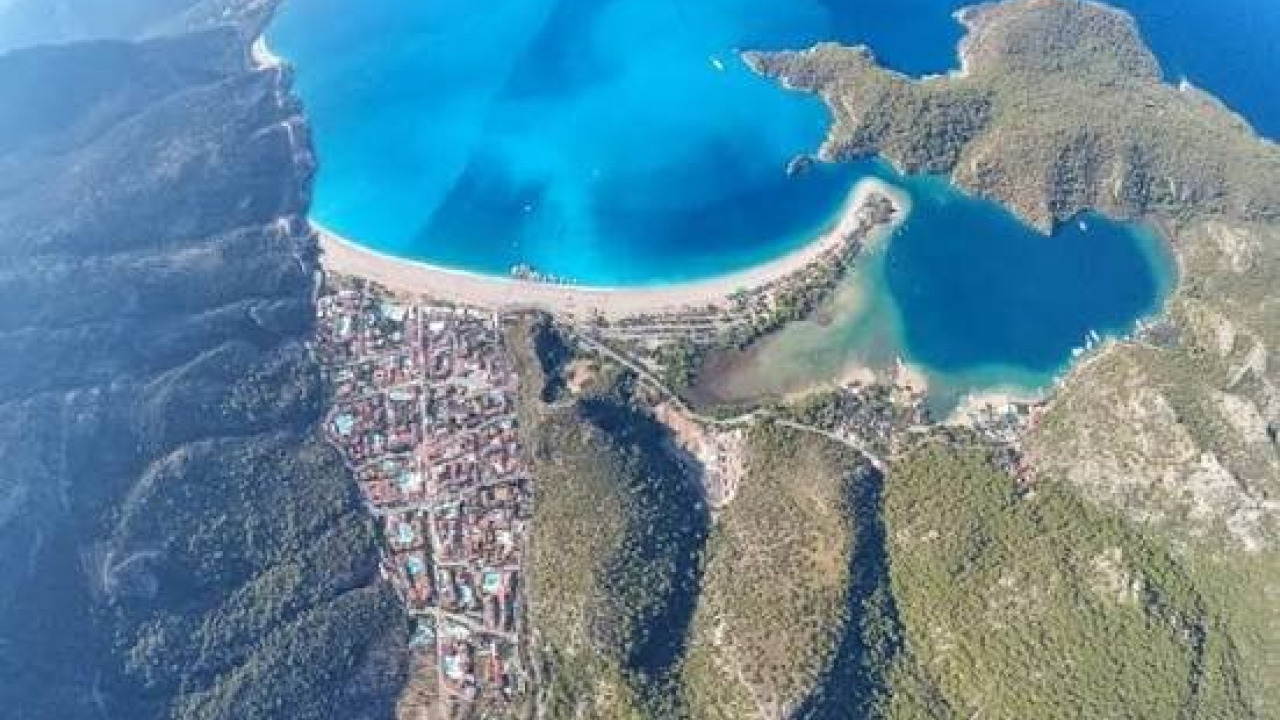
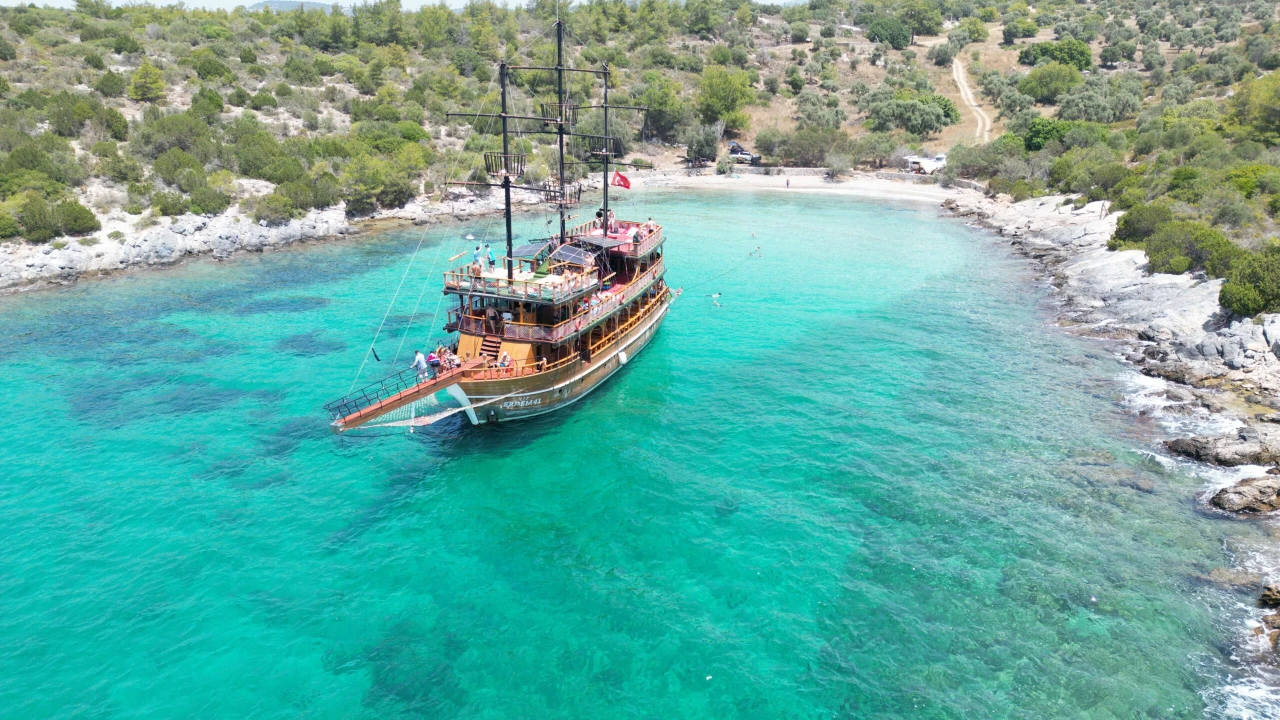
With its crystal-clear waters and sheltered bays, Didim is a premier destination for those looking to plunge into the world of scuba diving. Its shallow reefs and vibrant marine biodiversity make it an ideal hub for beginners and seasoned divers alike. Setting sail from the shores of Altınkum, diving boats venture toward the hidden coves and artificial reefs of a peninsula that has served as a crossroads for maritime trade since antiquity. To explore professional instructor teams and internationally recognized certification programs, visit our Scuba Diving Course in Didim page and start your underwater adventure with confidence.
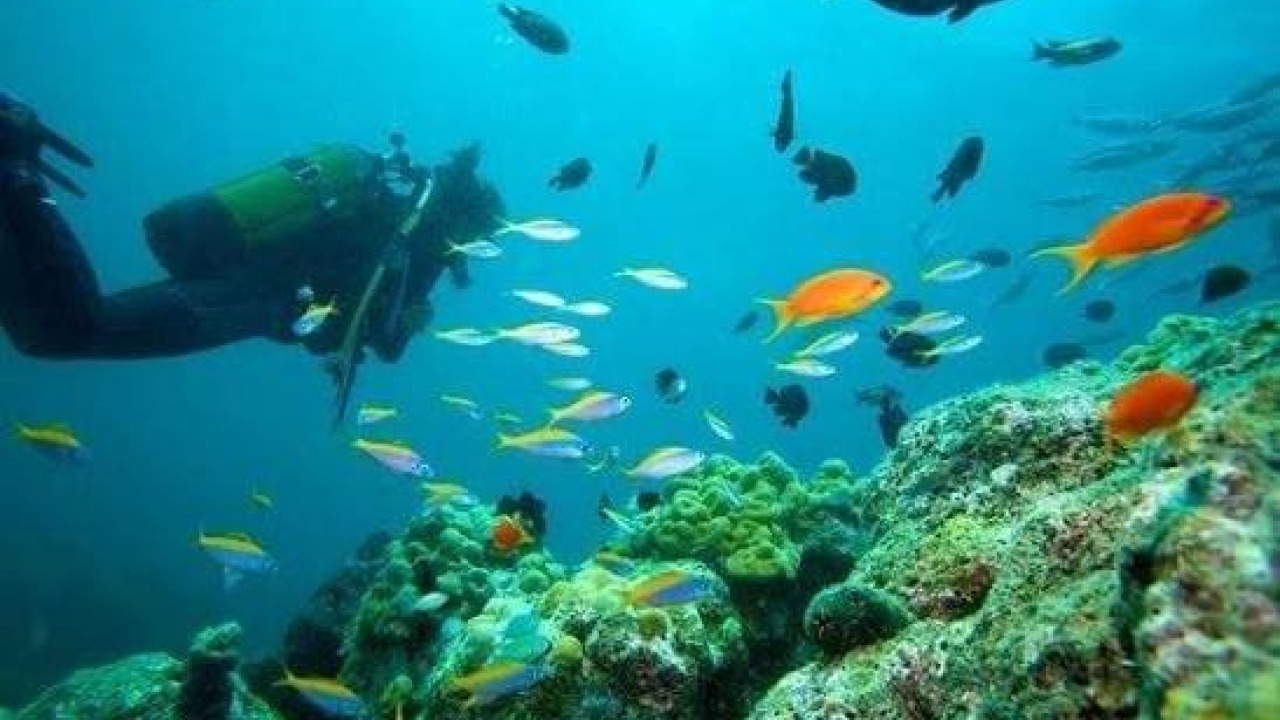
The waters surrounding the Didim Peninsula offer a serene learning environment, characterized by calm seas and visibility that can reach up to twenty meters. The moment you take your first breath through the regulator, the coolness of the water and the stillness of the seabed wash away the chaos of life on land. Where the currents of the Mediterranean and the Aegean meet, you'll find a visual feast of octopuses, pipefish, schools of sargo, and kaleidoscopic sponges.
In this comprehensive guide, we explore the rich seabed of Academy Reef, the artificial wreck projects off Police Park, and the safest diving stages across Didim's bays. From your very first "discovery dive" to advanced specializations, we break down everything you need to know about the underwater dynamics of the region.
Quick Facts: Didim's Underwater World and Reefs
The Didim coastline offers a perfect balance: calm, shallow bays for novices and dramatic rocky walls for experienced divers. The following summary table outlines the key characteristics and operational conditions of the region's scuba diving routes.
| Feature | Site & Route Summary |
|---|---|
| Region & Departure Point | Didim Altınkum Harbor and D-Marin |
| Highlight Spots | Academy Reef, Police Park Wreck, Cennet Koyu, Panayır Island |
| Visibility | Average 15 to 25 meters, depending on the season |
| Water Temperature | 23-26°C in summer; 19-22°C in spring and autumn |
| Diving Depths | 4-6 meters for discovery dives; 18-30 meters in open waters |
| Essential Gear | Mask, fins, neoprene wetsuit, BCD vest, and regulator |
| Marine Life | Octopus, grouper, barracuda, pipefish, sea hares, and rays |
All diving vessels are equipped with full emergency first aid and oxygen kits. Before every descent, participants receive a detailed briefing regarding current directions and the planned underwater route.
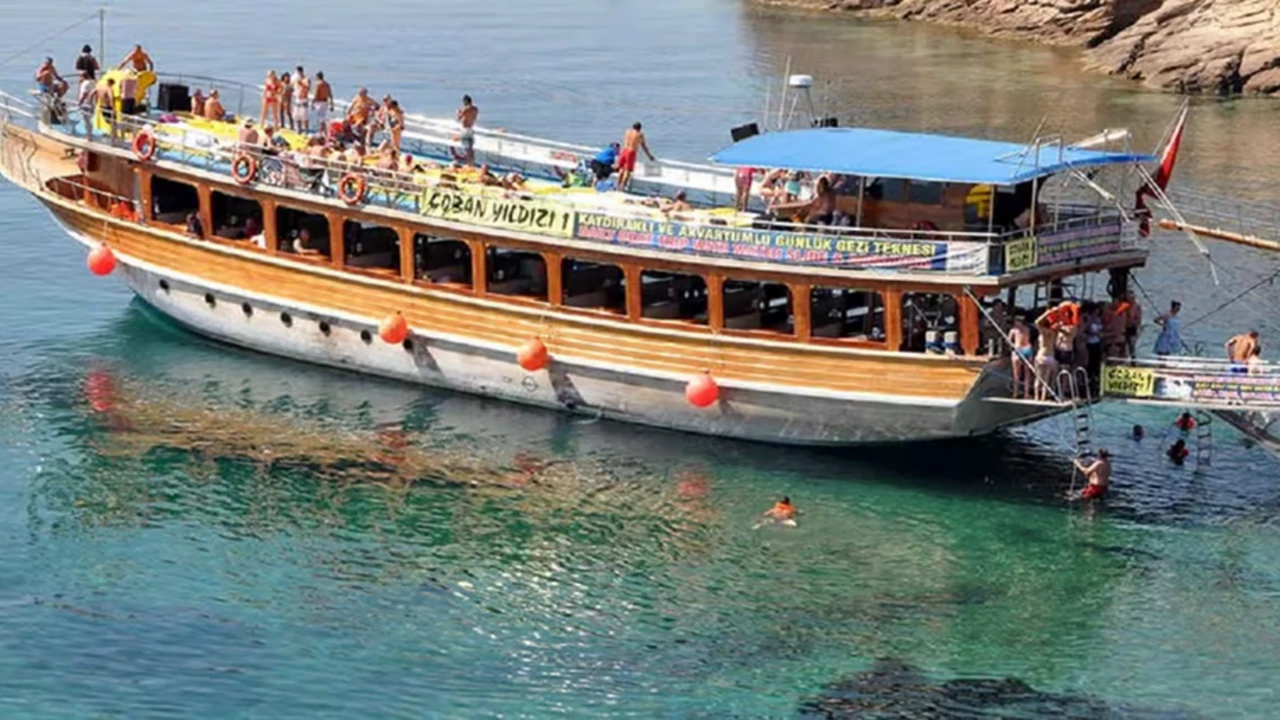
For travelers wishing to explore other aquatic activities and sightseeing opportunities along the Aydın coast, you can find a wide range of options via our popular boat tours in Didim and the Aydın region.
Academy Reef and Underwater Training Grounds
Academy Reef is a sheltered underwater plateau located off the southwest coast of Didim, primarily used by diving schools as a training ground. With depths starting at six meters and gradually descending to eighteen, it provides an ideal profile for beginners to build their confidence.
The upper surface of the reef is blanketed in seagrass, which serves as a natural nursery for juvenile fish. While practicing neutral buoyancy over the sandy bottom, divers are often surrounded by shimmering schools of small fish.
The biological diversity of the reef is best showcased by the moray eels and octopuses that make their homes in the rocky crevices.
Shallow Water Dynamics for Beginners
Guests joining a discovery dive enter the water from the boat's rear platform under the close supervision of a guide. Initial breathing exercises with the regulator are performed at the surface to manage excitement and reduce stress.
During a slow descent, often holding hands with the instructor, ear equalization techniques are applied step-by-step. Upon reaching the sandy bottom at four to five meters, the sensation of weightlessness provides a profound sense of relaxation.
These safe, gradual stages ensure that even those with a fear of water can develop a lifelong passion for diving.
The Reefs of Cennet Koyu and Manastır Koyu
Cennet Koyu (Paradise Bay) and Manastır Koyu are among Didim's most wind-protected harbors, making them safe havens for diving boats to anchor. The white sandy bottom reflects sunlight, creating a bright, luminous underwater vista.
Small reefs located along the rocky headlands of these bays are adorned with sponge colonies and anemones. For macro-photographers, the tiny clown shrimp living within the anemone tentacles offer spectacular shot opportunities.
These bays often serve as the spot for lunch breaks, where divers can spend their intervals swimming or basking in the sun.

Police Park and Artificial Wreck Diving
To revitalize marine life and diversify the local diving tourism, several coast guard vessels and vehicle wrecks have been intentionally sunk off the coast of Didim. The artificial reef area off Police Park has rapidly evolved into a thriving underwater sanctuary.
Resting at a depth of approximately twenty-two meters, the shipwreck is encrusted from bow to stern with mollusks and algae. The cargo hatches and deck corridors have become natural highways for local fish populations.
Wreck diving is tailored for intermediate divers who hold at least a one-star certification and can maintain precise depth control.
Marine Life Around the Wreck
Massive schools of amberjack and barracuda often circle the metal hull in hunting patterns. In the shaded recesses of the wreck, large dusky groupers and coral fish find sanctuary.
Sunlight filtering through the ship's windows creates dramatic shadows across the rusted metal plates, making the experience hauntingly beautiful and unforgettable.
As a strict safety protocol, divers are encouraged to swim along the exterior contours of the wreck rather than penetrating the interior.
Panayır Island Reef Wall and Deep Currents
Rising from the depths off the coast, Panayır Island is a favorite for advanced divers due to its steep underwater walls. The rocky slopes drop sharply from twelve meters down to thirty, serving as a primary transit route for pelagic (open sea) fish.
Occasional Aegean deep-sea currents allow for "drift diving" along the reef. Divers can glide effortlessly with the current, observing the rich fauna without the need for strenuous swimming.
Diving leaders mandate the use of a surface marker buoy (SMB) at all times during drift dives to ensure visibility from the surface.
Comparative Analysis of Didim Diving Sites
Diving spots in and around Didim vary significantly in terms of depth, seabed composition, and the target diver profile. The following table summarizes the standout features of the primary locations.
| Dive Site | Min Depth | Max Depth | Visibility | Recommended Level |
|---|---|---|---|---|
| Academy Reef | 6m | 18m | High (20m) | Beginner / Training |
| Police Park Wreck | 15m | 25m | Medium (15m) | Intermediate / Advanced |
| Cennet Koyu | 3m | 12m | Very High (25m) | Discovery / First-timers |
| Panayır Island | 12m | 35m | High (20m) | Advanced / Drift Divers |
| Manastır Koyu | 5m | 16m | High (20m) | Beginner / Photography |
This diversity ensures that a single boat trip can accommodate everyone, from vacationers taking their first breath underwater to seasoned pros seeking a challenge.

Certification Levels and Diving Courses
Diving centers in Didim offer internationally recognized certification programs through CMAS, PADI, and SSI. Participants who complete these three-to-four-day courses earn a global license, granting them the authority to dive anywhere in the world.
The curriculum is structured into theoretical lessons, confined water (pool) practice, and open-sea dives. Students master essential skills such as regulator recovery, mask clearing, and emergency air sharing.
These courses are designed not only to build underwater confidence but also to foster a generation of environmentally conscious divers.
Underwater Safety Protocols and Best Practices
When disciplined rules are followed, scuba diving is one of the most rewarding and safe nature sports in the world. To eliminate risk, strict adherence to guide instructions is mandatory.
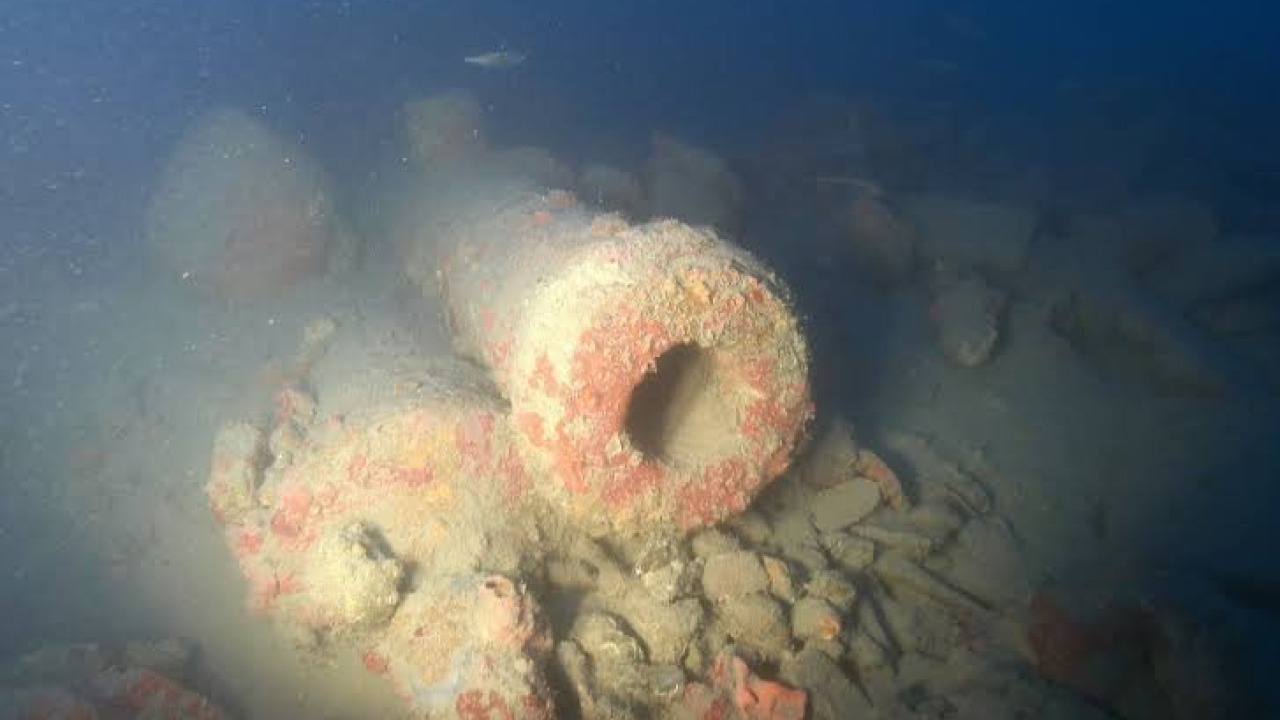
Divers must never touch marine life or disturb ancient amphora fragments found on the seabed. Maintaining neutral buoyancy is critical to avoid stepping on delicate corals.
Here are five fundamental safety steps for diving in Didim:
- Buddy Check: Perform a thorough equipment check before entry; ensure the tank valve is fully open.
- Equalization: Perform ear equalization maneuvers early and often throughout the descent to balance pressure.
- Air Management: Monitor your pressure gauge frequently; never dip into your 50-bar reserve.
- Controlled Ascent: Never hold your breath during ascent; maintain slow, steady breathing.
- Safety Stop: Always perform a safety stop at the end of the dive to allow nitrogen to safely leave the body.
Following these guidelines ensures that your dive is a journey of peace and happiness from start to finish.
Personal Packing List for Your Diving Trip
Before heading out on a day trip, we recommend bringing the following essentials:
- High-SPF sunscreen and a wide-brimmed hat for sun protection.
- A light windbreaker or a large towel for the boat deck.
- A clean towel and cotton swabs for post-dive ear care.
- Your personal certification card and dive logbook.
- Personal medications and plenty of drinking water for the journey.
Coming prepared allows you to maximize every moment of your day on the water.
Frequently Asked Questions 5
Do you provide training for first-time divers in Didim?
Yes, for guests with no prior experience, expert instructors provide a theoretical briefing followed by practical "discovery dives" in shallow water. Instructors remain by the diver's side throughout the experience, maintaining full control over the equipment and depth.
What is the underwater visibility like at Didim's dive sites?
In Didim's sheltered bays and open reefs, visibility typically ranges between 15 and 25 meters depending on the season. On calm summer days, the clarity is exceptional, allowing for a vivid view of the marine life.
What kind of marine life can I expect to see in Didim's reefs?
You will frequently encounter octopuses, groupers, dusky groupers, pipefish, schools of sargo, rays, and colorful sea hares. The rocky reefs provide a natural habitat for a blend of Mediterranean and Aegean species.
Do the diving boats depart from Altınkum Harbor?
Most diving operations depart in the morning from either Altınkum Harbor or the D-Marin pier. Guests are hosted on the boat for the day and typically visited two different dive sites.
How long does a Didim day-trip scuba dive last?
Boats usually leave the harbor around 09:30 AM. After two diving sessions, lunch, and swimming breaks, they return to the harbor around 04:30 PM. The total activity duration is approximately 7 hours.