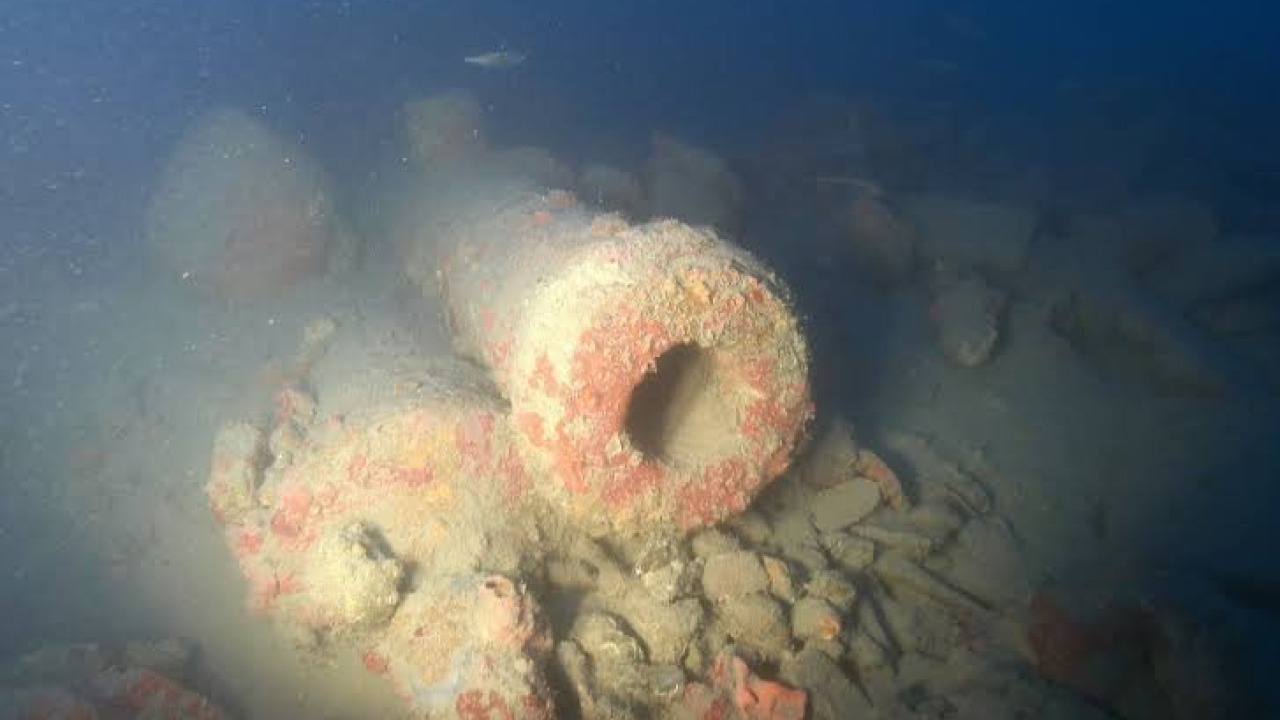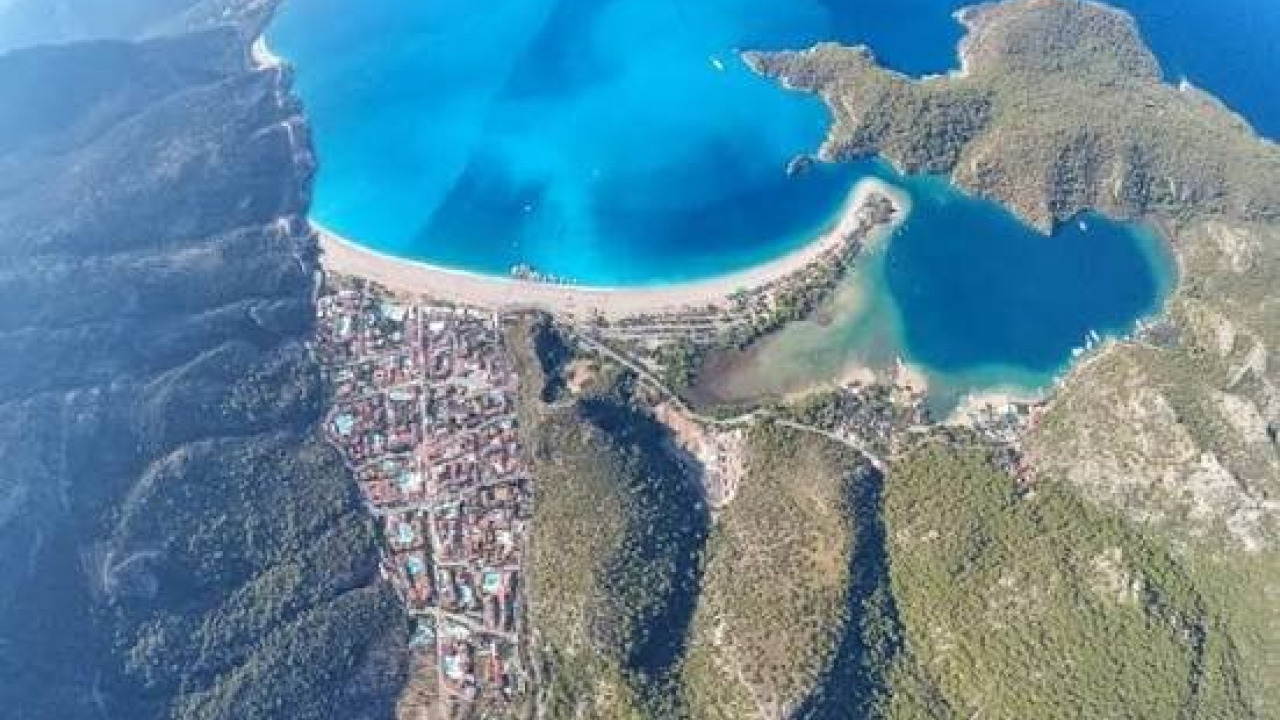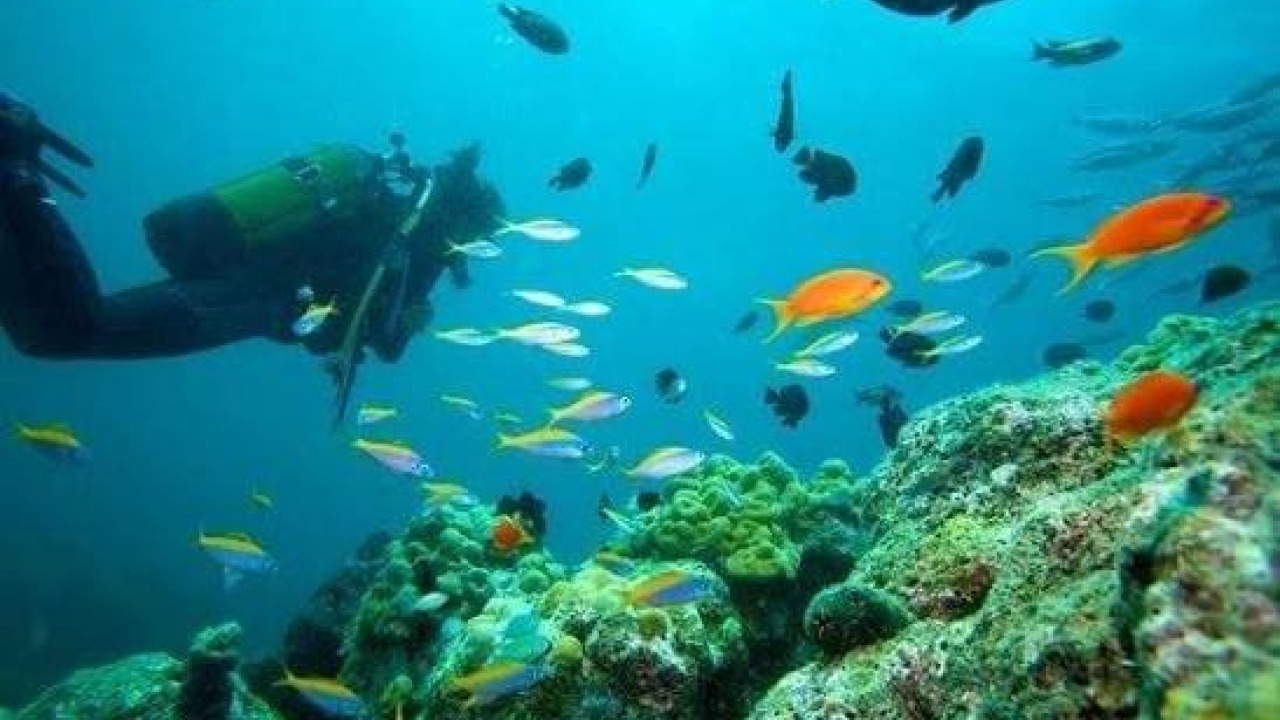
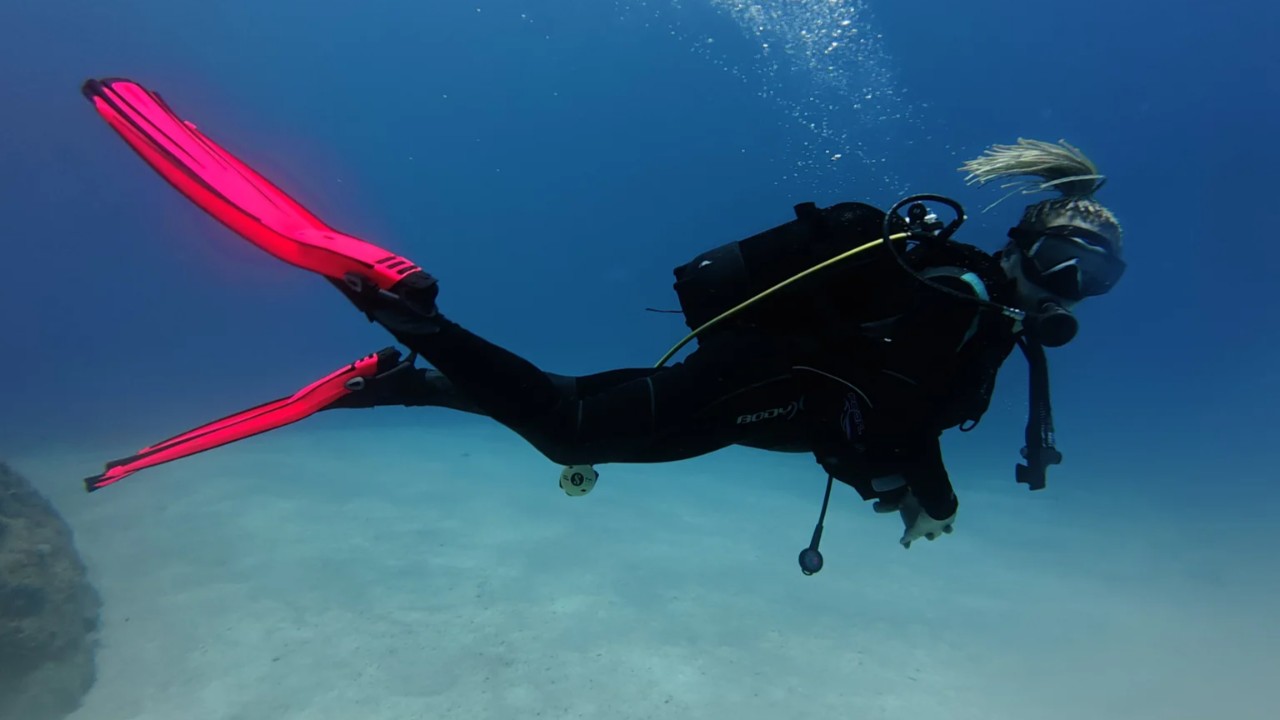
Renowned for having some of the clearest waters in the Mediterranean, Kaş is widely considered the diving capital of Turkey. With visibility often reaching up to forty meters and a stunning array of reef formations, it is a paradise for ocean lovers. From dramatic underwater canyons plunging between sheer walls to ancient amphorae and gliding marine life, Kaş offers an exhilarating exploration for divers of all skill levels. To explore internationally certified diving schools and discovery programs, visit our Kaş Diving Training Tours page and take your first safe step into the abyss.
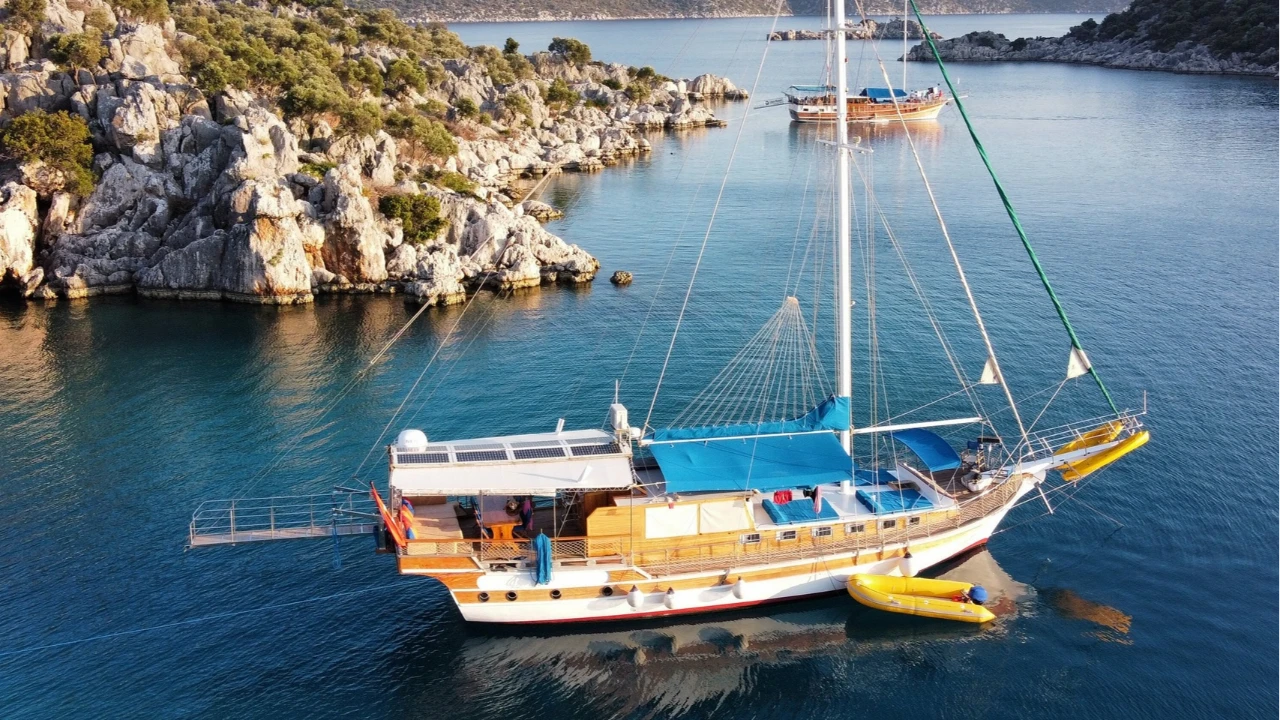
Every morning, fully equipped diving boats set sail from Kaş Harbor, heading toward the waters off Meis Island and protected marine reserves. From the moment you descend, the feeling of weightlessness and the serene blue of the Mediterranean envelop you. With over thirty distinct dive sites along the coast, the region provides a wealth of options, whether you are a complete novice taking a "discovery dive" or an experienced diver seeking deep-sea challenges.
In this detailed guide, we dive into the iconic canyon formations of Kaş, the current dynamics of the Flying Fish reef, and the essential rules for safe scuba diving. From observing underwater fauna to equipment checks, we provide a step-by-step breakdown of everything you need to know beneath the surface.
Quick Facts: The Underwater World of Kaş
Thanks to nutrient-rich currents, the Kaş marine park hosts one of the most vibrant underwater habitats in the Mediterranean. The following summary table outlines the key characteristics and operational conditions of the scuba diving routes around Kaş.
| Feature | Site & Route Summary |
|---|---|
| Region & Departure | Kaş Yacht Harbor and the Meis Strait |
| Highlight Spots | Kaş Canyon, Flying Fish, Camel Reef, Douglas C-47 Wreck |
| Visibility | Average 25 to 40 meters year-round |
| Water Temperature | 24-28°C in summer; 20-23°C in spring and autumn |
| Dive Depths | 5m for discovery dives; 18-35m for advanced levels |
| Essential Gear | Mask, fins, neoprene wetsuit, BCD, and regulator |
| Common Species | Caretta caretta, grouper, barracuda schools, rays, and octopus |
Diving boats are equipped with briefing areas and emergency oxygen kits for every group. Dive leaders strictly enforce depth limits based on each participant's certification level.
For those looking to explore other water sports and Blue Cruise alternatives along the Antalya coast, you can find comprehensive programs via the popular sea activities in the Kaş region link.
The Iconic Kaş Canyon and Benthic Topography
The Kaş Canyon is a monumental underwater rift that plunges between two massive rock formations, reaching depths of up to forty meters. The shallow threshold at the entrance begins at approximately eighteen meters and gradually slopes down toward the open sea.
The sheer verticality of the canyon walls gives divers the sensation of gliding through an underwater gorge. These walls are adorned with crevices, red sponges, sea lilies, and various small crustaceans.
At the deepest point of the canyon lie the remains of the Dimitri Wreck, which has rested on the sandy bottom for over a century. These ruins now serve as an artificial reef, providing sanctuary to hundreds of fish species.
Light Beams and Current Conditions Inside the Canyon
Around midday, sunlight pierces the canyon rift at a steep angle, creating ethereal beams of light underwater. Divers gliding through these columns of light witness a truly cinematic visual spectacle.
Occasional mild bottom currents can be felt at the open mouth of the canyon. For this reason, divers are advised to maintain neutral buoyancy and avoid touching the canyon walls.
Mastering neutral buoyancy not only balances air consumption but also protects delicate coral and sponge colonies from accidental impact.
Encounters with Grouper and Dusky Grouper Colonies
The Kaş Canyon and its surroundings are vital breeding grounds for the grouper, one of the Mediterranean's most precious protected species. Giant groupers, some exceeding one meter in length, often watch divers with curious eyes from the entrances of canyon crevices.
Because fishing is strictly prohibited in the area, the fish are accustomed to human presence and will often remain close without fleeing.
A primary principle of marine conservation here is that divers must never touch the fish or disrupt their natural behavior.

Flying Fish Reef and Open Sea Diving
Rising like an underwater mountain from the depths of the Meis Strait, Flying Fish is one of Kaş's most popular and thrilling deep-dive sites. The summit of the reef begins about six meters below the surface and descends via vertical walls to depths of seventy-five meters.
Due to its location in the open sea, the reef supports a rich pelagic life. Schools of barracuda and amberjack, numbering in the hundreds, can be seen circling the reef in rhythmic patterns.
Because this site is often subject to strong currents, it is generally reserved for experienced divers holding at least a two-star or Advanced certification.
The WWII Italian Reconnaissance Plane Wreck
On the deep slope of the Flying Fish reef lies the wreckage of a three-engine Italian Savoia-Marchetti reconnaissance plane that crashed in 1942. The main fuselage, resting at approximately sixty-five meters, is a primary point of interest for technical divers.
At the shallower levels of the reef, engine parts and propellers are visible. These historic metal fragments, now encrusted with marine life, offer unforgettable snapshots for underwater archaeology enthusiasts.
Descents to these depths require strict adherence to deep-diving protocols and precise monitoring of decompression times.
Camel Reef and the Double-Hump Formation
Adjacent to Flying Fish is Camel Reef, a rocky mass that resembles two giant camel humps sitting side-by-side on the seabed. The reef peaks start at fourteen meters and are separated by a sandy valley that drops to forty meters.
Caretta caretta sea turtles are frequently observed grazing on the seagrass meadows of this reef. These gentle creatures often glide gracefully past divers as they ascend to the surface for air.
Attentive divers can also spot rays resting on the wide sandy floor and masterfully camouflaged flatfish.
Technical Comparison of Kaş Dive Sites
The dive sites along the coast of Kaş vary significantly in terms of depth, current, and topography. The following comparison table summarizes the key operational parameters of the most well-known spots.
| Dive Site | Min Depth | Max Depth | Current Level | Recommended Level |
|---|---|---|---|---|
| Kaş Canyon | 18m | 40m | Light / Moderate | Advanced |
| Flying Fish | 6m | 60m+ | Strong | Advanced / Technical |
| Camel Reef | 14m | 35m | Moderate | Intermediate / Advanced |
| Douglas C-47 Wreck | 15m | 28m | Low | Beginner / Intermediate |
| Limanağzı Bay | 5m | 18m | Calm | Discovery (Beginner) |
| Gürmenli Reef | 12m | 40m | Moderate / Strong | Advanced |
Before every dive, wind direction and wave conditions are evaluated to ensure the safest bays and reefs are included in the day's itinerary.






Best Seasons and Timing for Diving in Kaş
The diving season in Kaş typically begins in mid-April and continues uninterrupted until the end of November. In the spring, water temperatures hover around twenty degrees Celsius, and the sea is buzzing with the reproductive activity of marine life.
In July and August, water temperatures reach twenty-eight degrees, providing maximum thermal comfort. However, the period of peak visibility, where clarity often exceeds forty meters, is September and October.
The milder air temperatures and thinner crowds of autumn make this the ideal time for those seeking a tranquil diving holiday.
Choosing the Right Gear for Water Temperature
Selecting the correct thickness of neoprene wetsuit is essential to prevent chills underwater. In the height of summer, 3mm or 5mm shorties or full suits are usually sufficient, while 7mm suits are preferred at the start and end of the season.
Using a hood and booties helps maintain core body temperature. Between dives, towel ponchos are highly recommended to protect against the wind on the boat deck.
These practical steps ensure that both dives of the day are energetic and enjoyable.
Safety Standards and the Buddy System in Scuba Diving
In underwater sports, strict adherence to safety rules is the primary guarantee against accidents. Scuba diving is never performed alone; every diver is paired with a "buddy."
Throughout the dive, buddies monitor each other's air gauges and maintain constant visual contact. The fundamental rule is to swim close enough to provide a backup air source to one another in an emergency.
Below are five essential safety steps mandatory for diving in Kaş:
- A mutual equipment safety check must be completed with your buddy before entering the water.
- Ear equalization maneuvers should be performed gradually before any pain is felt.
- When the tank pressure drops to 50 bar, the dive leader must be signaled, and a safe ascent should begin.
- The ascent rate must never exceed nine meters per minute; always rise slower than your bubbles.
- A three-minute safety stop at a depth of five meters must be performed at the end of every dive.
Rigorous adherence to these rules ensures that divers return to the surface feeling refreshed and rejuvenated.
Personal Essentials for Your Dive Bag
While dive centers provide all the technical gear, bringing a few personal items can significantly enhance your comfort:
- A wide-brimmed hat and sunglasses for sun protection between dives.
- A windproof light diving poncho or towel to prevent chills on the deck.
- Natural ear drops for post-dive ear hygiene.
- A dive logbook and your certification card (C-card).
- Herbal anti-nausea remedies for those prone to seasickness.
Divers who come fully prepared can spend their downtime on the boat in total relaxation.
Frequently Asked Questions 5
Do I need prior experience to dive in Kaş for the first time?
No experience is necessary. For complete beginners, we offer "Discovery Dive" programs led by expert instructors. Following a brief theoretical orientation, you will perform a safe trial dive at a depth of five to six meters with one-on-one instructor guidance.
What is the underwater visibility like at Kaş dive sites?
Because Kaş is fed by some of the cleanest open-sea currents in the Mediterranean, it offers exceptional visibility, averaging between 25 and 40 meters throughout the year.
Can I see Caretta caretta turtles and groupers while diving in Kaş?
Yes. Since fishing is strictly prohibited within the Kaş-Kekova Special Environmental Protection Area, groupers, dusky groupers, and Caretta caretta turtles are frequently spotted on the reefs. Because they are protected, these animals are generally not afraid of humans.
Is diving equipment provided by the tour boats?
Yes, professional dive centers provide all necessary gear, including tanks, regulators, BCDs, masks, fins, and neoprene wetsuits. Divers who own their own specialized equipment are welcome to use it.
How long does a full-day scuba diving tour in Kaş last?
Boats typically depart the harbor around 09:30 AM. The day includes two dives at different sites and a lunch break, returning to port around 05:00 PM. There is plenty of time for sunbathing and relaxing on the boat throughout the day.