
Four hundred and ten meters below sea level, on the shores of the Dead Sea, the lowest point on Earth, towering sandstone canyons create one of nature's most dramatic landscapes. In the heart of Jordan's arid desert, the Wadi Mujib Biosphere Reserve offers a breathtaking contrast: cool, rushing waters carving through crimson limestone cliffs. For adventure seekers, this is a rare sanctuary. Trekking through waist-deep crystal currents, scaling waterfalls using fixed ropes, and listening to the echo of rushing water against canyon walls makes this the most captivating water adventure in the Middle East. Often called "Jordan's Grand Canyon," this geological corridor is the perfect escape from the desert heat. In this comprehensive lut golu su kanyonu ve wadi mujib kanyoning rehberi, we cover everything from difficulty levels and water conditions to safety protocols and transport from Amman.
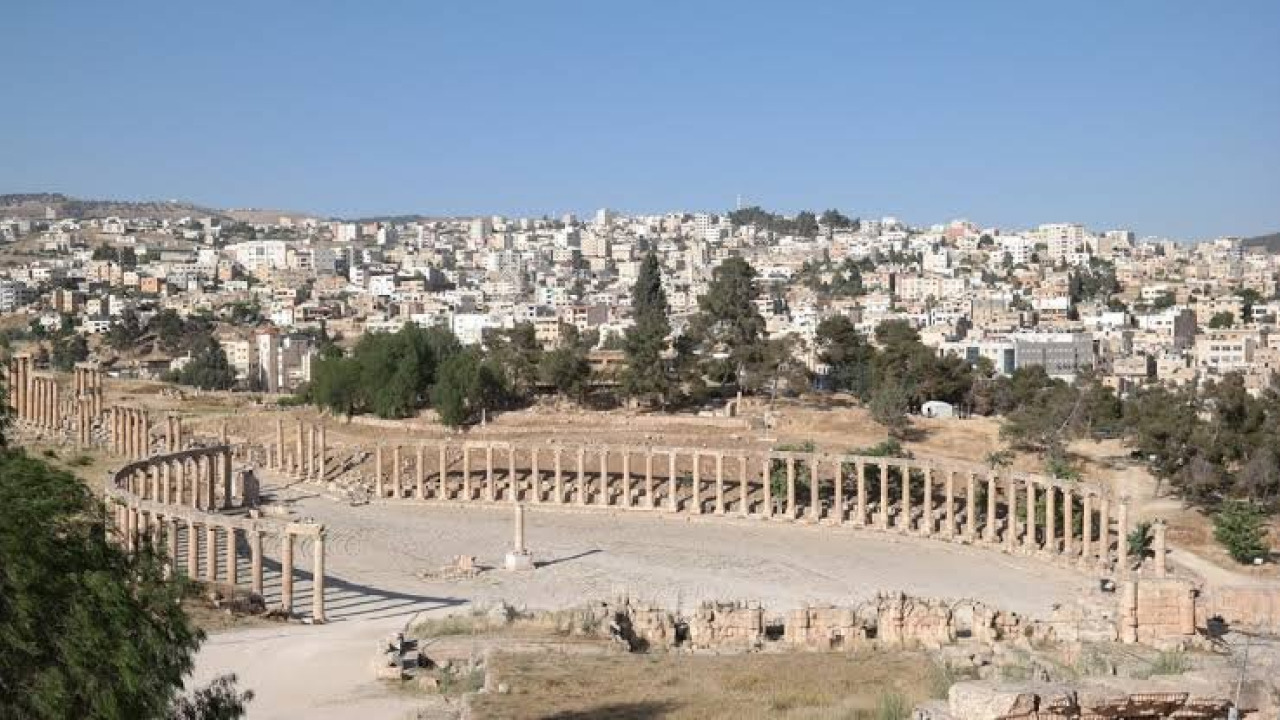
For those who want to experience the wild atmosphere of Wadi Mujib with professional guides, Wadi Mujib Canyoning provide a seamless experience, including mandatory life jacket provision and hotel transfers. To explore more of Jordan's stunning landscapes, check out our Jordan hiking and nature trekking programs or discover the Roman grandeur of the past with our Jerash ancient city tours.
The World's Lowest Nature Reserve: Canyon Morphology
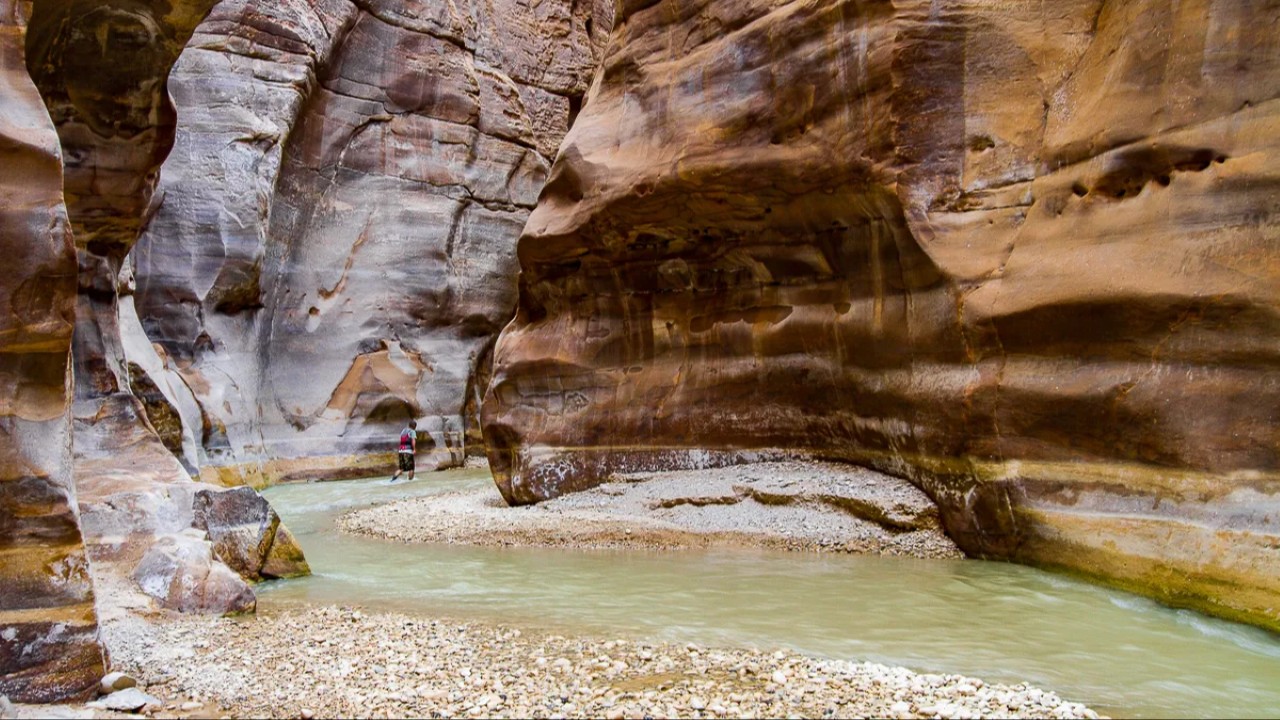
Wadi Mujib is a massive 215-square-kilometer biosphere reserve managed by the Royal Society for the Conservation of Nature (RSCN). Its most striking feature is the dramatic elevation drop: the terrain plunges 1,300 meters from the Kerak plateau (900m above sea level) down to the shores of the Dead Sea (410m below sea level). Over millions of years, rainwater from the plateau has sliced through the soft sandstone, creating sheer cliffs that reach heights of up to sixty meters.
The Mujib River, fed by thermal springs, maintains a mild temperature year-round. Thanks to the towering walls, the canyon floor is shielded from direct sunlight, creating a refreshing microclimate even when the desert heat outside exceeds 40°C. The reserve also serves as a vital sanctuary for endangered Nubian ibex (Capra nubiana), golden eagles, and striped hyenas.
The Siq Trail: Trekking Against the Current
The Siq Trail is the most popular route in Wadi Mujib and the only one accessible without a mandatory guide. Starting from the visitor center, this path leads you deep into the winding corridors of the canyon, trekking upstream. Depending on seasonal rainfall, water levels vary from ankle-deep to chest-high. The journey culminates at the magnificent 20-meter Mujib Waterfall, which crashes into a stunning sandstone amphitheater. After swimming in the natural pool at the base, hikers return to the start by floating and swimming downstream with the current.
Malaqi and Ibex Trails
For those seeking a greater challenge, the reserve offers more technical routes that require a professional guide. The Malaqi Trail leads to natural pools where the Mujib and Hidan rivers meet and involves abseiling (rappelling) down a 20-meter waterfall. The Ibex Trail, on the other hand, is a dry trekking route along the upper ridges, offering panoramic views of the salt-crusted shores of the Dead Sea and opportunities to spot wild ibex.


Comparing Wadi Mujib Canyon Trails
Here is a summary of the different trails within the Wadi Mujib Nature Reserve, including duration, difficulty, and requirements:
| Trail Name | Route Type | Duration | Difficulty | Guide Requirement |
|---|---|---|---|---|
| Siq Trail | Water Canyoning | 2 - 3 Hours | Moderate (Upstream) | Self-Guided / Optional |
| Malaqi Trail | Water & Abseiling | 6 - 8 Hours | Advanced (Rappelling) | Mandatory Professional Guide |
| Canyon Trail | Water & Waterfall | 4 - 5 Hours | Hard (Strong Current) | Mandatory Professional Guide |
| Ibex Trail | Dry Mountain Hike | 3 - 4 Hours | Moderate (Steep Path) | Mandatory Professional Guide |
For most travelers, the 2-3 hour Siq Trail is the most balanced choice, physically rewarding without requiring specialized mountaineering gear. Hardcore outdoor enthusiasts can arrange a Malaqi canyon crossing by hiring a guide through the RSCN office.
Seasonal Water Levels and Weather Conditions
Access to Wadi Mujib is strictly regulated based on rainfall and flash flood risks to ensure visitor safety:
| Season / Month | Status | Avg. Temp | Water Flow & Safety |
|---|---|---|---|
| Spring (Apr - May) | OPEN (Season Start) | 26 - 32 °C | High flow, energetic currents, cool water |
| Summer (Jun - Aug) | OPEN (Peak Season) | 36 - 42 °C (Outside) | Ideal levels, cool shaded canyon |
| Autumn (Sep - Oct) | OPEN (Season End) | 28 - 34 °C | Calm, clear water, easy crossing |
| Winter (Nov - Mar) | CLOSED | 16 - 22 °C | Closed due to flash flood risks |
Because rains in the Jordanian mountains can trigger deadly flash floods in the canyon within hours, the reserve is closed from November to March. When the season opens in April, the canyon is at its most exciting, filled with fresh spring waters.
Step-by-Step Siq Trail Itinerary
A typical, well-planned day of kanyoning in Wadi Mujib follows these steps:
- Departure from Amman: Leave your hotel around 07:30 AM and head south via the Dead Sea Highway.
- Arrival at Visitor Center: Check in at the RSCN center located right next to the Mujib Bridge.
- Gear Up & Briefing: Put on your mandatory life jacket and receive a safety briefing on canyon conduct.
- Entering the Canyon: Cross the suspension bridge and descend to the canyon floor, beginning your trek in the mild, knee-deep water.
- Rocks and Ropes: Navigate small waterfalls using natural stone steps and installed steel cables.
- The Great Mujib Waterfall: Reach the 20-meter finale and take a refreshing swim in the lagoon.
- The Floating Return: Use the current to float effortlessly back to the exit, then head to the changing rooms.
The return leg is often the highlight, as swimming with the flow feels like a natural water slide, made effortless by the buoyancy of the life jackets.
Essential Gear and Safety Rules for Canyoning
To ensure your safety and comfort in Wadi Mujib, please adhere to the following guidelines:
- Sturdy Footwear: The canyon floor is slippery with moss and wet rocks. Wear closed-toe sports shoes or canyoning shoes with grip. Flip-flops or open sandals are strictly prohibited.
- Waterproof Dry Bag: You will be swimming in sections; standard backpacks will get soaked. A high-quality dry bag is essential for valuables.
- Quick-Dry Synthetic Clothing: Avoid cotton, as it becomes heavy when wet. Opt for swimwear, athletic shorts, and synthetic moisture-wicking gear.
- Eyewear Security: Use a strap for your sunglasses to prevent them from being lost during waterfall crossings.
- Physical Requirements & Age Limit: You must be at least 18 years old and possess basic swimming skills to enter the trail.
- Hydration & Sun Care: Once you exit the canyon, you return to the arid desert air. Drink plenty of water and reapply sunscreen immediately.
Exploring the Dead Sea and Surrounding Wonders
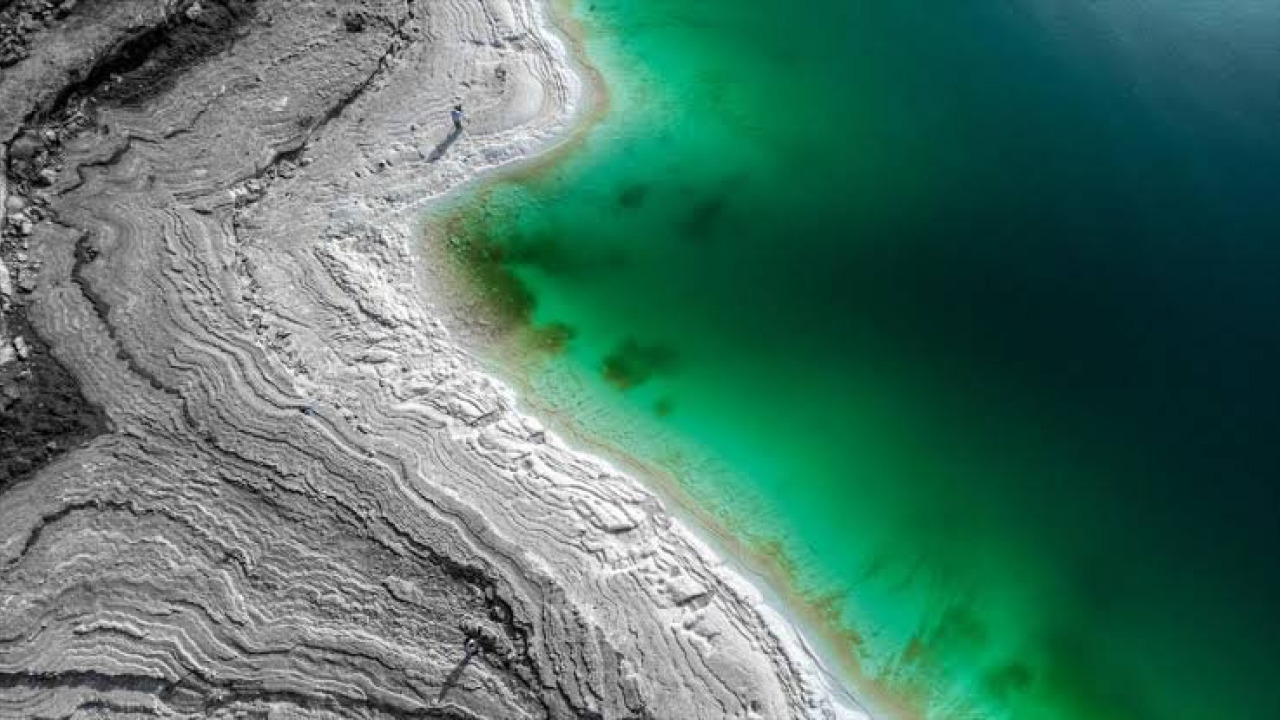
A visit to Wadi Mujib is best paired with the unique experience of the Dead Sea. Just a few hundred meters west of the canyon exit, you can experience the world's saltiest body of water, where you can float effortlessly due to the 34% salinity. After a high-energy morning in the fresh waters of the canyon, relaxing in the mineral-rich Dead Sea and applying the famous healing black mud is the ultimate ritual.
Additionally, the cliffside observation decks above the Mujib Bridge are perfect for watching the sunset over the mountains of Israel and Palestine. As the sun dips, the red sandstone walls of the canyon glow a fiery crimson, while the mist over the lake creates a magical horizon. This wild corner of Jordan is an unforgettable geological stop where desert, water, and history converge.
Frequently Asked Questions 5
Is there an age limit for entering Wadi Mujib canyon?
Yes, according to RSCN safety regulations, the minimum age for the Siq Trail and other canyon routes is 18. Children are not permitted to enter the canyon.
Can non-swimmers participate in the Siq Trail?
While mandatory life jackets are provided to everyone, some sections can reach depths of up to two meters. It is recommended that participants be comfortable in water and have basic mobility.
Can I bring a phone or camera into the canyon?
Because of deep water crossings and waterfalls, electronic devices should only be carried in professional waterproof dry bags or underwater housings.
Which months is Wadi Mujib open to visitors?
The canyon is closed during winter due to flash flood risks. It is generally open from early April to late October, depending on weather conditions.
How do I get to Wadi Mujib from Amman?
You can easily reach the visitor center from Amman city center by following the Dead Sea Highway south; the drive takes approximately one hour and fifteen minutes.