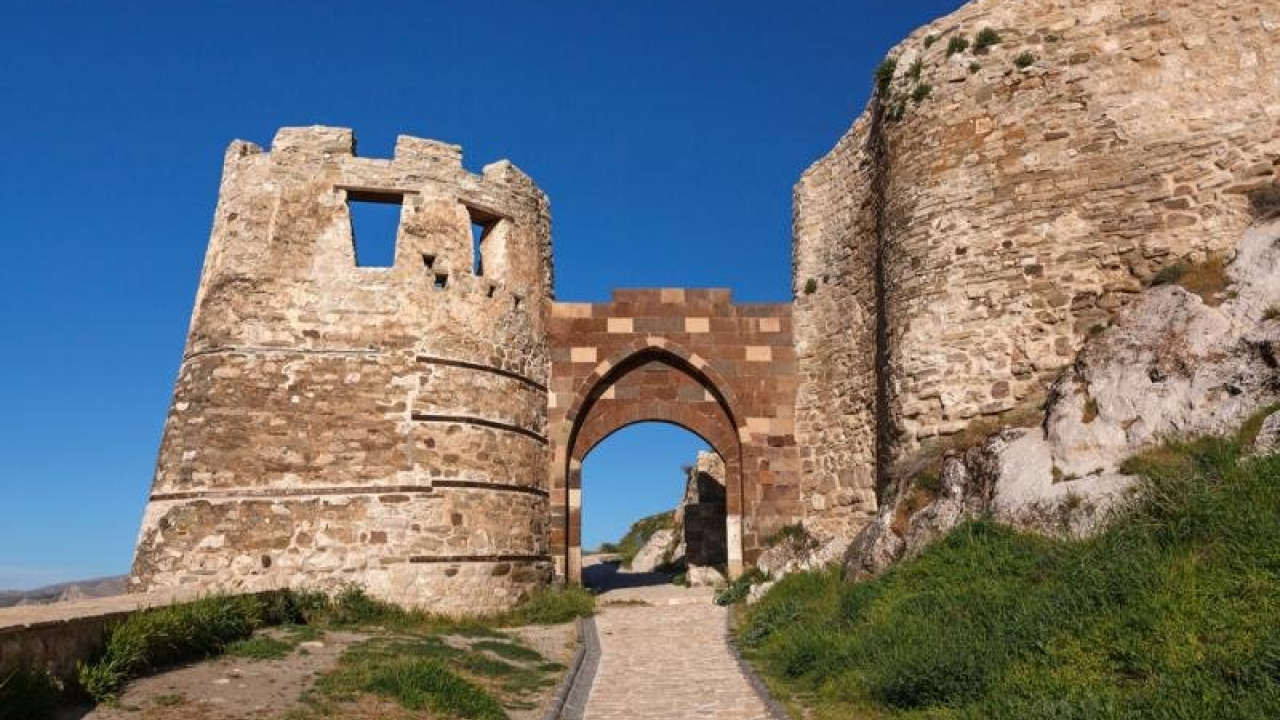
Perched on the shores of Lake Van, Turkey's largest and uniquely alkaline lake, the ancient city of Van stands as the captivating cultural capital of Eastern Anatolia. With a legacy spanning three millennia, this majestic city once served as Tushpa, the capital of the Urartian Kingdom during the Iron Age. The city's crown jewel, Van Castle, built atop rugged limestone cliffs, remains one of the ancient world's most impressive engineering feats, boasting cuneiform royal inscriptions, rock-cut tombs, and monumental walls that bridge the gap between the modern era and deep antiquity.
The most romantic and artistic highlight of any visit to Van is Akdamar Island, which glitters like an emerald in the center of the lake. The Holy Cross Cathedral (Surp Haç Kilisesi), constructed in the 10th century, represents the pinnacle of Medieval stonemasonry. Its exterior is adorned with intricate reliefs depicting scenes from the Bible and Torah, animal motifs, and vine friezes. In the spring, when the island's almond trees bloom against the backdrop of the snow-capped Mount Artos, the landscape transforms into a living painting.
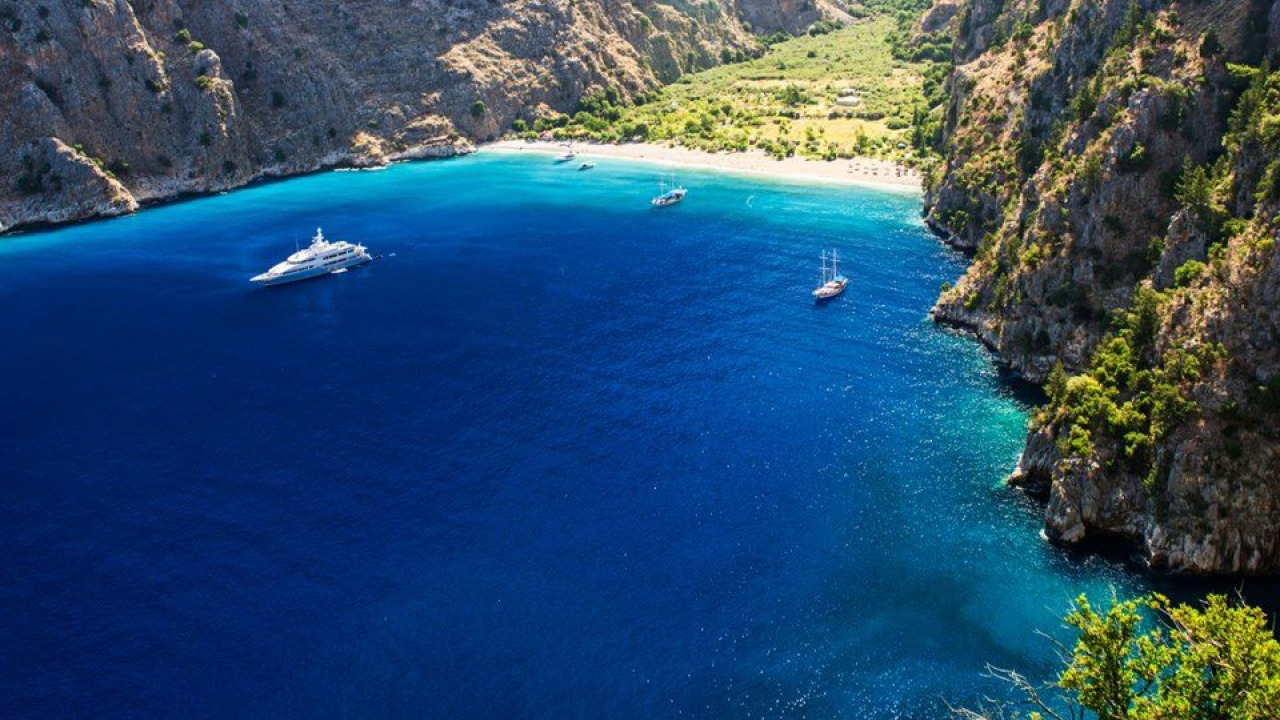
The turquoise waters of the high Eastern Anatolian plateau have provided healing and prosperity for thousands of years due to their soda-rich composition. From the sophisticated water channels of the Urartians to the lush vineyards of today, the region is a testament to human ingenuity overcoming harsh natural conditions. Walking through these ancient lands allows visitors to feel the profound continuity of history.
Quick Facts: Van City & Akdamar Cultural Tour
Guided tours focusing on the city center and the Gevaş district are typically full-day programs that combine lake cruises, island visits, and explorations of ancient urban centers. Guests usually begin their day with the legendary Van breakfast before taking a boat to the island to explore the historic cathedral. The table below provides a practical summary of the tour.
| Feature | Visitor Quick Summary |
|---|---|
| Key Cultural Stops | Van Castle (Tushpa), Akdamar Island, Van Cat Villa, Archaeology Museum |
| Lake Boat Transfer | A scenic 20-minute cruise from Gevaş Akdamar Pier to the island |
| Must-See Artifacts | King Menua and Argishti I rock inscriptions, Akdamar stone reliefs |
| Local Gastronomy | Authentic Van breakfast (herbed cheese, murtuğa, kavut), Pearl Mullet |
| Tour Duration | Departure at 08:30 AM, return by 05:30 PM (approx. 9 hours) |
| Best For | History and archaeology buffs, photographers, families, and cultural explorers |
The stories of Urartian kings and the poignant legend of Tamara, shared by expert guides, add an emotional layer to the journey. Sipping tea under the shade of almond trees on Akdamar Island while gazing at the turquoise waters is the perfect way to experience the serene spirit of Eastern Anatolia. You can discover this timeless route where history meets nature through our Van city and cultural tours.
Monumental Landmarks on the Van Historical Route
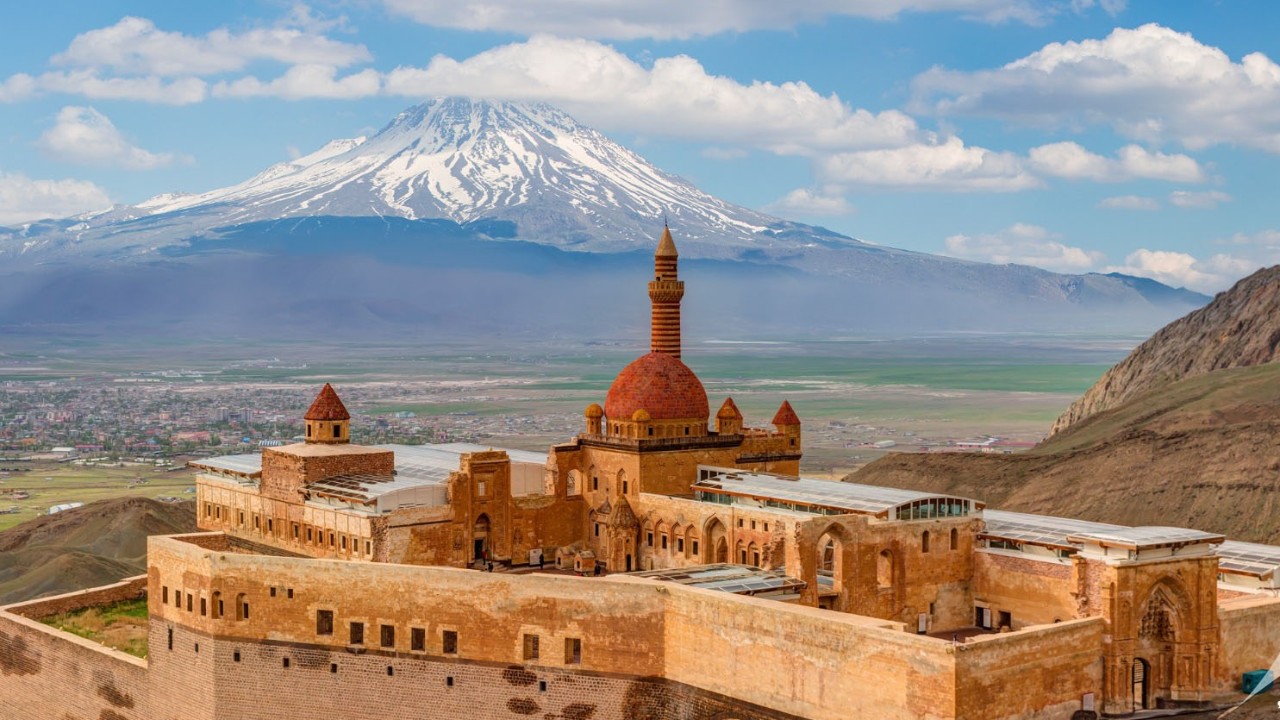
The Van basin is essentially a vast open-air museum, filled with Urartian water channels, fortresses, and stone workshops. Every step in the city leads you to victory inscriptions carved into the living rock by ancient kings.
The primary sites visited during a cultural tour showcase unique chapters of human civilization, highlighting the thousands of years of craftsmanship inherent to Eastern Anatolia.
Van Castle and the Tombs of the Urartian Kings
Rising independently 100 meters above the lake shore, Van Castle was commissioned by Urartian King Sarduri I in the 9th century BC. The massive Sardur Tower (Madır Tower) at the base of the fortress is a marvel of ancient architecture, featuring huge hewn stones joined without mortar.
The royal rock tombs carved into the southern face of the castle, with their multi-room layouts and ceiling decorations, served as the eternal resting places for the kings. At the summit, the Horhor Inscription of Argishti I stands as a monumental cuneiform document detailing the kingdom's conquests. Watching the sunset over the lake from the peak is the city's most breathtaking visual experience.
At the northern foot of the castle lie the ruins of the Old City of Van, featuring works designed by the legendary Ottoman architect Mimar Sinan, such as the Hüsrev Paşa Mosque and the Red Minaret Mosque. This area documents the city's multi-religious and multicultural heritage.
Akdamar Island and the Holy Cross Cathedral
Located off the coast of Gevaş, Akdamar Island is world-renowned for its cathedral, built between 915 and 921 AD by Architect Manuel under the orders of King Gagik I of Vaspurakan. Constructed from red tuff stone, this cross-plan church is unique for the relief sculptures decorating its exterior walls.
The reliefs meticulously depict scenes such as the battle between David and Goliath, the Prophet Jonah emerging from the belly of the whale, and the expulsion of Adam and Eve from Paradise. Figures of humans and animals entwined in grapevine branches offer a vivid glimpse into the daily life and viticulture of the era.
The frescoes on the interior dome and walls reflect the early refinements of Christian iconography. The sound of seagulls circling the island's cliffs completes the spiritual tranquility of the cathedral.
Van Cat Villa and Urartian Silver Workshops
The Van Cat Villa, protected by Yüzüncü Yıl University, is a sanctuary for the endemic Van cats, famous for their silky white fur and striking odd-colored eyes (one blue, one amber). Visitors can spend time interacting with and photographing these friendly creatures.
In the city's historic bazaars, the art of Urartian "Savat" silver engraving continues as a centuries-old tradition. Masters carve black patterns onto silver using an alloy of lead, sulfur, and copper, keeping Urartian motifs alive through necklaces and bracelets.
Handcrafted amulets and jewelry from these workshops make for unforgettable souvenirs. Watching the masters melt silver and hammer it into shape is a mesmerizing artisanal experience.
Çavuştepe Castle and the Temple of Haldi
Located 25 kilometers from the city center on a ridge overlooking the Gürpınar plain, Çavuştepe Castle was built by Urartian King Sarduri II. Divided into an upper and lower castle, this center is an impressive settlement featuring palace rooms and storehouses.
The temple dedicated to Haldi, the chief god of the Urartians, was constructed from carefully carved black basalt. The cuneiform inscriptions on the temple walls transmit the religious beliefs and votive rituals of the period to the present day.
The massive grain jars and wine cisterns in the lower castle demonstrate the Urartians' advanced agricultural storage technology. From the castle walls, the kingdom's irrigation channels and farmland are clearly visible across the plain.
One-Day Van City & Akdamar Itinerary
To efficiently cover the historical and natural riches of Van in a single day, we recommend the following guided itinerary:
- Traditional Van Breakfast: Start at 08:30 AM in the city's historic breakfast street; sample the herbed cheese, murtuğa, and honeycomb.
- Gevaş Pier & Lake Cruise: Head to Gevaş for a 20-minute boat journey across the lake to reach Akdamar Island.
- Holy Cross Cathedral & Island Exploration: Spend 1.5 hours with a guide exploring the exterior reliefs and interior frescoes of the historic church.
- Pearl Mullet Lunch by the Lake: On the return, enjoy the local "Pearl Mullet" (İnci Kefali), cooked in a traditional tandoor at a lakeside restaurant.
- Van Castle & Museum Visit: Ascend Van Castle to see the Urartian inscriptions, then conclude the tour at the modern Van Archaeology Museum.
Van Cultural Landmarks & Historical Value
The historical centers of the Van basin complement each other through their chronological depth and artistic richness.
| Historical Site | Period | Architectural Highlight | Current Status |
|---|---|---|---|
| Van Castle (Tushpa) | 9th Century BC (Urartian) | Cuneiform inscriptions, rock tombs | Monumental walls still standing |
| Akdamar Church | 915 - 921 AD (Armenian) | Exterior stone reliefs, frescoes | Restored monument museum |
| Çavuştepe Castle | 8th Century BC (Urartian) | Royal palace, temple, and cisterns | Archaeological excavation site |
| Hüsrev Paşa Mosque | 1567 (Mimar Sinan) | Ottoman stone complex architecture | Active historic mosque |
| Cat Conservation Villa | Modern Era | Protection of endemic purebred cats | Open research facility |
These monuments prove that Van is not just a city of nature, but a crossroads of great empires. To explore other cultural routes in the region, visit our Eastern Anatolia travel and tour routes page.
Practical Travel Tips for Visiting Van
To ensure a comfortable trip in the high-altitude climate of Eastern Anatolia, we suggest the following preparations:
- Wear sturdy sneakers or trekking shoes for walking the steep paths and climbing the steps of Van Castle.
- Due to the high altitude, UV rays are stronger; do not forget your hat, sunglasses, and sunscreen.
- Bring a light cardigan or windbreaker for the boat trip to Akdamar Island, as the lake breeze can be chilly.
- When shopping for traditional herbed cheese or Savat silver, we recommend buying from certified local bazaar merchants.
- For the best photos of the Akdamar Church reliefs, use the horizontal light of the early morning or late afternoon sun to capture the details.
- Please stay within the safety barriers and follow the designated paths when walking along the steep edges of the castle walls.
Always follow life jacket regulations during boat transfers and take a moment to admire the beauty of the soda waters. Keeping your camera in burst mode is ideal for capturing the flocks of seagulls over the lake.
The warm and hospitable nature of the locals will make you feel at home in the city streets. To discover more boat and lake excursions, check out our Lake Van and Akdamar boat tours page.
Best Time to Visit & Getting to Van
The most favorable time to visit Van is during the mild season, stretching from late April to late October. In May, the blooming almond trees on Akdamar Island combined with the lake's blue and the snowy mountains create a visual feast. In the summer, the dry, cool air of the high altitude provides a refreshing escape for those fleeing the heat of the big cities.
In autumn, the yellowing poplar trees and the snow-capped volcanic mountains in winter offer unique landscapes for photographers. The dry plateau air allows for pleasant sightseeing even on sunny winter days.
Van Ferit Melen Airport is approximately 8 kilometers from the city center, with regular daily flights from major metropolises. You can reach the city center from the airport in 15 minutes via taxi or shuttle. The Gevaş Akdamar Pier is about 45 kilometers from the city center and is easily accessible via the scenic coastal road.
Frequently Asked Questions 5
Do boats run regularly to Akdamar Island?
Yes, passenger boats depart from the Gevaş pier throughout the day as they fill up; the crossing takes approximately 20 minutes.
Is the MuseumPass (MüzeKart) valid at Akdamar Church?
Yes, Akdamar Island is a designated archaeological site, and the MuseumPass is valid for entry for Turkish citizens; however, the boat fee is paid separately.
Is it possible to swim in Lake Van?
Yes, you can safely swim in the soda-rich, healing waters of the lake during the summer at designated public beaches and around Akdamar Island.
What is included in the famous Van breakfast?
An authentic Van breakfast features over 20 natural varieties, including herbed cheese, murtuğa (a flour-based breakfast dish), kavut, honey-cream, and lavaş bread.
Can you pet the Van Cats?
Yes, at the Van Cat Villa, you can see and pet the cats up close in special visiting areas accompanied by staff.