The fertile crescent of Southeastern Anatolia, a land of millennia, holds two of the most monumental legacies of human civilization. From the 12,000-year-old temple complex of Göbeklitepe rising from the plains of Şanlıurfa to the tumulus of Mount Nemrut reaching for the heavens at 2,150 meters in Adıyaman, this region offers a mesmerizing odyssey for any culture enthusiast.
Planning a comprehensive kommagene heykelleri ve göbeklitepe kültür rotası (cultural route) takes you on a historical journey from the hunter-gatherer symbols of the Neolithic age to the colossal stone monuments of Hellenistic kingdoms. You can explore our Göbeklitepe historical city tours here for detailed itineraries, or check out our Göbeklitepe ancient city tours for more immersive exploration options.
Quick Facts: Visiting Göbeklitepe and Mount Nemrut
| Feature | Visitor Summary |
|---|---|
| Regional Location | Haliliye (Şanlıurfa) and Kahta (Adıyaman) districts |
| Distance Between Sites | Approx. 180 km from Şanlıurfa center to the summit of Mount Nemrut |
| Best Time to Visit | Spring (April-May) and Autumn (September-October) |
| Key Highlights | T-shaped monumental pillars, King Antiochos' tumulus |
| Climate & Terrain | Mild steppe weather by day; windy and chilly at the summit |
| Ideal For | Archaeology buffs, history lovers, and photographers |
The Dawn of the Neolithic: Why Göbeklitepe Matters
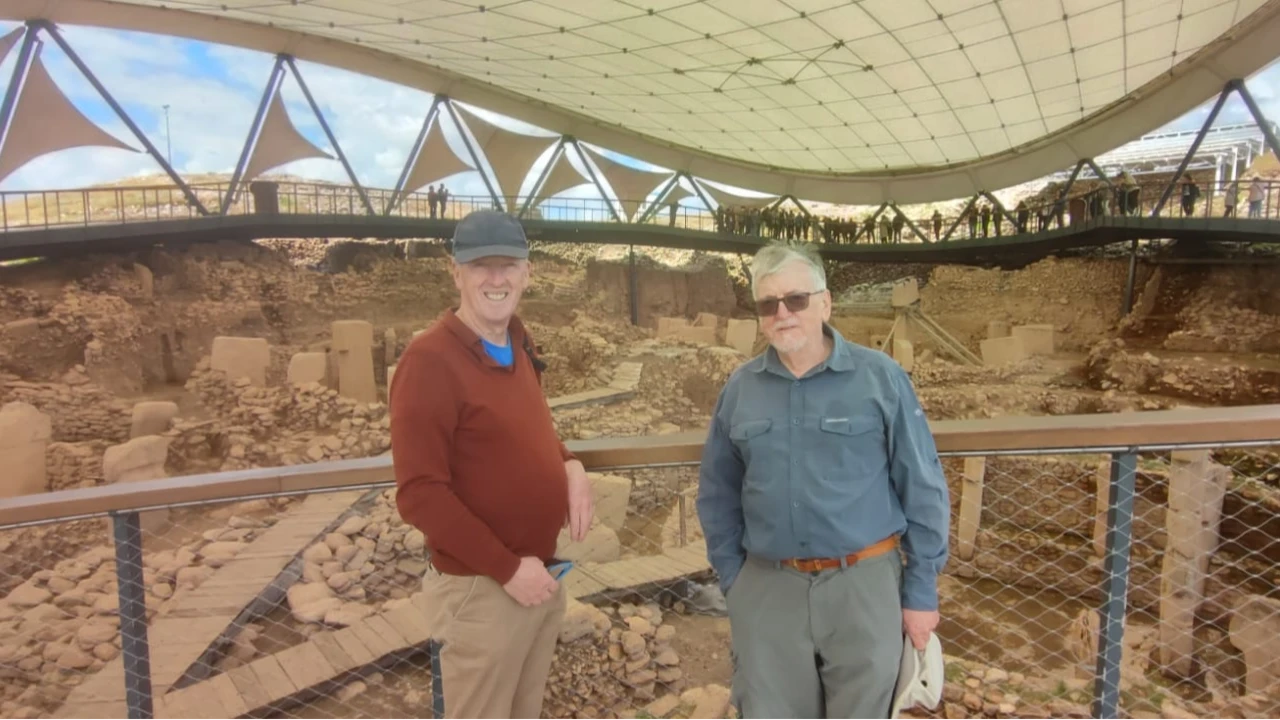
Located just 18 kilometers from the center of Şanlıurfa, Göbeklitepe has fundamentally rewritten the textbooks on settled life and the history of religion. Dating back to approximately 9600 BC, these circular temple structures provide concrete evidence that organized religious rituals existed long before the advent of agriculture.
The structures unearthed at the site consist of massive limestone pillars arranged in circular patterns. This architectural feat has placed a central question at the heart of global archaeology: how were such imposing blocks carved and moved using only stone tools?
The Sky-High Ambition of the Kommagene Kingdom
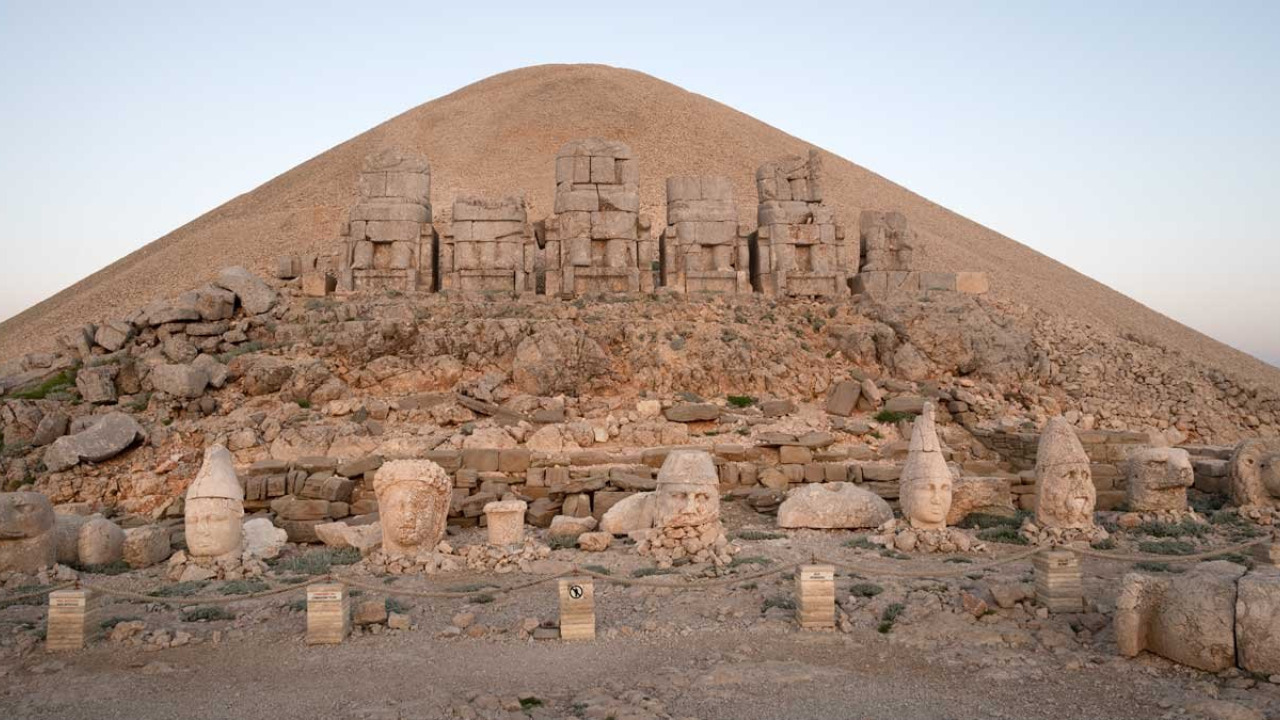
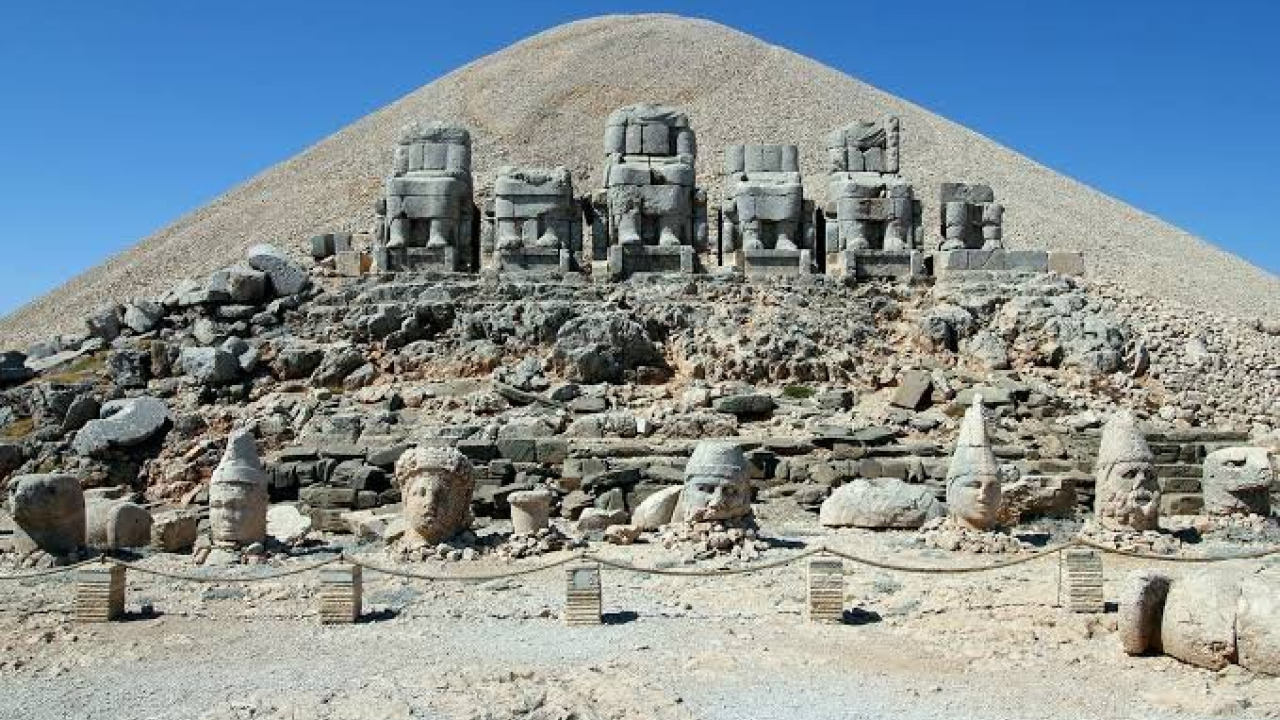
Rising within the Kahta district of Adıyaman, Mount Nemrut is the most magnificent funerary monument of the Kommagene Kingdom, symbolizing a synthesis of Hellenistic and Persian cultures. King Antiochos I commissioned a massive tumulus of crushed stone at the mountain's peak, seeking to be remembered on the same level as the gods and to immortalize his reign.
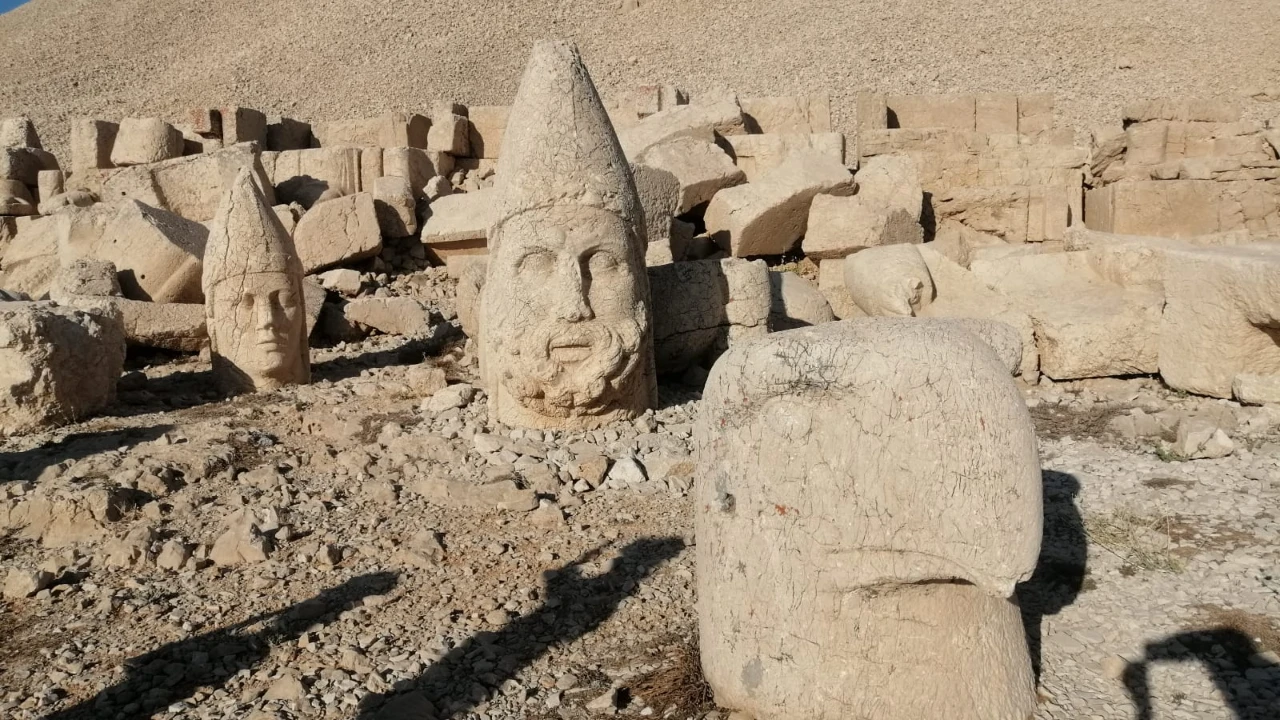
The giant stone heads, standing 8 to 10 meters tall, have waited in silence on the east and west terraces for centuries. Visitors who climb to these terraces at sunrise or sunset witness one of the most breathtaking panoramas of the ancient world.
Architectural Mastery and Sculptural Art of Göbeklitepe and Nemrut
T-Shaped Pillars and Animal Reliefs
The T-shaped pillars at Göbeklitepe, some weighing up to 15 tons, are abstract sculptures depicting stylized human figures. Reliefs of arms, hands, and belts carved into the bodies of the pillars confirm that these columns represent human beings.
The surfaces are masterfully adorned with reliefs of foxes, wild boars, cranes, vultures, and lions, reflecting the fauna and spiritual world of the era. Two large central pillars in each structure, surrounded by smaller ones, create a profound sense of a protected, sacred space.
The Antiochos Tumulus and the Pantheon of Gods
The 50-meter-high tumulus made of crushed stone atop Mount Nemrut was designed to protect the king's secret burial chamber. On the east terrace, King Antiochos is depicted alongside the goddess of luck, Kommagene, as well as Zeus-Oromasdes, Apollon-Mithras, and Herakles-Artagnes.
Due to earthquakes and the harsh mountain climate, the massive heads have detached from their bodies and now sit majestically on the terrace floors. On the west terrace, the famous "Lion Horoscope" relief stands as one of the oldest known astrological calendars of the ancient world.
Cendere Bridge and the Ancient City of Arsemia
Along the route to Mount Nemrut lies the Cendere Bridge, an engineering marvel from the era of Roman Emperor Septimius Severus, built with precision-cut stone blocks without the use of mortar. Spanning the canyon of the Cendere River with a wide arch, the bridge has remained steadfast for over 1,800 years.
Another essential stop is Arsemia, the summer capital of the Kommagene Kingdom. The Greek inscriptions carved into the rocky slopes and the relief depicting the handshake between King Antiochos I and Herakles are rare and precious examples of ancient diplomacy.
Comparison: Key Stops on the Göbeklitepe & Nemrut Route
A comparative look at the highlights of this monument-focused itinerary:
| Stop | Region / District | Period / Date | Primary Visual Asset | Visit Duration |
|---|---|---|---|---|
| Göbeklitepe Site | Şanlıurfa Haliliye | 9600 BC (Neolithic) | T-pillars, animal reliefs | 2-2.5 Hours |
| Karahantepe Site | Şanlıurfa Haliliye | Neolithic Period | Human head sculpture, ritual pool | 1.5-2 Hours |
| Şanlıurfa Archaeology Museum | Şanlıurfa Center | Multi-era | Balıklıgöl Man, Neolithic hall | 2-3 Hours |
| Cendere Roman Bridge | Adıyaman Kahta | 200 AD (Roman) | Mortarless stone arch & columns | 45 Minutes |
| Karakuş Tumulus | Adıyaman Kahta | Kommagene Kingdom | Eagle and lion topped columns | 45 Minutes |
| Mount Nemrut Summit | Adıyaman Kahta Peak | Hellenistic Period | Giant god heads & gravel tumulus | 2.5-3 Hours |
The Şanlıurfa Archaeology Complex and Neolithic Legacy
A significant portion of the stone vessels, small idols, and Neolithic artifacts recovered from Göbeklitepe are preserved in the Şanlıurfa Archaeology Museum. This modern facility also houses the "Balıklıgöl Man," the world's oldest known life-sized human statue.
With its chronological galleries and a full-scale reconstruction of a Göbeklitepe temple, the museum allows visitors to solidify the knowledge gained at the excavation site. We highly recommend adding the museum tour to your itinerary.
Karakuş Tumulus: The Monument to the Royal Women
Located at the foothills of Mount Nemrut, the Karakuş Tumulus is a funerary monument built for the women of the Kommagene royal family. The columns surrounding the tumulus, topped with eagle and lion sculptures, symbolize the power and celestial protection of the dynasty.
When the sunlight hits the columns, the view overlooking the valley gains an extraordinary depth. This hill, facing the Kahta River valley, is the perfect spot to relax and take photos before the final ascent to Nemrut.
A Two-Day Itinerary for Şanlıurfa and Nemrut
To fully experience the rich heritage of the region, we suggest the following travel plan:
- Neolithic Beginnings in Şanlıurfa (09:00): Start with a detailed exploration of the Neolithic collections at the Şanlıurfa Archaeology Museum.
- Göbeklitepe Temple Visit (11:30): Walk the wooden pathways to visit temples A, B, C, and D under the protective canopy.
- Traditional Urfa Lunch (14:00): Savor the fresh kebabs, lahmacun, and bostana salad of the Haliliye region.
- Balıklıgöl and Historic Bazaars (15:30): Stroll through Aynzeliha Lake, the Halil-ür Rahman Mosque, and the historic covered markets.
- Transfer to Adıyaman Kahta (08:00): Depart for Kahta early on the second morning.
- Karakuş and Cendere Bridge (11:00): Photograph the royal columns and walk across the Roman bridge's arch.
- Arsemia Site Ascent (13:30): View the rock inscriptions and the Herakles handshake stele.
- Mount Nemrut Sunset (16:30): Bid farewell to the day among the giant god heads on the east and west terraces.
Professional Services Included in the Journey
On these cultural tours, the insights of expert archaeologists or professional licensed guides make the trip truly meaningful. Visitors can learn the spiritual background of every pillar and relief directly from the experts.
Transportation is provided in air-conditioned vehicles suited for mountain roads and rugged terrain, easing the fatigue of the journey. We recommend keeping your museum passes handy to breeze through the ticket lines.
Local Gastronomy and Flavors of Mesopotamia
The cuisines of Şanlıurfa and Adıyaman leave a lasting impression with their centuries-old balance of spices and meat-processing culture. Try the traditional çiğ köfte, kneaded in a stone mortar and served with fresh greens.
At road stops, you can taste Adıyaman's dövme pestili (dried fruit leather), caravanserai coffee, and fresh walnut sausages. In Şanlıurfa, licorice sherbet and mırra (bitter coffee) are the traditional drinks offered throughout the trip.
Visitor Tips for Your Göbeklitepe and Nemrut Journey
To ensure a comfortable and safe experience on this historical route, please follow these suggestions:
- Seasonal Timing: Temperatures can exceed 40°C in July and August; we recommend visiting in April, May, or during the autumn months.
- Dress in Layers: The summit of Mount Nemrut can be 15-20°C colder than the plains in the evening; bring a thick windbreaker and a jacket.
- Sturdy Footwear: The paths at the Nemrut summit and the archaeological sites are rocky; choose sneakers or boots with gripped soles.
- Get a Museum Pass: Save time at the ticket booths by using a Museum Pass, which is valid at both Göbeklitepe and the other sites along the route.
- Timing the Summit: Arrive at the Mount Nemrut summit at least one hour before sunset to secure your spot on the terraces.
- Photography Gear: Carry a wide-angle lens and a polarizing filter to capture the pillar reliefs and the shaded details of the statues.
The Landscape and the Rise of the Eastern Taurus
As you move north from the endless yellow steppes of Şanlıurfa, the geography changes abruptly, giving way to the imposing Eastern Taurus mountains. Deep canyons and dam lakes fed by the Euphrates River create stunning vistas along the way.
Crossing the Euphrates via the Nissibi Suspension Bridge allows you to feel the elegance of modern engineering over the water. This geographical transition highlights the dramatic contrast between the Mesopotamian plains and the mountains of Eastern Anatolia.
Mesopotamia: Where Civilizations Converge
Turning Points in Human History
While Göbeklitepe symbolizes the ritual unity of early hunters, Mount Nemrut represents a monarchical empire's desire to merge with cosmic gods. The ten-thousand-year gap between them proves the evolution of human belief and architectural ambition.
Both centers were built using the most advanced stonework techniques of their respective eras, continuing to amaze modern engineers. Combining these two monuments into one itinerary allows you to grasp Anatolia's unique role in world history.
Lasting Memories
As the sun disappears behind the Nemrut terraces, the limestone heads of the gods turn a deep crimson, and a profound mountain silence settles over the land. Returning to the Kahta plain under a canopy of brilliant stars revives the mystic atmosphere of the ancient world.
Completed with the warm hospitality of Şanlıurfa and Adıyaman, this route provides visitors with a cultural perspective they will never forget. The deep history of Anatolian soil continues to evoke a sense of discovery at every step.
Frequently Asked Questions 6
Can Göbeklitepe and Mount Nemrut be visited on the same day?
The distance between the two is approximately 180 km, a 2.5 to 3-hour drive. While it is possible to visit Göbeklitepe in the morning and catch the sunset at Nemrut in the afternoon, a two-day program is recommended for a more relaxed exploration.
Is there a road for vehicles to the summit of Mount Nemrut?
Tour vehicles can drive up to the cafeteria and transfer area at the base of the mountain. From there, you must walk a steep, stone-stepped path of approximately 600 meters to reach the terraces.
What is the best time to visit Göbeklitepe?
Early morning or late afternoon, when the sun is not directly overhead, are ideal times to examine the reliefs under the protective canopy and take the best photos.
What is the weather like at the summit of Mount Nemrut?
At an altitude of 2,150 meters, the wind can be severe, and temperatures can suddenly drop by 5-10°C even in summer; therefore, a jacket is essential.
Are strollers or wheelchairs accessible at Göbeklitepe?
Yes, there are wooden walking ramps around the Göbeklitepe excavation area, and the visitor path is suitable for the use of wheelchairs and strollers.
Is sunrise or sunset more impressive on Mount Nemrut?
The east terrace is most impressive at sunrise, while the west terrace shines at sunset. Due to logistical ease and the angle of light, sunset tours are more commonly preferred in general itineraries.