Caravan tourism in Turkey is rapidly becoming a favorite way to explore for travelers who prefer to craft their itinerary on the open road, rather than being tied to a fixed hotel address. Across Turkey's vast and diverse landscape – from the sun-drenched coves of the Aegean coast to the lush plateaus of the Black Sea, and from the ancient valleys of Central Anatolia to the serene lake shores of Eastern Anatolia – your vehicle doubles as both transport and accommodation. This comprehensive guide will walk you through everything you need to know before hitting the road, from choosing your caravan type and managing energy and water infrastructure, to understanding the legal distinctions between parking and camping, and planning your seasonal adventures. Our aim is to provide a practical framework that will benefit both first-time caravaners and seasoned road warriors alike.
What is Caravan Tourism and How Does it Work?
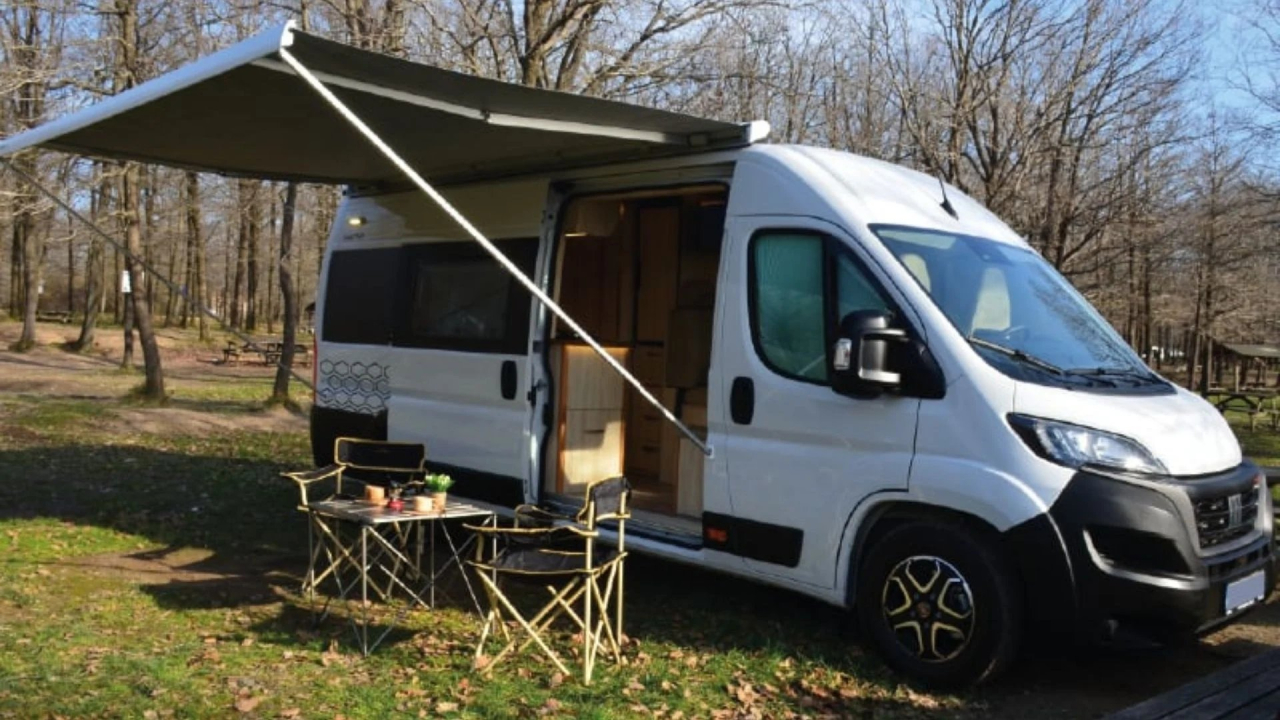
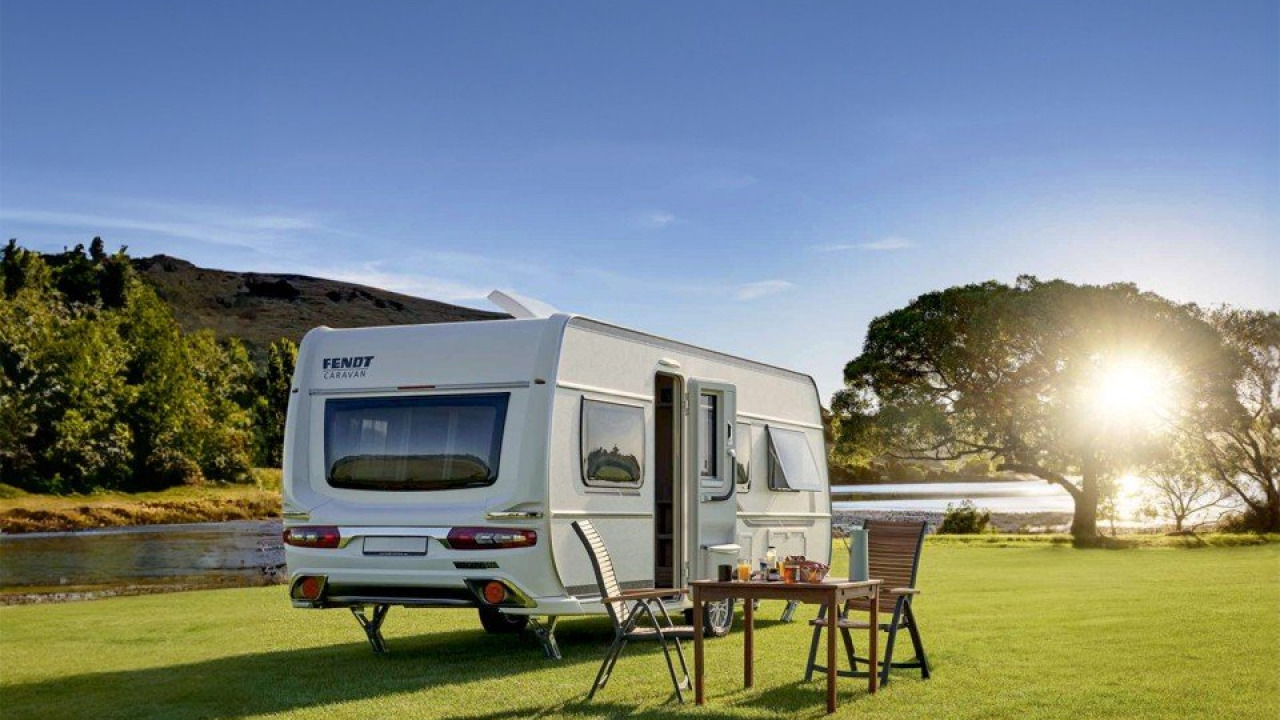
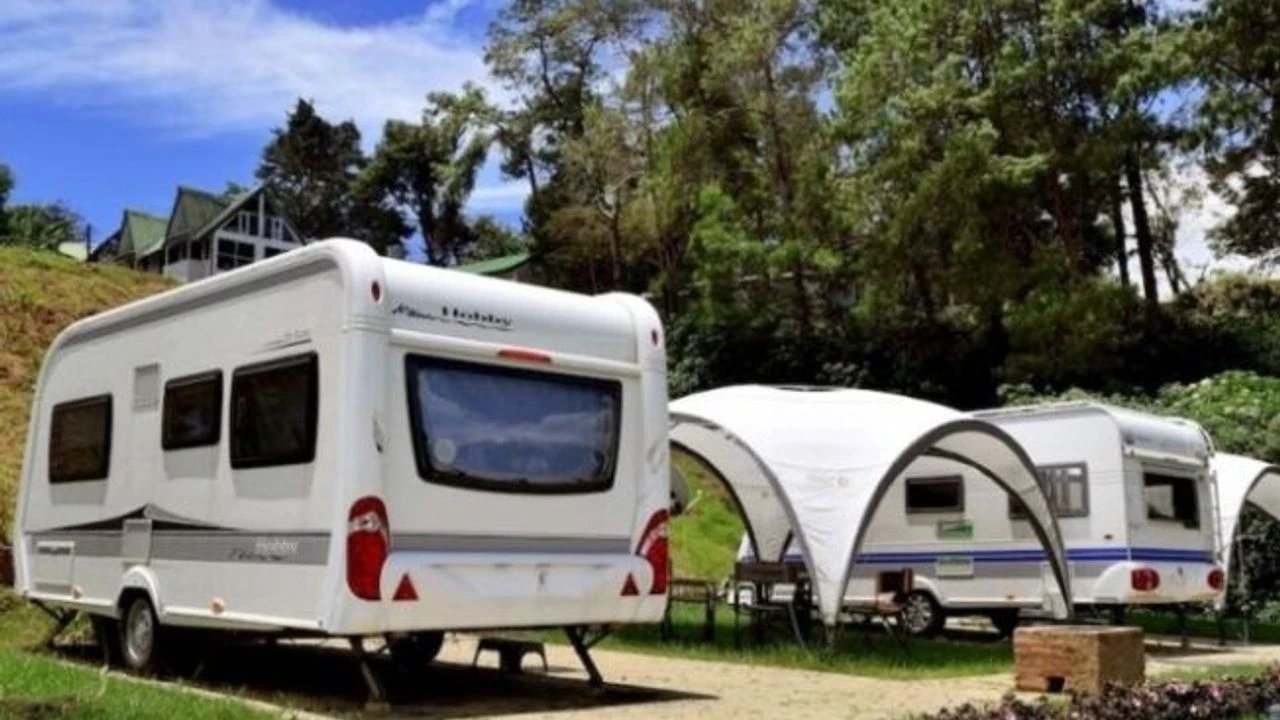
Caravan tourism is an independent travel style where accommodation and transportation are combined in a single vehicle, allowing your daily itinerary to adapt flexibly to road conditions. Practically, it involves two main vehicle types: the towable caravan (or travel trailer), which is hitched to a separate car, and the motorhome (or campervan), which has its own engine. Towable caravans are practical for longer stays, as the towing vehicle can be unhitched and used independently once you've set up camp. Motorhomes, on the other hand, are better suited for itineraries that involve frequent relocation, perfect for those who want to wake up in a different spot each day.
The choice between these two types often depends more on your preferred travel style and route than on the purchase decision itself. The table below summarizes how the same route might play out differently with each vehicle.
| Route Behavior | Towable Caravan (Travel Trailer) | Motorhome (Campervan) |
|---|---|---|
| Daily Stop Changes | Setup and pack-down take time, not ideal for frequent relocation | Simply disconnect utilities; you can wake up in a new spot daily |
| City Exploration After Setup | Caravan stays at camp, towing vehicle offers freedom to explore | The entire vehicle moves, risking loss of your prime spot |
| Narrow, Winding Forest Roads | Maneuvering and reversing are challenging, especially with a long trailer | Integrated body makes it easier to manage |
| License & Registration Burden | Trailer's weight class is key; separate registration and license plate required | Vehicle's maximum laden weight is key; no separate trailer registration needed |
At the heart of this travel style is the concept of autonomy. Autonomy refers to how many days your vehicle can meet its electricity, water, and heating needs without external hookups. The more days you can spend off-grid, the greater your route flexibility. Therefore, caravan planning essentially involves two distinct plans: the plan for where you'll go, and the plan for your vehicle's self-sufficiency.
Quick Facts
| Topic | Information |
|---|---|
| Vehicle Types | Towable caravans (travel trailers), motorhomes (campervans), converted panel vans |
| Accommodation Options | Official caravan parks, forest and national park campsites, private camping facilities |
| Legal Framework | Turkish Highway Traffic Law No. 2918 and Highway Traffic Regulations |
| Best Seasons | Spring and autumn for coastal regions, summer months for plateaus and highlands |
| Critical Infrastructure | Leisure battery, solar panel, fresh water tank, waste water tank, heater |
| Average Route Duration | Balanced 3 to 7-day itineraries are comfortable for beginners |
Top Destinations for Caravan Travel in Turkey
The following destinations offer a taste of diverse caravan routes, ranging in difficulty and experience. For each, road conditions, accommodation status, and optimal timing should be considered carefully.
Yedigöller National Park
Located approximately 42 kilometers north of Bolu city center, Yedigöller (meaning 'Seven Lakes') was declared a national park in 1965. It gets its name from seven distinct lakes – Büyükgöl, Seringöl, Deringöl, Nazlıgöl, Küçükgöl, İncegöl, and Sazlıgöl – formed by landslides blocking valley fronts and accumulating water. The dominant tree species is beech, accompanied by oak, hornbeam, alder, Scots pine, black pine, and fir. This rich mix transforms the region into a photographer's paradise in autumn, with a stunning palette of colors from yellow to crimson. Within the park, you'll find designated camping and day-use areas managed by the forest administration.
From a caravan perspective, the road conditions are key. A section of the route from Bolu city center to the park is narrow, winding, and may include unpaved sections depending on the season. For longer motorhomes and wider towable caravans, the alternative entrance from the Yığılca side generally offers easier maneuvering. On autumn weekends, vehicle queues can form at the park entrance, so choosing a weekday for your visit will ensure a more comfortable experience.
Practical tip: Commercial services within the park are limited, so complete your shopping in Bolu or Yığılca before heading in. If you're planning a day focused on hiking and nature observation within the park, consider browsing the guided programs on our nature and adventure tours page to integrate into your itinerary.
Polonezköy
Polonezköy, located in Istanbul's Beykoz district, is a unique settlement founded by Polish immigrants in the 19th century, known for a long time as Adampol. Today, the village surroundings hold nature park status, offering picnic areas, hiking trails, and accommodation facilities. Its proximity to the city center makes it a low-risk, ideal spot for your first caravan adventure.
The real value here lies in equipment testing. Spending a night close to the city allows you to test your vehicle's energy consumption, water usage, and living arrangements, helping you identify any shortcomings before embarking on a longer journey. Weekends can get busy, so it's advisable to complete your setup before noon.
Practical tip: Entrance and exit times, as well as overnight stay permissions, vary between facilities within nature park areas; always confirm with the relevant operator before you set off.
İztuzu Beach and Dalyan Surroundings
İztuzu Beach, located in the Ortaca district of Muğla, is renowned for its unique sandy strip where a freshwater delta meets the sea, serving as a vital nesting ground for loggerhead sea turtles (caretta caretta). This status comes with a direct and time-bound rule for caravan travelers: during the nesting season (May 1st - October 31st), access to the beach is prohibited between 8:00 PM and 8:00 AM. Lighting fires or barbecues, pitching tents, and driving vehicles onto the sand are also forbidden; violations incur administrative fines. In short, overnight stays on the beach are not an option.
The correct approach is to leave your caravan at official facilities around Dalyan and Ortaca, then transfer to the beach by dolmuş (shared taxi) or canal boat. This way, you adhere to conservation rules while also having time to explore the region's canal tours, ancient city ruins, and thermal springs.
Practical tip: Coastal facilities fill up quickly in mid-summer; finalize your accommodation plans before starting your route and schedule waste water disposal upon arrival at the facility.
Akdamar Church and Lake Van Route
The Church of the Holy Cross on Akdamar Island, located approximately 4 kilometers off the southern shore of Lake Van, was built between 915-921 during the reign of King Gagik I of Vaspurakan. It is renowned for its intricate stone reliefs on its exterior. Access to the island is by boat from the pier in Gevaş district; caravans can be left in the parking areas around the pier.
The Eastern Anatolia route is a region with a narrow travel season due to its high altitude. Even in summer, night temperatures can drop rapidly, making heating and insulation a necessity, not just a comfort. For those looking to combine their trip with a culture-focused program, the itineraries under our cultural tours section can provide inspiration. If you wish to add other stops around the lake to your route, our Van attractions guide will help you expand your itinerary.
Practical tip: Limit your daily driving time due to the long distances; a fatigued driver towing a caravan increases the risk of swaying in crosswinds.
Ashab-ı Kehf Cave Surroundings
Multiple settlements lay claim to the narrative of the Ashab-ı Kehf, or 'Companions of the Cave.' In Turkey, Tarsus (Mersin) and Afşin (Kahramanmaraş) are prominent among them. Both locations feature organized visitor areas, serving as significant stops for faith tourism.
For caravan routes, these stops serve as transition points connecting the coastal strip to the inland regions. An itinerary that moves inland after a few days on the Mediterranean coast allows for a gradual acclimatization to changing climates. Those wishing to incorporate city centers into their route can benefit from the destinations featured in our historical city tours.
Practical tip: When heading inland, complete your fuel and water resupply at the last major settlement; supply points become sparse on mountain roads.
Caravan Equipment and Off-Grid Living Infrastructure
The true determinant of a quality caravan journey isn't just the route, but your vehicle's capacity for self-sufficiency. The table below outlines the essential systems and key considerations during your planning phase.
| System | Purpose | Planning Note |
|---|---|---|
| Solar Panel & Leisure Battery | Powers fridge, lighting, water pump, and device charging | Panel wattage and battery capacity are chosen together |
| Alternator Charging Unit | Charges battery while driving on days with insufficient sun | Crucial for winter routes |
| Fresh Water Tank | Drinking, dishwashing, and shower water | Calculate based on daily per-person consumption |
| Grey & Black Water Tanks | Waste from sinks, showers, and toilet | Disposal only at official stations |
| Heater & Roof Fan | Winter heating, summer ventilation | Flue and detector checks are essential for fuel-powered heaters |
| Insulation | Reduces heat loss and condensation | Evaluate separately for roof, floor, and side panels |
Energy and Solar Panel Setup
Your energy plan begins with calculating daily consumption. Sum up the daily amp-hours for your fridge, lighting, water pump, and charging devices; then, select a battery capacity that is at least double this total to provide a safe buffer. Lithium iron phosphate (LiFePO4) batteries offer a higher discharge depth compared to lead-acid types, providing more usable energy for the same stated capacity.
When positioning solar panels on the roof, don't overlook shading effects; shadows from air conditioners, fans, or antennas can significantly reduce panel efficiency. The cable cross-section between the charge controller and the battery should be selected according to the manufacturer's table, and all connections must be fused.
Water and Waste Management
Fresh water tank capacity is determined by the number of people and the desired number of days you wish to spend without visiting a facility. Showering is typically the largest consumer of water; using a water-saving showerhead and adopting shorter shower habits will significantly extend the time you can spend with the same tank.
Grey water (from sinks and showers) and cassette toilet waste must never be discharged into nature. Disposal is done at service stations found in camping facilities and some rest areas. Marking the locations of these stations in advance when planning your route will prevent unexpected changes to your itinerary later on.
Heating, Ventilation, and Insulation
Heating is a primary concern for winter routes. Fuel-powered ambient heaters operate with low electricity consumption but require regular checks of the flue exhaust, fuel line, and carbon monoxide detector. In summer, the challenge reverses: a roof fan and cross-ventilation are the most efficient ways to reduce interior temperatures.
Condensation is a common issue in both seasons. Moisture accumulating on interior surfaces can lead to mold and corrosion in the long run. Properly applying insulation layers and a vapor barrier, along with ensuring partial ventilation overnight, will significantly mitigate this risk.
Step-by-Step Route Planning
The following sequence offers a straightforward framework for travelers embarking on their first long-distance caravan route.
- Match the season with the region. Coastal areas are more comfortable in spring and autumn, while plateaus and highlands are ideal in summer; this choice will define the backbone of your route.
- Set a daily driving time limit. Driving more than four to five hours with a caravan can lead to fatigue, so divide the distances between stops accordingly.
- Mark your overnight stops in advance. Pinpoint official caravan parks, private camping facilities, and forest administration campsites on your map; always have a backup spot for each day.
- Establish your supply chain. Map out fuel stations, fresh water points, grocery stores, and waste disposal stations on the same map to avoid unnecessary detours.
- Build in flexibility. Keeping a buffer day in your schedule accounts for unexpected weather, roadworks, or fully booked facilities, potentially saving your entire trip.
Where to Stay: Caravan Parks, Campsites, and Forest Camping Areas
Just as crucial as your route is where you'll spend the night. In Turkey, caravan accommodation typically falls into four distinct categories, each with varying permissions, infrastructure, and suitability.
| Accommodation Type | Infrastructure | Permission Status | Best Suited For |
|---|---|---|---|
| Official Caravan Park | Electricity, fresh water, grey and black water disposal stations | Open with facility registration, usually paid | Long routes, those needing regular waste cycle management |
| Private Camping Facility | Electricity, showers, toilets; most have service stations | Open with facility registration, usually paid | Families, first-timers, peak season travel |
| Forest Administration Camp & Picnic Area | Variable; some only offer toilets and water | Within areas and hours designated by the administration | Nature-focused programs, short stays |
| Municipal or Protected Area Regulations | Generally no infrastructure | Varies by district; camping bans may apply | Short breaks for parking only |
When searching for an overnight stop, you'll need to confirm three things simultaneously: whether the area accepts caravans, if service stations are available, and the rules for night-time entry/exit. Some areas advertised as 'free' are actually just picnic spots where parking is allowed, not authorized camping areas; clarifying this distinction before you set off will eliminate the risk of on-the-spot fines. During busy periods, facility capacities fill up quickly, so designating a backup spot for each day is a practical habit.
Regulations, Parking, and Camping Rules
Caravan usage in Turkey is governed by Highway Traffic Law No. 2918 and its associated Highway Traffic Regulations. Additionally, accommodation is subject to the decisions of local administrations and protected area authorities. Since rules can vary from region to region, the most practical approach is to inquire about the current regulations of the district you plan to visit beforehand.
The Difference Between Parking and Camping
Leaving your vehicle in a public car park or on a roadside where parking is permitted, and simply sitting inside, is considered parking. In contrast, extending an awning, setting out tables and chairs, lighting a barbecue, or hanging laundry falls under the act of camping. In areas where camping is prohibited, these actions may result in administrative penalties.
Understanding this distinction is the easiest way to avoid problems during city stops: adhere to parking rules in residential areas, and only set up your full camp in authorized facilities and designated areas.
Registration, Driving License, and Insurance
Towable caravans are categorized into O1 (up to 750 kg maximum laden weight) and O2 (750-3,500 kg) classes. For a long time, this distinction meant a registration exemption: caravans under 750 kg could be driven with the towing vehicle's license plate. However, a regulation change published in the Official Gazette in December 2024 abolished this exemption, with a transition schedule divided by production date. For towable caravans under 750 kg produced on or after January 1, 2025, registration became mandatory as of July 1, 2025; these vehicles cannot be on the road without their own registration certificate and license plate. For caravans produced before this date, a transition period extending until January 1, 2035, has been defined; these vehicles can continue to be used with the towing vehicle's license plate during this period, but registration procedures with a certificate of conformity are expected to be completed by the aforementioned date. Registration is carried out through an electronic system managed by notary associations, and registered caravans are subject to periodic inspection. Therefore, the information that 'light caravans can always be used without documents' is no longer current; when purchasing a second-hand caravan, you should first inquire about the vehicle's production year, registration, and license plate status.
Regarding driving licenses, weight is again the determining factor. A Class B driving license is sufficient for towing a trailer with a maximum laden weight of up to 750 kg; for towable caravans exceeding 750 kg, a Class BE driving license is required. Therefore, choosing a caravan is essentially a driving license decision: if your current license is Class B, you should not sign a contract without verifying the prospective caravan's maximum laden weight from its catalog.
Motorhomes are registered not as private cars but under the 'motorized caravan' tariff in their vehicle licenses and are subject to motor vehicle tax; towable caravans are exempt from this tax. Motorhomes with a maximum laden weight not exceeding 3,500 kg can be driven with a Class B driving license; vehicles above this limit require a higher-class license. The vehicle must carry its license, a valid inspection record, and compulsory traffic insurance. Since regulatory provisions are updated periodically, the safest approach is to confirm your vehicle's category with the traffic registration unit before setting off.
Pre-Trip Checklist
- Mechanical maintenance: Engine service, brake pads, tire tread depth, and suspension checks should be completed before hitting the road.
- Towing system: The coupling lock, safety chain, stabilizer legs, and electrical socket should be inspected after every stop.
- Load distribution: Heavy items should be placed over the axle and at a low level, and cupboard doors secured with travel locks.
- Energy and water: Record battery charge level, panel connections, fresh water tank fullness, and waste tank emptiness.
- Safety equipment: A fire extinguisher, gas leak and carbon monoxide detectors, and a first-aid kit must be onboard.
- Documents: Vehicle license, valid inspection record, insurance policy, driving license, and the towable caravan's own registration certificate should be kept together.
- Spare parts: A spare bulb, fuses, hose clamps, and a basic hand tool set take up little space but can save you time on the road.
Matching Seasons and Regions
| Period | Suitable Region | Note |
|---|---|---|
| Spring (April-May) | Aegean and Mediterranean coasts, Central Anatolian valleys | Opportunity to travel before the heat sets in, facilities are quieter |
| Summer (June-August) | Black Sea plateaus, high-altitude forest areas | Coastal areas get busy, shade and ventilation become priorities |
| Autumn (September-November) | Western Black Sea forests, lake surroundings | Period of vibrant color changes, night temperatures start to drop |
| Winter (December-March) | Mediterranean coastal strip | Heating capacity and protection of water lines against freezing are crucial |
Those opting for the plateau route in summer can benefit from our Rize Kaçkar Plateaus guide when planning the northern end of their itinerary.
Safety and Nature Ethics
Safety in caravan travel is addressed under two distinct categories: driving and accommodation. When driving, crosswinds, longer braking distances, and cornering behavior differ from a regular car; staying below speed limits and increasing following distance are essential precautions. For accommodation, site selection is crucial: opt for non-sloping areas, away from riverbeds, and with night lighting.
On the side of nature ethics, a few rules determine the sustainability of your route. Fires should only be lit in designated areas and in barbecues that do not make direct contact with the ground. Opt for reusable utensils instead of single-use plastics. Leave no waste behind when you depart; the area should be left cleaner than you found it. These behaviors directly influence the availability of open spaces for caravan travelers.
How Many Days Should Your Route Be?
For your first experience, a short three-day route is sufficient: one day for equipment testing at a facility near a city, followed by two days of short-distance stops within the same region. As your experience grows, programs extending to five to seven days allow you to change regions and combine two different climate zones within the same route. For longer itineraries, planning a facility stay every three days helps maintain your water and waste cycle.
If you wish to dedicate a day on your route to local cuisine, select the program closest to your itinerary from our gastronomy tours page and align it with your accommodation day; this way, you gain a stop without extra driving. The true reward of caravan travel is the freedom to revise your plan on the fly; this flexibility is best preserved by a robust infrastructure established from the outset and a realistic timeline.
Frequently Asked Questions 5
What is caravan camping tourism?
It is a travel style where accommodation and transportation are combined in the same vehicle. Travelers proceed along their route with a towable caravan or motorhome, spending nights at camping facilities, caravan parks, or authorized camping areas.
Is it forbidden to stay overnight in a caravan?
Staying overnight in a caravan is generally not forbidden, but it depends on where you do it. Parking in a public area is subject to different rules than setting up camp by extending an awning and lighting a barbecue. In areas where camping is prohibited, the latter may result in administrative penalties; therefore, overnight stays should be made in authorized facilities and designated areas.
How many caravans are there in Turkey?
There isn't a single, integrated figure for this question; the number is compiled from two separate records. Motorhomes are listed under the 'motorized caravan' tariff in their vehicle licenses and can be tracked in the Turkish Statistical Institute's (TÜİK) monthly Motorized Land Vehicles bulletins. Towable caravans, however, are not considered motorized vehicles and thus do not appear in the 'automobile' category of these bulletins. Furthermore, vehicles under 750 kg could be used without registration for a long time, leading to incomplete official records. Although new regulations have expanded the scope of registration, a transition period until January 1, 2035, has been granted for caravans produced before January 1, 2025, meaning the entire existing stock has not yet been registered. Therefore, a comprehensive inventory of towable caravans can only be measured once the transition period is complete. For now, the most realistic approach is to combine TÜİK motorhome data with the number of registered towable caravans from the same period's publications. Older figures circulating online do not reflect the current situation.
What should I consider when choosing a caravan brand?
There is no universal answer to the question of which caravan brand is best; the usage pattern is more decisive than the brand name itself. Factors such as travel frequency, number of occupants, whether it will be used in winter, maximum laden weight, and the towing capacity of your vehicle should all be considered together. Insulation quality, water tank volume, and the extent of the service network are also crucial factors that make a long-term difference.
What driving license and documents are required for caravan tourism?
Motorhomes with a maximum laden weight not exceeding 3,500 kg can be driven with a Class B driving license; vehicles above this limit require a higher-class license. For towable caravans, the maximum laden weight of the trailer is the determining factor: a Class B license is sufficient for up to 750 kg, while a Class BE driving license is required for caravans exceeding 750 kg. Regarding registration, the production year is crucial: towable caravans produced on or after January 1, 2025, must be on the road with their own registration certificate and license plate as of July 1, 2025; for those produced earlier, a transition period until January 1, 2035, has been granted. The vehicle must carry its license, a valid inspection record, and compulsory traffic insurance.