
Perched on the steep slopes of the Eastern Black Sea region, the Rize highlands are a sanctuary of emerald peaks, rushing rivers, and timeless wooden Hemşin architecture. From the bustling hub of Çamlıhemşin, a network of winding valley roads leads travelers to a celestial world of plateaus, stretching from the famous Ayder to the secluded peaks of Pokut, Gito, and Huser. This guide brings together everything you need to know about the Rize and Kaçkar geography—highlighting the must-visit plateaus, the natural wonders of the Fırtına Valley, transport logistics, and the best time to visit. Our goal is to help first-time visitors streamline their planning and build an itinerary that matches their travel style.
At Travel Tour Shop, we operate directly on the ground in the Black Sea region, evaluating every route based on our own rigorous quality standards. Rather than providing a simple list of locations, we have designed this as a decision-making guide to help you choose the path that suits you best. Below, you will find a quick overview followed by detailed insights into each highland.
Quick Facts
| Category | Details |
|---|---|
| Region | Rize (Çamlıhemşin, Fırtına Valley) and Kaçkar Mountains |
| Best Time to Visit | June - September; October for autumn foliage |
| Recommended Duration | 3 to 5 days |
| Top Highlands | Ayder, Pokut, Sal, Gito, Badara, Huser, Elevit |
| Access | Rize-Artvin (RZV) or Trabzon (TZX) Airport, then 4x4 via Çamlıhemşin |
Fırtına Valley and Çamlıhemşin: The Gateway to the Highlands
Çamlıhemşin is the logistical and cultural heartbeat of the Rize highlands. As you ascend from the valley floor toward peaks thousands of meters above sea level, you pass through some of the most iconic natural and historical landmarks of the Black Sea. The Fırtına River, true to its name ("Storm River"), accompanies the journey with its roaring currents, while the ancient stone arch bridges lining its banks tell the story of centuries of mountain travel.
The crown jewel of this route is Zilkale. Perched precariously on a steep cliff, this medieval fortress resembles an eagle's nest and stands as one of the region's most striking examples of military architecture. When the mist rolls into the valley, the castle emerges through the haze—a moment that photographers wait hours to capture. Further along the path lies the Palovit Waterfall, one of Rize's most powerful falls; its thunderous flow and surrounding lush greenery make it a perfect natural respite.
The valley route also features historic landmarks like the Şenyuva Bridge, sprawling tea gardens, and the hidden beauty of Ağaran Waterfall. For those wishing to immerse themselves in the region's wooden architecture, local cuisine, and tea culture before heading higher, Çamlıhemşin is the ideal starting point. The humid climate, combined with the morning fog, serves as a beautiful prelude to the changing landscapes you'll encounter as you climb.
Tea gardens are central to Rize's identity. The tiered tea plantations lining the roads from the lower valley to the highlands are the region's most recognizable sight. Taking a short break for a glass of local tea and traditional treats—such as muhlama (cheese fondue) or karalahana (collard green dishes)—adds a rich cultural layer to the journey. These stops transform a quick tour into a holistic Black Sea experience.
The Must-Visit Highlands of Rize
Most of the Rize highlands are clustered around Çamlıhemşin and the Fırtına and Çat valleys. Since each plateau offers a different altitude, view, and atmosphere, you can tailor your route to your interests. For those looking to combine hiking, photography, and mountain culture, our nature and adventure tours category offers various curated highland combinations.
Ayder Highland
Ayder is the most famous hub in the region, located southeast of Çamlıhemşin at an altitude of approximately 1,350 meters. With its thermal springs, cozy bungalow accommodations, and dense forests, it is the natural first stop for most visitors. It also serves as a primary base for those trekking north into the Kaçkar Mountains, making it a meeting point for both leisure seekers and serious mountaineers.
Pokut and Sal Highlands
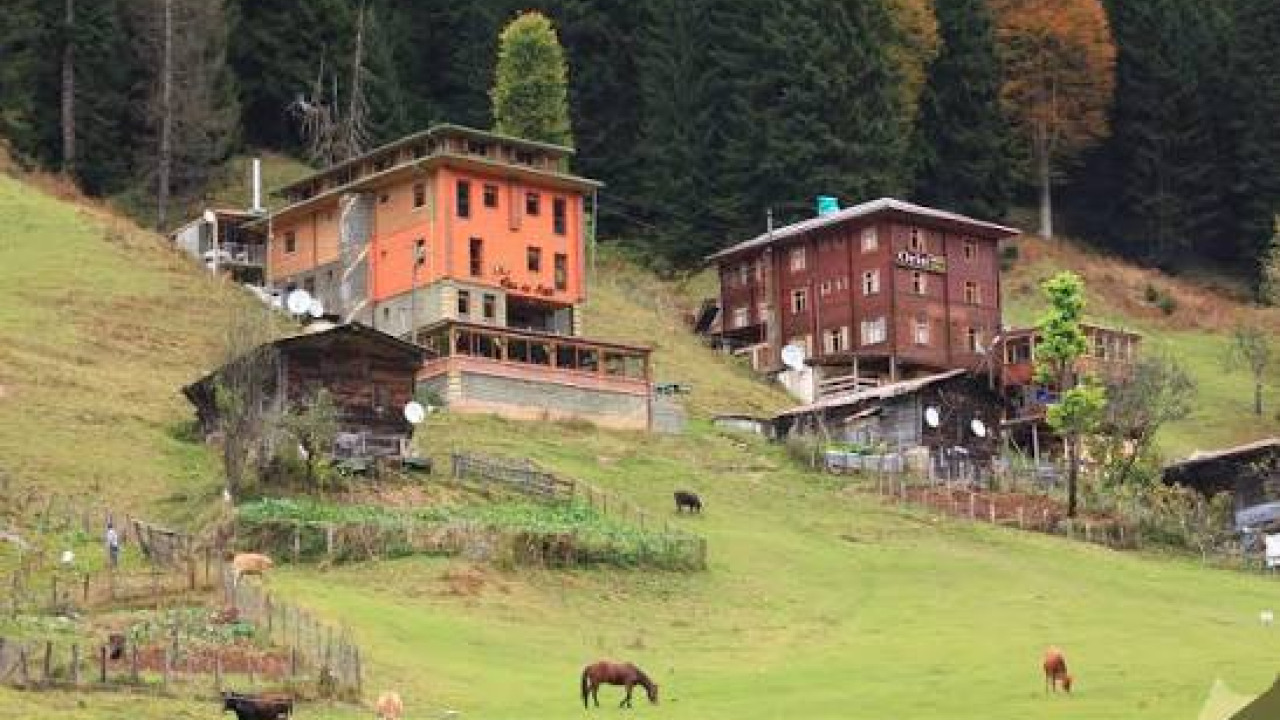
Sitting at roughly 2,032 meters, Pokut feels like a living postcard, with its century-old Hemşin wooden houses and surrounding pine forests. Directly opposite is Sal Highland, a place of profound serenity characterized by its wide, rolling meadows. When the skies clear, the view from these two plateaus extends all the way to the Kaçkar peaks, making it one of the most sought-after photography spots in Turkey.
Gito and Badara Highlands
Gito Highland has gained worldwide fame for its iconic swings perched above a sea of clouds. Located in the Çat Valley, Gito offers that breathtaking sensation of standing where the earth meets the sky. Right next to it is the more intimate Badara Highland, which offers a quiet village atmosphere centered around a small, mirror-like pond. Together, they are the perfect escape for those seeking peace away from the crowds.
Huser Highland and Elevit
Huser is one of the highest points on the Rize circuit. At nearly 2,700 meters, it is the premier spot to witness the "sea of clouds"—a phenomenon where the valley fog stays below the plateau, leaving you floating on a white ocean. Watching this blanket of clouds turn orange and crimson at sunset is a bucket-list experience. Meanwhile, Elevit Highland in the Çat Valley, with its scattered wooden houses and lush greenery, serves as a vital junction for hikers heading toward Samistal and Avusor.
The region also hosts more remote gems like Kavron, Anzer, and Çağrankaya. Anzer is renowned for its world-famous honey derived from alpine flowers, while Kavron and Samistal are the starting points for trails leading to the glacial lakes of the Kaçkars. Because these are more difficult to reach, we recommend evaluating your fitness level and time constraints before adding them to your itinerary.
The Sea of Clouds and Kaçkar Mountains National Park
Two natural phenomena make the Rize highlands truly unique: the sea of clouds and the glacial geography. The "sea of clouds" occurs when moist valley air is trapped below a certain altitude, creating a thick white carpet over the plateaus. To catch this, you must visit high-altitude spots like Huser during the early morning or at sunset. When conditions are right, the valleys vanish, and only the highest peaks pierce through the white veil.
Beyond the plateaus, the Kaçkar Mountains National Park hosts one of Turkey's most impressive mountain ecosystems. With its glacial lakes, alpine meadows, and endemic flora, the park offers multi-day trekking routes for experienced hikers. Kavron and Ayder are common starting points for these ascents. Since summit and glacial lake routes require professional guidance and specialized gear, we suggest exploring our trekking and hiking tours to compare options based on difficulty levels.
In winter, the Kaçkar landscape transforms into a silent, white wonderland. While stunning, road access to the high plateaus is severely limited during this time, and planning must be far more rigorous than in the summer.
Which Highland Should You Add to Your Route?
When choosing between the many plateaus, consider three factors: altitude, accessibility, and the vibe you're after. For a comfortable start with thermal relaxation, Ayder is the best choice due to its developed infrastructure. If you prioritize traditional Hemşin architecture and classic alpine vistas, the Pokut and Sal duo is unbeatable. For those chasing the "sea of clouds" and sunset photography, Huser should be the centerpiece of your trip.
For social-media-worthy panoramas and swings, head to Gito; for a quiet, off-the-beaten-path break, choose Badara; and for serious hiking and glacial lakes, Kavron and Samistal are the right calls. For a short trip, combining three or four highlands is a balanced way to experience the region without burnout. Since some roads are steep and unpaved, organizing your visits by altitude can save time and provide a more gradual transition in scenery.
When and How to Visit the Rize Highlands
The most practical way to reach the region is by air, via Rize-Artvin Airport (RZV) or Trabzon Airport (TZX). From the airport, the journey takes you through Çamlıhemşin and the Fırtına Valley before ascending to the highlands. While lower plateaus are accessible via paved roads, the paths to Pokut, Gito, and Huser are rocky and unpaved. High-clearance 4x4 vehicles are essential for both safety and comfort on these routes.
The ideal window for visiting is between June and September, when the roads are clear of snow and the nature is at its most vibrant. October is also a fantastic choice for photographers wanting to capture the golden and crimson hues of autumn. Be aware that weather in the mountains changes instantly: a sunny morning can turn into dense fog and rain within minutes. Regardless of the season, always pack a waterproof jacket, a fleece or cardigan for layering, and sturdy, non-slip hiking boots.
Regarding accommodation, Ayder offers the most variety with hotels and bungalows. In higher plateaus like Pokut, Sal, and Elevit, you'll find more rustic, authentic wooden highland houses. Since these spots can get crowded during summer weekends, we strongly recommend booking in advance. Also, keep in mind that temperatures drop significantly at night in high-altitude plateaus, so check the heating facilities of your chosen stay.
Navigating the distances and road conditions between plateaus can be challenging for independent drivers. If you are planning a multi-stop itinerary, guided organized tours provide significant advantages in terms of time management and road safety. You can explore all our tour options to find the package that fits your duration and budget.
Frequently Asked Questions 6
Which highlands can I visit in Rize?
The most prominent highlands are Ayder, Pokut, Sal, Gito, Badara, Huser, and Elevit. Other notable spots include Avusor, Kavron, Samistal, and Anzer around the Çat Valley. Most of these are centered around the Çamlıhemşin district and the Fırtına and Çat valleys.
When is the best time to visit the Rize highlands?
The best period is between June and September, when the roads are accessible and the landscape is lush. October is recommended for autumn colors. Access to high plateaus is very limited during winter.
Is there an entrance fee for Ayder Highland?
Ayder and its surroundings are under nature conservation status. Depending on the season, there may be parking fees or nature park entry fees. As these regulations change, it is best to check official sources before your visit.
How do I get to the Rize highlands?
The easiest way is to fly into Rize-Artvin Airport (RZV) or Trabzon Airport (TZX). From there, you travel through Çamlıhemşin and the Fırtına Valley. Using a 4x4 vehicle is highly recommended for reaching the higher plateaus.
Can I reach the highlands with a standard passenger car?
You can reach lower-altitude plateaus via paved roads. However, the roads to Pokut, Gito, and Huser are unpaved and rocky; high-clearance 4x4 vehicles are necessary for safety and comfort.
Where can I see the sea of clouds in Rize?
The sea of clouds is best observed at high-altitude plateaus like Huser. The most favorable times are early morning and sunset, when the valley fog settles below the plateau. Since it depends on weather conditions, it is not guaranteed on every visit.