Caravan and motorhome rental is the perfect way to experience the freedom of a mobile holiday without the commitment of ownership. In recent years, it's become the starting point for many first-time road trippers exploring Turkey. However, the rental process differs significantly from renting a regular car: your vehicle isn't just transport; it's also your accommodation. This means the contract will focus on details like sleeping capacity, water and waste tanks, mileage limits, security deposits, and insurance coverage. Crucially, before booking, you'll need to confirm that your driving license class matches the vehicle's maximum permissible weight. This comprehensive guide will walk you through every step of the rental process, from choosing the right vehicle and understanding contract clauses to handover checks, seasonal planning, and crafting your maiden voyage.
What Do You Need to Rent a Caravan or Motorhome in Turkey?
To rent a caravan or motorhome in Turkey, you'll primarily need a valid driving license, identification, and a credit card for the security deposit. The critical factor is ensuring your license class aligns with the vehicle's weight. For motorhomes with a maximum permissible weight not exceeding 3,500 kilograms, a Class B license is sufficient. For travel trailers (çekme karavan), the key measurement is the trailer's own maximum permissible weight: trailers not exceeding 750 kilograms can be towed with a Class B license, while those over this limit require a Class BE license. A regulation update in December 2024 didn't change license classes but introduced separate registration, license plates, and periodic inspections for travel trailers. Therefore, when renting, always ask to see the vehicle's registration document.
Once your license situation is clear, choosing the right rental caravan or motorhome comes down to three key questions. First, license and weight compatibility: does your driving license cover the maximum permissible weight of the vehicle you intend to rent? Second, contract terms: under what conditions is the deposit withheld, how many kilometers does the mileage package cover, and what portion of potential damage does the insurance cover? Third, route and vehicle compatibility: can your chosen vehicle's size handle the width, incline, and terrain of your planned route?
Reservations made without clarifying these three points often lead to unexpected extra charges and itinerary changes during your holiday.
Quick Facts for Your Turkish RV Adventure
| Topic | Information |
|---|---|
| Available Vehicle Types | Motorhome, campervan, travel trailer (çekme karavan), static caravan |
| Driving License Requirement | Class B for motorhomes up to 3,500 kg; Class BE for travel trailers over 750 kg |
| Key Contract Clauses | Security deposit, mileage package, insurance coverage, cleaning and waste disposal terms |
| Best Time to Rent | Spring and autumn; vehicle availability is limited in summer |
| Booking Timing | Weeks in advance for high season and public holidays |
| Pick-up Location | Usually the rental company's depot (mostly Istanbul, Izmir, Ankara, and Antalya); dropping off in a different city typically incurs an extra fee |
| Rental Duration | Daily rental is possible; some companies require a minimum number of nights during high season |
Rental Caravan & Motorhome Types and Who They Suit
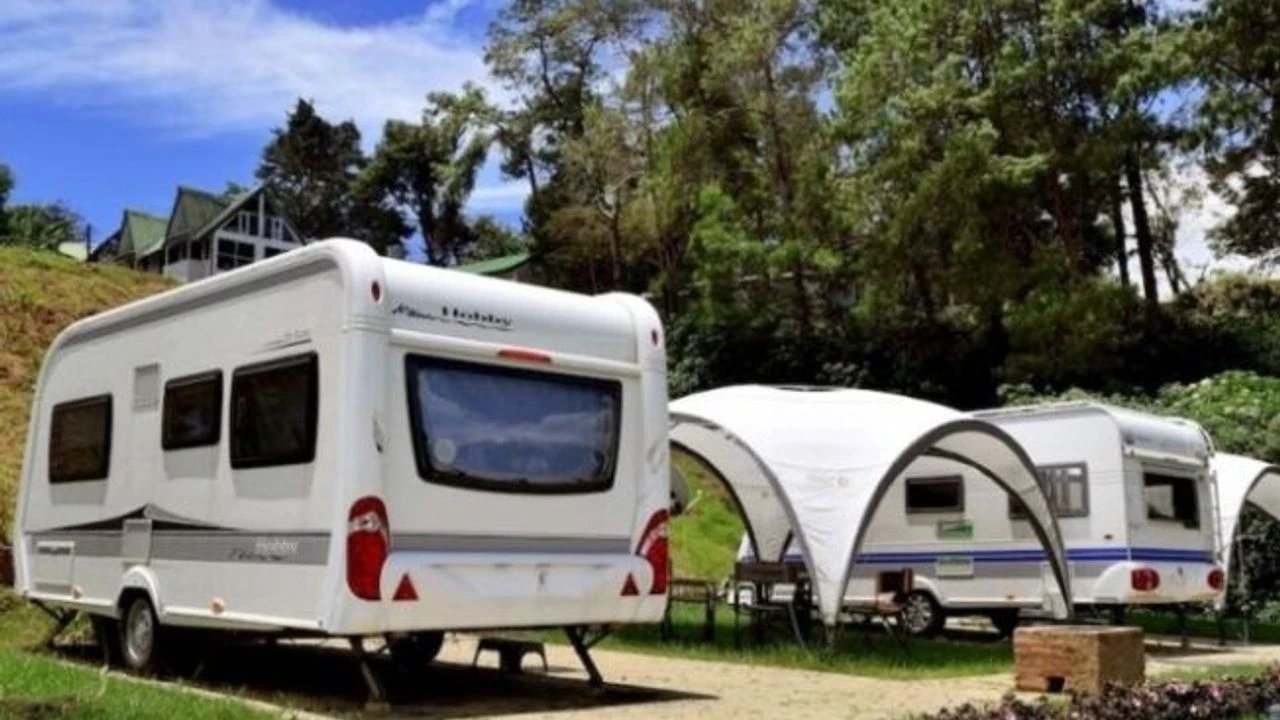
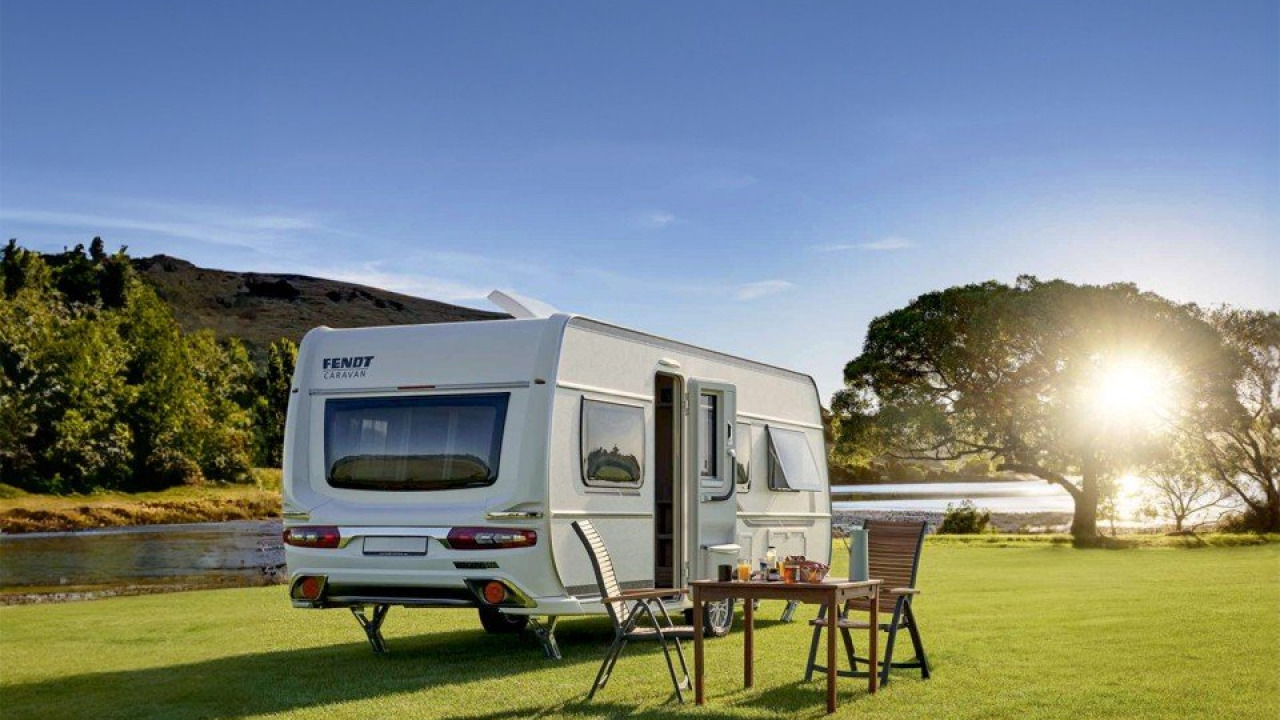
Rental fleets typically offer four distinct body types. The difference isn't just size; it's also about ease of driving and self-sufficiency.
| Vehicle Type | Key Feature | Best for |
|---|---|---|
| Motorhome | Living and driving in one unit, easy stops | Families on long road trips |
| Campervan | Easy maneuvering in narrow streets and cities | Short getaways for couples |
| Travel Trailer (çekme karavan) | Towing vehicle is free once set up at camp | Those staying in one spot for longer |
| Static Caravan | Pre-set up at a campsite, no driving required | First-timers trying the caravan experience |
Renting a Motorhome
In a motorhome, the living area and driving cabin are integrated. This means you have immediate access to the kitchen and bed without setting up camp every time you stop. As the body length increases, parking and maneuvering become more challenging, so a mid-sized motorhome offers a more comfortable start for first-time renters. When renting, it's crucial to check the maximum permissible weight on the vehicle's registration, as your driving license coverage depends on this value.
Renting a Travel Trailer (Çekme Karavan)
A travel trailer is a cost-effective option if you have your own towing vehicle. Once you arrive at the campsite, you can unhitch the trailer and use your car to explore the surroundings. On the other hand, reversing, climbing ramps, and maintaining lane discipline in windy conditions require practice. Rental companies usually perform a pre-check for tow bar compatibility and brake connections; do not skip this inspection.
Campervans and Static Caravans
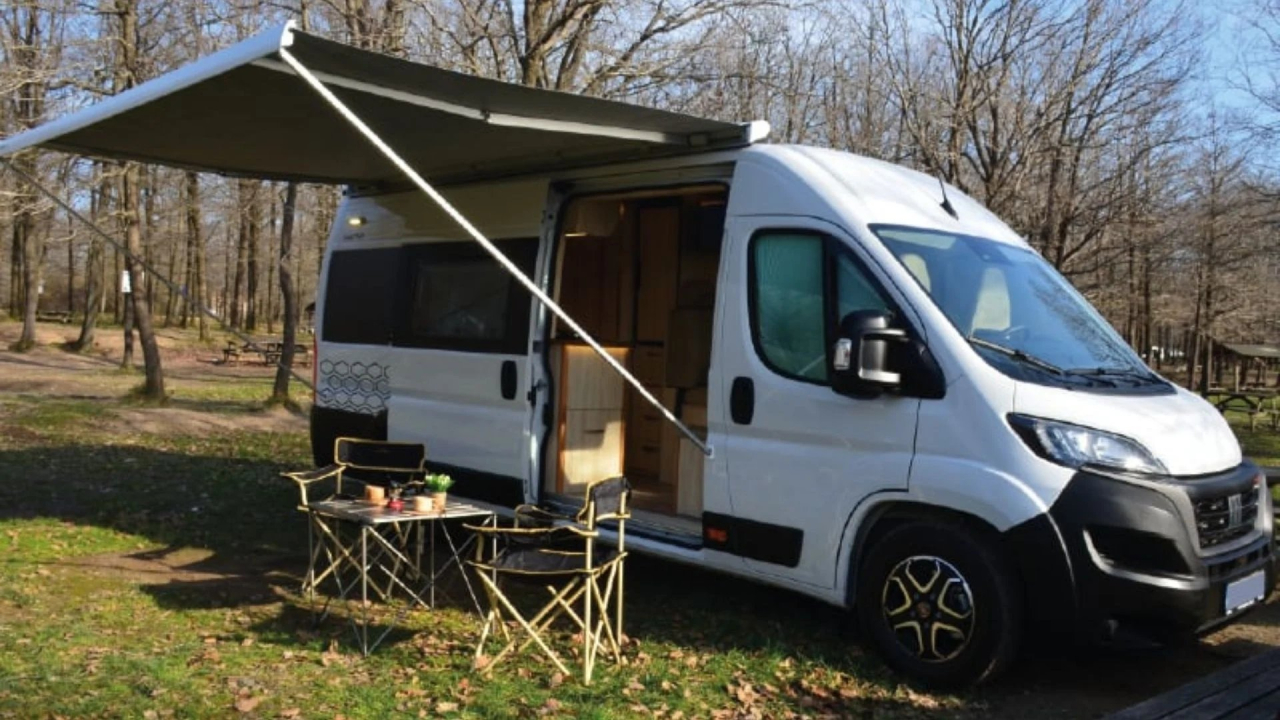
A campervan is a standard panel van body converted into a living space. Its advantages include fitting into city parking spaces and lower fuel consumption; the living area comfortably accommodates two people but can be a squeeze for four. When renting a static caravan, the vehicle is already set up at a campsite, and you simply stay in it. Since there's no driving responsibility, it offers a low-risk entry point for those wanting to try out caravan living.
Essential Contract Clauses to Read
Beyond the basic rental fee, the true cost of your holiday often lies in the fine print of the contract. Before confirming your reservation, ask about the following three points specifically.
Security Deposit and Guarantee
The security deposit is a refundable guarantee taken for potential damages or missing equipment. As important as the amount itself are the refund conditions: how many days after vehicle inspection is the refund processed, which items are deducted from the deposit, and is an extra charge applied if the wastewater tank isn't emptied upon return? Some companies block the deposit on your credit card, while others charge and then refund it; the difference can impact your travel budget's cash flow.
Mileage Package and Extra Fees
Daily or total mileage packages are common in caravan rentals. Roughly calculate your route's total length to see if it fits within the package, preventing a surprise bill upon return. Confirm from the contract how excess mileage is calculated per kilometer and if an unlimited mileage option is available. On mountain and coastal routes, detours can significantly increase the actual distance traveled beyond what a map might suggest.
Insurance Coverage and Damage Liability
Beyond mandatory traffic insurance, comprehensive (kasko) coverage and the deductible amount should be discussed separately. The most common damages in caravans involve windows, roofs, awnings, and undercarriage; ask if these parts are excluded from coverage. Additionally, knowing the hours and regions where roadside assistance is valid can significantly reduce waiting times on remote routes.
Renting from a Company vs. an Individual?
Rental listings directly from vehicle owners on classified sites often appear more affordable than corporate companies. The key difference here is not just cost, but assurance: corporate rentals typically include a written contract, insurance policy suitable for commercial use, a replacement vehicle, and roadside assistance as part of the package. For individual rentals, you must specifically ask whether the vehicle's insurance covers rental use, how liability will be shared in case of damage, and the registration and inspection status of travel trailers. Whichever route you choose, signing a handover report with photos protects both parties.
Step-by-Step Handover and Return Process
A half-hour inspection when taking over the vehicle can prevent most problems during your holiday. Follow these steps:
- Inspect the exterior: Photograph any scratches, dents, window cracks, and the condition of the awning, and ensure these are noted on the handover report.
- Check tires and spare: Tread depth, sidewall cracks, and pressure values are fundamental safety items for long journeys.
- Test the energy system: Check the charge level of the leisure battery, solar panel indicator, and ensure all outlets and lights are working.
- Operate the water system: Confirm the fresh water tank is delivered full, the water pump provides pressure, and the grey water drain plug is closed.
- Try the gas and heating system: Verify the stove, heater, and detectors are working, and ask if the gas cylinder connection is leak-free.
- Count equipment: The table, chairs, hose, electrical cable, leveling blocks, and chemical toilet supplies should match the quantity listed in the report.
- Note return conditions: Get written confirmation of the expected standards for fuel level, waste disposal, cleanliness, and return time.
Questions to Ask During Handover
Asking the handover attendant three key questions can make things easier: what are the vehicle's actual height and width measurements, how many days of use do the tanks provide, and which number should be called in case of a breakdown? Height information, in particular, can change your route choice for parking garages and low bridges.
Ideal First-Time Rental Route Stops in Turkey
For your first rental, keeping the route short is beneficial for getting acquainted with the vehicle. The stops are divided into two categories: the first three are short stages accessible on your pick-up day from Istanbul; the latter two are southern route stops that become more practical for week-long or longer rentals. Making this distinction upfront helps you realistically choose your mileage package and rental duration.
| Stop | Approach | Relevance for Caravan Travel |
|---|---|---|
| Polonezköy | Within Istanbul, Beykoz district | Accessible by vehicle, suitable for a first-night trial |
| Hacıllı Village | Approx. 90 km from Istanbul center | Accessible by vehicle, walk down to the valley |
| İğneada | Approx. 237 km from Istanbul | Accessible by vehicle, limited parking in protected areas |
| Kelebekler Vadisi (Butterfly Valley) | Fethiye-Ölüdeniz, southern route | Valley not accessible by vehicle, boat or hiking trail |
| İztuzu Beach | Muğla-Ortaca, southern route | No overnight stays on the beach, access by dolmuş or boat |
Polonezköy
Located in Istanbul's Beykoz district, Polonezköy is a settlement founded by Polish immigrants in 1842, long known as Adampol. The surrounding area was declared a nature park in 1994, offering picnic areas, hiking trails, and accommodation facilities. Picking up your rental caravan and heading here for a night allows you to gauge energy and water consumption close to the city.
Practical tip: Weekends can be busy, so aim to arrive before noon. Accommodation rules in nature park areas vary by facility; confirm with the establishment before you set off.
Hacıllı Village
Hacıllı Village, part of the Şile district approximately 90 kilometers from central Istanbul, is known for its hiking trails along the Değirmendere valley. Its forested landscape and paths leading down to the stream bed offer an ideal setting for leaving your caravan near the village and exploring on foot. Renters should be careful not to enter the narrow roads leading into the valley and to park the vehicle on level ground.
Practical tip: After rain, the ground can soften; check the terrain before parking a heavy motorhome on grass or dirt.
İğneada
İğneada, located on the Black Sea coast in Kırklareli's Demirköy district, approximately 237 kilometers from Istanbul, is famous for its flooded forests, known as "longoz." A longoz forest is an ecosystem where tree roots are submerged by rising groundwater during the wetter winter and spring months; the area was registered as İğneada Longoz Forests National Park in 2007. The short distance between the coast and the forest allows caravan travelers to experience two distinct landscapes on the same day. Those interested in exploring nature-focused programs beforehand can find ideas among nature and adventure tours.
Practical tip: Vehicle access is restricted within the protected area boundaries; park your caravan in designated parking lots and facility areas, and use hiking trails on foot.
Kelebekler Vadisi (Butterfly Valley) and Ölüdeniz Area
Kelebekler Vadisi, located south of Ölüdeniz in Fethiye, is a cove surrounded by steep cliffs. The valley was declared a first-degree natural protected area in 1995, and its protection status was re-registered as a qualified natural protected area in 2023. The valley floor is not accessible by vehicle; access is via boats departing from Ölüdeniz or a steep trail starting from Faralya. Therefore, the plan for caravan travelers is clear: leave your vehicle at a facility around Ölüdeniz or Faralya and take a boat to the valley. For detailed information on the valley's trails, boat access, and accommodation, the Fethiye Butterfly Valley guide provides a separate resource.
Practical tip: The road towards Faralya is narrow and winding; review the route on a map and identify turning points before proceeding with long-bodied vehicles.
İztuzu Beach and Dalyan Area
İztuzu Beach, located in Muğla's Ortaca district, is known for its sand spit where a freshwater delta meets the sea and is a nesting ground for loggerhead sea turtles (caretta caretta). This status directly translates into a rule for caravan travelers: no overnight stays on the beach, and during the nesting season from May 1st to October 31st, entry to the beach is prohibited between 8:00 PM and 8:00 AM, with violations subject to administrative fines. The correct approach is to leave your vehicle at facilities around Dalyan and Ortaca and access the beach by dolmuş (shared taxi) or canal boat; you can see how similar transfers are planned in our day boat tours guide. For those wishing to add ancient city stops to their itinerary, cultural tours offer another starting point.
Practical tip: Coastal facilities fill up early in mid-summer; finalize your accommodation before heading out and plan your wastewater disposal upon arrival at the facility.
Seasonal Rental Planning
Your rental calendar directly impacts both vehicle availability and travel comfort.
| Period | Advantage | Point to Consider |
|---|---|---|
| Spring (April-May) | Mild weather, clear roads, wide vehicle selection | Night temperatures drop on highland and high-altitude roads |
| Summer (June-August) | Long daylight hours, peak season for coastal routes | Vehicle availability narrows, campsites fill up quickly |
| Autumn (September-October) | Quieter campsites, sea water still warm | Days shorten, making evening driving harder to plan |
| Winter (November-March) | Easy reservations, empty roads | Heating and insulation equipment should be checked, water lines risk freezing |
For winter rentals, it's essential to ask about the heater's capacity and whether the water system is protected against freezing before signing the contract. In summer, air conditioning and an awning are key comfort features.
Practical Tips Before Renting
- Sleeping vs. Seating Capacity: Ask separately about sleeping capacity and the number of belted seats on the vehicle's registration; a vehicle that sleeps four might not offer four seatbelts for travel.
- Cancellation Policy: When making a reservation, get cancellation and date change conditions in writing; do not rely on verbal information.
- Campsite Reservations: Complete your campsite reservations before picking up the vehicle; facilities fill up in high season.
- Pack Light: Keep your personal belongings to a minimum; rental vehicles have limited cupboard and storage space.
- Waste Disposal: Mark waste disposal points on your route in advance; disposal is done at service points in campsites or municipal disposal stations. Discharging waste into nature or unequipped areas is subject to administrative fines under environmental law.
- Ease into Driving: Plan a short first day to get used to driving; handling and parking a long-bodied vehicle takes time.
How Many Days Are Enough for Your First Caravan Trip?
For a first-time rental, a three to five-day itinerary offers a balanced experience. The first day is for familiarizing yourself with the vehicle and reaching a nearby facility, the second and third days for your main destination, and the final day for the return journey and preparation for handover. For rentals longer than a week, the mileage package and waste disposal plan become more prominent, as tanks typically require servicing every two to three days. If you plan to leave your caravan at a facility and head into a city center during the day, a guided tour is a practical way to explore without moving your vehicle again: you can choose a day that matches your route from the historic city tours list.
Frequently Asked Questions 6
How much does caravan rental cost in Turkey?
The rental price is not a fixed figure. The factors that most influence the cost are, in order: season (high season and public holidays drive up the daily rate), vehicle type and body size, model year, rental duration (longer rentals tend to have lower daily rates), mileage package, and insurance coverage. When comparing, consider the daily rate alongside the security deposit amount and excess mileage fees; confirm the current rates from the rental company's written contract offer.
How much does a 5-person caravan cost to rent?
Five-person vehicles are typically longer motorhomes; in these models, not only the number of beds but also tank volume and battery capacity increase, which drives up the price. When asking for a quote, inquire about the daily rate, mileage package, extra bed fees, and the security deposit together; these three items will determine the total cost.
What do I need to rent a caravan in Turkey?
A valid driving license, identification, a rental agreement, and a credit card for the security deposit are fundamental requirements. Your driving license class must cover the vehicle's maximum permissible weight: motorhomes not exceeding 3,500 kilograms can be driven with a Class B license, while travel trailers with a maximum permissible weight exceeding 750 kilograms require a Class BE license. For travel trailers, you should also inquire about the vehicle's registration document, license plate, and inspection status. Companies may also apply minimum driver age and license experience requirements.
How much does a 4-person caravan cost to rent?
For four-person vehicles, the primary factor determining the price is the bed arrangement. A model with a fixed double bed and separate bunk beds will be priced differently from a van where seats convert into beds. When comparing offers, also ask not just how many people can sleep, but how many can travel with a seatbelt.
Can I stay overnight anywhere with a rental caravan?
No. Parking the vehicle in a public car park or on a roadside where parking is not prohibited and sitting inside is considered parking; however, opening an awning, setting up tables and chairs, or having a barbecue constitutes camping and may be subject to administrative penalties in prohibited areas. Camping setups should only be established in permitted facilities and designated areas.
Can I drop off a rental caravan in a different city?
Some companies allow different pick-up and drop-off locations, while others require the vehicle to be returned to the depot. This option usually comes with an additional fee and may be unavailable during peak season. If you plan a linear route, clarify this condition before making your reservation.