
Mersin's traditional home cooking is a vibrant fusion of fresh herbs from the Taurus Mountains and the ancestral culinary heritage of the Yörük nomads. The city's gastronomic crown jewels include the certified Tantuni, the refreshing tahini-based Batırık, and the unique Kerebiç dessert topped with soaproot foam. For those eager to taste these authentic flavors, Mersin tour packages offer curated itineraries that include historic stops like Tarsus.
The city's rich food culture is shaped by its diverse geography, stretching from the Mediterranean coastline to the high Taurus plateaus. Centuries of Yörük nomadic traditions combined with the city's history as a bustling port have created a palate where citrus aromas blend seamlessly with aromatic spices.
- Mersin Tantuni: A certified local specialty featuring beef sautéed on a traditional sac (convex griddle) with cotton seed oil.
- Batırık: A chilled dish made with fresh mint from the highlands and creamy tahini.
- Kerebiç: The city's signature dessert, featuring a walnut filling and a cloud-like soaproot foam.
- Sıkma: Traditional Yörük wraps made from fresh dough and stuffed with local curd cheese.
Quick Guide: Signature Flavors of Mersin
The table below summarizes the standout dishes of Mersin's cuisine and their traditional presentation.
| Local Dish | Flavor Profile & Presentation |
|---|---|
| Mersin Tantuni | Beef sautéed with cotton seed oil and tomatoes, served in thin lavaş or open bread. |
| Toros Batırık | A cold, soup-like dish made with fine bulgur, tahini, and peanuts. |
| Kerebiç Dessert | Semolina dough with walnut filling, baked and served with white soaproot foam. |
| Yörük Sıkması | Unleavened dough cooked on a hot sac, rolled with fresh curd cheese and butter. |
| Tarsus Hummus | Pureed chickpeas and tahini, oven-baked in a clay pot and topped with melted butter. |
| Mamul Cookie | Semolina cookies stuffed with dates, shaped with wooden molds and lightly baked. |
The essence of Mersin's cuisine lies in the perfect harmony between citrus acidity, olive oil, and bold spices, balanced against hearty meat and grain dishes. From the bustling bazaar bakeries to the cozy homes of the highlands, this culinary journey offers a rich sensory experience for every visitor.
While home-style cooking emphasizes vegetables and legumes, the local eateries are famous for their meat-centric dishes and sac-roasted specialties. Every meal is typically accompanied by fresh greens and citrus slices, reflecting the abundance of the Mediterranean.
The Art of the Sac: From Tantuni to Home-Style Sıkma
Traditional Mersin Tantuni is crafted by boiling beef, removing the sinew, and then sautéing it on a scorching hot sac with cotton seed oil. Complementing this is the Yörük Sıkma, a staple of breakfast tables and roadside stops throughout the region.
The secret to a perfect Tantuni lies in the technique: sprinkling small amounts of water onto the sac to keep the meat tender while balancing the spices. This is then paired with a sumac-infused onion and parsley salad, wrapped tightly in a warm lavaş.
To complete the experience, Tantuni is served with fresh mint leaves, spicy pickled peppers, and lemon wedges. A glass of chilled Ayran or Tarsus turnip juice (şalgam) is the ideal accompaniment.
The Perfect Pairing: Beef and Cotton Seed Oil
Tantuni masters skillfully stir the meat in the center of the concave sac while warming the lavaş bread on the edges, allowing the bread to absorb the savory juices and steam. This ensures the meat remains succulent and the bread stays aromatic and soft.
Tantuni shops are found in every neighborhood and often stay open late, keeping the city's street food rhythm alive. Locals often prefer the beef steak version for its lighter texture.
Sıkma: A Legacy from the Yörük Tents
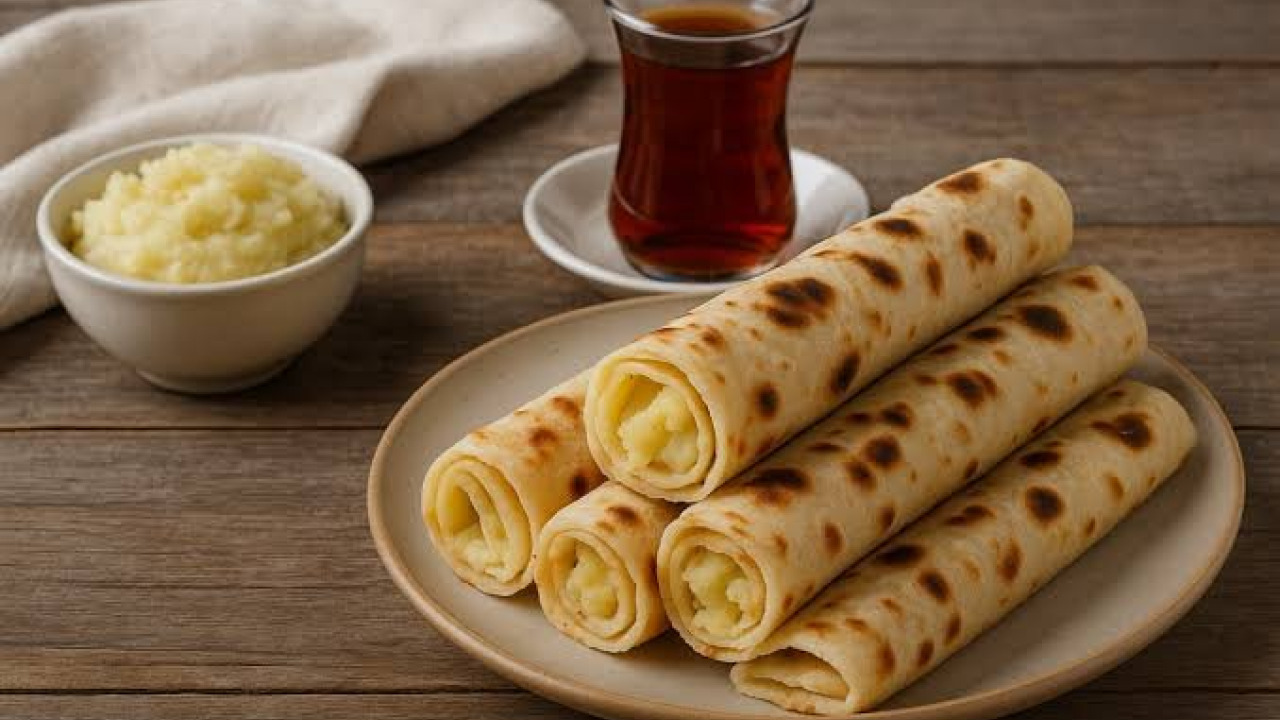
Sıkma is a centuries-old pastry tradition brought down from the nomadic Yörük women of the Taurus Mountains. Simple dough made of flour, water, and salt is rolled out and lightly cooked on a hot sac.
The fillings vary from curd cheese sautéed with onions in butter to mashed potatoes or tulum cheese. The filling is spread over the warm dough, rolled up, and served hot alongside a glass of Turkish tea.
Chilled Delights: Batırık and the Foamy Kerebiç
Batırık is the ultimate summer refresher in Mersin homes, made by kneading fine bulgur with crushed peanuts and tahini. For dessert, Kerebiç provides a light yet satisfying finish, topped with a white cream made from boiled soaproot.
Batırık can be enjoyed in two ways: shaped into small balls (like a dry köfte) or mixed with cold water to create a refreshing soup. Finely chopped lettuce, cabbage, and cucumber are added to provide a crisp, fresh texture.
Kerebiç consists of a firm semolina dough stuffed with generous amounts of walnuts or pistachios, baked until golden. Its most distinctive feature is the light, creamy soaproot foam poured over the top.
Highland Freshness: Preparing Tahini Batırık
To make Batırık, peanuts and sesame seeds are roasted and pounded in a mortar until they reach a paste-like consistency. This is blended with fine bulgur, grated tomatoes, and spices, with a touch of dried mint from the highlands for aroma.
During the peak of summer, "watery" Batırık is served with ice cubes and fresh grape leaves, providing the high-altitude residents with the energy and hydration needed for the day.
The Magic of Soaproot: Kerebiç in the Historic Bazaars
The Kerebiç foam is created by boiling soaproot roots for an extended period, straining the liquid, and whipping it with sugar syrup. This process creates a natural, airy cream that prevents the dessert from feeling too heavy.
Traditional confectioners plate the Kerebiç, crown it with a generous dollop of foam, and finish it with a sprinkle of cinnamon. This treat is a staple of holiday visits and celebrations throughout the year.
Seaside Dining: Mersin Marina and the Fisherman's Harbor
The seafood restaurants along the Mersin coastline offer lavish spreads featuring Mediterranean grouper (lagos) and sautéed shrimp. A visit to the city's fisherman's harbor and a stroll along the promenade turn a culinary exploration into a relaxing getaway.
Mersin Marina, one of the city's most modern social hubs, is highly rated (4.4 ★ with over 24,000 reviews). The venues within the marina operate from 09:00 to 01:00, catering to both locals and international tourists.
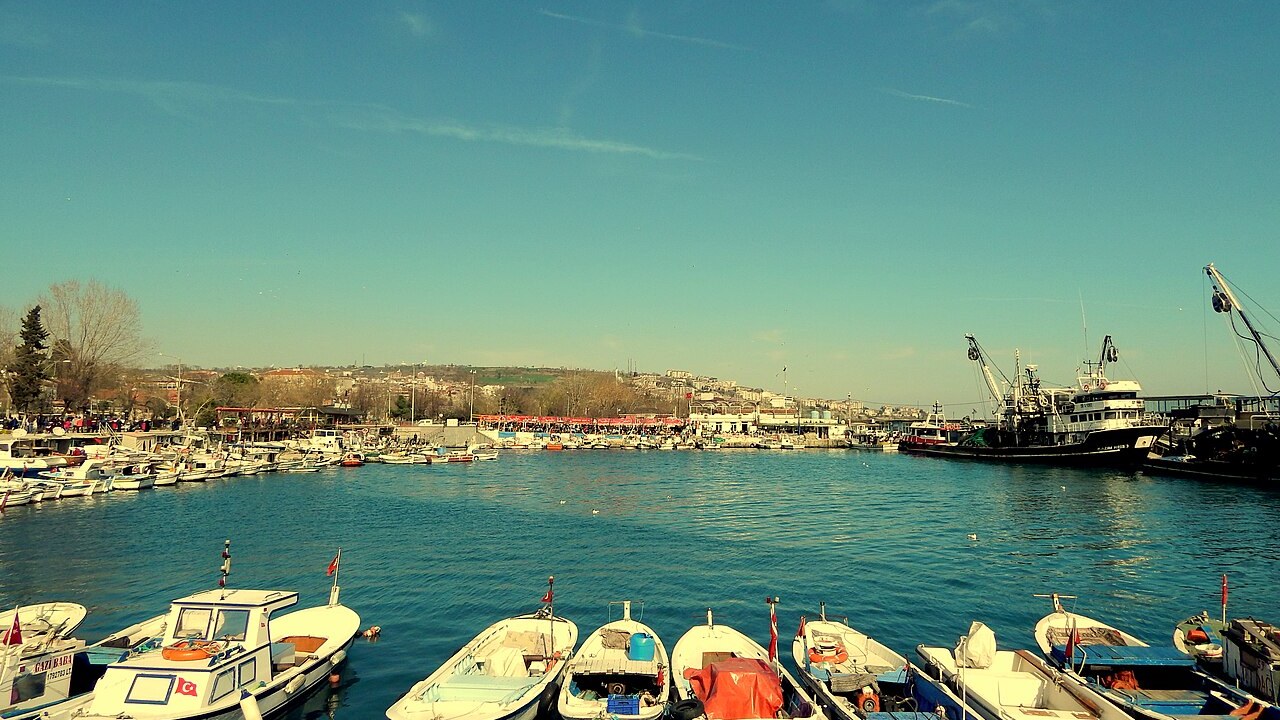
Near the port, the Mersin Fisherman's Harbor is the heart of the city's maritime life. In the late afternoon, you can watch the daily catch being unloaded from the boats.

Mediterranean Grouper and Shrimp Casseroles
The white-fleshed Mediterranean grouper, caught from the deep blue, reaches peak flavor when grilled with olive oil and garlic. It is typically served with fresh arugula and a red onion salad.
Mediterranean shrimp, cooked in clay pots with butter, tomatoes, and garlic, are brought to the table sizzling hot. For the freshest produce, restaurants often source their seafood from the shores of Taşucu and Susanoğlu.
Evening Strolls and Tea Breaks
As the air cools in the evening, the coastal promenade becomes the place to be. Visitors can relax in cafes scented with citrus blossoms. Tea gardens lining the coast often serve "cezerye" with walnuts as a sweet accompaniment to tea.
The city's deep connection to the sea is also evident around the Mersin Naval Museum, which welcomes culture enthusiasts from 09:00 to 17:00 (rated 4.4 ★).
Gastronomic Stops: Tarsus and Silifke
Nature and history routes around Mersin blend sightseeing with rich culinary experiences. From the hot hummus served near the Tarsus Waterfall to the seafood tables of Narlıkuyu Bay, the region's gastronomy is paired with stunning landscapes.
The region's natural wonders, including historic sinkholes and caves (rated 4.3 ★), are major draws. Visitors can explore the 128-meter-deep Hell Hole (Cehennem Obruğu) between 08:15 and 20:45.
The Tarsus Waterfall Tea Garden (rated 4.2 ★) is a popular spot for a relaxing break.
The following table lists popular sightseeing spots around Mersin and the local flavors to try there.
| Sightseeing Spot | Region/District | Rating & Reviews | Must-Try Local Flavor |
|---|---|---|---|
| Historic Sinkholes | Silifke | 4.3 ★ (16,798 reviews) | Highland Sıkma, fresh orange juice, frothy Ayran |
| Tarsus Waterfall Tea Garden | Tarsus | 4.2 ★ (15,245 reviews) | Oven-baked buttered hummus, Cezerye, brewed tea |
| Mersin Marina | Yenişehir | 4.4 ★ (24,949 reviews) | Mediterranean grouper, shrimp casserole, fried calamari |
| Mamure Castle Area | Anamur | 4.6 ★ (3,683 reviews) | Certified Anamur bananas, banana milk |
| Atatürk House Museum Area | Akdeniz | 4.7 ★ (928 reviews) | Bazaar Tantuni, Kerebiç dessert, Cezerye delight |
| Soli Pompeiopolis Coast | Mezitli | 4.3 ★ (1,100 reviews) | Coastal fisherman's mezes, citrus desserts |
In the bakeries of Tarsus, hummus is served hot with butter and pastrami, reflecting the region's cultural diversity. For those planning a day trip, Mersin tour programs offer a comprehensive way to see these sights.
Those interested in the ancient cities along the coast can refer to our Kelenderis Ancient City travel guide.
Hummus and Cezerye Tasting at Tarsus Waterfall
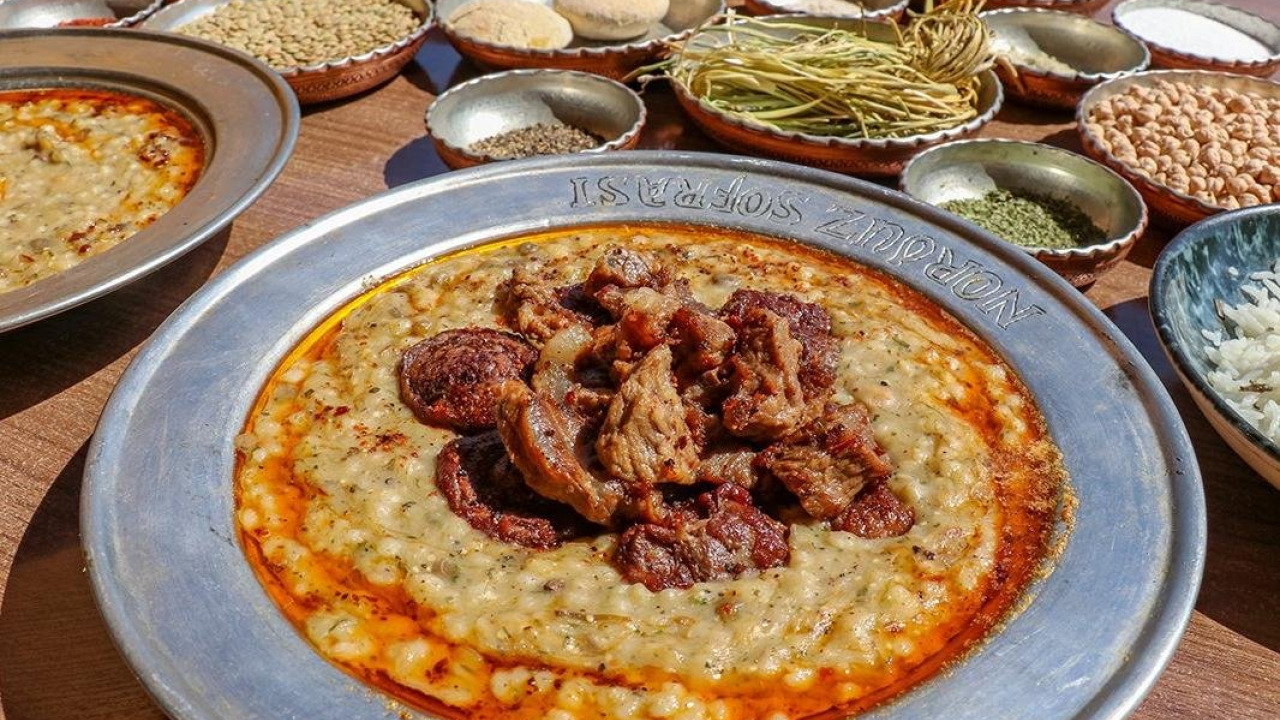
Tarsus hummus is made by pureeing boiled chickpeas until silky smooth and kneading them with pure sesame tahini. It is served in a hot clay pot, topped with pine nuts sautéed in sizzling butter and a pinch of cumin.
Following the meal, the certified Mersin Cezerye is a must. Made from grated carrots, sugar, and walnuts simmered for hours, its natural consistency and aromatic scent make it the city's most famous edible souvenir.
Grouper and Seafood Mezes in Narlıkuyu Bay
In the rustic fish restaurants of Narlıkuyu, the town's famous grouper is served alongside local mezes. These eateries blend fresh seafood with traditional Mediterranean appetizers. The bay is also a perfect stopover near the sinkholes in Silifke.
Dining Tips: How to Order Like a Local in Mersin
To get the most out of your culinary journey in Mersin, it helps to understand local dining habits. In Tantuni shops, choosing the right bread and portion can make all the difference.
In traditional bazaar restaurants, home-style pot dishes prepared for lunch often sell out early. Here is a practical guide for food explorers:
- When ordering Tantuni, specify if you prefer "beef steak" (dana biftek) or the traditional version with "tail fat" (kuyruk yağı).
- Let the chef know if you want your wrap in a thin lavaş or a traditional bread roll before it's served hot.
- Balance the rich flavors by eating the fresh greens and pickled peppers provided on the table.
- When ordering Kerebiç, ask for extra soaproot foam and a sprinkle of freshly ground cinnamon.
- End your meal with a piece of walnut or pistachio Cezerye, the symbol of the city.
For those who want to explore the underwater world alongside the local cuisine, our Mersin Susanoğlu and Taşucu diving guide suggests alternative routes.
Additionally, the Susanoğlu and Yapraklı Bay diving guide offers great insights into the region's hidden coves.
Beating the Lunch Rush at Bakeries and Grills
Lahmacun and pan-cooked dishes from the stone ovens in the historic bazaars are incredibly popular at lunchtime. For the best selection of daily clay-pot stews at artisan restaurants (esnaf lokantası), aim to arrive between 12:00 and 13:30.
Freshly made Sıkma is often prepared right next to tea houses. These are best enjoyed immediately while the dough is still crisp and hot.
Seasonal Menus in Local Eateries
In spring and summer, purslane and artichoke dishes dominate the olive oil-based menus. In winter, chickpea stews and dried eggplant dolmas take center stage in the local eateries.
Mediterranean Flavor Trails: The Mersin Experience
Mersin's home cooking and gastronomic landmarks bring the natural abundance of the Mediterranean coast to the table through centuries-old recipes. From Tantuni to Kerebiç, this culinary legacy adds a rich layer of flavor to any travel itinerary.
Chatting with local shopkeepers while wandering the historic streets and tasting freshly cooked delicacies strengthens the cultural connection. Visitors will find that the warm, welcoming atmosphere of the city is the perfect seasoning for the authentic flavors of the Mediterranean.
Frequently Asked Questions 5
What is the most famous dish in Mersin?
The most famous dish is the certified Mersin Tantuni, consisting of beef sautéed with cotton seed oil on a sac and wrapped in thin lavaş. Served with sumac onions, fresh greens, and pickled peppers, it is the symbol of the city's gastronomic identity. Expert chefs across the city serve fresh Tantuni at all hours of the day.
What should I eat in Mersin and where?
In the city center, try beef steak Tantuni at the bazaar shops, hot Sıkma at historic bakeries, and buttered hot hummus at restaurants on the way to Tarsus. For Kerebiç, visit the city's long-established confectioners, and for fresh fish, head to the seaside restaurants and those around Mersin Marina. Artisan restaurants also offer fresh olive oil-based pot dishes during lunch.
What are the best street foods in Mersin?
Popular street foods include Tantuni in open bread, hot sac-cooked Sıkma, and freshly boiled corn. Additionally, "Karsambaç" (a frozen treat made with ice and molasses) and freshly squeezed citrus juices are local favorites. During evening walks, you'll often find vendors selling freshly roasted peanuts and chestnuts along the coast.
Where to go in Mersin in the evening?
For a relaxing evening, the coastal promenade and Mersin Marina are the top choices. The cafes and restaurants in the marina offer delicious dinners and a beautiful view of the illuminated harbor. Locals also enjoy sitting in the tea gardens around Atatürk Park to enjoy the cool sea breeze.
What are the top sights to see in Mersin city center?
Key stops include the Atatürk Park coastline, Mersin Marina, the Fisherman's Harbor, and the Mersin Naval Museum. For cultural exploration, the Soli Pompeiopolis Ancient City in Mezitli and the historic stone bazaars are highly recommended. Visitors can also visit the Atatürk House Museum to learn about the city's republican-era heritage.