
Van cuisine represents a deep-rooted culinary heritage shaped by the rich highland flora of Eastern Anatolia. It is a vibrant tradition defined by the world-famous Van breakfast, certified herb cheese, Keledoş, sengeser, and the unique pearl kefal of Lake Van.
The backbone of the city's food culture lies in dairy products produced from livestock grazing on high-altitude pastures and medicinal herbs gathered from the surrounding mountains. For travelers wishing to experience the authentic flavors of one of Eastern Anatolia's most ancient settlements, Van tours offer curated itineraries that blend history with rich gastronomic stops. From historic breakfast halls in the city center to cozy local eateries, the lavish tables set here promise unforgettable tastes.
- Van Herb Cheese (Otlu Peynir): The city's icon, a certified cheese fermented with mountain herbs like sirmo, heliz, and mendo.
- Van Kavutu: A breakfast staple made from a mixture of roasted wheat flour, butter, and honey.
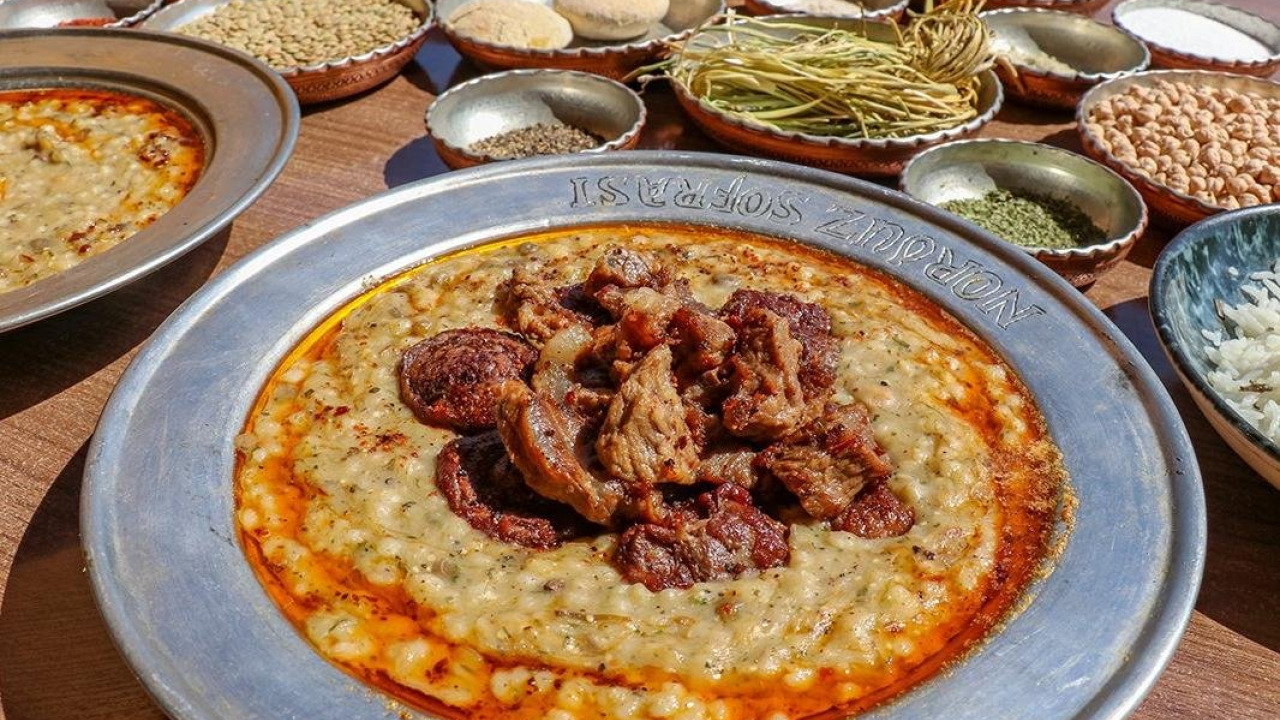
- Keledoş: The city's signature dish, a hearty stew of diced lamb, chickpeas, wheat, and dried yogurt (kurut) simmered for hours.
- Pearl Kefal (İnci Kefali): An endemic fish from the alkaline waters of Lake Van, typically served roasted in a tandoor with fresh lavaş bread.
Keledoş, Herb Cheese, and Kavut: A Quick Look at Van's Flavors
For food enthusiasts looking to map out a Van gastronomy route, the following table summarizes the standout dishes and their characteristics.
| Feature | Details and Characteristics |
|---|---|
| Signature Main Dish | Traditional Keledoş, slow-cooked in copper pots |
| Certified Dairy Product | Van Herb Cheese, infused with natural mountain herbs |
| Famous Breakfast Classic | Warm Van Kavutu and Murtuğa |
| Characteristic Lake Fish | Pearl Kefal, roasted to perfection in a tandoor |
| Typical Dining Hours | 07:30-22:00 at local gourmet spots |
| Local Bakery Specialty | Freshly baked Van lavaş from stone ovens |
A dedicated culinary trip to explore Van cuisine allows you to experience the city's centuries-old bakeries and traditional restaurants step by step.
A thousand years of cultural accumulation, stretching from the Urartians to the Seljuks and Ottomans, has ensured that these local recipes remain authentic to this day. In the mornings, the scent of fresh bread mingles with the aroma of clarified butter melting in copper pans, alongside honeycomb and fresh cream. By lunch and dinner, meat dishes cooked over oak charcoal and rich, slow-cooked stews take center stage in local restaurants.
The wild thyme and mint aromas provided by the highland flora serve as a natural flavor enhancer for meat marinades. The bustling bazaars along the Silk Road in the city center are lively meeting points where guests can both shop for ingredients and taste hot dishes prepared by local chefs.
Traditional Van Dishes and Culinary Treasures
The essence of Van cuisine lies in the masterful blend of the region's rich highland flora and natural livestock products.
The dishes cooked in the kitchens of centuries-old mansions consist of nutritious, hearty recipes designed to boost immunity against the harsh winter conditions. Visitors wishing to explore local establishments in the city center can use Silk Road tour programs to learn about the historic bazaars and surrounding cultural sites. On a Van table, great care is taken at every stage, from the breakfast spread to the oven-baked main courses.
The Traditional Van Breakfast and Herb Cheese
The Van breakfast is a certified gastronomic brand recognized internationally for its variety and natural ingredients. Among the dozens of items brought to the table, the star is the herb cheese, prepared with medicinal herbs gathered from the highlands in spring and aged in the ground. The balance of salt in the cheese and the herbal, spring-like aroma it provides creates a perfect harmony when paired with warm, freshly baked lavaş.
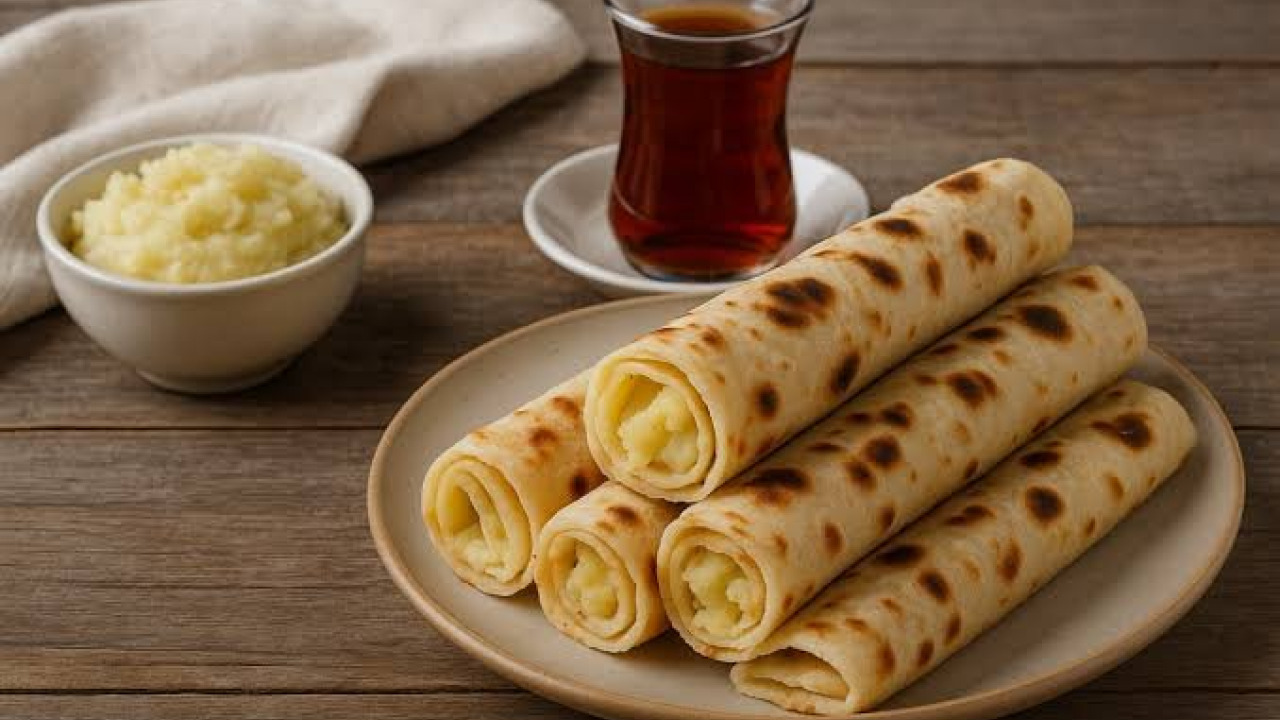
Two other indispensable hot treats for the breakfast table are murtuğa and kavut. Murtuğa, made by roasting flour, butter, and eggs over low heat, offers a delicious sweet-and-savory balance when topped with honey. Kavut, made from roasted wheat flour, is typically enjoyed mixed with walnuts and jam.
Cooking Methods for Keledoş and Sengeser
Keledoş, the most deeply rooted dish with a geographical indication, is prepared by combining lamb meat, chickpeas, cracked wheat, lentils, and mountain thyme. The ingredient that gives the dish its true character is kurut, dried, concentrated yogurt that is crumbled into the stew. Simmered for hours over a slow fire, Keledoş is served with a drizzle of hot butter and mint.
Another beloved traditional stew, sengeser, is prepared by combining green lentils with finely chopped onions. Frequently consumed during the winter months, this dish is a precious example of Anatolian cuisine due to its highly nutritious and filling nature.
Lake Van's Pearl Kefal and Tandoor Fish
The endemic pearl kefal, which thrives in the high-alkaline waters of Lake Van, holds a special place on the city's gastronomic map. During the fishing season, the fresh fish are arranged vertically in traditional mud tandoors to be cooked.
As the fish cooks slowly over the embers of the tandoor, the skin becomes crispy while the meat remains juicy. Served with raw onions, fresh sumac, and oven-baked lavaş, tandoor fish is a quintessential local meal offered at restaurants along the shores of Lake Van.

A Daily Flavor Route: From Van Breakfast to Tandoor Fish
Exploring local flavors while visiting historic sites in Van city center is much easier with a planned itinerary.
As the first light of day hits, breakfast halls and stone ovens come to life, welcoming guests with the scent of fresh bread. Visiting the culinary stops within walking distance of the central streets enhances your travel comfort.
- Start your day early at a breakfast hall on Cumhuriyet Street with herb cheese, murtuğa, and Van kavut.
- Head to the foothills of the historic Van Castle for a walk among Urartian ruins; check the opening days of the nearby Van Museum beforehand.
- At lunchtime, sit down at a local restaurant and order fresh Keledoş and ayran aşı soup.
- Wander through the Silk Road bazaar to pick up mountain thyme, kurut, and honeycomb from spice merchants.
- Complete your gastronomic tour with dinner at a lakeside restaurant, tasting pearl kefal cooked in a tandoor.
Shopping for Herb Cheese, Kurut, and Honey
The historic cheese bazaar in central Van is the main hub for the city's dairy trade. As you wander through rows of shops filled with massive cheese barrels and jars, you can sample fresh herb cheese offered by the local merchants.
Travel lovers wanting to learn more about the region's cultural details and historical stops can expand their plans by reading our What to do in the Silk Road guide. Dried walnuts, fruit leathers (pestil), and highland honey purchased from the bazaar make for valuable gastronomic souvenirs to take home.
The iconic flavors and characteristic serving styles of Van cuisine are listed in the table below.
| Local Dish | Key Ingredients | Cooking & Serving Style |
|---|---|---|
| Van Herb Cheese | Sheep milk, sirmo, heliz, and mendo herbs | Aged in jars underground |
| Keledoş | Diced lamb, chickpeas, kurut, and cracked wheat | Slow-cooked in a pot with butter sauce |
| Murtuğa | Wheat flour, clarified butter, and eggs | Roasted in a pan and served hot with honey |
| Tandoor Pearl Kefal | Lake Van pearl kefal and rock salt | Roasted on the walls of a mud tandoor |
| Van Kavut | Roasted wheat flour and butter | Served with sugar syrup or jam |
Culture and Nature Tours in Eastern Anatolia
Experiencing the historic palaces, castles, and canyons around Van is most efficient with professional transfer organizations.
Guided tours in the region ensure that participants reach historical sites safely and can discover the city's culinary riches firsthand. Those curious about routes in the surrounding districts can find practical information about hiking trails in our Guided vs. Solo Walking Guide in the Silk Road. Organized transportation helps save time throughout the region.
Historic Castles and Surrounding Cultural Tours
Located about 25 km from the center of Van, Çavuştepe Castle bears the magnificent traces of Urartian stonework. After exploring the castle ruins on the high hill, you can head south to visit the historic Hoşap Castle within the Gürpınar borders.
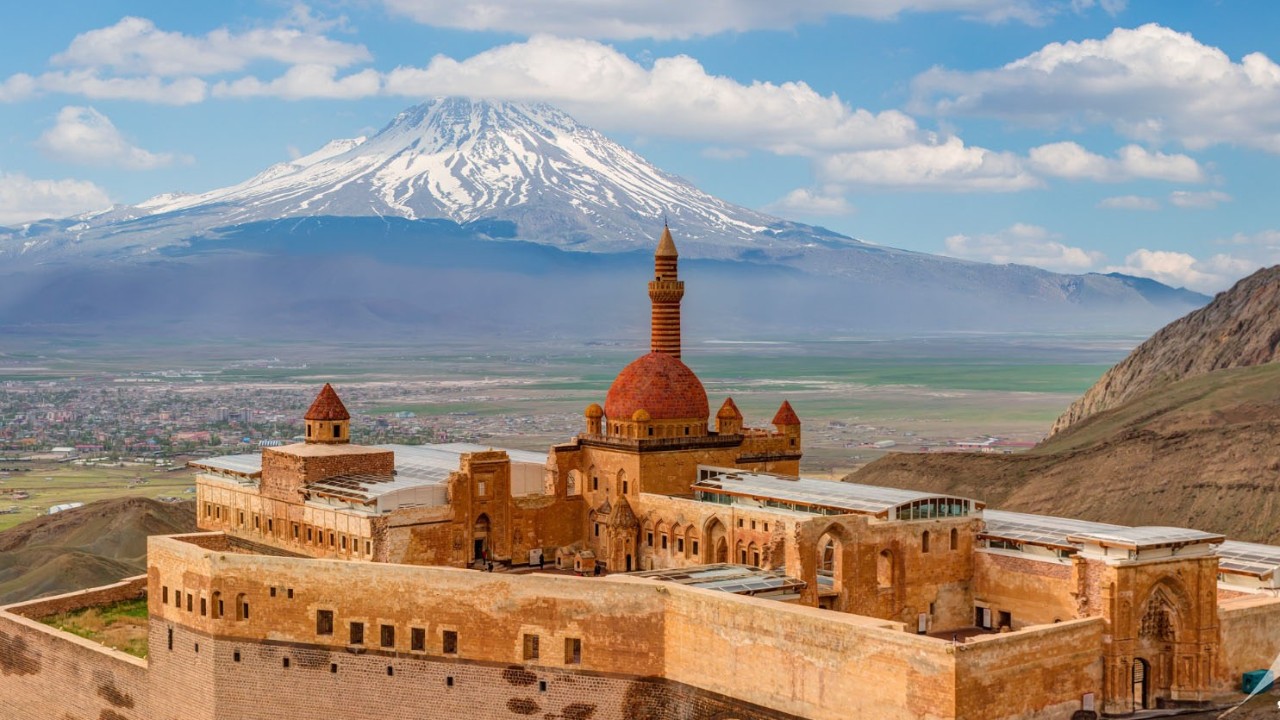
Travelers researching tours that cover other important palaces and monuments in the region can find detailed guidance for day trips on our Culture Route Guide from Van to Doğubeyazıt and İshak Paşa Palace page. Guided tours help you better understand the thousand-year history of the region.
Airport Transfers and Access to Surrounding Cities
Van Ferit Melen Airport is located very close to the city center. Transfer vehicles and shuttles departing from the airport make the start of your trip easy by delivering guests to the hotel district in a short time.
For travelers moving between provinces in the region, regular bus services to surrounding cities via the highway network are highly reliable. Local taxis and public transport also provide an economical alternative for reaching lakeside restaurants and historical sites.
Tips for Ordering and Tasting in Van
A few things to keep in mind while tasting Van's local flavors and visiting historic restaurants will enhance your travel experience.
Knowing the local dining habits and ordering accordingly ensures a more efficient and enjoyable meal. Chatting with chefs in traditional restaurants offers a chance to learn about the historical evolution of the dishes.
- To experience the famous Van breakfast, it is recommended to visit breakfast halls early in the morning.
- To balance the saltiness of the herb cheese, enjoy it alongside the fresh cream and highland honey provided on the table.
- Since Keledoş is very filling and thick, it is advised to balance your portions with lighter appetizers.
- During the fishing season, opt for fresh fish cooked in a tandoor at restaurants along the lake shore.
Local Tea Culture and the "Kıtlama" Tradition
In Van, drinking brewed tea after a delicious meal is a deep-rooted tradition. The "rabbit blood" red tea, brewed slowly in samovars, is traditionally consumed using the kıtlama method, where small pieces of hard sugar are held in the mouth while sipping the tea.
This tradition, which continues all day in the tea houses within the bazaar, creates intimate spaces where locals gather to socialize. The fresh tea offered by hospitable merchants serves as a pleasant conclusion to the local flavors.
Summary: From Herb Cheese to Pearl Kefal
Van cuisine is an elite gastronomic treasure, kneaded with the thousand-year cultural heritage of the Eastern Anatolian plateau and crowned with the bounty of the highlands.
The lavish breakfast tables prepared with traditional methods, the cheeses enriched with medicinal mountain herbs, and the lake fish cooked in a tandoor have made the city's name famous. Travelers visiting the city witness both the majesty of historical monuments and collect lasting memories at rich dining tables.
From the historic bazaars to the shores of Lake Van, this gastronomic route carries the naturalness and richness of Turkish folk cuisine into the future. Anyone passing through Eastern Anatolia should take the chance to taste these ancient flavors on-site.
Frequently Asked Questions 5
What is the most famous dish in Van?
The most famous dish in Van is Keledoş, which is slow-cooked in copper pots with meat, chickpeas, kurut (dried yogurt), and cracked wheat. Additionally, the certified herb cheese, murtuğa, sengeser, and the tandoor-cooked pearl kefal from Lake Van are among the city's leading iconic flavors. These traditional dishes are typically served with fresh lavaş bread.
What are the most famous things in Van?
In Van, the world-famous certified Van breakfast and the herb cheese made with medicinal mountain herbs are the most renowned. Furthermore, the Van cat, known for its striking blue eyes, the historic Van Castle, Akdamar Island, and local woven carpets are among the city's globally recognized symbols. Visitors can explore these riches closely in the historic bazaars.
How many days should I spend in Van?
It is recommended to set aside 3 days to comprehensively explore the city center of Van, its historic castles, and its famous culinary stops. During this time, you can visit monuments like Akdamar Church and Van Castle, as well as local breakfast halls and lakeside fish restaurants. Travelers with more time can add surrounding districts to their itinerary.
Where should I stay in Van?
For accommodation during a trip to Van, hotels around Cumhuriyet Street and Maraş Street in the city center offer the advantage of a central location. These hotels are within walking distance of historic bazaars and restaurants and provide quick access to public transport. For those seeking a quieter stay by the lake, facilities in the İskele area are suitable options.
What are the historical places to visit in Van?
The top historical sites to visit in Van include the magnificent Van Castle, the former capital of the Urartian civilization, the Akdamar Island church, and Çavuştepe Castle. Additionally, the Hüsrev Paşa Mosque, reflecting Ottoman architecture, and Hoşap Castle, rising on the Gürpınar borders, are monumental sites worth seeing. These structures testify to the city's deep history and rich stonework.