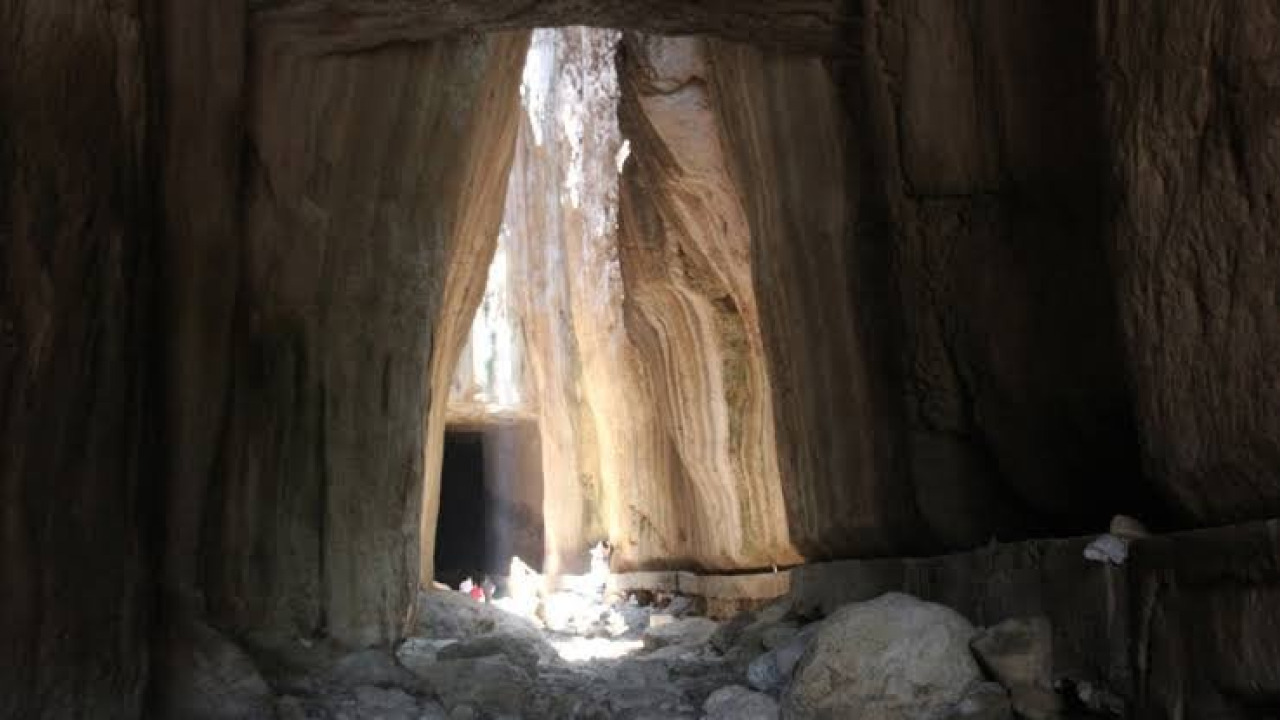

The Titus Tunnel, located in the Çevlik area of Samandağ district in Hatay, is a remarkable Roman-era water diversion structure hand-carved into the rock. It was built to protect the ancient port of Seleukeia Pieria from the heavy load of mud and debris carried by floodwaters descending from the mountains. Today, visitors can walk along this impressive channel, exploring it alongside the nearby Beşikli Cave rock tombs. Together, they form one of the most tangible examples of ancient engineering on Hatay's coastline. This guide delves into the tunnel's fascinating history, nearby attractions, transportation options, seasonal considerations, and a suggested two-day itinerary.
Carving a Mountain to Save a Port
Founded by Seleucus I Nicator, Seleukeia Pieria served as the bustling port city for what is now Antakya. However, seasonal streams flowing down the slopes behind the city would deposit silt into the harbor with every rainfall. This constant threat necessitated the creation of an artificial channel to divert the water away from the city.
Latin inscriptions carved into the rock bear the names of Emperor Vespasian and his son Titus. Another inscription within the drainage tunnel indicates that the work continued until 149 AD, during the reign of Antoninus Pius. This monumental structure, painstakingly carved with picks and chisels, thus carries the names of two emperors and is proudly featured on the UNESCO World Heritage Tentative List.
Quick Facts
| Topic | Information |
|---|---|
| Location | Çevlik area, Samandağ district, Hatay |
| Period | Roman Imperial Era; inscriptions indicate work until 149 AD |
| Dimensions | Total 1,380 m; covered tunnel 130 m, height 7 m, width 6 m |
| Highlights | Hand-carved water diversion tunnel and Beşikli Cave rock tombs |
| Visit | Çevlik Archaeological Site; Museum Pass accepted, current fees at DÖSİM |
| Hours | Summer 10:00-19:00, Winter 08:30-17:00 |
| Best Season | Spring and Autumn |
| Distance | 5 km to Samandağ center, approx. 28 km to Antakya (40 minutes) |
Must-See Stops on the Samandağ Side
Vespasian - Titus Tunnel
The system comprises a dam, two tunnel sections, and a long drainage channel. Approximately 130 meters of the 1,380-meter route are covered tunnel. Your visit typically begins at the upper end of the channel, following the path the water once took towards the sea. Notable details along the walk include chisel marks, steep walls sometimes exceeding ten meters in height, and inscriptions at the tunnel entrances. The ground is stony and uneven; as water can accumulate on the channel floor after rain, planning your visit for a dry day will make for a more comfortable experience.
Beşikli Cave
Situated on a rocky slope approximately one hundred meters to the right of the tunnel's sea-facing exit, Beşikli Cave is a Roman-era rock necropolis. Divided by columned entrances, the site reveals twelve tombs, sarcophagi (often referred to as 'grave boats'), and stepped passages. It's said that the area gets its name from the cradle-like shape of these sarcophagi.
Çevlik Coast and Samandağ Beach
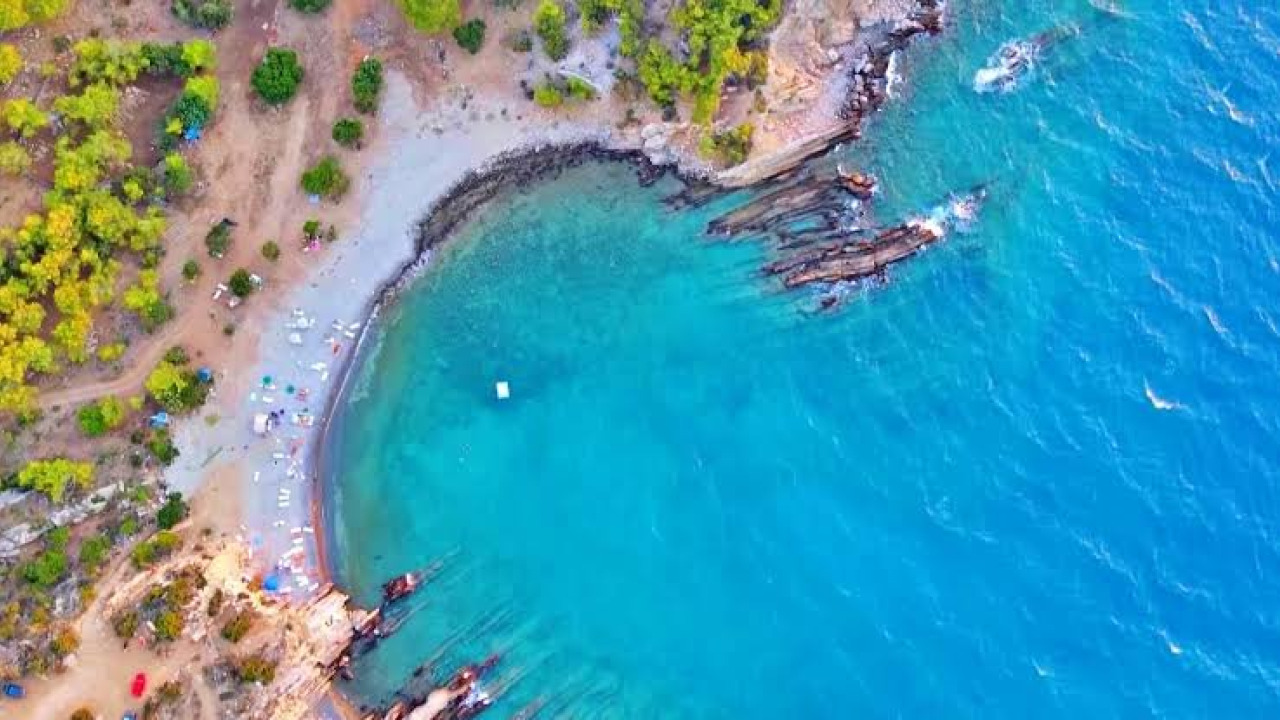
Çevlik is the fishing harbor located where the tunnel meets the sea; remnants of the ancient port can still be seen along the coastline. The 14-kilometer-long Samandağ Beach is one of the primary nesting grounds for green sea turtles in the Eastern Mediterranean. The Asi River also reaches the sea here.
Musa Ağacı (Moses Tree) and Hızır Türbesi (Shrine of Hızır)
Located in Hıdırbey village, 6 kilometers from Samandağ, the Musa Ağacı (Moses Tree) is a protected monumental plane tree with a trunk circumference nearing twenty meters. Legend connects the tree to the staff of Prophet Moses. The surrounding tea gardens offer a shaded spot for a relaxing break. The Hızır Türbesi (Shrine of Hızır), which gives the village its name, is also visited by various faith groups.
St. Simon Monastery
Rising on a hill 6 kilometers east of Samandağ, St. Simon Monastery is named after Simeon the Younger, who lived atop a pillar in the 6th century. The cross-shaped site features the base of his pillar and the ruins of three churches. The ruins are reached via a winding, stabilized road, with the final section requiring a walk. From this elevated position, sweeping views of the coastline unfold. Those looking to combine such historical sites into a comprehensive itinerary can choose from cultural tours covering ancient cities of Anatolia with Travel Tour Shop.
Complementary Stops on the Antakya Side
Combining your Samandağ visit with Antakya city center extends your trip into a second day. The status of structures affected by the 2023 earthquakes is variable; for a full list of central attractions, please refer to our Hatay places to visit guide.
St. Pierre Church Monument Museum
Located on the Reyhanlı road at the foot of Habib-i Neccar Mountain, east of Antakya, this cave church is approximately 13 meters deep. Inside, visitors can see traces of mosaics and a rock-carved altar area. The use of the word 'Christian' for the first time in Antakya is also attributed to this period.
Hatay Archaeology Museum
The museum is renowned for housing one of the world's leading collections of Roman floor mosaics, excavated from ancient villas around Harbiye. However, the building has been closed to visitors since the earthquakes of February 6, 2023. A phased reopening after reinforcement is planned for late 2026, so please check for current announcements before adding it to your itinerary. For more details on the collection, our article on the Hatay Archaeology Museum and St. Pierre Church provides further guidance.
Habib-i Neccar Mosque and Antakya Castle
The Habib-i Neccar Mosque is considered one of Anatolia's earliest mosque examples, built upon layers of temples and churches. It sustained severe damage in the 2023 earthquakes. Following restoration efforts using stones salvaged from the rubble, it reopened for worship on December 27, 2025. The walls of Antakya Castle, perched on the city's ridge, are largely ruined; a walking route offers commanding views over the city.
Harbiye Waterfalls
Harbiye, anciently known as Daphne, is famous for its laurel groves and cascading waterfalls. This valley, linked to the myth of Apollo and Daphne, offers a refreshing escape from the summer heat. After the earthquake, the water flow temporarily decreased but has since returned to its previous levels.
Transportation and a Two-Day Itinerary
Access to the region is typically via Antakya; public transport can be challenging for some stops.
- By Air: Hatay Airport is the primary option; alternative entry points are Adana and Gaziantep. Always check flight schedules in advance.
- By Road: Travelers arriving by car from the Adana direction should pass through İskenderun to Antakya, then follow signs for Samandağ to reach Çevlik.
- Local Transport: Regular minibuses depart from Antakya bus terminal to Samandağ. The journey from Samandağ to the tunnel takes approximately 20 minutes.
- Two-Day Itinerary: Day one can include the Titus Tunnel, Beşikli Cave, Çevlik coast, and Musa Ağacı. Day two can be planned for St. Simon Monastery and Antakya city center.
- Optional Third Day: For those with more time, Harbiye Waterfalls, Payas Castle, Payas Sokullu Mehmet Pasha Complex, and the İskenderun Naval Museum can be added to your route.
Ideal Season and Timing for Your Visit
As the walk takes place outdoors, weather conditions directly impact your experience. The table below compares the different seasons.
| Season | Advantage | Note |
|---|---|---|
| Spring (March-May) | Mild weather, strong waterfall flow | Channel floor can be wet after rain |
| Summer (June-August) | Long daylight hours, beach season | Midday heat can be tiring, plan for mornings |
| Autumn (September-November) | Warm sea, fewer crowds | Soft light ideal for photography |
| Winter (December-February) | Quiet and cool walks | Ground can be slippery after heavy rain |
Accommodation, Dining, and Visit Planning
For accommodation, two main bases make sense: those seeking proximity to historical sites might prefer Antakya city center, while visitors looking for easy access to the sea and the tunnel can choose guesthouses in Samandağ-Çevlik.
Künefe, oruk, tepsi kebabı, kaytaz böreği, zahter salad, and sürk cheese are among the region's famous flavors. Places like Tarihi Affan Kahvesi, representing Antakya's coffee culture, also offer a glimpse into local daily life. If you wish to make the local cuisine a central part of your trip, Travel Tour Shop offers gastronomy tours focused on regional delicacies.
Tips Before You Go
- The channel and tomb areas offer little shade; bring a hat, water, and sun protection.
- The ground is stony and uneven, so opt for non-slip footwear.
- Light diminishes in the covered tunnel section; a flashlight will be useful.
- During turtle nesting season, please avoid marked areas on the beach.
- The visiting status of structures affected by the earthquake is variable; confirm before your trip.
How Many Days Should You Allocate for Your Trip?
The Titus Tunnel and Beşikli Cave can be explored in half a day. Adding the Samandağ coast, Musa Ağacı, and St. Simon Monastery extends the program to a full day, while Antakya city center warrants a second day. For those wishing to expand their route with castles and complexes in neighboring districts, Travel Tour Shop's historical city tours of Anatolia offer a great starting point. Coastal and valley routes are covered under our nature and adventure tours category.
Frequently Asked Questions 8
Where is the Titus Tunnel and how can it be visited?
The tunnel is located in the Çevlik area of Samandağ district in Hatay. The visit begins at the upper end of the channel, continues along the route descending towards the sea, and concludes with Beşikli Cave.
Is there an entrance fee for the Titus Tunnel?
The area is part of the Çevlik Archaeological Site, managed by the Ministry; tickets are purchased at the entrance, and the Museum Pass is valid. Current fees are published by DÖSİM.
Where is St. Pierre Church and what is its story?
It is a cave church carved into the rock on the eastern side of Antakya, at the foot of Habib-i Neccar Mountain. It is believed that Apostle Peter delivered his first sermons here in the 1st century AD.
What are the must-visit places in Hatay?
Key attractions include the Titus Tunnel, Beşikli Cave, Samandağ Beach, Musa Ağacı (Moses Tree), St. Simon Monastery, St. Pierre Church Monument Museum, Hatay Archaeology Museum, and Harbiye Waterfalls.
What is Hatay most famous for?
The city is renowned for its mosaic collection, early Christian heritage, and especially its cuisine. Künefe, oruk, and tepsi kebabı are well-known local delicacies.
What are the natural beauties of Hatay?
The main natural attractions include the Harbiye waterfalls, the Samandağ coastline, the Asi River delta, and the mountainous hiking routes between Samandağ and Antakya.
Is the Museum Pass valid at St. Pierre Church?
The church holds monument museum status under the Ministry, meaning the Museum Pass can be used in such areas. As visiting arrangements can change, it's advisable to confirm in advance.
Why is Hatay important for Christians?
Antakya is considered one of the earliest community centers of early Christianity, and it's said that the word 'Christian' was first used here. St. Pierre Church and St. Simon Monastery are significant remnants of this history.