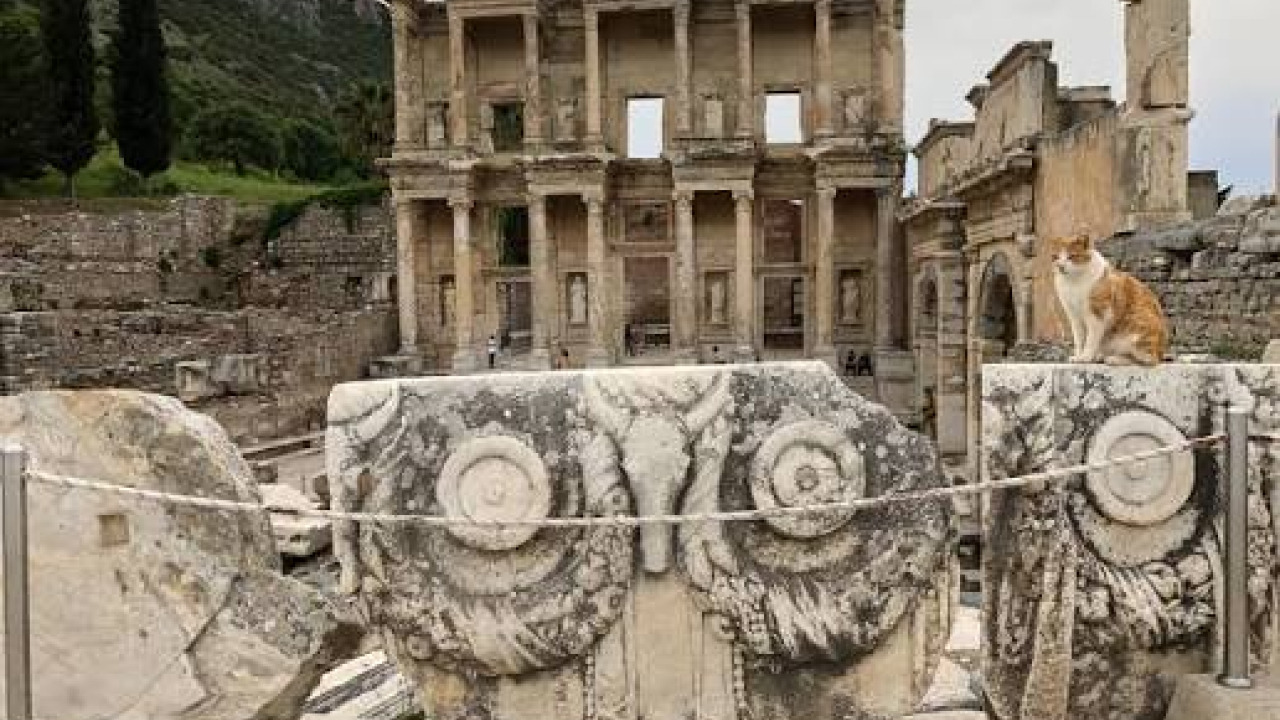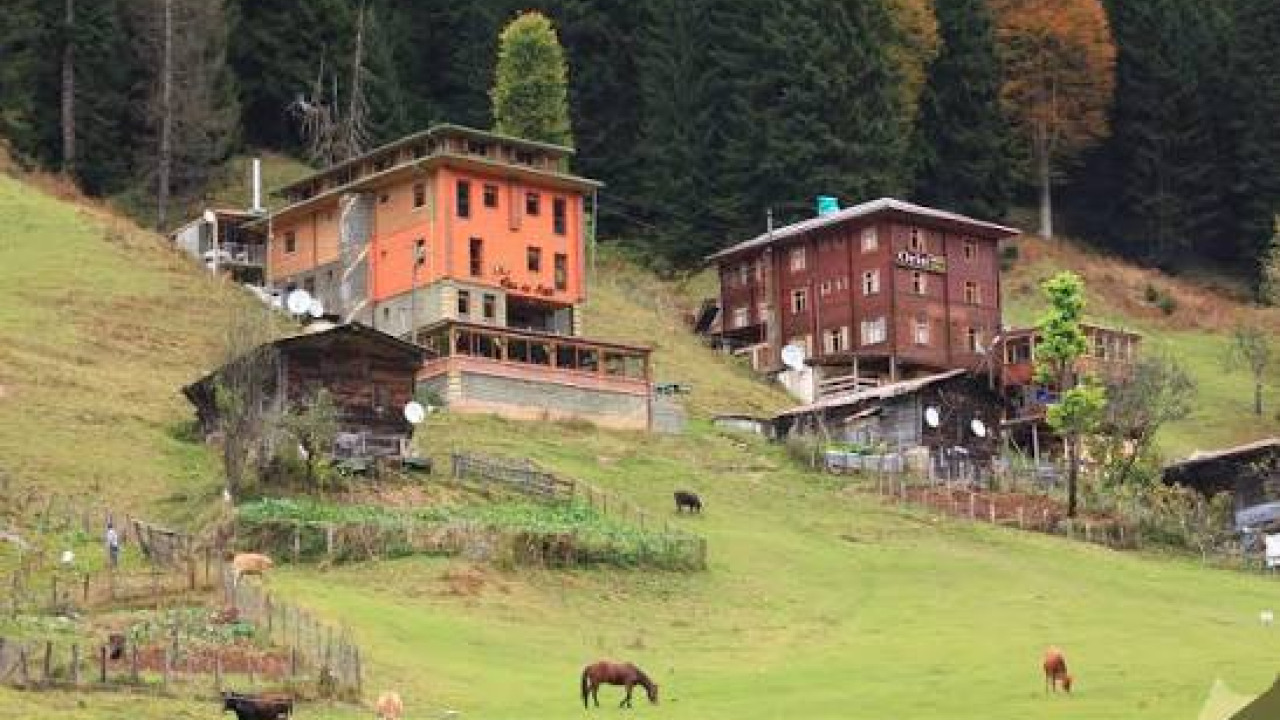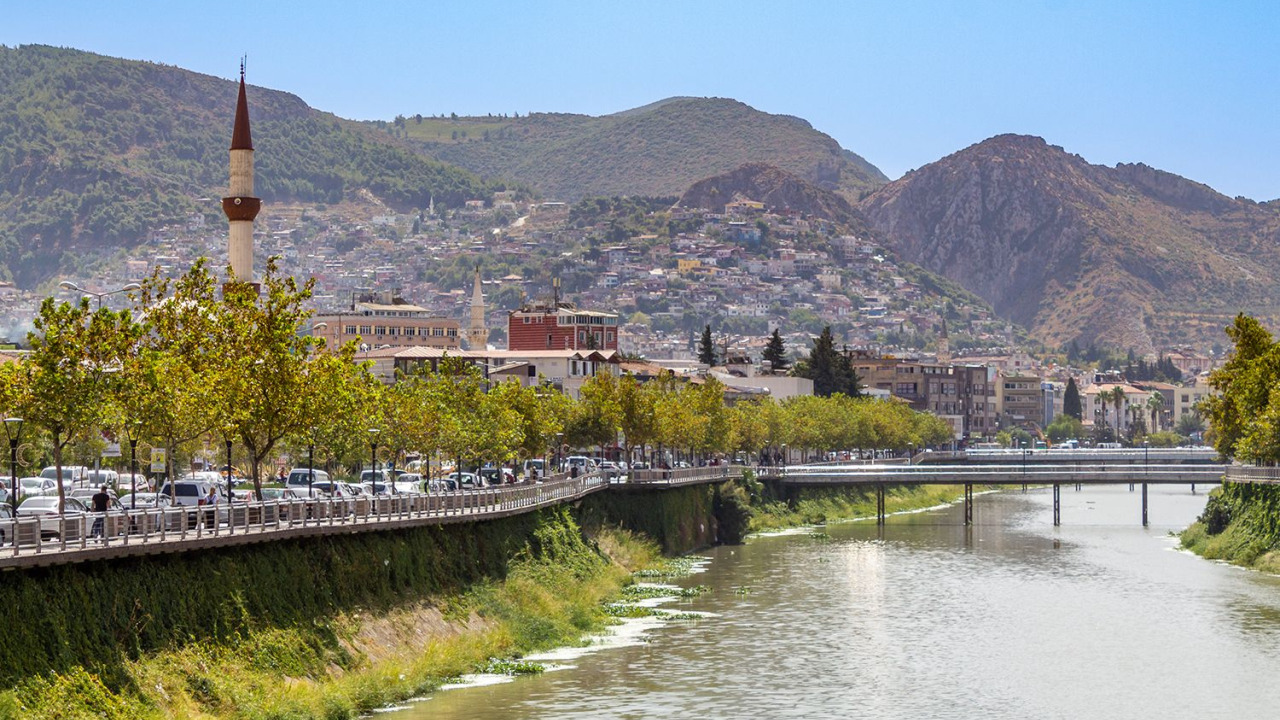

When you think of Hatay, you imagine a place where mosques, churches, and synagogues have stood side-by-side for centuries—a true mosaic of cultures. From the spiritual depths of St. Pierre Church and the historic Habib-i Neccar Mosque to the breathtaking mosaics of the Hatay Archaeology Museum, the engineering marvel of the Titus Tunnel in Samandağ, and the serene Harbiye Waterfalls, this region is a treasure trove for any traveler. In this guide, we’ve curated the best of Hatay’s faith-based history, ancient art, natural wonders, and a gastronomic map that leads you from the sweet bliss of künefe to the savory depths of oruk.
At Travel Tour Shop, we operate on the ground where the Mediterranean meets Mesopotamia. We have personally vetted the following sites and curated our culture and gastronomy routes to ensure they meet our high standards of quality, helping you choose the perfect itinerary for your needs. Important Note: Hatay was significantly impacted by the 2023 earthquakes. Some structures are currently undergoing reconstruction or restoration; we strongly recommend verifying the current status of specific sites before your visit.
Quick Facts
| Category | Details |
|---|---|
| Province | Hatay (Center: Antakya) |
| Best Time to Visit | Spring (April-June) and Autumn (September-November) |
| Recommended Duration | 2-3 Days |
| Top Highlights | St. Pierre Church, Habib-i Neccar Mosque, Archaeology Museum Mosaics, Titus Tunnel, Künefe |
| Getting There | Hatay Airport (HTY), by road, or via neighboring provinces |
What Makes Hatay Unique?
Hatay is defined by two things: a profound culture of tolerance and a legendary culinary scene, headlined by the iconic künefe. Historically serving as a strategic gateway from the Silk Road to the Mediterranean, the region was one of the most populous metropolises of the Roman era. Antakya, where diverse faiths and ethnicities have coexisted for millennia, feels like an open-air museum reflecting this layered history.
Exploring the city without a plan can mean missing the hidden mosaic stories tucked away in narrow alleys or overlooking local artisans. To make the most of your limited time, we recommend organizing your trip around four pillars: faith, museums, nature, and gastronomy. As a recognized member of UNESCO's "Creative Cities Network" for gastronomy, Hatay offers a sensory experience where culture and flavor are inextricably linked. You can explore our specialized cultural tours for more tailored programs.
Tracing the History of Faith in Antakya
Hatay holds immense significance in the history of world religions. It is not uncommon to find houses of worship from different faiths on the very same street. Here are the two most essential stops for those interested in spiritual history.
St. Pierre Church
Nestled on the slopes of Mount Hac, this natural cave church is renowned as one of the earliest meeting places for early Christians. Tradition holds that the term "Christian" was first used to describe the community here, making it a pilgrimage site of global importance. The simplicity of the cave and its raw stone texture provide a serene atmosphere that connects visitors to the roots of the faith. Since it is a monument-museum, we suggest checking visiting hours and conditions before your arrival.
Habib-i Neccar Mosque
The Habib-i Neccar Mosque is honored as the first mosque built in Anatolia. It is named after Habib-i Neccar, a local resident of Antakya who is said to have died for his faith. The presence of tombs from different beliefs surrounding an Islamic place of worship is a powerful symbol of Hatay's multicultural identity. Located near the Uzun Çarşı (Long Bazaar), it is an easy addition to a city center walking tour. Due to ongoing restoration following the earthquake, please confirm its current accessibility via official sources.
The City of Mosaics: Hatay Archaeology and Necmi Asfuroğlu Museums
Because Hatay was home to opulent Roman villas, it is now one of the world's premier centers for mosaic art. Two museums in the city are absolute must-visits for anyone wanting to witness this ancient craftsmanship.
Hatay Archaeology Museum
The Hatay Archaeology Museum houses one of the richest mosaic collections on earth. Spanning a vast area, these Roman and Byzantine mosaics depict mythological scenes, the changing seasons, and figures of antiquity with stunning precision. The colossal statue of King Shuppiluliuma and the Antakya Sarcophagus are the crown jewels of the collection. We recommend allocating at least two hours to truly appreciate the detail of these works.
Necmi Asfuroğlu Archaeology Museum
Discovered during the construction of a hotel in the city center, this site features a massive, well-preserved floor mosaic and is presented as a unique "museum-hotel" concept. The architecture allows visitors to walk on elevated platforms, offering a bird's-eye view of the ancient street traces beneath. Since it is located close to the main Archaeology Museum, these two can easily be visited on the same day.
Nature and Engineering: Harbiye Waterfalls and the Titus Tunnel
Hatay is more than just museums and monuments; it also boasts hidden natural gems and ancient engineering feats. This section is for those looking to experience the greener, cooler side of the region.
Harbiye Waterfalls (Defne)
Known in antiquity as Daphne, Harbiye is a lush escape tied to the mythological tale of the water nymph Daphne. In the heat of summer, there is nothing more relaxing than enjoying local mezes at tables set beside the cool, flowing waters. The surrounding cafes and restaurants make it the perfect spot to blend gastronomic discovery with natural beauty.
Titus Tunnel and Beşikli Cave (Samandağ)
Located in the Samandağ district, the Vespasianus-Titus Tunnel is a masterpiece of Roman engineering. It was carved manually through the mountain to prevent floodwaters from clogging the harbor. Walking through the cool, damp interior of the tunnel allows you to feel the sheer scale of ancient stonework. Nearby, the rock-cut tombs of Beşikli Cave offer another layer of discovery for history buffs. If you're in Samandağ, don't miss the expansive beaches, though we recommend visiting during the cooler morning or evening hours.
A Taste of Hatay: The Gastronomic Capital
Hatay's cuisine is a cornerstone of Turkish gastronomy, boasting numerous certified recipes. It is a place where heat, acidity, fresh Mediterranean herbs, and Middle Eastern mezes collide. For those whose primary goal is a culinary adventure, please check our gastronomy organization tours.
Authentic Hatay Künefe
A geologically indicated treasure, Hatay Künefe is made with a special unsalted cheese layered between thin shreds of kadayıf, baked in copper trays over charcoal fires, and drenched in hot syrup. In Antakya, künefe is more than just a dessert; it is a centerpiece of social culture.
Tepsi Kebabı and Kağıt Kebabı
Tepsi Kebabı (Lahm-ı Sini) is a hearty classic made from hand-minced lamb (using a zırh knife), kneaded with spices, garlic, and parsley, pressed into copper trays, and baked in stone ovens. For a lighter alternative, Kağıt Kebabı is cooked in parchment paper, allowing the meat to steam in its own juices.
Meze Culture and Pastries
The Mediterranean table here is incredibly rich: warm hummus topped with melted butter, muhammara made with walnuts, isot, and pomegranate molasses, smoky babagannuş, and zesty zahter salad. For pastry lovers, oruk (Hatay-style kibbeh) and kaytaz böreği (stone-oven baked pastry with minced meat) are essential. We recommend ordering small portions of many different dishes to share, allowing you to experience the full spectrum of flavors in one meal.
Uzun Çarşı and Local Craftsmanship
The Antakya Uzun Çarşı (Long Bazaar) is the beating heart of the city's trade and craft traditions. Spice shops, soap workshops, and traditional eateries define its atmosphere. For those interested in textiles, the historic silk workshops in the Harbiye region are a must-visit. The local laurel soap, made from olive and laurel oils, is the quintessential souvenir from the region. Combining a stroll through the bazaar with a visit to the Habib-i Neccar Mosque makes for a perfect half-day itinerary. Stopping at a local esnaf (tradesman) restaurant allows you to taste authentic flavors while soaking in the bazaar's energy.
Beyond Antakya: İskenderun, Samandağ, and Beyond
Hatay is much more than just its center. The surrounding districts add a different dimension to your trip. İskenderun, with its sweeping bay, seaside promenades, and maritime museum, showcases the city's port identity. Samandağ offers a blend of history (Titus Tunnel) and nature with its endless sandy beaches. Arsuz is the go-to spot for those seeking quiet beaches and lush greenery. Finally, the high-altitude district of Belen provides a refreshing breeze and panoramic views, making it an ideal stopover.
Because these districts are spread out, we recommend planning your transportation in advance. Balancing coastal nature spots with cultural landmarks creates a more satisfying itinerary for diverse groups. While exploring İskenderun and Samandağ, be sure to try the local specialties of each district to further your gastronomic journey.
When and How to Visit Hatay
Hatay experiences a transition between Mediterranean and continental climates. In July and August, high humidity and heat can make outdoor sites like Samandağ and the Titus Tunnel exhausting. For a more comfortable experience, we recommend visiting during the spring (April-June) or autumn (September-November).
Regarding transportation, Hatay Airport (HTY) provides the primary air link to the city, while road networks connect it to neighboring provinces. For those flying in, airport transfers make the transition to the city center seamless. Within Antakya, walking is the best way to discover the narrow streets and historic textures. However, for itineraries covering multiple districts, guided tours offer a significant advantage in terms of time and insight. You can compare all our tour options to find the one that fits your pace.
Finally, as reconstruction and restoration continue following the 2023 earthquake, the status of some sites may change. We advise verifying the current opening status of your intended destinations via official channels to ensure a smooth trip.
Frequently Asked Questions 6
What is Hatay most famous for?
Hatay is best known for its multicultural atmosphere of tolerance and its world-renowned cuisine, especially künefe. Antakya, where mosques, churches, and synagogues coexist, is the heart of this identity.
What are the must-see places in Hatay?
The top highlights include St. Pierre Church, Habib-i Neccar Mosque, the Hatay Archaeology Museum, Necmi Asfuroğlu Museum, Harbiye Waterfalls, the Titus Tunnel and Beşikli Cave in Samandağ, and the Uzun Çarşı.
What are the most famous foods in Hatay?
Certified Hatay künefe, tepsi kebabı, oruk, and kaytaz böreği are staples, alongside mezes like hummus, muhammara, and babagannuş. Sharing various small plates is the best way to experience the cuisine.
How many days are enough to visit Hatay?
A 2-3 day itinerary is usually sufficient for the city center and its immediate surroundings. If you wish to include Samandağ, İskenderun, and other districts, consider extending your stay by another day.
How do I get to Hatay?
You can fly into Hatay Airport (HTY) or travel by road via neighboring provinces. Airport transfers are available to take you directly to the city center.
What is the best season to visit Hatay?
Spring (April-June) and Autumn (September-November) are ideal due to the mild weather. In the summer, it is best to visit outdoor sites during the cooler early morning or late evening hours.