If you are looking to uncover the soul of Antakya, two landmarks stand above the rest: the Hatay Archaeology Museum and Saint Pierre Church. These sites place Hatay at the very center of Turkey's cultural and faith-based tourism. Having hosted dozens of civilizations throughout history, Hatay serves as a crossroads where East meets West, and where ancient trade routes intersected with major religious centers. It is a city where different religions, languages, and cultures have thrived side-by-side for centuries. In this guide, we dive deep into the Hatay Archaeology Museum—home to one of the world's most massive mosaic collections—and Saint Pierre Church, recognized as one of the earliest cave churches in Christian history. From what to see and how to get there, to the best time to visit and ideal itineraries, we aim to provide more than just a list; we want to help you understand the profound historical context of these two legendary stops.
At Travel Tour Shop, we take quality seriously. We vet our tour and transfer providers rigorously, excluding approximately 83% of candidates to ensure only those with proven local expertise and stellar guest reviews make our list. The following information is part of that quality filter: we have compiled everything you need to know, from practical logistics to must-see highlights, for your first journey into the cultural and spiritual heritage of Antakya.
Quick Facts
| Topic | Information |
|---|---|
| Location | Hatay (Antakya), near Turkey's southern border |
| Key Landmarks | Hatay Archaeology Museum, Saint Pierre Church |
| Museum Status | Monument museum / archaeology museum (Museum Pass accepted) |
| Highlight Collection | Roman and Byzantine floor mosaics, Late Hittite artifacts |
| Trip Duration | Half-day for both stops; 2-3 days for the whole city |
| Best Time to Visit | Spring (March–May) and Autumn (September–November) |
| Transportation | Air and road; local taxis and minibuses within the city |
Antakya: Where Civilizations and Faiths Converge
The heart of Hatay, Antakya, is the proud successor to the ancient metropolis of Antiocheia. During the Roman era, it was celebrated as one of the empire's greatest cities. Because it sat at a vital junction of trade routes, the city grew both immensely wealthy and incredibly multicultural. This legacy forms the layered fabric you encounter today: it is perfectly normal to find the traces of mosques, churches, and synagogues all within the same street.
The city's reputation as a "city of tolerance" is not just a slogan; it is the result of a long-standing culture of coexistence. This is why Antakya stands out not only for its archaeological wonders but also as a premier destination for faith tourism. The Hatay Archaeology Museum and Saint Pierre Church are the two most tangible witnesses to this multi-layered story, and they are frequently visited together on the same day. For those looking to experience this cultural depth through a curated program, Travel Tour Shop offers various cultural tours to suit your needs.
Note: Hatay and its surroundings were affected by the 2023 earthquakes. Visiting conditions, opening hours, and entry regulations for some historical structures may have changed; we recommend confirming the current status via official sources before your trip.
Hatay Archaeology Museum: A History Written in Mosaics
The Hatay Archaeology Museum is world-renowned for hosting one of the most significant mosaic collections on the planet. The museum is particularly famous for its massive floor mosaics, excavated from ancient villas in and around Antakya dating back to the Roman and Byzantine periods. These masterpieces act as a visual archive, bringing the daily life, mythological tales, and aesthetic sensibilities of the era to life.
The Museum's Masterpiece Mosaics
The mosaics reveal how ancient artists used tiny stones like brushstrokes to depict mythological scenes, nature, and everyday life. Most of the stones used are naturally colored river and mountain stones, which is why the colors remain so vibrant even after centuries. Notable pieces in the collection include the Oceanus and Tethys mosaic, which features sea deities and stunning water effects, and the Soteria bust, believed to symbolize salvation and protection. When viewing these mosaics, we recommend taking your time to truly appreciate the intricate craftsmanship in the details.
The Statue of King Suppiluliuma and Other Treasures
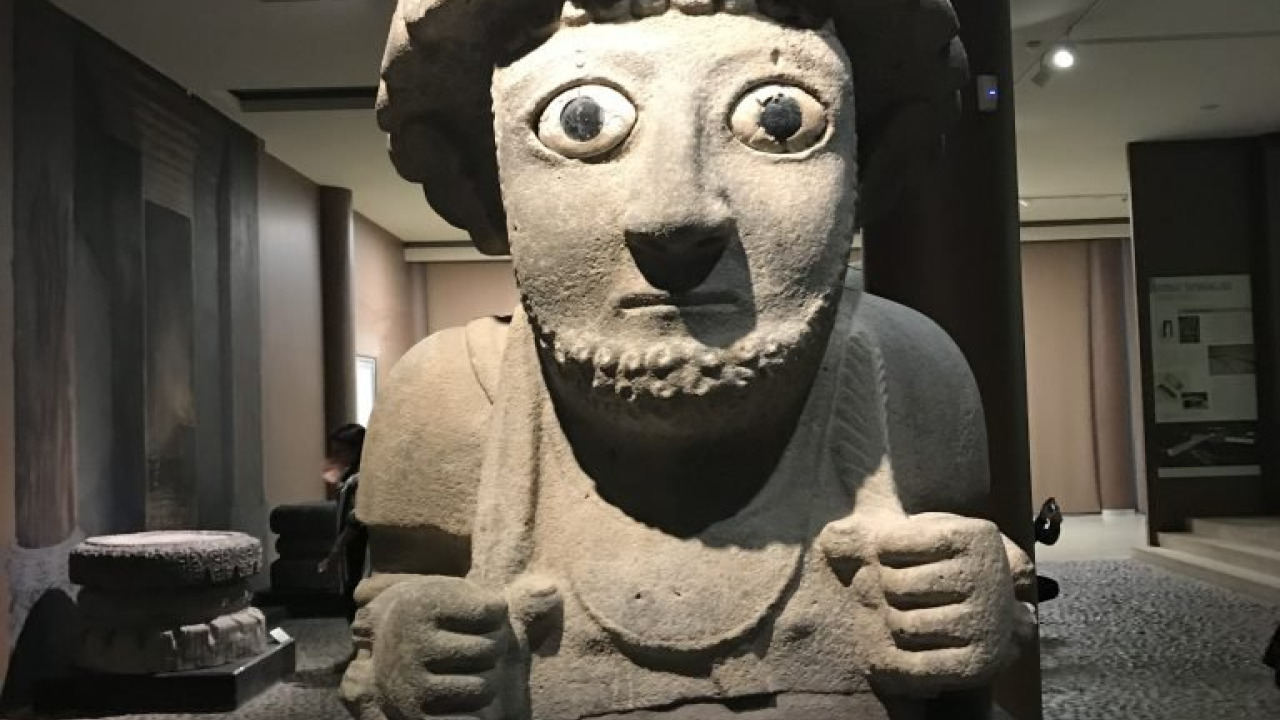
The museum's collection extends far beyond mosaics. The statue of King Suppiluliuma from the Late Hittite period—recognizable by his large eyes and the ear of wheat in his hand—is a favorite among visitors and a frequent subject of photography. Alongside this, the museum displays various sarcophagi, sculptures, coins, and everyday objects from different eras. This diversity allows you to trace Antakya's thousands of years of settlement, turning the museum into a continuous narrative of history rather than just a snapshot of one period.
Practical Tips for Your Visit
The museum is located approximately 3-4 kilometers from the city center and is easily accessible by public transport or taxi. We suggest visiting in the morning for a quieter experience and to see the mosaics in the best light. Photography is generally permitted, but please follow the instructions of the staff regarding flash usage. As both sites are designated monument museums, the Museum Pass is valid; it is always wise to check the latest ticket prices and opening hours before your visit.
Saint Pierre Church: One of the World's First Cave Churches
Located on the slopes of Mount Habib-i Neccar (Staurin Hill) on the Antakya-Reyhanlı road, Saint Pierre Church was formed by converting a natural cave into a place of worship. It holds immense significance for faith tourism, recognized as "one of the world's first cave churches" and added to the UNESCO World Heritage Tentative List in 2011.
Where the Name "Christian" Was Born
According to tradition and historical records, around 30-40 AD, Saint Peter, one of the apostles of Jesus, arrived in Antakya, gathered the first Christian community, and held secret worship services in this natural cave. This is why Antakya holds such a sacred place in religious history: it is widely believed that the followers of Jesus were first called "Christians" by the community here, as noted in the Bible. In this sense, the church is not just a place of worship, but a symbolic site witnessing the institutionalization of a faith.
What to See Inside the Church
Inside the simple yet moving interior, you can see the traces of the struggle for faith during an era of intense persecution. The ancient baptismal font, preserved floor mosaic fragments, and secret escape tunnels leading into the depths of the cave provide a tangible connection to the conditions under which the first Christians worshipped in secret. While the facade was added in later centuries, the cave itself remains the most authentic and striking part of the structure. Taking time to explore these details will help you grasp the historical layers of the space.
Ideal Visiting Times and the June 29th Service
Since the church is situated on a mountainside, it is more comfortable to plan your visit during the cooler parts of the day. Every year on June 29th, the feast day of Saint Peter, special services may be held here; visiting during this time offers a meaningful look at how a living religious tradition continues to this day. Please note that visitor numbers may increase during service periods, so plan your schedule accordingly.
Complementary Stops on Your Faith and Culture Route
While the Hatay Archaeology Museum and Saint Pierre Church are the pillars of Antakya's multi-faith heritage, the city's cultural fabric extends much further. Adding a few more stops to your journey can enrich your itinerary and help you grasp the full, layered identity of the city.
Habib-i Neccar Mosque and Multi-Faith Heritage
One of Antakya's iconic structures, the Habib-i Neccar Mosque, is considered one of the earliest mosques in Anatolia and represents the city's multi-faith history. The historic bazaar and narrow streets surrounding the mosque carry the traces of traditional Antakya life. As this structure is also located in the region affected by the 2023 earthquakes, we recommend checking its current visitation and restoration status beforehand. For those who love exploring the historical core of the city step-by-step, Travel Tour Shop offers excellent historical city tours.
How to Get to Hatay and These Two Landmarks
The fastest way to reach Hatay is by air; the city has its own airport, and road connections are also strong. Since airport service availability can fluctuate, a common alternative is to fly into Adana or Gaziantep and then travel to Antakya by road. From these airports, you can reach Antakya via bus, private transfer, or rental car; since travel times can vary based on seasonal road conditions, it is helpful to plan your journey in advance.
Within the city, both landmarks are relatively close to the center. The Hatay Archaeology Museum is about 3-4 kilometers away and is easily reachable by public transport or taxi. Because Saint Pierre Church is located on a mountainside, it is more practical to reach it via private car, taxi, or local minibuses. For those wishing to combine both stops in a single half-day, a pre-arranged program can make transportation and time management much easier; you can explore such options through Travel Tour Shop tour options.
The Best Season to Visit Hatay
Hatay sits at the transition point between the Mediterranean and continental climates. Summer months can be quite hot and humid, while winters can be rainy. Therefore, the best times to visit the city comfortably, spend time in outdoor areas, and enjoy its rich cuisine are spring (March–May) and autumn (September–November). During these two seasons, the weather remains mild, making your sightseeing much more pleasant.
If you are traveling during the summer, we recommend planning your outdoor visits for the early morning or late afternoon to avoid the midday heat. In winter, bringing appropriate clothing to account for potential rain will ensure your trip isn't interrupted. Regardless of the season, carrying water and wearing comfortable walking shoes will make your experience much smoother.
Antakya Cuisine: The Perfect Companion to Your Cultural Journey
Antakya is a member of the UNESCO Creative Cities Network for its gastronomy; in this regard, the culinary dimension of a cultural trip here is just as rich as the history. While exploring the city, tasting authentic Antakya künefe cooked over embers, tepsi kebab, or kağıt kebab, along with mezze like hummus, muhammara, and babagannuş, is a natural part of the experience. These flavors are the delicious reflection of the city's multicultural past on the dining table.
Planning your meal breaks in the historic bazaar or central areas will save time and allow you to rest without breaking the rhythm of your tour. Asking local establishments about seasonal ingredients is a great way to discover flavors unique to the time of your visit. This way, after your museum and church visits, you can truly touch the daily culture of the city.
Accommodation and Itinerary Suggestions
For accommodation, the Antakya city center is generally the best choice; its proximity to both main landmarks and the historic bazaar offers a logistical advantage. You can find various options ranging from restored historic mansions to modern hotels; however, keep in mind that accommodation availability in the region can vary, so booking in advance is highly recommended. Staying centrally allows you the flexibility to start your morning at the museum and move to the church in the afternoon.
For a half-day itinerary, we suggest the following: In the early morning, explore the mosaics and Late Hittite artifacts at the Hatay Archaeology Museum, then enjoy a lunch break in the city center. In the afternoon, head up to Saint Pierre Church to experience the cave church and the surrounding views. If you have extra time, complete your route with the Habib-i Neccar Mosque and the historic bazaar. For those who prefer a slower pace, spreading this program over two days will allow you to discover the city's cultural fabric without rushing.
Frequently Asked Questions 5
Is the Museum Pass valid at Saint Pierre Church and the Hatay Archaeology Museum?
Yes. Since both historical sites are designated as monument museums under the Ministry of Culture and Tourism, the Museum Pass is accepted. However, as ticket policies and opening hours can change seasonally, we recommend checking official sources before your visit.
Why is Saint Pierre Church important?
Saint Pierre Church is a unique structure formed by converting a natural cave into a place of worship, recognized as one of the world's first cave churches. It is believed that Saint Peter gathered the first Christian community here and that the followers of Jesus were first called Christians in Antakya. Because of this, it holds a special place in religious history and was added to the UNESCO World Heritage Tentative List in 2011.
What can I see at the Hatay Archaeology Museum?
The museum primarily displays large-scale floor mosaics from the Roman and Byzantine periods. The Oceanus and Tethys mosaic and the statue of King Suppiluliuma from the Late Hittite period are among the most prominent pieces in the collection. You will also find sarcophagi, sculptures, coins, and various everyday objects.
What is the best season to visit Hatay?
The best times to visit the city are during the mild spring (March–May) and autumn (September–November) months. Since summers can be hot and humid and winters can be rainy, these two seasons offer the most comfortable sightseeing experience.
Are the Hatay Archaeology Museum and Saint Pierre Church close to the city center?
The Hatay Archaeology Museum is approximately 3-4 kilometers from the city center and is easily accessible by public transport or taxi. Saint Pierre Church is located on a mountainside; while it is relatively close to the center, it is more practical to reach it by private car, taxi, or minibus.