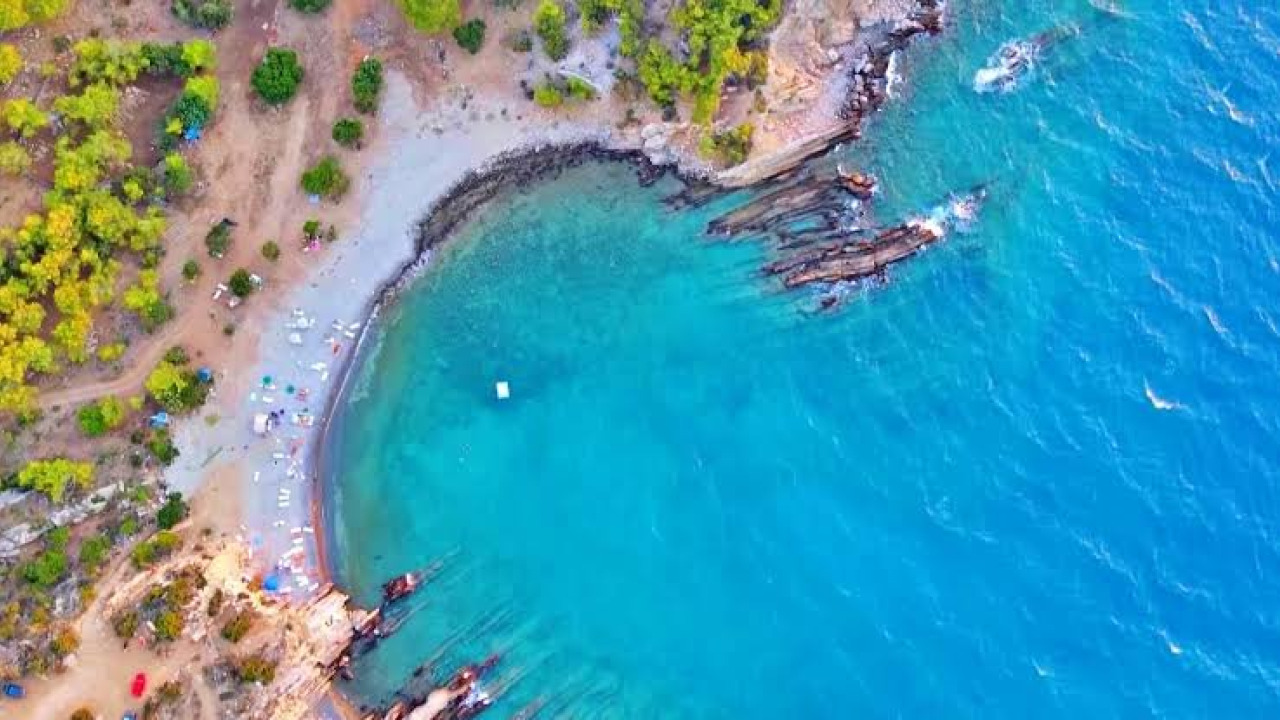

Tisan Bay, located in Silifke, Mersin, is a unique twin-coast bay nestled on either side of a narrow peninsula that juts south from the coastal road. This guide isn't just a list of facts; it's about experiencing the bay throughout the day: understanding which side offers shelter from the wind, how to navigate the pebbly shores, where to discover ancient ruins, and how to plan your hours on a largely shade-free coastline. The peninsula itself is home to the remnants of the ancient settlement known as Cilician Aphrodisias, making your visit a fascinating blend of sea and history. The following sections cover getting there, the best time to visit, accommodation, and camping conditions.
Where is Tisan Bay? A Quick Overview
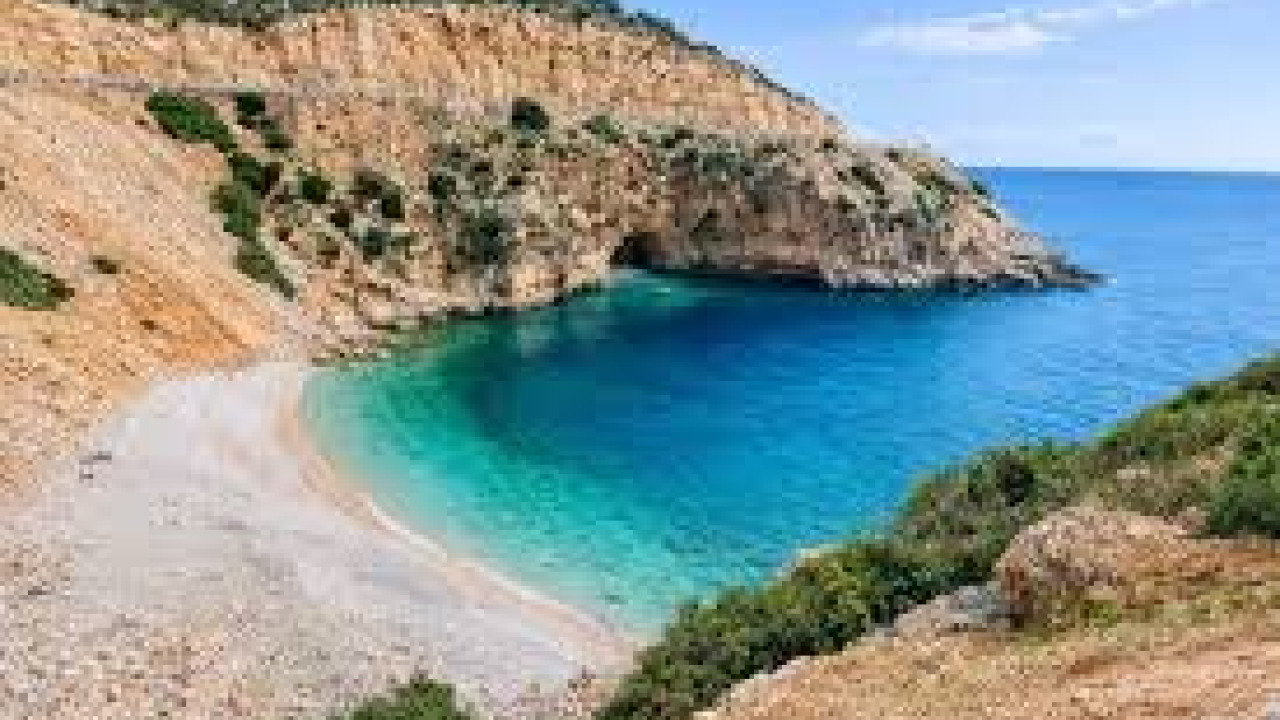
Tisan is a rural coastal spot on Silifke's western coastline, accessible when heading from Taşucu. The name refers to both the bay and the small settlement surrounding it. Its defining geographical feature is how the sea approaches the land from two sides, with a thin strip of land connecting to a peninsula. This unique formation means two distinct shorelines are just a short walk apart. The coast is predominantly shingle and rock, so those expecting wide sandy beaches will find a different kind of beauty here. You won't find a municipal beach, neatly lined sunbeds, or an uninterrupted strip of facilities.
Quick Facts
| Topic | Information |
|---|---|
| Location | Silifke district, Mersin; peninsula south of the coastal road |
| Highlights | Twin-coast peninsula, crystal-clear water, Cilician Aphrodisias ruins |
| Access | Private car via Silifke and Taşucu; narrow road after the turn-off |
| Terrain | Primarily shingle and rock; limited sandy sections |
| Facilities | Small seasonal businesses; limited shade and drinking water |
| Best Season | Late May to October |
The Bay's Two Sides and Sea Conditions
The peninsula's eastern and western shores can behave quite differently on the same day. One side might be choppy while the other remains calm. The water's clarity is directly linked to the shingle seabed rather than sand; because the bottom isn't stirred up, visibility stays excellent.
Pebbly Shores and Water Entry
Most entry points into the water consist of large pebbles and flat rock steps. Walking barefoot can be tiring, so water shoes will make your experience much more comfortable. The seabed deepens quickly after a few meters, so families with children should opt for the shallower sections near the shore.
Choosing Your Side Based on the Wind
When the wind changes direction during the day, switching shores is a practical solution. The side that's calm in the morning might become choppy in the afternoon, so keeping your belongings portable offers flexibility. Walking to the opposite shore takes just a few minutes. When waves pick up, maintaining balance on the pebbly ground becomes challenging, so it's best to keep children swimming on the more sheltered side.
Cilician Aphrodisias: Ancient Traces in the Bay
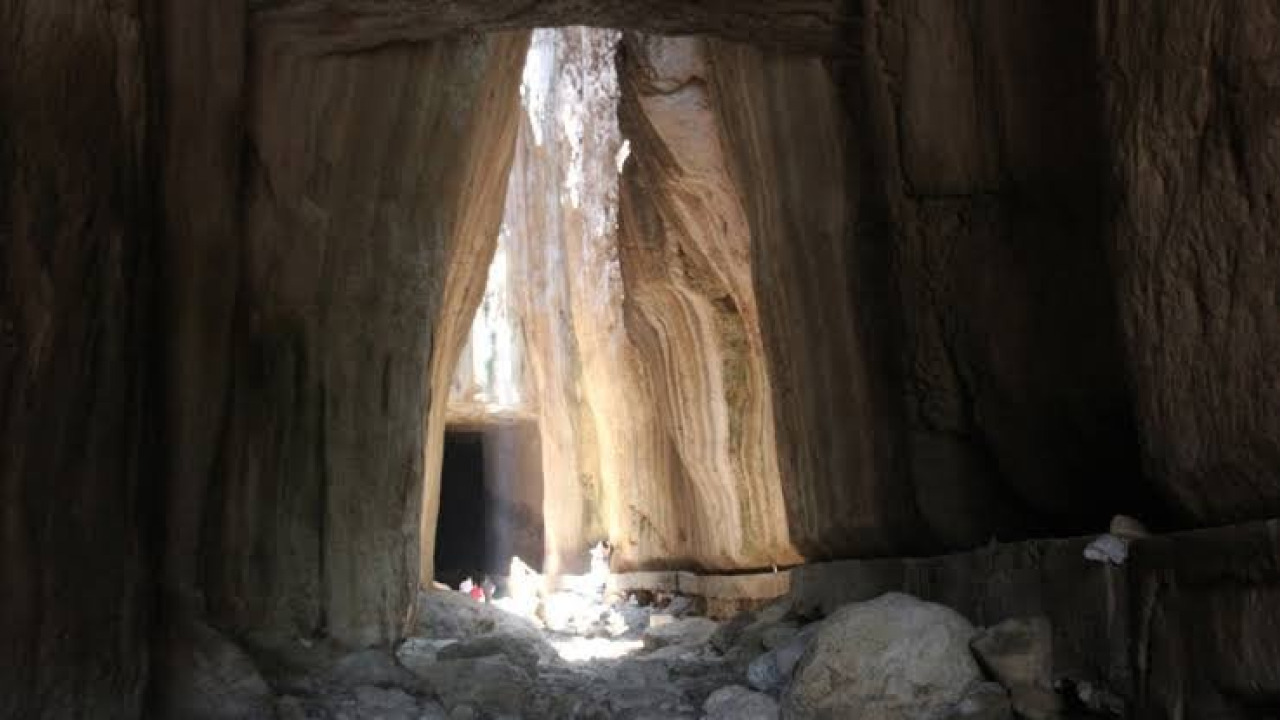
On the ridge of the peninsula, you'll find the remnants of the ancient settlement known as Cilician Aphrodisias. This coastal site, bearing Hellenistic, Roman, and Byzantine layers, was inhabited for a long time thanks to its two natural harbors on the eastern and western sides. Historical records mention it as a port under Ptolemaic rule in the 4th century BC; Roman sources refer to it as Cap Aphrodisias, and during the Byzantine era, it was known as Porto Calaviere. The area isn't a meticulously maintained archaeological site; the ruins are scattered amidst the scrubland.
A Walk Among the Ruins
Traces of city walls, cistern openings, a necropolis, and rock-cut tomb chambers will appear as you walk through the site. The most well-known structure in the area is the Church of St. Pantaleon, built over an older temple; fragments of its floor mosaics are exhibited at the Mersin Museum. The settlement was identified by Austrian archaeologist Rudolf Heberdey in 1891. Tisan Island, opposite the bay, is also considered part of the same ancient settlement. Since signposting, tickets, and guidance are limited, exploring the area with a guide or a map will enhance your understanding. Those wishing to incorporate ancient cities into their itinerary can compare suitable options among our cultural tours.
How to Get to Tisan Bay?
The main artery for access is the coastal highway; the real difference begins after the Yeşilovacık turn-off.
| From | Approx. Distance | Duration |
|---|---|---|
| Mersin city center | 133 km | 2-2.5 hours |
| Silifke | 45 km | 45-60 min |
| Taşucu | 38 km | 40-50 min |
| Yeşilovacık | 9 km | 15 min |
- Those coming from Mersin or Adana should follow the coastal road to Silifke, then continue west towards Taşucu.
- After Taşucu, you'll pass the Boğsak coast, and approximately 29 kilometers further, you'll reach Yeşilovacık, the town Tisan Bay is associated with.
- From Yeşilovacık, turn south towards Tisan; the remaining approximately 9-kilometer section descends onto the peninsula.
- Travelers using public transport can alight from buses and minibuses operating between Silifke and Anamur along the coastal road. During summer months, consider a dolmuş (shared taxi) or a private taxi from Silifke.
Road Conditions and Vehicle Choice
The road is asphalt, but the final kilometers are winding and steep; low-clearance vehicles should proceed slowly. It's advisable to fill up your fuel tank in Silifke or Taşucu, as there are no gas stations on the peninsula. If you plan to stay for sunset, be aware that the road is unlit for the return journey.
Accommodation, Camping, and Dining
There are no large hotel developments around the bay. In Tisan and the surrounding Yeşilovacık area, you'll find apartment rentals, guesthouses, and daily rental summer homes. For a wider range of facilities, look towards the Taşucu, Boğsak, and Silifke stretch. During summer and public holidays, coastal capacity fills up quickly, so booking in advance is highly recommended. For dining, the small seasonal businesses along the coast offer simple menus. Taşucu provides more extensive options for fish and breakfast. Those who wish to make local cuisine a central part of their itinerary can explore options within our gastronomy and event tours.
Tent and Caravan Notes
Visitors often set up tents or arrive with caravans along the coast. However, the peninsula is registered as an archaeological site by the Ministry of Culture and Tourism. Under Law No. 2863 on the Protection of Cultural and Natural Assets, pitching tents, driving vehicles, and lighting fires in such areas may be restricted and are subject to inspection. Before heading out, check local signs and announcements from the governor's office and gendarmerie. As the area is not a designated campsite, do not expect electricity, showers, or waste disposal points. Water, a cooler, and a portable toilet solution should be part of your plan. Bagging your trash and taking it with you is crucial to preserving the bay's natural state.
Planning Your Day at Sea & Tour Options
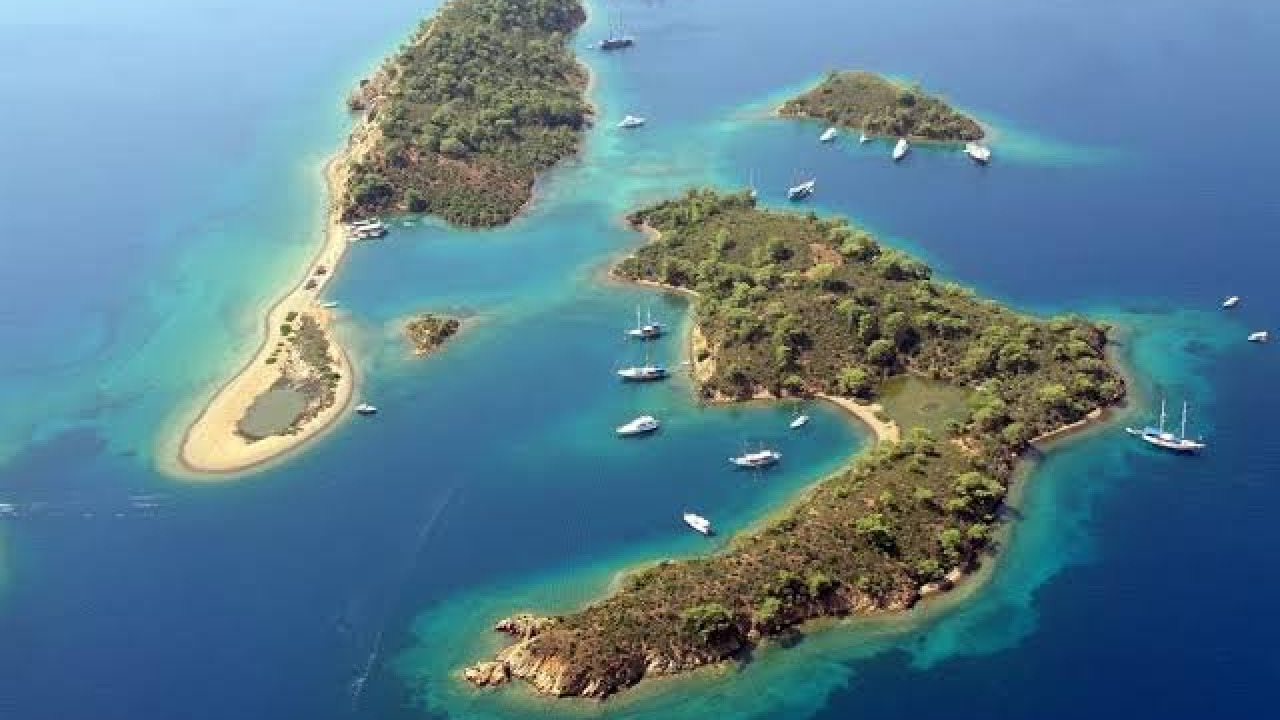
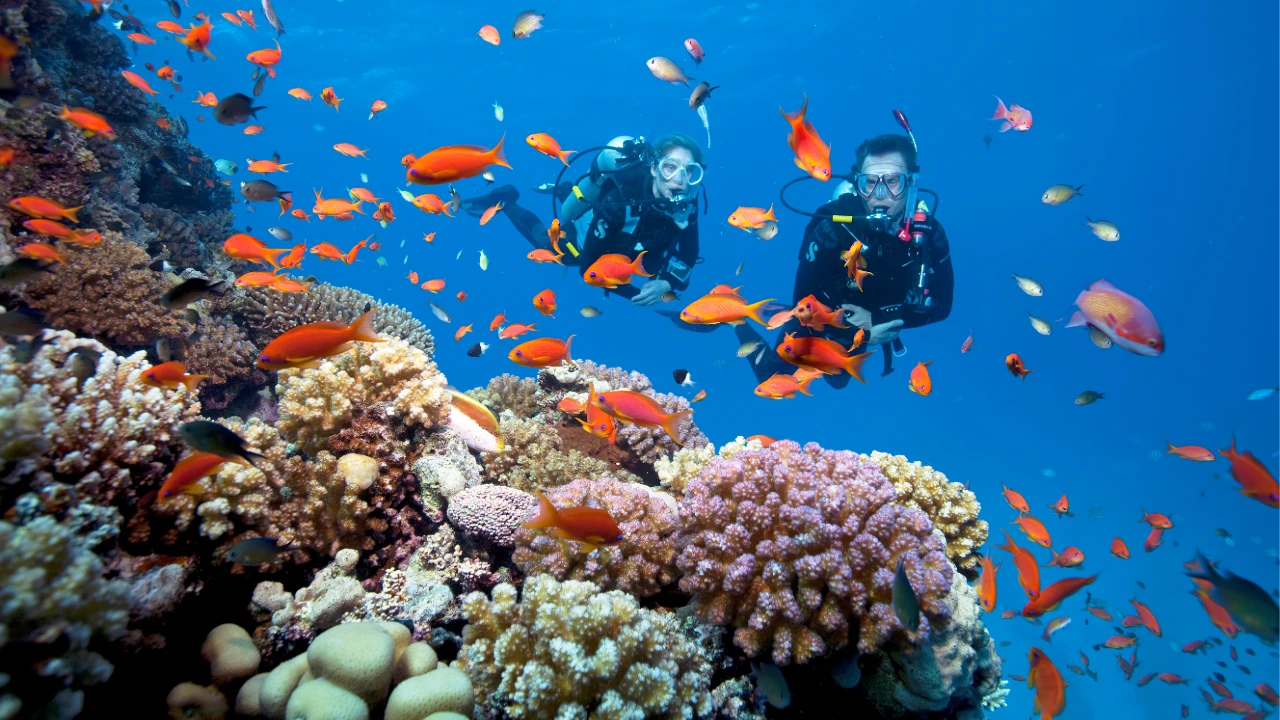
The crystal-clear waters and indented coastline are perfect for activities beyond just swimming. Snorkeling along the shore, exploring small coves by following rocky headlands, and taking a boat trip around Tisan Island are popular choices. Day-trip boat programs departing from Taşucu often cover this route; we've explained how this format works in our article on day boat trips in Turkey. Those looking to combine water and nature activities in the region can select a suitable program from our nature and adventure tours.
Seasonal Comparison & Timing
| Period | Advantage | Note |
|---|---|---|
| Spring (April-May) | Lush greenery, mild weather for hiking | Sea can remain cool early in the season |
| Summer (June-August) | Long hours for swimming, warm water | Limited shade, busy on weekends |
| Autumn (September-October) | Warm sea, tranquil coast | Days shorten, noticeable evening chill |
| Winter (November-March) | Empty shores, crisp air | Rain and wind; dirt roads can be challenging |
Tips Before You Go
- Water shoes or non-slip sandals will make walking on the pebbly terrain much easier.
- Natural shade is scarce; an umbrella, sun shelter, and hat should be part of your plan.
- Bring your own drinking water and a cooler; don't expect to find a market right on the shore.
- A snorkel and a waterproof phone case will be useful in the clear waters.
- Carry closed-toe shoes for walking around the archaeological site.
- Bag your trash and take it with you; there is no regular waste collection service in the area.
How Many Days Should You Plan for Your Trip?
For a visit focused solely on the bay, half a day is sufficient: a morning stroll among the ruins, followed by an afternoon by the sea. A two-day plan comfortably allows for exploring Taşucu and the Boğsak coast, along with the castle and museum in Silifke city center, on the second day. Those wishing to add a third day can head east to explore the sinkhole formations around Narlıkuyu and the Kızkalesi area, famous for its sea castle. Dedicating a separate day to this direction will reduce travel fatigue. If you're looking to combine ancient cities and city center stops, you can choose a starting point from our historical city tours.
Frequently Asked Questions 5
Which district is Tisan Bay located in?
It is located in the Silifke district of Mersin. It lies on a peninsula south of the coastal road, west of Taşucu.
Where is Tisan Beach?
The shorelines on both sides of the peninsula are referred to as Tisan Beach. The descent to the bay is via the road that branches south from Yeşilovacık.
Is Tisan Beach stony?
The coast is predominantly composed of shingle and rock, with limited sandy sections. Therefore, using water shoes and a thick towel or mat will enhance your comfort.
Was Tisan ranked among the world's best bays?
A widely circulated claim places the bay 13th in world rankings, often attributed to UNESCO in many news reports. However, UNESCO does not publish such bay rankings, and there is no verifiable official source for this claim. The bay's proven characteristics are its clear water, twin-coast structure, and the adjacent ancient settlement ruins.
Can you camp at Tisan Bay?
While visitors do camp with tents and caravans along the coast, the area is not a designated campsite. Since there are no electricity, shower, or waste disposal points, you will need to bring your own supplies.