
The relentless pace of city life, sedentary habits, and seasonal burnout often leave our bodies craving a deep reset. Comprehensive wellness centers, where the healing minerals of natural geothermal springs meet cutting-edge spa architecture, offer a sanctuary for holistic purification. For travelers looking to treat their bodies to the care they deserve, hydrotherapy sessions provide a profound sense of renewal. Professional spa center tours offer curated relaxation programs in luxury facilities that adhere to strict Ministry of Health hygiene standards.
Stepping into a full-service spa reveals a rich tapestry of therapeutic options. From mineral-rich thermal pools and microclimate-controlled salt rooms to eucalyptus-scented steam baths and plunge pools, each element is designed to trigger different physiological healing mechanisms.
Knowing which therapy to use, in what order, and for how long can double the health benefits of your session. Furthermore, paying attention to the facility's microbiological water hygiene and ventilation standards is the golden rule for leaving a center feeling truly invigorated and refreshed.
Spa Facility Amenities and Essential Pre-Visit Tips
Understanding the available wet area units and session protocols before you arrive can significantly elevate the quality of your relaxation. Across Turkey, relaxation sessions at Antalya spa centers are incredibly popular. Additionally, the high-end programs at Alanya thermal facilities and the nature-integrated wellness center options in Side are among the most sought-after destinations.
The following table summarizes the key technical and health criteria for guests planning a visit to a comprehensive spa center:
| Feature | Visitor & Facility Summary |
|---|---|
| Facility Areas | Thermal pool, salt room, Finnish sauna, steam room, hydrotherapy jacuzzi |
| Average Visit Duration | 2.5 to 3.5 hours (including all wet areas and massage) |
| Water Analysis & Control | Periodic microbiological analysis by Public Health laboratories |
| Required Gear | Non-slip slippers, swim cap (for pools), peshtemal/wrap, and clean swimwear |
| Pool Temperature Ranges | Thermal pools: 36-38 °C; Plunge pools: 14-16 °C |
| Health Restrictions | Physician approval required for pacemakers, uncontrolled hypertension, or open wounds |
| Ideal Visit Time | Early morning or late afternoon for a quieter atmosphere |
Wet Areas and Healing Zones in Comprehensive Spa Facilities
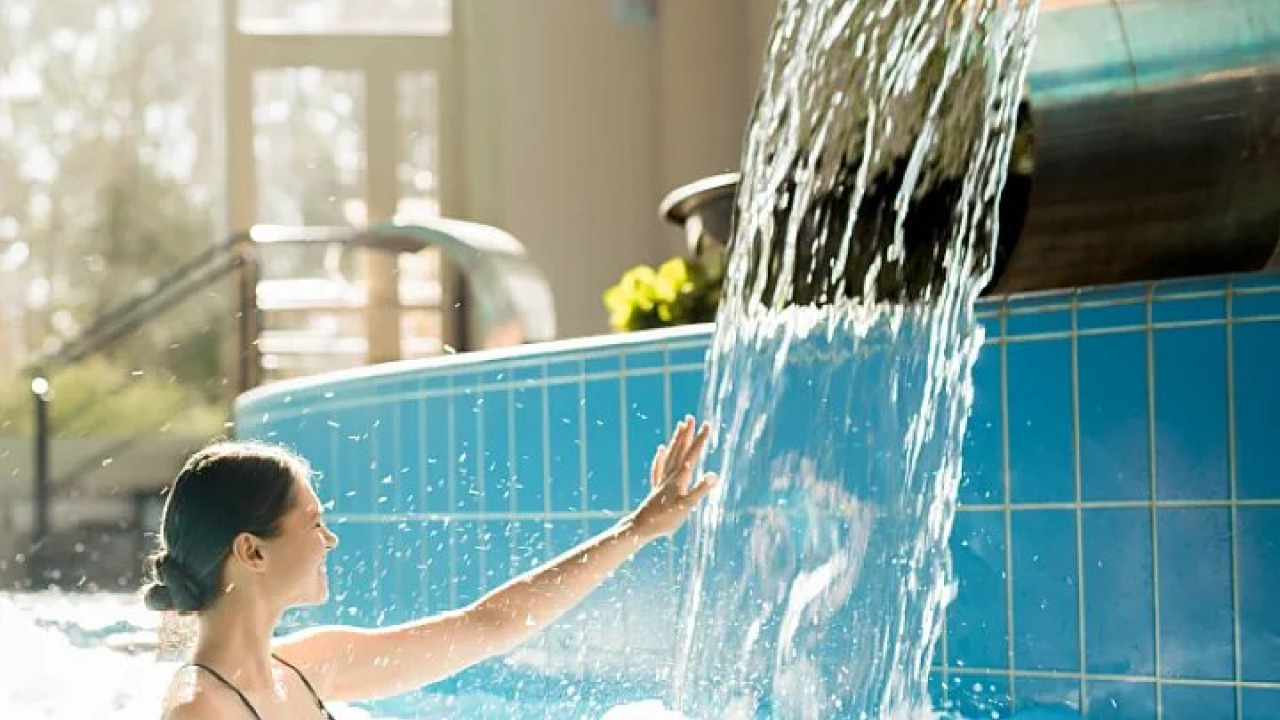
Modern spa centers are far more than just a massage room; they are equipped with hydrotherapy units tailored to various bodily needs. Thermal pools, enriched with underground sulfur, calcium, magnesium, and bicarbonate minerals, soothe muscle aches while promoting skin health.
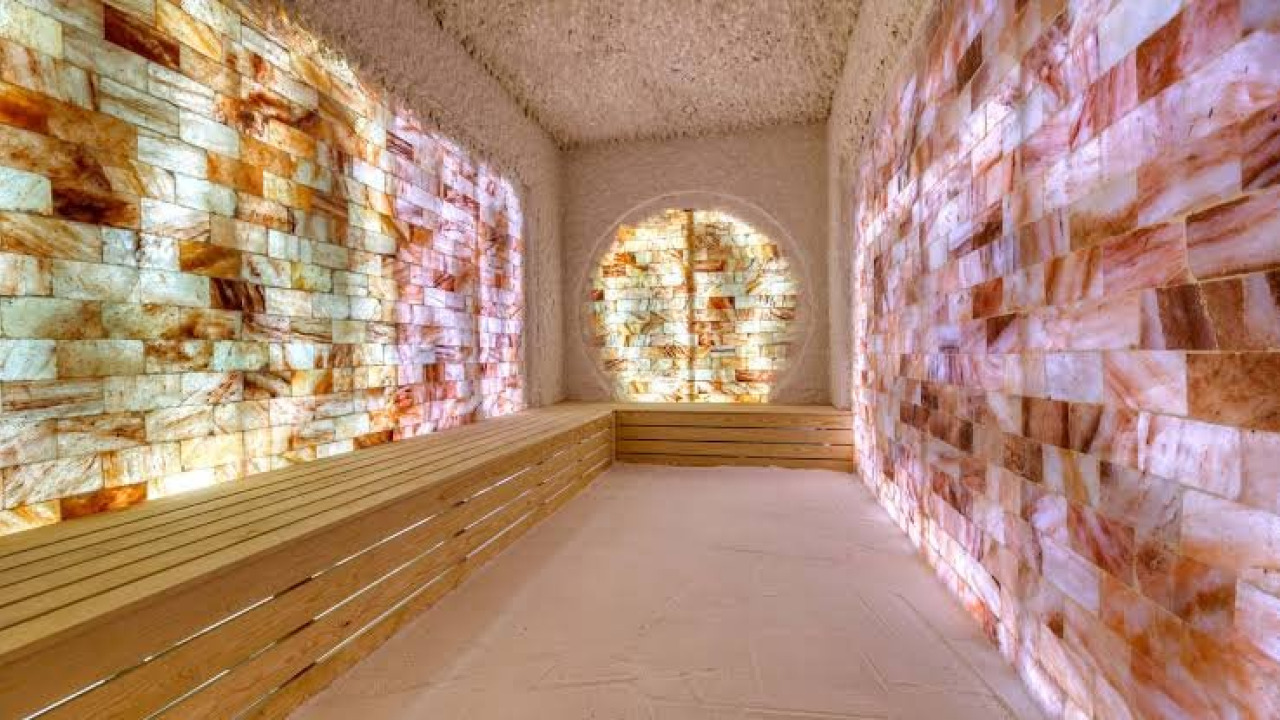
Salt rooms create a natural microclimate using walls lined with Himalayan or Çankırı rock salt blocks. Microscopic salt ions suspended in the air reach the lungs through the respiratory tract, clearing the bronchi and increasing breathing capacity.
While the Finnish sauna triggers intense detoxification through dry heat, eucalyptus-infused steam rooms soften the upper layers of the skin, allowing pores to breathe.
Maximizing Thermal Pools and Hydrotherapy Jacuzzis
Taking a warm, soapy shower before entering thermal pools is mandatory to maintain the mineral balance and hygiene of the water. Since the water temperature is close to or slightly above body temperature, it is recommended not to stay submerged for more than 20 consecutive minutes.
The pressurized water jets in hydrotherapy jacuzzis provide targeted mechanical massages to the lower back, upper back, and leg muscles. This water pressure stimulates blood circulation and releases muscle cramps.
Following a jacuzzi session, stepping into a plunge pool or taking a cool shower constricts dilated blood vessels and stimulates the immune system. However, those with heart conditions should avoid sudden cold shocks.
Salt Room (Halotherapy) and Respiratory Health
In salt rooms, the temperature is kept steady at 20-22°C with relative humidity around 40-50%. Guests lounge in comfortable chairs under soothing, dim lighting, breathing in natural salt air for 30-40 minutes.
This therapy is proven to be highly effective in clearing respiratory tracts exposed to urban smog and pollutants. Guests suffering from allergic rhinitis or chronic sinusitis often feel a noticeable lightness in their breathing upon exiting.
Street shoes must be removed before entering the salt room, replaced by sterile shoe covers or clean cotton socks. Keeping mobile phones off during the session is essential to maintain mental tranquility.

Comparison of Spa Therapy Units and Health Effects
Different therapy zones in a spa create varying biological responses. Selecting the units that best align with your current health status determines the efficiency of your session.
The table below compares the primary therapy units found in professional spa facilities:
| Therapy Unit | Temp & Humidity | Primary Health Benefit | Ideal Duration | Best For... |
|---|---|---|---|---|
| Natural Thermal Pool | 36 - 38 °C / Liquid | Joint pain, rheumatism, skin renewal | 15 - 20 Mins | Joint stiffness & muscle fatigue |
| Natural Salt Room | 20 - 22 °C / 45% Humidity | Bronchial clearing, sinus relief, detox | 30 - 45 Mins | Smokers, asthma, and allergy sufferers |
| Finnish Sauna | 80 - 90 °C / 10-15% Low Humidity | Toxin removal via sweating, cardio boost | 10 - 15 Mins | Detoxification & boosting immunity |
| Eucalyptus Steam Room | 45 - 50 °C / High Humidity | Opening pores, muscle relaxation | 10 - 15 Mins | Dry skin & respiratory freshness |
| Plunge Pool / Bucket | 12 - 15 °C / Cold water | Vasoconstriction, immunity, revitalization | 1 - 2 Mins | Healthy adults exiting heat rooms |
Visitors are encouraged to maintain a balance between time spent in heat rooms and resting periods. Giving the body time to recover is the cornerstone of a successful spa experience.
The 5-Step Protocol for a Safe and Effective Spa Visit
To leave a spa center feeling completely restored, it is important to follow a logical sequence. Here are the five fundamental stages recommended by facility physicians and expert therapists:
- Arrival and Orientation: Upon arrival, familiarize yourself with the changing rooms, lockers, and wet area rules via the staff.
- Pre-Shower and Warming Up: Take a soapy shower before entering wet areas; start with 10 minutes of light resting or a gentle steam room session.
- Thermal Pool and Hydrotherapy: Once the body is warmed up, enter the mineral thermal pool and relax your back muscles against the hydro-jets.
- Calming Breath Therapy in the Salt Room: Change out of wet swimwear into a dry robe, then perform 30 minutes of deep breathing exercises in the salt room.
- Hydration and Relaxation: End your session by reclining on a lounge chair and drinking mineral-rich water to replenish lost fluids.
Following this protocol prevents sudden spikes or drops in blood pressure. Gradually calming the body ensures that mental clarity and relaxation last longer.
Ministry of Health Pool and Hygiene Standards
Reputable spa centers strictly comply with the Ministry of Health's regulations on Thermal Springs and Pool Water Hygiene. Free chlorine, combined chlorine, pH, temperature, and turbidity levels are measured electronically at least three times a day.
Monthly water samples are sent to accredited Public Health laboratories to screen for microorganisms such as legionella, coliform bacteria, and pseudomonas. These test results are often displayed transparently on facility boards.
The use of antibacterial ceramic flooring and periodic ozonation systems completely eliminates the risk of fungal or bacterial transmission.
Managing Duration and Fluid Loss in Heat Rooms
During time spent in the sauna and steam room, the body loses a significant amount of water and salt through perspiration. This can lead to a temporary drop in blood pressure.
When exiting heat rooms, never stand up abruptly; move to a sitting position first, then walk slowly. It is recommended to drink at least one large glass of lukewarm water after every heat session.
Consuming caffeine-free herbal teas, such as linden, chamomile, or mint, between sessions supports the body's mineral balance. Alcohol or heavy caffeine should never be consumed before or during time in heat areas.
Anatolia's Millennial Healing Waters and the Bathing Tradition
Thanks to its rich geothermal fault lines, the lands of Anatolia possess some of the most productive thermal basins in the world. From the travertine waters of Pamukkale to the historic baths of Bursa, these healing waters have been utilized for centuries and are now integrated into modern spa centers.
Ancient physicians discovered that sulfurous waters healed wounds and eased rheumatic aches. This historical wisdom is now blended with modern scientific balneology methods.
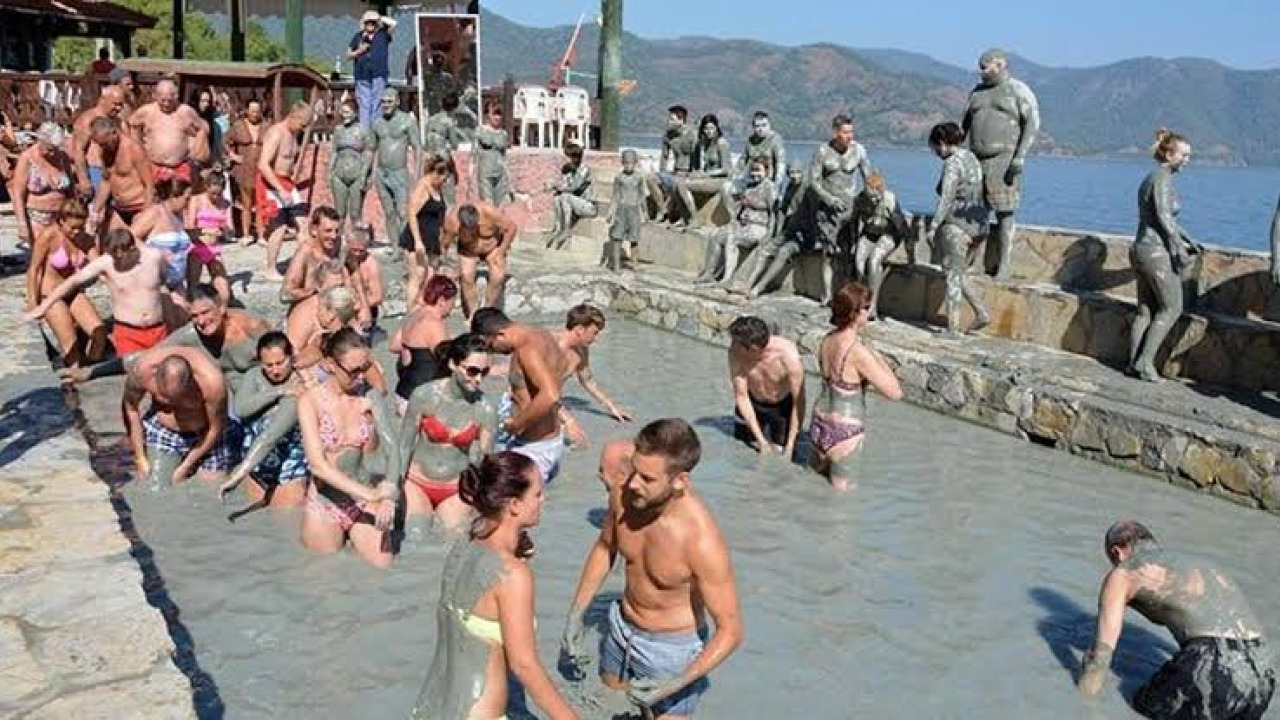
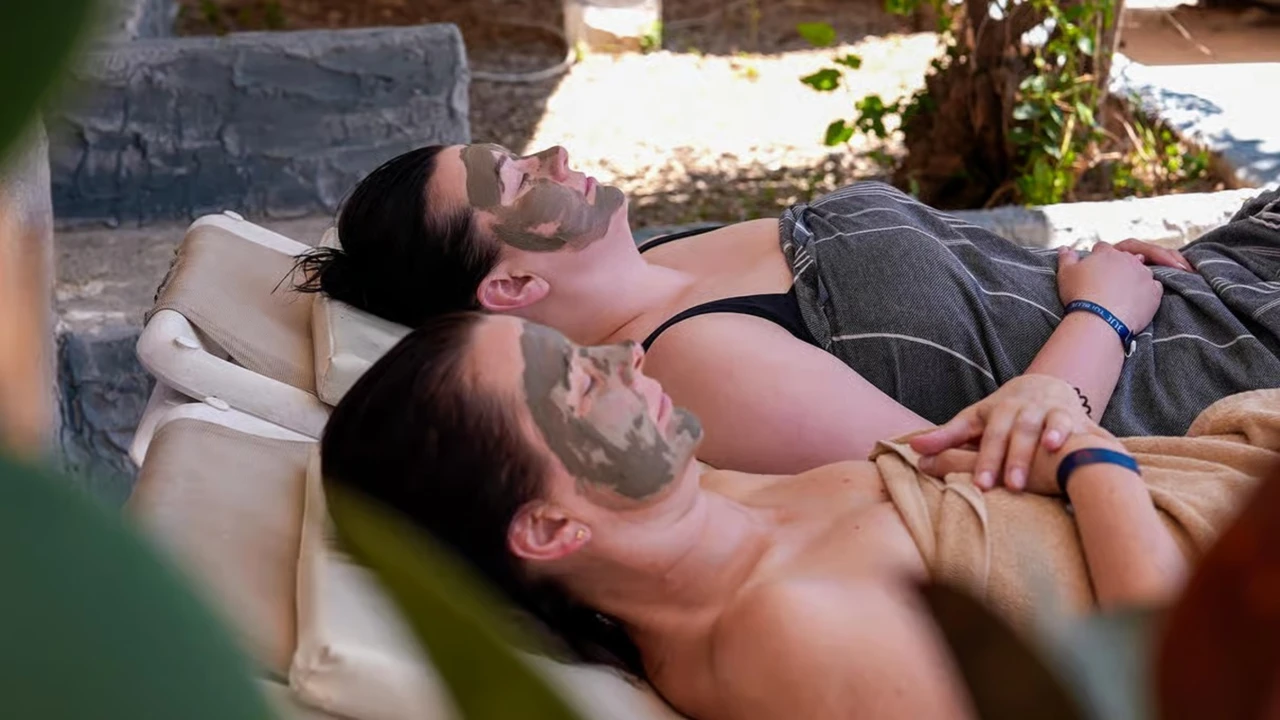
Peloid (thermal mud) treatments offered in modern spas are also part of this rich geological heritage. Mineral-rich mud applied to the skin absorbs toxins while rejuvenating the dermis.
The Culture of Privacy and Silence in Spas
The hallmark of a high-quality spa center is an atmosphere of peaceful silence. Guests are encouraged to speak in whispers in relaxation areas and keep phones on silent to preserve the collective tranquility.
Many facilities offer separate hours for men and women or provide independent VIP suites. These privacy standards ensure that guests feel completely at ease.
The sound of gentle flowing water and relaxing meditation melodies in massage rooms wipe away mental fatigue, allowing visitors to savor their own moment of stillness.
Post-Session Skin Care and Moisturizing
The salt and sulfur minerals in thermal waters deep-clean the skin's pores. However, once these minerals dry, they can leave the skin feeling slightly tight.
After completing your spa session and taking a final lukewarm shower, applying a natural moisturizing body lotion softens the skin. Locking in this moisture ensures your skin remains smooth throughout the day.
Using a natural rose water toner on the face tightens pores and provides a refreshing glow. Dedicating a day to this kind of self-care adds positive energy to your entire life.
Spa Day Checklist: What to Bring
To ensure your comfort is absolute, we recommend packing the following practical items in your bag:
- Two Swimsuits: One for the thermal pools and a spare to change into so you aren't sitting in wet gear between sessions.
- Non-Slip Wet Area Slippers: Orthopedic, non-slip slippers that fit your feet better than the generic facility options.
- Personal Swim Cap: A fabric or silicone cap to prevent hair from entering the thermal pools and jacuzzis.
- Natural Lip Balm and Face Cream: To protect your lips and face against the temperature fluctuations of the sauna and steam room.
- Soft Cotton Socks: Clean socks to keep your feet warm and avoid walking barefoot in the salt room.
Remember that valuable jewelry, rings, and gold necklaces can tarnish when they come into contact with the sulfur in thermal waters. We strongly advise leaving all accessories at home or in your hotel safe.
Frequently Asked Questions 5
What therapy areas are typically found in spa centers?
Most centers include a traditional Turkish bath, Finnish sauna, eucalyptus steam room, natural salt room, hydrotherapy jacuzzis, and private massage suites.
How does salt room therapy benefit the respiratory system?
Inhaling microscopic salt particles clears the bronchi, opens the sinuses, and alleviates symptoms of asthma and allergies.
How long should a typical spa visit last?
An ideal visit lasts between 2 to 3 hours, including heat rooms, the traditional scrub-and-foam (kese-köpük) bath, massage, and relaxation phases.
Can pregnant women use spa centers and heat rooms?
Extremely hot saunas, steam rooms, and thermal pools can be risky for blood pressure and fetal health during pregnancy; lukewarm relaxation is recommended.
How is hygiene monitored in spa centers?
Public Health laboratories regularly sample pool and mains water; additionally, all textile products are washed and pressed after every single guest.