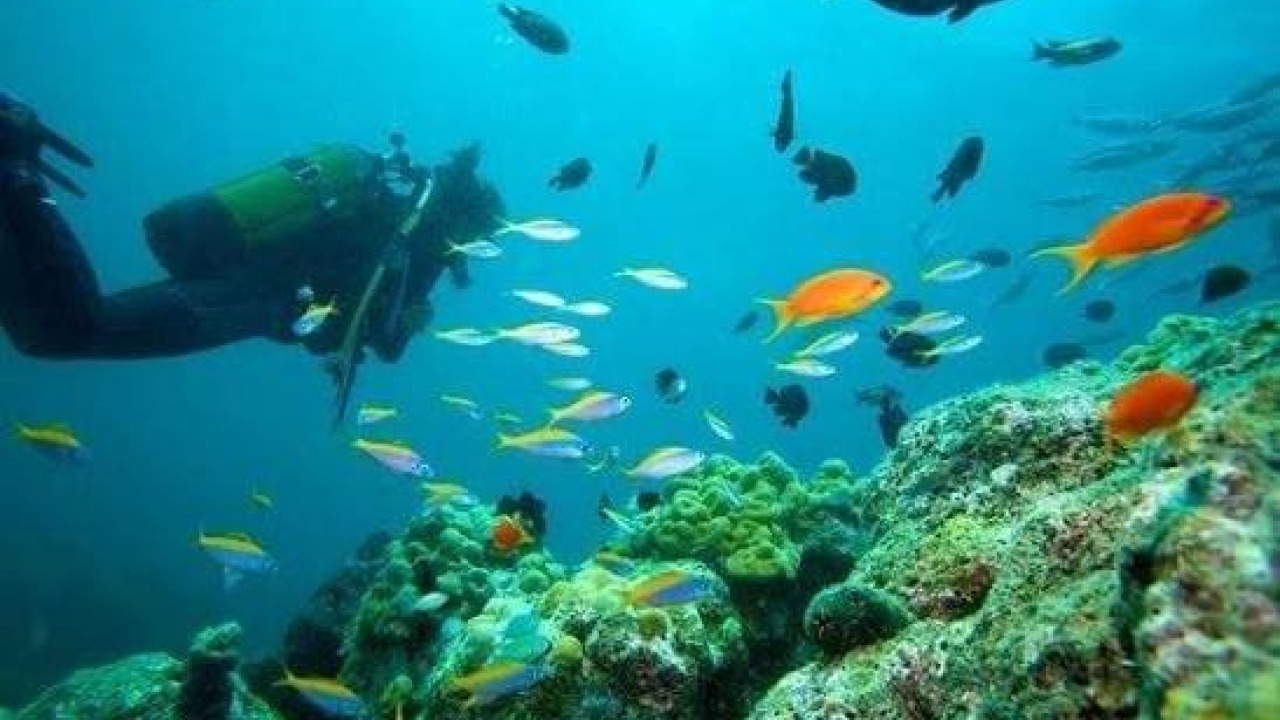
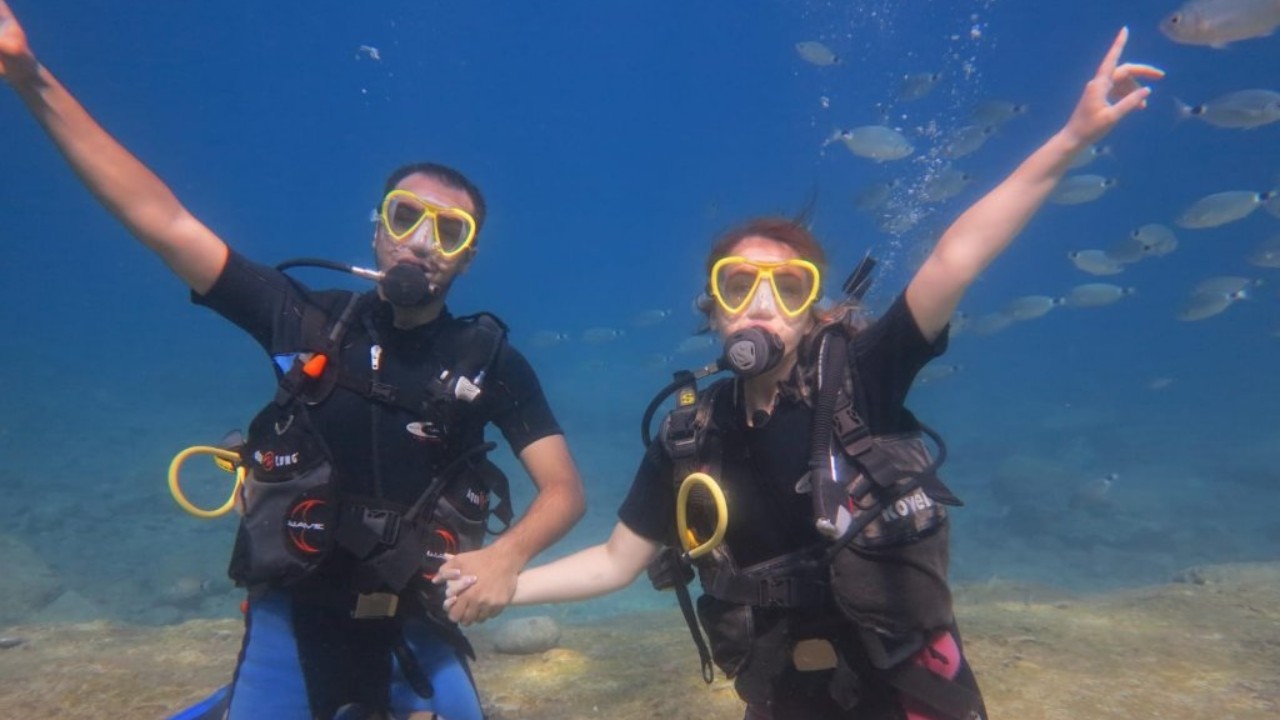
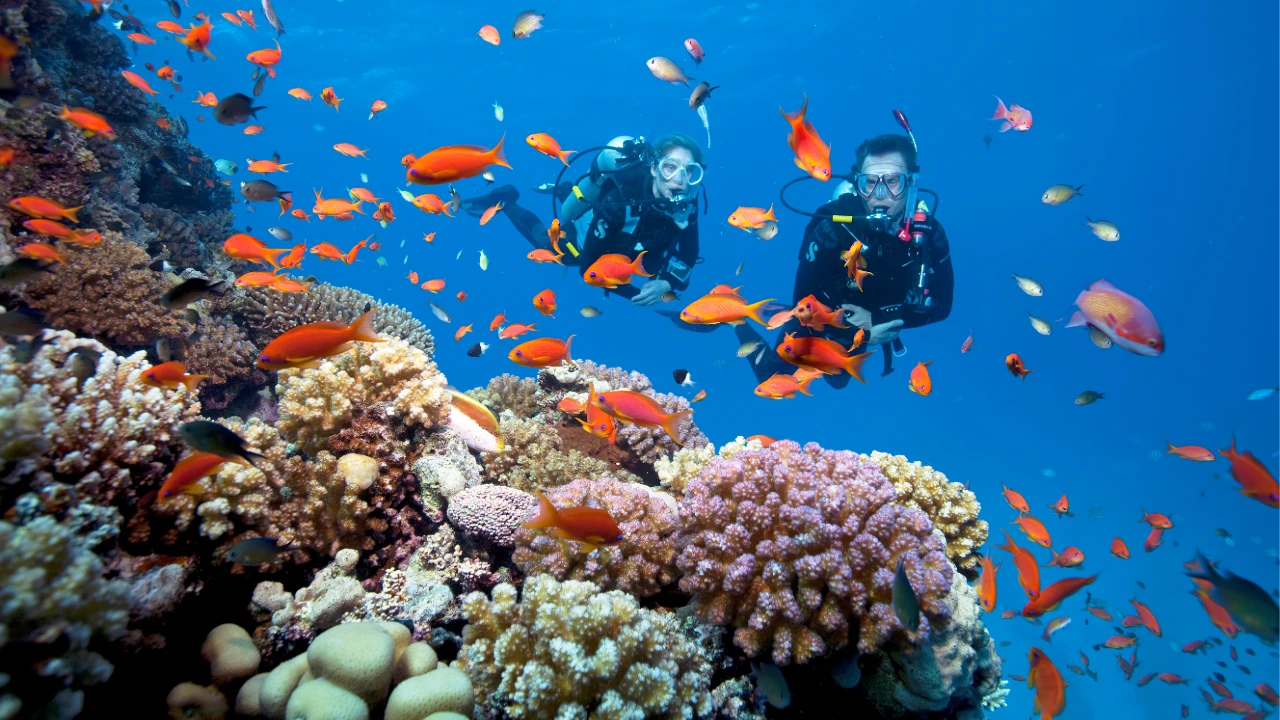
The crystal-clear waters of the Mediterranean and Aegean seas hide a mesmerizing universe beneath the surface, a world of vibrant schools of fish, ancient amphorae, and breathtaking underwater canyons. When you leave the noise of the land behind and listen only to the rhythm of your own breath, you experience a unique sense of weightlessness and serenity. For those looking to uncover the mysteries of the ocean floor during their holiday, dalış ve şnorkel turları organizasyonları offer the perfect itineraries. We organize professional discovery dives and surface tours led by TSSF and CMAS certified instructors.
The first decision every aspiring underwater explorer must make is whether to choose snorkeling, which allows you to observe the depths from the surface, or scuba diving, which enables you to descend into the deep. While snorkeling is a practical, accessible activity that requires no certification, scuba diving offers the exhilarating thrill of gliding through the water in a state of zero gravity.
Regardless of the activity, adhering to safety protocols, mastering ear pressure equalization, and choosing the right equipment are vital. Diving with authorized centers ensures that every guest can meet the underwater world safely and confidently.
Essential Safety Tips Before Your Underwater Adventure
Understanding the seabed structure and visibility of your destination can significantly enhance your experience. Across Turkey, Antalya kıyılarında yapılan dalış programları, the fauna-rich Diving and Snorkeling in Mugla, and the wreck-famous Alanya dalış noktaları are the most sought-after hubs for underwater exploration.
The following table summarizes the key technical and operational details for travelers participating in scuba diving and snorkeling activities:
| Feature | Visitor & Diving Summary |
|---|---|
| Average Visibility | 20 to 35 meters in Mediterranean waters (seasonal) |
| Discovery Dive Depth | Maximum 5 to 6 meters for first-timers without certification |
| Snorkeling Depth | Shallow reef areas between 0 and 3 meters from the surface |
| Required Gear Set | Mask, snorkel, fins, neoprene wetsuit, BCD (buoyancy compensator), and regulator |
| Health Restrictions | Perforated eardrums, asthma, heart conditions, and pregnancy |
| Instructor-to-Guest Ratio | One-on-one professional instructor for discovery dives |
| No-Fly Rule | Minimum 18-24 hour wait after scuba diving before flying |
Key Differences Between Snorkeling and Scuba Diving
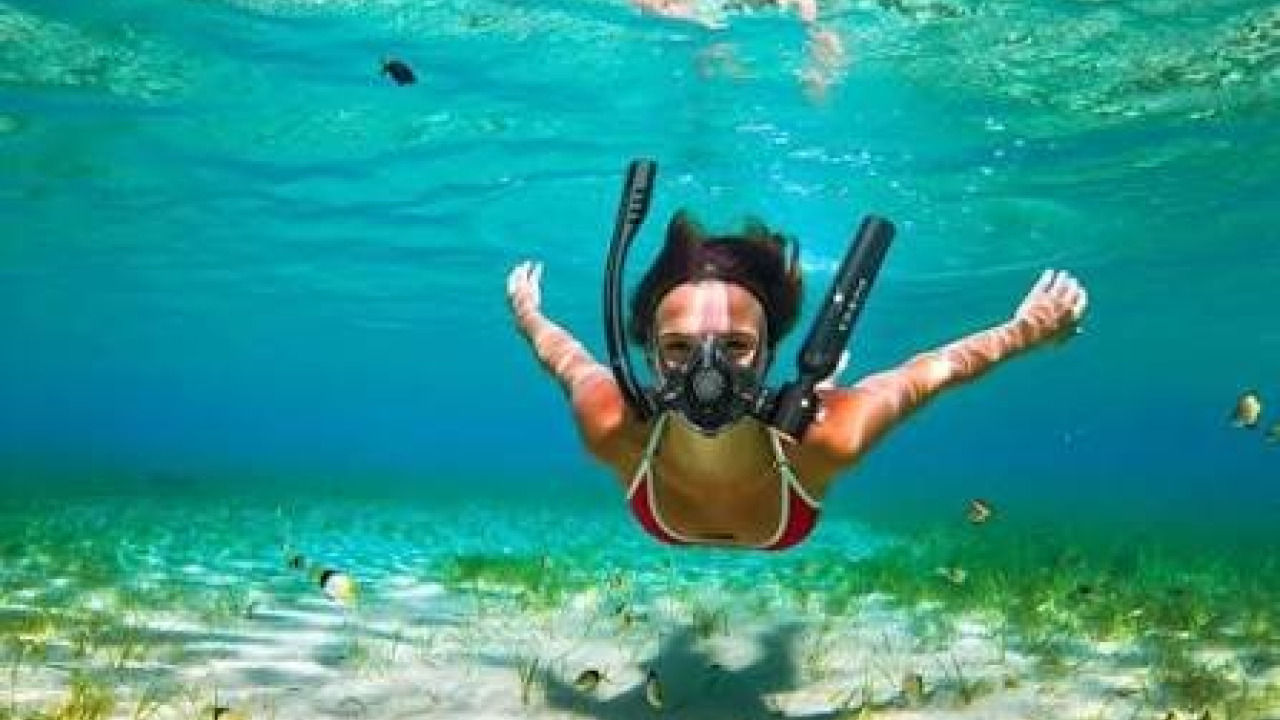
Snorkeling allows you to swim on the surface and observe reef life below while keeping your face in the water. The J-shaped breathing tube (the snorkel) allows for continuous breathing without having to lift your head. This is an effortless way to explore, perfect for anyone who can swim or is wearing a life jacket.
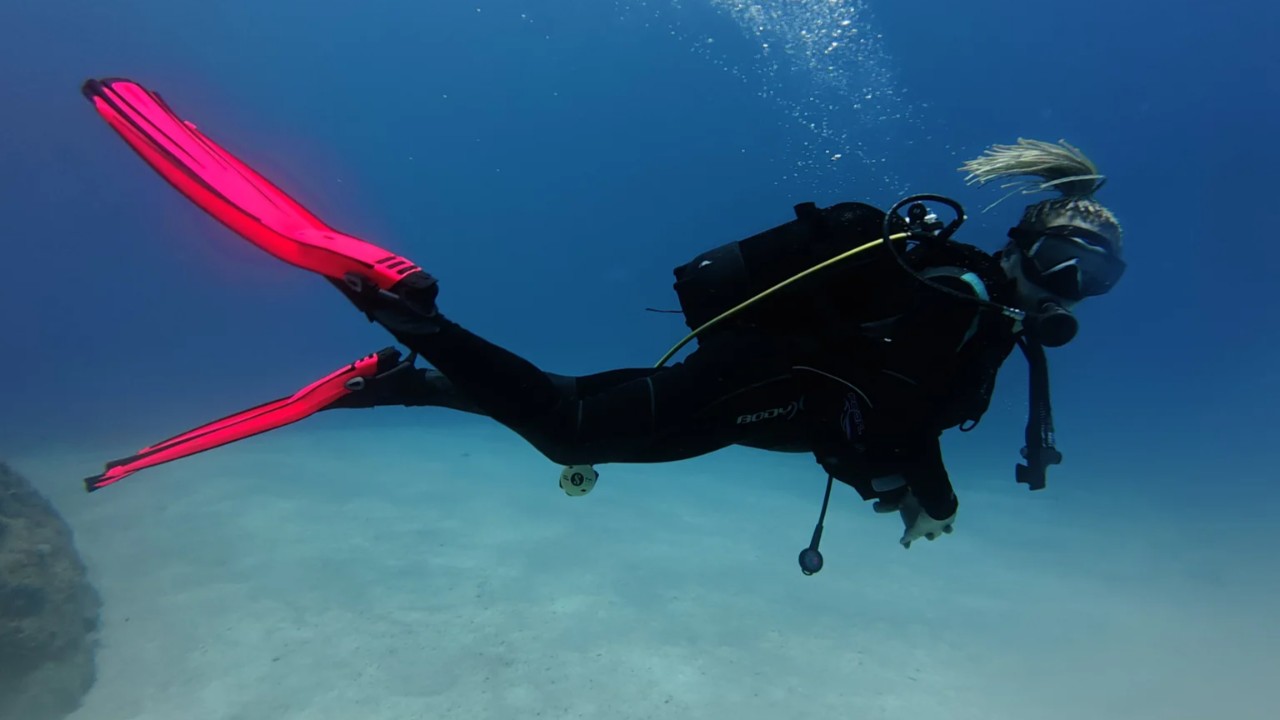
Scuba diving, on the other hand, uses a pressurized air tank and a regulator strapped to your back, allowing you to remain underwater for extended periods. By adding or releasing air from the BCD (Buoyancy Control Device), you achieve "neutral buoyancy", a state where you neither sink to the bottom nor float to the surface.
In terms of cost and preparation, snorkeling can be done spontaneously. Scuba diving, however, requires a brief theoretical orientation and practice in ear equalization. Both sports open the door to the blue world, each with its own unique appeal.
Choosing Your Mask and Preventing Fog
The golden rule for clear underwater vision is using a silicone mask that fits snugly and is leak-proof. To test the fit, press the mask against your face and inhale slightly through your nose; if the mask stays vacuumed to your face, it is the right size.
New masks often have a microscopic silicone film from manufacturing that causes fogging. Gently cleaning the glass with toothpaste or rinsing it with baby shampoo ensures crystal-clear vision throughout your dive.
If a small amount of water leaks into your mask during the dive, simply press the top frame and exhale forcefully through your nose to clear the water. This simple skill keeps your dive comfortable.
Mastering Ear Pressure Equalization (The Valsalva Maneuver)
As you descend, the hydrostatic pressure on your eardrums increases. If this pressure isn't balanced, it can lead to severe pain or injury.
To equalize, pinch your nostrils with your fingers and blow gently through your nose with your mouth closed (the Valsalva maneuver) every meter of descent. This balances the pressure in the middle ear. Equalization should be done rhythmically before any pain begins.
Diving is not recommended if you have a cold, flu, or sinusitis, as nasal congestion can block equalization. A clear respiratory tract is essential for ear health.
Comparing Underwater Exploration Methods and Gear
The method you choose depends on your desired depth, training level, and physical exertion. Selecting the right approach for your fitness level ensures a safe and enjoyable trip.
The table below compares the three most common underwater exploration models:
| Exploration Model | Depth Range | Required Gear | Certification Required | Physical Effort |
|---|---|---|---|---|
| Surface Snorkeling | 0 - 2 Meters | Mask, snorkel, fins, life jacket | None | Low / Very Relaxing |
| Free Diving (Apnea) | 3 - 15 Meters | Low-volume mask, long fins | Breath-hold training recommended | High / Athletic |
| Discovery Dive | 3 - 6 Meters | Scuba tank, regulator, BCD | Instructor-led (no cert needed) | Medium / Weightless |
| Certified Diving (CMAS) | 18 - 30 Meters | Full scuba gear, dive watch | 1-Star / Open Water certification | Medium / Professional |
For first-timers, snorkeling or a one-on-one discovery dive are the safest entry points. As you gain experience, you can move toward free diving or professional certification programs.
5-Step Safety Protocol for a Secure Underwater Experience
Safety in underwater sports relies on the disciplined application of strict rules. Following the five-step safety protocol established by TSSF and international diving federations is essential:
- Theoretical Briefing & Hand Signals: Before diving, carefully learn the underwater communication signals, regulator recovery, and emergency procedures explained by your instructor.
- Equipment Check (Buddy Check): Before entering the water, verify the tank valve is open, the regulator is flowing, and the BCD inflation mechanism is working.
- Gradual Descent & Constant Equalization: Do not plunge rapidly. Follow the instructor's pace and equalize your ears at every step of the descent.
- The "Never Hold Your Breath" Rule: In scuba diving, the most critical rule is to breathe slowly and deeply at all times. Holding your breath during pressure changes can lead to pulmonary barotrauma.
- Slow Ascent & Safety Stop: At the end of the dive, ascend slower than 9 meters per minute and perform a 3-minute safety stop at a depth of 5 meters.
Strict adherence to these rules ensures your dive ends healthily and happily. The "golden key" for your first dive is to stay close to your instructor and follow their directions.
Communicating with Underwater Hand Signals
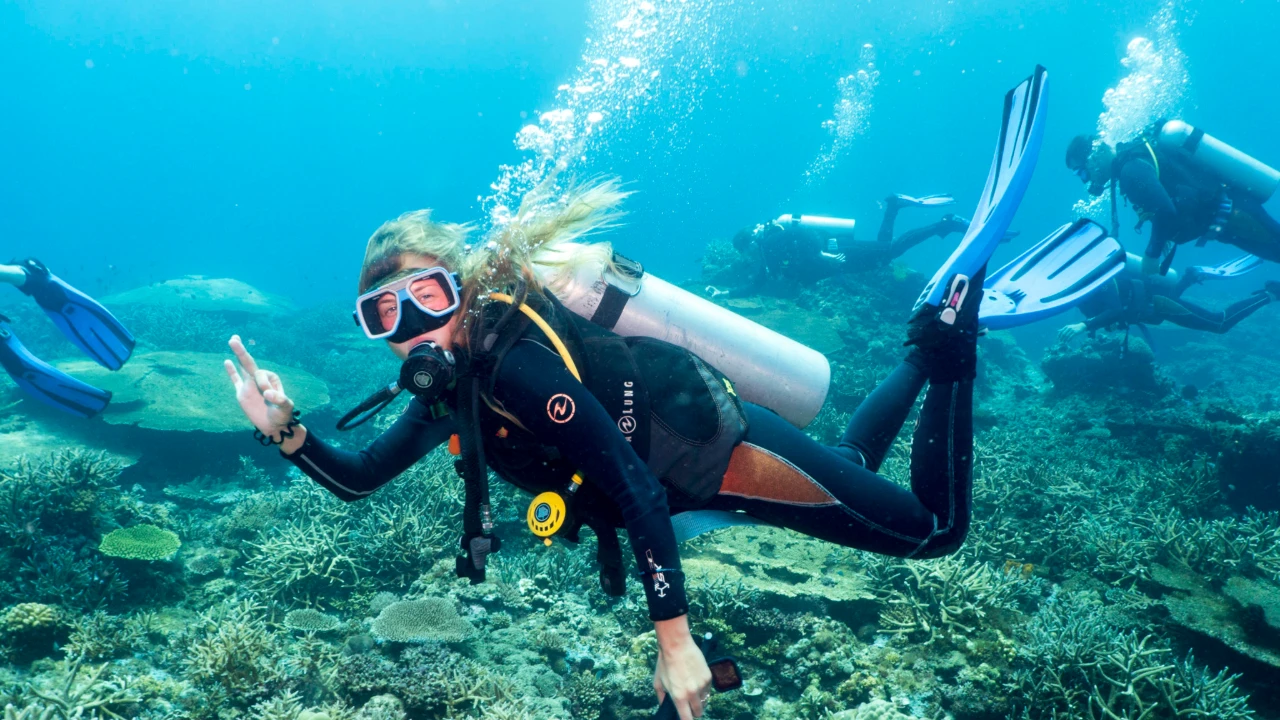
Since speaking is impossible underwater, all communication is done via universal hand signals. Joining the thumb and index finger to form a circle means "OK."
Waving the hand up and down indicates a problem, while a thumb pointing upward signals the desire to end the dive and ascend. Pointing to the ear indicates difficulty with pressure equalization.
Practicing these signals on the surface eliminates confusion underwater and elevates safety to the highest level.
Reef Protection and Marine Life Etiquette
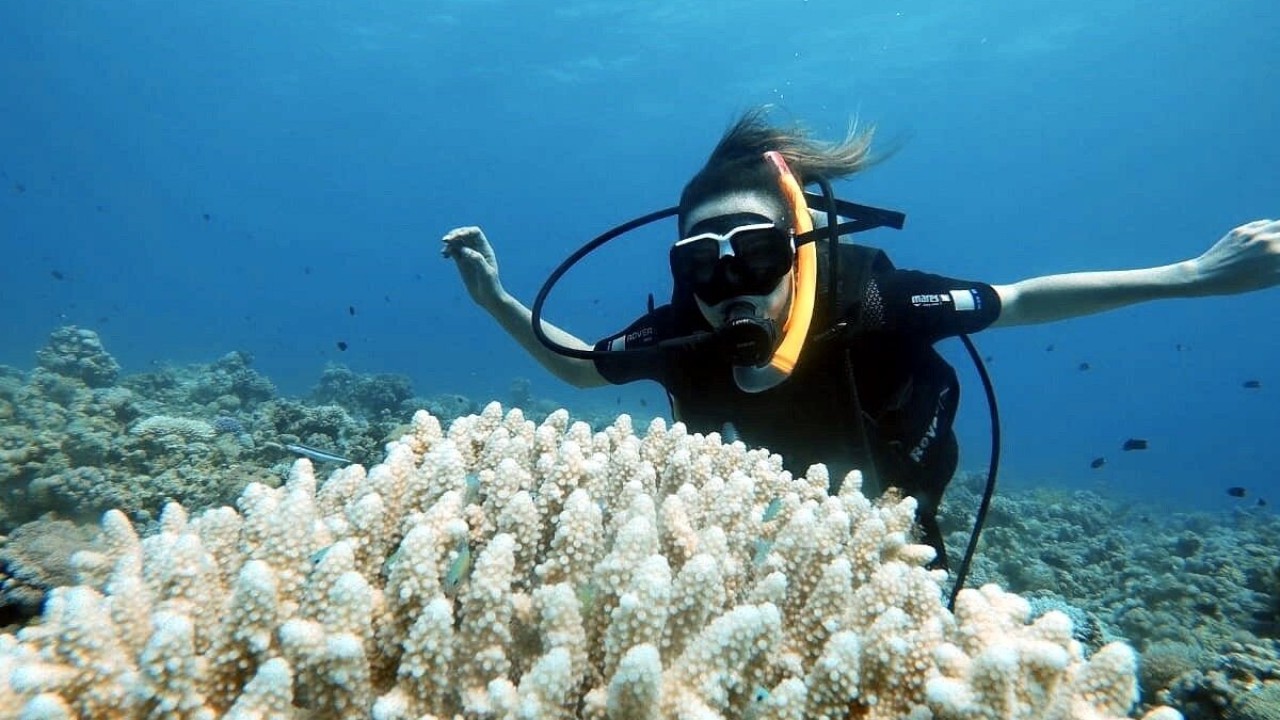
The coral reefs and marine flora of the Mediterranean are incredibly fragile ecosystems. Avoid kicking up sand with your fins, as this can suffocate sponges and corals on the seabed.
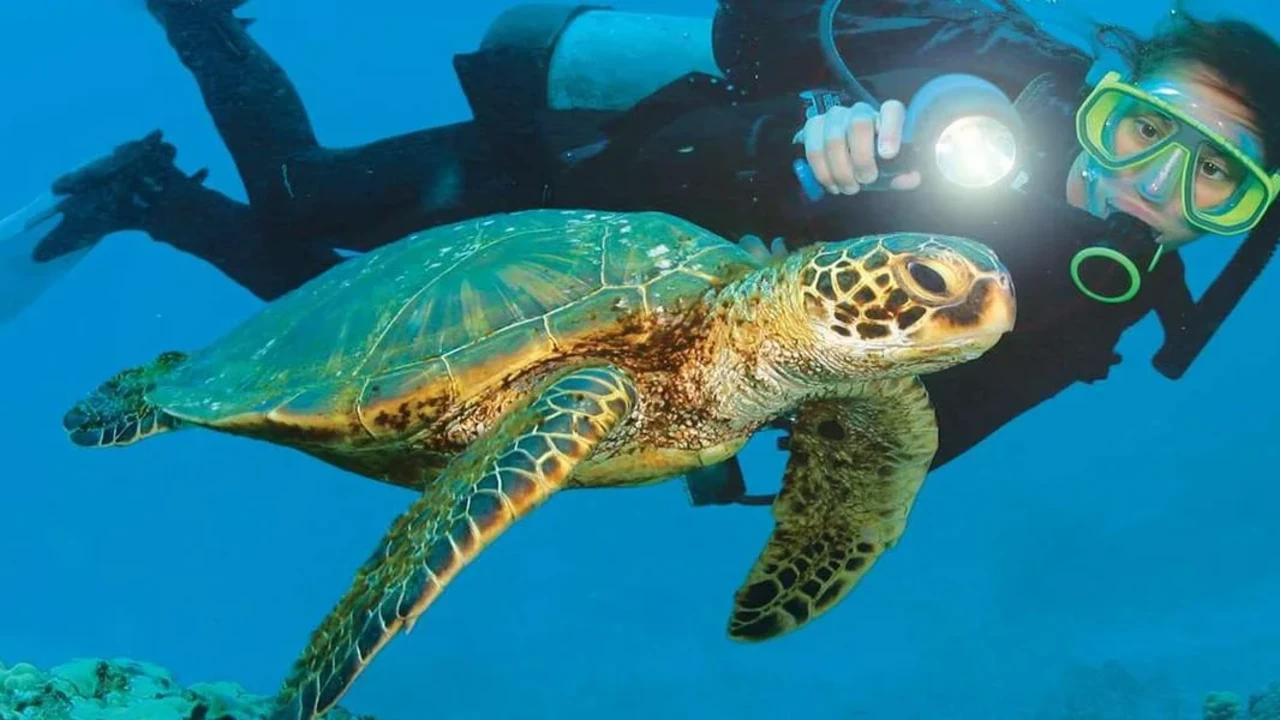
Attempting to touch sea turtles, octopuses, or groupers stresses the animals. Furthermore, contact with certain poisonous sea urchins or scorpionfish can cause injuries.
The diver's mantra is: "Take only photos, leave only bubbles." Respecting marine nature ensures these underwater beauties are preserved for generations.
Turkey's Rich Underwater Wrecks and Archaeological Routes
Turkey's coastlines are among the richest in the world for underwater archaeology. Off the coast of Kaş, sunken planes and tanks offer divers unforgettable visual spectacles.
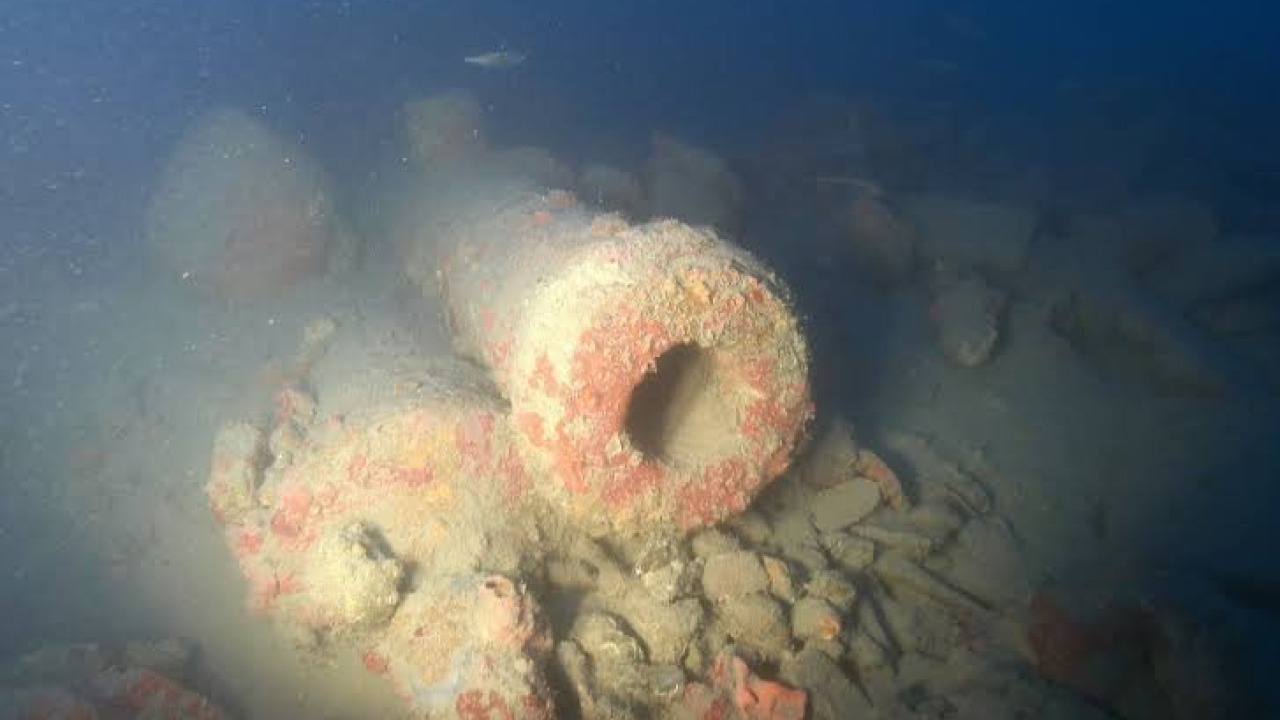
Along the shores of Bodrum and Çeşme, fields of amphorae from ancient merchant ships bear witness to thousands of years of maritime trade. In these protected historical sites, observation only is permitted; nothing may be moved.
In Alanya, the Phosphorescent Cave and Pirates' Cave fascinate divers with the mesmerizing way light refracts through the water. Encountering history beneath the waves is a thrill like no other.
Flight Restrictions After Diving
Because scuba divers breathe pressurized air, nitrogen gas dissolves into the body's tissues. This gas requires time to be naturally expelled through respiration.
Flying or traveling to high-altitude mountain roads immediately after diving can cause a sudden drop in ambient pressure, leading to decompression sickness (the "bends"). According to international diving medicine rules, you should wait at least 12-18 hours after a single dive and at least 24 hours after repetitive dives before flying.
When planning your holiday, scheduling your dive at least one day before your flight is a mandatory safety precaution.
Underwater Photography and Capturing Memories
Capturing photos of colorful fish and gliding divers is the most precious souvenir of a dive day. Using waterproof action cameras with red filters helps restore the red and orange tones that are naturally lost underwater.
Always secure your camera to your wrist or BCD with a safety lanyard to prevent it from sinking. However, remember to maintain neutral buoyancy and avoid crashing into reefs while focusing on the shot.
Your underwater footage becomes a stunning documentary of your trip, keeping the memories of the blue depths alive forever.
Packing List for Your Diving and Snorkeling Tour
To ensure your underwater tour is comfortable and enjoyable, here are the essentials to bring:
- Two Sets of Dry Swimwear and a Towel: Quick-drying spare swimwear to keep you warm and dry between dives.
- UV Protection Rash Guard: A UV-protected swim shirt to prevent sunburn on your back while snorkeling.
- Personal Mask and Snorkel Set: A hygienic set that fits your face perfectly with a purge valve snorkel.
- Baby Shampoo or Antifog Solution: A small dropper bottle to keep your mask glass from fogging.
- Waterproof Dry Bag: A sealed bag to protect your phone and wallet from salt spray on the boat.
Eating a light breakfast provides energy, while avoiding overly greasy foods prevents nausea. Staying hydrated and wearing a hat under the sun will improve your overall diving performance.
Frequently Asked Questions 5
What is the difference between snorkeling and scuba diving?
Snorkeling is a surface-level experience using a mask and breathing tube to observe the underwater world; scuba diving involves descending to greater depths using a tank to breathe.
Can non-swimmers participate in snorkeling tours?
Yes, with the help of life jackets and flotation noodles, and under the supervision of professional guides, non-swimmers can safely enjoy snorkeling.
How do I stop my snorkeling mask from fogging up?
Applying a small amount of diluted baby shampoo to the inside of the glass and rinsing it, or using professional antifog solutions, completely prevents fogging.
Is it okay to touch marine life during underwater exploration?
No. To protect the marine ecosystem and avoid injuries from poisonous fish or sea urchins, you should never touch any underwater creature.
Where are the clearest reefs and snorkeling spots in Turkey?
The canyons of Kaş in Antalya, Kiriş reefs in Kemer, Aquarium Bay in Fethiye, and Aquarium Bay in Bodrum are among the most famous underwater spots.