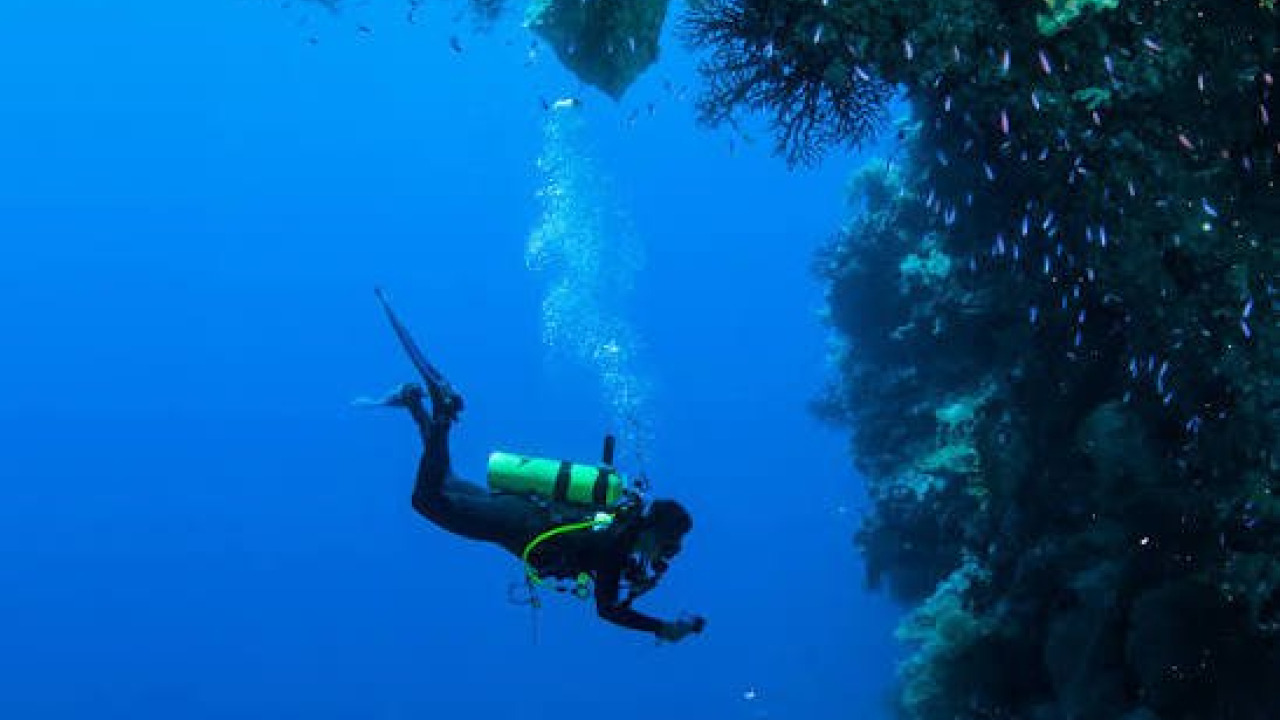
The crystal-clear waters and vibrant marine ecosystems of the Mediterranean make the shores of Antalya one of Turkey's premier destinations for underwater exploration. Departing from the scenic Konyaaltı coast and the historic Kaleiçi Marina, diving boats venture toward the submerged extensions of limestone cliffs and sheltered reef systems. Through our Konyaaltı Scuba Diving Tours, which include professional instructors and seamless transfers, both first-time "discovery" divers and certified pros can experience a safe and exhilarating aquatic adventure.
Scuba diving offers a unique sense of weightlessness, allowing you to observe colorful reef fish, elusive octopuses, and majestic sea turtles in their natural habitats. The dive sites off the coast of Konyaaltı are renowned for their exceptional visibility and temperate waters, making them accessible to all skill levels. In this comprehensive guide, we cover everything from the hidden gems of Sıçan Island to essential safety protocols and the fascinating local marine life.
Konyaaltı Scuba Diving: Quick Facts
The following summary table provides a snapshot of the key rules and practical details for scuba diving activities departing from Konyaaltı.
| Feature | Visitor Quick Guide |
|---|---|
| Primary Dive Sites | Sıçan Island reefs, Antalya cliff-base reefs, and the French Wreck |
| Dive Frequency & Duration | 2 dives per day; average 20-25 minutes underwater per session |
| Maximum Depth | 5-6 meters for discovery divers; 18-30 meters for certified divers |
| Age Requirement | 14+ for discovery dives; health declaration is mandatory |
| Visibility & Temp | 15 to 25 meters visibility; summer water temps between 24-28°C |
| Required Gear | Regulator, BCD (Buoyancy Control Device), tank, wetsuit, mask, and fins |
Top Diving Spots in and around Konyaaltı
Sıçan Island, rising near the western tip of the Antalya Gulf, is the region's most popular reef diving hub. While the northeast slope descends gently, the western side features small underwater caves and rich rocky crevices that serve as natural sanctuaries for octopuses, moray eels, and starfish. The island's dynamic current patterns keep the underwater flora fresh and sustain a thriving fish population.
Another captivating route follows the underwater continuation of the steep cliffs starting from the eastern end of Konyaaltı beach. The massive limestone blocks and hollows at the base of these cliffs are nesting grounds for protected species such as the dusky grouper and Atlantic wreckfish. For advanced divers, the San Didier (the "Society Wreck"), a French supply ship that sank in 1942 off the coast of the historic Marina, offers a thrilling shipwreck exploration experience.
If you're looking to complement your diving with other aquatic adventures, visit our Konyaaltı sea activity programs to add paddleboarding and boat trips to your itinerary.
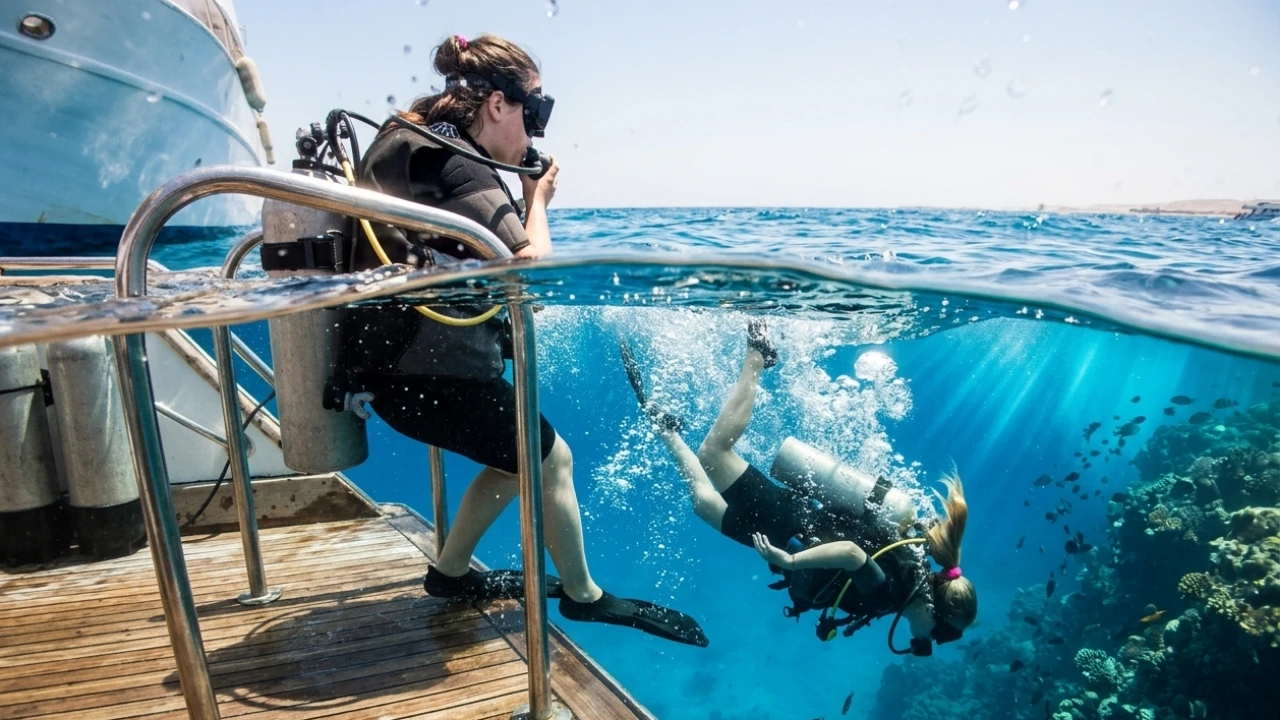
Safety Protocols and the Pre-Dive Briefing
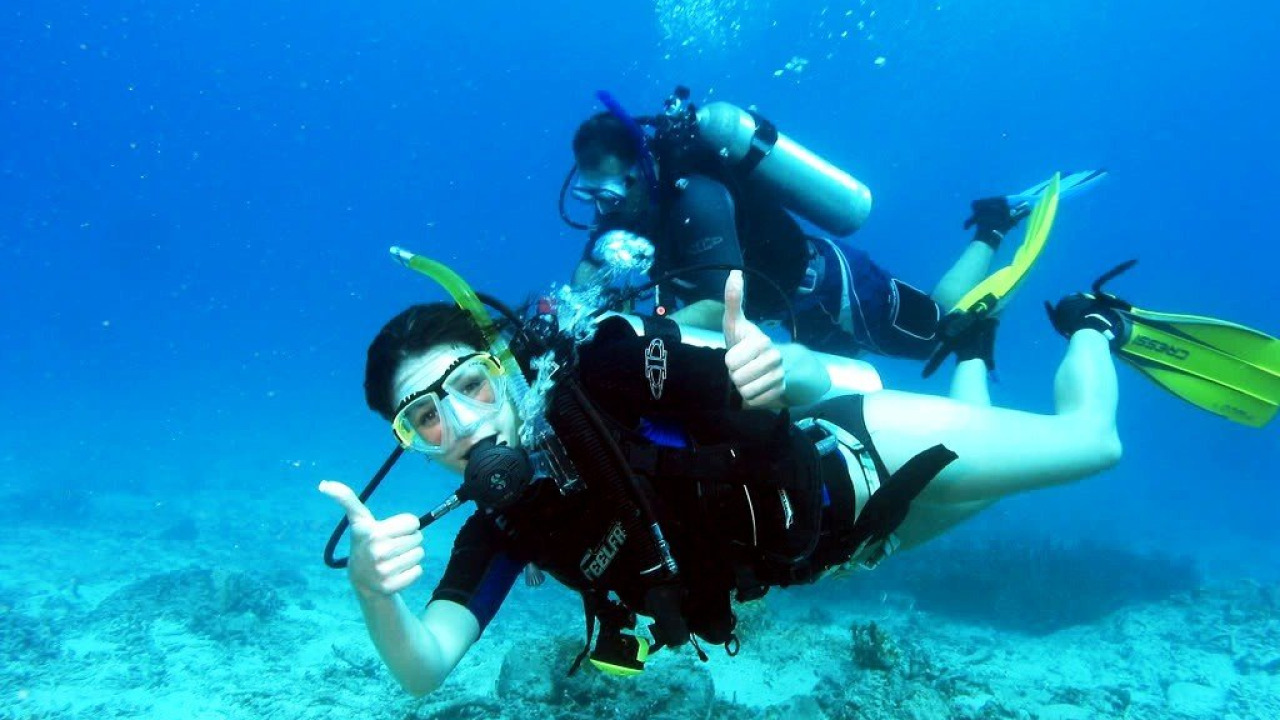
For those diving for the first time, the theoretical training provided on the boat is critical. Professional instructors certified by CMAS and PADI teach the essential hand signals used for underwater communication. The "OK" sign (joining the thumb and index finger) and the "ascend" signal (pointing the index finger upward) are the cornerstones of this silent dialogue.
To manage water pressure on the eardrums, divers use the Valsalva maneuver, gently pinching the nose and blowing air out through the nose with the mouth closed. This is repeated regularly during every meter of descent to equalize the pressure in the middle ear, ensuring a painless and comfortable dive. Additionally, the inflation and deflation valves on the BCD (Buoyancy Control Device) allow divers to achieve neutral buoyancy, letting them hover effortlessly in the water.
Every "Discovery Dive" participant is paired one-on-one with an instructor. The professional manages the diver's tank and BCD, controlling depth and air consumption so the beginner can focus entirely on the breathtaking scenery and the sensation of breathing underwater.
Konyaaltı Dive Site Comparison Matrix
The following table compares the depth, terrain, and marine life of the various sites visited by boats departing from Konyaaltı.
| Dive Site | Depth Range | Terrain & Structure | Marine Life | Diver Level |
|---|---|---|---|---|
| Sıçan Island Reef | 5 - 22 meters | Sandy bottom, coral rocks | Octopus, moray, seabream | Beginner to Intermediate |
| Sıçan Island Cave | 8 - 14 meters | Limestone ceiling, wide entrance | Cave shrimp, grouper | Intermediate |
| Cliff-base Reefs | 6 - 18 meters | Large rock blocks, crevices | Wreckfish, sponges, starfish | All Levels |
| French Wreck Area | 18 - 32 meters | Metal hull, sandy floor | Soldierfish, barracuda | Advanced (Certified) |
5-Step Protocol for Your Diving Session
To ensure a safe and seamless experience from the moment you board the boat to your first descent, follow these five steps:
- Upon boarding, complete the health declaration form and select a neoprene wetsuit that fits you perfectly under the instructor's guidance.
- Pay close attention during the briefing to ear equalization techniques, regulator breathing rules, and underwater hand signals.
- Fit your mask securely and rinse it with anti-fog solution; ensure your fins are snug but not pinching your feet.
- Complete your BCD and regulator checks with your instructor, then enter the water via a controlled "giant stride" from the platform.
- Equalize your ears every half meter during descent and maintain constant eye contact with your instructor throughout the dive.
Mediterranean Marine Fauna and Underwater Photography
Diving along the Antalya coast reveals a rich biodiversity, featuring both native Mediterranean species and tropical varieties that have migrated through the Suez Canal. As you glide through the water, you'll often spot rays resting on sandy patches, master-of-camouflage octopuses hiding in rocks, and shimmering schools of sea bream. The seagrass meadows (Posidonia oceanica) act as natural nurseries for juvenile fish.
For those interested in underwater photography, the high visibility and natural filtering of the water create stunning compositions. Since red and yellow tones fade as you go deeper, using an underwater torch or external flash is the best way to capture the true, vivid colors of the marine life. A golden rule for all photographers: never touch the marine animals or step on the coral reefs to protect the fragile ecosystem.
If you'd like to explore alternative boat routes and serene bays, check out our Konyaaltı boat tours and coastal routes to plan a day full of swimming stops.
Diving Certifications and Training
For travelers who wish to turn a discovery dive into a lifelong hobby, the Antalya coast offers world-class training facilities. Globally recognized programs like PADI Open Water Diver or CMAS 1-Star typically consist of three to four days of theoretical lessons and practical dive stages. These courses cover underwater navigation with a compass, emergency regulator sharing, and controlled emergency ascent techniques.
Once certified, divers are authorized to dive independently up to 18 meters anywhere in the world. Antalya's sheltered, calm bays provide an ideal environment for completing open-water training safely. Advanced divers can further specialize in deep diving, wreck diving, or professional underwater photography.
Post-Dive Recovery and Health Tips
To allow the body to naturally balance nitrogen levels after a scuba session, certain health guidelines must be followed:
- Avoid Flying: Do not board a plane for at least 18 to 24 hours after diving to allow nitrogen gas to leave the body.
- Light Meals: During the lunch break between dives, opt for the light meals served on the boat and avoid heavy, greasy foods.
- Hydration: Drink plenty of fresh water and mineral-rich beverages throughout the day to avoid dehydration under the sun.
- Ear Care: If you feel a slight fullness in your ears after diving, avoid blowing your nose forcefully; instead, tilt your head to the side and let it drain naturally.
To explore other cultural and natural landmarks across the region, visit our Antalya tours and cultural routes for a wide array of excursion options.
Frequently Asked Questions 6
Do I need to know how to swim to join Konyaaltı diving tours?
Basic ability to stay afloat and a lack of fear of water are sufficient. For discovery dives, the instructor holds and guides the diver throughout the entire experience.
Do I need a license or certification for diving?
No, no certification is required for discovery dives. However, a valid certification card is required for licensed deep-sea dives.
Is the diving equipment provided by the tour company?
Yes, all professional gear, including the neoprene wetsuit, mask, fins, regulator, BCD, and weight belt, is provided on the boat.
Can people with asthma or heart conditions dive?
For safety reasons, individuals with severe asthma, respiratory disorders, epilepsy, or heart disease are not permitted to engage in scuba diving.
Are underwater photos taken during the dive?
Yes, professional underwater photographers accompany the tours, capturing your experience with high-resolution cameras and delivering the digital files at the end of the tour.
Are lunch and transfers included in the program?
Yes, round-trip transfers from Konyaaltı and surrounding hotels, as well as a hot lunch served on the boat, are included in the diving tour package.