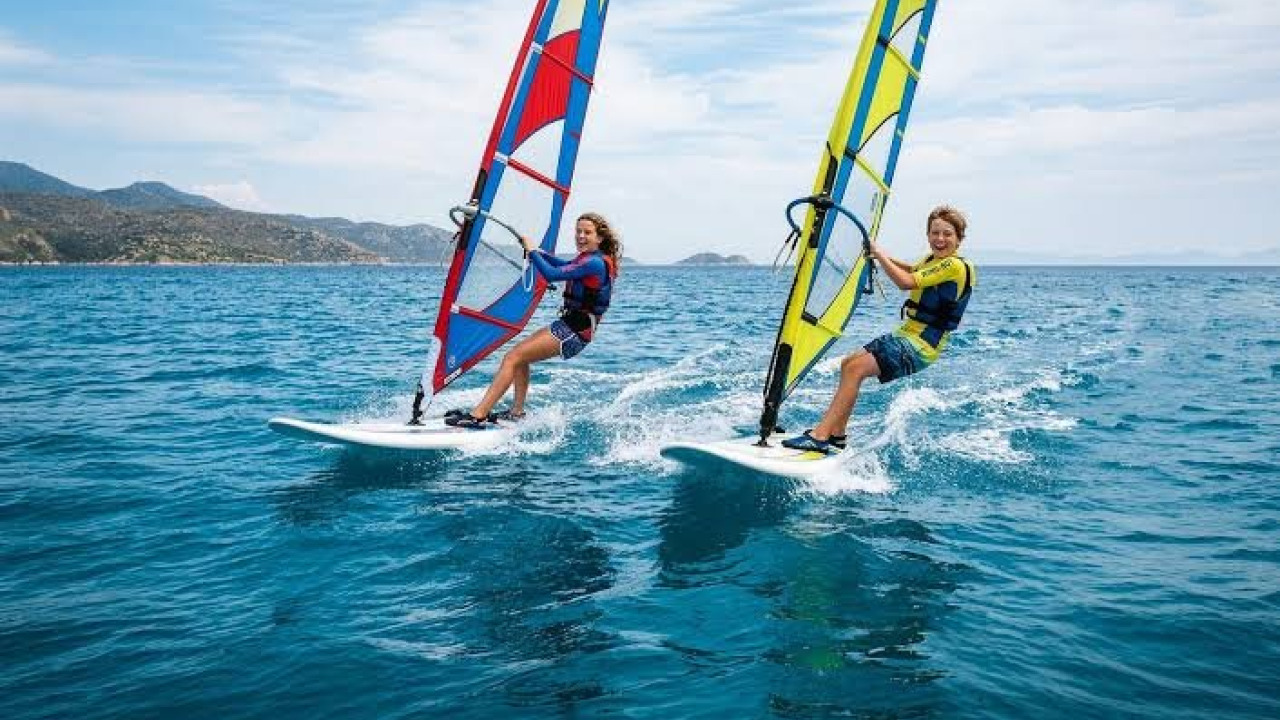
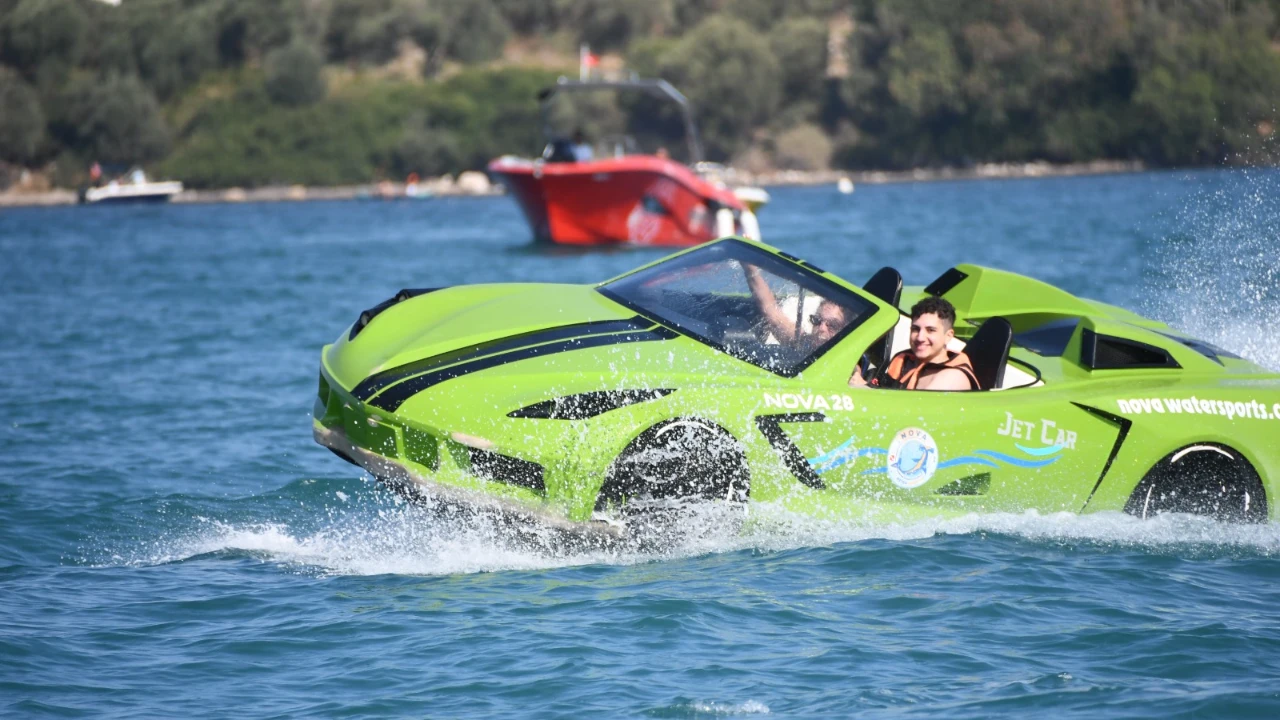
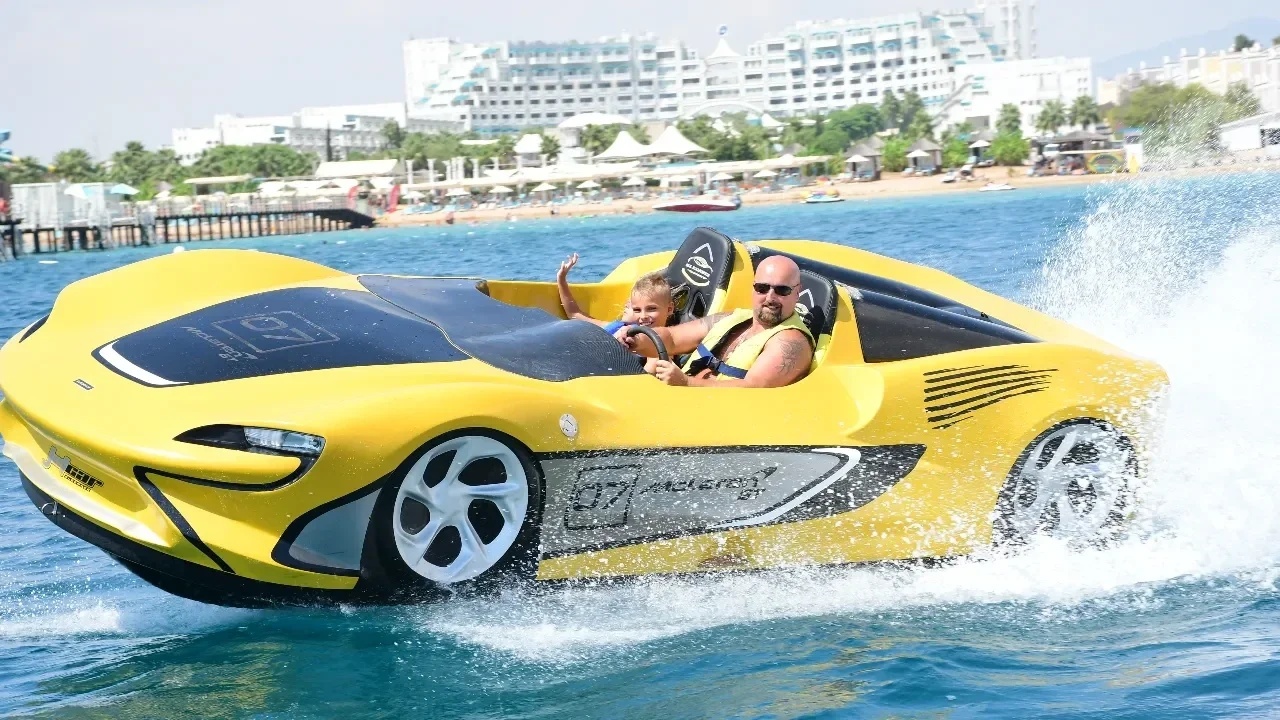

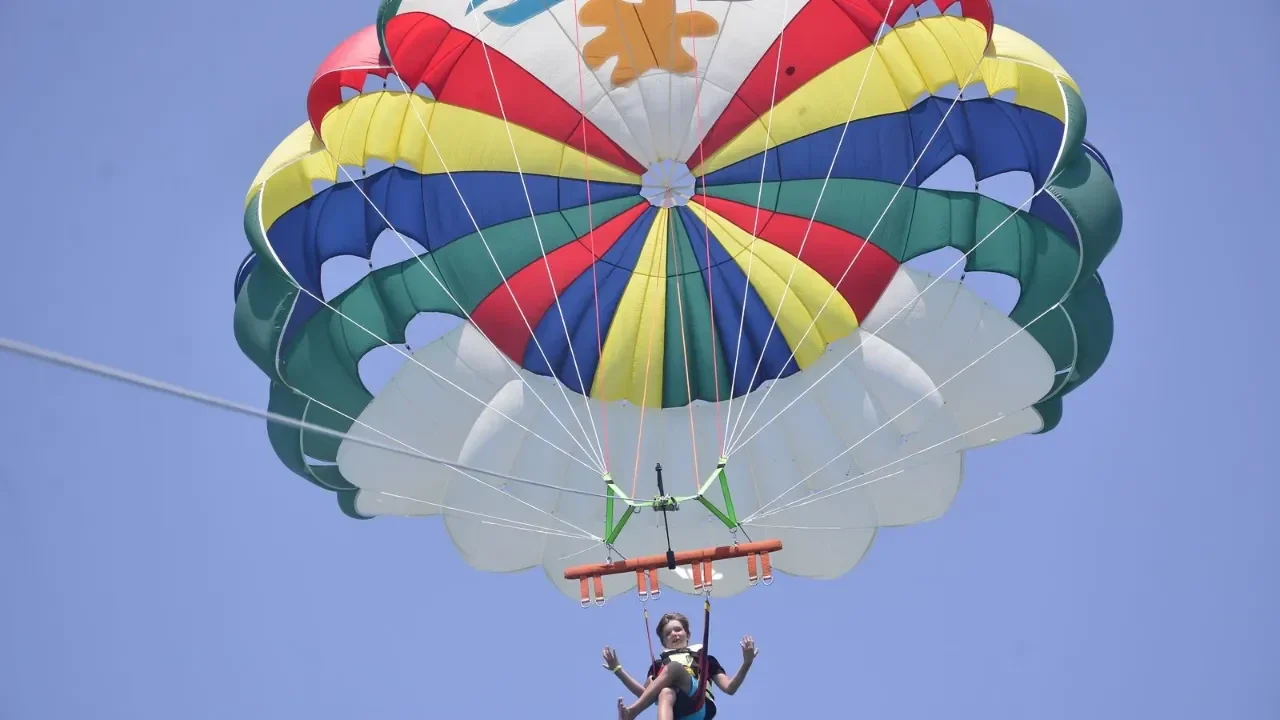

While soaking up the sun on the shores of a turquoise sea, the distant roar of engines and the sound of joyful screams are the hallmarks of the allure of water sports. From inflatable tubes soaring behind a speedboat to jet skis slicing through the waves, these activities offer vacationers an unforgettable rush. Organized by licensed stations, Su Sporları Turları allow you to experience maximum adrenaline with zero risk, thanks to professional captains and state-of-the-art safety gear.
When high speeds meet the dynamic resistance of the ocean, uncompromising adherence to safety protocols is paramount. Every detail, from the stability of towable boats and life jacket certifications to the protection of swimmers on the beach and open-sea maneuvers, is strictly governed by legal regulations. This guide has been prepared in accordance with Coast Guard directives and international maritime safety standards for all tourists planning to dive into water sports on our coasts.
Quick Facts: Before You Hit the Water
| Feature | Visitor & Athlete Summary |
|---|---|
| Legal Framework | Regulated by the Tourism Sporting Activities Directive and Coast Guard Inspections |
| Coastal Safety Zone | Mandatory 300-meter distance from swimming areas via a designated exit corridor |
| Required Gear | Impact-resistant, snug-fitting life jackets with at least 100 Newton buoyancy |
| Tow Rope Standards | Non-stretch, floating tow lines equipped with emergency quick-release mechanisms |
| Speed & Route Limits | Max 3 knots in the exit corridor; open-sea speed controlled by weather conditions |
| Participation Criteria | Ages 6+ with parental supervision; restrictions for heart, neck, or back conditions |
Turkey's Premier Water Sports Hubs and Coastal Centers
Turkey's extensive coastlines and sheltered, wave-free bays provide world-class operational grounds for surface water sports. Hosting some of the largest facilities in the Mediterranean, Antalya Water Sports offer expansive open-sea tracks with modern speedboats along the Lara and Konyaaltı beaches. The consistent coastal breezes of Antalya, combined with crystal-clear visibility, create a perfect environment for a safe ride.
Renowned for its luxury resorts, Water Sports in Kadriye in the Belek region feature calm waters that are highly preferred by families and groups with children. Thanks to its shallow and warm sea, the Kadriye coastline is ideal for towable boat activities.
In the Aegean, the established maritime tourism centers of Water Sports in Kuşadası and the wide sandy shores of Water Sports in Aydin organize thrilling activities within the protected waters of the Dilek Peninsula.
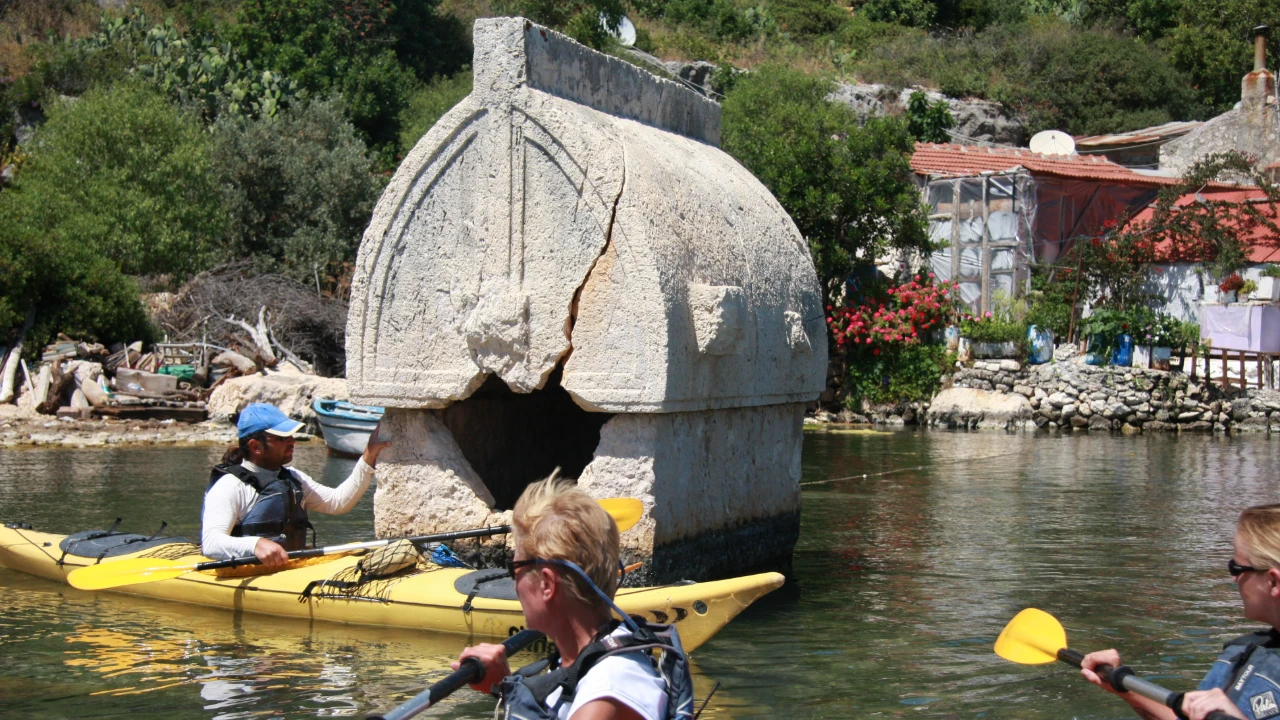
For those captivated by turquoise lagoons, Water Sports in Kas provide controlled water sports opportunities in open bays away from sunken cities. Meanwhile, Water Sports in Alanya, Oba operate professional activities under the constant watch of certified lifeguards along the expansive Alanya bay.
Comparing Towable vs. Motorized Water Sports
Coastal water sports centers boast a diverse fleet of equipment tailored to different thrill-seeking levels and age groups. From the classic banana boat to high-centrifugal force rings, each activity has its own unique driving dynamics.
The following technical table compares popular disciplines based on capacity, physical intensity, and age requirements:
| Activity Type | Capacity | Speed & Centrifugal Dynamics | Physical Effort | Ideal Profile |
|---|---|---|---|---|
| Banana Boat | 6 to 10 People | Low to medium speed, linear pull | Low (Balance & Grip) | Families, children, and large friend groups |
| Ringo (Single/Double) | 1 or 2 People | High speed, sharp centrifugal turns | Medium (Core & Arm strength) | Adrenaline seekers and adults |
| Flyboard | 1 Person | Vertical lift and water acrobatics | High (Ankle & Leg balance) | 16+, confident swimmers & adventurers |
| Wakeboard / Water Ski | 1 Person | High speed, wave jumping | High (Upper body conditioning) | Athletic individuals, young adults |
When choosing an activity, always consider the physical capabilities of the youngest or most sensitive member of your group.
The Coast Guard 300-Meter Rule and Speed Limits
Protecting the lives of tourists sunbathing and swimming on the beach is the strictest legal rule of water sports operations. According to the Tourism Sporting Activities Directive, motorized water sports vehicles must operate at least 300 meters away from designated swimming areas. Speeding within the shoreline swimming zones is strictly prohibited and subject to heavy administrative fines.
Special water sports corridors used to transition from the station to the open sea are marked with yellow and red buoys. Within this exit corridor, boats must travel at idle speed, a maximum of 3 knots. Lifeguards ensure that swimmers do not enter these designated corridors.
Once the boat reaches the open sea and is 300 meters from the shore, the captain gradually increases the engine RPM. This two-tier speed policy ensures total peace on the beach while providing a high-speed thrill in the open water.
5-Step Protocol for a Safe Water Sports Experience
Following these five fundamental safety steps before and during your ride minimizes the risk of injury to nearly zero:
- Properly Fitted Life Jacket: Wear a certified life jacket that matches your weight perfectly, with no tears or broken buckles. Ensure all clips are tightened by staff.
- Captain's Briefing & Hand Signals: Before accelerating, learn the basic hand signals (speed up, slow down, stop, I'm okay) to communicate with the captain.
- Correct Seating & Grip: Grip the double-stitched neoprene handles firmly with both hands, keep your back straight, and let your legs hang freely.
- Leaning into the Turn: When the boat takes a sharp turn, lean slightly toward the inside of the curve (opposite to the centrifugal force) to maintain balance.
- Falling Safely: If you lose your balance and fall into the water, do not panic. Roll onto your back, raise one hand in the air, and wait for the boat to circle back and pick you up.
This protocol ensures that participants remain calm and enjoy the fun, even in choppy waters.
Life Jacket Classes, Kill Switch Systems, and Tower Coordination
The protective gear used in water sports is engineered to far higher standards than ordinary beach toys. The life jackets provided feature impact-absorbing foam layers to protect the ribcage during high-speed water impacts. Products with 100N or 150N buoyancy are used to ensure that even a non-swimmer is flipped onto their back with their head above water.
Another critical mechanism in motorized vessels is the emergency engine stop cord, known as the kill switch. This cord is attached to the captain's or jet ski operator's wrist; if the driver falls off the vehicle, the circuit is instantly broken, stopping the propeller. This physically prevents the vehicle from spiraling out of control and hitting others in the water.
The high observation tower at the water sports station, equipped with binoculars and radios, monitors every boat in the open sea second by second. In the event of a boat capsizing, the tower operator immediately directs a backup rescue boat to ensure those in the water are retrieved within seconds. This seamless surveillance system allows families on the shore to relax with total peace of mind.
Wave Dynamics, Sea Traffic, and Collision Avoidance
While maneuvering in the open sea, speedboats often encounter wakes created by larger excursion boats. To maintain the stability of the towable boat, captains avoid crossing the frothy wake of large vessels at right angles. Meeting waves with soft, curved arcs prevents sudden jolts to the participants' spines.
In bays with heavy maritime traffic, the minimum safety distance between boats must not drop below 100 meters. Two speedboats are never permitted to race parallel to each other or perform dangerous turns on intersecting routes.
Furthermore, avoiding the turbulent waters around anchored yachts and sailboats is a fundamental rule of both maritime etiquette and safety.
Parental Safety Protocol for Children and Teens
Introducing children to water sports during a family vacation is a thrilling moment. However, younger guests should not be subjected to the same centrifugal forces as adults. By informing the captain in advance, speed and turn angles are kept at the calmest possible levels for family boats.
For children, it is mandatory to use the additional safety strap (crotch strap) that passes between the legs of the life jacket. This strap prevents the jacket from sliding up over the child's head if they fall into the water.
Additionally, children should be taught simple hand signals to tell the captain to stop in case of panic or fear, and they should always be seated between two adults.
Frequently Asked Questions 5
Do I need a special license or permit to do water sports in Turkey?
No license is required for towable activities like banana boats or ringos, as these are managed by professional captains. For the individual use of jet skis, Coast Guard regulations and the Amateur Seaman's Certificate (ADB) legislation apply.
What are the minimum and maximum age limits for water sports?
For calm activities like the banana boat, the minimum age is generally six, provided they are accompanied by a parent. For high-centrifugal sports like Ringo or Flyboard, the minimum age is typically 14 or 16. There is no upper age limit for adults without cardiac or joint problems.
What safety and protective equipment is mandatory?
Wearing an impact-resistant, maritime-grade life jacket that fits your body size is a legal requirement. For certain high-speed or high-impact activities, helmets and neoprene protective shorts may also be mandatory.
What clothing and items should I bring for the tour?
You should wear a snug-fitting swimsuit or shorts, a UV-protective t-shirt, and water shoes if necessary. Accessories that could fall off, such as sunglasses, watches, and necklaces, should be left in the storage lockers before the activity.
Where are the most popular water sports tracks in Turkey?
The beaches of Antalya (Lara and Konyaaltı), the Alanya coast, Belek Kadriye beaches, Kemer bays, Kuşadası shores, and the Bodrum peninsula host Turkey's most modern and professional water sports centers.