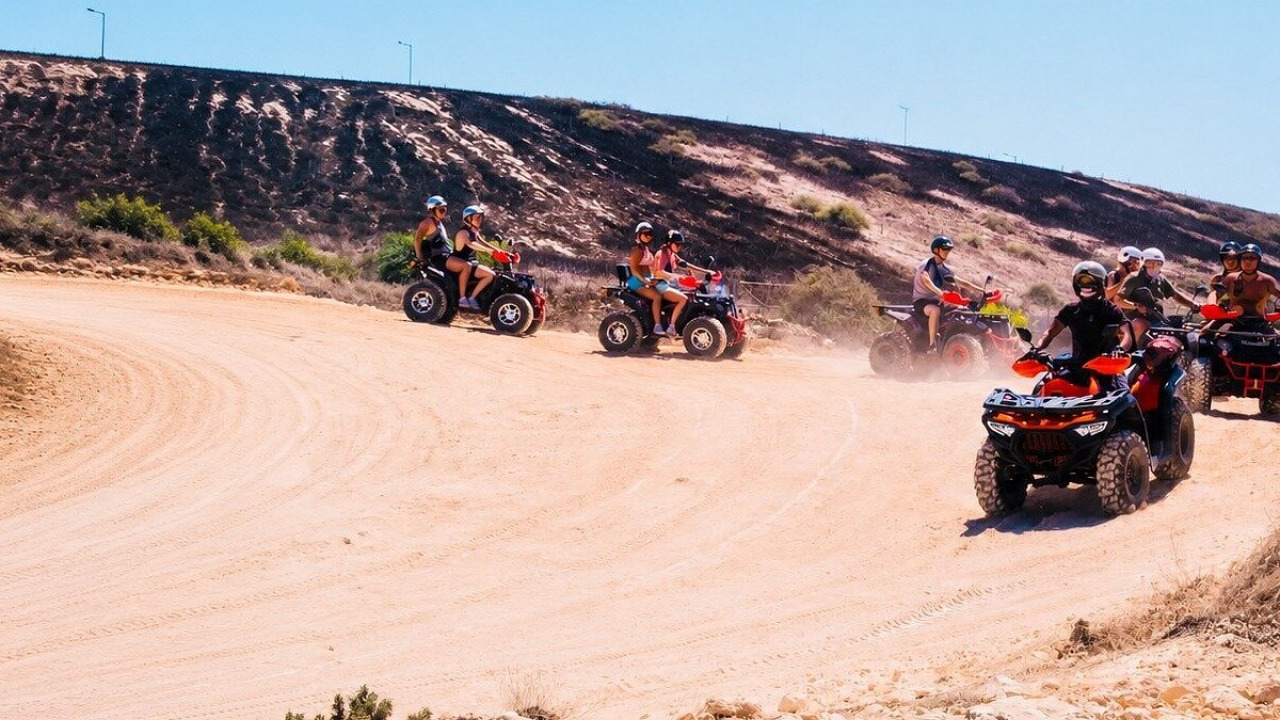

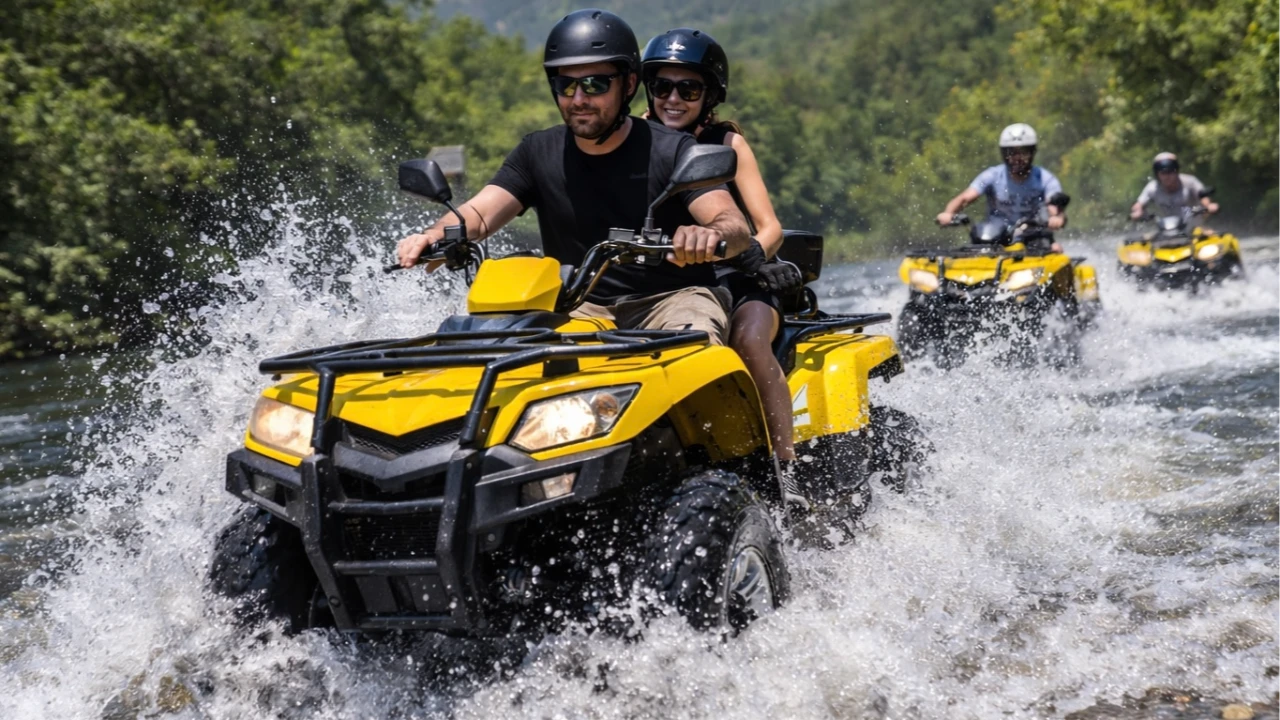
Trading asphalt for dusty trails, rocky riverbeds, and muddy tracks is one of the most exhilarating ways to experience the great outdoors. Quad safari tours offer a high-octane dose of adrenaline right in the heart of nature. Thanks to powerful engines and wide, rugged tires, these all-terrain vehicles (ATVs) can effortlessly conquer steep slopes and navigate water crossings.
However, the immense joy of off-road driving comes with a responsibility to follow strict safety protocols. Because ATVs have a high center of gravity, sudden steering movements can increase the risk of tipping. That is why understanding throttle control, braking distances, and convoy etiquette is essential before you hit the trails. In this comprehensive guide, we break down everything you need to know about usage rules, age requirements, and safety gear to ensure your adventure is as safe as it is thrilling.
Essential Information and Route Overview
Before diving into an off-road adventure, understanding the operational boundaries of your tour will help you stay in control. Factors such as driver age, passenger capacity, and professional guidance are the cornerstones of field safety.
| Field Parameter | Operational Standard & Guidelines |
|---|---|
| Driver Age Limit | Minimum 16 or 18 years old for solo driving |
| Minimum Passenger Age | At least 7 years old to ride behind a parent |
| Driver's License Requirement | Not required on private tracks; Class B required for main roads |
| Mandatory Safety Gear | Helmet, goggles, and a protective dust mask/bandana |
| Typical Terrain | Dusty dirt paths, muddy puddles, and gravel valleys |
| Average Duration | 90 to 150 minutes (including briefing and trial run) |
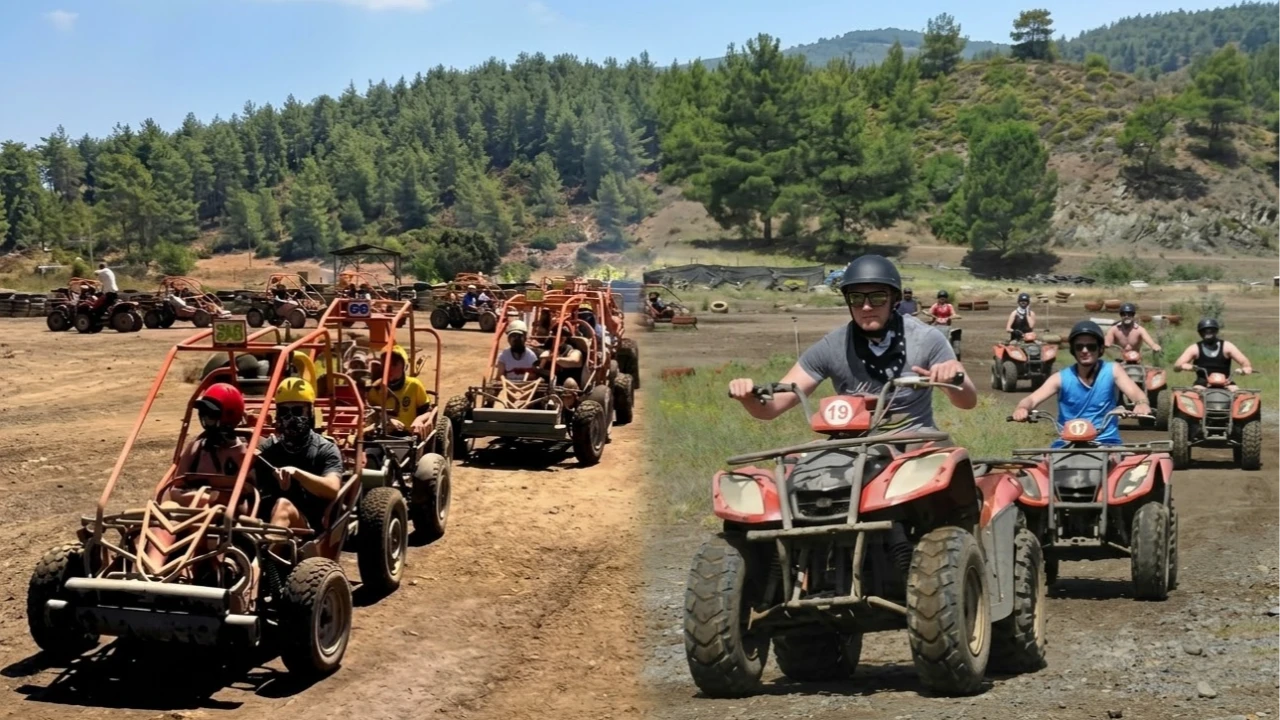
| Vehicle Capacity | Single-seater or tandem (two-seater) options |
For those seeking adventure, questions like "What is a quad safari?" and "What does a safari tour involve?" are common. Additionally, knowing the age limits for ATV safaris is crucial for both driver and passenger safety.
Turkey offers a wealth of off-road routes across its stunning landscapes. For instance, the thrilling quad safari tours in Antalya and the foothills of the Taurus Mountains are famous for their scenic river crossings. Along the coast, quad safari tours through the forests and mud tracks of Alanya wind through lush pine groves.
In the Aegean region, rugged terrain quad safari tours in the Aydın area and quad safari experiences on the coastal paths of Didim take you through beautiful olive groves. Meanwhile, quad safari tours through the canyons of Muğla and tours around Fethiye Kayaköy blend ancient history with raw adventure.
The intensity of mud and dust varies by season. In the summer, dry dust dominates the trails, while spring brings refreshing water crossings and deep, challenging mud.
Vehicle Dynamics and Driving Safety Principles
Unlike motorcycles, quad vehicles are steered using handlebars and are not leaned into corners. Understanding this fundamental difference is a critical adaptation for first-time riders.
Throttle Control and Braking Techniques
On most quads, the throttle is controlled by a finger trigger located on the right side of the handlebar. Applying pressure gradually and smoothly prevents the vehicle from jerking forward or causing the rear wheels to spin out of control.
When braking, use a balanced approach between the hand brakes on the handlebars and the foot brake. Locking up the front wheels suddenly can cause the rear of the vehicle to fishtail. On descents, the safest method is to use engine compression to maintain a steady, low speed.
Mastering Body Weight Distribution in Turns
When a quad enters a turn, centrifugal force tries to push the vehicle outward. To counteract this, the driver should slightly shift their body weight toward the inside of the curve.
This weight transfer ensures the inner wheels maintain a firm grip on the ground, significantly reducing the risk of a rollover. Passengers should mirror the driver's movements to maintain stability. The following table summarizes the differences between various off-road vehicle classes.
| Vehicle & Riding Type | Drive System & Power | Terrain Type | Recommended For |
|---|---|---|---|
| Standard Quad (ATV) | Handlebar controlled, open frame | Dirt paths, shallow mud | Solo adventure seekers |
| Tandem Quad | Extended chassis, dual seats | Forest tracks and riverbeds | Couples and families with children |
| Side-by-Side Buggy (UTV) | Steering wheel, roll-cage | Deep mud and rocky trails | Families seeking car-like comfort |
| Advanced 4x4 Quad | Differential lock, high power | Steep slopes and harsh terrain | Experienced off-road enthusiasts |
When choosing your vehicle, prioritize ease of use and safety features. Automatic models are highly recommended for beginners.
The 5-Step Safety and Participation Protocol
A successful safari relies on disciplined adherence to safety protocols. Our five-step process ensures every participant completes their tour securely.
-
Test Drive and Gear Fitting: Before heading out, a trial run is conducted in a controlled area under instructor supervision. Helmets must fit snugly, and goggles and dust masks must be properly secured.
-
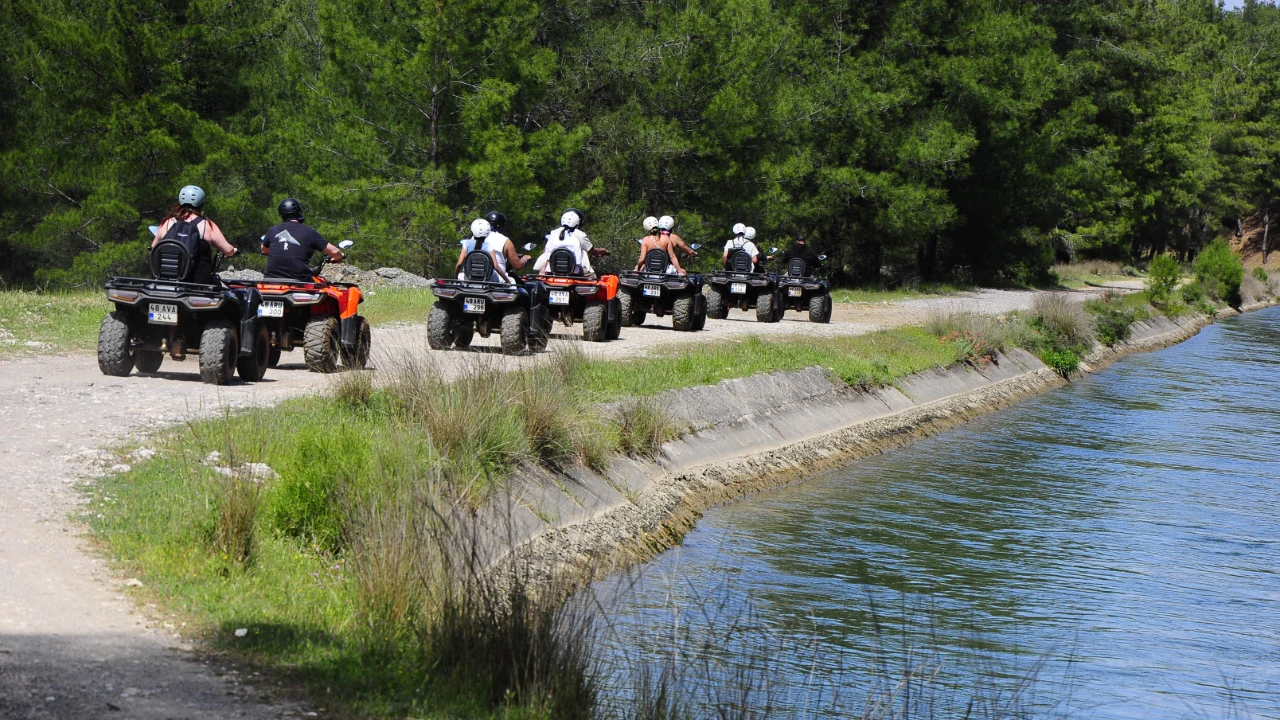
Convoy Discipline and Following Distance: Tours always proceed in a single-file convoy led by a professional guide. Maintain a following distance of at least two vehicle lengths from the person in front of you.
-
No Overtaking: Overtaking the lead vehicle, racing, or attempting to ride side-by-side is strictly prohibited. Such maneuvers can lead to dangerous collisions on narrow mountain paths.
-
Keep Feet on the Footrests: Never extend your legs outward or try to touch the ground while moving; this can lead to severe injury. Keep your feet firmly planted within the protective footrests at all times.
-
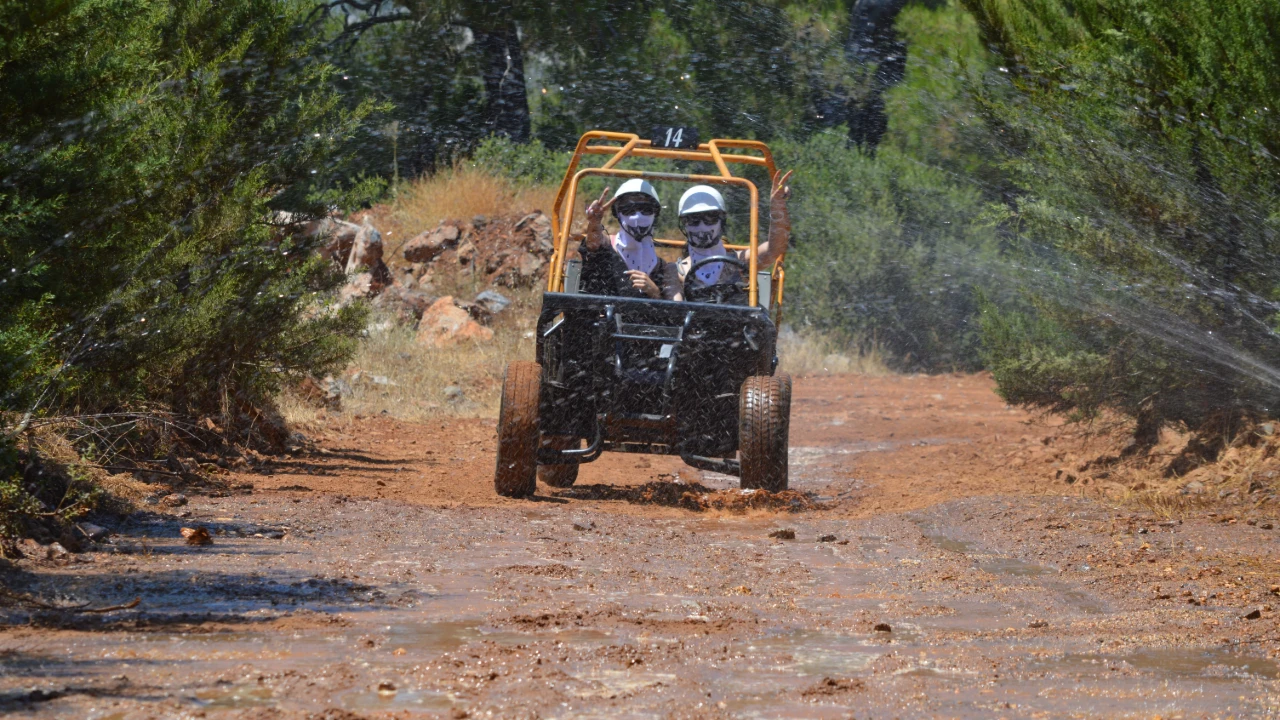
Low Speed in Water and Mud: Entering deep puddles or mud pits at high speed can cause you to lose steering control. Always approach these obstacles at a controlled, low speed.
What to Wear for Your Safari Adventure
Dusty and muddy conditions mean functionality is key when choosing your outfit. Opting for clothes you don't mind getting dirty will allow you to enjoy the experience to the fullest.
- Durable, Comfortable Trousers: Choose long, sturdy pants to protect your legs from exhaust heat and flying debris.
- Closed-Toe, Non-Slip Shoes: Wear waterproof sports shoes that protect your toes and ankles; flip-flops and sandals are strictly prohibited.
- Change of Clothes and Shoes: We recommend bringing a dry set of clothes and a towel so you can freshen up after the tour.
- Sun Protection and Bandanas: Since you will be outdoors for hours, apply high-SPF sunscreen and wear a protective neck gaiter.
Protect your valuables as well. Store cell phones, keys, and wallets in waterproof waist bags or leave them in the facility's secure lockers.
The Importance of Helmet and Goggle Standards
Protecting your head is a non-negotiable rule of any safari. Certified helmets provided by the operator must fit perfectly for every ride.
To prevent dust clouds from obscuring your vision, goggles are used to protect your eyes from mud splashes. For those who wear prescription glasses, wide-frame models are often available.
Safety Criteria for Families with Children
Children's participation in quad safaris is subject to specific safety standards. Younger guests may only participate as passengers sitting behind a parent.
It is mandatory that children hold onto the driver firmly and ensure their feet are resting securely on the passenger footrests. Very small children who cannot reach the footrests are not permitted to join the tour.
Following Guide Signals and Warnings
Coordination on the trail is managed through the lead guide's instructions. Due to engine noise, guides primarily use standardized hand signals.
Understanding Visual Hand Signals
A guide raising their hand high typically signals to slow down or prepare to stop. Extending an arm to the side indicates an upcoming sharp turn or a change in the route.
Participants should pass these signals back through the convoy by mimicking the movement. This creates a chain of warning that prevents pile-ups during sudden stops.
Respecting Nature and Local Communities
Safari tours often pass through protected natural areas and rural villages. It is forbidden to stray from marked paths, which can damage the ecosystem, or to disturb wildlife with excessive noise.
When passing through villages, keep your speed to a minimum to show respect to local residents and their animals. Always follow the "leave no trace" principle, never litter in nature.
Common Mistakes and On-Field Solutions
Field experience shows that riders struggle most during turns and in deep mud. These practical tips will help you navigate those moments.
The "Leaning the Wrong Way" Mistake
Riders with motorcycle experience often mistakenly lean outward during a turn. This reflex can cause the inner wheels to lift off the ground, destabilizing the vehicle.
The Solution: When entering a turn, lean your shoulders and torso toward the inside of the curve. This movement instantly restores balance.
Over-Revving in the Mud
When stuck in deep mud or sand, the instinct is to hit the throttle hard. This often causes the wheels to dig deeper, leaving the vehicle high-centered and stuck.
The Solution: If you get stuck, ease off the throttle. Gently rock the steering wheel left and right to find traction. If you cannot break free, do not force it, signal your guide for assistance.
Frequently Asked Questions 5
Do I need a Class B driver's license to go quad safari?
A license is not required for driving on private tour tracks; as long as you are not entering public roads, anyone can participate.
Can children drive quad vehicles by themselves?
Due to legal safety regulations, there is a minimum age limit of 16 or 18 years to act as a solo driver.
Is it inevitable that my clothes will get dirty or wet?
Yes, due to natural water crossings and dirt paths, getting muddy is part of the fun! We highly recommend bringing a change of clothes.
Are quad safari tours canceled in rainy weather?
Light to moderate rain actually makes the tracks more fun, so tours usually continue. Tours are only postponed in the event of extreme storms.
What is the difference between a two-seater buggy and a quad?
While quads are motorcycle-style vehicles controlled by handlebars, buggy models feature a steering wheel, seatbelts, and a protective roll-cage system.