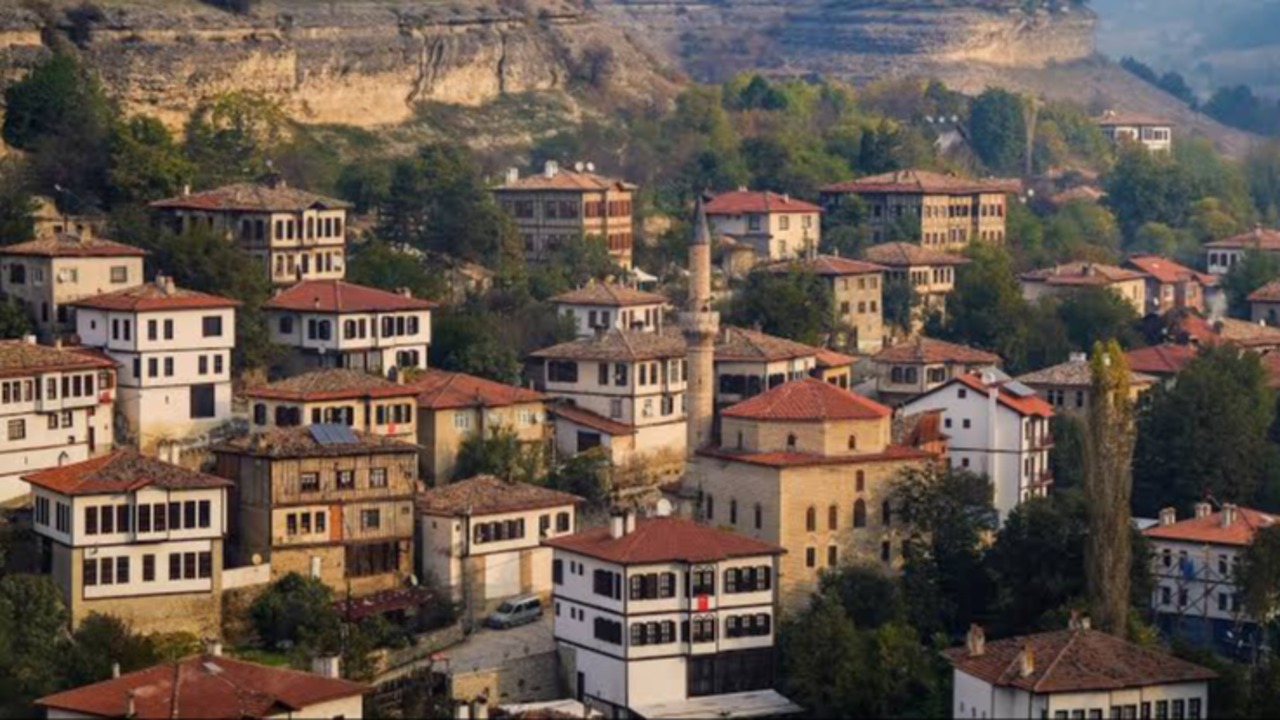

While the Safranbolu district of Karabük is globally renowned for its UNESCO-protected historic mansions, the nearby Yörük Köyü—located just 11 kilometers away—often remains a hidden gem. In reality, Yörük Köyü is a breathtaking time capsule, preserving the unique architecture of Safranbolu and the authentic traditions of the Yörük culture away from the tourist crowds. Protected since 1997, this village offers a tranquil escape through its centuries-old wooden mansions, narrow cobblestone streets, and a community that keeps its heritage alive. In this guide, we explore the village's history, its must-see mansions, the famous historic laundry, transport options, the best time to visit, local delicacies, and a recommended itinerary.
At Travel Tour Shop, we maintain incredibly high standards; we vet our tour and transfer providers rigorously, rejecting approximately 83% of applicants to ensure only those with proven local expertise and exceptional guest reviews make our list. Following that same commitment to quality, we have compiled everything you need to know for your first visit to Yörük Köyü, from top sights to practical travel tips.
Quick Facts
| Topic | Information |
|---|---|
| Location | Karabük, Safranbolu (approx. 11 km from the center) |
| Highlights | Preserved Turkish-Yörük village, historic wooden mansions, museum village atmosphere |
| Key Stops | Kasım Sipahioğlu Konağı, historic laundry, village square, and arasta |
| Protection Status | Protected since 1997; designated as an urban heritage site |
| Visit Duration | Half-day; full day if combined with Safranbolu center |
| Best Time to Visit | Spring and Autumn; October-November for saffron harvesting |
| Transport | Private vehicle (approx. 15 mins from Safranbolu) or local minibus |
Where is Yörük Köyü and Why is it Called a "Museum Village"?
Yörük Köyü is a village located in the Safranbolu district of Karabük province, roughly 11 kilometers from the district center. Situated on the road toward Kastamonu, it sits within a quiet valley, far from the hustle and bustle of the city. Due to its authentic Turkish-Turkmen character and the remarkable integrity of its historical structures, the village was placed under protection in 1997 and included in the urban heritage site zone.
The reason Yörük Köyü is considered so special is its ability to maintain its historical fabric as a living settlement. According to local records, the village contains a total of 93 registered historical artifacts, including mosques, fountains, residences, and a laundry, spread across approximately 144 houses. Because of this seamless preservation, visitors often refer to it as a "museum village," describing it as a smaller, more intimate model of Safranbolu. For those looking to incorporate this stunning architecture into a larger itinerary, exploring culture tours is an excellent way to expand your journey.
Pro Tip: Since the village is a compact settlement, visiting on weekdays or early in the morning offers a much more peaceful experience. On busier days, you might experience a short wait for guided tours inside the mansions.
The History of Yörük Köyü: From Nomadic Roots to Settled Life
The story of the village is inextricably linked to the nomadic heritage of Anatolia. To truly understand the identity of Yörük Köyü, one must understand the transition of the Turkmen tribes that settled in this region.
From Tribes to Permanent Settlements
Historical accounts suggest that the village's roots date back to the 14th and 15th centuries, when nomadic Turkmen (Yörük) tribes migrated to the area. Initially living a migratory lifestyle in camps, these communities gradually settled down, turning to agriculture and animal husbandry. This transition to a sedentary lifestyle laid the foundation for the permanent structures and grand mansions that define the village today. This heritage is still palpable in the village's name and its daily cultural rhythms.
The Karakeçili Tribe and the Sipahi Tradition
Legend has it that the tribes that settled here belonged to the Karakeçili clan, who eventually gained social prestige by providing soldiers (Sipahi) to the Ottoman army. As families grew economically powerful, they brought their wealth back to the village, reflecting it in the elegance of their homes, which mirrored the grandeur of Safranbolu mansions. The village layout follows the same principle as Safranbolu: houses are built so that they do not obstruct the sunlight or the view of their neighbors. The intricate wood carvings and stonework on the facades and interiors of these mansions are remarkable examples of this craftsmanship.
Historic Mansions to Visit in Yörük Köyü
The heart of any visit to the village lies in its mansions and communal spaces, each telling its own unique story. The best way to soak in the atmosphere is to wander on foot between these closely situated structures. If you wish to combine similar historic architecture and urban landscapes into one trip, you might consider our historic city tours.
Kasım Sipahioğlu Konağı (Harem-Selamlık)
The most magnificent and well-preserved structure in the village is the Kasım Sipahioğlu Konağı, also known simply as the Sipahioğlu Mansion. With a history spanning approximately 300 years, this mansion is special because it perfectly preserves the details of traditional Harem-Selamlık architecture. Inside, the hand-carved wooden ceilings, built-in wall cupboards, and specialized rooms used for bathing (gusülhaneler), along with rotating service cabinets and antique furnishings, offer a glimpse into the lives of wealthy families of that era. The upper floor is open to visitors, and the experience is often made more vibrant by the lively, traditional storytelling of the local village women who act as guides.
Onbaşıgil Evi and the Village's Oldest Structures
Beyond the Sipahioğlu Mansion, there are several other monumental houses to discover. One of the most notable is the Onbaşıgil Evi, believed to be approximately 450 years old and one of the oldest structures in the village. Additionally, some historic mansions have been repurposed as boutique accommodations. Walking among these buildings allows you to see different eras of mansion architecture side-by-side.
The Wood and Stone Architecture of Village Houses
Most houses in Yörük Köyü are two or three stories tall, constructed using a combination of adobe and wood. Typically, the ground floors were used as stables or storage, while the upper floors served as living quarters. Overhanging bay windows (cumba), exquisite woodwork, and stone foundations are the defining elements of the village's character. The thoughtful placement of houses, respecting both sunlight and views, is a testament to the sophisticated planning of the era.
The Historic Yörük Köyü Laundry
One of the most talked-about structures in the village is the historic laundry located right in the center. This building is a standout stop due to both its unique architectural design and its historical role in village life.
Architectural Features of the Laundry
Located in the heart of the village, this historic laundry has been in use for over a century, with some sources dating it even further back. The massive circular marble washing stone in the center, the heating stoves underneath, and the steam ventilation windows reflect an advanced understanding of engineering and hygiene for its time. These details make it one of the most photographed spots in the village.
A Social Hub for Women
In the past, the laundry was much more than just a place to wash clothes. It served as a vital social meeting point where village women gathered to share news, socialize, and support one another. In this sense, the building provides a valuable window into the culture of community solidarity that once defined village life.
Cultural Fabric and Local Life
The charm of Yörük Köyü isn't just in its buildings; the living culture is a vital part of the experience. The village's cultural fabric is influenced by traditional folk beliefs and Bektaşi traditions, creating a simple, serene atmosphere that permeates daily life. The arasta (a traditional marketplace) around the village square has been revitalized and serves as a small bazaar for local products.
Interacting with the locals is another way to enrich your visit. The local women who guide you through the mansions often turn a tour into a warm conversation, sharing history through firsthand accounts. Browsing the stalls in the square to see products made by the villagers is also a great way to get a feel for the local economy.
How to Get to Yörük Köyü
Yörük Köyü is approximately 11 kilometers from Safranbolu center, making it very easy to reach. If you are driving, simply follow the signs toward Kastamonu from Safranbolu center; you will arrive in about 15 minutes. For those without a car, local minibuses depart from around the old Safranbolu bazaar at specific times; checking the schedule in advance will save you waiting time.
For international travelers, the typical route is to arrive in Safranbolu first and then take a day trip to the village. Regular bus services run from major hubs like Ankara and Istanbul to Safranbolu. If you want to plan your visit alongside other cultural landmarks in Safranbolu, you can easily expand your trip by choosing a suitable option from our tours.
The Best Time to Visit and the Saffron Harvest
The ideal time to visit Yörük Köyü is during the spring and autumn months when the weather is mild. During these seasons, walking the stone streets, relaxing in mansion courtyards, and taking photographs is much more comfortable. In autumn, the changing colors of the village and its surroundings create a stunning backdrop against the wooden mansions.
Autumn is particularly special for those interested in the saffron flower that gives the region its fame. Since saffron is typically harvested in October and November, this is the best time to experience saffron-themed visits and local products. While the village can be more lively in the summer, we recommend planning your visit for the cooler morning hours. In winter, the village takes on a quiet, still atmosphere, but it is wise to check road conditions before heading out.
What to Eat in Yörük Köyü: Local Delicacies and Souvenirs
The standout dish of the village is sac bükmesi—a thin dough prepared on a traditional griddle by local women right before your eyes. The spinach and curd cheese (çökelek) versions are particularly famous. These are best enjoyed with ice-cold yayık ayran (traditional buttermilk), followed by village baklava and homemade cranberry sherbet for dessert. A sprawling village breakfast or fresh gözleme are also popular choices for visitors.
When leaving the village, you'll find plenty of local products to take home. The stalls in the village square offer saffron products harvested from local gardens, homemade tarhana, noodles (erişte), mountain thyme, saffron soap, organic molasses, and hand-woven textiles. These make for perfect souvenirs that also support the local village economy.
Accommodation and Suggested Itinerary
Most visitors choose to combine their trip to Yörük Köyü with a stay in Safranbolu. Safranbolu offers many boutique hotels converted from historic mansions, which is the perfect way to experience the traditional atmosphere. Some historic structures in Yörük Köyü have also been opened for accommodation. Prioritizing a stay in a historic mansion will truly complete your cultural experience.
For a half-day itinerary, we suggest heading to Yörük Köyü early in the morning. Start with the Kasım Sipahioğlu Konağı and the historic laundry, then wander through the cobblestone streets to see the village houses and the square. After enjoying a local breakfast or sac bükmesi for lunch, you can return to Safranbolu in the afternoon to explore the bazaar and the central mansions. If you prefer a slower pace, you can spread this program over two days to explore both the village and Safranbolu without rushing.
Frequently Asked Questions 6
Is there an entrance fee for Safranbolu Yörük Köyü?
To support the preservation and maintenance of the village's historic fabric, a small entrance fee may be collected by the municipality or village headman. Visiting specific sites like the Kasım Sipahioğlu Konağı may also require a small contribution. As these policies can change, we recommend checking locally before your visit.
How can I get to Yörük Köyü from Safranbolu center?
Yörük Köyü is approximately 11 kilometers from Safranbolu center. If you are driving, you can reach the village in about 15 minutes by following the signs toward Kastamonu. Additionally, local minibuses run from the area around the old Safranbolu bazaar at scheduled times.
Where is Yörük Köyü and why is it called a museum village?
Yörük Köyü is a historic village located in the Safranbolu district of Karabük, about 11 kilometers from the center. Because it preserves its wooden mansions, stone streets, and traditional lifestyle so well, visitors often call it a "museum village" and describe it as a miniature model of Safranbolu.
What should I eat in Yörük Köyü?
The village's signature dish is sac bükmesi, a thin dough cooked on a griddle, especially the versions filled with spinach or curd cheese. It is typically enjoyed with yayık ayran, followed by village baklava and homemade cranberry sherbet. Village breakfasts and gözleme are also highly recommended.
What are the main things to see in Yörük Köyü?
Key sights include the approximately 300-year-old Kasım Sipahioğlu Konağı, the historic laundry in the village center, ancient mansions like the Onbaşıgil Evi, the village square, and the revitalized arasta market. Walking through the cobblestone streets to admire the wooden bay-windowed houses is a highlight of the trip.
How long does it take to explore Yörük Köyü?
Since the village is quite compact, you can easily visit the main mansions and the laundry in half a day. It is also possible to create a full day trip by combining your visit with a local breakfast or lunch and spending the rest of the day exploring Safranbolu center.