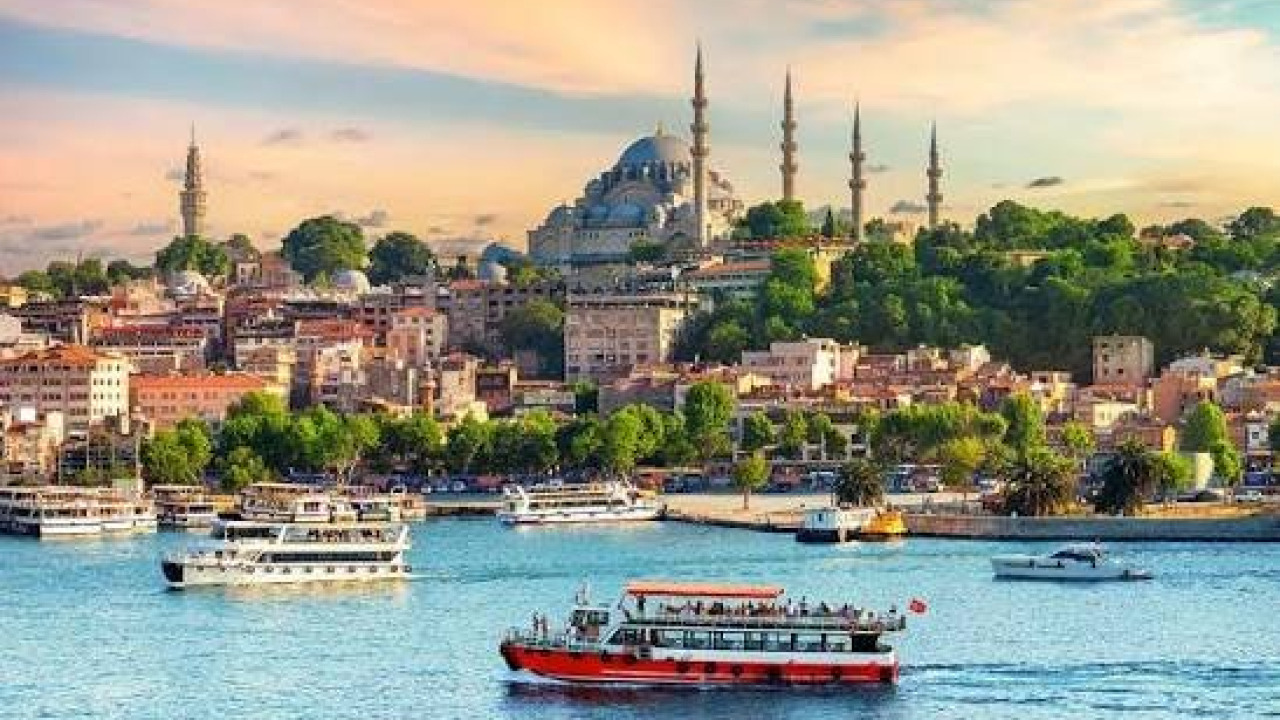
When the historical fabric of Istanbul comes to mind, Sarıyer is often at the top of the list. Known for the azure waters of the Bosphorus, ancient plane trees, and elegant waterfront mansions (yalıları), this charming district is also home to the Sadberk Hanım Museum, Turkey's first private museum. More than just an exhibition hall, this museum on the Büyükdere coastline is a veritable time capsule, bringing together archaeological artifacts spanning from the 6th millennium BC to the end of the Byzantine era, alongside Ottoman-era clothing, embroideries, and Iznik ceramics, all within the same enchanting garden.
In this guide, we've compiled everything you need to know before your visit, from the museum's fascinating origin story and collection highlights to current visiting hours, ticket prices, and public transportation directions. If you're planning a day centered around museum exploration, our Istanbul museum ticket tours page can help you fine-tune your itinerary and make your trip planning a breeze.
Quick Facts
| Category | Information |
|---|---|
| Address | Piyasa Caddesi No: 25, Büyükdere, 34453 Sarıyer, İstanbul |
| Opened to Visitors | October 14, 1980 |
| Status | Turkey's first private museum |
| Affiliated Institution | Vehbi Koç Foundation |
| Buildings | Sevgi Gönül Building and Azaryan Yalısı (Turkish-Islamic section temporarily closed to visitors) |
| Visiting Hours | 10:00 AM - 5:00 PM |
| Closed Days | Wednesdays, January 1st, and the first day of religious holidays |
| Collection Scope | Archaeology from 6th millennium BC to end of Byzantine era, Ottoman and Islamic artifacts, Iznik ceramics |
| Nearest Metro Stop | Hacıosman |
| Parking | No museum-owned parking available |
Turkey's First Private Museum: The Origin Story
The museum's story begins with Sadberk Koç, a passionate collector who amassed traditional handicrafts from her youth. Driven by the desire to immortalize his wife's passion, Vehbi Koç established a fund within the Vehbi Koç Foundation in 1974, laying the groundwork for what would become this remarkable institution.
From a Personal Collection to a Public Museum
Sadberk Hanım dedicated her life to the hope that her collected works would one day be displayed in a museum. This wish was fulfilled by her family seven years after her passing. Prior to its establishment, legal frameworks were developed to allow private individuals to found museums, and a specific regulation for private museums was drafted. Thus, the Sadberk Hanım Museum became a landmark in Turkish museology, not only for its exceptional collection but also for paving the way legally for private museums.
The Restoration of Azaryan Yalısı
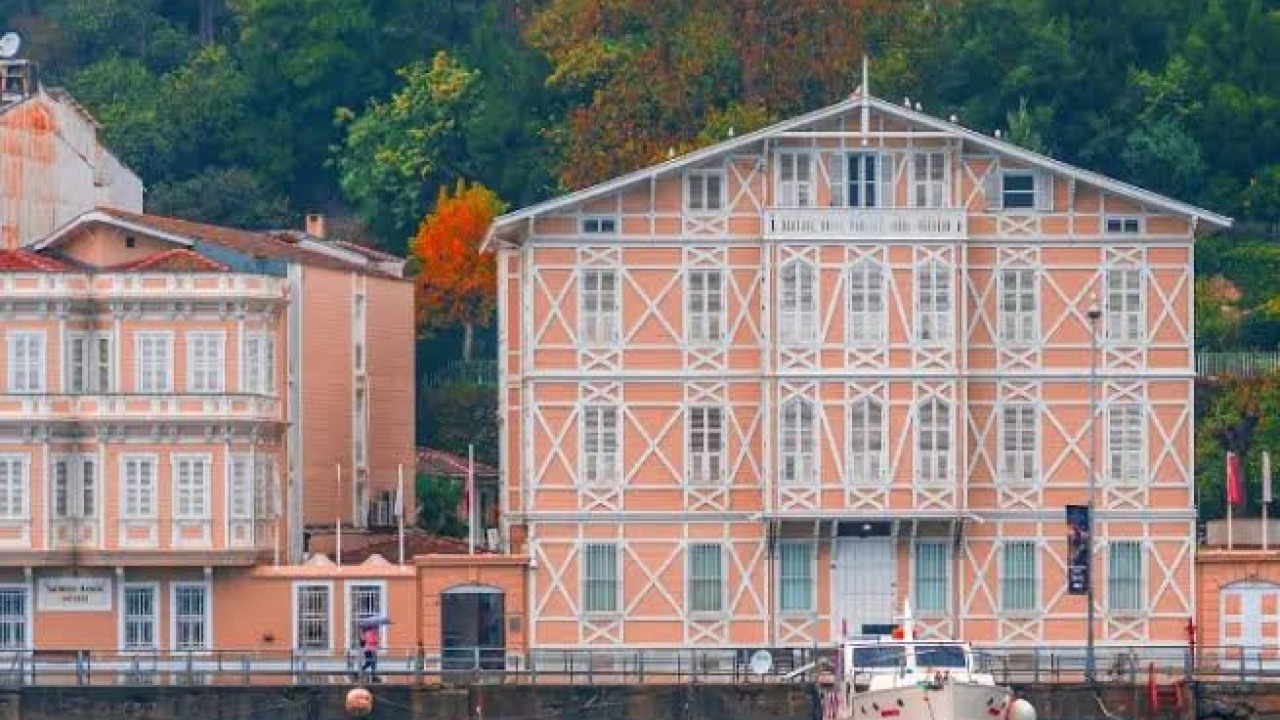
The museum's inaugural building is the Azaryan Yalısı, a magnificent waterfront mansion constructed in the late 19th century. Rising from a masonry base with wooden and Baghdadi-style elements, the structure comprises three full floors and an attic, drawing stylistic inspiration from European folk architecture. The yalı was acquired by the Koç family in 1950 and served as their summer residence until 1978. Between 1978 and 1980, it was transformed into a museum following a restoration project designed by architect Sedad Hakkı Eldem, opening its doors to visitors on October 14, 1980. Situated on a 4,280-square-meter plot including its garden, the mansion itself occupies approximately 400 square meters.
The Sevgi Gönül Building and the Expanding Collection
The acquisition of collector Hüseyin Kocabaş's coin and archaeological artifact collection in 1983 marked a pivotal shift in the museum's direction. To accommodate these new treasures, the semi-ruined yalı next door, believed to have been built in the early 20th century, was also purchased. Its facade was meticulously reconstructed to its original form. Architect İbrahim Yalçın prepared the restoration project, and construction lasted two years. The building opened on October 24, 1988, named after Sevgi Gönül, who significantly contributed to the museum's establishment and development. This work was recognized with an award under the 1988 Europa Nostra program. In 2023, the museum also received a Special Award from the Ministry of Culture and Tourism for its contemporary museology practices.
What to See at Sadberk Hanım Museum?
This is the question visitors ask most frequently: what exactly is displayed in the two buildings? In short, the Sevgi Gönül Building is dedicated to archaeology, while the Azaryan Yalısı houses Ottoman and Islamic artifacts. Opened with a collection of approximately 3,000 to 3,500 pieces (sources vary on the exact number), the museum's collection has grown through donations and acquisitions to nearly 20,000 items today.
Before you set out, there's an important update to note: according to the museum's own announcement, the Turkish-Islamic section, which displays calligraphy, textiles, and clothing collections, is temporarily closed to visitors. The Azaryan Yalısı sections below describe the permanent content of the collection; it's advisable to confirm with the museum whether this section has reopened before your visit.
| Building and Floor | Exhibited Artifacts |
|---|---|
| Sevgi Gönül Building, Main and Mezzanine Floors | Chronologically arranged archaeological artifacts; terracotta and metal vessels, figurines, ritual symbols, glass artifacts, coins, tablets, grave steles |
| Sevgi Gönül Building, 2nd Floor | Artifacts from the Mycenaean, Geometric, Archaic, Classical, and Hellenistic periods |
| Sevgi Gönül Building, 3rd Floor | Artifacts from the Roman and Byzantine periods |
| Azaryan Yalısı, Exhibition Floors (Turkish-Islamic section, temporarily closed) | Ottoman-focused Islamic artifacts, textiles, clothing, embroideries, Iznik ceramics |
| Azaryan Yalısı, Ground Floor | Gift shop and small tea room |
Sevgi Gönül Building: Tracing Anatolian Civilizations
This section chronologically displays the material culture remnants of civilizations that thrived in Anatolia from 6000 BC to the end of the Byzantine era. The total 625 square meters of exhibition space is shielded from natural light, with display cases illuminated by contemporary lighting. Afyon white marble is used in the entrance hall, while black Adapazarı marble graces the staircases and exhibition hall floors. As you explore the floors in sequence, you can follow the step-by-step development from the Stone Age to the Roman and Byzantine periods. For those eager to see Anatolia's ancient settlements firsthand, ancient city tours departing from Istanbul can be a natural extension of this visit.
Azaryan Yalısı: Ottoman-Era Clothing and Embroideries
This section is currently temporarily closed to visitors; the headings below describe the scope of the permanent collection. The exhibition floors of the yalı feature Ottoman-focused Islamic artifacts, European, Near Eastern, and Far Eastern works produced for the Ottomans, as well as textiles, clothing, and embroideries. Here, you'll find one of the country's most comprehensive collections of 18th and 19th-century Ottoman women's costumes. Alongside the garments, complementary items such as embroideries, shoes, bags, hats, and fans, dating from the 16th to the 20th centuries, are also on display.
Iznik Tile and Ceramic Collection
One of the highlights that has brought the museum international recognition is its Iznik ceramics. The exhibition traces the development of Iznik ceramic art from the late 15th century to the mid-17th century. The progression of Ottoman ceramic art between the 18th and 20th centuries can be followed in the showcases featuring Kütahya and Çanakkale ceramics.
Key highlights of the collection include:
- Archaeological artifacts spanning from the 6th millennium BC to the end of the Byzantine era
- Iznik tiles and ceramics dating between the 15th and 17th centuries
- Ottoman-era women's clothing and embroidery collection
- Silver artifacts with imperial monograms (tughra), porcelains, and traditional handicrafts
- 69 examples of Anatolian kilims and woven textiles, produced between the 18th and early 20th centuries, added to the collection in 2017
Visiting Hours, Closed Days, and Ticket Prices
When planning your visit, the most common point of confusion is the closed day. Unlike many museums in Istanbul, the Sadberk Hanım Museum is open on Mondays; its weekly closed day is Wednesday. Additionally, it is closed on January 1st and the first day of religious holidays. Visiting hours are from 10:00 AM to 5:00 PM; to ensure a more relaxed tour and avoid arriving close to the ticket office closing time, it's best to start your visit earlier in the day.
| Ticket Type | Price |
|---|---|
| Adult Visitor | 450 TL |
| Discounted Ticket (Müzekart+ and Museum Pass holders) | 300 TL |
| Student Ticket | 100 TL |
| Teachers, licensed guides, and ICOM card holders | Free |
| Visitors over 65 years old | Free |
| Disabled visitors and one companion | Free |
| Children under 7 years old and one companion | Free |
| KoçAilem members | Free |
| Sotheby's Preferred card holders and one visitor | Free |
As ticket prices are updated periodically, the amounts listed above reflect the prices at the time this guide was prepared; it's always a good idea to check the current prices before your visit. Tickets can be purchased at the museum's ticket office. For those who prefer to experience the museum as part of a guided program, you can choose a suitable option from our Istanbul museum entrance ticket programs.
Where is Sadberk Hanım Museum and How to Get There?
The museum is located in the Büyükdere neighborhood of the Sarıyer district, right on Piyasa Caddesi along the Bosphorus shore. Its waterfront location makes it easily accessible; those arriving by public transport will find the museum entrance just a short walk from the bus stops.
Public transportation can be planned with these steps:
- Take the metro to Hacıosman station. This is the central hub for connections to Sarıyer, as the line terminates at the northern tip of the Bosphorus's European side.
- From Hacıosman, transfer to a bus heading towards Büyükdere and Sarıyer. Bus lines 25A, 25H, 25Y, 150, 151, 152, and 154 connect with Hacıosman.
- Get off at one of the stops on Piyasa Caddesi and walk towards the coast. The museum's address is Piyasa Caddesi No: 25.
For those wishing to come directly from the city center, there are also bus lines operating along the coastal route:
| Departure Point | Bus Line | Note |
|---|---|---|
| Kabataş | 25E | Follows the Bosphorus coastal road to Sarıyer |
| Taksim | 25G and 25T | Operates in the direction of Sarıyer |
| Beşiktaş | 40B | Goes to Sarıyer via the coastal route |
| Hacıosman metro | 25H, 25Y, 150, 151, 152, 154 | Suitable for metro-bus transfers |
| Rumelikavağı | 25A | Descends from the north towards Hacıosman |
An important detail for those considering driving: the museum does not have its own parking lot. Visitors arriving by car utilize the limited parking options along the Büyükdere coastline, which can be time-consuming, especially on weekends. Public transportation is therefore a more practical option for most visitors.
Visitor Experience and Practical Tips
The museum's serene atmosphere, far from the hustle and bustle of large tourist groups, sets a relaxed pace for your visit. Taking your time to pause before the display cases and read the stories behind the artifacts will undoubtedly enhance your appreciation of this unique museum.
How Much Time Should You Allocate for Your Visit?
For a visitor wishing to explore at a comfortable pace when both buildings are open, two to three hours offers a well-balanced plan; this duration will be shorter if the Turkish-Islamic section is closed. The chronological arrangement of exhibits, progressing floor by floor in the Sevgi Gönül Building, creates a natural flow for viewing. In the Azaryan Yalısı, the clothing and embroidery displays invite detailed examination. At the end of your tour, taking a moment to relax in the small tea room on the yalı's ground floor is a perfect stop to gather your thoughts and reflect on what you've seen.
Photography, Accessibility, and Family Visits
Photography is permitted within the museum under certain rules; for flash photography and the use of professional equipment, it's necessary to inquire with staff beforehand. Due to the historical nature of the buildings, physical limitations may exist. Therefore, visitors with accessibility needs should contact the museum prior to their visit to ensure a more comfortable experience. Disabled visitors, along with one companion, can enter free of charge; the same applies to children under 7 and their companions.
Notes to make your visit easier:
- Mark Wednesday off your calendar; the museum is open six days a week, closed on January 1st and the first day of religious holidays.
- Confirm with the museum whether the Turkish-Islamic section has reopened before you set off.
- Plan your visit for the earlier part of the 10:00 AM - 5:00 PM window to allow ample time to comfortably explore both buildings.
- If you have a Müzekart+ or Museum Pass, bring your card to benefit from discounted rates.
- Students, teachers, or visitors over 65 may need to present identification.
- If you're coming by car, have an alternative parking plan, as the museum does not have its own parking lot.
- After your visit, dress appropriately for a coastal walk, as the northern tip of the Bosphorus can be windy.
Büyükdere and Sarıyer: Stops Around the Museum
Büyükdere is a well-established neighborhood that historically hosted many diplomatic missions. The museum building's harmony with this rich fabric is no coincidence: the yalı's wooden textures, high-ceilinged rooms, and natural light filtering through its windows perfectly complement the spirit of the exhibited artifacts. Extending your day within Sarıyer after visiting the museum transforms your visit into a complete travel experience.
| Stop | What it Offers |
|---|---|
| Büyükdere coastline | Coastal walk past the yalıs and Bosphorus views |
| Sarıyer center | Local eateries known for their börek, and fish restaurants |
| Kireçburnu coast | A tranquil coastal break and tea gardens |
| Towards Emirgan | A cultural continuation route with its grove and museum stops |
| Rumeli Kavağı | Fisherman's pier atmosphere at the northern tip of the Bosphorus |
If you're planning to combine your museum visit with other stops along the Bosphorus, you can explore Istanbul day cultural tour routes that cover this region.
Educational Programs, Library, and The Museum Today
Beyond being an exhibition space, the Sadberk Hanım Museum also serves an educational function. Through collaborations with schools, workshops, and educational programs, students gain historical knowledge outside the classroom, directly in front of the artifacts. In this regard, the museum has become a regular social activity destination for educational institutions in the region.
The museum's Specialization Library holds a significant place among private specialized libraries in Turkey, with 13,147 printed works and 673 manuscripts; the yearbooks and rare almanacs within the collection hold particular value. In the museum's laboratory, restoration and conservation efforts are carried out on the collection's artifacts. Selections from the collection are also shared on online platforms, offering the opportunity to remotely examine some of the artifacts before a visit.
Throughout the year, temporary exhibitions add new themes alongside the permanent collection. This means that even those who have visited the museum before can encounter a fresh exhibition when they return at a different time.
Frequently Asked Questions 7
Which day is Sadberk Hanım Museum closed?
The museum is closed on Wednesdays. It is also closed on January 1st and the first day of religious holidays. On other days of the week, it can be visited between 10:00 AM and 5:00 PM. The common belief that it is closed on Mondays is incorrect; the museum is open on Mondays.
Is there an entrance fee for Sadberk Hanım Museum, and how much is a ticket?
Yes, there is an entrance fee for the museum. An adult ticket is 450 TL, a discounted ticket for Müzekart+ and Museum Pass holders is 300 TL, and a student ticket is 100 TL. Teachers, visitors over 65, disabled visitors and one companion, and children under 7 and one companion can enter free of charge. As prices are updated periodically, it's advisable to check before your visit.
What can I see at Sadberk Hanım Museum?
The museum consists of two separate buildings. The Sevgi Gönül Building chronologically displays archaeological artifacts from civilizations that lived in Anatolia from the 6th millennium BC to the end of the Byzantine era, including terracotta and metal vessels, figurines, glass artifacts, coins, tablets, and grave steles. The Azaryan Yalısı houses Ottoman-focused Islamic artifacts, Ottoman-era clothing, embroideries, and Iznik tiles and ceramics dating between the 15th and 17th centuries. According to the museum's announcement, the Turkish-Islamic section, which contains calligraphy, textile, and clothing collections, is temporarily closed to visitors; therefore, it is necessary to confirm the status of this section with the museum before your visit.
Who was Sadberk Hanım?
Sadberk Hanım was Sadberk Koç, the wife of Vehbi Koç and a passionate collector. From her youth, she accumulated traditional handicrafts and ethnographic artifacts, striving to have her collection displayed in a museum. This personal collection, comprising approximately 3,000 to 3,500 pieces, forms the core of the museum.
Where is Sadberk Hanım Museum, and how do I get there?
The museum is located at Piyasa Caddesi No: 25, in the Büyükdere neighborhood of Istanbul's Sarıyer district. Those wishing to come by public transport can take the metro to Hacıosman station and transfer to bus lines 25A, 25H, 25Y, 150, 151, 152, or 154 towards Büyükdere. Bus lines 25E from Kabataş, 25G and 25T from Taksim, and 40B from Beşiktaş also reach Sarıyer via the coastal road.
Can I visit the clothing and embroidery collection at Sadberk Hanım Museum?
The Turkish-Islamic section, which displays calligraphy, textile, clothing, and embroidery collections, is temporarily closed to visitors. This section is located on the exhibition floors of the Azaryan Yalısı, featuring 18th and 19th-century Ottoman women's costumes, along with embroideries, shoes, bags, hats, and fans dating between the 16th and 20th centuries. It's advisable to confirm with the museum whether this section has reopened before you set off. Since the archaeology section in the Sevgi Gönül Building is open, you can plan your visit around this section.
Does Sadberk Hanım Museum have a parking lot?
The museum does not have its own parking lot. Visitors arriving by car use the limited parking spaces along the Büyükdere coastline. As finding parking can be challenging, especially on weekends, coming by public transport offers a more practical solution.