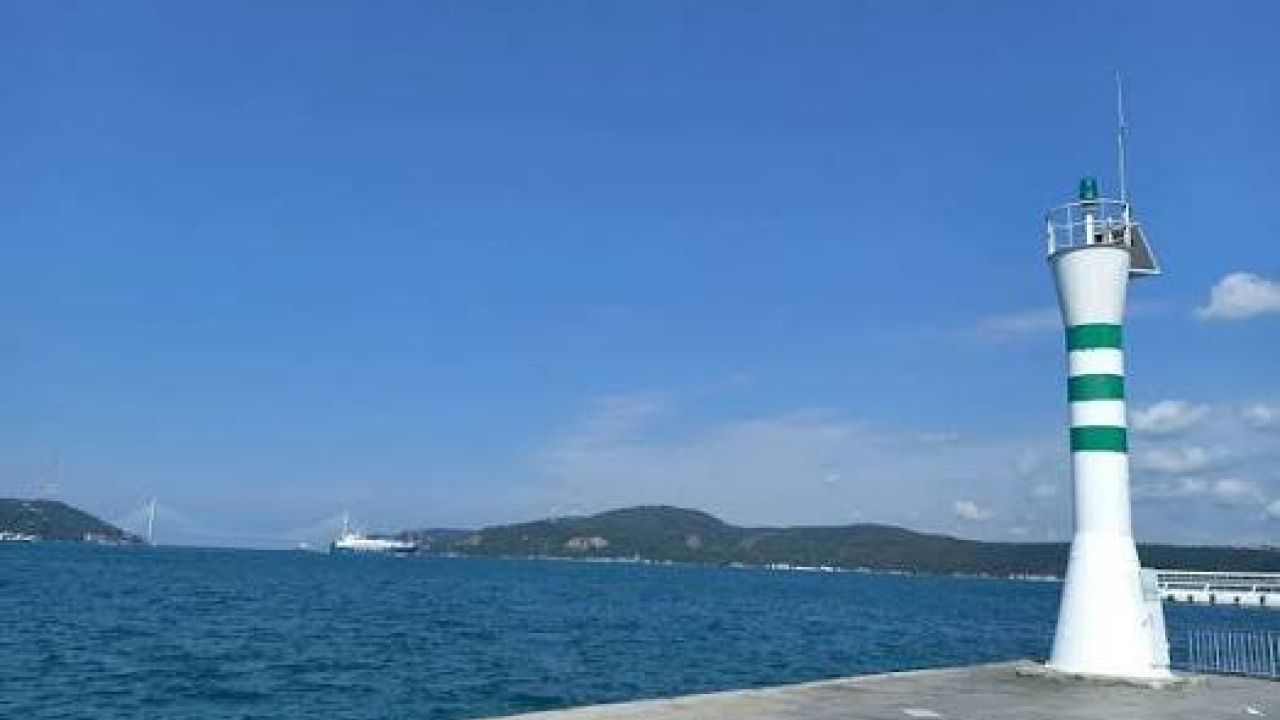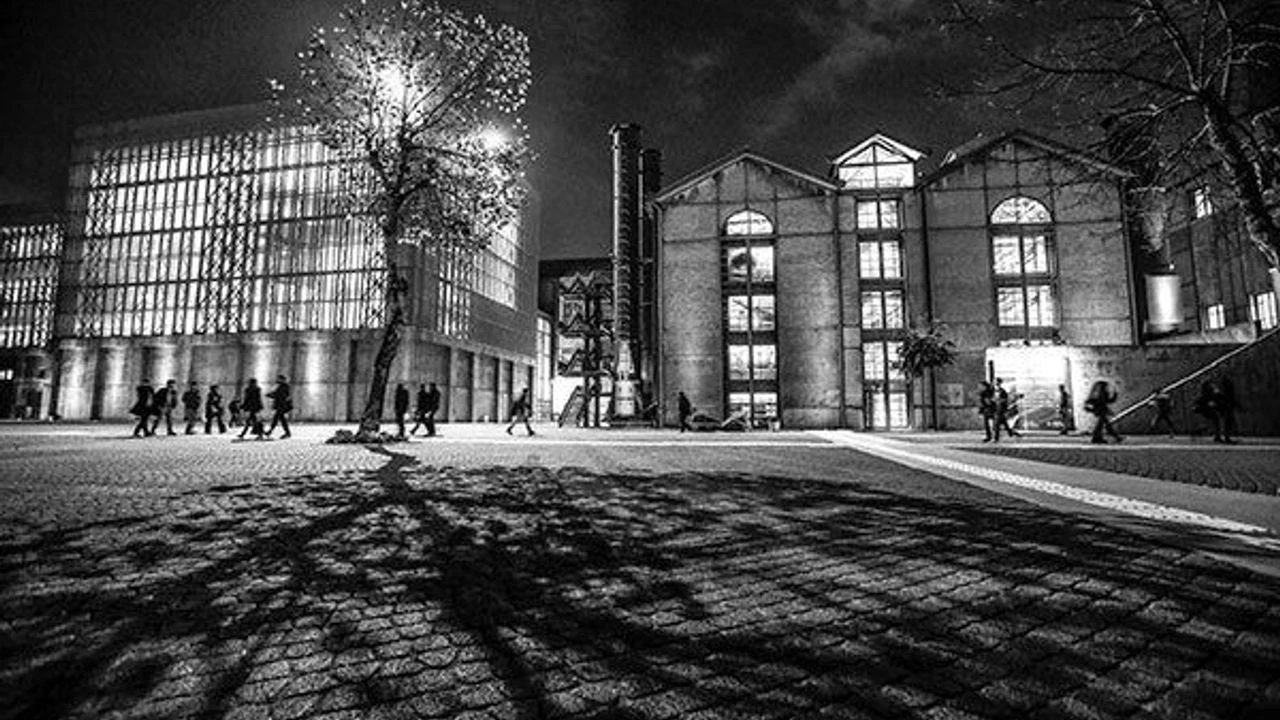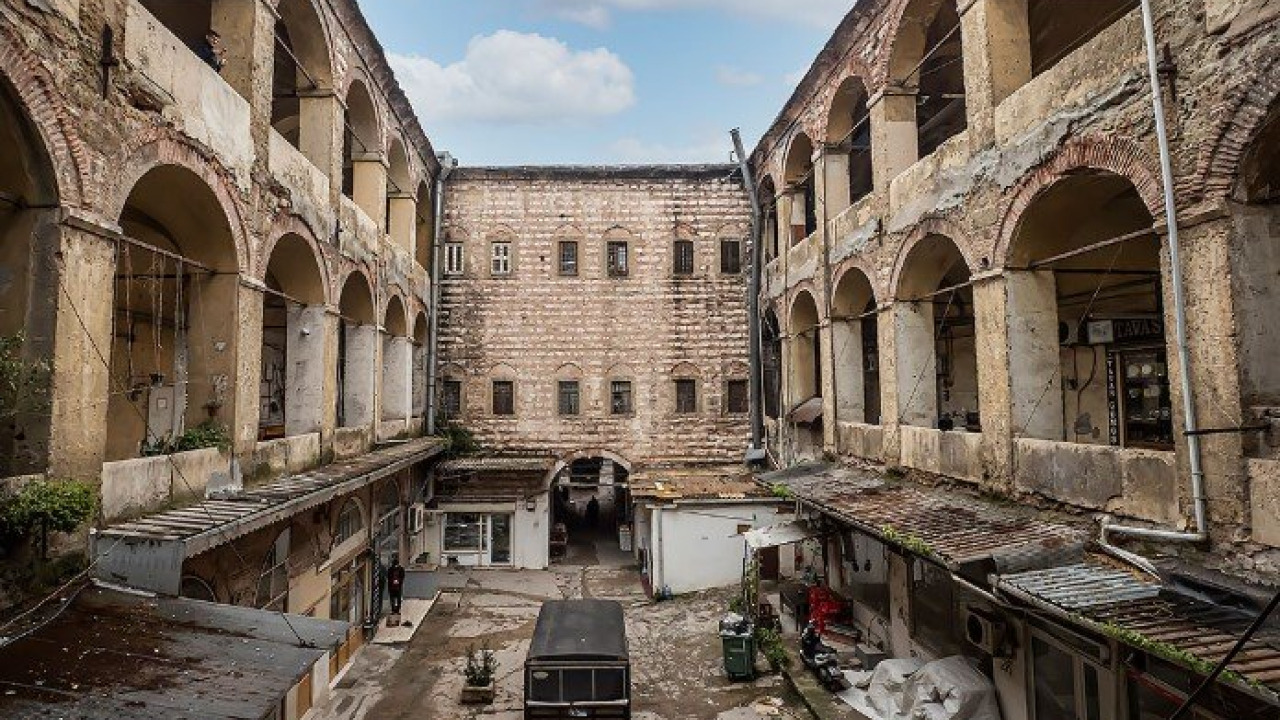

Nestled on the northern shore of the Golden Horn in Hasköy, the Lengerhane building – named after the workshop where ship anchors and chains were once forged – was meticulously restored after a devastating fire in 1990. It reopened its doors in 1994 as the Rahmi M. Koç Museum. Spanning approximately 27,000 square meters across two historic structures in this Beyoğlu district, the museum is far more than just an exhibition space; it's a colossal time tunnel unveiling the evolution of industry, transportation, communication, and technology. Recognized as Turkey's first major institution dedicated to the history of industry, transportation, and communication, the museum today draws thousands of local and international visitors keen on industrial heritage.
Quick Facts
| Category | Information |
|---|---|
| Location | Rahmi M. Koç Caddesi No: 3, Hasköy, 34445 Beyoğlu / İstanbul |
| Established | Lengerhane building opened to visitors in 1994 |
| Area | Approximately 27,000 square meters |
| Structure | Two sections: Lengerhane Building and Hasköy Shipyard |
| Collection Themes | Road transport, rail transport, aviation, maritime, machinery, communication, scientific instruments, models and toys, living past, education |
| Closed Day | Monday |
| Average Visit Duration | 1 to 3.5 hours |
| Other Branches | Ankara (2005) and Cunda / Ayvalık (2014) |
Two Historic Buildings on the Golden Horn: Lengerhane and Hasköy Shipyard
The area housing the Rahmi M. Koç Museum boasts a history as rich as the museum itself. The collection is spread across two adjacent historic structures: the Lengerhane Building and the Hasköy Shipyard. The restoration and repurposing of these two buildings represent an early and comprehensive example of industrial heritage preservation in Istanbul.
Lengerhane Building
"Lengerhane" translates to the place where ship anchors and chains, cast into the sea, were produced. The structure in Hasköy was established during the reign of Ahmed III for the shipyard facilities and later restored during Selim III's time. After the founding of the Republic, the building served various industrial functions for a long period, suffering significant roof damage in a 1990 fire. Purchased and faithfully restored by the Rahmi M. Koç Museum and Culture Foundation, the building opened to the public in 1994. In a ceremony held in 2016, the building was named after Mustafa V. Koç.
This section showcases aircraft, locomotives, historic vehicles, toys and models, printing presses, and communication devices. Research instruments and machinery from Boğaziçi University's Kandilli Observatory are also among the notable pieces in this section.
Hasköy Shipyard
The shipyard buildings, now used as exhibition spaces, were constructed in the 19th century by Şirket-i Hayriye for the maintenance and repair of steamships. When acquired for the museum, the shipyard comprised 14 buildings, a carpentry workshop, and slipways. The area, purchased by the Foundation in 1996, was renovated in accordance with its original form and integrated into the museum in 2001.
The shipyard section houses the maritime collection, objects related to computer history, motorcycles and bicycles, horse-drawn carriages, ox-carts, classic automobiles, rail transport artifacts, agricultural objects, a recreated olive oil factory, and an underwater collection. The Rahmi Koç gallery is also located in this section.
Rahmi M. Koç Museums in Ankara and Ayvalık
The museum in Hasköy is part of a broader network managed by the same foundation. The Ankara Rahmi M. Koç Museum opened in 2005 within the Çengelhan and Safranhan structures, becoming Ankara's first industrial museum. The museum in Cunda began operations in 2014; Ayvalık also hosts the Sevim and Necdet H. Kent Library. These branches are often confused in search results, as their visiting hours and fee schedules differ. Therefore, it's crucial to distinguish which city's museum you're looking at when planning your visit.
Museum Sections and Collection Highlights
The museum is organized into sections covering road transport, rail transport, aviation, maritime, machinery, communication, scientific instruments, models and toys, living past, and education. Most artifacts originate from Rahmi M. Koç's private collection, supplemented by donations from various institutions, organizations, and individuals, as well as temporary loans.
Road and Rail Transport
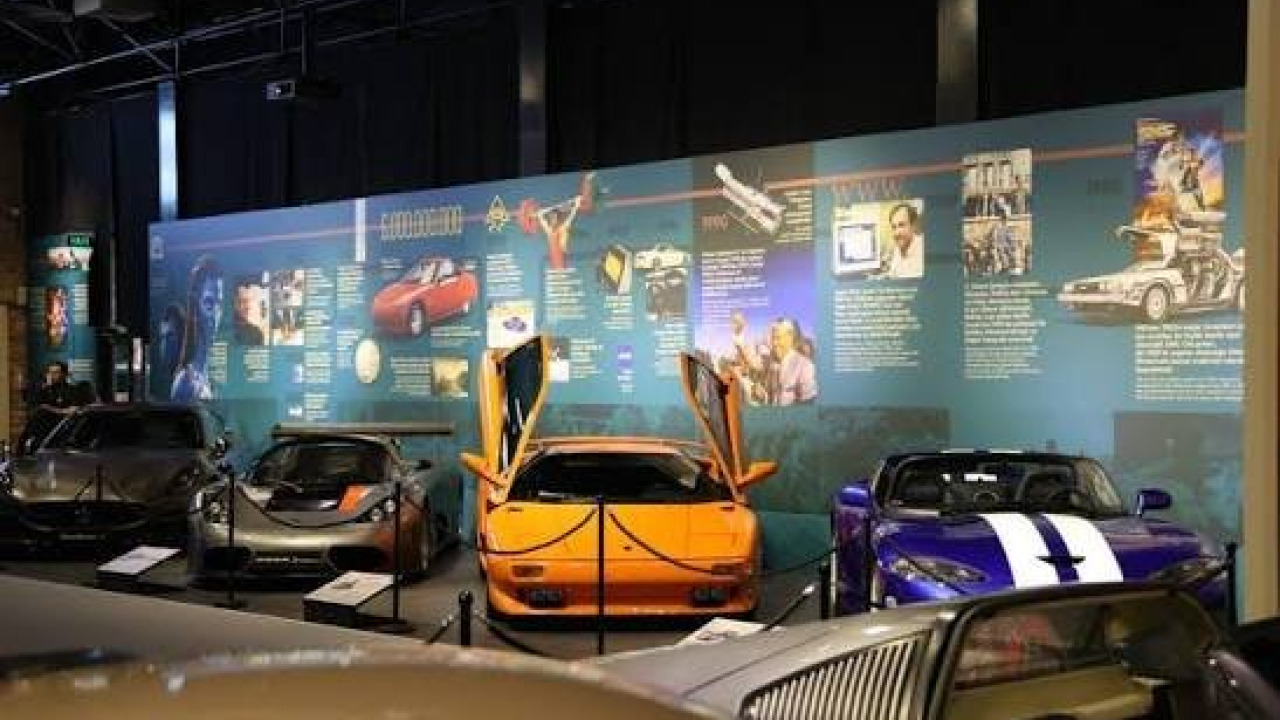
The classic automobiles in the road transport section reflect the engineering and design philosophy of the early 20th century. Ranging from models that became symbols of mass production to custom-built luxury cars, this collection offers a rich resource for automobile enthusiasts. Horse-drawn carriages, ox-carts, motorcycles, and bicycles, on the other hand, trace the era before motorized transport.
In the rail transport section, old steam locomotives, wagons, and rail systems vividly illustrate the transportation habits of a bygone era. For children and history buffs, the opportunity to step inside the wagons is one of the most memorable moments of the visit.
Aviation and Maritime
The aviation section displays actual aircraft and helicopters. Well-known pieces in the collection include the Douglas DC-3 Dakota, De Havilland Vampire FB Mk 6, Dornier Do 28 D-2 Skyservant, F-104 Starfighter, and Jet Provost. Training aircraft exhibited with cutaway or transparent fuselages provide direct learning material for students eager to understand how mechanical systems operate.
The maritime collection, meanwhile, directly connects with the Golden Horn's legacy on the water. Sadun Boro's renowned yacht "Kısmet," famous for his round-the-world voyage, the 1927 "Maid of Honour" admiral's boat, the 1936 "Liman 2" tugboat, and the 1952 "M/V Fenerbahçe" ferry are among the prominent pieces in this section.
Machinery, Scientific Instruments, and Communication
The machinery and tools collection reveals the inner workings of industrialization. From steam engines to typewriters, calculators to early televisions, the stages of technological transformation can be traced here. The "I. & E. Greenwald" steam engine, the "Aral" diesel engine, the "Ruston" horizontal gas engine, and the engine of the Bosphorus Ferry "Kalender" are tangible witnesses to the history of production.
The scientific instruments section houses historic tools used in astronomy, physics, and chemistry: compasses, astrolabes, microscopes, and old measuring devices. The communication section features an extensive exhibition area, spanning from the invention of the telegraph to the evolution of the telephone, from radio broadcasting to the early days of television. Thousands of objects, from gramophone needles to rotary telephones, illustrate how distances have shrunk in the digital age.
Recommended must-see items in the collection:
- Sadun Boro's "Kısmet" yacht and the 1990 "Uzaklar" yacht
- Douglas DC-3 Dakota aircraft and the F-104 Starfighter
- Miniature ship models and detailed train track layouts
- Research instruments and machinery from the Kandilli Observatory
- Interactive mechanical setups that visitors can operate
Open-Air Exhibition Area and Golden Horn Boat Tour
The front courtyard along the Golden Horn is as vibrant as the museum's indoor halls. Events are held here, and large-scale pieces of industrial archaeology, such as the Douglas DC-3 aircraft and the "Vernicos Irini" steam tugboat, are displayed outdoors. The area also features a 130-seat conference hall, a bazaar section, and boat and ship engines.
It's important to update a widely held belief here: the TCG Uluçalireis submarine, long considered a symbol of the museum, was moved to Gölcük Shipyard for maintenance and repair in 2023, and permanently departed the Istanbul museum in 2024, relocating to Çanakkale. The submarine is now open to visitors at the Çanakkale Naval Museum, alongside the Nusret Minelayer. Therefore, instead of heading to Hasköy specifically to see the submarine, it's better to plan your visit around the current open-air exhibits and the shipyard collection.
The museum also offers a boat tour on the Golden Horn, sold with a separate ticket. The silhouette of the Hasköy shoreline and the shipyard structures look entirely different from the water; it's a valuable addition for those willing to extend their visit by an hour.
Visiting Hours, Fees, and Tickets
The museum is closed on Mondays. As of summer 2026, the published visiting hours are as follows; it may also be closed on the first days of religious holidays, December 31st, and January 1st, so it's advisable to check the current calendar before planning your visit.
| Day | Visiting Hours |
|---|---|
| Monday | Closed |
| Tuesday - Friday | 09:30 - 17:30 |
| Saturday - Sunday | 10:00 - 19:00 |
| Ticket Office | Stops sales 30 minutes before closing |
Entrance fees are updated periodically. As of summer 2026, the published tariff is as follows:
| Ticket Type | Price |
|---|---|
| Museum Entrance, Adult | 1,000 TL |
| Museum Entrance, Student | 500 TL |
| Boat Tour, Adult | 250 TL |
| Boat Tour, Student | 150 TL |
A few practical tips to make your visit easier:
- Tickets can be purchased at the museum's entrance kiosks or online; buying in advance helps avoid weekend queues.
- As the museum spans a large area, exploring the collection in detail can take several hours; visiting earlier in the day allows for a more relaxed experience.
- Paid and limited parking is available; if you're visiting on a weekend, public transport is a safer choice.
- Special exhibitions and events change periodically; checking the event calendar before your visit might lead you to a surprise exhibition.
How to Get to the Rahmi M. Koç Museum?
The museum is located on the northern shore of the Golden Horn, along the Hasköy coastline. Public transport options include road and sea routes, both easily accessible from the city center.
| Transport Type | Disembark at | Note |
|---|---|---|
| Metrobus | Halıcıoğlu stop | Requires a short walk from the stop towards the Golden Horn shore |
| Ferry | Hasköy Pier | The sea route is a pleasant alternative due to the Golden Horn views |
| IETT Bus | Kırmızı Minare stop | Hasköy lines can be used from Şişli and Eminönü directions |
| Private Car | Museum Parking | Paid and limited capacity |
Getting There by Metrobus
As it offers easy access from both sides of the city, the Metrobus is one of the most frequently asked-about options. Here's the step-by-step route:
- Take a Metrobus line heading to Halıcıoğlu stop from Söğütlüçeşme, Zincirlikuyu, or Avcılar.
- Get off at Halıcıoğlu stop and follow the direction towards the Golden Horn shore upon exit.
- Follow the road descending to the shore to reach the Hasköy coastline; this section is short but uphill.
- Turn onto Rahmi M. Koç Caddesi along the coastal road; the museum entrance is at No: 3, facing the shore.
- Use the ticket office at the entrance or scan your online ticket to begin your tour from the Lengerhane section.
Getting There by Ferry and Bus
Those preferring the sea route can disembark at Hasköy Pier using Golden Horn line ferries; the pier is within walking distance of the museum. For those arriving by IETT buses, the stop to disembark at is Kırmızı Minare. Visitors wishing to walk along the Golden Horn shore can proceed from Balat to reach the museum; this route offers an added value for seeing Istanbul's historic neighborhood fabric.
Visiting with Children, Dining, and Accessibility
The museum is designed as a living educational space. Guided tours and workshops organized for school groups integrate the collection with curriculum content.
Children and School Groups
Workshops supporting science and technology lessons aim for children to learn mechanical principles through hands-on experience. Interactive exhibition areas that can be touched and operated transform the museum from a place viewed behind glass into an engaging environment. Stepping inside wagons, seeing ship engines up close, and observing model setups keep young visitors engaged for extended periods.
Cafes and Restaurants
In the shipyard section, you'll find refreshment options like Demlik Cafe, Fenerbahçe Ferry Cafe, and the Coca-Cola Kiosk. Café du Levant, which recreates the atmosphere of 1930s Paris, and Halat Restaurant, offering Mediterranean cuisine by the sea, are suitable for those wishing to plan their visit around a meal. The museum shop offers gift items inspired by the collection.
Regarding accessibility, a large portion of the museum is arranged with ramps and suitable passage areas. Due to the preservation of the historic structures, some sections may retain thresholds and level differences; visitors planning to come with wheelchairs should contact the museum in advance to facilitate their route.
Two awards stand out in the museum's institutional history: the 1996 European Museum of the Year Award Special Commendation, presented to Rahmi M. Koç for his pioneering work in museology. The museum also received the Ministry of Culture's 2001 Grand Prize for Culture and Arts.
Making Room for the Museum in Istanbul Cultural Tours
Hasköy, when explored alongside other stops along the Golden Horn, creates a more meaningful day out. A suggested itinerary for a half-day program is as follows:
- Start early in the morning with the Lengerhane section; allocate about an hour for the transportation and communication collections.
- Move to the open-air exhibition area to see the large-scale pieces along the Golden Horn.
- Explore the maritime, automobile, and machinery collections in the shipyard section.
- Take a break at one of the shipyard cafes and relax with a view of the Golden Horn.
- Conclude the day with a walk along the Golden Horn towards Balat.
Visitors who prefer to explore the collection with a guide's narration rather than on their own can choose from Istanbul cultural tour programs that combine industrial and transportation history with other city attractions, selecting one that aligns with their interests. For those wishing to see Hasköy along with its surrounding neighborhoods, the Beyoğlu cultural tours list offers a narrower route within the district. Visitors planning a museum visit without leaving the city, intending to return in the evening, can explore Istanbul day trip cultural tour routes that are close to the Golden Horn line.
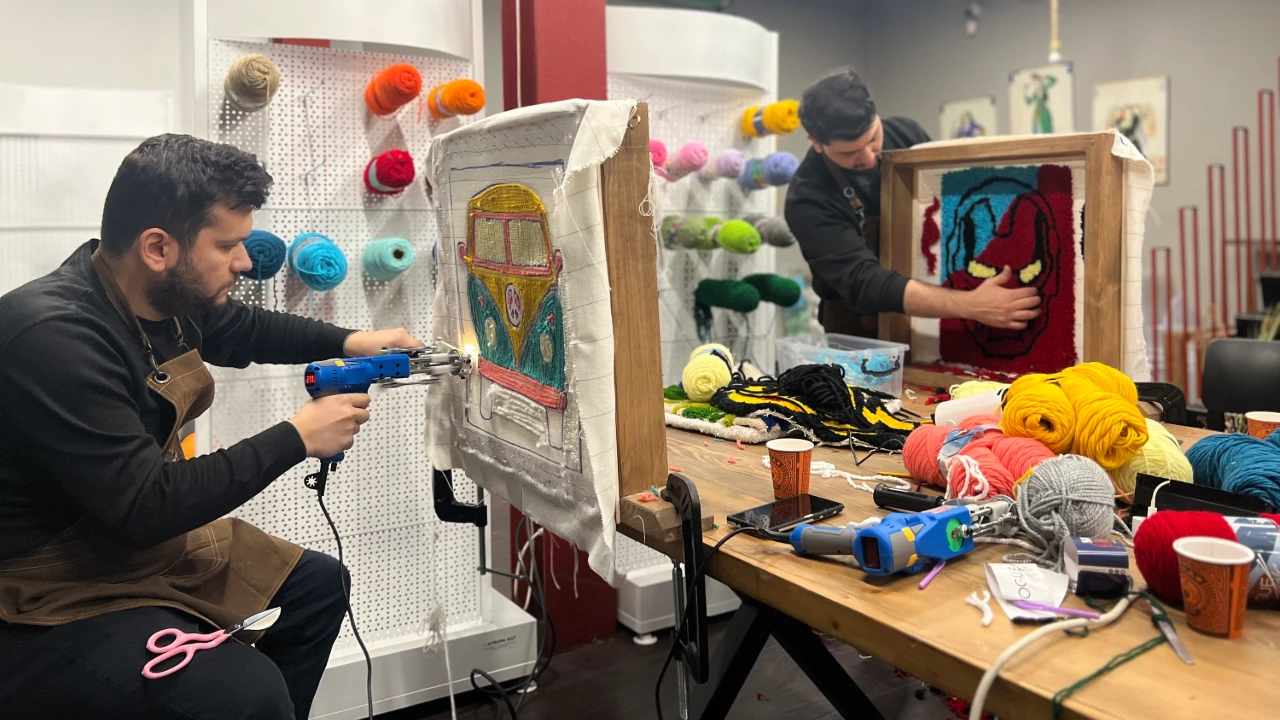
There are also programs that combine a museum visit with traditional production workshops for those curious about the connection between industry and handcrafted goods. Those who want to see how a weaving loom worked before the age of machinery can choose from Istanbul carpet weaving workshop tours; these visits make it easier to understand the mechanical weaving and production setups in the museum. For alternatives that complete the Beyoğlu area within a day, Beyoğlu day trip cultural tours can also be considered.
Frequently Asked Questions 7
What are the visiting days and hours for Rahmi M. Koç Museum?
The museum is closed on Mondays. As of summer 2026, it can be visited between 09:30 - 17:30 from Tuesday to Friday, and from 10:00 - 19:00 on Saturdays and Sundays. The ticket office stops selling tickets 30 minutes before closing. It is advisable to check the current calendar before visiting, as it may be closed on the first days of religious holidays, December 31st, and January 1st.
How much is the entrance fee for Rahmi M. Koç Museum?
As of summer 2026, the published tariff lists museum entrance for adults at 1,000 TL and for students at 500 TL. The boat tour on the Golden Horn requires a separate ticket, priced at 250 TL for adults and 150 TL for students. Fees are updated periodically, so it's necessary to verify before your visit.
How can I get to Rahmi M. Koç Museum by Metrobus?
Visitors using the Metrobus should disembark at the Halıcıoğlu stop. After exiting the stop, proceed towards the Golden Horn shore, descend to the Hasköy coastline, and turn onto Rahmi M. Koç Caddesi along the shore road. The museum entrance is at No: 3 on this street.
Who can enter Rahmi M. Koç Museum for free?
The museum's published current tariff includes two main categories: adult and student; exemption groups are not separately specified in this list. For age-based discounts, school group rates, or free entry conditions, contacting the museum before your visit is the most accurate method. The tariffs for the Ankara and Ayvalık branches differ from Istanbul's, so it's important not to confuse them with price lists from other branches.
Is the submarine still on display at the museum?
No. The TCG Uluçalireis submarine, which was part of the museum's open-air exhibition for many years, was moved to Gölcük Shipyard for maintenance in 2023 and permanently departed the Istanbul museum in 2024. The submarine is now open to visitors at the Çanakkale Naval Museum, alongside the Nusret Minelayer.
Does Rahmi M. Koç Museum have other branches?
Yes. The Ankara Rahmi M. Koç Museum opened in 2005 within the Çengelhan and Safranhan structures, becoming Ankara's first industrial museum. The museum in Cunda began operations in 2014; Ayvalık also hosts the Sevim and Necdet H. Kent Library. Each branch publishes its own visiting hours and fees separately.
Is photography allowed inside the museum?
Photography and video recording for personal use are generally permitted. For professional shoots and the use of tripods or similar equipment, prior permission from the museum management is required. Temporary restrictions may apply to special exhibitions.