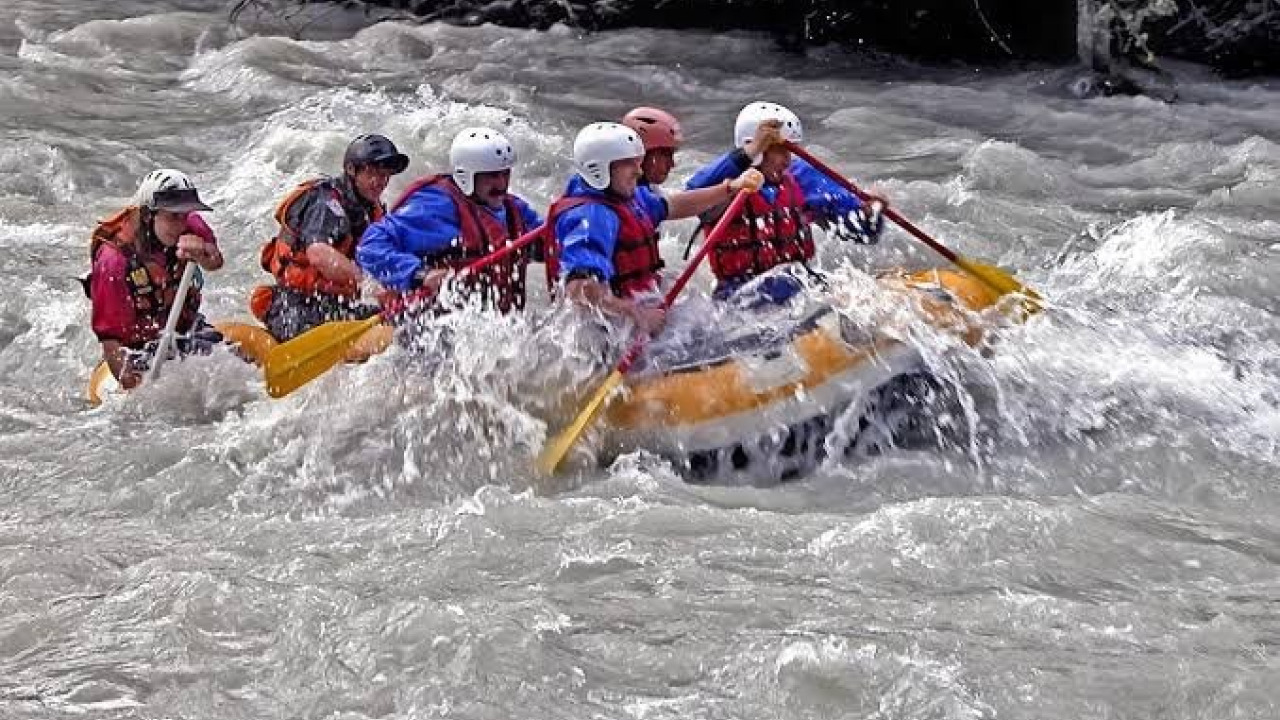
Paddling through the white foam of a rushing river is one of the most exhilarating water sports, perfectly blending team spirit with a deep love for nature. For adventure seekers looking to glide through canyon walls and feel the rush of cool, surging waters, Rafting Tours offer safe course options led by professional river guides. To ensure a safe experience in challenging river conditions, adhering to international river safety standards is essential.
The most common question from first-time adventurers is whether knowing how to swim is a strict requirement. Thanks to modern high-buoyancy life jackets and the presence of experienced river guides in every boat, even non-swimmers can safely enjoy recreational-level rapids. Strict regulations and high-quality equipment standards are in place to minimize risks on the water.
Quick Facts: River Sports and Water Safety
| Feature | Practical Summary for Visitors |
|---|---|
| Regulatory Standards | Federation of Developing Sports Branches Rafting Instructions |
| Top River Destinations | Köprüçay (Antalya), Çoruh River (Artvin), Dalaman River (Muğla), Melen (Düzce) |
| Course Length | Typically 12 to 14 kilometers through canyon routes |
| Swimming Requirement | Not required for Class 1 and 2 tourist river tours |
| Mandatory Gear | High-buoyancy life jacket, helmet, and T-grip paddle |
| Minimum Age | 5 years for family rafts; 14 years for solo canoes/advanced levels |
| Ideal Season | May to October (summer months with stable water flow) |
Choosing the Best River Routes in Turkey
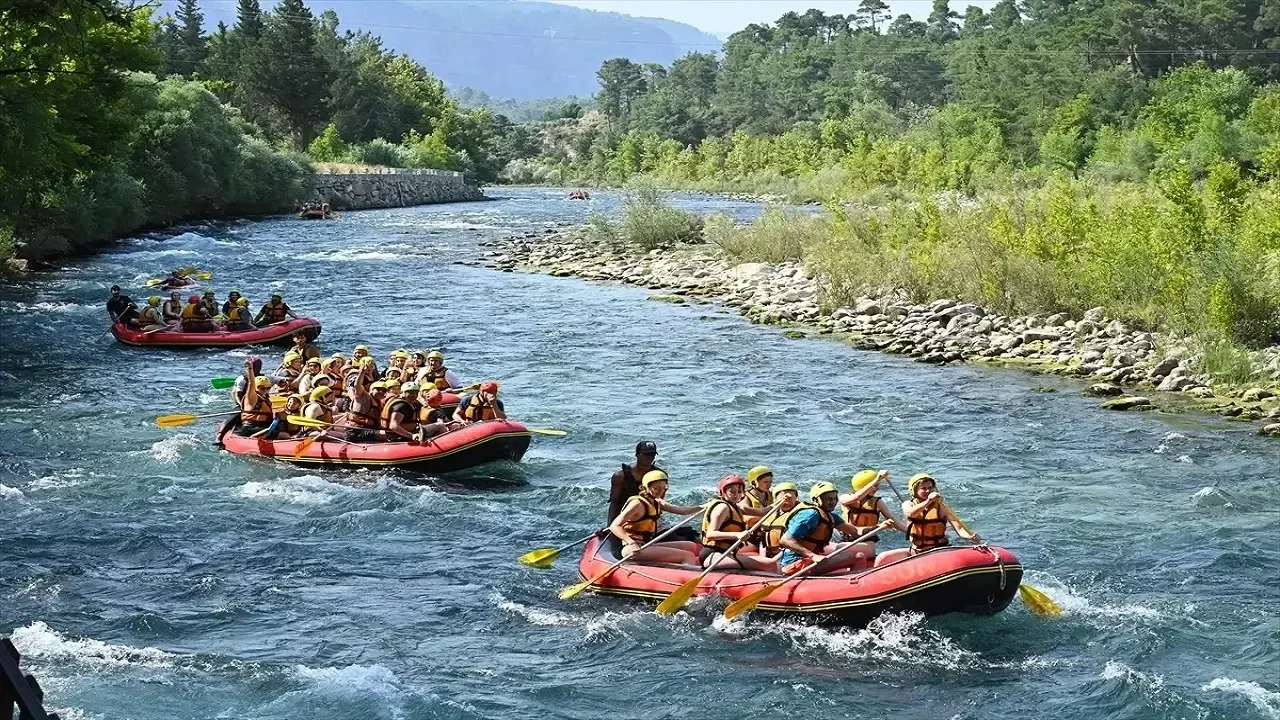
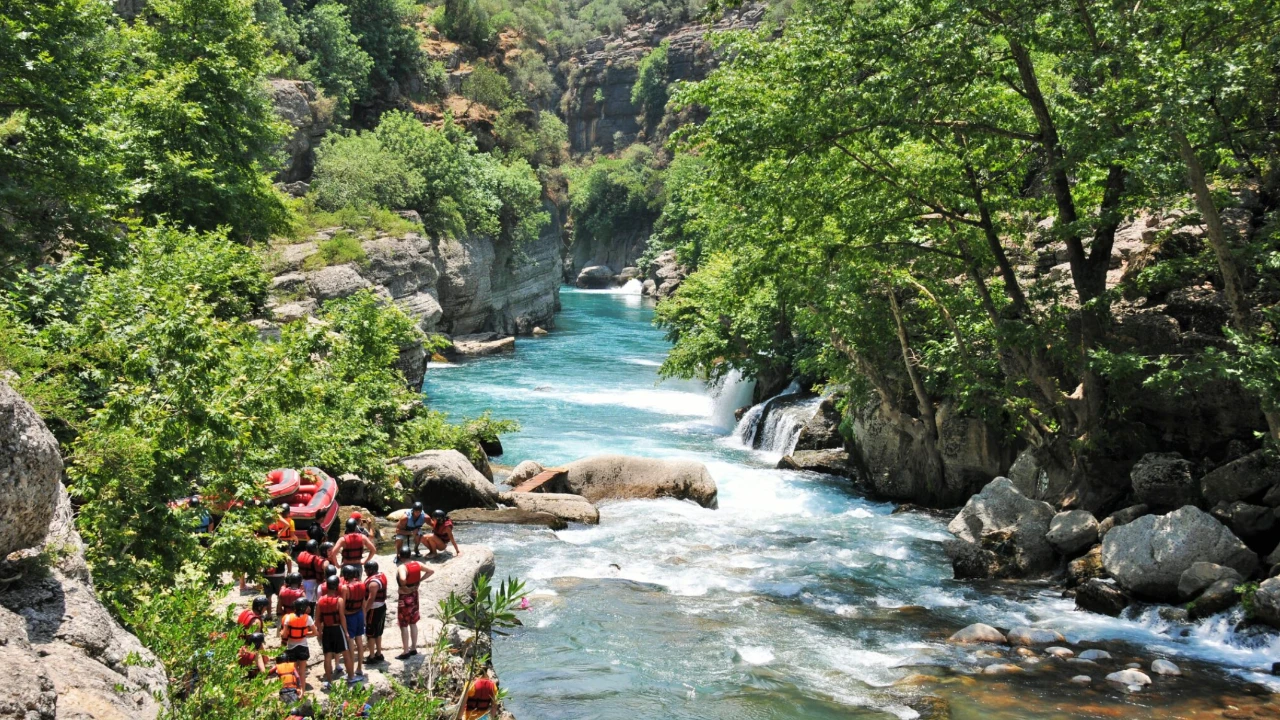
Thanks to its mountainous topography and high-volume rivers, Turkey is a world-class destination for rafting enthusiasts. Located in the heart of Mediterranean tourism, Köprüçay hosts hundreds of thousands of sports lovers every year with its crystal-clear, drinkable spring waters. Those looking to cool off in the icy waters of the Taurus Mountains while viewing ancient Roman bridges enjoy unforgettable days with Antalya and Köprülü Kanyon river routes.
For families, canyon and river excursions departing from Side are highly popular, offering easy transfers from ancient sands to cool canyon waters. If you are staying in luxury resorts, guided water sports in the Belek region provide a professional way to maximize your adrenaline rush. Additionally, daily river tours from Kemer allow you to experience both mountain and river scenery in a single day.
Understanding River Difficulty: The International Rapid Scale
The difficulty of a river is determined by water volume, slope, and the frequency of rock obstacles. The globally recognized system consists of six classes, ranging from 1 to 6. Most daily tourist activities are conducted on Class 1 and Class 2 rapids.
The table below details the international rapid levels, current characteristics, and required experience:
| Rapid Class | River & Current Character | Waves & Obstacles | Required Skill/Experience | Ideal Participant Profile |
|---|---|---|---|---|
| Class 1 (Very Easy) | Smooth, slow current | Small waves, clear paths | No swimming skill required | Families, children, and beginners |
| Class 2 (Easy) | Wide channels, clear routes | Moderate waves, easy maneuvering | Basic water adaptation | Beginners and casual adventurers |
| Class 3 (Intermediate) | Irregular waves, narrow passages | Strong eddies, rock obstacles | Good swimming ability | Experienced athletes and fit individuals |
| Class 4 (Difficult) | Strong, turbulent currents | Dangerous rocks, steep drops | Advanced river swimming | Professional paddlers and licensed athletes |
| Class 5 (Very Difficult) | Violent, continuous rapids | Chaotic currents, narrow gorges | Advanced rescue reflexes | Expert guides and national athletes |
| Class 6 (Extreme) | Lethal waterfalls, massive whirlpools | Extreme risk, nearly impossible rescue | Life-threatening | Closed to commercial tours |
Popular valleys like Köprülü Kanyon in Antalya are characterized by Class 1 and Class 2 rapids, providing a safe and controlled environment for fun. Class 3 and above are typically found in high-volume spring periods in rivers like the Çoruh in Artvin or Fırtına in Rize, usually reserved for professional athletes.
The 5-Step Safety and Paddling Protocol
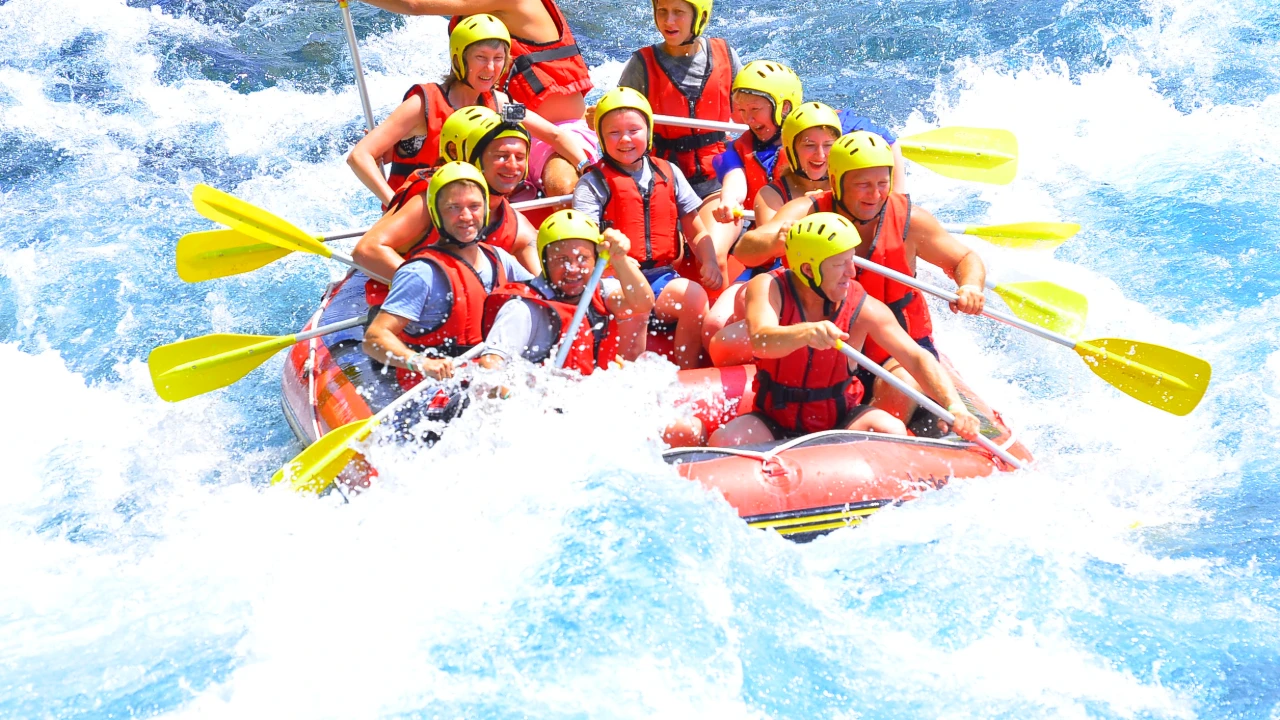
In a moving raft, the most critical element is following the guide's commands in perfect synchronization. Standard safety protocols developed by river operation chiefs are designed to mitigate all potential risks.
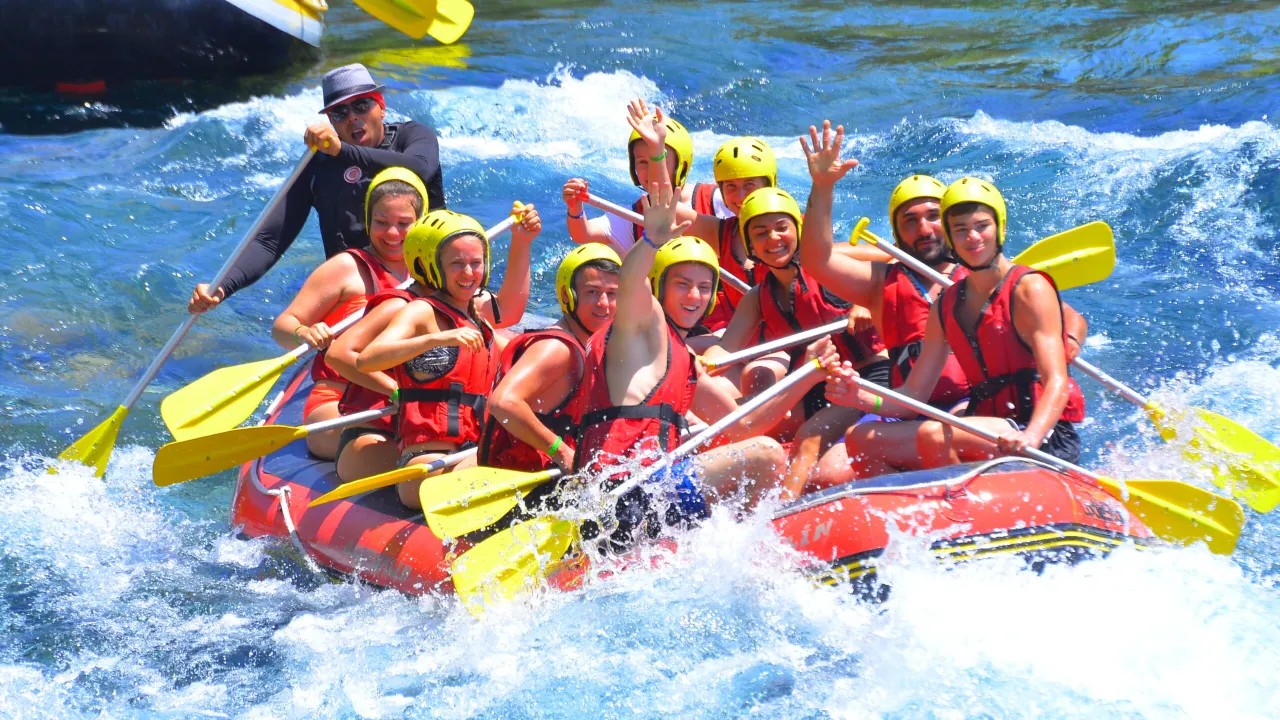
- Donning Personal Protective Equipment: Your helmet and river-grade life jacket must be tightly fitted and all buckles secured under the instructor's supervision.
- Mastering the Paddle Grip: Always keep one hand on the T-grip at the top of the paddle; never hold the paddle loosely or let it float away.
- Immediate Response to Commands: The entire crew must react simultaneously to commands like "Forward," "Back," "Stop," and "Get Down" (to crouch in the boat).
- Correct Position if You Fall In: If you fall out of the boat, do not panic. Lie on your back in the water with your feet pointing downstream to act as shock absorbers.
- Rescue via Rope or Paddle: When being pulled back into the boat, grab the handle of the paddle or the rescue rope offered by the guide, and allow them to pull you in by the shoulder straps of your life jacket.
By following these five rules, even if you fall into the water, your life jacket will keep your head above the surface, and the "feet-first" position will prevent you from hitting rocks. Your helmet protects against impact, while your legs act as buffers against the current.
- Remove all accessories like glasses or jewelry that could fall into the water before starting.
- Use river shoes with rubber soles to prevent slipping on rocky surfaces.
- Ensure the helmet chin strap is snug and does not wobble.
- Keep the perimeter ropes of the raft accessible for emergency gripping.
- Never enter deep water or strong currents at rest stops without a guide's permission.
Specialized Safety Standards for Children and Families
Child Life Jackets and Safety Gear
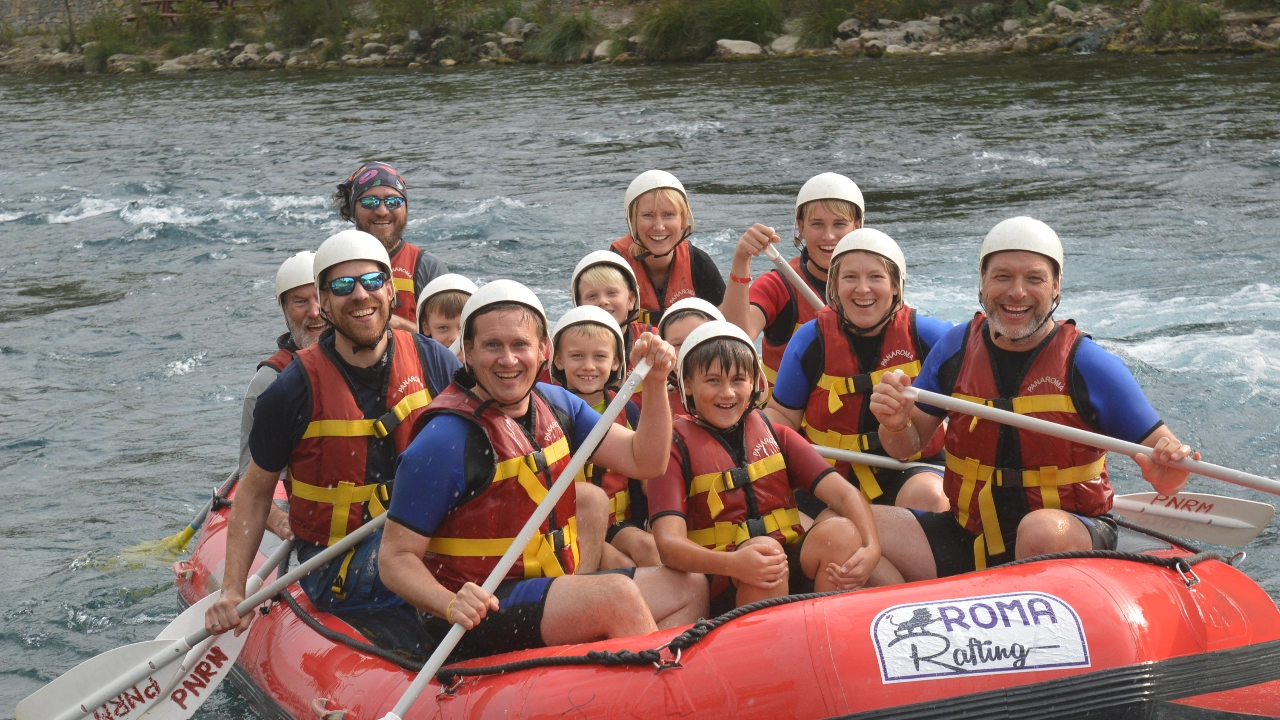
For family-oriented river activities, the psychological and physical comfort of children is the top priority. Tours for children aged five and up are selected on calm routes, and the most stable part of the boat, the center, is reserved for them. Instead of heavy paddling, children are encouraged to hold onto the safety lines located directly in front of the guide.
Child-specific life jackets differ from adult models by including safety straps that pass between the legs. These straps make it impossible for the jacket to slip off the head if a child falls into the water. River instructors specifically choose river branches with gentler currents for boats carrying children.
Neoprene Suits and Temperature Control
To prevent body temperature from dropping due to cold spring waters, children are provided with neoprene wetsuits. These suits not only keep the body warm but also act as an extra layer of protection against scrapes on rocky banks. This allows families to build unforgettable bonds with nature in comfort.
During breaks, families can enjoy swimming in natural spring pools or resting in the shade of ancient bridges. It is vital that children remain under parental supervision and do not jump into the river or approach strong currents without a guide. With the right guidance, rafting becomes a wonderful way to build courage and confidence in children.
Protecting the Natural Canyon Ecosystem
River basins located within national park boundaries are home to rich wildlife and pristine water sources. Natural trout species and otters living in the Köprüçay and Çoruh rivers are sensitive indicators of ecological health. While on the river, all actions that could harm this ecosystem must be avoided.
It is crucial to prevent single-use plastic bottles from entering the river. During tours, all beverage containers and snack packaging are collected in the guides' waterproof trash bags. Lighting fires or damaging natural vegetation at riverside rest stops is strictly prohibited by national park laws.
River Hydrology: Reading the Water
V-Shaped Current Lines and Safe Channels
Navigating a river safely requires correctly reading surface movements and hidden current dynamics. River guides analyze V-shaped wave patterns on the surface to identify the deepest, obstacle-free channels. A "downstream V" usually indicates the safest passage corridor.
Eddies and Resting Points
Conversely, a "downstream V" pointing upstream indicates shallow rocks hidden just beneath the surface. The calm water pockets that form behind these rock obstacles are known in hydraulic terms as "eddies." River guides use these safe pockets with expert maneuvers to allow tired paddlers to rest or to stabilize the boat.
Stay alert for turbulent, foamy currents that form at the end of strong rapids. At these points, maintaining boat speed and dipping paddles at a vertical angle helps maintain stability. Understanding the natural force of the water allows you to move in harmony with its energy rather than fighting against it.
Physical Benefits and Team Dynamics
Cardio Endurance and Muscle Strengthening
River sports are not just about adrenaline; they are an extraordinary full-body cardio workout. The act of paddling engages the back, shoulders, arms, and core muscles against constant resistance. Maintaining balance also keeps the leg muscles active as you brace against the boat.
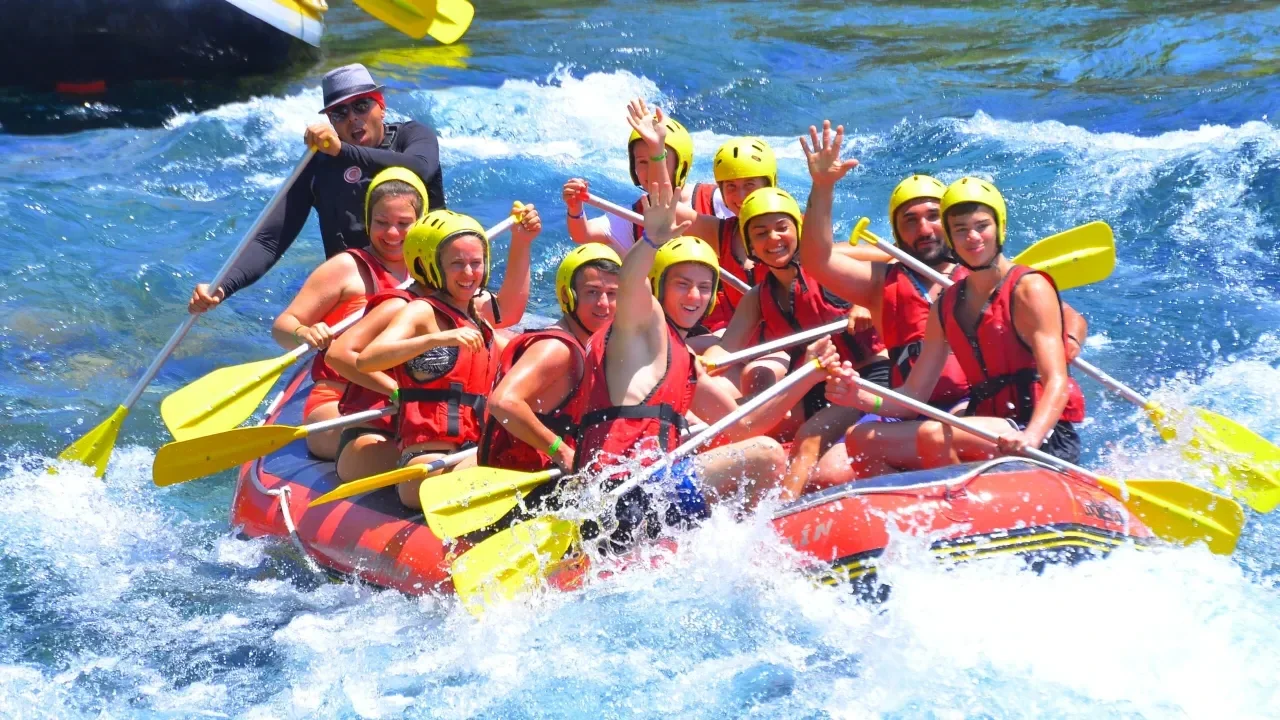
Beyond physical gains, rafting is a masterclass in teamwork and leadership. For a raft to move in a straight line, the paddlers on both sides must synchronize their rhythm and power. Even complete strangers often find a perfect harmony after a few kilometers of paddling, forming strong bonds of friendship.
Mental Focus and Stress Relief
Spending intense hours in the heart of nature completely dissolves the mental fatigue and stress brought by city life. Breathing in the river air, which is rich in negative ions, and the contact with cool water rejuvenates the body. The "sweet exhaustion" felt at the end of a tour is often replaced by a deep sense of serenity and achievement.
Frequently Asked Questions 5
Can someone who cannot swim join a rafting tour?
Yes, non-swimmers can participate in tours on rivers with Class 1 and Class 2 difficulty, such as Köprülü Kanyon. Professional life jackets with high buoyancy automatically keep a person afloat if they fall into the water. Additionally, a licensed river guide is present in every boat to manage safety from start to finish.
What should I do if I fall into the water while rafting?
If you fall in, do not panic. Immediately adopt the "river swimming" position by lying on your back. Extend your feet downstream to protect yourself and tilt your head back to breathe easily. Your guide or teammates will quickly pull you back into the boat using a paddle handle or a rescue rope.
What is the minimum age requirement for rafting?
For family rafts on tourist-friendly, calm river branches, the minimum age is typically 5 years. For more turbulent courses or two-person river canoes, the minimum age requirement ranges between 12 and 14 years.
Is it possible to stay dry, and what should I bring?
Rafting is a water-based sport, and getting splashed or having water enter the boat is inevitable. Therefore, you should wear swimwear or shorts and non-slip sports shoes or neoprene booties. We recommend bringing a towel, a change of dry clothes, and undergarments for after the tour.
Can I wear glasses or a waterproof camera while rafting?
Guests using prescription glasses must attach a safety strap to them. Action cameras can be safely carried using specialized locking mounts attached to your helmet. Holding a phone or camera in your hand is prohibited as it interferes with paddling and poses a risk of dropping the device.