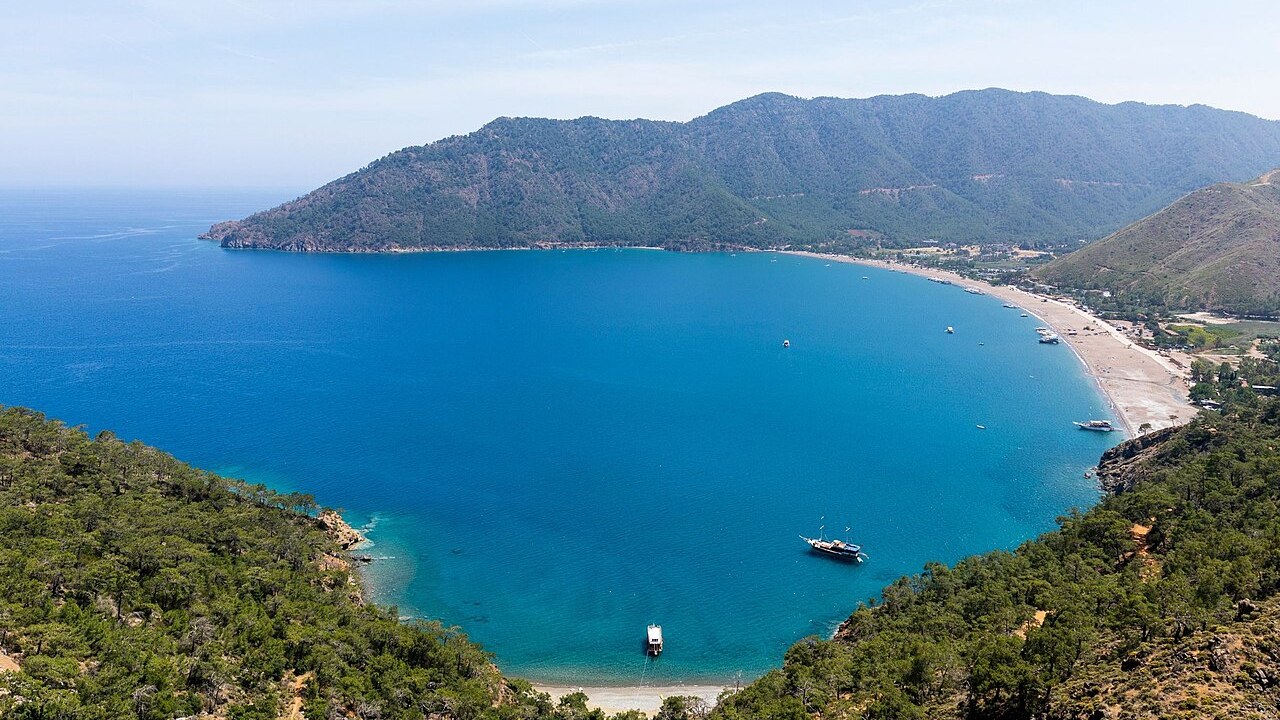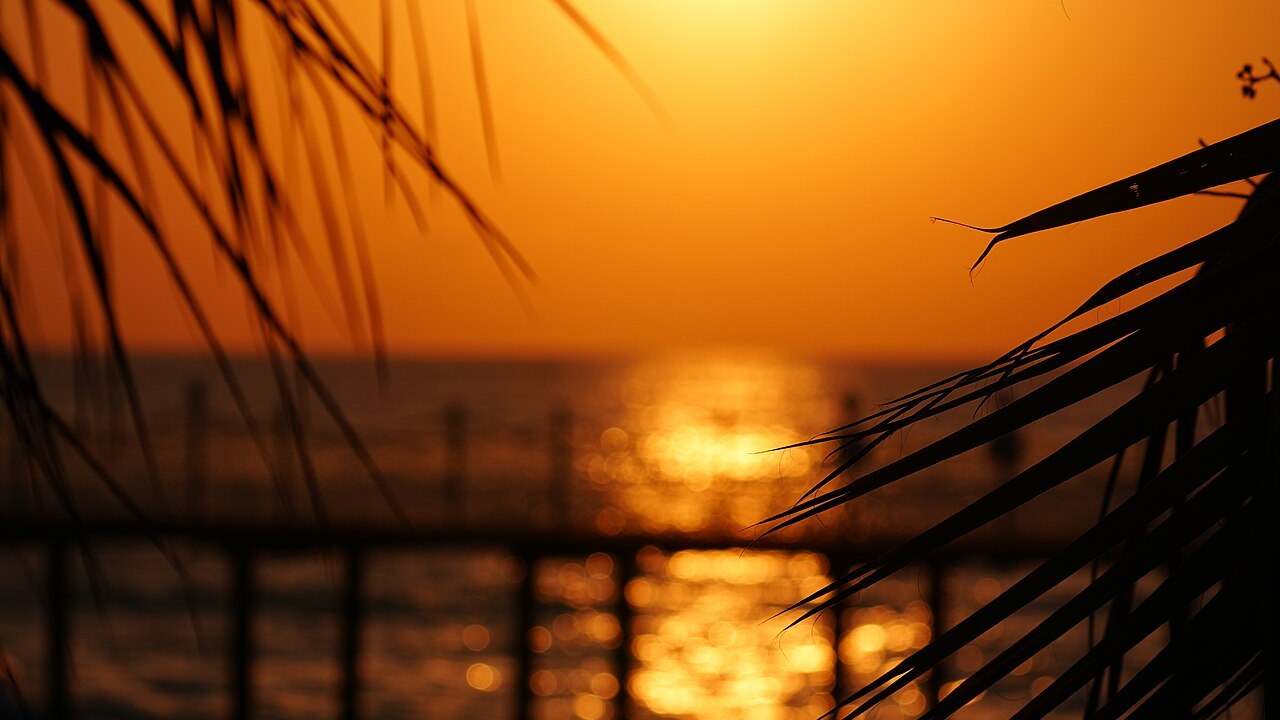
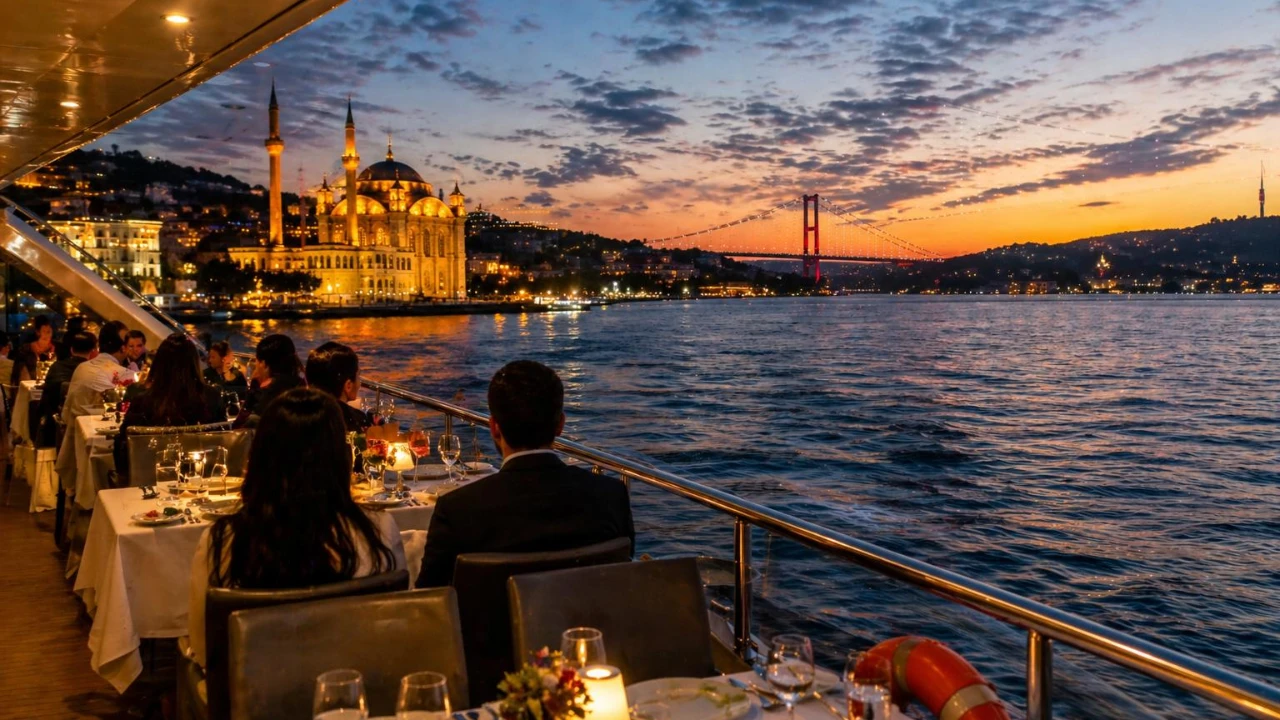
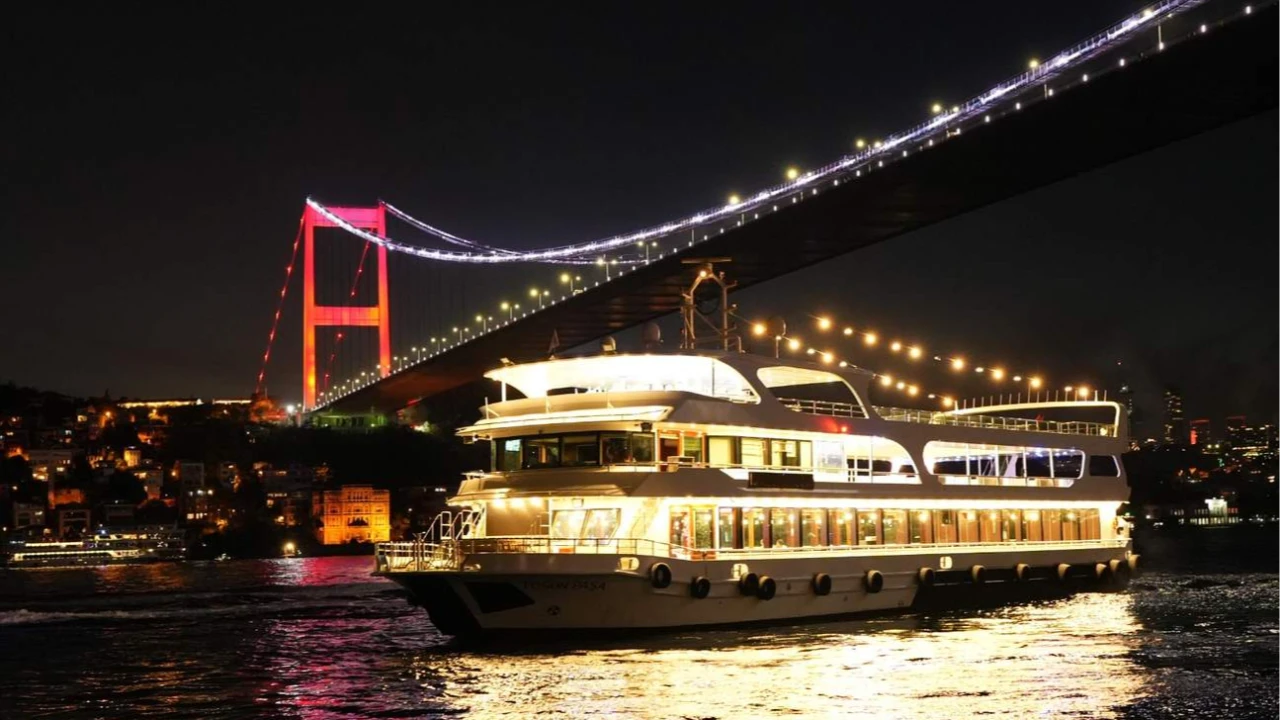
Evening cruises, set against the backdrop of breathtaking coastal views, are a magnet for travelers seeking a blend of luxury and local culture. Combining gourmet dining with traditional shows, these excursions are highly sought after, especially during the peak summer season. On larger vessels hosting large groups, international maritime safety standards are strictly enforced to ensure every guest enjoys a peaceful and memorable experience. To secure your spot for a premium night on the water, you can choose from the finest luxury dinner cruises in the region.
In these types of events, organizational quality is just as vital as onboard safety protocols. Managing indoor dining, open-deck performances, and diverse guest profiles requires precise coordination, especially in an emergency. Therefore, it is essential for participants to be aware of emergency exits, life jacket locations, and basic maritime etiquette. From managing motion sickness to fire prevention, every guest plays a role in maintaining a safe environment.
The golden rule is simple: always follow the instructions of the crew, both before departure and while at sea. Staying away from restricted or high-risk areas of the boat is the first step toward personal safety. In this guide, we will explore everything you need to know, from potential scenarios to vital safety details, to ensure your night cruise is nothing short of perfect.
Quick Tips and Advice for Evening Cruises
Evening boat excursions have become a staple of the tourism experience in Turkey's premier coastal hubs. Travelers show immense interest in Antalya yacht events, Alanya coastal routes, Istanbul Bosphorus cruises, and Fethiye evening programs. Because these destinations are so popular, boat safety becomes a top priority.
| Planning Step | Safety & Comfort Essentials for Evening Trips |
|---|---|
| Clothing Choice | Bring a light shawl, jacket, or cardigan to protect against the evening sea breeze. |
| Footwear | Avoid high heels; opt for flat, non-slip shoes to prevent slipping on wet decks. |
| Child Safety | Young children must remain under constant parental supervision on the deck. |
| Motion Sickness | Guests prone to sea sickness should choose seats on the middle or lower decks. |
| Restricted Areas | Entering unauthorized zones like the bridge, engine room, or galley is strictly prohibited. |
| Smoking Policy | Smoking is only permitted in designated open-air, leeward deck areas. |
Arriving at the pier at least thirty minutes before departure ensures a stress-free boarding process and allows you to listen to important safety briefings. When boarding, avoid rushing or running on the gangway (pasarella), as this significantly increases the risk of falling overboard. Once on board, we recommend taking a moment to locate the emergency exits and orientation signs.
While large vessels are quite stable in calm bays, you may feel slight vibrations or shifts when another large boat passes nearby, creating wakes. To maintain your balance, it is wise to use handrails or fixed pillars when walking on deck.
Dining, Drinks, and Allergen Management Onboard
Dining on a boat, whether via buffet or set menu, often involves high-density service in a confined space. To prevent spills, keep glassware and plates toward the center of the table. Additionally, moving between tables or up and down stairs while carrying food or drinks poses a significant slipping hazard.
Food Allergies and Special Dietary Needs
Most menus are designed for mass appeal; however, it is mandatory for guests with specific allergies (such as gluten or peanuts) to notify the operator at the time of booking. Please be aware that in the event of an anaphylactic reaction in the middle of the sea, medical intervention is more limited than on land.
Essential Safety Rules for Families with Children
Evening cruises are a fantastic family option due to their vibrant entertainment. However, the dim lighting on deck can hide unexpected hazards for curious children. Railing gaps, steep stairs, and decks dampened by sea spray require constant vigilance from parents.
Setting Boundaries on Deck
Crew members will strictly prevent children from leaning over the sides or climbing on railings. Because the wind is often stronger at the bow (the front of the ship), younger guests should be kept toward the center or rear. Parents are responsible for keeping their children within their line of sight, even during live performances.
Comparison: Daytime Activities vs. Evening Programs
Daytime swimming excursions and evening dining programs offer completely different atmospheres and safety requirements. While both are enjoyable, the safety focus shifts based on lighting, sea contact, and guest activity.
| Criterion | Daytime Swimming Activities | Evening Dining (Night) Programs |
|---|---|---|
| Sea Contact | Constant entry/exit from the water; swimming breaks are central. | Activities are strictly onboard; no swimming breaks are provided. |
| Deck Condition | Decks are often wet; non-slip mats are used in specific areas. | Decks are generally dry, but there is a higher risk of liquid spills. |
| Dress Code | Swimwear, bikinis, shorts, and flip-flops. | Smart casual attire and non-slip closed shoes. |
| Safety Focus | Drowning prevention and propeller safety. | Motion sickness, slips/trips, and alcohol consumption. |
| Light & Visibility | High visibility due to natural sunlight. | Low light, stage lighting, and dark surroundings. |
During daytime trips, life jackets are typically provided for those entering the water, whereas on evening trips, they are reserved for genuine emergencies. Since there are no swimming breaks, access to the swim platforms (stern ladders) is strictly prohibited during evening cruises. The darkness of the water makes any accidental fall into the sea extremely difficult to manage for search and rescue teams.
In programs where alcohol is served, guests are asked to drink responsibly. Combining alcohol with the natural motion of the sea can lead to severe motion sickness or accidents. Consequently, the crew reserves the right to refuse service to anyone appearing overly intoxicated.
Open Decks and Wind Awareness
When taking photos on open terraces or at the bow, be prepared for sudden gusts of wind. Hold your phone or camera securely to prevent it from being swept into the sea. Please note that during stormy weather, upper deck terraces may be closed entirely for safety.
The 5-Step Emergency and Safety Protocol at Sea
In the event of an accident, fire, or hull breach, the greatest danger on a passenger vessel is chaos. International maritime protocols are designed to standardize behavior during a crisis to ensure the safest possible outcome.
- If the emergency siren sounds, calmly leave your table as soon as the music stops and proceed to the nearest muster station.
- Never attempt to open life jacket cabinets or put on vests unless instructed to do so by the crew.
- In case of fire, stay low to the ground to avoid smoke, which rises toward the ceiling.
- At the muster station, remain quiet and avoid panicking; listen only to the Captain's announcements.
- Never jump overboard or deploy life rafts unless a formal "Abandon Ship" order is given.
Panic Management and Crew Communication
The most dangerous mistake passengers can make is attempting to leave the ship on their own. Even strong swimmers can struggle against powerful currents in dark waters. Always defer to the crew; they are trained professionals with maritime safety certifications.
Health Concerns and Preventing Motion Sickness
For those with a sensitive inner ear, sea travel can cause nausea and dizziness (Kinetosis). To minimize this, avoid heavy or overly greasy meals a few hours before your tour. Avoiding overly full stomachs and carbonated drinks are simple yet effective ways to reduce discomfort.
- Consider taking an anti-motion sickness medication recommended by your doctor at least thirty minutes before boarding.
- Instead of looking at moving objects inside the cabin, try to focus your gaze on the distant horizon to steady your equilibrium.
- If you feel nauseous, move to an open-air area immediately rather than staying in a confined, stuffy restaurant.
Medical Facilities and First Aid
While smaller boats may not have a dedicated infirmary, all tourist yachts are equipped with standard first-aid kits. The crew is trained in basic first aid and CPR to handle emergencies. We recommend that elderly passengers or those with chronic conditions carry their essential medications (such as heart medicine or asthma inhalers) in a reachable pocket.

Frequently Asked Questions 5
Can I bring a stroller to the evening cruise?
Most large vessels are stroller-friendly, but because of the stairs between decks, we recommend sitting on the ground floor for your comfort.
Is it safe for pregnant women to join evening cruises?
It is generally safe under normal weather conditions, but we strongly advise consulting your doctor regarding the potential for motion sickness.
Are there designated smoking areas on the boat?
Smoking is strictly prohibited in indoor dining areas; however, there are specific designated smoking zones on the upper open decks.
Can I change my reserved table during the cruise?
To maintain safety balance and service efficiency, tables are pre-assigned, and changes are generally not permitted once the cruise has started.
Are pets allowed on the boat?
Due to strict hygiene standards and the nature of group dining events, pets are not permitted on board.