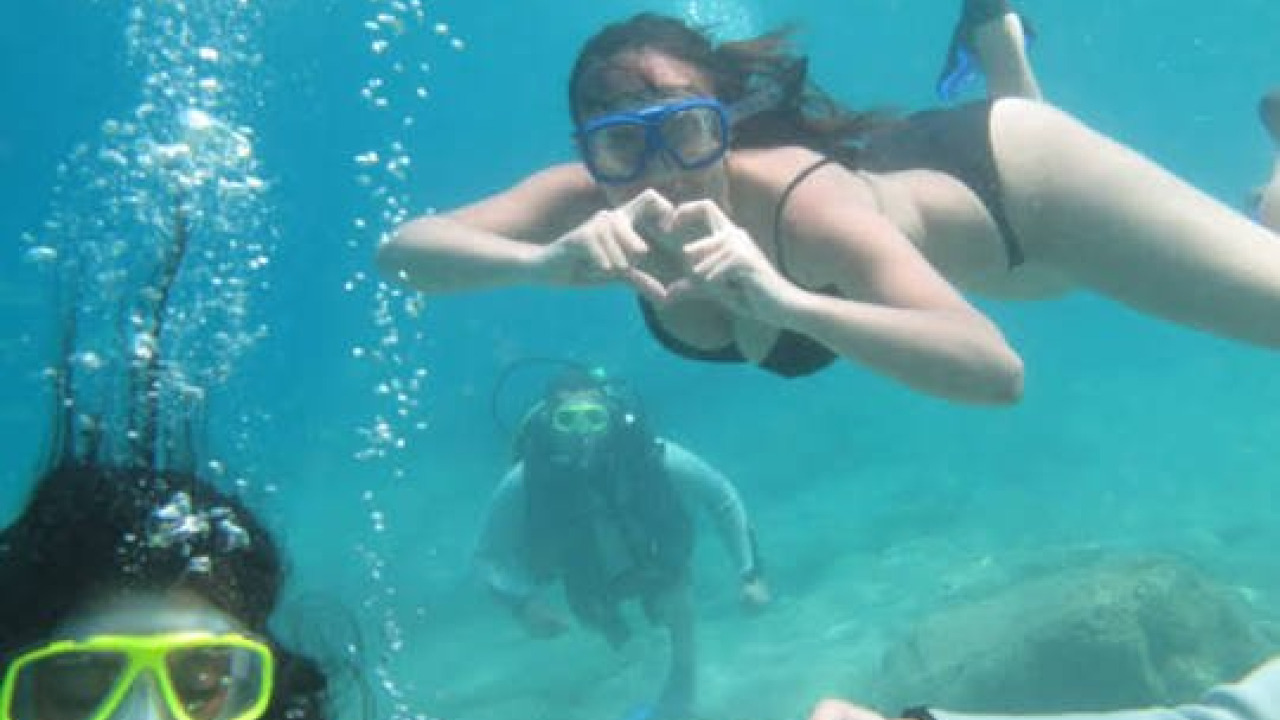
Snorkeling in Fethiye offers incredible underwater exploration across the islands of Fethiye Bay, the calm coves of Göcek, and the stunning coastline of Ölüdeniz, including hotspots like Aquarium Bay, Kızılada, Tersane Adası, Katrancı, and Gemiler Island. Thanks to the sheltered nature of the inner gulf on Turkey's southwest coast, visitors enjoy high visibility and calm, shallow reefs, perfect for exploring with just a mask, snorkel, and fins. Snorkeling options in Fethiye allow swimmers to observe colorful Mediterranean fish and ancient shipwrecks without needing a scuba diving certification.
The Fethiye district in Muğla offers diverse access points, from pebbly coves reachable by foot to island hopping via boats departing from Fethiye Harbor or Çalış Beach. Depending on the seabed and currents, locations like Dalyan Strait, Yassıcalar, Göcek Island, Günlüklü, Darboğaz, and Soğuk Su offer varying levels of difficulty. This guide covers the best underwater observation points, seabed characteristics, seasonal water clarity, and gear preparation for your Fethiye adventure.
Here is a quick summary for travelers planning to explore Fethiye's waters:
- Aquarium Bay and Kızılada: The shallow passage between these spots features a white sandy bottom and calm, wind-protected waters, making it ideal for beginners.
- Gemiler Island and Tersane Adası: These areas are perfect for those wanting to spot archaeological traces, such as submerged stone walls and ruins, right from the surface.
- Katrancı and Günlüklü Coves: These are great for independent travelers who prefer to reach the water via car or minibus and swim directly from the beach toward rocky outcrops.
- Sheltered Waters: Unlike the open-sea swells found in Kaş or Kuşadası, Fethiye's inner gulf remains remarkably calm throughout the day thanks to the natural breakwaters formed by the islands.
Fethiye Snorkeling: Quick Facts & Route Summary
Snorkeling routes in Fethiye are divided into three main geographical zones: the inner islands of Fethiye Bay, the shallow coves near the Göcek border, and the coastline stretching from Hisarönü to Ölüdeniz, with visibility and temperature varying by season. Wind direction significantly impacts water clarity, especially between the morning and afternoon hours.
The following table summarizes the primary snorkeling spots around Fethiye:
| Feature | Field Details & Practical Info |
|---|---|
| Primary Areas | Aquarium Bay, Kızılada, Tersane Adası, Yassıcalar, Katrancı Koyu, Gemiler Island, Darboğaz |
| Seabed Type | White sandy shallows, Posidonia seagrass meadows, limestone walls, and submerged stone ruins |
| How to Get There | Boat tours from Fethiye Harbor, Ölüdeniz boat trips, or land access via Katrancı and Günlüklü |
| Essential Gear | Tempered glass mask, snorkel with purge valve, short travel fins, and a UV-protective rash guard |
| Skill Level | Basic swimming skills required; no diving certification needed; life jackets recommended for children |
| Best Time to Go | Morning to midday, when the wind is calm and sunlight hits the water at a direct angle |
The underwater topography of Fethiye Bay consists of terraced rocky areas that deepen gradually after a few strokes from the shore, interspersed with sandy shallows between islands. From late spring through late autumn, water temperatures are perfect for long sessions in the water. In coves accessed from land, we recommend using fin covers or water shoes to protect against sea urchins.
Snorkeling Routes: Fethiye Bay and the Islands
The inner gulf and Göcek islands, accessible by boat from Fethiye Harbor, offer some of the calmest and clearest snorkeling routes in Turkey due to the protective island chain. These stops allow you to follow rocky coastlines without being affected by open-sea swells.
Aquarium Bay and Dalyan Strait
Located in the heart of the Delikli Islands, Aquarium Bay gets its name from the crystal-clear water created by sunlight reflecting off its bright sandy bottom. The shallow rocky threshold connecting the two sides of the bay is perfect for drifting effortlessly while watching schools of seabream, damselfish, and wrasse. If you swim toward the rocks outside the main anchoring area, you can clearly see octopuses and starfish hiding in the crevices.
Kızılada Coastline and the Lighthouse Shallows
Kızılada, rising at the entrance of Fethiye Bay, is famous for its reddish stone and soil hues at sunset. While the area around the lighthouse on the southern side can be deep and current-heavy due to its exposure to the open sea, the northeastern inner cove is shallow and tranquil. Along this protected slope, you can observe parrotfish and mullet moving between sandy patches and rocky debris.
Tersane Adası and Yassıcalar Underwater Trails
Tersane Adası is a large island in the gulf, notable for its natural harbor, historical shipyard ruins, and watchtower. The shallow rocks along the inner cove allow you to swim parallel to the shore to inspect ancient amphora fragments and colorful reef fish. The neighboring Yassıcalar islands offer a safe, shallow environment for beginner swimmers, with sandy corridors connecting the small islets.
For visitors wanting to explore these island stops in a single day, you can compare different island itineraries and swimming break durations through Fethiye boat and yacht tour options.
Ölüdeniz, Gemiler Island, and Land-Accessible Coves
For those who prefer to jump straight into the water from the shore without booking a boat, Katrancı and Günlüklü coves are excellent, while the Ölüdeniz-Kayaköy line offers Gemiler Island, Darboğaz, and Soğuk Su Koyu for more dramatic underwater scenery. This southern route is known for deeper rock walls and refreshing cold-water springs.
Gemiler Island Ruins and Darboğaz
Gemiler Bay, located on the southern coast of Kayaköy, and the opposite Gemiler Island (St. Nicholas Island) form an archaeological snorkeling park with ancient pier and cistern walls. Swimming close to the northern coast of the island reveals stone steps and wall lines submerged just a few strokes deep. Darboğaz, accessible by foot from the western end of Gemiler Bay or by small boat, offers a serene swimming corridor between two steep cliffs with stunning turquoise waters.
Soğuk Su Koyu, Blue Cave, and Butterfly Valley Coast
The Blue Cave, a frequent stop for boats departing from Ölüdeniz, is a natural rock hollow where sunlight creates a brilliant blue glow underwater. You can observe coral formations and rockfish along the cave walls, but be cautious of waves when approaching the rocks. At Soğuk Su Koyu, fresh mountain springs mix with the sea; this "halocline" layer creates a fascinating visual refraction when viewed through a mask.
Katrancı and Günlüklü: Shore Access
Katrancı Nature Park and the neighboring Günlüklü Koyu are shallow coves easily reached by car or public transport from the Fethiye-Göcek road. Swimming parallel to the rocky capes that surround these beaches reveals a rich coastal fauna among the seagrass and rocks. These areas are perfect starting points for independent travelers with their own gear.
If you want to take your experience a step further and dive deeper with a regulator and buoyancy control device, check out the beginner programs on our Fethiye diving training options page.
Comparison Table: Fethiye Snorkeling Spots
When choosing between Fethiye's underwater spots, consider access, depth, currents, and what you want to see. Families and children usually prefer shallow sandy coves, while experienced swimmers often seek out rock walls and submerged ruins.
| Snorkeling Spot | Access Method | Seabed & Depth | Underwater Highlights | Best For |
|---|---|---|---|---|
| Aquarium Bay | Boat from Fethiye Harbor | White sand & shallow rocky threshold | Seabream, damselfish, octopuses | Beginners & families |
| Kızılada Inner Cove | Boat from Fethiye/Çalış | Gradual transition sand to rock | Parrotfish, mullet, starfish | All skill levels |
| Tersane Adası | Göcek/Fethiye Island Boats | Shallow inner harbor & rocky coast | Historical ruins & shallow fish | History buffs & calm water seekers |
| Gemiler Island Coast | Swim from Gemiler Beach/Boat | Rocky coast & submerged walls | Ancient architecture & amphorae | Intermediate swimmers & photographers |
| Blue Cave (Ölüdeniz) | Ölüdeniz boat tour | Deep rock walls & hollows | Light reflections & cave dwellers | Strong swimmers |
| Katrancı Koyu | Car or minibus | Sandy center & rocky capes | Seagrass, sea bream, juvenile fish | Independent shore access |
Based on this data, first-timers should choose the shallows of Katrancı Koyu or Aquarium Bay for an easier experience. The Blue Cave in Ölüdeniz is better suited for those with high swimming stamina due to its depth. If you want to accompany divers or enjoy surface observation from the same boat, browse our Fethiye diving/snorkeling options for combined boat programs.
Budgeting and Planning Your Fethiye Snorkeling Trip
Your budget for snorkeling in Fethiye will range from free shore-based exploration with your own gear to full-day island boat tours with meals or guided diving packages. Costs are primarily driven by transportation, park entrance fees, and equipment rental.
A budget-friendly option is to take a local minibus from Fethiye center to Katrancı, Günlüklü, or Gemiler Beach and swim from the shore; your main costs will be beach/nature park entrance fees and personal gear. Joining an island boat or diving boat from Fethiye Harbor falls into the mid-range category; these packages usually include lunch, boat insurance, and basic mask/fin use. For a premium experience, you can charter a private gulet or speedboat to reach the coves away from the crowds.
Travelers looking to explore deeper reefs with certified instructors can explore the dive sites listed under Fethiye scuba diving options.
Follow these five safety and preparation steps before heading into the water:
- Check your mask fit: Place the mask on your face without the strap and inhale gently through your nose to create a vacuum; it should seal perfectly without leaking.
- Prevent fogging: Apply anti-fog gel to the inside of the lens and rinse it just before entering the water to prevent condensation.
- Stay clear of boats: Once in the water, stay away from boat propellers, anchor chains, and maneuvering lanes by swimming parallel to the coastline.
- Breathe correctly: Use deep, slow diaphragmatic breaths through your snorkel rather than short, shallow gasps. If water enters the tube, exhale forcefully to clear the valve.
- Respect the environment: Do not touch sea urchins, corals, or submerged ruins with your bare hands or fins. If you feel a strong current, swim at an angle toward the nearest shallow area.
Gear and Field Tips for Snorkeling in Fethiye
For a comfortable and productive underwater experience, choosing the right gear, protecting yourself from the sun, and monitoring local wind patterns is critical. When floating face-down for long periods, your back and shoulders are highly susceptible to sunburn due to the magnifying effect of the water.
Use this checklist for your Fethiye snorkeling trip:
- Wear a UV-protective rash guard: Avoid chemical sunscreens that can harm the marine ecosystem or oily creams that fog up your mask.
- Choose a dry-top snorkel: Afternoon winds in Fethiye Bay can create surface chop; a snorkel with a splash guard will keep water out.
- Use water shoes: When entering or exiting rocky areas (like Gemiler or Katrancı), wear fin covers or thick-soled water shoes to protect against sharp stones.
- Be visible: Carry a bright orange, yellow, or neon green snorkel float to ensure boats and water sports enthusiasts can easily spot you.
Final Thoughts on Snorkeling in Fethiye
Fethiye offers rich observation routes for every level of enthusiast, from the windless island passages of the inner gulf to the crystal-clear rocky coves of Ölüdeniz and Kayaköy. To plan a perfect mix of sea and land activities, check the latest programs on our Fethiye tours page and tailor your itinerary to the season.
Frequently Asked Questions 6
What are the typical boat tour routes in Fethiye?
Boat routes in Fethiye are divided into two main lines: boats departing from Fethiye Harbor and Çalış follow the inner gulf route, visiting Kızılada, Tersane Adası, Yassıcalar, Göcek Island, and Aquarium Bay. Boats departing from the Ölüdeniz coast follow the line of Blue Cave, Butterfly Valley, Aquarium Bay, St. Nicholas (Gemiler) Island, Soğuk Su Koyu, and Camel Beach.
What are the best hiking routes in Fethiye?
The most famous route combining hiking and coastal exploration is the Lycian Way, specifically the section starting from Ovacık and passing through Faralya and Kabak Bay. Additionally, trails starting from the historic stone houses of Kayaköy lead through forest paths to the Ölüdeniz lagoon or down to Afkule Monastery and Gemiler Bay, offering great opportunities for swimming and snorkeling upon arrival.
What do people say about Fethiye boat tours?
Visitor reviews often highlight that the inner gulf island routes are highly comfortable for families with children and first-time snorkelers due to the calm, wave-free water. For Ölüdeniz routes, the clarity of the water and visibility around Blue Cave and Gemiler Island receive high praise, though travelers recommend early morning departures to find quiet coves during high season.
Which coves in Fethiye are free to access?
On the Fethiye peninsula, the coastlines of Küçük Samanlık, Büyük Samanlık, Kuleli, and Boncuklu coves along the Oyuktepe road can be accessed for free on foot, though private sunbeds or parking may incur a fee. Similarly, the public beach area below Kayaköy at Gemiler Beach and the Çalış-Karagözler coastline allow for swimming and snorkeling without an entrance fee.
What is Wikiloc?
Wikiloc is an international navigation platform where hikers, cyclists, and outdoor enthusiasts share GPS-recorded trails and coastal routes on maps. It is widely used in Fethiye to safely follow forest paths to pristine snorkeling spots like Darboğaz, Afkule, Kabak, and Kalabantia, which are not accessible by car.
Where should I stay in Kabak Bay?
In Kabak Bay, located in a deep canyon below Faralya, you will find wooden bungalows, glamping tents, and boutique nature retreats nestled in the pine forest rather than large concrete hotels. Campsites on the slopes near the shore are ideal for those wanting to head down to the pebbly beach early for snorkeling, while upper slope facilities offer accommodation with valley and sea views.