
Exploring the Ancient City of Jerash requires a bit of planning to navigate its Roman plazas and temple terraces comfortably. The main urban circuit covers approximately 4 km, connecting all the site's architectural highlights. You can discover this breathtaking site step-by-step with our Jerash Antik Kenti walking tour options.
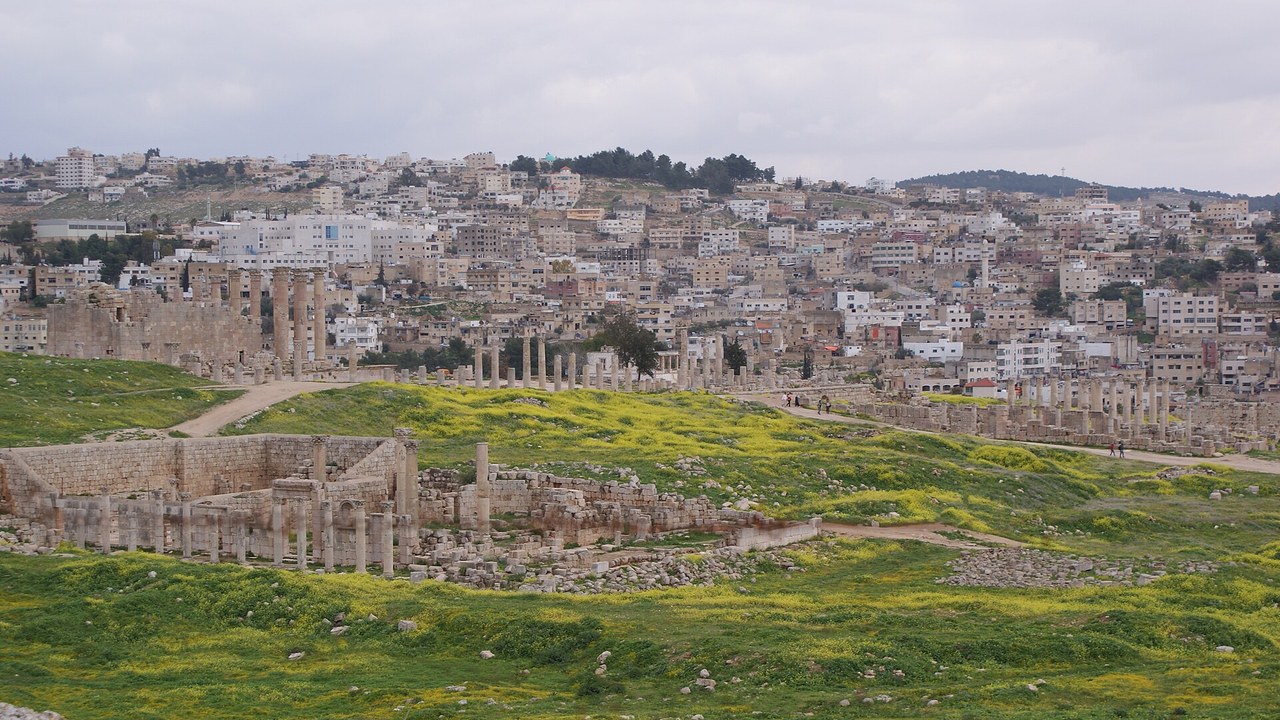
Essentially a massive open-air museum, the site consists of wide stone courtyards with limited shade, ancient theaters, and tiered temple entrances. To ensure a fatigue-free experience across the valley, we highly recommend wearing non-slip walking shoes, staying hydrated, and starting your day early. From its well-preserved stone streets to its soaring arches and marble steps, Jerash offers a complete immersion into the urban planning of the Roman Empire.
Quick Facts: Jerash Ancient City Overview
As one of the most comprehensive Roman settlements in Jordan, knowing the walking distances, terrain, and optimal visiting hours is key to a comfortable trip. The following table provides the essential parameters for planning your trek through the ruins.
| Criteria | Field & Planning Details |
|---|---|
| Location | Jerash Province, Jordan; Ancient Gerasa Archaeological Site |
| Urban Circuit Length | Approx. 4 km loop covering the colonnaded street and temple ring |
| Elevation & Steps | ~100m elevation gain between lower plazas and upper temple terraces |
| Terrain Type | Ancient limestone blocks, marble stairs, and dirt paths |
| Top Activities | Archaeological walking tours, architectural photography, history exploration |
| Best Time to Visit | Spring and Autumn; early mornings during the summer |
The site's monumental gates, hippodrome, and theaters are all within walking distance of one another. For those looking to combine this visit with other regional highlights, our Jerash Antik Kenti day trip culture tour options provide seamless transport and expert guidance.
Walking Routes and Visitor Guidelines in Jerash
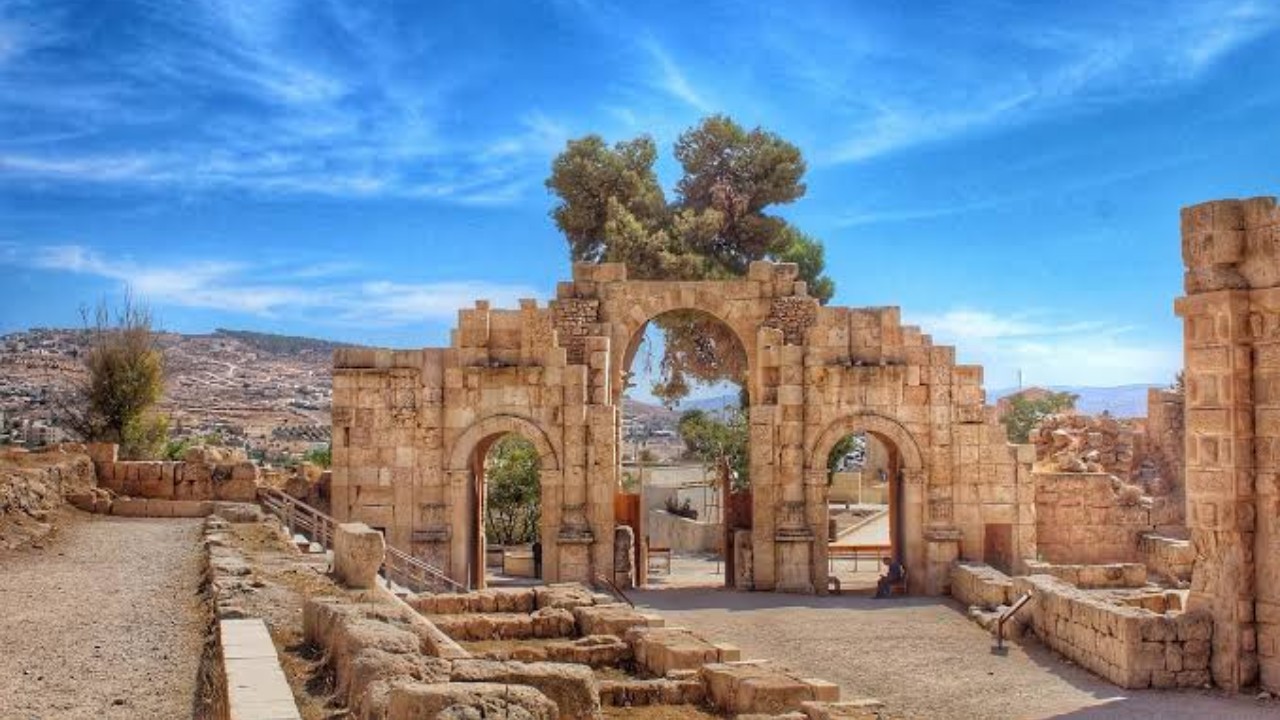
The walking path within the ancient settlement begins at the monumental South Gate and extends to the North Gate via the flat colonnaded street, with diversions up the temple stairs on the surrounding slopes. Depending on your fitness level, you can choose a full loop or focus on the main thoroughfare.
Our site currently features one live guided walking tour product, which helps visitors understand the historical function of these structures in real-time. Whether walking individually or in a group, keep in mind the approximately 100m elevation difference and the various staircases between the main plaza and the high terraces.
The South Gate, Hippodrome, and Oval Plaza Leg
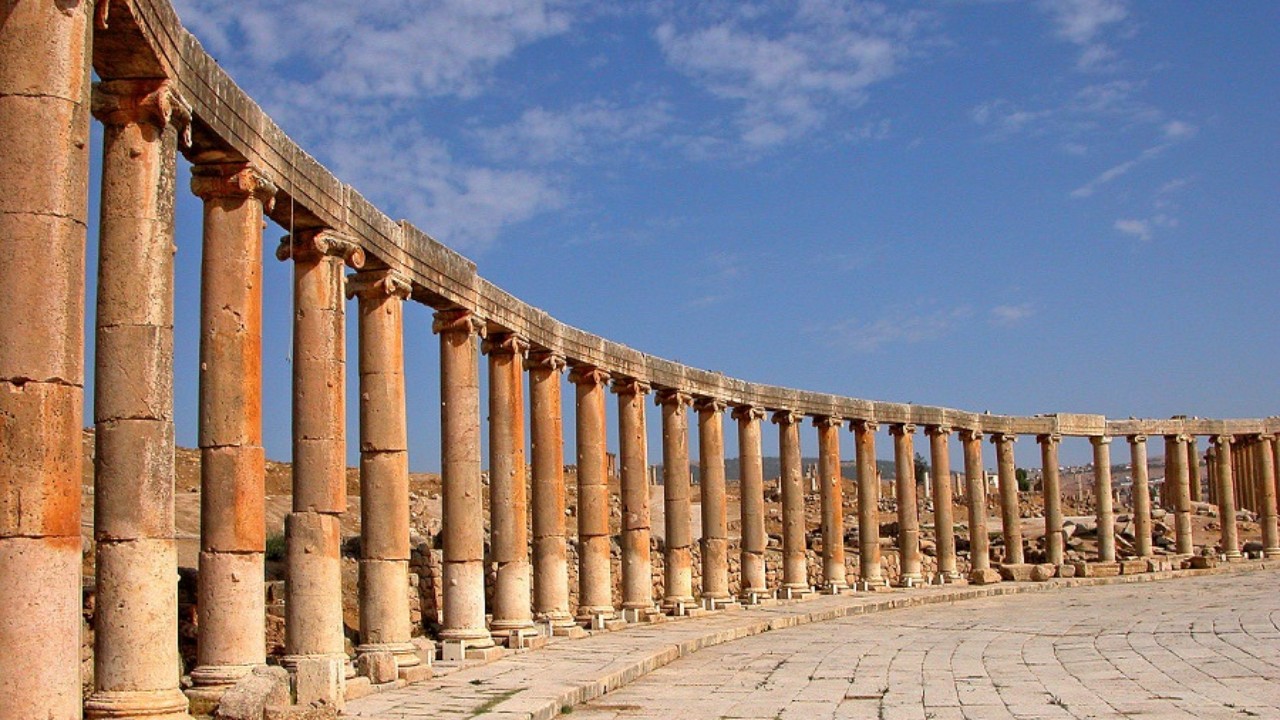
The first leg of the route begins at the Hadrian's Arch and the adjacent Hippodrome, both of which feature flat, wide terrain. From here, you enter the Oval Plaza, a stunning space surrounded by curved Ionic columns and wide stone paving, making it the perfect spot for a photo break. Rising just above the plaza are the Temple of Zeus and the South Theater, which offer panoramic views of the entire city.
The Cardo Maximus and North Theater Route
Stretching north from the Oval Plaza, the Cardo Maximus serves as the backbone of the walk, featuring original stone blocks where ancient wheel ruts are still visible. As you progress, you will encounter the Nymphaeum (monumental fountain), the grand stairs leading to the Temple of Artemis, and finally the North Theater. For those wanting to see how the ancient ruins blend with the modern town, check out our Jerash Antik Kenti historical city tour options.
Step-by-Step Walking Plan and Time Management
To fully explore the ruins spread across the valley without burning out under the midday sun, it is vital to sequence your visit correctly. The following itinerary is designed to balance your energy levels.
Follow these steps for an efficient and comprehensive exploration of the Ancient City of Jerash:
- Enter through the South Gate at opening time to explore Hadrian's Arch and the Hippodrome while the air is still cool.
- Head through the Oval Plaza up to the South Theater and the Temple of Zeus terrace to get a layout of the city in the morning light.
- Walk north along the Cardo Maximus (the main colonnaded street) to examine the Nymphaeum and the cathedral ruins.
- Climb the tiered courtyard of the Temple of Artemis to admire the massive Corinthian columns before finishing at the North Theater.
- On your way back, visit the Byzantine churches and mosaic remains on the western terrace, completing the ~4 km urban circuit at the exit gate.
Guided Tours vs. Solo Exploration
Given the sheer scale of the site, a professional guide is invaluable for uncovering the architectural nuances and the brilliance of Roman water engineering. Travelers seeking an archaeology-focused experience can explore our Jerash Antik Kenti ancient city tour options to ensure no hidden gem is missed.
Photo Stops and Rest Areas
Since the colonnaded streets and temple courtyards are entirely exposed, it is important to pace yourself. The wooded areas around the Temple of Artemis and the museum gardens provide the best shaded spots for water breaks and relaxation.
Jerash Walking Calendar: When to Visit?
While Jerash is situated in a higher, more rugged geography than Jordan's desert regions, the stone surfaces can still heat up significantly in summer, affecting your walking pace. Consider temperature, rainfall, and daylight hours when planning.
The following seasonal matrix compares the conditions for walking through the ancient city throughout the year.
| Season / Period | Weather & Terrain Conditions | Suitability & Field Advice |
|---|---|---|
| Spring (March - May) | Mild temperatures, green valley slopes, dry stone | The most balanced period; ideal for full-day archaeological treks |
| Summer (June - August) | High midday heat, strong sun reflection off stone | Recommended to walk in the early morning or late afternoon |
| Autumn (Sept - Nov) | Balanced heat, clear skies, soft lighting for photos | Excellent for extended exploration and comprehensive walking tours |
| Winter (Dec - Feb) | Cool, occasionally rainy; marble can be slippery | Wear a waterproof windbreaker and non-slip boots for a quiet visit |
Advantages of Spring and Autumn
Between March and May, and September and November, you can complete the 4 km loop even during the middle of the day without feeling overwhelmed. In spring, the wildflowers blooming around the ancient columns provide stunning opportunities for photographers. The open skies and gentle breezes make climbing the high temple steps much easier on your stamina.
Summer Heat and Winter Rain Precautions
Visitors in the summer must plan their trip for the earliest possible hour and carry ample water. In winter, be cautious on the limestone and marble blocks, as they can become very slippery after rain, especially on the temple stairs. Dressing in layers is recommended to combat the wind within the valley during cooler months.
Pre-Visit Preparation and Practical Tips
To protect your feet and stay hydrated during several hours of walking on ancient Roman stone, proper gear is essential. These field tips will help ensure your visit is comfortable.
Keep these essential rules and equipment tips in mind before heading out:
- Choose walking shoes with thick, lugged soles to prevent slipping on polished ancient stones and stairs.
- Since shade is scarce, use a wide-brimmed hat, sunglasses, and high-SPF sunscreen.
- Carry plenty of drinking water in your bag to stay hydrated during the 100m elevation shifts between terraces.
- To protect the ancient columns and mosaics, stay behind the warning barriers and avoid climbing on the ruins.
Final Summary for Your Jerash Walking Plan
In short, exploring the Ancient City of Jerash is one of the most rewarding historical experiences in Jordan, provided you have the right footwear and an early start. This archaeological circuit through colonnaded streets and theaters allows you to witness Roman urban planning firsthand at every step.
For travelers who prefer to discover this heritage with an expert guide and organized transport, we recommend browsing our Jerash Antik Kenti culture tours to build your itinerary with confidence.
Frequently Asked Questions 5
Where is the Ancient City of Jerash located?
The Ancient City of Jerash is located in northern Jordan within the Jerash province. It sits in a fertile valley surrounded by hills with an elevation difference of about 100m. Known as ancient Gerasa, the site features an archaeological walking circuit of approximately 4 km, situated right next to the modern city.
How long does the Jerash walking route take?
Walking from Hadrian's Arch at the south entrance to the north gate, including the main colonnaded street and the temple slopes, typically takes half a day including photo stops. A shorter route focusing only on the Oval Plaza and South Theater can be completed faster, but a comprehensive tour of all terraces requires more time.
Which Roman structures can be seen in Jerash?
Along the walking path, you will see Hadrian's Arch, the ancient Hippodrome, the Ionic-columned Oval Plaza, the Temple of Zeus, the South Theater (famous for its acoustics), and the Cardo Maximus. Further along, you'll find the Nymphaeum, the Temple of Artemis with its massive columns, the North Theater, and Byzantine-era church ruins with mosaic floors.
What is the best season for walking in Jerash?
Spring and autumn are the ideal times to visit, as the temperatures remain mild. Those visiting in summer should aim for the opening hour to avoid the midday heat, while winter visitors should wear non-slip shoes due to the possibility of rain.
Is the terrain in Jerash suitable for walking?
The main streets and plazas are paved with flat limestone blocks, making them generally suitable for walking. However, the paths to the temples and theaters involve steep stone stairs and uneven dirt paths. Because the stones have been polished by centuries of foot traffic, we recommend supportive sneakers or hiking boots over flat sandals.