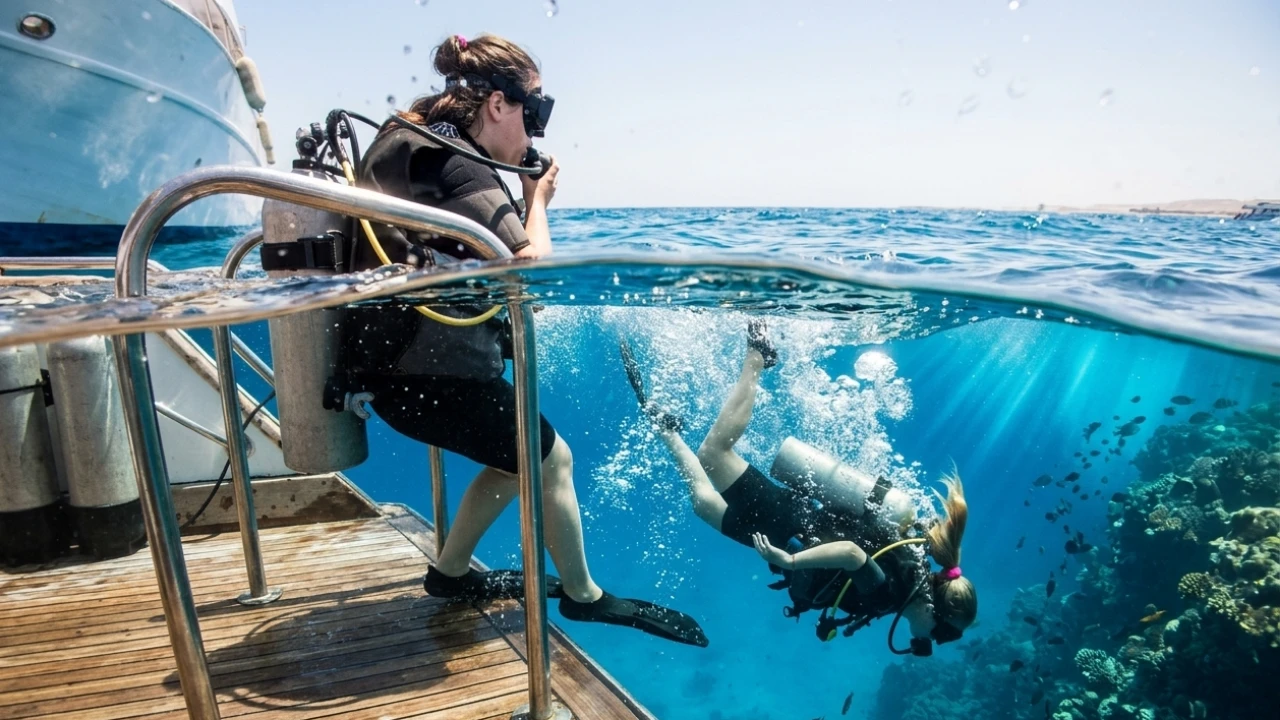
At the western edge of the Antalya Gulf, dramatic travertine cliffs rise sharply from the sea, standing alongside the solitary silhouette of Sıçan Island. Together, they reveal one of the Mediterranean's most captivating underwater landscapes. Scuba diving boats departing from the Konyaaltı coastline lead adventurers to mysterious caves fed by freshwater springs beneath the cliffs and historic shipwrecks dating back to World War II. To explore professional diving schools and discovery dive programs in the area, visit our Konyaaltı Diving Training Tours page to plan your safe underwater expedition.
This coastline, where the cliffs plunge vertically into the sea, is a magnet for divers due to its proximity to the city center and its incredibly rich marine biotope. The crevices at the base of the rocks host diverse marine life, fueled by the unique temperature layers created by freshwater outflows. As the seabed drops away from the calm harbor exit, it provides an ideal environment for aspiring divers to hone their skills in a controlled setting.
In this comprehensive guide, we explore the reef formations around Sıçan Island, the storied history of the Saint Didier shipwreck, and the unique underwater routes beneath the Konyaaltı cliffs. From safety protocols to gear preparation, we provide everything you need to know for your deep-sea adventure.
Quick Facts: Konyaaltı Cliffs & Sıçan Island Dive Sites
The Konyaaltı coastline boasts a rich underwater topography characterized by natural reefs formed by steep cliff walls and offshore islets. The following table summarizes the operational details of the primary dive sites in the region.
| Feature / Detail | Site & Route Summary |
|---|---|
| Region & Departure Port | Setur Antalya Marina and Konyaaltı coastline |
| Highlights | Sıçan Island reefs, Cliff Caves, Saint Didier Shipwreck |
| Visibility | Average 15 to 30 meters year-round |
| Water Temperature | 25-29°C in summer; 20-24°C in spring/autumn |
| Diving Depths | 5-7m for discovery dives; 18-35m at open reefs |
| Essential Gear | Mask, fins, wetsuit, BCD, and regulator |
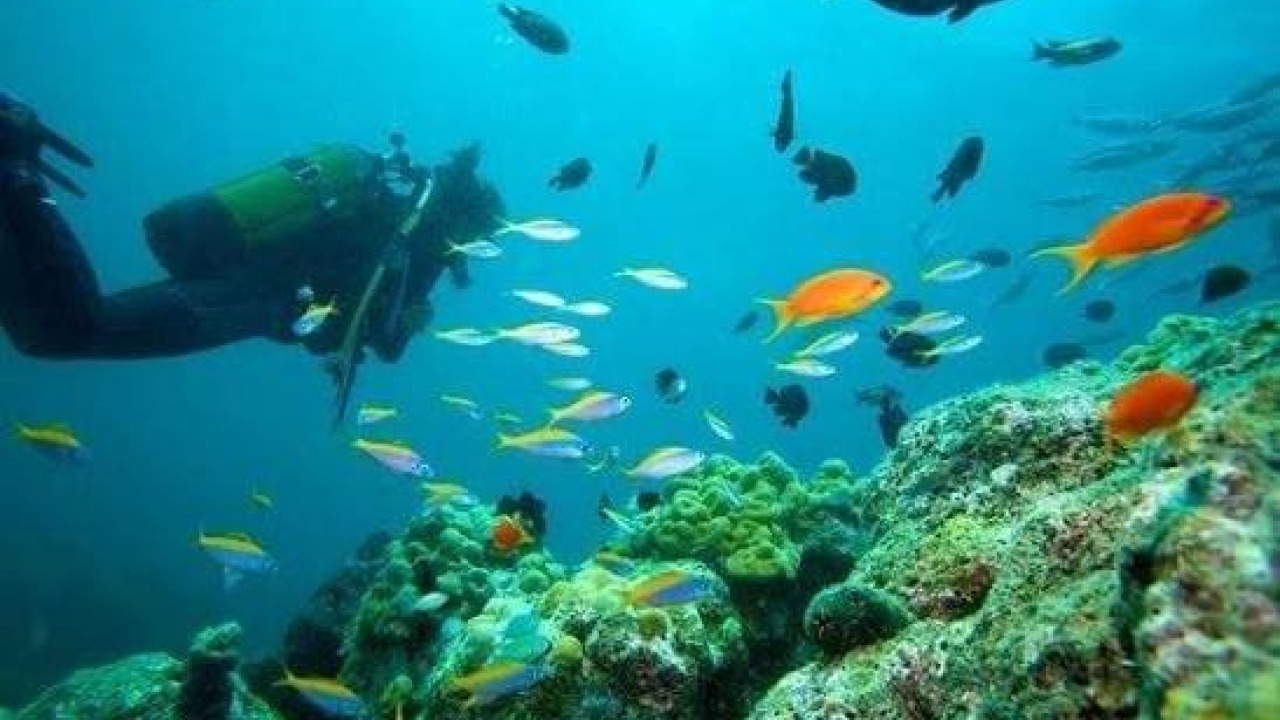
| Marine Life | Loggerhead sea turtles, grouper, barracuda, octopus, rays |
On all dive boats, expert instructors conduct safety briefings for divers of every level. The comfort and safety of all participants are meticulously managed by experienced dive guides throughout the excursion.
For those looking to explore other water sports and blue cruise options across Antalya, you can find comprehensive itineraries via our popular sea tours in the Konyaaltı region link.
Sıçan Island Reefs and the Underwater Wall
Sıçan Island, a small rocky islet just off the coast of Antalya, is the region's most popular scuba diving destination. While the western side of the island begins at a shallow depth, the eastern and southern slopes drop away into a magnificent vertical underwater wall.
Divers descending along the wall will encounter the entrance to a small underwater cave at a depth of twenty-two meters. At the mouth of this cave, sponges and red corals burst into vibrant color under the beam of a dive light.
In the sandy areas surrounding the island, rays and masterfully camouflaged marine creatures rest peacefully.
Wall Diving and Buoyancy Control
The steep, open-sea facing walls of Sıçan Island offer a thrilling drift diving experience, giving divers the sensation of gliding through weightlessness. During this stage, precise control of the air in your BCD (Buoyancy Control Device) is essential.
To avoid contact with the rocks and protect the delicate coral formations on the seabed, fin kicks should be kept gentle and controlled. A diver with excellent neutral buoyancy can stay underwater longer while consuming significantly less air.
Dive leaders constantly monitor participants to ensure they do not exceed their depth limits while navigating the wall.
Sea Turtles and Pelagic Schools
Because the currents around the island are rich in plankton and small fish, the area attracts larger pelagic species. As divers glide along the wall, they frequently encounter schools of amberjack and barracuda circling the reef.
Loggerhead sea turtles (Caretta caretta), which use this area as a feeding ground, often accompany divers during the descent. The graceful movements of these turtles provide breathtaking opportunities for underwater photography.
Respecting marine life and avoiding sudden movements that might disturb them is the cornerstone of underwater ethics.

The Underwater Caves of the Konyaaltı Cliffs
The massive cliffs that separate the center of Antalya from the sea continue their majestic karst structures beneath the waves. At the base of these cliffs lie various caves and tunnels formed by karst erosion.
The most striking feature of these caves is the "halocline" layers, where cold freshwater seeping from the land meets the salty seawater. At the point where fresh and salt water mix, the refractive index changes, creating a mesmerizing, shimmering effect in the water.
Grouper fish waiting at the cave entrances and cardinal fish that thrive in the shadows are the permanent residents of this region.
Freshwater Springs and Thermoclines
The icy freshwater seeping from the depths of the cliffs creates a sharp thermal contrast with the seawater, which can reach 28°C in the summer. Divers often feel a sudden, refreshing chill as they pass through these water layers.
Visually similar to oil mixing with water, this layer creates a magical atmosphere for underwater optics. Limestone formations hanging from the cave ceilings like stalactites offer a glimpse into the area's geological history.
Dives along the cliffs are typically conducted during calm weather and sea conditions.
The Saint Didier French Shipwreck
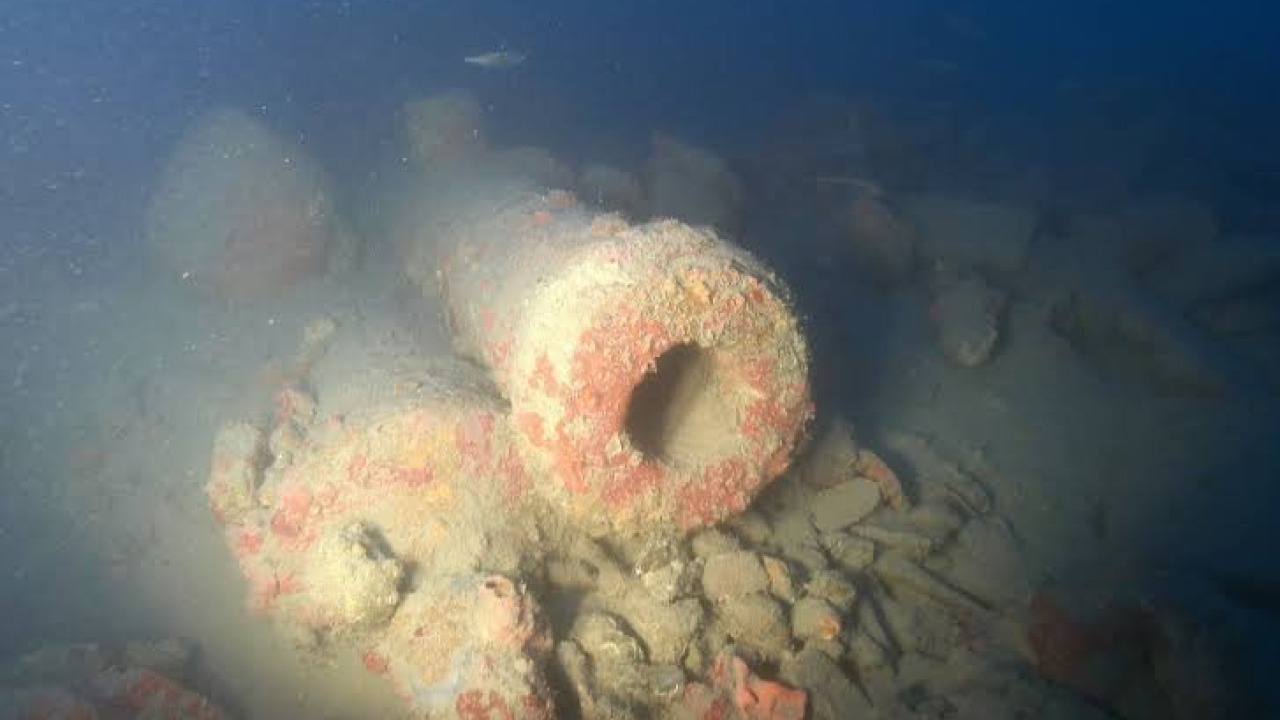
Located off Antalya Yacht Harbor at a depth of approximately thirty meters, the Saint Didier cargo ship was sunk in 1941 during World War II. The vessel served as a logistics ship carrying military ammunition and vehicles.
The skeletal remains of military jeeps and artillery shell casings on the hull continue to fascinate underwater history enthusiasts. Due to strong currents and the depth, an advanced diver certification is mandatory to explore this wreck.
Large groupers and coral colonies surrounding the wreck have transformed this historical site into a living underwater museum.
Comparison of Diving Spots in the Konyaaltı Area
The dive sites along the Konyaaltı coastline vary significantly in terms of depth and current strength. The following comparison table outlines the technical requirements for the primary routes.
| Dive Site | Min Depth | Max Depth | Current Level | Recommended Diver Profile |
|---|---|---|---|---|
| Sıçan Island Reef | 6m | 30m | Moderate | Intermediate to Advanced |
| Cliff Caves | 8m | 18m | Low / Calm | Beginner & Discovery Dives |
| Saint Didier Wreck | 18m | 33m | Moderate / Strong | Advanced Certified Divers |
| Çaltıcak Bay | 4m | 14m | Very Calm | First Dives & Training |
| Beldibi Shallows | 5m | 16m | Low | Beginners & Macro Photography |
This variety allows dive boats to select the most suitable bay for divers of all skill levels based on current weather and sea conditions.






Diving Season and Climatic Conditions in Konyaaltı
The sheltered nature of the Antalya Gulf ensures that the diving season in Konyaaltı remains active for eight months of the year. Waters begin to warm in April and remain at comfortable temperatures for diving until mid-November.
During the summer months, water temperatures reach 28°C, making for extremely comfortable dives. However, the autumn months typically offer the highest levels of water clarity and visibility.
In winter, water temperatures drop to around 17°C, requiring thicker neoprene wetsuits for diving.
Morning and Afternoon Sessions
Dive boats usually depart from the marina early in the morning to conduct the first dive while the sea is at its calmest. The lack of wind in the morning hours helps maintain maximum bottom visibility.
After a lunch break spent relaxing and sunbathing on the boat, divers head to a different location for their second afternoon dive. A surface interval of at least two hours is maintained between dives to allow for proper nitrogen off-gassing.
This balanced schedule ensures a productive day without excessive fatigue.
Diving Safety and Underwater Communication
Since speaking is impossible underwater, international standard hand signals are used. Dive leaders always review these basic signals with participants before entering the water.
Signals for "everything is okay," "ascending," "equalizing issues," or "how much air do you have left?" form the foundation of underwater communication. Maintaining constant eye contact with your dive buddy is the primary rule for safety.
Below are five essential safety rules for diving in Konyaaltı:
- Before entering the water, check the integrity of all regulators and BCD hoses with your dive buddy.
- During descent, use swallowing or Valsalva maneuvers to equalize the pressure on your eardrums.
- Monitor your pressure gauge regularly and end the dive when you reach the 50-bar level.
- Never ascend too quickly toward the surface; follow the pace of small rising bubbles.
- Never skip the mandatory three-minute safety stop at five meters before reaching the surface.
Adhering to these fundamental rules ensures that your underwater adventure is both enjoyable and safe.
Pre-Dive Packing List and Tips
Organizing your personal belongings in advance will make your boat trip much smoother:
- A comfortable beach towel and hat for relaxing on the deck between dives.
- High-factor, eco-friendly sunscreen to protect against the sun while being kind to the ocean.
- Dry cotton clothing to change into after removing your wet suit.
- Your personal diving certification, ID, and your dive logbook if you have one.
- Water and light snacks for the boat journey.
Stepping onto the boat with the right gear and preparation allows you to focus entirely on the magical world beneath the surface.
Frequently Asked Questions 5
Can I go scuba diving for the first time at the Konyaaltı cliffs?
Yes, discovery dive programs are available in the shallow bays and sheltered areas of the cliffs for those who have never dived before. These dives are conducted under the one-on-one supervision of expert instructors at a safe depth of five to six meters.
How deep is the water around Sıçan Island?
The shallow areas of Sıçan Island facing the coast start at 6 meters, while the southern walls facing the open sea drop vertically to depths of 30 to 35 meters. This structure provides suitable depths for both beginners and experienced divers.
Is a certification required to dive the Saint Didier shipwreck?
Because the Saint Didier wreck lies at a depth of approximately thirty meters and is exposed to strong bottom currents, you must hold at least a Two-Star or Advanced Open Water international certification to dive this site.
Is lunch provided on the Konyaaltı diving tours?
Yes, for full-day diving programs, guests are served a freshly prepared hot lunch on the boat. Menus typically include grilled chicken or fish, pasta, and a fresh Mediterranean salad.
How long does the Konyaaltı and Sıçan Island diving program last?
Diving boats typically depart from the marina around 09:30, conduct dive sessions at two different locations, and return to the harbor around 16:30 after lunch breaks. The total duration of the activity is approximately 7 hours.