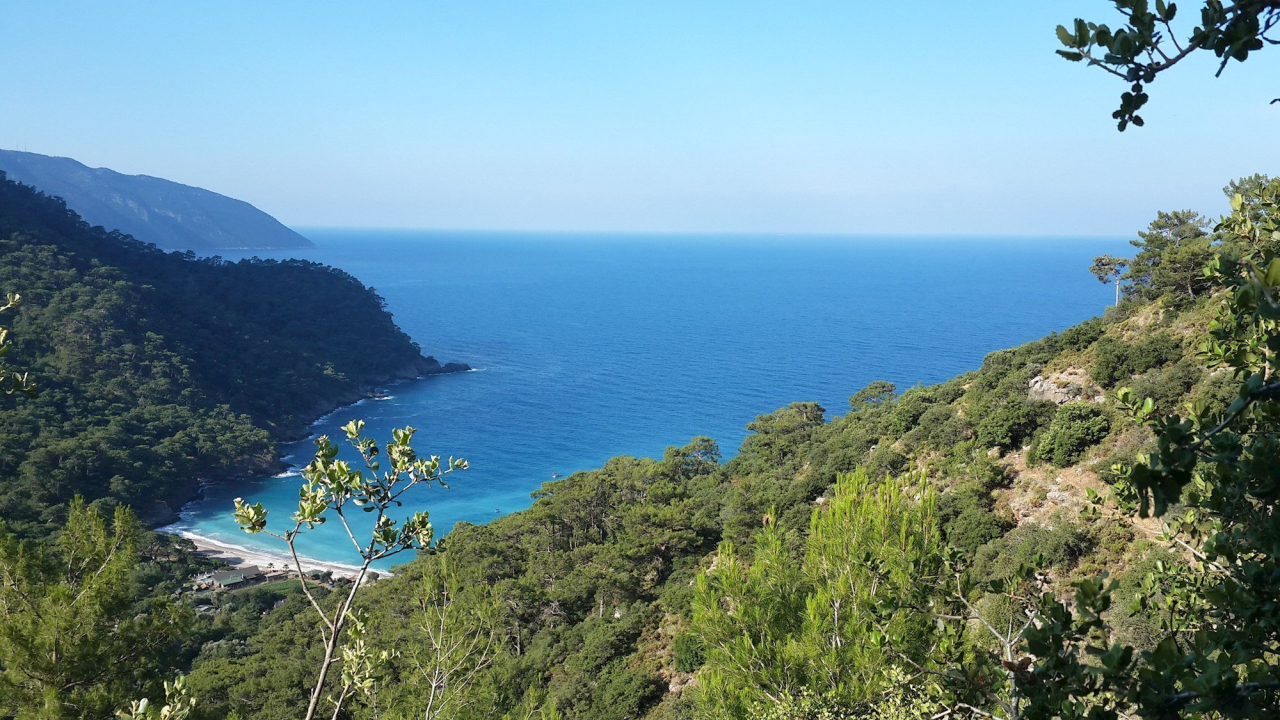

Unlike many Mediterranean beaches, reaching Kabak Bay requires you to take the final steps on foot. This isn't just a destination; it's an experience that begins the moment you set out. As the dolmuş (shared minibus) from Fethiye leaves the Ovacık and Ölüdeniz junction behind and climbs the winding hillside road to Faralya, everyone by the window shares the same breathtaking view: a steep valley descending towards the sea, framed by pine and olive trees, culminating in a pristine, crescent-shaped bay at its base. The last stop for the vehicle is at the mouth of the valley, but the sandy shore itself is still a good half-hour walk away. This guide will walk you through every step of planning your Kabak Valley adventure, from navigating that final half-hour trek to choosing the perfect accommodation, understanding the costs, and deciding on the best time of year to visit.
The settlement perched above the valley is officially known as Uzunyurt, but locals affectionately call it Faralya. This charming village is nestled on the south-facing slopes of Babadağ, approximately 200-250 meters above sea level, while the bay itself lies directly at sea level. The asphalt road reaching here is a relatively recent development; previously, the bay and village were connected by mule tracks and winding footpaths. A portion of this very same trail network is now part of the initial stages of the famous Lycian Way. Kabak's unique accommodation culture, largely featuring wooden bungalows, treehouses, and tents, is a direct continuation of this heritage. Here, you won't find sprawling concrete resorts. Instead, discover small, scattered camps clinging to the hillside, communal dining areas, and businesses that often rely on generators or solar power for their electricity. It's a true escape into nature, perfectly aligned with the Travel Tour Shop ethos.
Quick Facts for Your Kabak Bay Trip
| Item | Information |
|---|---|
| Location | Muğla, Fethiye district, south of Uzunyurt (Faralya) neighborhood, foothills of Babadağ |
| Distance from Fethiye center | Approximately 25-30 km, 45-60 minutes by car (longer due to winding roads) |
| Distance from Ölüdeniz | Approximately 17-20 km; 40-45 minutes by car via the Ovacık-Ölüdeniz junction |
| Butterfly Valley location | Directly below Faralya, north of Kabak; steep descent by land, most visitors use boats |
| Elevation | Faralya approximately 200-250 meters; bay and beach at sea level |
| Access to the bay | 20-30 minute descent via a path from the upper road, or by accommodation shuttle |
| Beach structure | Approximately 200 meters long, a mix of coarse sand and pebbles, clear water that deepens quickly |
| Fees | Beach entry is free; parking, shuttle service, and accommodation are separate fees, limited sunbed service |
| Accommodation | Wooden bungalows, treehouses, designated tent areas, village guesthouses and boutique hotels in Faralya |
| Best time to visit | May-June and early September-October; July-August are hot and crowded |
| Highlights | Aladere Waterfall, Kabak Valley hiking trail, Lycian Way Faralya-Kabak section |
| Nearby stops | Faralya, Butterfly Valley, Cennet Koyu, Alınca village, Ölüdeniz and Belcekız |
Must-See Sights in Kabak Valley
The attractions within the valley are spread across three distinct elevations: the bay floor at sea level, the stream bed winding through the valley, and the hillside settlements perched over 200 meters up. The stops listed below can't be fully enjoyed on a single day trip, so those planning to stay at least two nights will have a more relaxed and immersive experience of the valley. For guided hikes and nature programs in the region, visitors can also explore the options on our Fethiye nature and adventure tours page.
Kabak Beach and the Bay Floor
The bay floor is a crescent-shaped beach, approximately 200 meters long, flanked by steep cliffs on both sides. Behind it, a lush canopy of red pines and junipers provides a natural backdrop, while in front, crystal-clear waters quickly deepen just a few meters from the shore. The ground isn't fine sand but a mix of coarse sand and pebbles, so water shoes or beach sandals will make your experience more comfortable. The seabed is rocky, and on windy days, you'll feel the waves. Lifeguard services and buoy lines aren't consistently present, so swimming limits are often determined by observation.
You won't find permanent facilities directly on the beach, as the bay and its surroundings are under protected status. This has two practical implications: beach entry is free, but sunbeds, umbrellas, showers, and shaded areas are only available in limited numbers at specific establishments. If you plan to bring your own towel, it's wise to decide beforehand which spot you'll use for shade, restrooms, and refreshments. The sea is generally calmer in the early mornings; by afternoon, a refreshing breeze often picks up, creating gentle waves.
Aladere Waterfall (Kabak Waterfall) and the Valley Trail
The waterfall cascading from the valley's peaks is named Aladere Waterfall, though it's often simply called Kabak Waterfall by locals. The trail begins from the camp areas at the bay floor, heading towards the forest. After the waterfall sign, you follow the stream bed, and a walk of about an hour will bring you to a natural pool in front of the falls. The water plunges from a height of 3-4 meters into a pool approximately 15-20 square meters wide and 170 centimeters deep – meaning your feet won't touch the bottom! The waterfall's flow is strongest in spring, diminishes towards the end of August, and can be quite thin in dry years. Therefore, those wishing to see it at its fullest should plan their visit between April and May.
Four characteristics of the trail often catch visitors off guard:
- Unreliable Map Markers: The waterfall's marker on digital maps can sometimes deviate from its actual location, so it's safer to follow the signs and the stream bed.
- Often Dry Stream Bed: In mid-summer, the route progresses over dry stones and boulders; flowing water is typically only seen at the base of the waterfall.
- No Water Refill Points: Drinking water must be purchased from markets at the bay floor, as there are no resupply options further up the trail.
- Uphill Return: The climb back to the bay from the waterfall takes longer than the descent, so plan your daylight hours accordingly.
Sturdy shoes with good grip, ample water, and a backpack are standard gear for this trail. The wet rock crossings in the final section can remain slippery for days after rainfall. This route is not suitable for families with small children or visitors unsure of their balance. Due to the pool's depth, non-swimmers should not enter the water.
Faralya (Uzunyurt) Village
Faralya, perched above the valley, is a natural stopping point on any Kabak itinerary, known for its lush gardens, charming stone walls, and small eateries serving traditional village breakfasts. Along the village's main road, you'll find terraced cafes with stunning views, olive groves, and signs for the Lycian Way. Some dolmuş routes from Fethiye terminate in Faralya, where you can transfer to another vehicle continuing to Kabak. This makes the village both a transit point and a destination in itself, perfect for visitors who prefer to enjoy the views and hiking without descending into Kabak Bay. Outside of peak season, some businesses in the village may close, and those that remain open often have reduced hours.
Butterfly Valley Viewpoint
Butterfly Valley, located directly below Faralya and north of Kabak, is a canyon enclosed by steep cliffs on both sides. It gets its name from the dense population of Jersey Tiger moths found within the valley. The best time for moth spotting is between June and September, so if this is your primary interest, plan your visit during the summer months. The land path descending to the valley floor is steep and challenging, requiring experience. For this reason, most visitors either admire the valley from the Faralya viewpoint above or opt for a boat trip. The boat option works two ways: in addition to day trips departing from Ölüdeniz, boats also leave from Kabak and stop at the valley, meaning guests staying in Kabak don't necessarily need to dedicate a separate day for this stop. If you're only stopping at the viewpoint and not descending into the valley, your break can be brief, as this stop is along the dolmuş route, and vehicles continuing to Kabak pass this way. For those planning an independent visit to the valley, our Fethiye Butterfly Valley guide details both land and boat access options. If you prefer to explore by sea, you can compare departure points on our Fethiye boat and yacht tours page.
Cennet Koyu: The Trailhead South of Kabak
A trail branching south from Kabak Beach stretches towards Cennet Koyu, covering approximately 3 kilometers with an elevation difference of nearly 200 meters. Hiking data rates this section as moderate, making it easier than the valley waterfall route but significantly less challenging than the Alınca climb. Since there are no permanent facilities or regular shuttle services down to the bay, the return journey must be made along the same trail. Water and shade are entirely dependent on what you carry in your backpack. A practical tip: remember that the outbound journey is downhill, and the real effort comes with the uphill return. It's wise to save half your water for the climb back. Spring and autumn are ideal times for this hike; mid-summer afternoons can be challenging in unshaded sections.
It's important to note a potential name confusion here: Alacasu, located on the Antalya-Kemer coast, is also popularly known as Cennet Koyu and appears under this name in boat tour programs. When planning your Kabak trip, distinguishing between the two different Cennet Koyu locations that appear in search results will help you set your directions correctly from the start.
Belcekız Beach: Kabak's Lively Neighbor
For those looking to add Kabak to a broader Ölüdeniz itinerary, the closest alternative coast is Belcekız Beach, stretching out in front of the Ölüdeniz settlement. The road distance between Kabak and Belcekız is roughly the same as the bay's distance to Ölüdeniz: approximately 17-20 kilometers, a 40-45 minute drive via the Ovacık junction. Belcekız is a free public beach, distinguishing it from sections of Ölüdeniz Nature Park (the lagoon, Kumburnu, and Kıdrak) where entry is charged per person. Its central section is pebbly, and this is where paragliding landing strips and motorized water sports activities are concentrated.
The difference between Kabak and Belcekız isn't just about the scenery, but about the pace: Belcekız is lively and easily accessible by shuttle, while Kabak is tranquil and requires a more strenuous approach. A practical tip is to split your day, as the open sea side of Belcekız is calm in the mornings, becoming breezy and wavy by afternoon. This also dictates your timing: those seeking calm waters and an empty shore should visit in the early morning, while those wanting to watch paragliders land should choose the late afternoon.
Alınca Village and Hillside Terraces
Perched on the eastern slopes of Kabak Valley, approximately 700 meters above sea level, Alınca is a popular stopover for Lycian Way hikers. From the village, Kabak Bay, the Seven Capes (Yedi Burunlar), and the open sea all converge into a single, breathtaking panorama. The Lycian Way section between Kabak Bay and Alınca is about 13 kilometers long and involves a continuous ascent from sea level to the village's elevation. Hiking guides rate its difficulty as being in the highest tier. The descent is manageable, but the climb is strenuous and not recommended during mid-summer afternoons. Due to the limited number of businesses in the village, accommodation and meals are usually arranged in advance.
The Lycian Way: Faralya-Kabak Section
The Lycian Way stretches from its starting point in Ovacık, Fethiye, towards Antalya. The route's length varies across sources, not due to measurement errors, but because the trail has expanded: originally measured at approximately 500-540 kilometers during its initial marking in the late 1990s, it's now cited as around 760 kilometers in current guides, thanks to added stages and variants. For detailed information on stage structure, difficulty levels, and seasonal advice, our Lycian Way guide provides a comprehensive overview.
The initial days of the route pass through the triangle of Faralya, Kabak, and Alınca. The section between Faralya and Kabak is approximately 12 kilometers long and takes 4-5 hours due to its undulating terrain. This duration often surprises visitors, as the road distance between the two points is much shorter: the trail winds above Butterfly Valley, hugging the cliff edge, while the asphalt road takes a direct route along the hillside. The 20-30 minute path descending from the valley mouth to the beach is not part of this stage but a separate, short descent; confusing the two will disrupt your daily plan. The Ovacık-Faralya section preceding this stage is about 14 kilometers, and the Kabak-Alınca section that follows is the continuous climb described earlier. If all three sections are hiked consecutively, Kabak falls in the middle, making it a natural overnight stop.
The trail is marked with red and white paint blazes, and water sources along the path are limited, so daily water supplies must be carried in your backpack from the start. Hikes usually begin early in the morning, as the afternoon heat on this slope can be intense, and the trail becomes completely dark after sunset.
Best Photography Spots
The valley offers four distinct elevations for photography, each providing a unique frame:
- Viewpoint Terraces at the Valley Mouth: Capture the entire bay, the steep cliffs on both sides, and the open sea in a single shot. This is also the first stop for those arriving by dolmuş.
- Accommodation Terraces on the Upper Slope: From this elevation, you can enjoy panoramic views of the open sea to the west and stunning sunsets.
- Towards Alınca: Kabak Bay, the Seven Capes, and the coastline merge into one grand panorama, but reaching this spot requires a half-day hike.
- Waterfall Pool: The light within the valley is dim, so a stable tripod or high ISO settings are necessary.
Those considering drone photography should check the current unmanned aerial vehicle registration and permit regulations before flying; rules are stricter in protected areas.
Getting to Kabak Bay: Step-by-Step Route
The dolmuş departing from Fethiye bus terminal will take you to the mouth of the valley; the final section down to the beach is covered either on foot or by an accommodation shuttle. This last leg can be challenging for visitors with suitcases, so traveling with a backpack and confirming shuttle times with your accommodation during booking will make things much easier.
- From Fethiye bus terminal, take the dolmuş heading towards Faralya, not the Ölüdeniz line. The journey takes approximately one hour. Some services terminate in Faralya, where you'll transfer to another vehicle continuing to Kabak. During the summer season, the first service departs early in the morning; winter schedules reduce to just a few services per day.
- After passing the Ovacık and Ölüdeniz junction, the vehicle turns towards Faralya and begins its ascent on the hillside road. This section is winding and narrow, taking 30-40 minutes; those prone to motion sickness might prefer to sit at the front.
- Take a short break at the Butterfly Valley viewpoint in Faralya. You can enjoy breakfast or replenish your water supply at the village's local businesses.
- The final stop on the route is the mouth of Kabak Valley. Here, you'll find viewpoint terraces, cafes, and private parking lots; those arriving by private car should leave their vehicle at this point.
- Choose your descent to the bay: a 20-30 minute walk down the path, with a 35-50 minute climb back up. The alternative is using the 4x4 and tractor shuttles operated by accommodation providers. This service is typically charged at most establishments and operates on fixed schedules.
- On the day of your arrival, find out the time of the last dolmuş for your return and plan your departure from the bay accordingly. The path out of the valley is unlit after dark.
Getting There by Dolmuş (Shared Minibus)
During the summer season, the Fethiye-Faralya-Kabak line operates regularly, and it's much more comfortable to travel with a backpack than with suitcases. Dolmuşes may not take standing passengers when full; Friday evening departures and Sunday evening returns are the two busiest periods for this route. Ticket fares are consistent with local dolmuş rates and are updated at the start of each season.
The route does not enter Ölüdeniz center; it turns towards Faralya from the Ovacık-Ölüdeniz junction. Therefore, those staying in Ölüdeniz either need to walk up to the junction stop on the main road or opt to start their journey from the Fethiye bus terminal, where the line originates. The likelihood of finding a seat is lower for those boarding from the roadside compared to those starting at the bus terminal. For those preferring a sea route, there's another option: you can reach the front of the bay by chartering a private boat or joining a group tour from Ölüdeniz, with disembarkation depending on the tour program.
Private Car, Parking, and Road Conditions
While the road is asphalt, it features continuous curves, sharp turns, and steep inclines, making it challenging for caravans and long vehicles. Private parking lots at the mouth of the valley operate on a daily fee basis and fill up quickly on peak season weekends. Leaving your vehicle on the roadside should be avoided, as it can obstruct traffic in narrow sections. Using engine braking on long descents helps prevent overheating caused by continuous braking. Visibility and grip are reduced on rainy days, and passing oncoming traffic in narrow sections slows down.
Airport Transfer Options
Dalaman Airport is the closest airport to the region, approximately 50 km from Fethiye center and about 80 km from Kabak Valley. Transfer times typically range from 1.5 to 2 hours, depending on traffic. When arriving from Antalya Airport, the distance varies by route: the inland route via Korkuteli is approximately 230 kilometers, while the D400 coastal road is about 290-300 kilometers, with travel times ranging from 3.5 to 5 hours. The coastal road takes longer but offers more scenic stops along the way.
Transfers typically serve up to the mouth of the valley. How your luggage will be transported down to the bay is a separate matter that should be clarified when communicating with your accommodation.
| Transportation Method | Approximate Time (from Fethiye) | Note |
|---|---|---|
| Dolmuş | 60-75 minutes | Regular in summer, infrequent in winter; transfer in Faralya may be required |
| Private car | 45-60 minutes | Winding mountain road; paid parking at the valley mouth |
| Airport transfer | 1.5-2 hours (Dalaman) | To the valley mouth; descent to the bay planned separately |
| Hiking (Lycian Way) | 4-5 hours (from Faralya, ~12 km trail) | Marked trail, partial shade, limited water supply |
| Boat (via Ölüdeniz) | Varies by route and program | Scenic sea views of the bays; disembarkation depends on the program |
Kabak Bay Budget: What Influences Your Costs?
Expenses in the bay are divided into five categories: accommodation, parking, shuttle service, sunbeds or consumption minimums, and food & beverages. Accommodation carries the highest weight, as most establishments in the bay operate on a half-board basis (including breakfast and dinner). The fact that beach entry is free doesn't necessarily mean your total daily cost will be low. The table below illustrates how each expense item varies. Since current prices are updated at the start of each season, the most reliable way to get figures is directly from the establishment or at the ticket booth.
| Item | Fee Status | Factors Determining Price |
|---|---|---|
| Beach entry | Free | No permanent facilities on the beach; private areas of businesses are separate |
| Parking (valley mouth) | Paid, daily | Vehicle type, season, proximity of parking to the path |
| Sunbed and umbrella set | Limited availability, paid or conditional on consumption | Establishment, location, weekday vs. weekend difference |
| Shuttle service to the bay (4x4, tractor) | Paid, per person | Accommodation provider, number of descents/ascents, luggage quantity |
| Accommodation | Per night, half-board common | Tent or bungalow, view, season, length of stay |
| Food and drink | Communal dining or village eatery | Board type, beverages, number of meals |
| Transportation | Dolmuş ticket or fuel | Approximately 25-30 km from Fethiye, seasonal fare, transfer |
| Guided tour program | Per program, live on list | Duration, departure point, boat type, group size, included services |
While the ranking of these items largely remains consistent from season to season, the rates themselves are updated annually; therefore, the comparison below is more enduring than specific figures. The largest expense in the bay is typically half-board bungalow accommodation; tent and camping options are significantly more affordable, while village guesthouses in Faralya fall somewhere in between. For day visitors, the main costs shift to parking and sunbeds/consumption, with the total daily expense being significantly less than an overnight stay. The shuttle service down to the bay is charged per person, so for larger families, this cost can exceed the daily parking fee. Even within the same establishment, differences arise: the nightly rate for a wooden bungalow with a view will be noticeably higher than a simpler room within the valley. The seasonal pricing is clear: July and August weekends are peak, June and September are moderate, while May and early October offer both tranquility and lower rates. Current prices for guided tour programs are live on the tour listing pages linked in this guide; the figures there are applicable, rather than any specific number mentioned in the blog text.
On the accommodation front, two practices directly impact your budget: nightly rates often decrease for longer stays, and the scope of the board (e.g., half-board) can vary by establishment. For stays of three nights or more, inquire directly with the establishment about nightly discounts. Whether dinner is included in the price should be explicitly stated in your booking confirmation, as dining options outside of your accommodation in the bay are limited.
Ways to keep your budget in check include: opting for a tent pitch instead of a bungalow, having lunch at village eateries in Faralya, purchasing drinks and snacks in Fethiye or Ölüdeniz, and visiting on weekdays instead of weekends.
While you'll find restaurants, cafes, and markets in the bay, some smaller businesses may not accept cards, and mobile signal isn't strong everywhere. It's advisable to carry cash for parking, shuttle services, and sunbed payments.
Accommodation & Dining: Bungalows, Camps, and Village Cuisine
Accommodation in the valley is grouped into three elevations: the bay floor, the upper slope, and Faralya. Since these elevations offer varying distances to the sea and parking, the number of daily ascents and descents will depend on your chosen establishment. Businesses here are small-scale and seasonal, so capacity, services offered, and operating periods can vary from year to year.
Bay Floor and Lower Slope Accommodations
Camps located closer to the sea at the bay's edge are popular for their walking distance to the beach and the refreshing coolness of the stream bed. Establishments in this section often offer a combination of wooden bungalows and tent platforms; dining is typically communal. Evening coolness is felt earlier here compared to the upper slope, and mosquitoes can be present in mid-summer. As descending with suitcases is difficult, a backpack is preferred, and whether luggage is transported by shuttle varies by establishment. Taking a dip in the sea when the beach is empty in the early morning is a natural advantage for those staying at the bay floor.
Upper Slope and View-Oriented Accommodations
From the terraces of establishments located in the upper section, near the mouth of the valley, the bay and the open sea are visible within the same frame. The advantages of the upper slope are its proximity to parking and cool evening breezes; the disadvantage is having to walk the trail down to the sea or wait for a shuttle each time. These establishments typically operate on a half-board basis, with dinner served as a fixed menu. Due to the limited number of rooms in this section during peak season, rooms with a view are the first to be booked.
Kabak Bay Hotels: What "Hotel" Means Here
While "Kabak Bay hotels" and "Kabak Valley hotels" frequently appear in search results, you won't find multi-story, classic beach hotels in the valley. Businesses listed under these headings are typically wooden bungalows, treehouses, designated tent areas, and boutique lodges. Room counts are usually in the double digits, with some located at the bay floor and others in the upper sections towards Faralya. The "hotel" label on booking sites here refers to the listing format, not necessarily the type of facility. Thus, you might see a tent platform listed alongside a lodge with a private pool.
Therefore, when reading listings, the crucial information to look for isn't the star rating or the property name, but its elevation and location within the valley. The phrase "walking distance to the bay" might refer to a steep 20-30 minute trail, not a flat, easy stroll. Similarly, the prices highlighted in listing titles are updated at the start of each season. Since the figure on the booking screen can differ from the listing title, it's essential to get written confirmation directly from the establishment before making a decision. The table below compares the types of accommodation available in the valley.
| Accommodation Type | Location in the Valley | What to Expect | Best for |
|---|---|---|---|
| Wooden bungalow | Bay floor or upper slope | Half-board common, private bathroom possible | Comfort priority, families with children |
| Treehouse | Hillside section | Simple amenities, views, stair access | Young travelers, couples |
| Designated tent area | Primarily bay floor | Wooden platform or natural ground, shared showers and toilets | Budget-conscious, seeking camping experience |
| Boutique hotel and lodge | Upper section, view line | Low room count, terrace, some with pools | Prioritizing tranquility and views |
| Faralya village guesthouse | Upper valley, on dolmuş route | Homemade breakfast, close to market and bus stop | Lycian Way hikers, flexible budget |
Tent Camping: Infrastructure and What to Ask When Booking
In the valley, the word "camp" usually refers to a designated tent area within an establishment, not free or wild camping. For electricity, generators and solar power are common; whether there's a grid connection varies by establishment. Therefore, key questions to ask when booking include whether power outlets are available all day and what the source of hot water is. Similarly, whether showers and toilets are communal or private to a bungalow also differs from one establishment to another.
If the following points aren't clarified in your booking correspondence, you might encounter surprises upon arrival:
- Is pitching your own tent allowed, or are only the establishment's pre-pitched tents and bungalows available?
- Is the tent pitch on a wooden platform or natural ground? Are mats and sleeping bags provided by the establishment?
- During which hours is electricity available, and are there communal power outlets for phone charging?
- At what times is hot water available? Are showers and toilets communal?
- How is luggage transported down to the bay? Is the shuttle service charged, and does it operate on fixed schedules?
As the bay and its surroundings are under protected status, construction and land use are subject to permits. Pitching tents and lighting fires outside of designated establishment areas are subject to local regulations and forest laws. During periods of high fire risk, restrictions on fires and barbecues are enforced. Those considering setting up their own camp on the shore or along the trail should check announcements from the local headman's office (muhtarlık) and forest administration before departing, for both safety and legal compliance.
Guesthouse and Village House Options in Faralya
For those who prefer not to stay directly in the bay, Faralya offers charming village guesthouses. Lycian Way hikers often use these guesthouses as a starting point for their stages, and establishments typically offer homemade breakfasts. The advantages of staying in Faralya include being on the dolmuş route, proximity to essential amenities like markets and bakeries, and a more flexible budget. However, this means you'll need to plan your descent and ascent each time you want to go to the sea. It's also possible to stay in Ölüdeniz or Ovacık and visit Kabak as a day trip; in this case, the key to making the most of your day is catching the first dolmuş service in the morning.
Communal Dining and Half-Board Arrangements
At most establishments in the bay, breakfast is served buffet-style, while dinner is typically a fixed menu of the day. The table usually features olive oil-based herb dishes, seasonal vegetable stews and baked meals, homemade pasta, lentil soup, and local cheeses. Those with vegetarian preferences or allergen restrictions should specify this when booking, as the kitchen operates with a fixed menu. Independent restaurant options are limited in the evenings, which is why whether dinner is included in your price is a crucial budget factor. Alcoholic beverage service varies by establishment. For large groups wishing to plan communal dining arrangements and menus in advance, you can also explore programs under our gastronomy organization tours.
What to Eat in Faralya and Fethiye
Along Faralya's main road, you'll find small eateries serving traditional village breakfasts and gözleme (savory Turkish flatbreads). Butter, pine honey, tahini-molasses, local village cheese, and gözleme cooked on a sac (convex griddle) are highlights of these tables. From Muğla cuisine, çökertme kebabı, stuffed zucchini flowers (kabak çiçeği dolması), and sautéed wild greens with olive oil are commonly found dishes in the region. When you descend into Fethiye, it's a common practice at restaurants around the Fish Market to have your freshly bought fish cooked for you. The adjacent Paspatur Bazaar is a delightful area for an evening meal and dessert. The Fethiye market, held on Tuesdays, is perfect for picking up fresh fruit, dried figs, and almonds before you head out.
When to Visit Kabak Bay: Seasonal Calendar
While Kabak is a valley that can be explored outside of the summer months, the period when establishments are open is limited. Hiking and waterfall visits are best in spring, while swimming is more enjoyable in late summer. The calendar below makes it easier to choose your visit period based on your priorities.
| Period | Weather and Sea | Crowds and Price | Best for |
|---|---|---|---|
| April-May | Mild for hiking; sea 18-20 degrees | Low density, low rates | Waterfall, trails, photography |
| June | Hot and stable; sea warmed up | Moderate density, rising rates | Balance of swimming and hiking |
| July-August | Daytime 33-35 degrees | High density, peak rates | Swimming-focused, with shade plan |
| September | Sea 26-27 degrees | Decreasing density, moderate rates | Those seeking a long swimming season |
| Early October | Cooling evenings, short rains | Tranquil, low rates | Seeking quiet and hiking |
| November-March | Rainy, slippery trails | Most establishments closed | Experienced hikers, day trips |
Mid-summer afternoons are challenging for hiking; during this period, the trail is best used in the early morning or late afternoon. After mid-October, dolmuş services become less frequent, and some businesses in the bay close. Therefore, visitors planning off-season trips without confirmed accommodation might find themselves facing closed doors. Restrictions on fires and barbecues, implemented during periods of high fire risk, are also part of this seasonal calendar.
What to Pack: Pre-Trip Notes for Kabak Bay
The following list outlines the minimum essential gear for both day visitors descending to the bay and those staying overnight in the valley.
- Sturdy hiking shoes with good grip: The trail is stony, dusty, and steep; descending in sandals will be challenging.
- Headlamp or flashlight: The valley's trails are unlit; essential for evening ascents.
- Cash: Some small businesses and parking lots in the bay do not accept cards, and mobile signal isn't strong everywhere.
- Water, hat, and high-factor sunscreen: Natural shade on the beach is limited, and there are no water points on the waterfall trail.
- Water shoes: The shore is pebbly and the seabed rocky; entering the water barefoot can be uncomfortable.
- Offline map and route tracker: Mobile coverage can be weak within the valley, and map markers for points like the waterfall may deviate from their actual location.
- First-aid kit and personal medications: There is no pharmacy in the valley; you would need to leave the bay if medical supplies are required.
- Trash bag: Carrying your trash out of the valley is an established practice, as waste collection infrastructure is limited.
- Booking confirmation: Occupancy is high on summer weekends, so it's safer to get written confirmation before descending to the bay.
- Observe swimming limits: The depth increases rapidly after the shore; avoid swimming too far out on windy days.
Wrapping Up Your Kabak Bay Plan
Your Kabak Bay plan truly comes together when you choose your accommodation in conjunction with your preferred month of visit. If hiking and Aladere Waterfall are your priorities, April-May will fit your schedule better. If swimming is key, September is ideal. Accommodation decisions are best made based on elevation: staying lower means proximity to the sea, higher means closer to parking and views, and staying in Faralya means easy access to the dolmuş route. For day-trippers, your day begins with the first dolmuş service and ends with the last return. Those staying at least two nights can combine the valley's waterfall trail, a traditional village meal in Faralya, and the stunning views from Alınca into a single itinerary.
If you wish to integrate Kabak into a broader Fethiye plan, you can easily include Ölüdeniz, Belcekız, Butterfly Valley, and sections of the Lycian Way within the same week. For comparing guided options in the region, our Muğla tours page offers a practical starting point. Before you set off, two key points remain to be confirmed: whether your chosen accommodation is open on your travel dates and the schedule of the shuttle service down to the bay. Outside of peak season, these two details can change frequently.
Frequently Asked Questions 8
Where is Kabak Bay located?
Kabak Bay is situated in the south of Uzunyurt (Faralya) neighborhood, Fethiye district, Muğla, nestled at the foothills of Babadağ. It is approximately 25-30 kilometers from Fethiye center, taking 45-60 minutes by road. From Ölüdeniz, it's about 17-20 kilometers via the Ovacık junction, a 40-45 minute drive. The variation in distance across sources is due to route differences, not measurement errors: the direct distance (as the crow flies) is shorter, but the road winds around the foothills of Babadağ. For those coming from Muğla city center, the distance extends to approximately 158 kilometers, meaning the bay is a day-trip destination connected to Fethiye, not Muğla.
What are the sea conditions like at Kabak Bay?
The beach is approximately 200 meters long, with a surface of coarse sand and pebbles. The water is crystal clear and deepens rapidly just a few meters from the shore. Unlike the Ölüdeniz lagoon, there isn't a shallow, calm section here, making the bay less suitable for swimming with small children compared to the lagoon. Waves can be felt on windy days, and since the seabed is rocky, water shoes are recommended for comfort. Lifeguard and buoy systems are not consistent daily; swimming limits are often determined by visual observation. As there are no permanent facilities on the beach, shade, showers, and toilet facilities are limited to the areas around businesses.
Can you go to Kabak Bay by car?
You can drive a private car up to the mouth of the valley, which is the upper road; however, you cannot drive down to the bay itself. Vehicles are left in the paid parking lots at the top. While the road is asphalt, it features continuous curves and steep inclines, making it challenging for caravans, trailers, and long vehicles. Also, be aware that parking lots can fill up early on peak season weekends. Finding a gas station after the Ovacık-Ölüdeniz junction is difficult, so it's advisable to fill up your tank on the Fethiye side.
Is there an entrance fee for Kabak Bay?
Entry to the beach is free. The costs you might encounter are for parking, sunbed and umbrella sets, shuttle services provided by establishments, and accommodation. Since entry is free, there are no separate tariffs for local and foreign visitors or special passes like museum cards. The prices for paid items are determined by the season, weekday vs. weekend differences, vehicle type, number of people, and the scope of the service; current rates should be confirmed directly with the establishment or at the entrance booth. Prices for guided tours and boat programs are live on the tour listing pages linked in this guide. Sunbed services are limited, so it's common to use your own towel in the communal beach area; in this case, you should pre-determine where you'll go for shade, toilets, and drinks (often requiring a minimum consumption). Some establishments also credit sunbed fees towards consumption, so it's worth asking before you sit down.
Where can you stay in Kabak Bay?
Accommodation in the valley is categorized by elevation: camps close to the bay floor (walking distance to the sea), view-oriented bungalows and lodges on the upper slope (proximity to parking), and guesthouses in Faralya village (on the dolmuş route, more flexible budget). Most establishments operate on a half-board basis; tent areas are significantly more economical than bungalows, and early booking is recommended for summer weekends. Since addresses and signage in the valley are sparse, asking for a location link from your accommodation after booking will shorten your search upon arrival.
Are there hotels in Kabak Bay?
You won't find classic, multi-story beach hotels in the valley. Accommodation typically consists of wooden bungalows, treehouses, designated tent areas within establishments, boutique lodges, and village guesthouses in Faralya. Businesses listed under "Kabak Bay hotels" on booking sites are usually of this scale, with a low number of rooms. The phrase "walking distance to the bay" in listings might refer to a steep trail, not a flat path, so it's important to ask about elevation difference rather than just distance in minutes. Some establishments listed under the same heading are actually located in the upper sections towards Faralya.
How do you get to Aladere Waterfall (Kabak Waterfall)?
The waterfall is reached via a trail heading into the forest from the camp areas at the bay floor. The hike takes approximately one hour, with wet rock crossings in the final section. The stream bed is often dry, signage is sparse, and the waterfall's map marker might deviate from its actual location, so it's best to follow the signs and the stream bed. The water cascades from 3-4 meters, forming a pool about 15-20 square meters wide and 170 centimeters deep; as your feet won't touch the bottom, non-swimmers are advised not to enter the pool. Its flow is strongest in spring and diminishes towards the end of August. This route should not be confused with the waterfall found after Butterfly Valley's beach, which is in a separate valley and significantly shorter.
Is Kabak Bay suitable for families with children?
The path descending to the bay is steep and lacks steps, making it unsuitable for strollers. Families with small children might prefer using a baby carrier backpack or the accommodation's shuttle service. Due to the sea rapidly deepening from the shore and the rocky seabed, close supervision is required for children swimming. The Aladere Waterfall trail within the valley is not recommended for families with children. Upper slope accommodations, being closer to parking, are often preferred by families as they reduce the number of ascents and descents. As there is no pharmacy or health clinic in the valley, it's essential to carry any necessary children's medications with you.