
Tucked away along the coastline between Demre and Kaş in Antalya, a mesmerizing ancient settlement lies sleeping beneath crystal-clear waters: the Kekova sunken city. This Lycian site, a portion of which was submerged by earthquakes, is one of Turkey's most striking open-air historical stages, with stairs, walls, and sarcophagi visible just below the surface. In this guide, we have gathered everything you need to know—where exactly Kekova is located, why the city sank, how to arrange boat tours from Kaş and Üçağız, the must-see landmarks, swimming and conservation rules, the best season to visit, and practical travel tips.
At Travel Tour Shop, we take quality seriously. We filter out approximately 83% of boat tour providers, only including those that meet our strict standards for safe navigation, experienced guides, and excellent guest reviews. We have prepared this guide with that same commitment to excellence, covering everything from the history and logistics to the essential rules for first-time visitors.
Quick Facts
| Topic | Information |
|---|---|
| Location | Antalya, coastline between Demre and Kaş; Kekova Island and surroundings |
| Highlight | Lycian ancient settlement submerged by earthquakes (sunken city) |
| Departure Points | Üçağız village (closest) and Kaş |
| Transport | Boat tour; glass-bottom boats for viewing the sunken city |
| Swimming | PROHIBITED over the sunken city (protected area); allowed in nearby bays |
| Best Time to Visit | June–September; the sea is warmest during these months |
| Nearby Stops | Simena (Kaleköy), Tersane Bay, Aperlai, Demre (Myra) |
Where is the Kekova Sunken City? Which Province is it in?
Kekova is a sheltered marine area located on the coast of the Demre district in Antalya, situated between Demre and Kaş. It takes its name from the long, uninhabited Kekova Island just off the coast. Administratively, the region belongs to Demre; however, most tours depart from either the village of Üçağız near Demre or from the western town of Kaş. The ruins known as the sunken city stretch along the northern coast of Kekova Island, both underwater and along the shoreline.
Proximity to Üçağız, Kaleköy, and Kaş
Two small settlements stand out in the heart of the region: Üçağız village, built upon the ancient site of Teimiussa, and Kaleköy (ancient Simena) on the opposite shore. Since Üçağız is the closest departure point to the sunken city, most boats set sail from here. Kaş is a larger tourism hub, and day trips departing from there also cover the Kekova area. For those looking to integrate this into a larger itinerary, exploring Kaş boat and sea tours can help you plan the perfect route.
Why Did Kekova Sink? The Story of the Sunken City
The story of the Kekova sunken city is rooted in the powerful natural forces that shaped this region thousands of years ago. According to historical records, the ancient Lycian settlements along the coast were partially submerged by massive earthquakes occurring in the 2nd century AD. Over time, combined with rising sea levels, parts of houses, piers, and staircases were swallowed by the sea, while other sections remain partially submerged along the shoreline today.
Ancient Simena, Teimiussa, and the Earthquakes
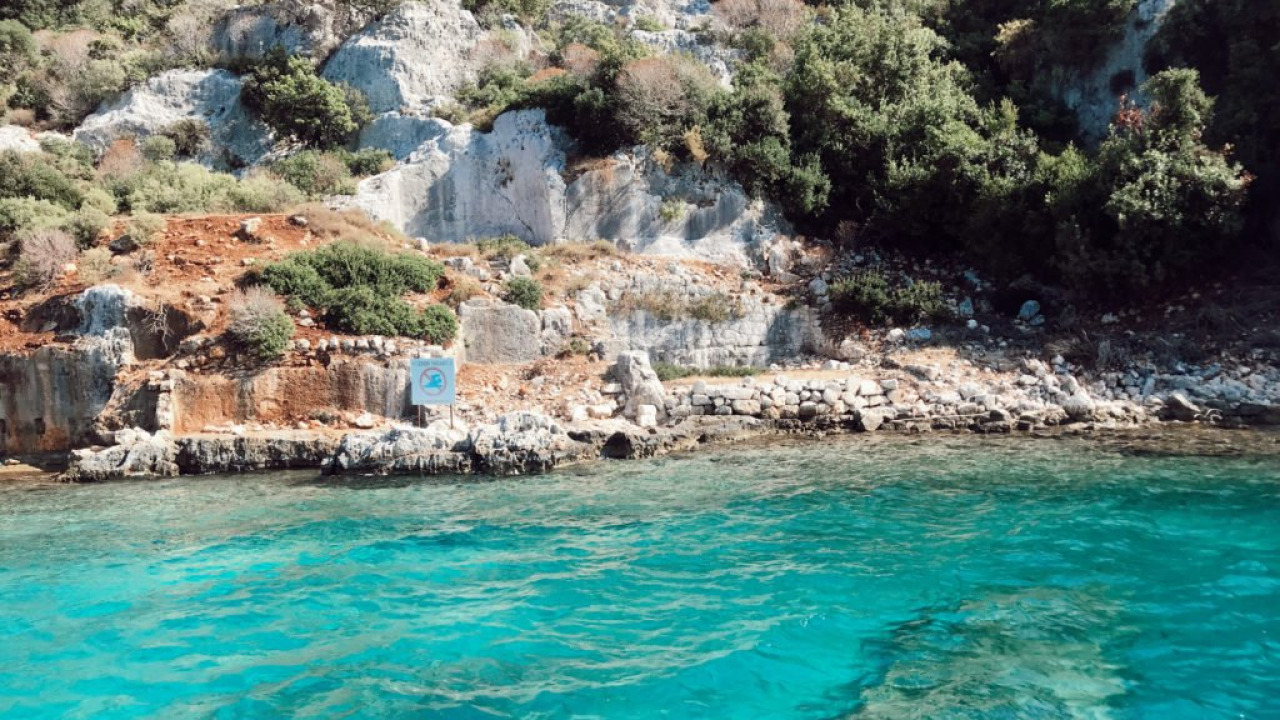
The settlements in this area belong to the Lycian civilization. Simena (modern-day Kaleköy) on the opposite shore and Teimiussa in Üçağız are integral parts of this ancient network. Thanks to the incredible clarity of the water, the structures that sank following the earthquakes can be clearly seen from a boat today. The primary traces visible underwater and along the coast include:
- Rock-cut stairs and remains of ancient piers
- Foundations of semi-submerged houses and walls
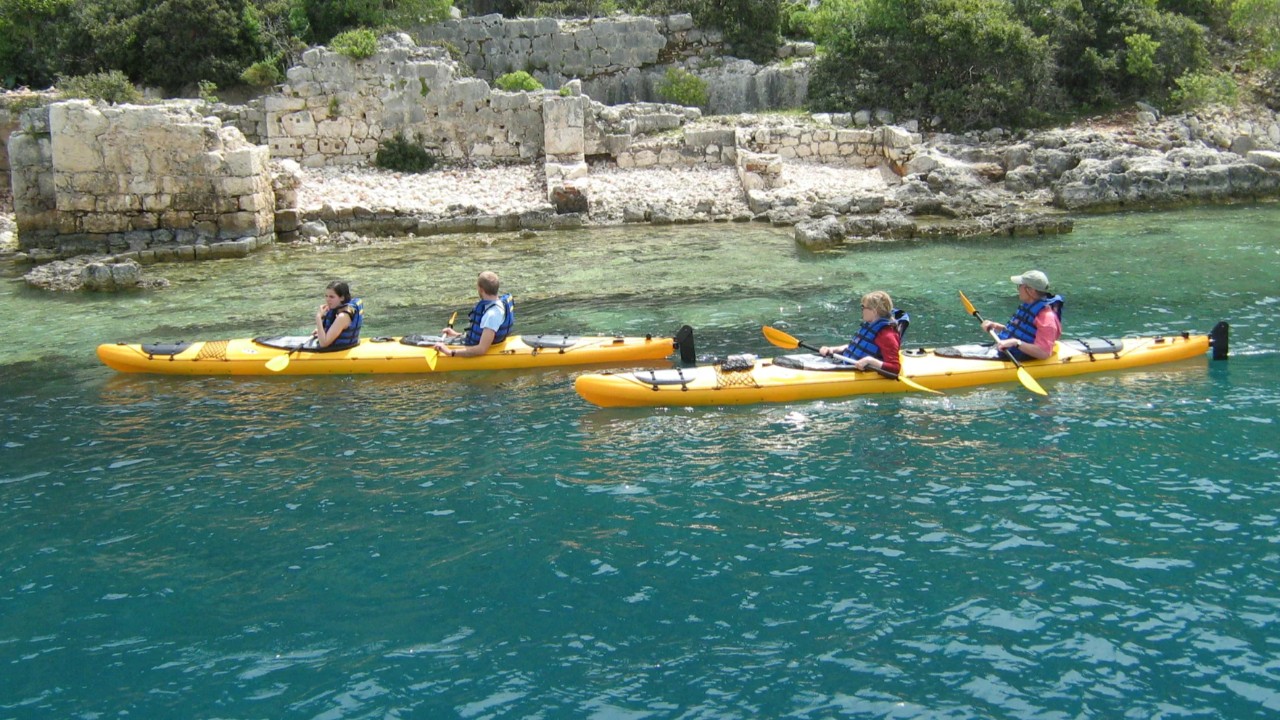
- Lycian-style sarcophagi and rock tombs along the water's edge
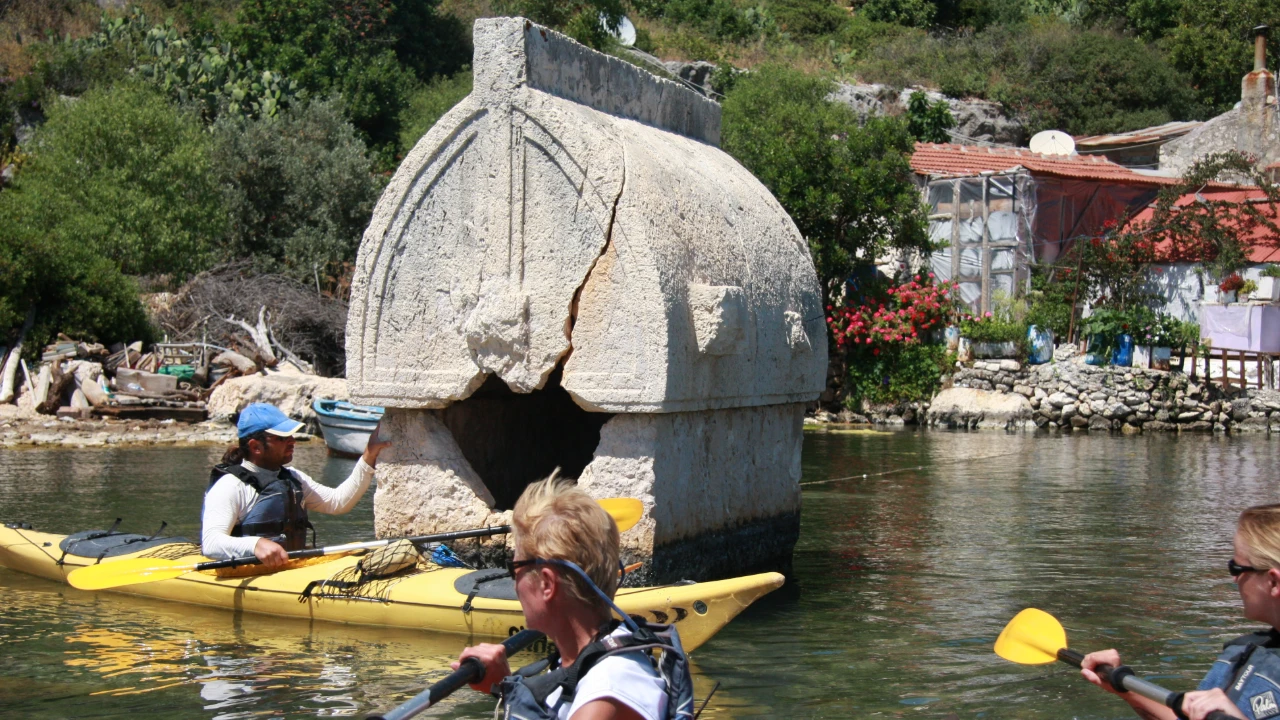
- A partially submerged sarcophagus on the shores of Kaleköy
These remnants transform the sunken city from a mere view into a breathtaking open-air archaeological site.
How to Get to Kekova
You cannot reach the Kekova sunken city directly by land; the ruins must be viewed from the sea by boat. Therefore, it is best to plan your trip in two stages: first, reaching your departure point, and then joining a boat tour.
Boat Tours from Kaş and Üçağız
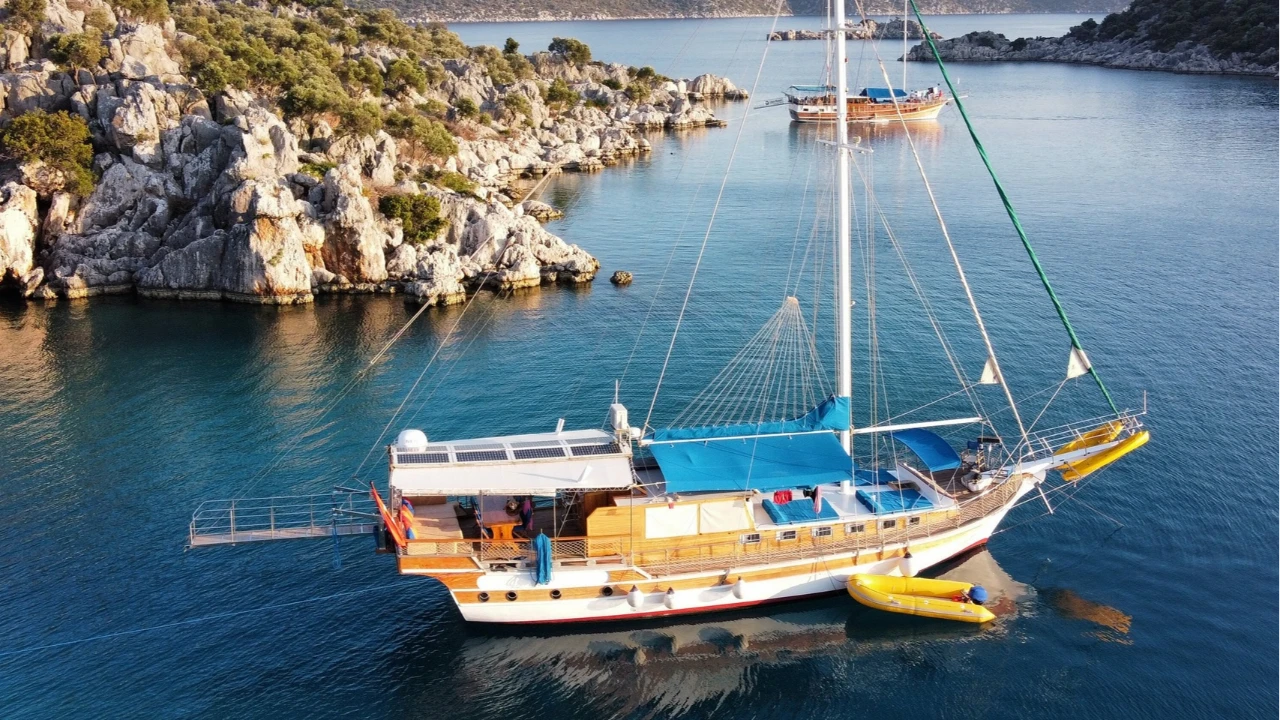
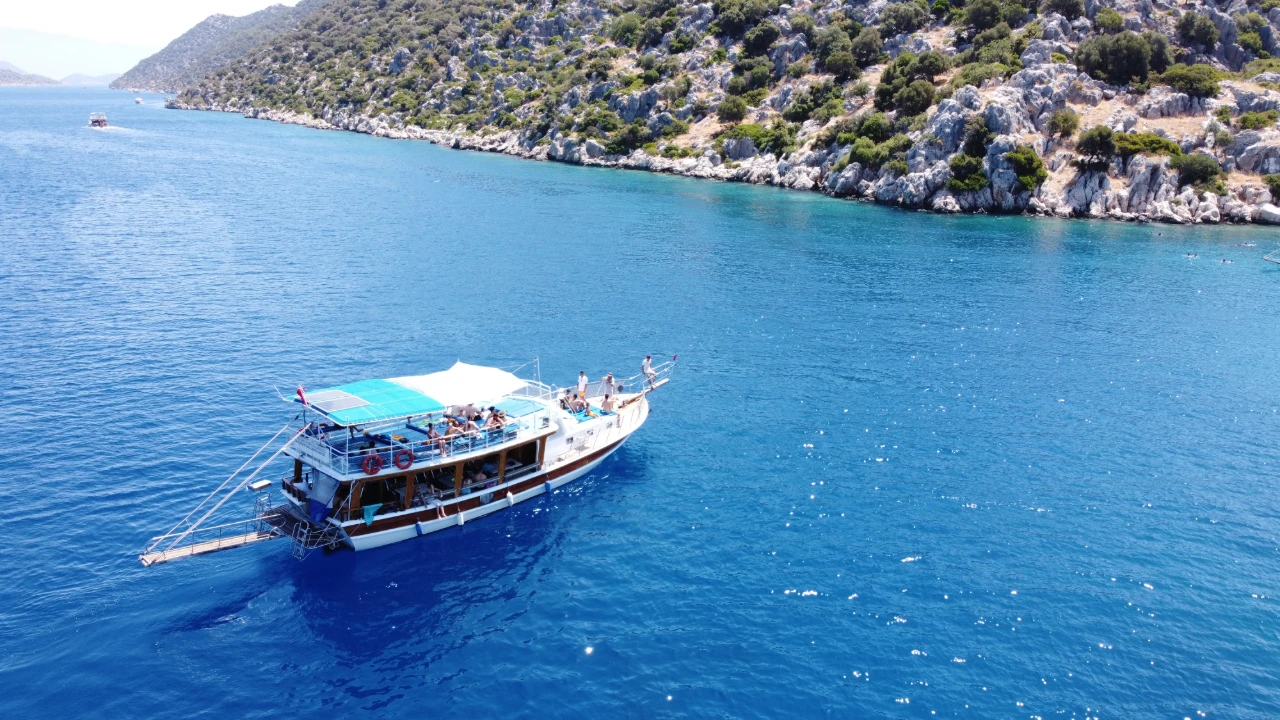
Kekova tours are primarily organized from Üçağız village and the Kaş district. Üçağız is the closest port to the sunken city, meaning boats from here reach the ruins much faster. Tours departing from Kaş are typically full-day excursions that include swimming breaks in various beautiful bays along the way. For those looking to combine different maritime activities, Kaş sea adventure tours are an excellent option.
Step-by-Step Transportation
If you are traveling from Antalya, the general flow for joining a Kekova tour is as follows:
- Travel by road from Antalya city center to either Demre (approx. 150 km) or Kaş (approx. 190 km).
- If you choose the Demre side, head to Üçağız village; if you prefer Kaş, head to the Kaş harbor.
- Board a Kekova boat tour from the pier at your chosen departure point.
- After completing the route—which includes the sunken city, Simena, and surrounding bays—return to your starting point.
For those without a private vehicle, using a private transfer is the most practical way to ensure you arrive at your departure time.
What to See on a Kekova Boat Tour
A Kekova tour is not just about one single spot; it is a combination of closely linked historical and natural landmarks. In this way, the trip brings underwater archaeology and coastal nature together in a single day. The following table summarizes the highlights of the tour.
| Location | What it Offers | Note |
|---|---|---|
| Sunken City | Ancient ruins both underwater and on the coast | Swimming is prohibited; view via glass-bottom boat |
| Simena (Kaleköy) | Medieval castle, Lycian sarcophagi, and a village | A short hike leads to the castle for expansive views |
| Tersane Bay | Byzantine-era church and monastery ruins | A popular stop for swimming |
| Aperlai | A partially submerged ancient Lycian city | A quieter, more nature-oriented stop |
The Sunken City and Glass-Bottom Boats
The heart of the tour is the sunken city on the northern coast of Kekova Island. Boats slow down in this area, and guides explain the history of the ruins. On glass-bottom boats, you can look directly down into the water to see the ancient stairs and walls. The water's clarity makes the ruins exceptionally easy to spot; on calm mornings when the wind is low, the water surface settles, making the seabed even more visible. Since some ruins are semi-submerged at the shoreline, you can enjoy views of both the underwater structures and the stone buildings on land simultaneously as the boat glides by. This is undoubtedly the most photographed part of the tour.
Simena Castle and Kaleköy
In Kaleköy on the opposite shore, you can take a short hike up to the medieval castle perched on the hill. Since the village is only accessible by sea, it maintains a peaceful and authentic atmosphere. From the castle, you can enjoy panoramic views of Kekova Island and the surrounding bays; the castle courtyard also contains traces from the Lycian period and a small ancient theater. The semi-submerged sarcophagus on the village shore is one of the most iconic shots in the region, continuing the "sunken city" theme even above water.
Tersane Bay and Aperlai
Tersane Bay takes its name from the ancient shipyard and Byzantine-era church ruins located on its coast; many tours make a swimming break here. Aperlai is another ancient city that is partially submerged and offers a much more tranquil, secluded atmosphere. Those looking to combine their trip with a cultural itinerary might consider Demre cultural tours.
Is Swimming Prohibited in Kekova? Conservation Rules
Kekova is part of a special environmental protection zone, and specific rules are enforced to protect the sunken city. When visiting, it is essential to follow these basic rules:
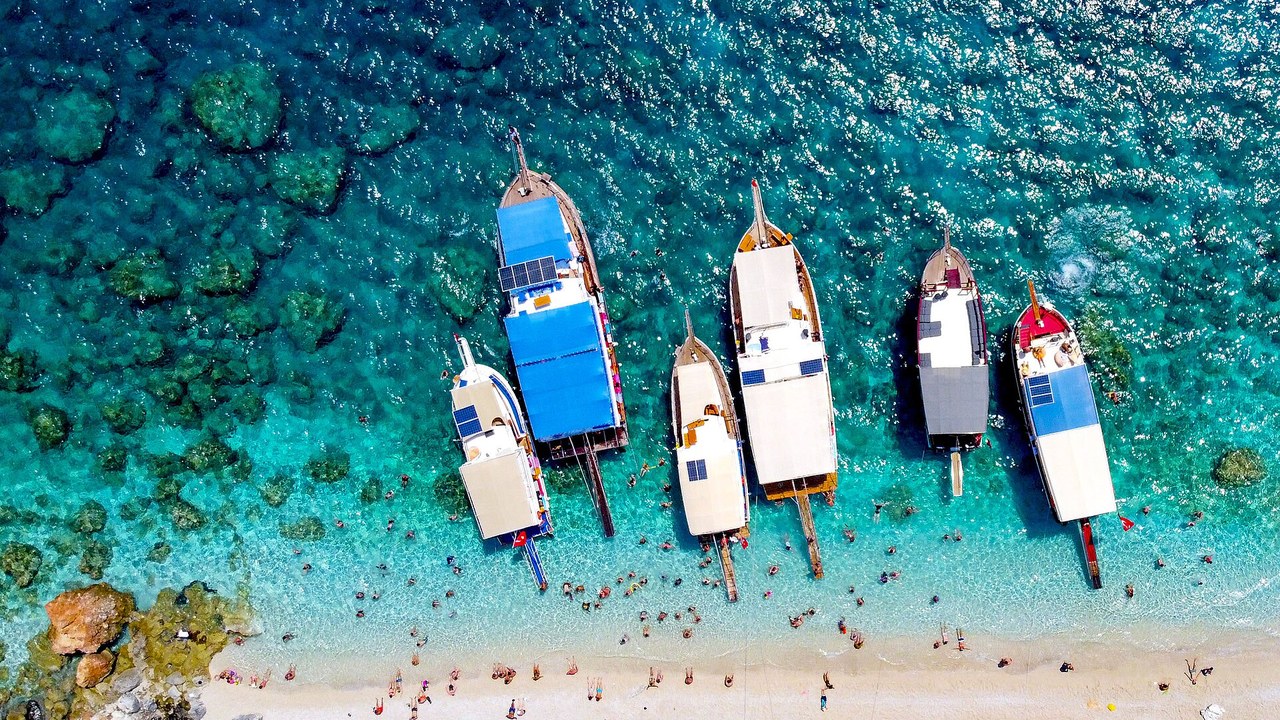
- Swimming and diving directly over the sunken city ruins is strictly prohibited.
- Do not touch or remove any pieces of the ancient ruins.
- Do not leave any litter in the sea or on the coastline.
- Swimming breaks are only permitted in designated bays.
- Always follow the instructions of the boat crew and your guide.
These rules are both a legal requirement and a vital necessity to ensure this incredible site is preserved for future generations.
The Best Season to Visit Kekova
The ideal time for Kekova tours is between June and September, when the sea temperature rises and boat tours operate regularly. During these months, the weather is clear, the sea is warm, and sailing conditions are favorable. July and August are the peak months; for those seeking a quieter experience, early June or late September offers a perfect balance. While the weather can still be pleasant in the last weeks of spring or early October, the sea will be much cooler, so plan your swimming accordingly. Since boat trips may be postponed on windy days, scheduling your trip with a bit of flexibility will protect your plans and increase your chances of seeing the sunken city in calm, clear waters.
Practical Tips for Your Kekova Trip
To get the most out of your Kekova boat tour, a little preparation goes a long way. We recommend bringing the following:
- High-factor sunscreen, a hat, and sunglasses
- A change of swimwear, a towel, and water shoes
- Snorkeling gear and a waterproof phone pouch
- Plenty of drinking water and light snacks
- Motion sickness remedies if you are prone to sea sickness
Additionally, the morning light is softer and better for photography; if you plan to hike up to the castle, comfortable walking shoes are a must. For those wanting to coordinate both transportation and tours, check out the packages available in Demre sea adventure tours.

Frequently Asked Questions 6
Where is the Kekova sunken city located?
Kekova is a marine area located on the coast of the Demre district in Antalya, situated between Demre and Kaş. Administratively, it belongs to Demre, but tours depart from both the nearby village of Üçağız and the town of Kaş.
Why did the Kekova sunken city sink?
According to historical records, the ancient Lycian settlements along the coast were partially submerged due to major earthquakes that occurred in the 2nd century AD. This is why parts of houses, stairs, and piers are visible underwater today.
Is swimming allowed in Kekova?
Swimming and diving directly over the sunken city ruins are prohibited because the area is a protected site. However, swimming breaks are provided in the permitted nearby bays during the tour.
Where can I catch a boat tour to Kekova?
Kekova tours primarily depart from Üçağız village, which is the closest port to the sunken city, and from the larger tourism hub of Kaş. Tours from Üçağız reach the ruins much faster.
What else can I see on a Kekova tour?
In addition to the sunken city, the main highlights include Simena (Kaleköy) castle and its Lycian sarcophagi, the Byzantine church ruins in Tersane Bay, and the partially submerged ancient city of Aperlai.
When is the best season to visit Kekova?
The best time to visit is between June and September, when the sea is warm and boat tours are in full swing. July and August are the busiest months; for a more peaceful experience, consider early June or late September.