
When imagining the perfect getaway to Aydın, picture a place where majestic ancient ruins meet untouched Aegean bays and world-renowned local delicacies. This historic gem of the Aegean region offers an expansive itinerary, stretching from the UNESCO World Heritage site of Afrodisias and the mystical Temple of Apollo to the lush forests of Dilek Peninsula National Park and the vibrant shores of Kuşadası. In this guide, we break down Aydın's highlights through the lenses of history, nature, and gastronomy, helping you plan a seamless journey.
At Travel Tour Shop, we operate directly on the ground across the Aegean. We curate our ancient city and national park routes based on our own rigorous quality standards to ensure an unforgettable experience. Below, you'll find a quick snapshot of the region followed by a detailed guide to its must-visit spots. To explore our curated itineraries, visit our Aydın tours page.
Quick Facts
| Detail | Information |
|---|---|
| Province | Aydın (Aegean Region) |
| Best Time to Visit | Spring (April-June) and Autumn (September-November) |
| Recommended Duration | 2 to 4 days |
| Highlights | Afrodisias, Priene-Milet-Didyma route, Dilek Peninsula National Park, Kuşadası |
| Transport | Primarily by road; easy access via İzmir Adnan Menderes Airport |
What to See and Do in Aydın?
Due to its unique geography, Aydın offers two distinct travel experiences in one trip. The eastern and inland areas are a treasure trove of ancient cities and museums, while the western axis—passing through Söke and Didim—opens up to the turquoise waters of the Aegean, national parks, and secluded coves. To make the most of your visit, we recommend choosing a primary theme: are you here for archaeology and history, or for sun, hiking, and seaside relaxation?
For a great introduction to the region's heritage, the Aydın Archaeology Museum in the city center is an excellent starting point. Nearby, the ancient city of Tralleis, perched overlooking the plains, is perfect for a quick visit. From there, the road splits: one way leads toward the artistic marvel of Afrodisias in Karacasu, and the other toward the intellectual hub of the Priene-Milet-Didyma line.
When planning your trip, keep the distances in mind. Afrodisias is located further inland, while Kuşadası, Söke, and Didim are clustered along the coast. Trying to cram both directions into a single day can be exhausting. Most travelers split their itinerary into two zones: one day for the coastal districts and another for the inland archaeological sites.
Afrodisias Ancient City: Aydın's Crown Jewel
The most prestigious stop on any cultural route in Aydın is undoubtedly Afrodisias, a UNESCO World Heritage site located in the Karacasu district. Named after Aphrodite, the goddess of love and beauty, this city was the ancient world's premier center for marble sculpture. With high-quality marble quarried nearby, the city evolved into a renowned school of art.
One of the most striking features of Afrodisias is its ancient stadium, which could hold roughly 30,000 spectators. It is one of the best-preserved stadiums in the entire Mediterranean basin. Other highlights include the Sebasteion, with its intricate mythological reliefs dedicated to Roman emperors, and the Afrodisias Museum, which houses breathtaking sculptures unearthed during excavations.
Because Afrodisias is located inland, it usually requires a dedicated day. Given the expansive site and uneven terrain, we highly recommend wearing comfortable walking shoes. You can find our expert-led archaeological programs in our Aydın cultural tours category.

Priene, Milet, and Didyma: The Sacred Triangle
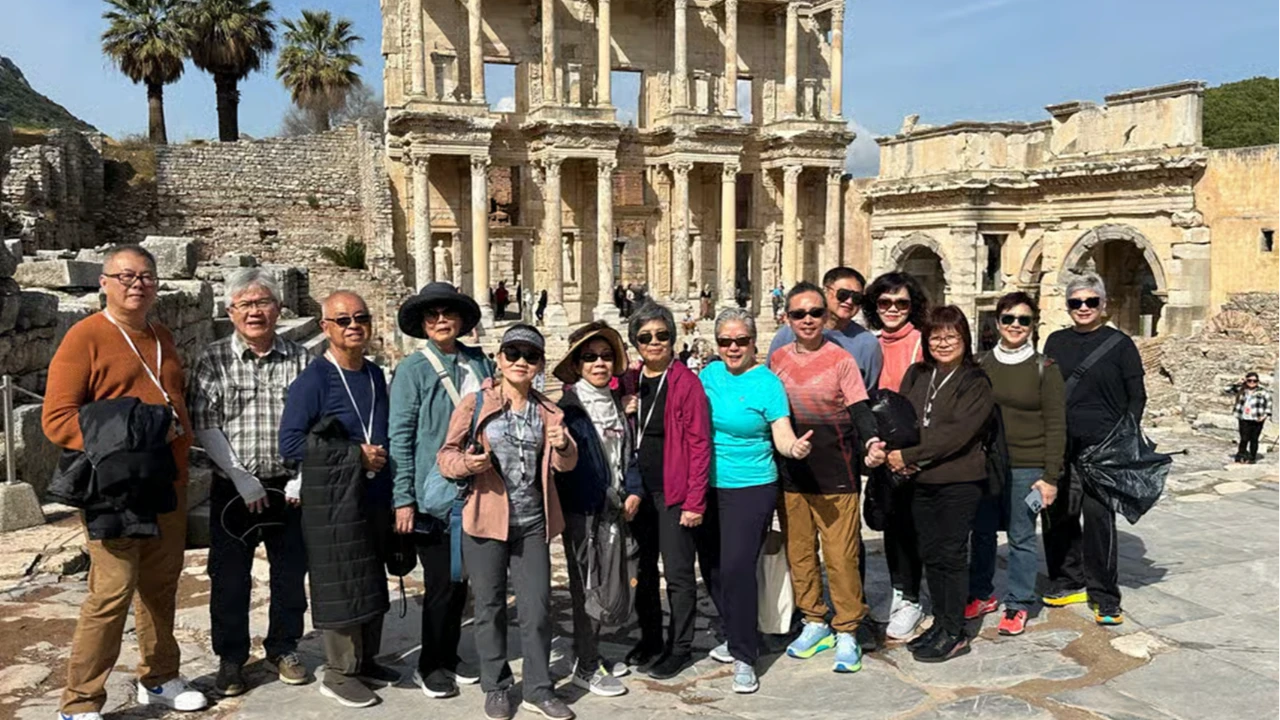
On the western axis, between Söke and Didim, lies a trio of ancient sites that trace the evolution of science, philosophy, and architecture. Because these three sites are relatively close to one another, they are typically visited together in a single day.
Priene Ancient City
Built on a steep rocky slope, Priene is one of the earliest known examples of "Hippodamian" grid planning, with streets intersecting at right angles. The Temple of Athena and the ancient theater offer stunning panoramic views of the Büyük Menderes Valley. Be prepared for a bit of a climb, as the city was constructed in terraces with steep stone stairs and paths.
Milet Ancient City
Milet was the intellectual heart of the ancient world, home to Thales (the father of philosophy), Anaximander (the cartographer), and Hippodamus (the urban planner). The city's massive theater, seating about 15,000 people, is a masterpiece of Roman acoustics. Right next to it, the Faustina Baths are famous for their ornate lion-shaped water features.
Didyma and the Temple of Apollo
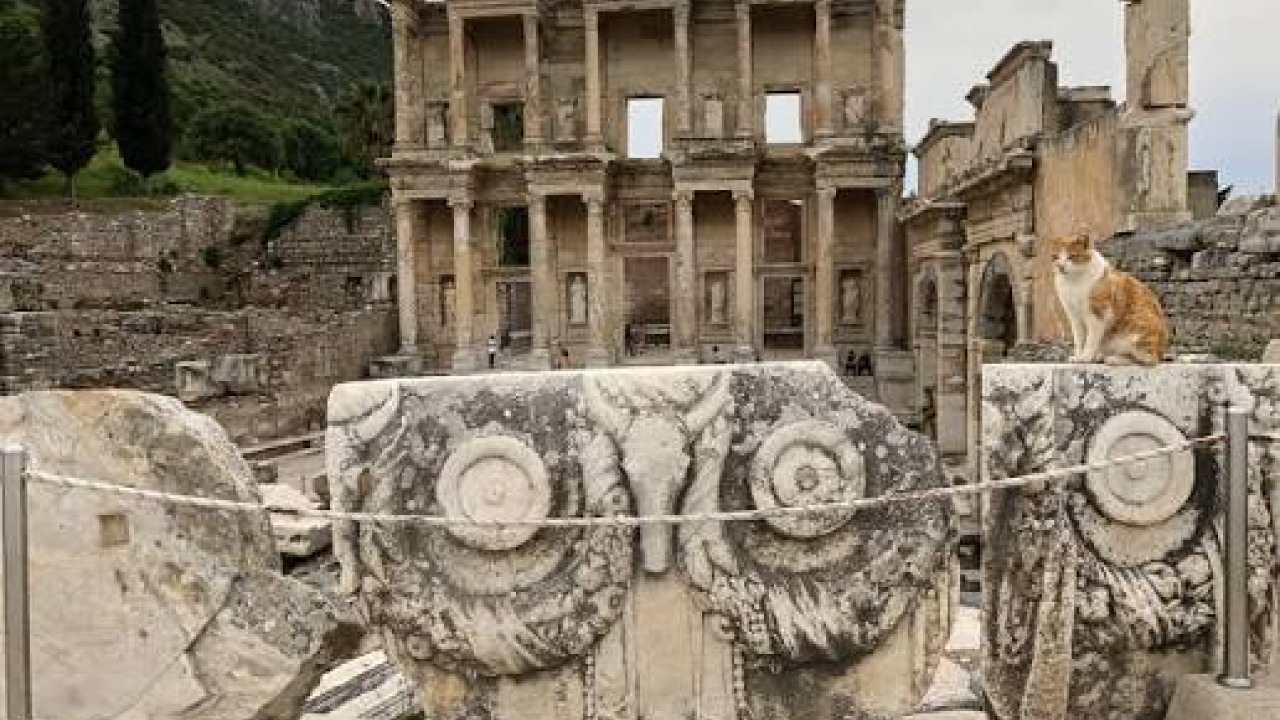
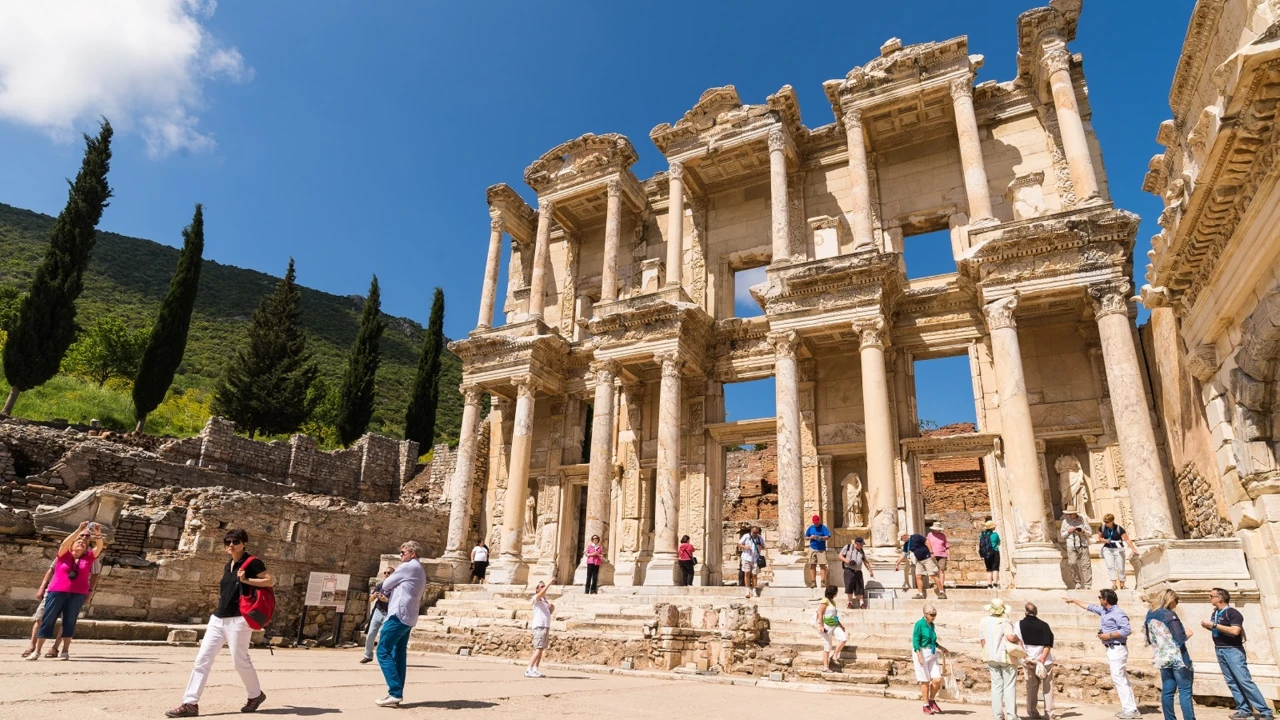
Connected to Milet by the "Sacred Way," Didyma was not a city but a sanctuary—a center of prophecy and worship dedicated to Apollo. The colossal remaining columns of the temple and the famous Medusa head relief are the primary draws for photographers and history buffs. Since Didyma is located near the town center of Didim, it is easy to combine this visit with a beach day.
Dilek Peninsula National Park and Nature Escapes
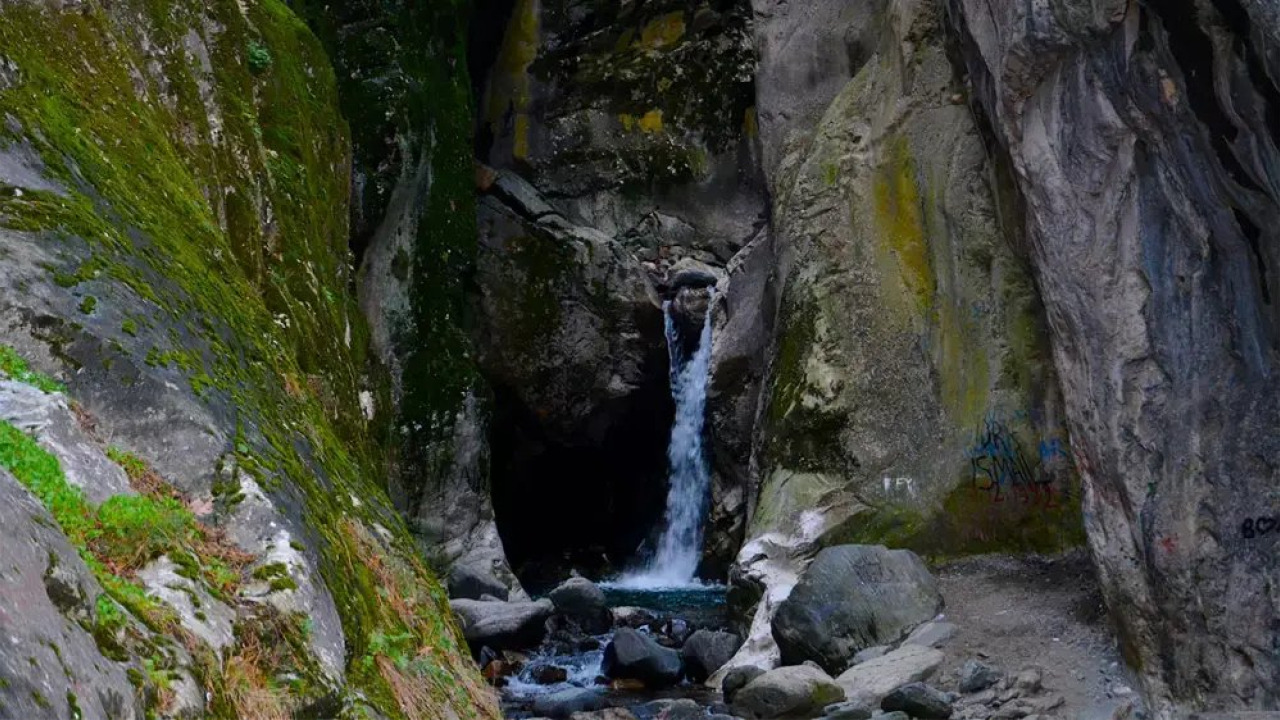
Aydın is more than just museums and ruins; it is also home to some of the Aegean's most pristine natural landscapes. The Dilek Peninsula-Büyük Menderes Delta National Park, located within the borders of Kuşadası, is famous for its pine forests that plunge straight into the sea. İçmeler, Aydınlık, and Karasu are the most popular beaches within the park. This protected area is also a haven for wild horses and rare species, making it ideal for hiking and botanical exploration.
Near the entrance of the national park lies the Zeus Cave, a natural underground pool where fresh mountain water meets the sea. According to mythology, the cave is linked to Zeus, the king of the gods, and its turquoise waters provide a refreshing and mystical stop. For those strolling along the coast, the historic Pigeon Island Castle (Güvercinada), with its Byzantine-era walls, offers a picturesque silhouette against the Kuşadası skyline.
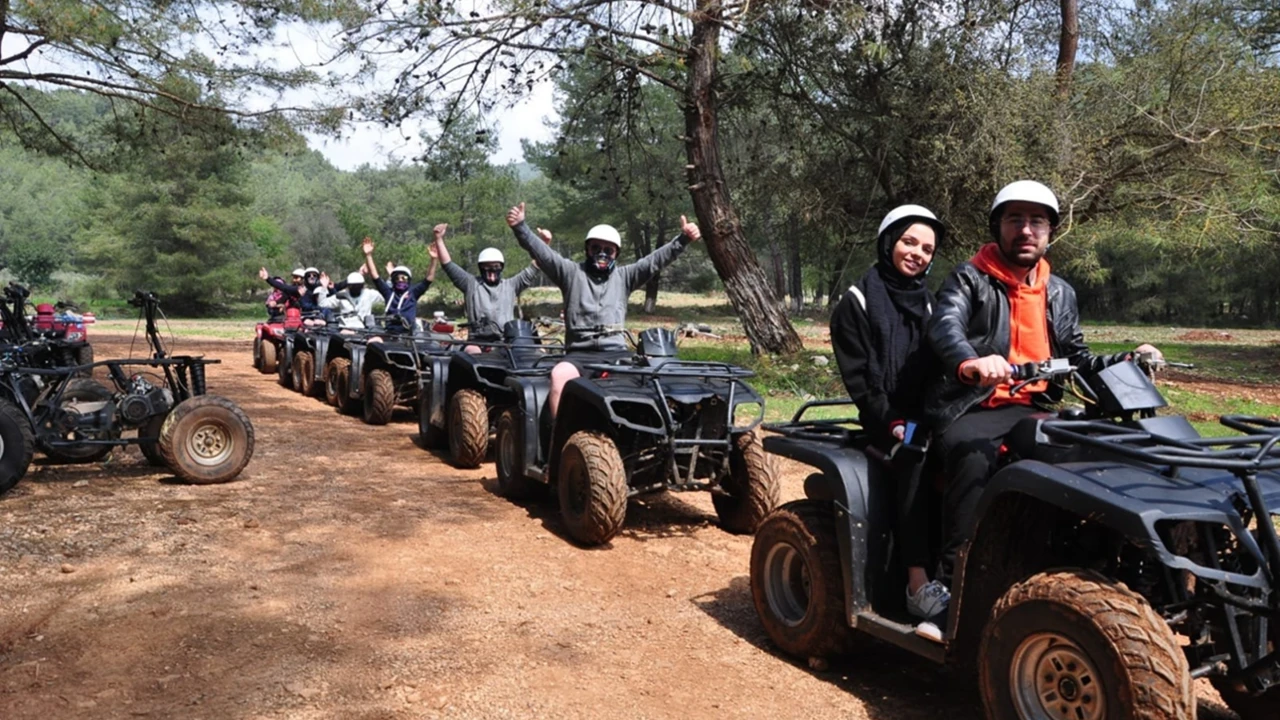
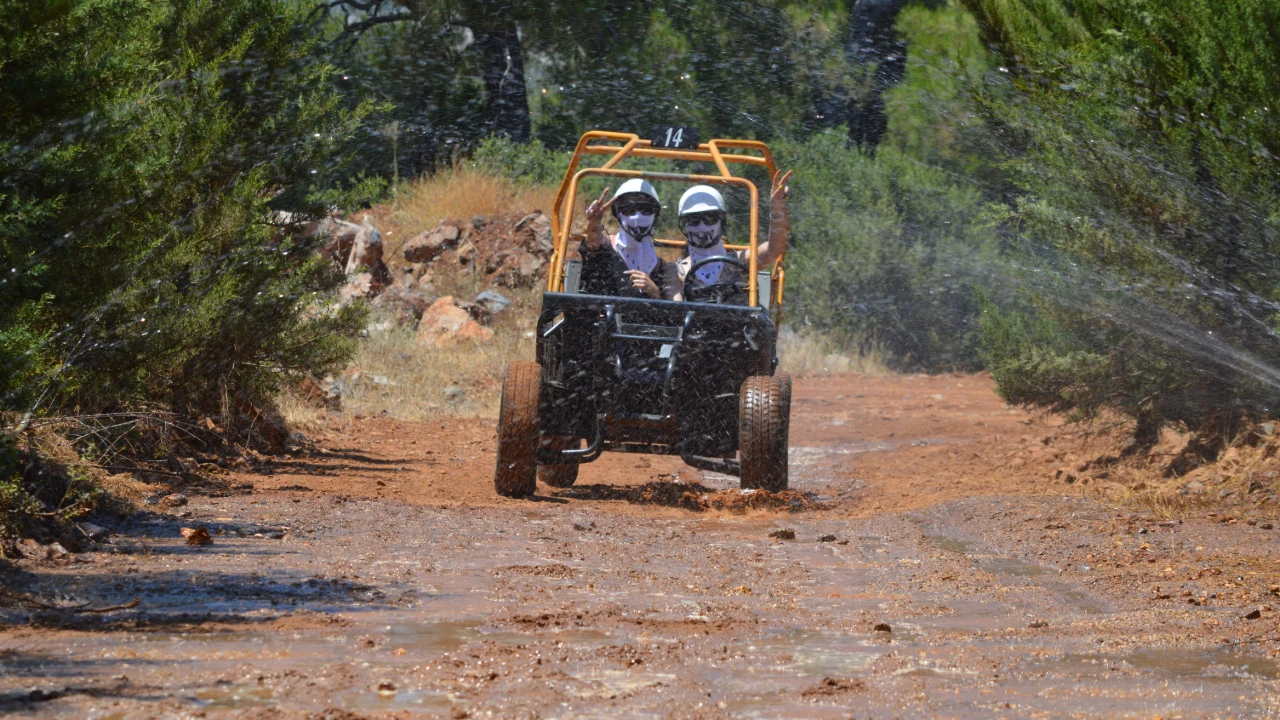
Keep in mind that the national park's coves can get crowded during summer weekends; arriving early in the morning ensures a more peaceful experience. For those seeking trekking-focused itineraries, check out our Aydın nature and adventure tours.




Which Districts Should You Visit?
Understanding the character of each district will help you decide where to base yourself. Kuşadası is a vibrant resort hub, perfect for those who want a mix of shopping, port activity, and easy access to the national park. Didim offers a blend of history and relaxation, combining the Temple of Apollo with the golden sands of Altınkum Beach. Söke serves as the gateway to the ancient cities of Priene and Milet.
If you head inland, Karacasu is the place for archaeology enthusiasts thanks to Afrodisias. The city center (Efeler) reflects the local culture through the Archaeology Museum, the Yörük Ali Efe Museum, historic mosques, and traditional bazaars. For a short trip, the Kuşadası-Didim axis is the most practical, while those prioritizing history should focus on Karacasu and Söke.
For nature lovers and canyon explorers, the Arapapıştı (Madran) Canyon in the direction of Bozdoğan offers a different kind of scenery. Additionally, the area around Lake Bafa, near the Söke plains, is renowned for bird watching and serene nature walks.
A Taste of Aydın: Local Gastronomy
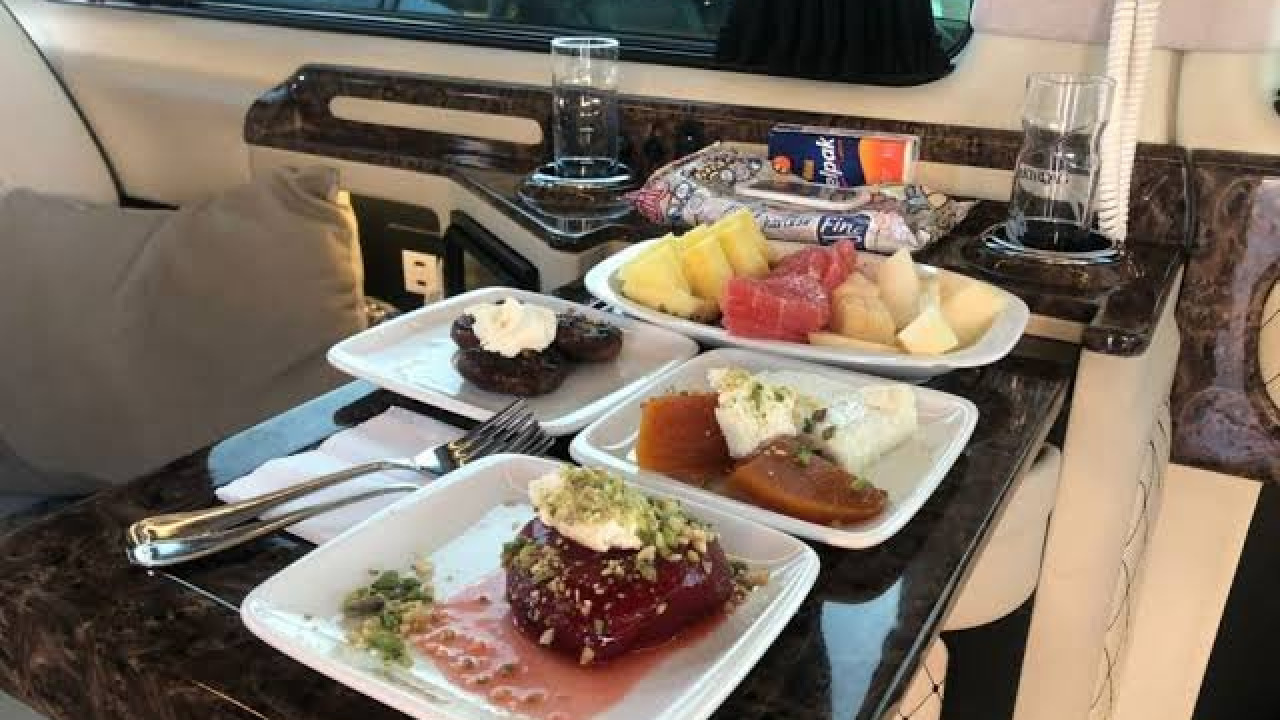
No trip to Aydın is complete without diving into its culinary scene. The region is a cornerstone of Aegean gastronomy, famous for its olive oil, wild mountain herbs, and world-class figs. Here are the local flavors you shouldn't miss:
- Çine Köftesi: A specialty of the Çine district, these meatballs are made from beef, a touch of breadcrumbs, and cumin (no onions!). They are grilled over oak charcoal to remain juicy and served with charred peppers and tomatoes.
- Aydın Yuvalaması: A traditional main course consisting of tiny meatballs made with minced meat, chickpeas, and bulgur, baked with a rich yogurt and butter sauce.
- Olive Oil Artichokes and Şevketi Bostan: Light, healthy Aegean dishes featuring artichokes grown in the Aydın plains and "Şevketi Bostan" (blessed thistle) gathered from mountain slopes, slow-cooked in extra-virgin olive oil.
- Aydın Figs and Teleme: The region's honey-sweet figs paired with "Teleme" (a traditional goat milk cheese/dessert) create a light and authentic Aegean treat.
Local tastes vary by location; seafood dominates the coastal districts, while meat and pastry dishes are more common inland. If you're a foodie, we recommend checking local market days before your visit.
Planning a Weekend in Aydın
To make the most of a limited weekend, it's best to narrow your focus geographically. Here are two suggested 2-day itineraries:
Option 1: The Coastal & Nature Route - Day 1: Explore Kuşadası center, visit Pigeon Island Castle, and spend the afternoon at Dilek Peninsula National Park and Zeus Cave. - Day 2: Head through Söke to visit the ancient cities of Priene, Milet, and Didyma.
Option 2: The History & Culture Route - Day 1: Visit the museums in Aydın center and explore the ruins of Tralleis. - Day 2: Take a trip to Karacasu to spend the day at the breathtaking Afrodisias Ancient City.
To avoid the crowds, we suggest visiting national parks and popular beaches in the early morning and exploring the ancient ruins in the cooler afternoon hours.
When to Visit and How to Get There
Aydın enjoys a Mediterranean-style climate. In July and August, the heat and humidity can make exploring open-air sites like Priene and Milet quite challenging. For a more comfortable experience, we recommend visiting during the spring (April-June) or autumn (September-November). During these months, both the ancient cities and the coastal bays are at their most inviting.
In terms of transport, Aydın is well-connected by road to İzmir and neighboring provinces. Most international travelers fly into İzmir Adnan Menderes Airport and then travel by car to Aydın center or directly to the Kuşadası-Didim axis. Since some ancient cities are far from public transport, renting a car or booking a private tour is the most time-efficient way to see multiple sites.
Depending on your goals, your choice of accommodation will change. For a beach-centric holiday, Kuşadası and Didim offer the best variety of resorts. For those prioritizing museums and ruins, staying in Aydın center or Söke puts you in the middle of the action, reducing daily travel time.
Frequently Asked Questions 6
What are the top things to do in Aydın?
The must-visit spots include the ancient cities of Afrodisias, Priene, Milet, and Didyma, the Temple of Apollo, Dilek Peninsula National Park, Zeus Cave, Pigeon Island Castle in Kuşadası, and the Aydın Archaeology Museum.
What is the most famous historical site in Aydın?
The ancient city of Afrodisias in the Karacasu district is the most internationally renowned site. A UNESCO World Heritage site, it is famous for its ancient stadium, Sebasteion reliefs, and its history as a center for sculpture.
When is the best time to visit Aydın?
Spring (April-June) and Autumn (September-November) are the most comfortable seasons. The peak summer months of July and August can be excessively hot and humid for outdoor sightseeing.
What can I do in Aydın over a weekend?
A great 2-day plan would be: Day 1 in Kuşadası and Dilek Peninsula National Park; Day 2 exploring Priene, Milet, and Didyma via Söke. History buffs can swap one day for a visit to Afrodisias.
Are there ferries from Kuşadası to the Greek Islands?
Yes, ferries and catamarans run from the Kuşadası Ege Port to Samos (Sisam), Greece. The journey takes approximately 45 minutes. We recommend checking current border regulations and schedules before your trip.
What local foods should I try in Aydın?
Don't miss the Çine köftesi, Aydın yuvalaması, olive oil-based artichokes and Şevketi Bostan, and the famous Aydın figs paired with Teleme.