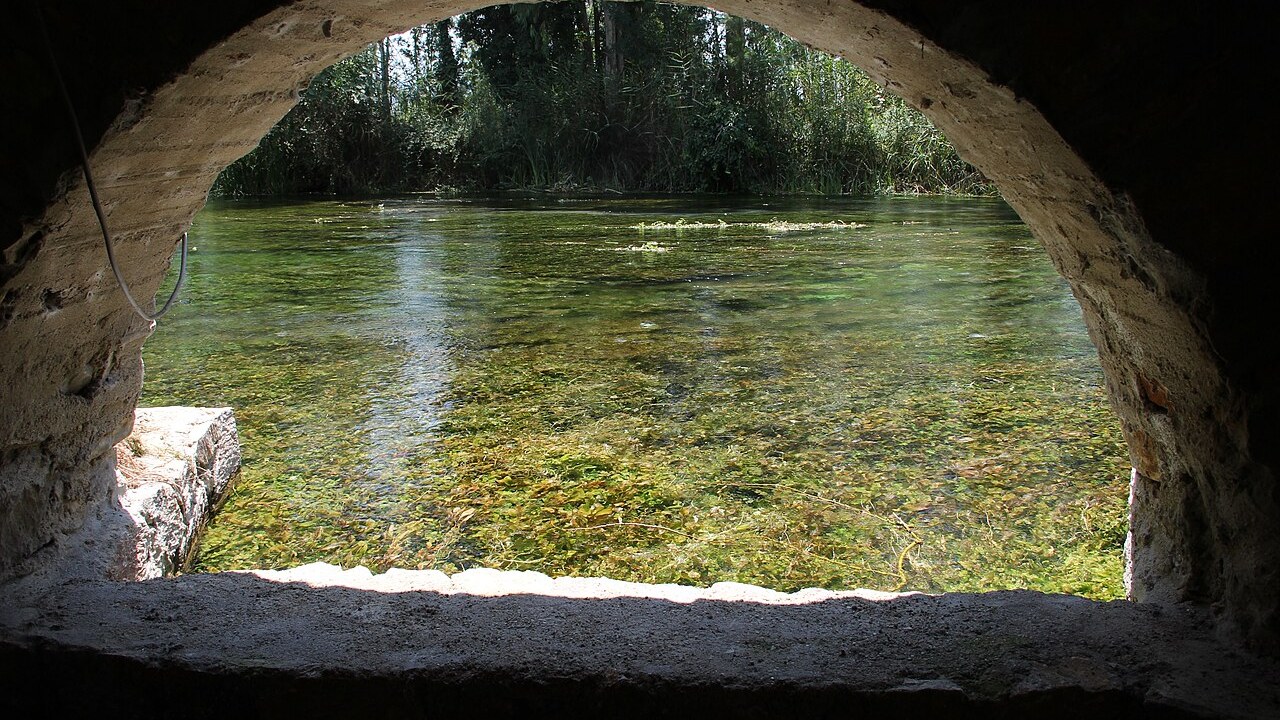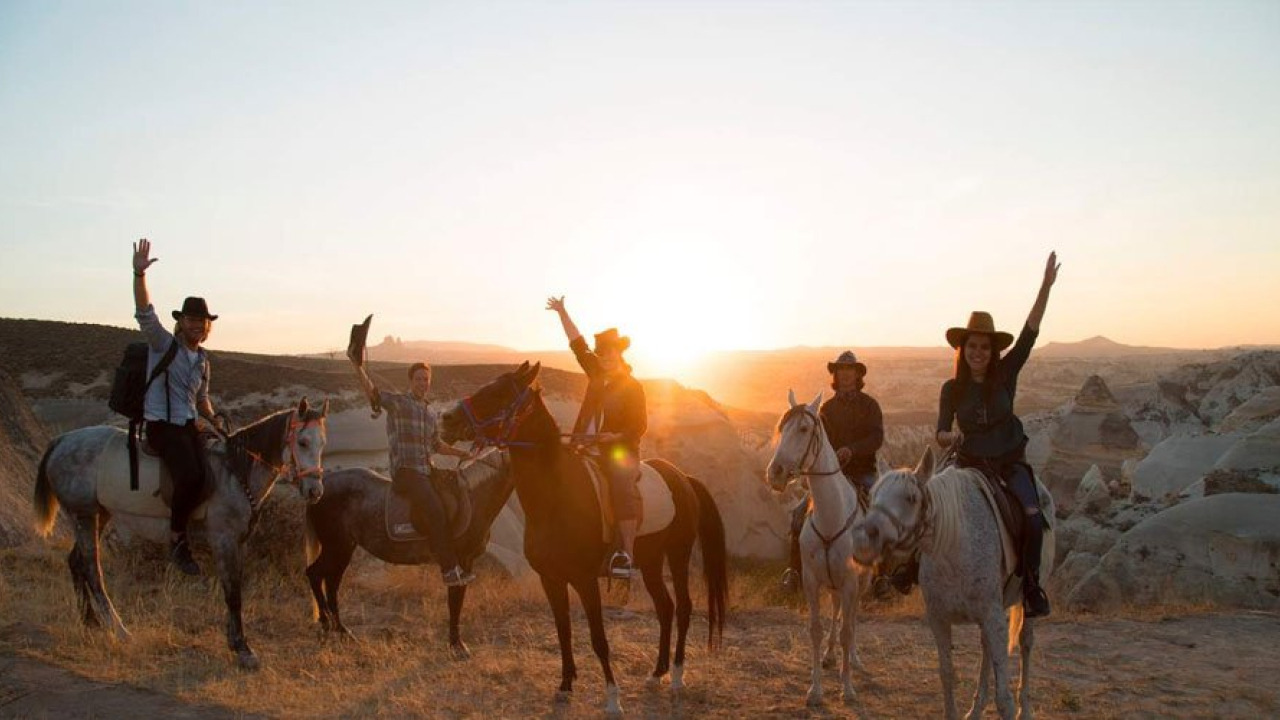
From the surreal tuff valleys of Cappadocia, historically known as the "Land of Beautiful Horses", to the fragrant pine forests of the Mediterranean, the Anatolian landscape is a treasure trove of natural trails waiting to be explored on horseback. For those looking to escape the roar of engines and the monotony of asphalt, Horse Safari Tours offer safe, breathtaking routes tailored for riders of all skill levels.
The moment you settle into the saddle and take the reins, a silent, profound bond forms between human and horse, allowing the stresses of modern life to simply melt away. There is a unique sense of serenity in crossing riverbeds, navigating canyons, and traversing valleys while listening only to the rhythm of the wind and the steady beat of hooves.
Even for absolute beginners who have never mounted a horse, these tours are designed for safety and enjoyment. The secret to a peaceful ride lies in understanding basic steering commands and maintaining convoy discipline. With a brief pre-ride orientation and the right gear, guests of all ages can effortlessly sync with the rhythm of nature.
Horse Safari Essentials: What to Know Before You Ride
Understanding the terrain, tour duration, and safety requirements before you set off enhances the overall experience. In Turkey, the pine-scented Antalya horse safari trails and the lush Muğla nature rides are highly recommended. Additionally, the Fethiye horse safari options winding through the ruins of Kayaköy and the iconic Cappadocia valley tours among the fairy chimneys are perennial favorites.
The following table summarizes the core trail and safety standards for our guests:
| Feature | Rider & Trail Summary |
|---|---|
| Tour Duration Options | 1-hour valley loops, 2-hour sunset sessions, or half-day excursions |
| Required Skill Level | Beginner; no prior riding experience necessary |
| Horse Profile | Highly docile, calm trail horses experienced in rugged terrain |
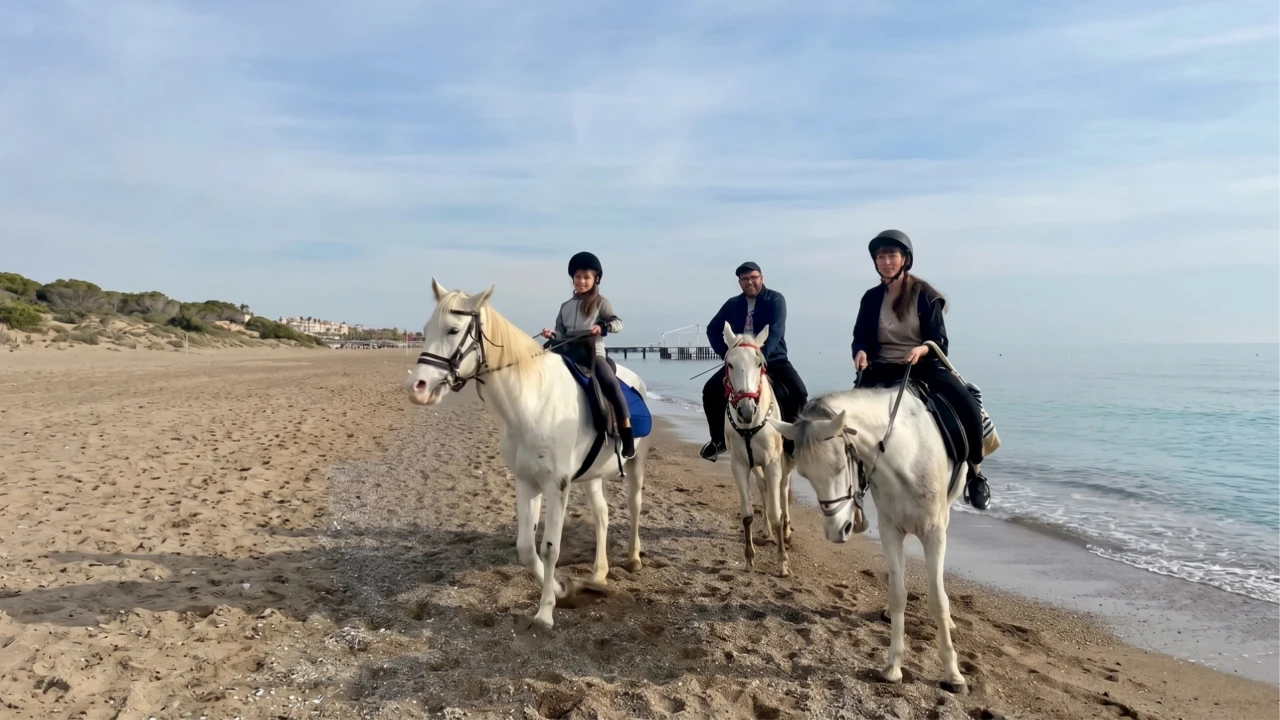
| Mandatory Safety Gear | Certified riding helmets (Tog) for head protection |
| Age & Weight Limits | Min. 6-8 years for independent riding; max weight 100-110 kg |
| Riding Formation | Disciplined single-file convoy led by a professional guide |
| Recommended Attire | Long, flexible trousers to protect inner legs and closed-toe shoes |
Riding Dynamics: How to Guide Your Horse
The horses used in tourist safaris are gentle creatures, well-accustomed to human voices and varying terrain. Before leaving the ranch, guides provide a practical demonstration on how to stop the horse, steer left or right, and use heel cues for movement.
Holding the reins balanced with both hands and keeping them loose at chest level allows the horse to walk comfortably. To stop, a gentle pull back on the reins combined with a soft "whoa" command is usually sufficient.
When ascending a hill, leaning your body weight slightly forward helps the horse climb; conversely, leaning back slightly during descents helps the animal maintain its balance. This intuitive body language makes the ride far more enjoyable for both the rider and the horse.
Convoy Spacing and Safety Discipline
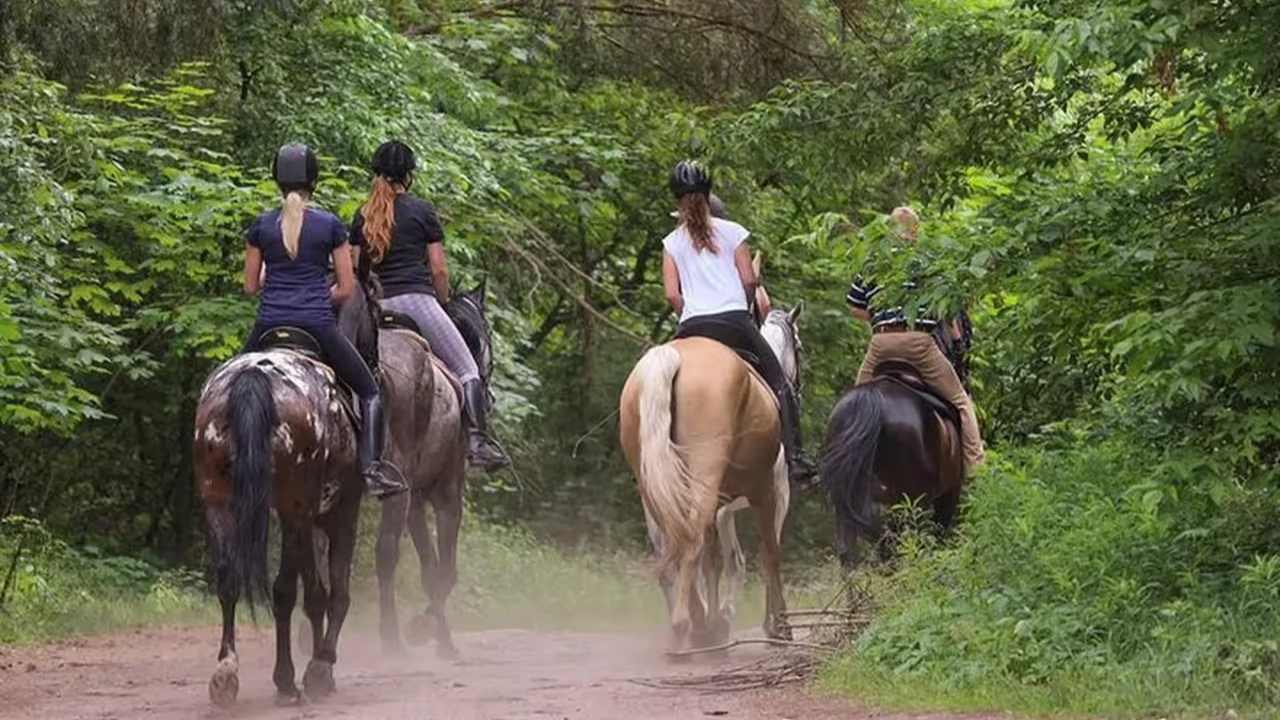
The golden rule of any horse safari is maintaining the convoy order. By nature, horses are herd animals and feel most secure following a lead horse.
Always maintain a safety distance of at least one horse length (approximately 2 meters) from the animal in front of you. Getting too close can unsettle the horse ahead or trigger a defensive reflex, such as kicking.
While the tour leader sets the pace and route at the front, assistant grooms walk among and behind the group to support novice riders. This disciplined approach ensures the journey is completed in peace and safety.
Family-Friendly Riding: Ponies and Small Horse Options
Horse safaris are a wonderful way for children to develop a love for animals. Children over 6 can ride docile horses independently under parental supervision.
For younger children, we offer safe rides using a lead rope (longe) held by a professional guide. The guide walks alongside the horse, maintaining full control at all times.
Many ranches also provide specialized ponies for our smallest guests. With properly fitted miniature helmets, children can enjoy a safe and magical first introduction to riding.
Comparing Horse Safari Trail Types and Terrains
Depending on the geography, safari routes offer vastly different landscapes and ground conditions. Each trail has its own unique atmosphere and specific terrain considerations.
The table below compares the most popular horse safari models in Turkey:
| Trail Type | Terrain & Ground Structure | Scenery & Highlights | Average Pace | Ideal For... |
|---|---|---|---|---|
| Cappadocia Valley | Soft tuff sand, narrow canyons | Fairy chimneys, cave churches, sunsets | Calm walk and trot | Photographers & romantic couples |
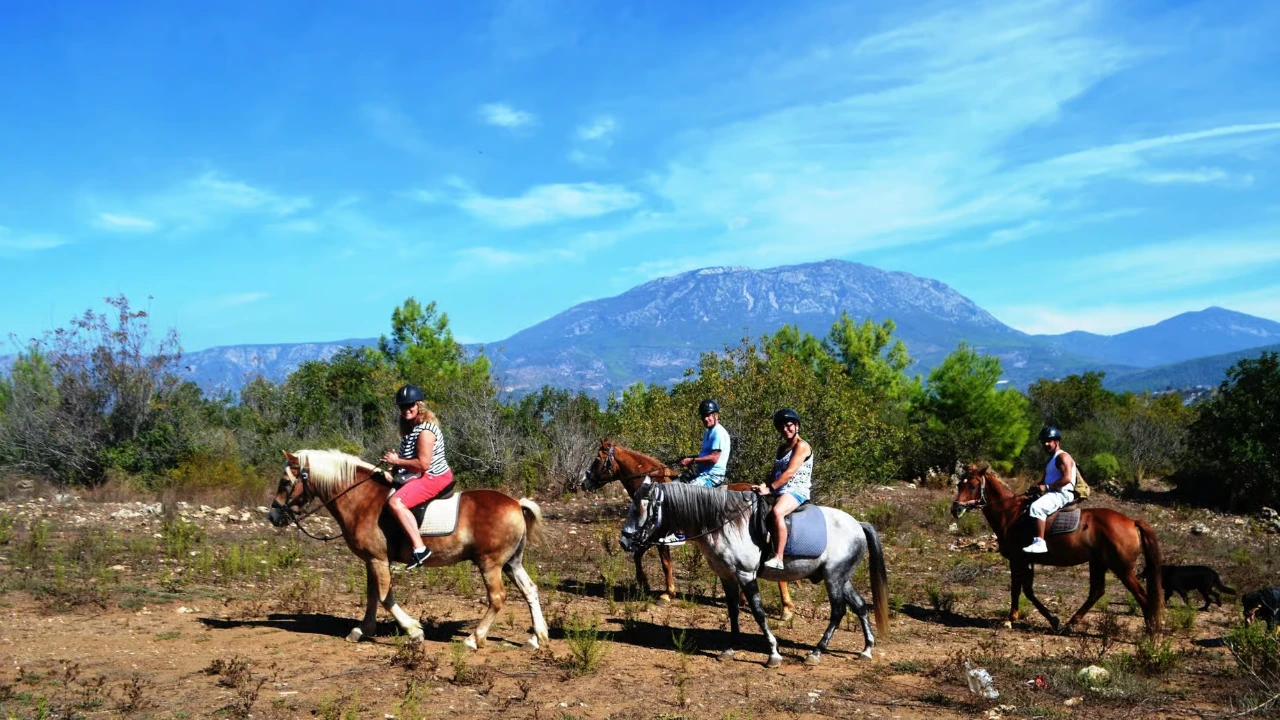
| Mediterranean Pine Forest | Dirt paths, gentle slopes | Scented pine shade, highland breezes | Balanced walking pace | Nature lovers & families |
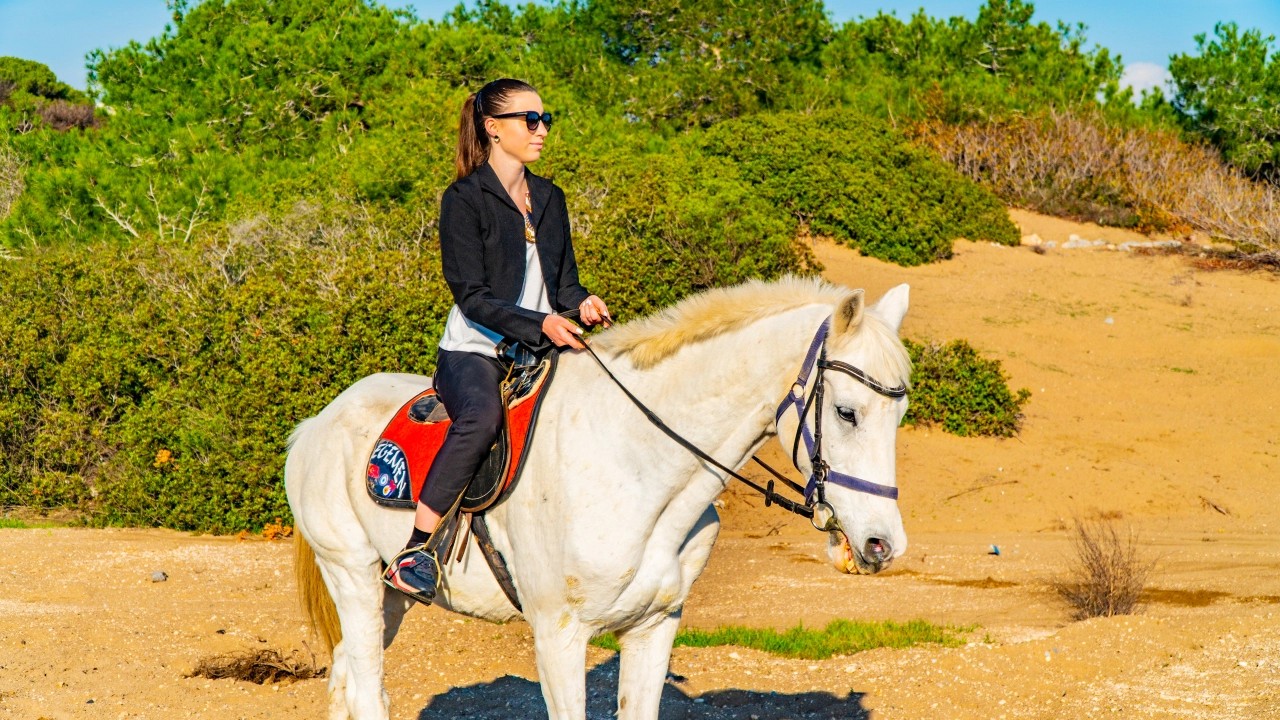
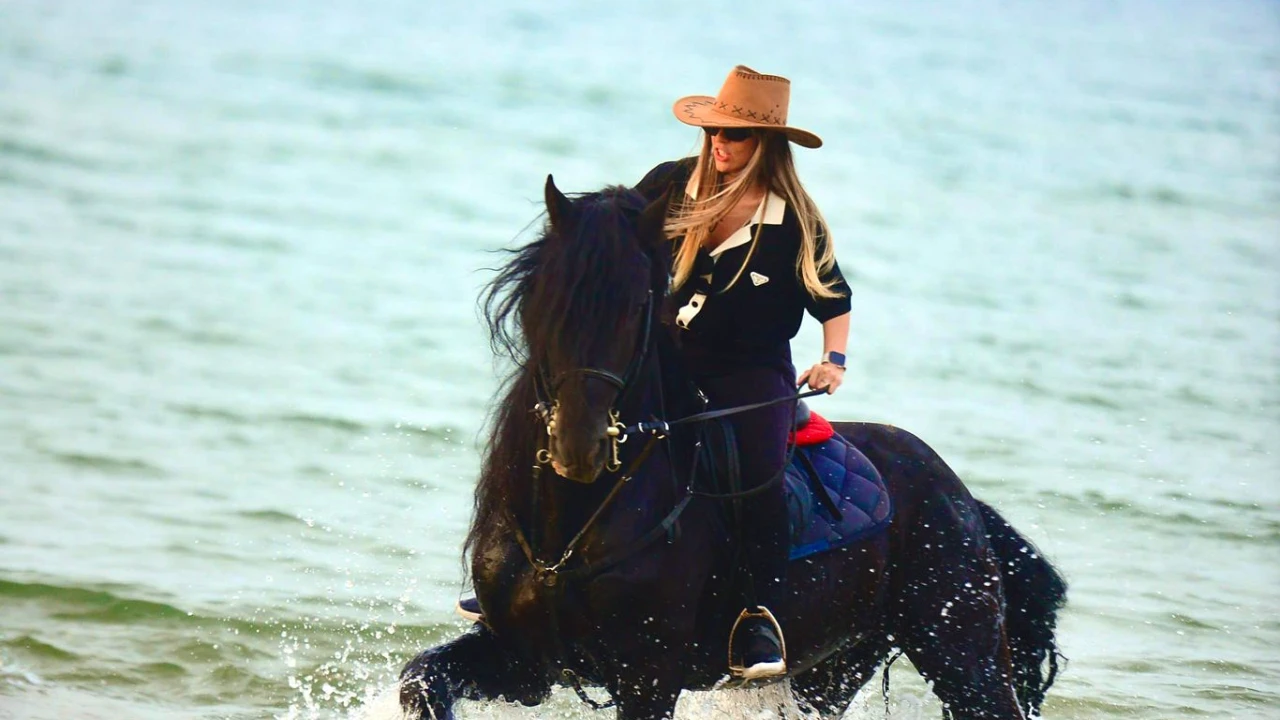
| Coastal & Riverbeds | Shallow water crossings, sandy shores | Splashing water, sea views | Playful, splashing steps | Adventurous youth groups |
| Historic Village Paths | Cobbled ancient paths, ruins | Stone houses, ancient olive groves | Slow and careful walk | History & culture buffs |
In the valleys of Cappadocia, the soft sandy ground muffles the sound of hooves, creating a fairytale atmosphere, especially as the sky turns crimson at sunset. Meanwhile, forest trails provide a cool, refreshing sanctuary from the summer heat.
The 5-Step Protocol for a Safe Horse Safari
To ensure a secure ride while respecting the sensitive nature of horses, we follow these five fundamental protocols:
- Helmet Selection and Fit: A certified riding helmet must be worn, adjusted to the head size, and the chin strap securely fastened.
- Horse-Rider Matching: You must ride the horse assigned by the guide based on your height, weight, and experience; please do not choose your own horse.
- Saddle and Stirrup Adjustment: Ensure the stirrup straps are adjusted to your leg length so that the balls of your feet rest comfortably in the stirrups.
- Calm Approach: Never approach a horse from behind. Establish trust by approaching from the front/side at eye level and speaking in a calm tone.
- Maintaining Convoy Order: Keep at least one horse length of distance from the rider in front. Do not attempt to overtake or race other riders.
By following these five rules, a perfect harmony is created between horse and rider, eliminating safety concerns throughout the trip.
Turkish Equestrian Federation & Tourism Regulations
Businesses organizing tourist horse safaris in Turkey are subject to inspections by the Turkish Equestrian Federation and the Ministry of Agriculture and Forestry. All horses must undergo regular annual veterinary check-ups, vaccinations, and farrier (shoeing) services.
It is a legal requirement to provide horses with adequate rest during peak heat hours or when signs of fatigue appear. Furthermore, all guides must hold a certified equestrian safety qualification.
Compliant operators provide mandatory personal accident insurance for their guests, ensuring immediate health coverage in the unlikely event of a sprain or fall.
Understanding Horse Psychology and Spooking Reflexes
As prey animals, horses are incredibly sensitive to sudden movements and unexpected noises. Their wide-angle vision allows them to see almost everything around them, including what is behind them.
For this reason, suddenly opening an umbrella, waving a rustling plastic bag, or shouting loudly while in the saddle can "spook" the horse. A wild bird or a sudden gust of leaves can also cause a momentary startle.
In such moments, instead of panicking or screaming, keep the reins steady and soothe the animal with a soft voice, saying something like "easy now", while gently patting its neck. A horse draws its confidence from the calmness of its rider.
Turkey's Most Enchanting Horseback Exploration Valleys
When people think of horse safaris in Turkey, Cappadocia is undoubtedly the first destination that comes to mind. Riding through Love Valley, Swords Valley, and Güllüdere among the fairy chimneys at sunset attracts travelers from every corner of the globe.
In the Kayaköy region of Fethiye, riders pass through the ruins of historic Greek houses under the shade of pine trees, eventually reaching hills with stunning views of Ölüdeniz. Meanwhile, tours in the Lara beaches of Antalya and the Çakırlar highlands offer the refreshing breeze of the Mediterranean.
Trekking through these routes, accompanied only by the untouched sounds of nature, feels like a journey back in time. Every turn reveals a new postcard-perfect vista.
Ranch Culture and the Pre-Ride Meet-and-Greet
A successful safari begins at the ranch. Arriving at least 20 minutes before your tour is a great opportunity to meet the horses and feel their energy.
Horses instantly pick up on human body language and scent. Offering a small piece of carrot or apple from the palm of your hand helps the horse trust you, making it more obedient throughout the ride.
This brief introduction wipes away the tension of city life, allowing guests to mount their horses with more motivation and confidence.
Photography and Video Tips for the Trail
Capturing the magic of a ride is a priority for every traveler. However, letting go of the reins with both hands to film a video can lead to a loss of balance.
The best time for photos is during the short breaks scheduled in the valley. At these stops, guides will stand by your horse to take high-quality souvenir photos for you.
Alternatively, using an action camera mounted on your helmet or a chest harness allows you to record the entire journey in wide-angle without taking your hands off the reins. This keeps you safe while preserving wonderful memories.
What to Pack for Your Horse Safari
To ensure a comfortable experience on natural trails, we recommend bringing the following essentials:
- Long, Flexible Trousers (Leggings or Comfortable Jeans): Protective lower wear to prevent the saddle leather from chafing your inner thighs.
- Closed-Toe, Flat Shoes: Sneakers or riding boots that fit securely in the stirrups and won't slip.
- Sunscreen and Lip Balm: To prevent skin dryness caused by sun and wind in open terrain.
- Bandana or Neck Gaiter: A breathable, lightweight fabric to protect your nose and mouth from dust on valley trails.
- Fanny Pack or Small Cross-body Bag: A secure way to carry your phone and keys without them falling during the ride.
Avoid wearing dangling earrings, long scarves, or loose windbreakers, as these can flutter in the wind and unsettle the horse. Additionally, avoid carrying heavy backpacks to maintain spinal comfort.
Frequently Asked Questions 5
Do I need prior riding experience to join a horse safari?
No, before the tour begins, expert guides provide basic instruction on steering, stopping, and using the reins. We use highly docile trail horses.
Is wearing a helmet mandatory during the safari?
Yes, for safety reasons, it is mandatory to wear a certified riding helmet (Tog) to protect the head from impacts throughout the ride.
Can children participate, and what is the age limit?
Generally, children over 6 can participate under parental supervision. For younger children, we offer pony tours under the direct control of a guide.
What clothes and shoes should I wear for a horse safari?
To prevent saddle chafing, wear long flexible trousers (leggings or jeans) and closed-toe, flat shoes that do not slip from the stirrups.
Where are the most popular horse safari trails in Turkey?
The most famous spots are the Cappadocia valleys (Love and Swords Valleys), the pine forests of Kayaköy in Fethiye, and the Lara coast in Antalya.