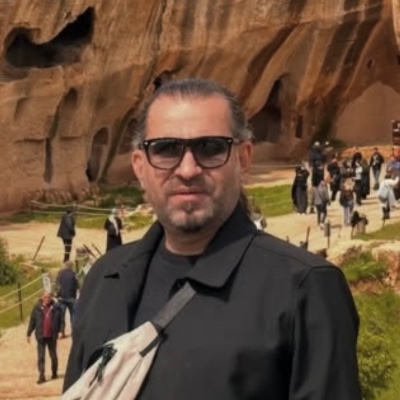
Venturing along the Fırtına River toward the misty summits of the Kaçkar Mountains National Park is more than just a trip, it is an immersion into the rich cultural tapestry and lush rainforests of the Black Sea region. Stretching from the town of Çamlıhemşin to the breathtaking Ayder Plateau, this route carves a stunning natural corridor through the mountains. Along the way, you will encounter centuries-old stone arch bridges, historic mansions perched on steep cliffs, and thunderous waterfalls. To explore professional guided itineraries and tailored travel options, visit our Ayder City Tours page and start planning your unforgettable highland escape.
The crystal-clear waters surging through the deep canyons of Fırtına Valley have shaped the local way of life and architectural identity for generations. Travelers escaping the humid coastline for the crisp mountain air of the Kaçkars are greeted by the haunting melodies of the tulum (traditional bagpipe) and authentic local flavors. This landscape, where traditional wooden highland houses blend seamlessly into spruce forests, is a sanctuary for hikers and culture enthusiasts alike.
In this comprehensive guide, we dive deep into the historic stone bridges of Fırtına Valley, the strategic majesty of Zilkale, the raw power of Palovit Waterfall, and the vibrant atmosphere of Ayder Plateau. We have compiled all the practical tips you need to plan a seamless and enchanting Black Sea adventure.
Quick Facts: Ayder Plateau & Fırtına Valley Route
The Fırtına Valley and Ayder Plateau circuit is one of the most coveted destinations in Northeastern Turkey, renowned for its unique ecosystem and deep-rooted traditions. The table below summarizes the essential details for your visit.
| Feature | Route Summary |
|---|---|
| Region & Location | Rize, Çamlıhemşin district, foothills of the Kaçkar Mountains |
| Must-See Stops | Historic Şenyuva Bridge, Zilkale, Palovit Waterfall, Ayder Plateau |
| Geography | Deep river canyons, dense spruce forests, and high-altitude meadows |
| Best Time to Visit | Spring and Summer (Early May to late October) |
| Average Tour Duration | Full-day cultural and nature circuit (8 to 10 hours) |
| Essential Gear | Raincoat, waterproof hiking boots, and layered clothing |
| Cultural Highlights | Hemşin architecture, highland lifestyle, tulum music, and Black Sea cuisine |
The historical landmarks and viewpoints along the route truly come to life through the stories told by professional guides. Given the region's unpredictable weather, we recommend being prepared for all four seasons in a single day.
For those wishing to explore other historic valleys and mountain trails across the region, browse our list of popular cultural tours in Rize and the Black Sea region to design a comprehensive itinerary.
The Geography of Fırtına Valley and Its Ancient Stone Bridges
Fırtına Valley is a magnificent, steep-walled canyon carved over millennia by the Fırtına River, which flows from the northern slopes of the Kaçkar Mountains down to the Black Sea. The valley is a botanical paradise, home to some of the world's most biodiverse temperate rainforests, dominated by hornbeam, beech, and spruce trees.
To conquer the raging waters of the deep valley, pointed arch stone bridges were constructed during the Ottoman and Genoese eras. These structures were built using precision-cut stones without the use of mortar. Their high-arched design was a strategic engineering choice, allowing the bridges to withstand sudden, violent flash floods.
Today, dozens of these stone bridges remain, standing as silent witnesses to the ancient trade and transhumance routes that once connected these remote highlands.
The Historic Şenyuva Bridge and Hemşin Stone Houses
One of the valley's most iconic landmarks, the historic Şenyuva Bridge, is located about seven kilometers from the center of Çamlıhemşin. Estimated to have been built in 1696, this elegant stone arch creates a graceful curve over the Fırtına River.
Just beyond the bridge, scattered across the slopes, are traditional Hemşin mansions, a blend of wood and stone that showcases the region's rich civil architecture. These grand three-story homes were typically built by wealthy families who had worked abroad in Russia and Europe.
Taking a tea break in Şenyuva Village, sitting in a historic riverside café and listening to the soothing rhythm of the water, is a quintessential Black Sea experience.
Tea Plantations Along the Çamlıhemşin Valley
At the entrance of the valley, the slopes are draped in a vibrant green carpet of tea plantations, the beating heart of the region's agricultural culture. Seeing the local women harvesting tea with traditional baskets (küfeler) on their backs is one of the most authentic sights in Turkey.
The bustle around the tea collection centers offers a glimpse into the daily tempo of rural life. Travelers can breathe in the fresh, earthy scent of newly picked green tea shoots filling the air.
Stopping at small roadside businesses to taste a cup of freshly brewed, organic Rize tea adds a layer of local flavor to the journey.

Hidden Fortresses and the Power of Palovit Waterfall
As you venture further into the southern branches of Fırtına Valley, the terrain becomes wilder and the forest canopy denser. Perched on jagged cliffs hundreds of meters above the valley floor are fortresses that once served as military outposts securing the ancient Silk Road.
Zilkale, the most monumental of these, resembles an eagle's nest overlooking the entire valley. Situated 750 meters above sea level, its position allowed it to monitor and control all canyon passes in the vicinity.
Leaving the castle behind and following the dirt road deeper into the valley leads you to Palovit Waterfall, one of the most powerful and high-volume cascades in the Eastern Black Sea region.
The Majestic Walls of Zilkale and Canyon Vistas
Built upon a sheer rock mass with eight bastions and a watchtower, Zilkale is a striking example of medieval engineering. Visitors reach the inner keep via steep stone stairs.
From the highest observation deck, the Fırtına River below looks like a thin silver thread winding through the greenery. As mist clouds settle between the trees on the opposite slopes, the atmosphere becomes truly fairytale-like.
Spending time here reveals exactly why the Kaçkar geography was such a strategic gateway for conquerors and travelers throughout history.
The Roar of Palovit Waterfall
Located in the Palovit Valley about four kilometers from Zilkale, this waterfall plunges from a height of approximately fifteen meters in a massive wall of water. The resulting mist and wind keep the surrounding flora perpetually lush and damp.
As you approach the wooden observation balcony, the rising spray provides a refreshing chill. The roar of the falling water is so powerful that it often drowns out conversation, emphasizing the raw strength of nature.
This hidden gem in the forest is a primary stop for photographers, where the shutter never stops clicking.
Ayder Plateau and the Bridal Veil Waterfall
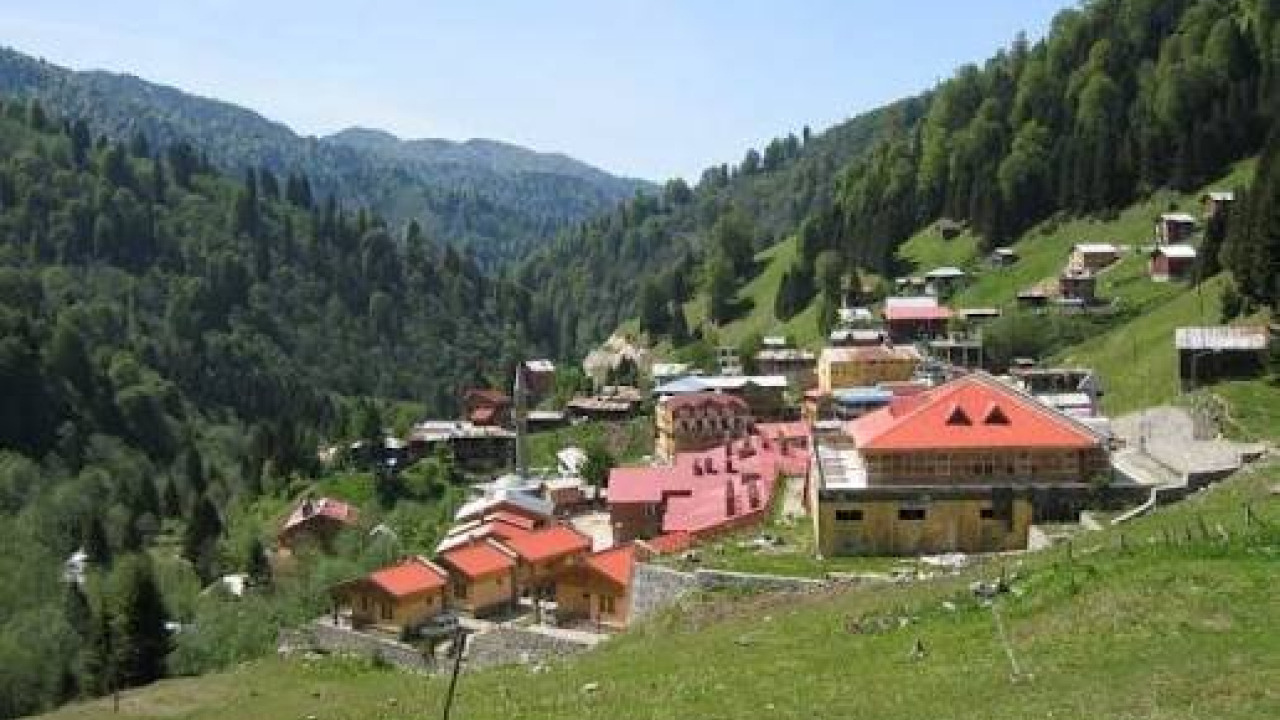
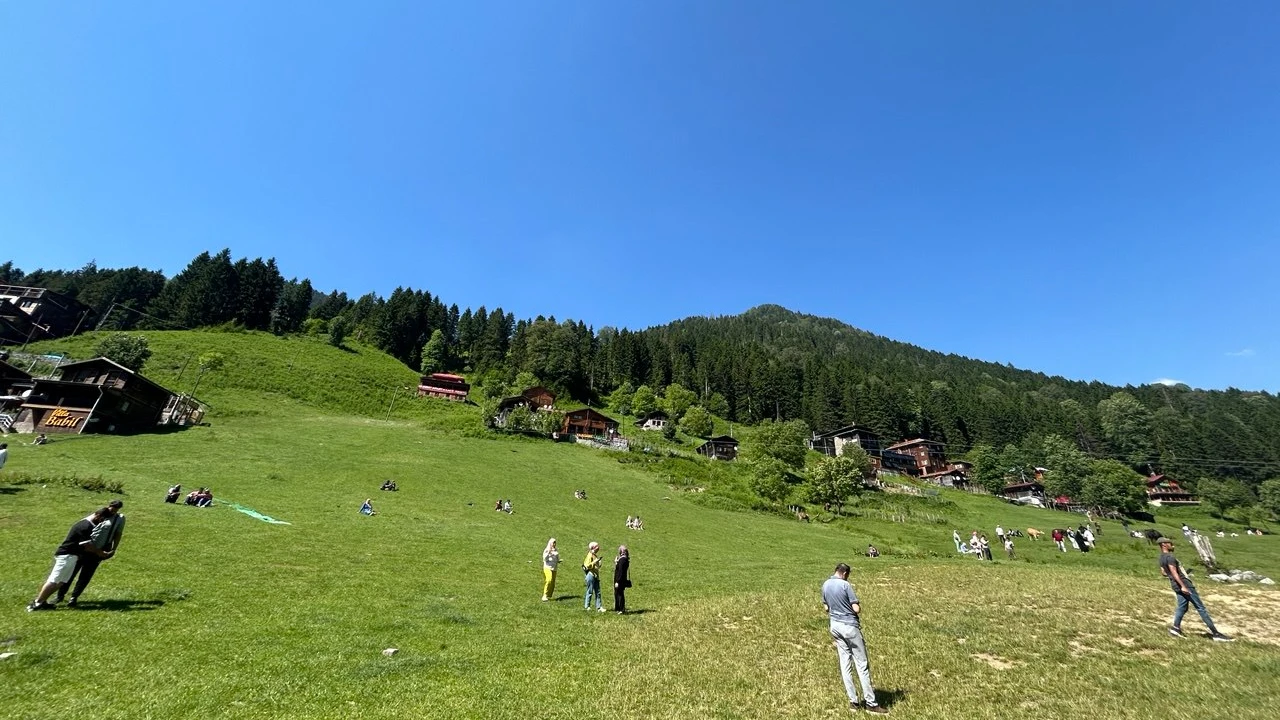
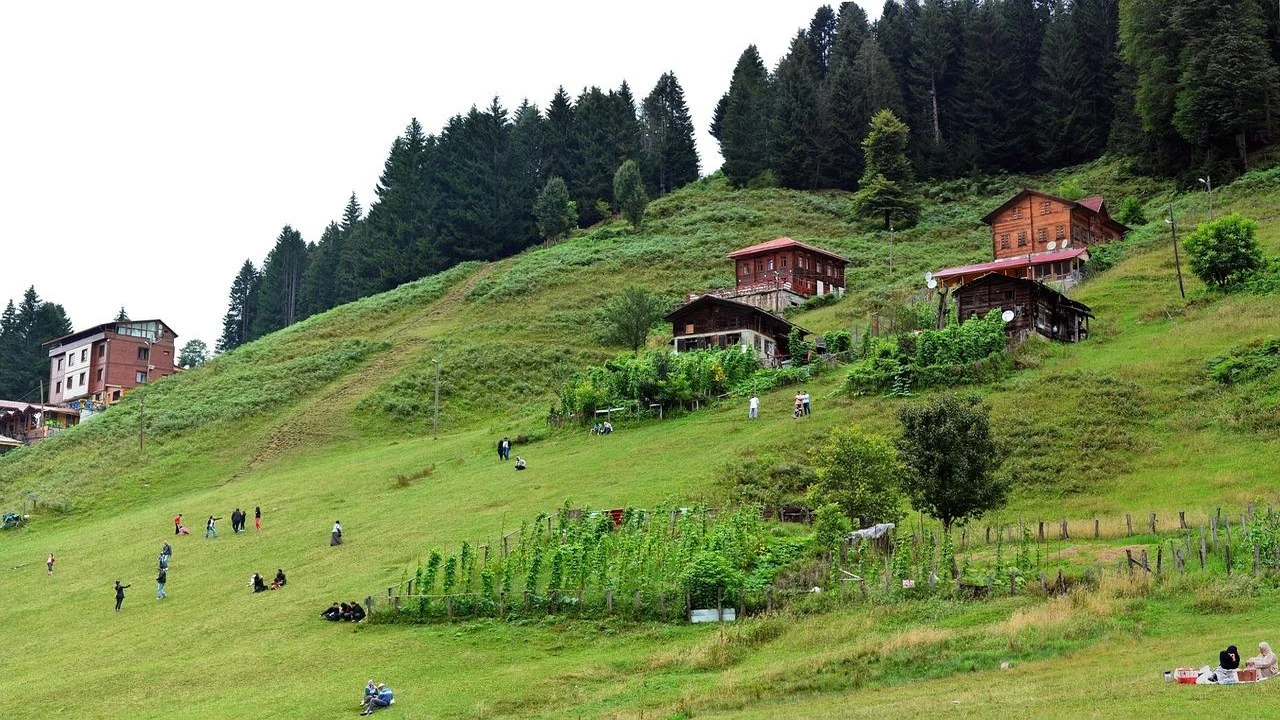
Climbing approximately nineteen kilometers upward from Çamlıhemşin, you reach the expansive plains of Ayder Plateau at an altitude of 1,350 meters. The plateau is encircled by steep slopes covered in dense spruce and beech forests.
Upon arriving at the center, the Gelin Tülü Waterfall (Bridal Veil Waterfall) immediately catches the eye, cascading down the mountain slopes like a delicate white veil. Descending in tiers from hundreds of meters above, it is the most famous symbol of the plateau.
Ayder is also renowned for its thermal springs, which have attracted visitors since the Roman and Ottoman eras seeking relief for rheumatism and skin conditions in their healing hot waters.
Tulum Music and the Horon Dance on the Meadows
During the summer months, locals and travelers gather on Ayder's vast green meadows to join horon dance circles accompanied by the tulum. As the nimble melodies of the bagpipe echo through the valley, the rhythmic steps of the dance elevate the energy of the crowd.
The colorful traditional headscarves worn by the local women create a vivid contrast against the emerald grass. Thanks to the warm hospitality of the locals, visitors can easily learn the basic steps of the horon.
This cultural exchange transforms a visit to Ayder from a simple sightseeing tour into a deep, immersive Black Sea experience.
Local Flavors and the Mıhlama Break
In the plateau restaurants, a hot serving of mıhlama, made by sautéing butter, cornmeal, and local kolot cheese, is served with freshly baked village bread. The sight of the stretching, melted cheese is a highlight of any local meal.
Menus featuring collard green wraps (karalahana sarması), corn bread, highland yogurt, and fresh trout completely erase the fatigue of the long valley journey. A glass of strong Rize tea or a local highland honey syrup is the perfect way to complete the culinary experience.
Tasting these regional delicacies provides a first-hand understanding of the area's rich gastronomic heritage.
Comparative Guide to Fırtına Valley Highlights
Each stop along the route possesses its own unique cultural, historical, or natural identity. The following table compares the characteristics of the primary highlights on the Fırtına Valley and Ayder circuit.
| Stop | Type & Nature | Altitude / Location | Visitor Focus |
|---|---|---|---|
| Şenyuva Bridge | Ancient stone arch bridge | ~450 m, Çamlıhemşin | Historic architecture & riverside photos |
| Zilkale | Medieval watchtower castle | ~750 m, Fırtına Canyon | Panoramic canyon views & history |
| Palovit Waterfall | High-volume mountain fall | ~850 m, Palovit Valley | Powerful water flow & forest serenity |
| Ayder Plateau | Traditional thermal highland | ~1,350 m, Kaçkar foothills | Horon culture, highland huts & meadows |
| Gelin Tülü Waterfall | Tiered high waterfall | ~1,400 m, Ayder slope | Natural beauty & iconic valley silhouette |
The balance between these stops ensures that travelers can satisfy their hunger for both history and untouched nature in a single day.



Preparation and Safety Protocols for the Highlands
To ensure a safe and comfortable trip through the volatile geography of the Kaçkar Mountains, certain precautions are essential. The narrow and winding nature of the highland roads requires cautious driving and awareness.
One must account for the fact that the weather can shift from bright sunshine to a torrential downpour in minutes. Therefore, dressing in layers is a significant advantage.
Here are five essential safety and preparation steps for your Ayder and Fırtına Valley trip:
- Always carry a high-quality windproof and waterproof raincoat, regardless of the forecast.
- Choose hiking boots with lugged soles to prevent slipping on wet stone surfaces and muddy trails.
- Never step beyond the safety railings on the walls of Zilkale or the waterfall observation decks.
- Keep a light fleece or cardigan in your backpack to combat the chill caused by the increase in altitude.
- When driving on winding mountain roads, adhere strictly to speed limits and yield to oncoming traffic.
Following these safety guidelines eliminates minor inconveniences and ensures a stress-free experience in the mountains.
The Hiker's Packing List
We recommend preparing the following essentials for a full day spent on the highland trails:
- A small backpack with a rain cover to keep your belongings dry in damp conditions.
- Adjustable trekking poles to reduce the load on your joints while walking on steep paths.
- Protective lip balm and sunscreen to guard against the intense high-altitude sun.
- A waterproof case for your camera or phone to protect it from waterfall spray.
- Sufficient cash for small purchases in remote highland villages where cards may not be accepted.
These simple tools will help you spend your day in peace amidst the unpredictable nature of the Black Sea.
Frequently Asked Questions 5
When is the best time to visit Ayder Plateau?
The highland season typically begins in late May and lasts until mid-October. June and July are ideal for hiking when the nature is at its lushest green. September and October are equally stunning, as the valley transforms into a kaleidoscope of autumn colors.
Which historic bridges should I see along Fırtına Valley?
The most impressive structures are the Historic Şenyuva Bridge, Mikron Bridge, and Timisvat Stone Arch Bridge. These bridges, built with mortarless cut-stone masonry, have stood the test of time for centuries.
Are Zilkale and Palovit Waterfall included in an Ayder tour?
Yes, in comprehensive full-day cultural tours, the route typically proceeds from Çamlıhemşin to Zilkale and Palovit Waterfall before concluding the program at Ayder Plateau.
What kind of footwear should I wear for Ayder Plateau?
Since the grassy areas, wet stone paths, and waterfall surroundings can be slippery, sturdy trekking or sports shoes with lugged, water-repellent soles are highly recommended. Leather-soled or flat city shoes will significantly hinder your comfort.
How long does a Fırtına Valley and Ayder tour take?
Tours starting from the coastal districts or Rize city center typically last between 8 to 10 hours. This includes travel time, visits to historical landmarks, and relaxation time on the plateau.